Sphynx cats in Nigeria: Caring for Hairless Cats in the Heat
Introduction:
Sphynx cats in Nigeria are growing in popularity, and it is easy to see why. These wrinkled, velvet-skinned cats are unlike anything else available as a pet in this country. They are affectionate, curious, highly interactive, and genuinely attached to their owners in a way that surprises most first-time buyers.
However, keeping Sphynx cats in Nigeria comes with challenges that most international care guides simply do not address. Those guides were written for temperate climates with central heating and cold winters. Nigeria has none of that. Instead, you have year-round heat, intense sun, humidity, and limited access to specialized veterinary care in many cities.
Therefore, if you own or plan to adopt a Sphynx cat in Nigeria, you need care information that actually fits your environment. A Sphynx cat that thrives in London needs completely different management in Lagos or Abuja.
This guide covers the specific skin care needs that Nigeria’s tropical climate creates, how to feed and hydrate your Sphynx properly in the heat, where to find hairless cats in Nigeria responsibly, and what daily care looks like for Nigerian owners managing this unique breed every day.
Sphynx Cats in Nigeria: What Makes This Breed Uniquely Challenging Here
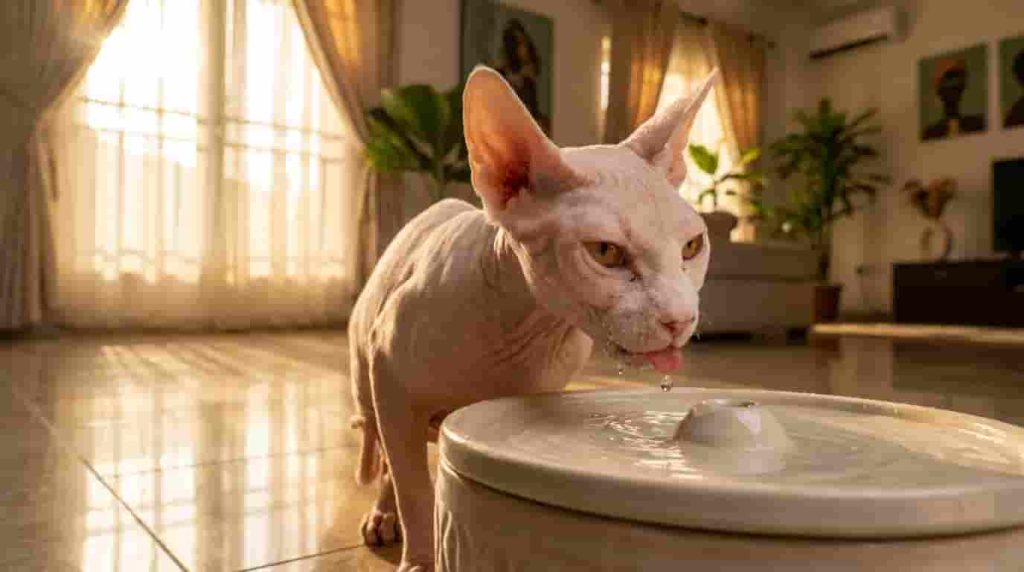
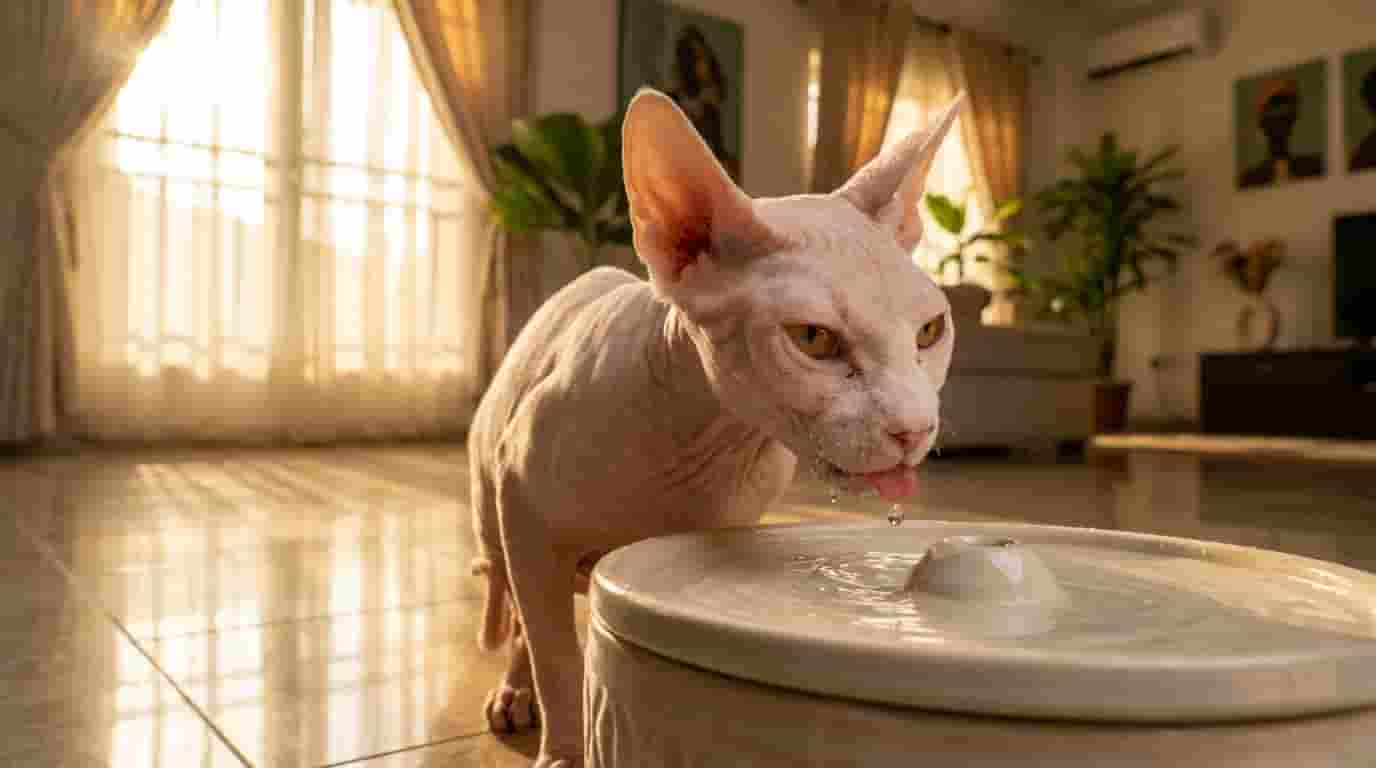
Sphynx cats in Nigeria face a specific set of challenges that start with one basic fact. These cats have no fur coat. Every other cat breed carries a layer of insulating hair that regulates body temperature, protects skin from the sun, and absorbs the natural oils the skin produces. Sphynx cats have none of that protection.
In Nigeria’s climate, this creates three immediate problems:
- Sunburn risk: A Sphynx cat exposed to direct sunlight through a window or outdoors can develop painful sunburn within a short period. Their exposed skin has no UV protection whatsoever.
- Oil buildup: Sphynx cats produce the same skin oils as other cats but have no fur to absorb them. Without regular bathing, this oil builds up into a dark and sticky residue on the skin, furniture, and bedding.
- Overheating: Despite having no fur, Sphynx cats are not naturally adapted to tropical heat. They feel temperature changes intensely and can overheat quickly in poorly ventilated homes or during the hottest parts of the dry season.
Additionally, allowing a Sphynx cat to roam freely outdoors in Nigeria exposes it to all three of these risks simultaneously. Our article on Cat indoor lifestyle: Why free-roaming in Nigeria is risky explains in detail why indoor living is especially important for exotic breeds like the Sphynx in the Nigerian context.
Skin Care for Sphynx Cats in Nigeria’s Tropical Climate
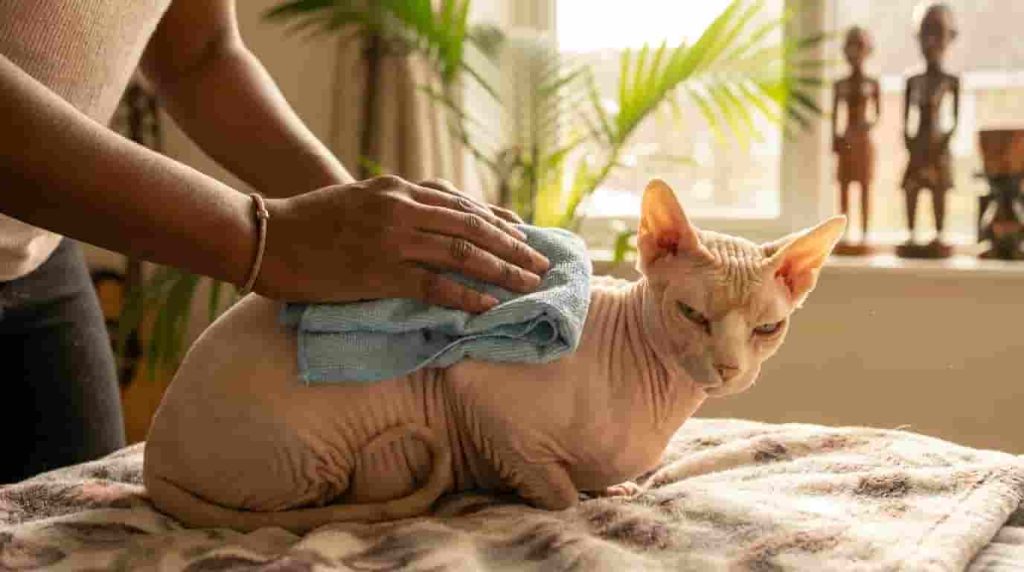
Sphynx cat grooming in Nigeria requires more frequent attention than in cooler countries. The combination of heat, humidity, and oil production means most Nigerian Sphynx owners need to bathe their cats at least once a week. In the hotter months of the dry season, twice a week becomes necessary for many cats.
Here is a practical skin care routine for Nigerian Sphynx owners:
- Use a gentle, fragrance-free baby shampoo or a shampoo specifically formulated for Sphynx cats. Human shampoos with strong fragrances irritate the sensitive skin of hairless cats.
- Wash gently inside the skin folds on the neck, armpits, and behind the ears. These areas accumulate the most oil and debris and need careful attention at every bath.
- Dry your cat thoroughly with a soft towel immediately after bathing. A damp Sphynx in air conditioning can feel cold very quickly despite Nigeria’s climate.
- Keep your cat away from direct sunlight through windows. Use UV-filtering curtains or blinds in rooms where your cat spends the most time during peak sun hours.
- Clean the ears weekly. Sphynx cats produce more ear wax than most breeds because they have no ear hair to trap debris. Use a cotton ball with a gentle ear-cleaning solution approved for cats.
According to VCA Animal Hospitals, routine skin and ear care is the most critical aspect of Sphynx cat maintenance and distinguishes responsible ownership from neglect in this breed. Therefore, Nigerian owners need to build these habits into a consistent weekly schedule from the very first week of ownership.
Feeding and Hydration Needs for a Sphynx Cat in the Nigerian Heat
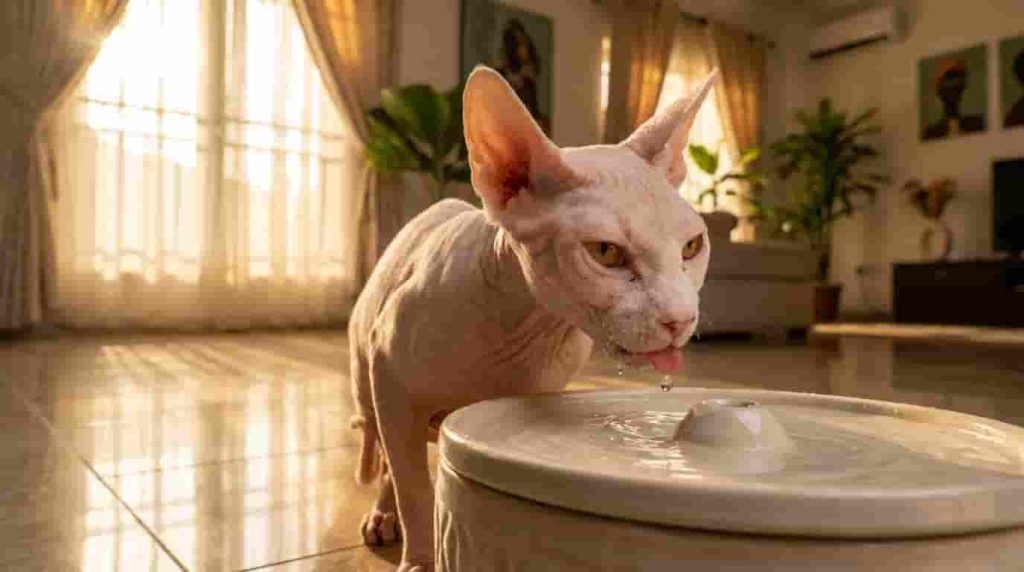
Sphynx cat care tips for Nigeria must account for the breed’s unusually high metabolic rate. Sphynx cats burn more calories than most cat breeds simply to maintain their body temperature without insulating fur. Therefore, they need more food per kilogram of body weight than a typical domestic cat of the same size.
Here is what Nigerian Sphynx owners need to know about feeding:
- Feed a high-protein diet consistently. Look for cat foods with real chicken, fish, or beef listed as the first ingredient. Grain-heavy fillers do not support the high energy demands of this breed adequately.
- Divide meals into three portions daily. Smaller and more frequent meals support the Sphynx’s fast metabolism better than one or two large meals.
- Keep fresh water available at all times. Nigeria’s heat increases water needs significantly. Many Sphynx owners use a cat water fountain because moving water encourages better hydration.
- Avoid feeding only dry kibble during the hottest months. Wet food provides additional moisture that helps prevent dehydration in extreme heat conditions.
Real life example: Tunde from Ibadan adopted a Sphynx kitten named Zeushe noticed the kitten losing weight despite eating well. After switching from a local generic kibble to a high-protein imported wet food and dividing the meals into three daily portions, Zeus regained healthy weight within six weeks and became visibly more energetic and playful throughout the day.
Finding and Buying Sphynx Cats in Nigeria
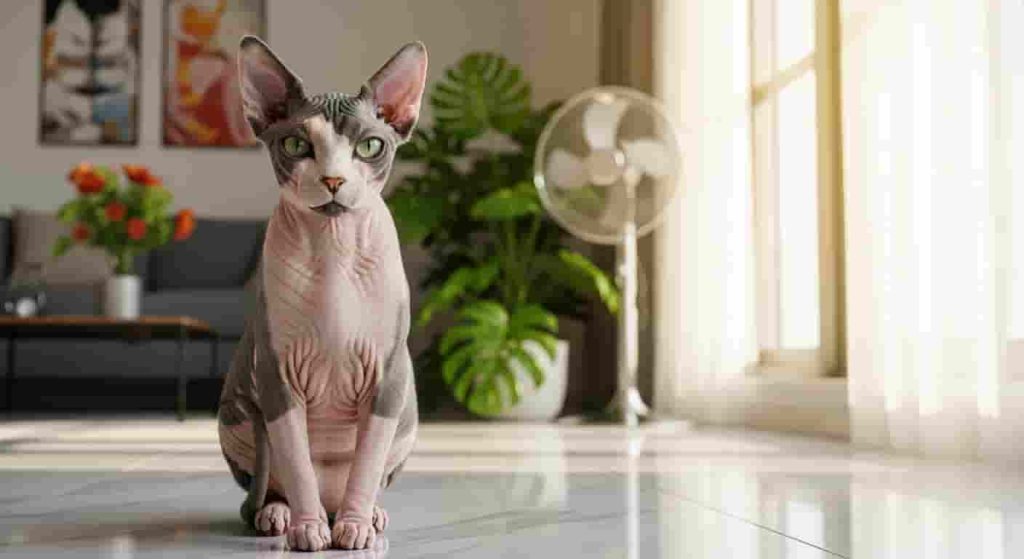
Finding Sphynx cats in Nigeria through responsible channels requires patience and research. Reputable Sphynx breeders in Nigeria are limited in number, and demand often exceeds legitimate availability. Therefore, buyers need to approach this process carefully to avoid scams and poorly bred kittens from irresponsible sources.
Here are the most reliable ways to find hairless cats in Nigeria:
- Search for registered Nigerian Sphynx breeders through dedicated cat breeder communities on social media platforms like Facebook and Instagram. Look for breeders who show their cats living in clean, indoor environments and willingly share health records.
- Ask for proof of vaccinations and veterinary clearance before purchasing any kitten. A reputable breeder always provides documentation without hesitation.
- Visit the cattery in person before committing to any purchase. Responsible Nigerian Sphynx breeders welcome visits and want buyers to see how their kittens are raised and socialized.
- Consider adoption through verified rescue groups that occasionally rehome Sphynx cats whose owners can no longer care for them. This option is rarer but exists within Nigerian pet communities.
Also, be aware that cultural attitudes toward cats in some Nigerian communities can affect how you care for and keep an exotic breed like the Sphynx. Our article on Cat witchcraft myths: Changing the narrative in Nigerian culture addresses these misconceptions directly and helps owners navigate neighbourhood perceptions confidently.
What to Expect From Sphynx Cat Prices in Nigeria
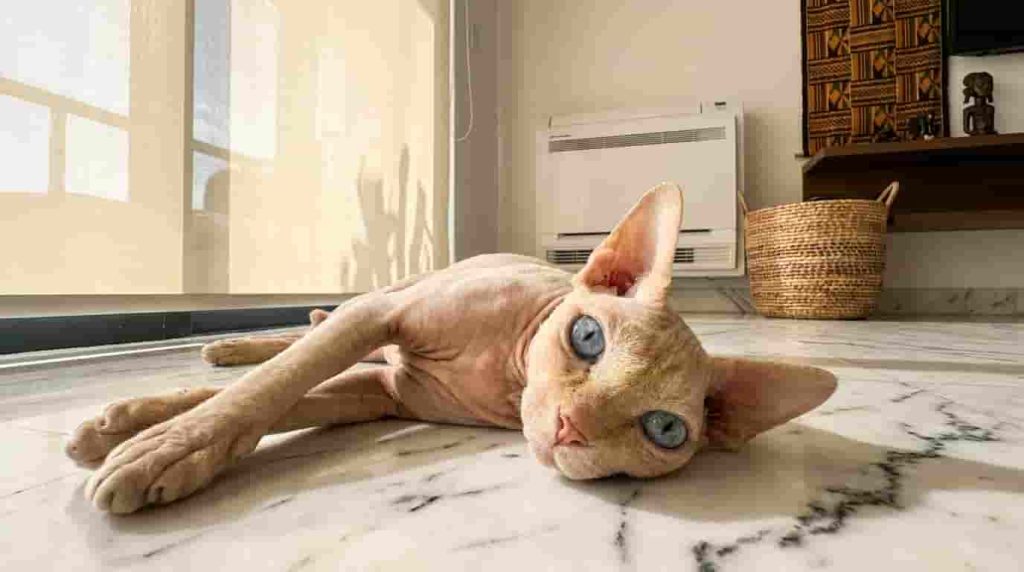
Sphynx cat prices in Nigeria reflect both the rarity of the breed locally and the cost of importing breeding stock. Therefore, buyers should expect to pay significantly more for a Sphynx kitten than for most local or common exotic breeds available in Nigeria.
General price ranges currently observed in the Nigerian market include:
- Pet-quality Sphynx kittens from local breeders: Between 150,000 and 350,000 naira depending on lineage, health records, and the breeder’s reputation.
- Imported Sphynx kittens: Prices typically start from 500,000 naira and increase based on import costs, age, and breeder credentials at origin.
- Older rehomed Sphynx cats: Sometimes available at lower prices through adoption networks, though these cases are rare in Nigeria.
Additionally, the purchase price represents only the beginning of the true cost. Monthly expenses for high-quality food, regular bathing supplies, veterinary check-ups, and specialty skincare products add meaningfully to the overall investment of Sphynx cat ownership in Nigeria.
If you ever need to travel with your Sphynx between Nigerian cities, our guide on Cat travel by road: Moving from Lagos to Abuja with a pet covers the essential preparation and safety steps for long-distance road travel with a sensitive exotic breed.
Conclusion
Sphynx cats in Nigeria are a rewarding and deeply affectionate choice for committed cat owners. However, they demand a level of care that goes well beyond what most cats require in this climate. Therefore, consistent skin care, high-protein feeding, indoor protection from the sun, and access to a knowledgeable veterinarian are all non-negotiable parts of responsible Sphynx ownership in Nigeria.
Caring for Sphynx cats in Nigeria successfully means adapting proven international care advice to the specific demands of the Nigerian environment. As a result, your cat stays healthy, comfortable, and deeply bonded to you throughout a long and happy life together.
Are you currently a Sphynx owner in Nigeria or thinking about getting one? Share your experience in the comments below and tell us what you have found most challenging or rewarding about keeping this incredible breed in our climate.
Frequently Asked Questions
Yes, Sphynx cats can live well in Nigeria with the right care and environment. They need consistent indoor housing with good ventilation or air conditioning, protection from direct sunlight, and more frequent bathing than cats kept in cooler climates. Without these adjustments, they can overheat or develop serious skin problems.
The best place to start is with verified Nigerian Sphynx breeders found through reputable pet communities on Facebook and Instagram. Always visit the cattery in person and request full health and vaccination records before purchasing. Avoid sellers who offer suspiciously low prices or refuse to share documentation.
Local Sphynx kittens from Nigerian breeders typically cost between 150,000 and 350,000 naira. Imported kittens start from around 500,000 naira and go higher depending on lineage and import costs. Budget for ongoing monthly expenses as well, since Sphynx cats require specialty food and regular skin care products.
Most Nigerian Sphynx owners need to bathe their cats once a week to manage oil buildup in the tropical heat. During the dry season or in particularly humid areas, twice-weekly bathing becomes necessary. Use a gentle fragrance-free shampoo and dry your cat thoroughly after every bath.
Sphynx cats are generally sociable and adapt well to homes with other cats and dogs when introduced properly. They are highly social and dislike being left alone for long periods. Proper gradual introductions reduce the stress of adding a Sphynx to an existing multi-pet household significantly.