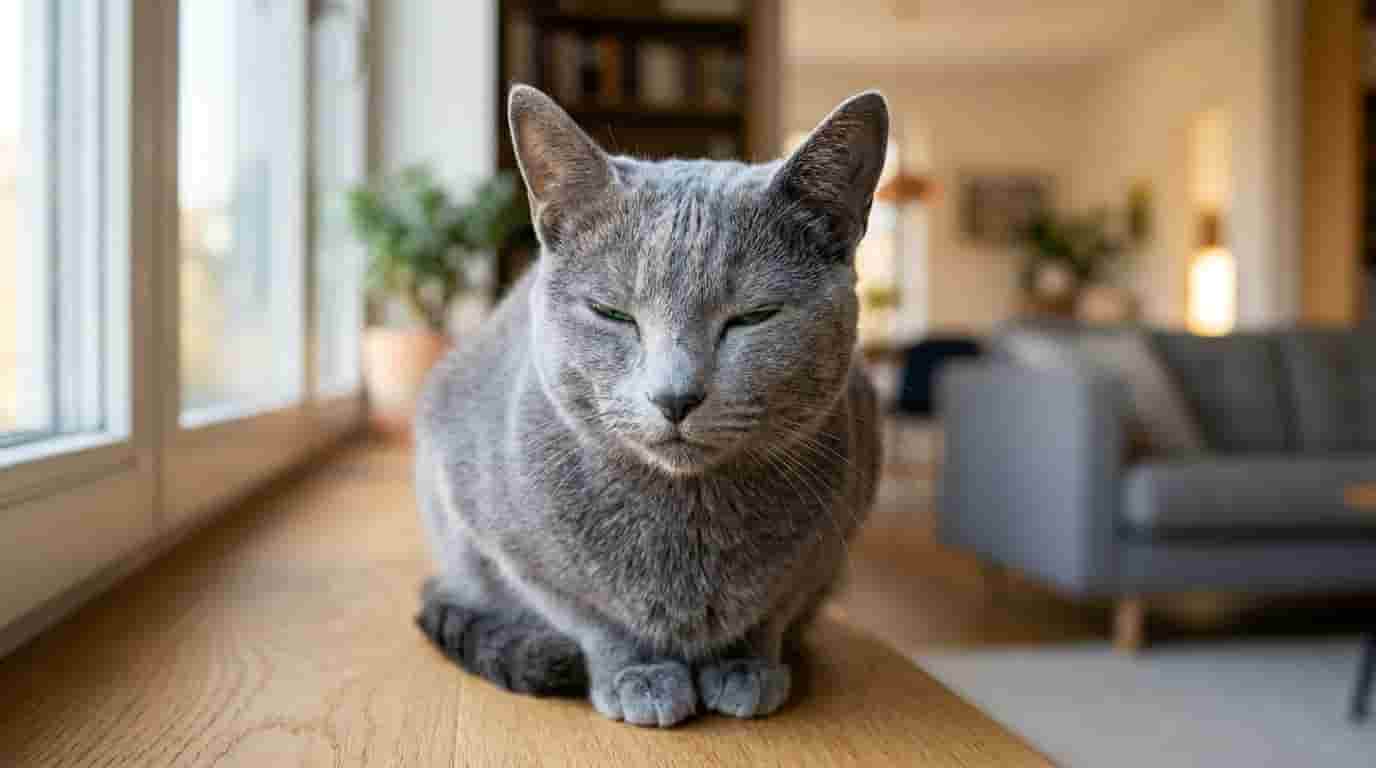
Cat Slow Blinking: The Secret Way Cats Say I Love You
Introduction:
Cat slow blinking is one of the most beautiful and heartwarming mysteries of the feline world today. Do you ever feel like your pet is staring deeply at you with cold, distant, or judgmental eyes? Many owners struggle to read their pet’s true feelings because felines do not express love like domestic dogs. However, your favorite kitty uses silent facial gestures to show deep affection when they feel completely safe by your side. Understanding these quiet looks can instantly transform your relationship and clear up common misunderstandings about feline behavior. Let us dive into this amazing silent language so you can connect with your companion on a much deeper level.
Many people assume that cats only show love through loud purring, head butting, or demanding tasty treats. However, researchers show that facial expressions play a massive role in standard cat communication with human family members. If you want to understand your pet completely, you must look at their entire body posture. For instance, you can monitor their emotional state by reviewing Cat Tail Positions: A visual guide to cats moods. Combining these physical signals gives you a perfect understanding of your pet’s current mindset and comfort level.
The Science and Psychology of Cat Slow Blinking
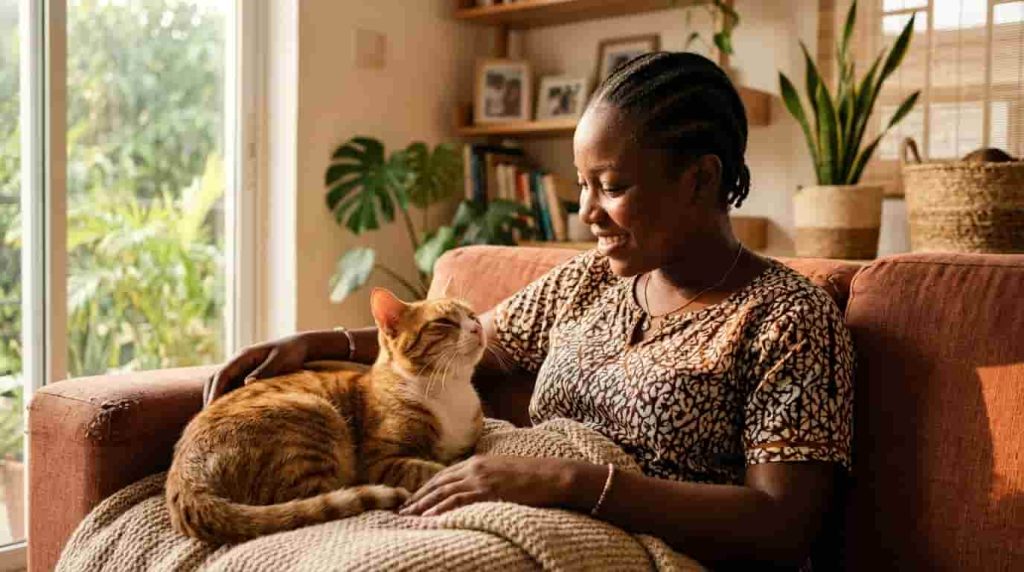
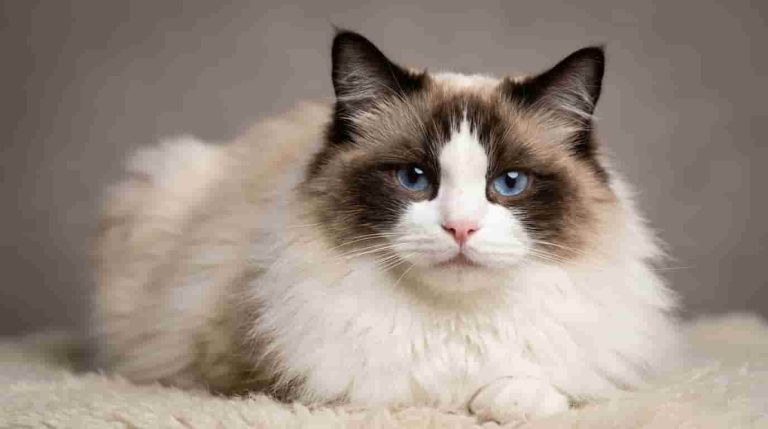
Scientific studies show that cat slow blinking serves as a powerful tool for building immense trust between species. When a kitty performs this action, they close their eyes slowly for a few extended seconds before opening them. This specific cat behavior slow blink indicates that the animal does not perceive you as a threat or danger. In the wild world, closing your eyes around another creature is a huge risk because predators attack quickly. Therefore, your housecat only narrows their eyelids when they feel absolute peace and comfort in their current environment.
Here is how to identify a genuine slow blink:
- Your pet lowers their eyelids very slowly
- They keep their eyes closed for one or two seconds
- They open their eyes gently with a soft gaze
- Their overall body muscles remain perfectly relaxed
Additionally, practicing calming cat slow blinking can actually lower stress levels for both you and your furry friend. Felines possess an incredible ability to sense human emotions and physical tension inside the home through observation. When you mimic this gentle facial movement, you send a clear signal that the room is perfectly safe. This simple interaction can quickly ease tension if your pet feels nervous about loud noises or sudden household changes. Understanding cat slow blinking psychology allows you to become a true master of subtle feline body language cues.
If your pet refuses to look at you, they might be experiencing deeper emotional or physical distress. You can learn more about these warning signs by reading Cat Hiding Behavior: When to worry if your cat staying out of sight. Addressing these avoidance habits early ensures your companion feels secure enough to interact openly with the family again.
How to Practice Cat Whispering at Home
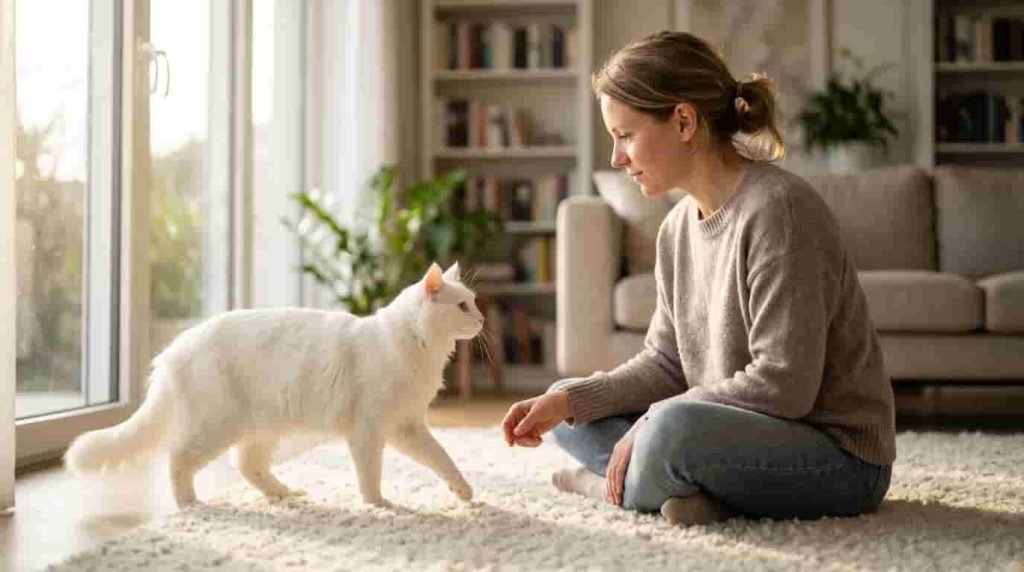
You can easily learn the art of cat whispering by using your own eyes to communicate affection. First, find a quiet moment when your kitty is lounging comfortably on a rug or your bed. Next, make soft eye contact without staring too intensely, because a hard stare signals aggression in the animal world. Finally, slowly close your eyes, hold them shut for two seconds, and open them with a gentle expression.
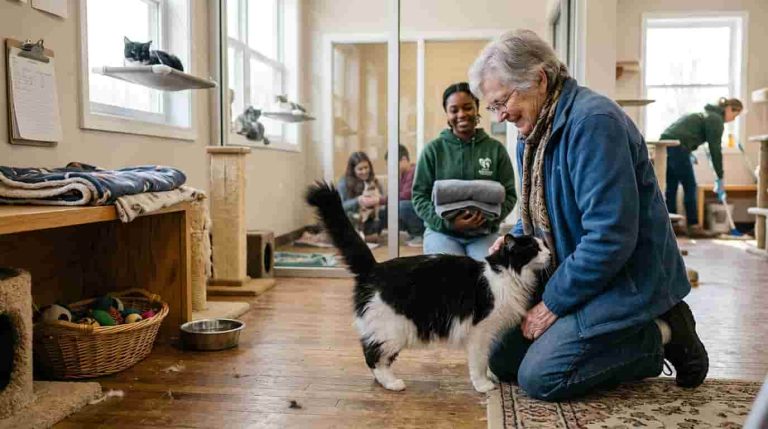
This fun exercise allows you to practice slow blinking cat communication directly with your beloved household companion. Also, you will likely notice your pet responding with the exact same gesture after a few quiet moments. This sweet exchange creates an amazing positive feedback loop that strengthens your unique personal bond over time. Many animal behaviorists recommend this technique for taming timid shelter animals that feel overwhelmed by human presence.
Exploring Cat Slow Blink Meaning and Social Dynamics
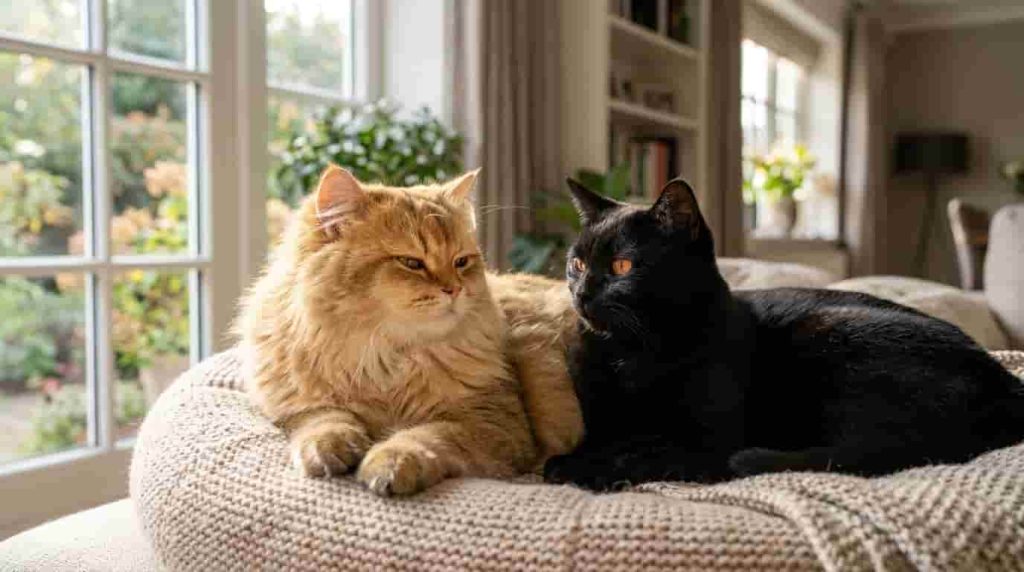
Understanding the true cat slow blink meaning helps you navigate complex social situations inside a multi pet household. Felines do not just use this silent signal to communicate with their favorite human family members. They also use feline slow blinking to maintain peace and reduce tension when interacting with other animals. For example, two friendly cats will often blink slowly at each other before sharing a cozy sleeping basket. This gesture acts as a polite greeting that confirms neither animal has aggressive intentions or desires to fight.
Consider these key benefits of mirroring your cat’s blink:
- Lowers the animal’s heart rate during stressful events
- Strengthens the emotional bond between owner and pet
- Builds confidence in timid or newly adopted kittens
- Creates a peaceful atmosphere in multi pet homes
Furthermore, displaying slow blink cat trust is vital when you are introducing a new pet to the family. By using this soft gaze, you can reassure an anxious resident cat that their territory remains completely secure. It helps prevent common behavior problems like territorial spraying, loud growling, or sudden aggressive swatting between animals. Therefore, mastering this silent language makes your entire home a much more harmonious place for every resident creature.
If your pet stops responding to your greetings, you should monitor their daily mood and energy levels closely. You can find helpful advice on identifying emotional withdrawal by reading Cat Depression Symptoms: How to tell if your pet is feeling sad. Staying alert to these subtle mood shifts helps you support your pet through difficult times.
A Real Life Example of Slow Blink Cat Love
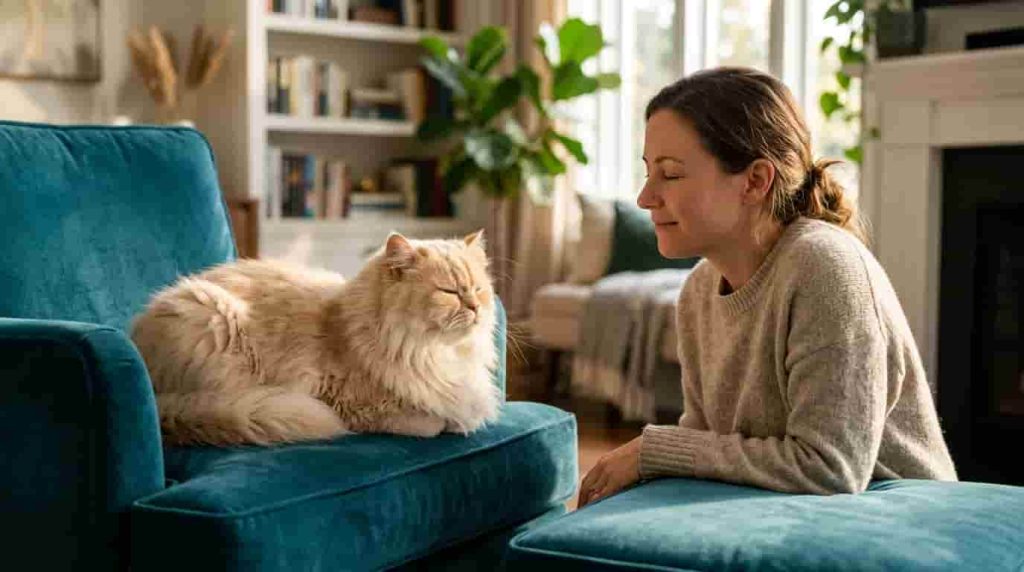
Let us look at a real life example that many passionate cat parents can easily relate to today. A dedicated owner named Emily recently adopted a very timid older rescue cat named Whiskers from a shelter. Whiskers spent his first three weeks hiding behind the living room sofa because he feared loud household noises. He refused to let anyone pet him and hissed softly whenever Emily tried to offer tasty treats. Emily grew incredibly worried that Whiskers would never feel happy or truly comfortable inside his new home.
Instead of forcing physical contact, Emily decided to try a new approach using cat slow blink language. She sat quietly on the floor near the sofa every evening without moving toward his safe hiding spot. She simply waited for Whiskers to peek out, and then she offered a slow blink cat affection gesture. Within a single week, Whiskers began stepping out of his corner to return the sweet facial expressions. Today, he sleeps directly on Emily’s lap every night and purrs loudly whenever she enters the room.
Expert Veterinary Opinions on Cat Communication Cues
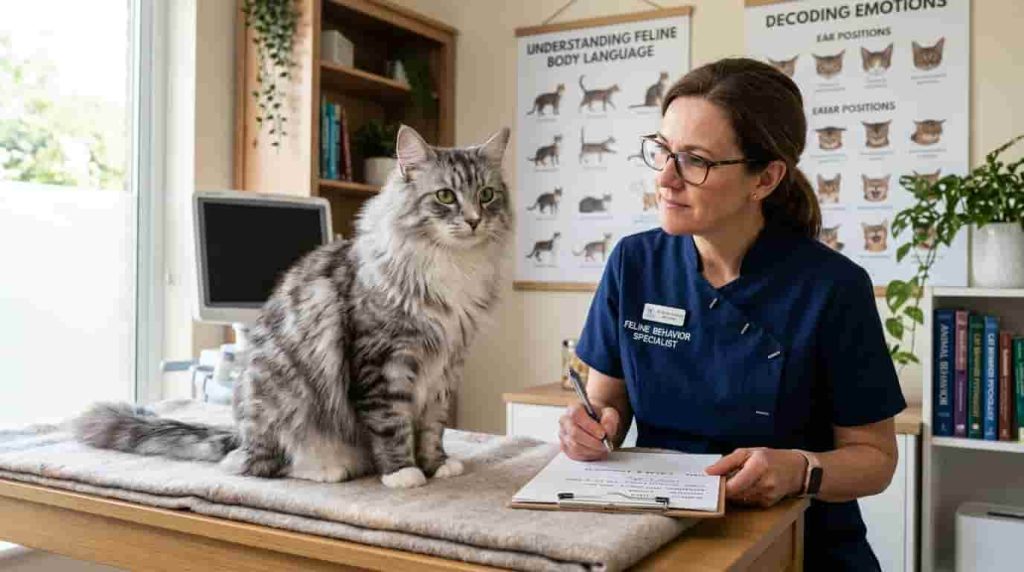
According to veterinary specialists at PetMD, interpreting cat slow blinks correctly is essential for accurate health assessments. Feline behavior experts emphasize that physical comfort directly influences how often a pet uses positive cat communication signals. If a cat is suffering from chronic internal pain, they will rarely display signs of slow blink cat love. Instead, an injured or sick animal will squint their eyes tightly or hold their eyelids in a tense position. This painful squinting looks very different from the relaxed, gentle movements of a happy kitty saying I love you.
Therefore, you must pay close attention to the speed and muscle tension around your pet’s eyes during interactions. A healthy cat behavior slow blinking session always involves a soft brow and a completely relaxed jawline. If you notice persistent squinting alongside lethargy, you should schedule a veterinary exam to rule out illness. Catching physical ailments early ensures your companion receives the right medical care before their emotional well-being suffers.
Watch for these primary signs of a happy, healthy feline:
- Frequent slow blinking sessions during quiet rests
- Soft, relaxed muscle tension around the forehead
- Forward-facing ears that rotate calmly toward sounds
- Consistent appetite and regular grooming habits
Additionally, keeping a strict daily schedule for meals and active playtime supports excellent cat mental health. When your pet knows exactly when to expect food and attention, their baseline anxiety drops significantly. This security encourages them to express their love openly through frequent slow blinking cat communication throughout the day.
Advanced Tips for Enhancing Cat Slow Blink Trust
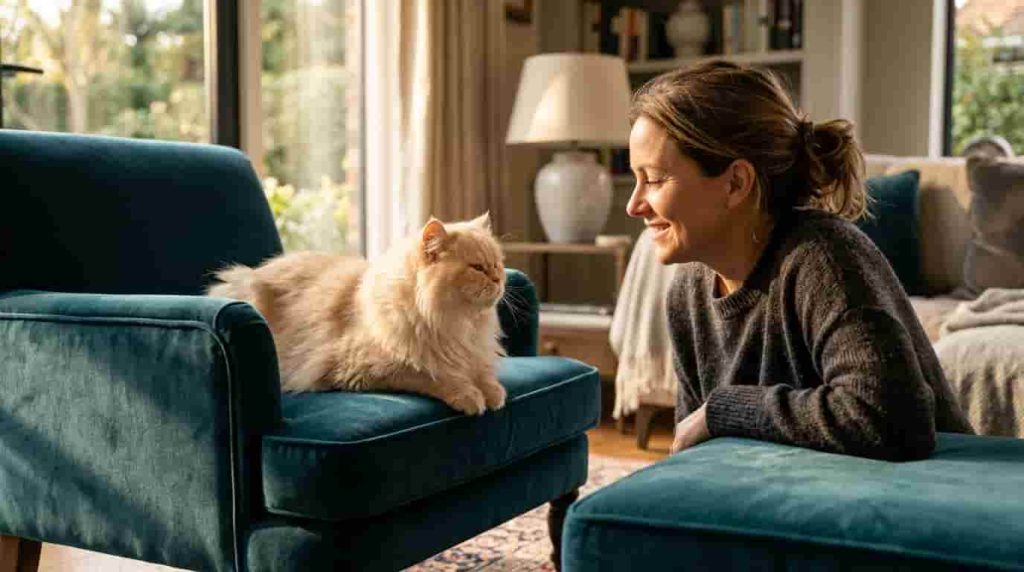
Building deep cat slow blink trust requires consistent effort, quiet environments, and respect for personal boundaries. You can enhance this silent bond by creating dedicated quiet zones where your pet can relax completely undisturbed. Minimize loud television volumes and avoid making sudden, erratic movements when your kitty is staring intently at you. This calm environment allows your pet to focus entirely on your positive cat behavior cues without distraction.
Try this step-by-step bonding routine with your pet:
- Choose a quiet hour after your pet finishes eating
- Sit down at eye level a few feet away from them
- Wait for your pet to look toward your face calmly
- Deliver three slow blinks in a row with pauses
- Reward any positive response with a low whisper
Additionally, you can pair your facial expressions with high value treats like freeze dried chicken or salmon. Offer a treat immediately after your pet returns a kitty slow blink to create a positive association. This rewarding method teaches your housecat that communicating with you brings wonderful treats and pleasant physical affection. With time, your furry friend will seek you out specifically to share these beautiful moments of silent love.
Conclusion
In summary, cat slow blinking is a magical and powerful tool that redefines how we understand domestic feline affection. By mastering this silent gesture, you can easily decode your pet’s true feelings and display slow blink cat trust. Remember to respect their personal space while using your eyes to send reassuring messages of safety and love. Providing this calm communication will make your favorite feline companion feel incredibly valued, secure, and happy by your side. Ultimately, practicing cat slow blinking every single day helps you build an unbreakable bond of mutual love and friendship.
Has your beautiful feline companion ever given you a slow blink while relaxing in your living room? How did you respond to this sweet gesture, and did it help improve your pet’s confidence? Please share your wonderful experiences, clever training tips, and stories in the comments section below!
Frequently Asked Questions
When a feline blinks slowly at you, they are expressing deep love, absolute trust, and supreme comfort. This gentle facial gesture means the animal feels completely safe around you and does not perceive you as a threat. Many pet experts describe this sweet movement as the ultimate feline equivalent of a warm human kiss.
You should always return the gesture by closing your eyes slowly and holding them shut for two seconds. Open your eyes gently with a soft, relaxed gaze to show your pet that you love them too. You can also offer a quiet praise whisper or a favorite treat to reward their sweet communication.
Yes, using this soft facial gesture can help lower tension and soothe a frightened or anxious animal. Closing your eyes slowly signals that you have no aggressive intentions and mean no harm to the pet. However, you must still give an angry or hissing animal plenty of physical space to calm down.
An unblinking, intense stare typically indicates focus, curiosity, or a state of high alertness in the feline world. Your pet might be tracking your movements to see if you are going to open a food can. However, a hard stare between unfamiliar animals can also signal territorial aggression or an impending physical strike.
Yes, large wild felines like lions, tigers, and leopards also use this exact facial gesture to signal peace. They narrow their eyes around pride members to show they have no intention of starting a physical fight. This ancient survival trait remains deeply embedded in the DNA of our modern domestic housecats today.