
Cat UTI Signs: Why your cat is suddenly peeing outside the box.
Introduction:
Cat UTI signs often start when you find a puddle of urine on your favorite living room rug. You might feel frustrated because your well-trained pet suddenly stops using the litter box for no apparent reason. However, this frustrating behavior usually signals a medical issue rather than a sudden behavioral problem or spite.
Recognizing cat uti signs early helps you protect your feline friend from severe pain and dangerous health complications. Many owners mistake these health warnings for poor training or simple acting out against changes in the home. Learning about feline uti symptoms will help you understand exactly what your pet is going through right now.
This comprehensive guide will walk you through the most common symptoms of urinary tract infection in cats today. We will also cover the proper cat uti diagnosis steps and essential cat uti prevention tips for later. Let us dive into the warning signs so you can get your furry companion the right medical help.
Recognizing Feline UTI Symptoms in the Litter Box

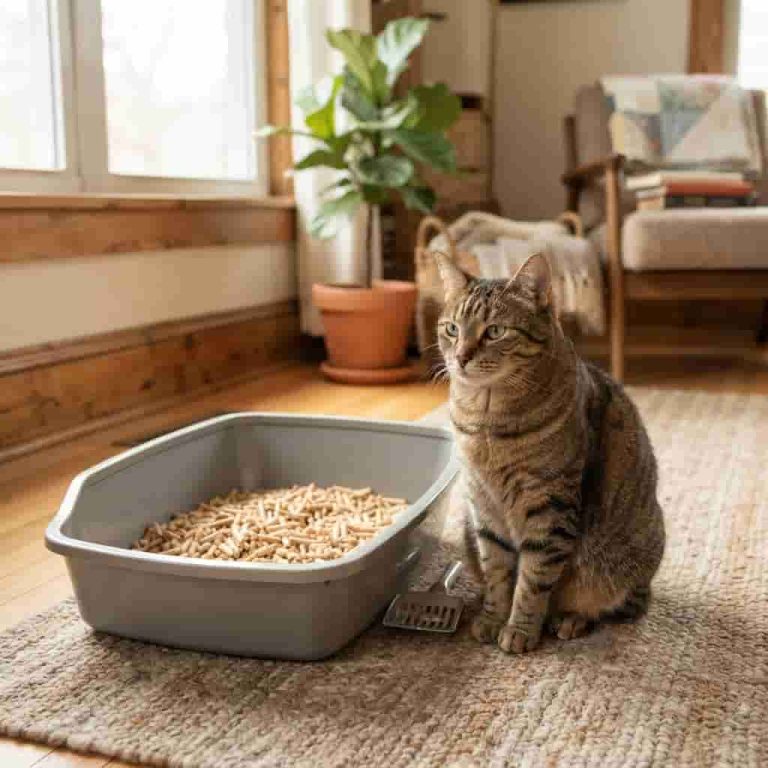
You must watch your cat close to catch the earliest signs of bladder infection in cats during bathroom visits. Healthy cats usually slip into their box quietly, do their business quickly, and cover it up without drama. Conversely, a cat experiencing urinary issues in cats will display obvious discomfort while trying to use the box.
| Healthy Box Behavior | Potential UTI Behavior |
| Quiet and quick visits | Frequent crying or meows |
| Large clumps of waste | Tiny drops or straining |
| Calm entry and exit | Hasty and frantic exits |
Sarah, a long-time cat owner, noticed her tabby Max started visiting his litter box every ten minutes. He would strain heavily but leave only a tiny drop of moisture behind each time he tried. This classic behavior shows how feline urinary tract infection symptoms change a cat’s daily routine completely and suddenly.
Additionally, you might hear your cat vocalize loudly or cry out in pain while trying to pass urine. This crying happens because the bacterial infection causes severe inflammation and intense burning throughout the urinary tract lining. If you notice these specific uti in cats signs, you should schedule a veterinary visit immediately.
Common Signs of UTI in Cats Beyond the Box

Sometimes the clearest signs of uti in cats appear in other areas of your home and daily life. For instance, you might find small pink or red stains in the litter box or on light blankets. This discoloration indicates blood in the urine, which is a major symptom of a urinary tract infection in cats.
Furthermore, cats with a painful bladder infection often lick their genital area excessively to soothe the intense burning. This constant grooming can lead to secondary issues like bald patches on their lower belly or rear legs. If you see this pattern, you should also check for other health issues like cat hair loss to rule out fleas or allergies.
Finally, a sick cat might show general changes in their mood, energy levels, and normal appetite. They may hide under the bed or refuse their favorite treats because they feel completely miserable and weak. These subtle behavioral shifts are excellent tools for detecting uti in cats before the condition worsens.
How to Tell if Your Cat Has a UTI and Needs a Vet

Knowing how to tell if your cat has a uti requires careful observation of their daily drinking habits. You might notice your cat spending much more time at the water bowl than they ever did before. They drink constantly because their body tries desperately to flush out the painful bacteria residing in the bladder.
According to the experts at PetMD, true urinary tract infections are actually less common in young cats than sterile bladder inflammation. However, older cats often develop bacterial infections due to weakening immune systems or underlying kidney disease issues. Therefore, an accurate veterinary examination is always necessary to determine the exact cause of the problem.
During your vet visit, the doctor will perform a complete physical exam and look for cat bladder infection signs. They will press gently on the abdomen to check if the bladder feels hard, swollen, or tender. This step is a vital part of the formal cat uti diagnosis process at the clinic.
Understanding the Cat UTI Diagnosis Process

The veterinarian will need a fresh urine sample to confirm the presence of harmful bacteria or crystals. They might collect this sample using a clean, non-absorbent litter during your visit to the veterinary clinic. Alternatively, the vet can perform a quick procedure called cystocentesis to draw sterile urine directly from the bladder.
Next, the medical team will run a urinalysis to check for white blood cells, protein, and blood. They will also look under a microscope to find the specific bacteria causing the painful infection today. This testing ensures your cat receives the most effective treatment for their specific type of infection.
While you address these urinary issues, you should remain aware of other common feline health problems too. For example, a sick cat with a low immune system might also experience itchy cat eye redness from irritants. Always ask your veterinarian to check every single symptom during your regular checkup appointments.
Effective UTI Treatment for Cats

Once the vet confirms the cat uti signs, they will create a targeted plan to restore health. The primary uti treatment for cats almost always involves a specific course of prescription antibiotic medications. You must give every single dose of this medicine even if your cat seems better after two days.
“Skipping doses or stopping antibiotics early can cause the infection to return much stronger than before.”
Additionally, the veterinarian may prescribe safe pain relief medication to reduce the severe inflammation in the bladder. This medication helps your cat urinate comfortably while the strong antibiotics work to kill the internal bacteria. You should never give human pain medications to your cat because they are highly toxic.
Furthermore, you should make sure your cat rests in a quiet, warm room away from other household pets. Provide a clean, low-sided litter box nearby so they do not have to walk far to urinate safely. This extra comfort helps speed up the healing process and reduces daily stress for your pet.
Crucial Cat UTI Prevention Tips for the Future
Preventing future urinary issues requires making a few simple changes to your cat’s daily diet and environment. First, you should switch your cat from dry kibble to high-quality wet canned food to increase moisture. Canned food contains much more water, which naturally helps flush the urinary system out on a regular basis.
- Provide multiple freshwater fountains around the house.
- Scoop the litter boxes at least twice every single day.
- Keep the water bowls far away from the litter box area.
- Maintain a stable, stress-free environment for your cat.
Next, you must keep the litter boxes pristine because cats will hold their urine if boxes are dirty. Holding urine for long periods allows bacteria to grow rapidly inside the bladder and causes infection. Cleanliness is a fundamental part of practical cat uti prevention tips for every single household.
Finally, keep an eye out for other routine health hazards that can lower your cat’s overall immunity. For instance, internal parasites can drain your cat’s strength, so watch for classic cat worm symptoms regularly. A completely healthy, parasite-free cat can fight off bladder infections much more effectively over time.
Summary of Urinary Issues in Cats
Managing urinary issues in cats requires quick action, proper medical care, and continuous lifestyle adjustments at home. You can protect your cat by watching for changes in their litter box habits and mood daily. Remember that sudden accidents outside the box are clear cries for medical help, not bad behavior problems.
By working closely with your vet, you can solve these issues before they become dangerous medical emergencies. Implement the hydration and cleanliness tips today to keep your cat’s urinary tract clear and healthy for life. Your careful attention ensures your feline friend enjoys a happy, pain-free life by your side.
Have you ever noticed any unusual cat uti signs in your own furry companion before? How did your cat behave, and what steps did you take to help them recover quickly? Please share your personal stories and helpful tips in the comments section down below today!
Frequently Asked Questions
The most frequent signs include straining to urinate, crying in the litter box, and frequent licking. You might also notice pink or bloody urine and frequent accidents on cool, smooth household surfaces.
Cats often pee outside the box because they associate the litter box with intense physical pain. They seek out soft or cool surfaces like rugs and tiles to find comfort while urinating.
No, a bacterial urinary tract infection will not go away without proper antibiotic treatment from a vet. Left untreated, the infection can travel up to the kidneys and become a life-threatening medical emergency.
A veterinarian will collect a fresh urine sample and perform a comprehensive urinalysis test at the clinic. They check the sample for blood, white blood cells, crystals, and specific types of harmful bacteria.
You can prevent infections by feeding a wet food diet and providing multiple fresh water sources daily. Additionally, keep the litter boxes completely clean and reduce daily environmental stress in your home.