
Cat Himalayan Beauty: Caring for the blue eyed fluffy feline.
Introduction:
Cat Himalayan Beauty can turn into a stressful grooming nightmare for unprepared owners who ignore daily coat maintenance. Many pet parents bring this stunning, fluffy feline home and quickly find massive tangles forming overnight behind the legs.
Consequently, these heavy mats trap dirt close to the skin and cause great physical discomfort for your pet. This specific coat issue happens because the breed possesses an incredibly thick, long double coat that catches debris easily.
Therefore, you must establish a strict daily brushing routine if you want to keep their fur pristine. This comprehensive care guide will walk you through the essential steps to manage their luxurious look perfectly.
Cat Himalayan Beauty and the Long Hair Challenge

Understanding the daily needs of Cat Himalayan Beauty helps you appreciate the true commitment required for long-haired felines. These pets cannot manage their immense volume of fur without your active assistance every single day.
Instead, they rely entirely on human intervention to prevent painful knots and painful skin infections. This striking himalayan cat characteristics profile makes them a high maintenance breed compared to short-haired household felines.
Furthermore, their beautiful coats shed heavily during seasonal changes in spring and autumn. This regular shedding means your rugs and furniture will collect loose fur unless you brush your pet constantly.
If you skip even two days of grooming, painful mats will form close to their sensitive skin surfaces. Therefore, you must invest in high quality grooming tools right from the very start of your journey.
Mastering the Daily Coat Brushing Routine
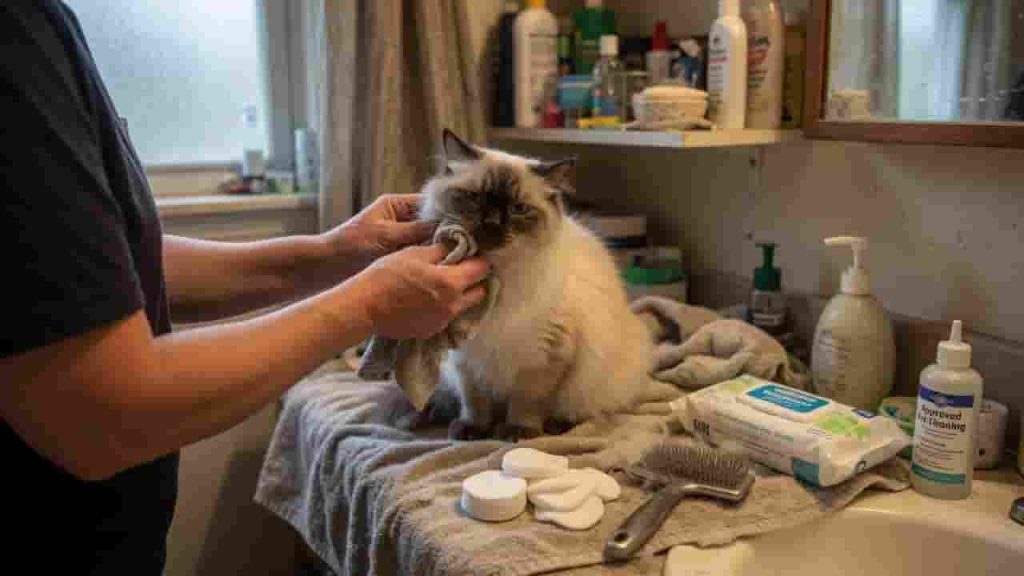
Many first-time owners feel overwhelmed by the sheer time needed for proper himalayan cat care. For example, an owner named Jenny once used the wrong plastic brush on her new fluffy kitten.
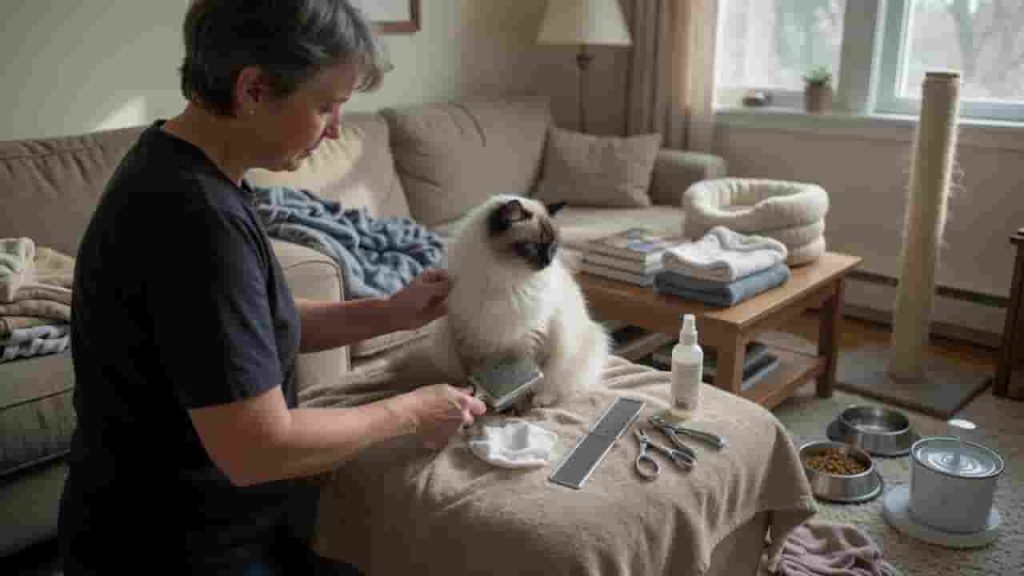
She quickly noticed her pet crying because the cheap bristles pulled hard on the delicate undercoat layers. This unique himalayan cat temperament requires a gentle touch and specialized metal combs to keep grooming sessions pleasant.
Additionally, you should break the grooming process down into short, enjoyable sessions throughout the day. Start by focusing on the friction-prone areas like the armpits and behind the ears where mats form first.
As a result, your pet will learn to relax completely while enjoying the soothing feeling of the comb. This peaceful grooming ritual contrasts sharply with the high-speed Cat Abyssinian Play routines that energetic clowns prefer.
Himalayans appreciate a much slower pace of life filled with calm, quiet moments of care. They want to sit comfortably on your lap while you meticulously tend to their beautiful fur.
Crucial Facts Regarding Feline Facial Cleanliness
Managing facial hygiene is another vital part of maintaining the health of this flat-faced breed. Because they possess a distinct brachycephalic facial structure, their tear ducts often overflow onto their facial fur.
Consequently, this constant moisture creates dark brown tear stains and invites fungal infections around their eyes. You must wipe their faces daily using a warm, damp cotton cloth to prevent irritation.
Furthermore, experts at VCA Animal Hospitals recommend checking their nostrils regularly for any signs of breathing distress. Their short nasal passages make them highly sensitive to dusty litters and strong household chemical perfumes.
Therefore, always use dust-free clay or paper litter in their boxes to protect their delicate respiratory systems. Keeping their faces clean ensures they breathe comfortably and look their absolute best every day.
Additionally, this facial cleaning routine prevents painful sores from developing inside their deep skin folds. A clean face keeps your fluffy companion happy, healthy, and completely free of odor.
Designing a Safe and Calm Home Environment
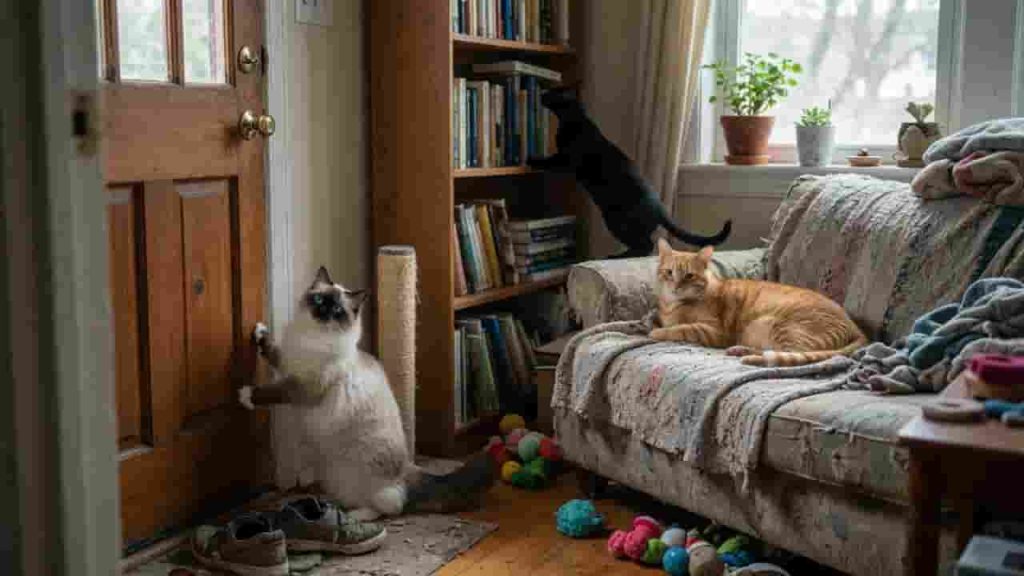
Creating a serene living space allows your peaceful companion to thrive without experiencing unnecessary stress. Because they possess a very quiet himalayan cat personality, they dislike loud noises and hectic household activity.
For instance, they will quickly hide under the bed if your home becomes too chaotic or loud. This relaxed attitude makes them the perfect match for households that value silence and gentle routines.
If you prefer a highly affectionate but short-haired pet, you might explore Cat Burmese Love instead. However, the Himalayan offers a distinct type of quiet devotion that feels deeply comforting to peaceful owners.
Provide several cozy, covered beds around your house where your pet can retreat for peaceful afternoon naps. They prefer staying low to the ground rather than climbing up high draperies or tall shelves.
Furthermore, make sure young children understand how to handle this gentle breed with extreme care and respect. Calm interactions prevent accidental injuries and build a strong bond of trust between the pet and family.
Essential Guidelines for Optimal Himalayan Nutrition

Feeding the correct diet directly impacts the quality of your pet’s long, luxurious coat. Because they groom themselves constantly, these felines are highly prone to developing dangerous, uncomfortable hairballs in their stomachs.
Therefore, you should feed them high-quality food formulated specifically to help move swallowed fur safely through the digestive tract. Look for recipes that include natural fibers to aid daily digestion and reduce vomiting episodes.
Furthermore, monitor their daily caloric intake closely because this calm breed loves to lounge rather than exercise. Overeating can quickly lead to feline obesity, which places immense strain on their small, delicate joints.
According to veterinary data from PetMD, maintaining a lean body weight significantly extends the lifespan of flat-faced cats. Measure their meals precisely using a kitchen scale rather than guessing the amount each morning.
Additionally, always provide multiple sources of fresh, running water to encourage healthy drinking habits across the day. Feline water fountains are excellent because they keep the water moving and highly appealing to pets.
Navigating Genetic Health Risks in Fluffy Breeds
Every responsible owner must remain fully aware of the inherited medical conditions that affect purebred felines. Like their Persian ancestors, these animals can carry the mutant gene for polycystic kidney disease.
This serious condition causes fluid-filled cysts to grow inside the kidneys, eventually leading to complete organ failure. Fortunately, reputable breeders use DNA testing to ensure their breeding pairs do not pass this disease down.
Always demand written genetic clearance documents before completing any adoption process with a private seller. Regular veterinary blood screenings help monitor their internal organ function as they grow older.
Furthermore, their thick fur can hide sudden changes in weight or the development of unusual skin lumps. Feel their bodies thoroughly during your daily brushing sessions to detect any physical changes early.
Early detection of medical issues allows for more effective treatment options at the veterinary clinic. Protecting their physical wellness ensures you enjoy many happy years together in your peaceful home.
Appreciating Different Feline Personalities

Learning about various breeds allows you to understand the full spectrum of domestic feline companions available. Every purebred line brings a completely unique set of behaviors, grooming needs, and social expectations into your life.
For example, some families prefer a pet like the Cat Russian Blue because they are the best choice for quiet homes. That breed offers short, low maintenance fur combined with a wonderfully reserved and gentle attitude.
Meanwhile, the Himalayan combines the striking color points of the Siamese with the long, glamorous coat of the Persian. This beautiful combination creates a unique visual masterpiece that captures the heart of every cat lover.
Understanding these differences helps you tailor your daily care routine to fit your pet’s exact biological needs. Embracing their specific traits ensures a harmonious relationship between you and your fluffy companion.
Himalayan Care Requirements Summary
| Care Task | Recommended Frequency | Key Benefit |
| Coat Brushing | Every single day | Prevents painful mats and reduces shedding |
| Face Wiping | Daily with damp cloth | Eliminates tear stains and skin fold sores |
| Nail Trimming | Once every two weeks | Protects furniture and prevents snagging |
| Ear Checking | Weekly inspection | Detects wax buildup and ear mite infections |
Conclusion
Cherishing the Cat Himalayan Beauty means dedicating time to consistent grooming, proper facial hygiene, and quiet companionship. These magnificent, blue-eyed felines reward your hard work with incredible loyalty and a peaceful presence that calms the entire home. By following these structured care steps, you can ensure your fluffy friend stays beautiful and comfortable for life.
Please share your own personal grooming tips and success stories in our growing pet parent community below. What specific type of brush works best for keeping your fluffy feline completely free of painful tangles? Your real-life experiences can help other owners master the art of long-haired pet care today.
Frequently Asked Questions
You must brush their thick double coat every single day without exception to prevent tight mats from forming. Daily combing removes loose undercoat hair before it twists into painful knots close to the skin.
Their watery eyes result from their flat facial structure, which compresses the natural tear ducts and causes overflow. Wiping their face daily with a damp cloth prevents tear staining and painful skin infections.
No, this gentle breed prefers lounging in quiet spaces over engaging in high-intensity running games around the house. They enjoy short sessions with feather toys but generally prefer a calm, relaxed lifestyle.
A professional stainless steel Greyhound comb and a high-quality slicker brush work best for their long fur. These specific tools allow you to safely reach the dense undercoat layers where mats typically start.
They usually struggle in noisy environments and prefer living with calm, quiet animals that respect their personal space. Slow introductions and peaceful housemates help them feel completely secure and relaxed.