Senior Cat Dementia: Helping a confused older cat at night.
Introduction:
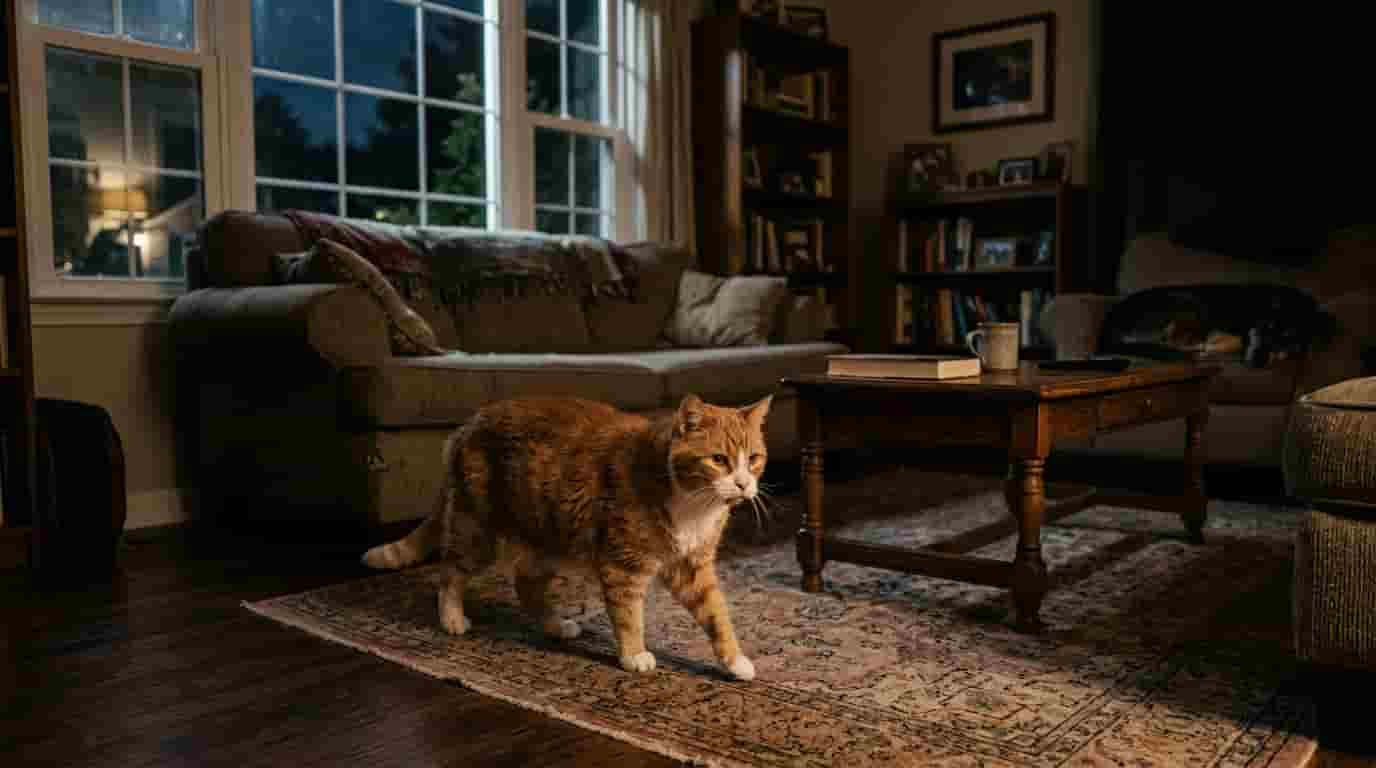
Senior Cat Dementia often starts with a quiet mystery. Your cat might pace the hallway at 3:00 AM. They might stare at a wall for hours. Perhaps they vocalize loudly when the house goes dark. You wonder why your gentle pet suddenly acts like a stranger. This behavior leaves many owners feeling lost and tired.
Does your cat seem confused after the sun sets? Many people assume this signifies simple aging. However, this condition creates real challenges for both you and your pet. We will uncover what causes these midnight episodes. You deserve to know how to support your friend through this difficult phase.
Recognizing Elderly Cat Cognitive Decline
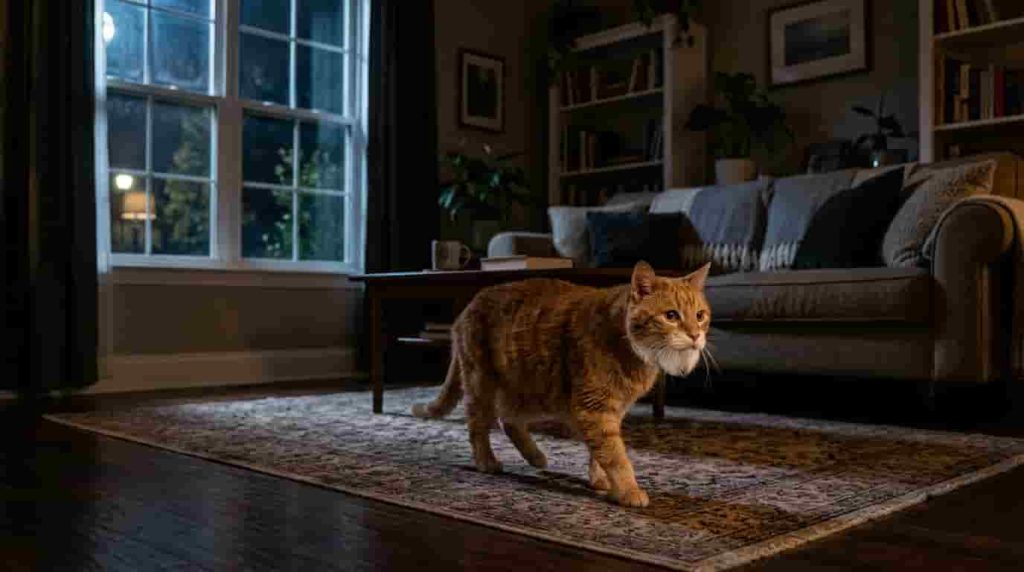
Elderly cat cognitive decline changes how your pet perceives the world. Their brain processes sensory input differently than before. You might notice they forget where the food bowl sits. Sometimes they look startled by familiar furniture. This confusion feels overwhelming for a cat that previously knew every inch of your home.
Veterinarians refer to this as feline cognitive dysfunction. It affects how the brain stores memories and handles spatial navigation. Your cat feels lost even in their own living room. Consequently, they seek comfort by crying out at night. They want to find a sense of safety.
Do not ignore these changes in your companion. Early intervention provides the best path forward. You should schedule a full checkup to rule out other medical issues. Sometimes underlying pain or high blood pressure mimics signs of Senior Cat Dementia.
Understanding Feline Cognitive Dysfunction
Feline cognitive dysfunction causes many sleepless nights for owners. You might feel frustrated by the constant meowing. Please remember your cat does not intend to disrupt your sleep. They genuinely feel afraid and disoriented in the dark. Their internal clock loses its rhythm during this process.
VCA Animal Hospitals explains that these symptoms often mirror human Alzheimer’s disease. Their brain cells essentially struggle to communicate effectively. This breakdown creates gaps in memory and learning. Therefore, your cat acts out of fear and confusion.
Creating a routine helps them ground themselves. Consistency acts as an anchor for their drifting mind. Feed them at the exact same times every day. Keep their environment as stable as possible to minimize anxiety.
Managing Senior Cat Cognitive Decline at Home
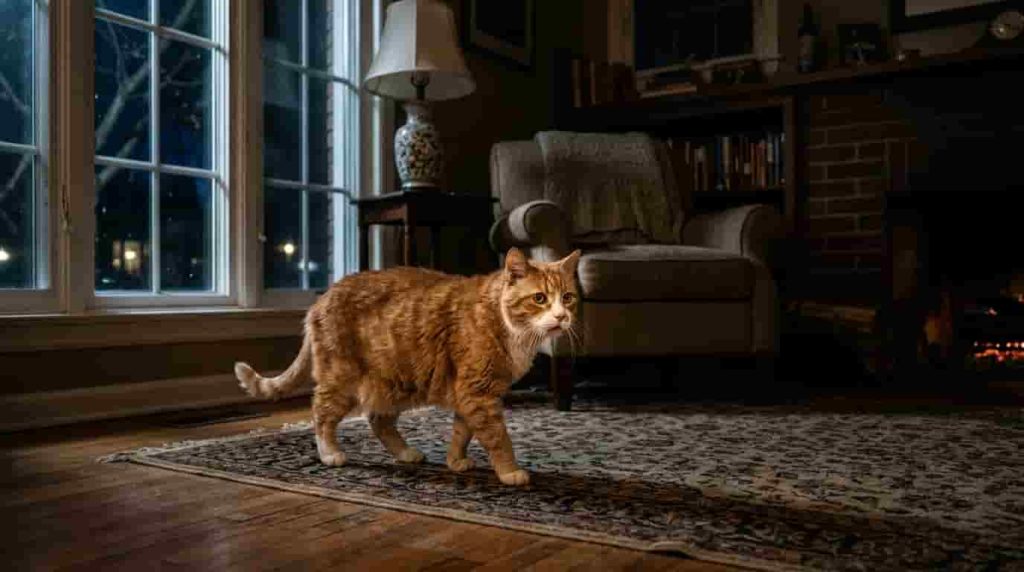
Managing senior cat cognitive decline requires patience and empathy. You must adapt your home to suit their changing needs. If they wander at night, restrict them to a smaller, familiar space. This keeps them from getting trapped or falling down stairs. Provide a cozy, enclosed area where they feel secure.
Nightlights help them navigate when shadows look scary. Your cat relies on vision more than you realize. A small light near the litter box prevents accidents. Additionally, clear any clutter from their path.
Are they getting enough activity during the day? Sometimes boredom worsens their nocturnal distress. You can learn more about Senior Cat Mobility: How to Improve Senior Cat Mobility and Comfort Today to keep them moving comfortably. Physical movement helps burn off energy. A tired cat often sleeps better when the lights go out.
Supporting Senior Cat Mental Health
Senior feline mental health needs consistent care throughout the day. You should introduce small, safe enrichment activities. Use puzzle feeders to engage their brain during meals. If they have trouble eating, read Senior Cat Nutrition: Changing diets as your pet gets older for helpful tips. Proper fuel supports their remaining brain function.
Keep social interactions gentle and predictable. Loud noises or sudden changes cause significant stress. Instead, offer quiet affection and soft voices. Your presence offers the most powerful comfort for them.
Avoid drastic changes to your furniture layout. Your cat relies on their sense of touch and memory. They mapped the house years ago. Changing paths now creates unnecessary confusion for their aging mind.
Addressing Aging Cat Memory Loss
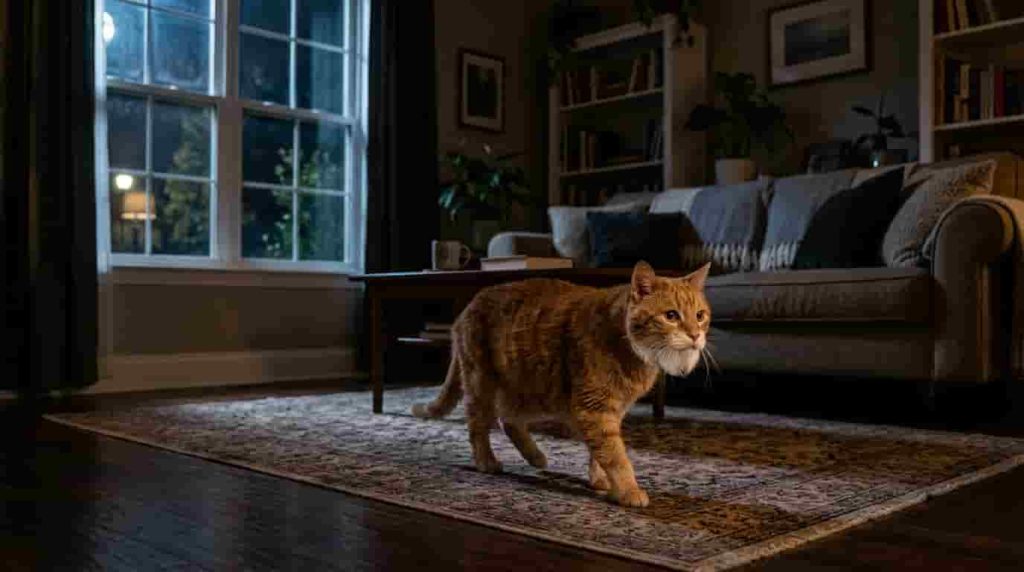
Aging cat memory loss often manifests as staring or sudden fear. You might find them huddled in a corner. They struggle to find their way out of a room. This indicates that their spatial awareness has faded. Stay calm when this happens to keep them relaxed.
Use scent markers to help them navigate. Place a familiar blanket near their favorite resting spot. The scent provides a comforting signpost for them. Do not wash the blanket too often. They need that familiar smell to know they are safe.
Some owners wonder if they should adopt a new pet. Please think carefully about this. A young, energetic cat might overwhelm an older pet. You can look at Kitten Socialization Tips: How to raise a bold and friendly adult to see the difference in energy. Your senior needs peace, not high-intensity play.
Monitoring Senior Cat Brain Function
Senior cat brain function fluctuates throughout the day. Some days seem perfectly normal. Other days, the confusion seems intense. This inconsistency makes it hard to track their progress. Keep a journal of their nightly habits.
You might notice patterns related to your own daily schedule. Do they cry when you go to bed? This suggests they feel anxious without your proximity. Move their bed to your bedroom for the night. They will feel safer when they can hear your breathing.
Always prioritize safety above all else. Block off dangerous areas like fireplaces or steep stairs. You must act as their guide in the dark. Your watchful eye makes all the difference for them.
Prioritizing Senior Cat Health and Care
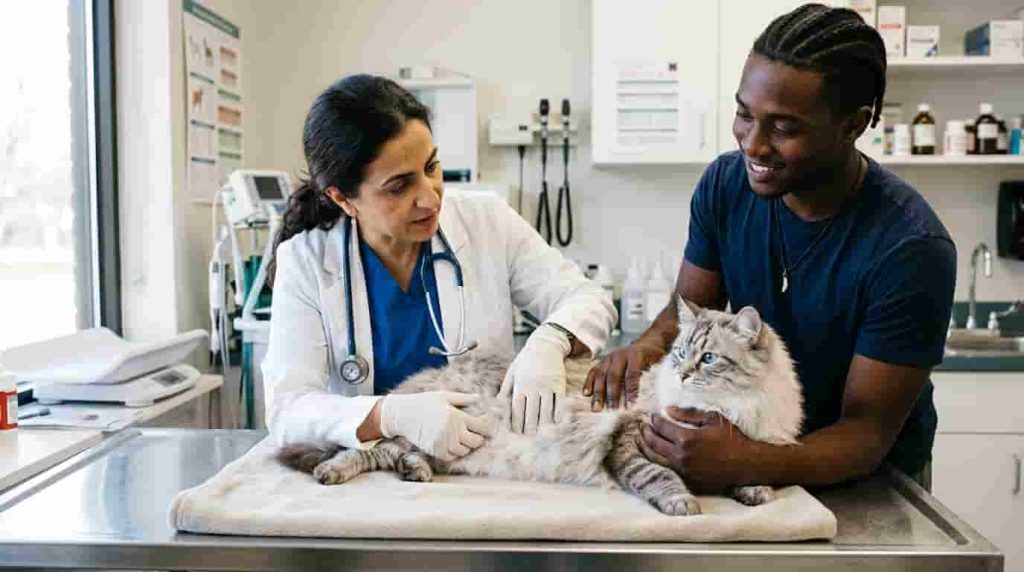
Senior cat health demands a focus on quality of life. Do not focus on the things they can no longer do. Instead, celebrate the small victories. Perhaps they still purr when you brush them. Maybe they still enjoy a warm spot in the sun.
Focus on creating moments of peace and connection. Use gentle, slow movements when you approach them. Never sneak up on a cat with suspected dementia. They startle easily and might lash out from fear.
Senior Cat Dementia creates a new reality for your household. You must be the steady hand they rely on. Your patience provides a bridge across their confusion. They spent their life loving you. Now, you get to return that gift in their time of need.
The Role of Professional Guidance
If the pacing and meowing continue, ask your vet about supplements. Certain vitamins and antioxidants support better brain health. They might also suggest medication to help them sleep. Never start any treatment without professional advice.
Your vet understands the complexity of Senior Cat Dementia. They will help you weigh the risks and benefits of each option. Sometimes small adjustments yield surprisingly large results. You have more support available than you might realize.
Finally, keep a close watch on their physical comfort. A cat with aching joints cannot sleep well. Often, physical pain exacerbates cognitive issues. Treat the whole cat to help them rest.
Conclusion
Senior Cat Dementia is a challenging journey. You have learned how to spot the signs early. You discovered why night time feels so confusing for them. By providing safety and routine, you bring peace back to your home.
You play a vital role in their comfort. Their confusion does not change their bond with you. Keep offering love and gentle guidance every day. Have you navigated these changes with your senior companion? Please share your story or questions in the comments below.
Frequently Asked Questions
Watch for signs like vocalizing at night, staring at walls, or forgetting where their litter box is located. Sudden behavioral changes that seem irrational are common indicators.
They feel high levels of fear and confusion, which causes significant stress. Additionally, they might have underlying physical pain that makes their confusion even worse.
Keep them in a quiet, safe, and small space at night with a nightlight. Moving their bed next to yours also helps them feel secure through the night.
Consult your vet about diets rich in antioxidants and fatty acids. Proper nutrition supports their overall health and may help slow down further decline.
There is no known cure for the disease, but you can manage the symptoms effectively. Many cats live comfortably with the right support and care plan from your vet.