Senior Cat Mobility: How to Improve Senior Cat Mobility and Comfort Today
Introduction:
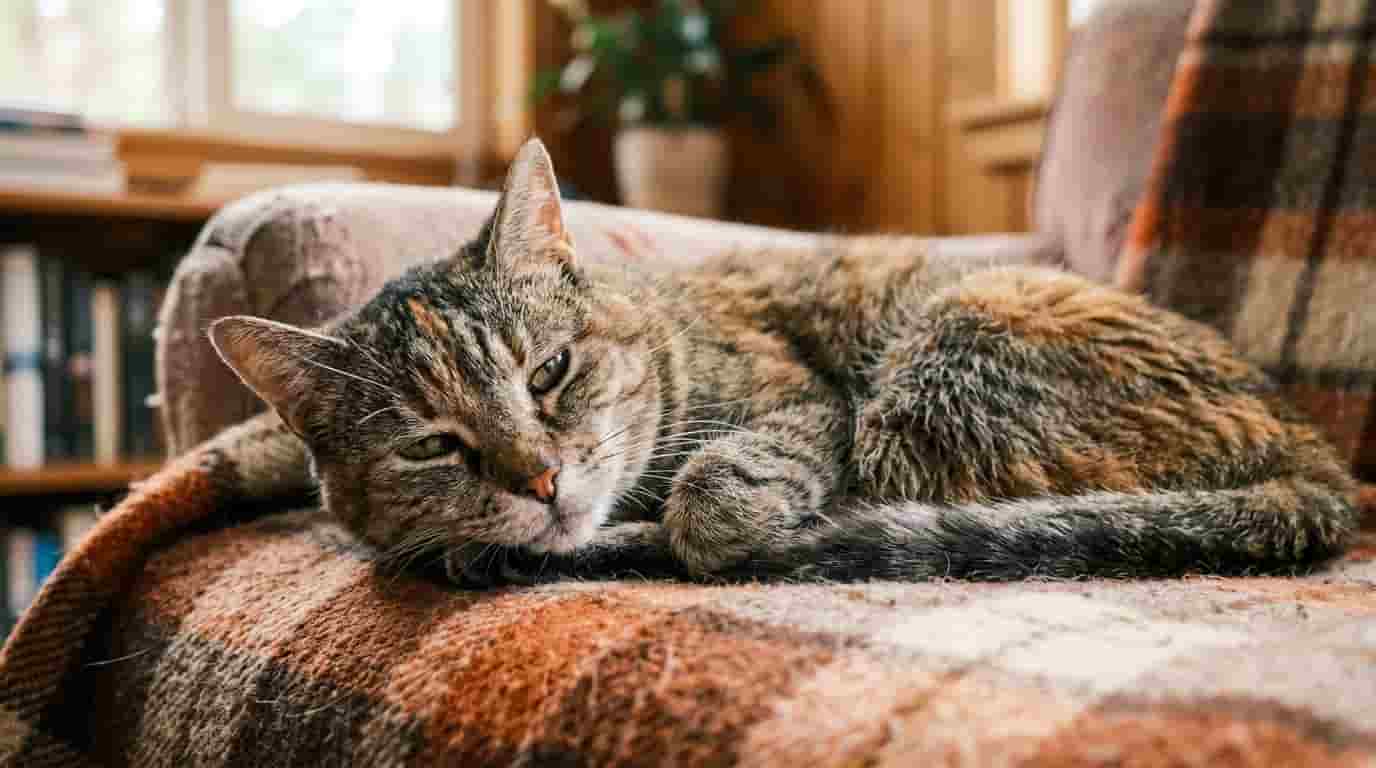
Senior Cat Mobility often changes when your furry friend reaches their golden years. You might notice your once agile hunter now hesitates before jumping onto the sofa. Perhaps they sleep more or move slower than before. Many owners worry about these shifts in behavior. Fortunately, you can help them feel much better.
Small changes in your home make a massive difference for aging cats. We will explore how to keep your companion active and happy. This journey toward better health starts with understanding their daily needs. Let us look at how you can support their movement and joy.
Understanding Aging Cat Care and Comfort
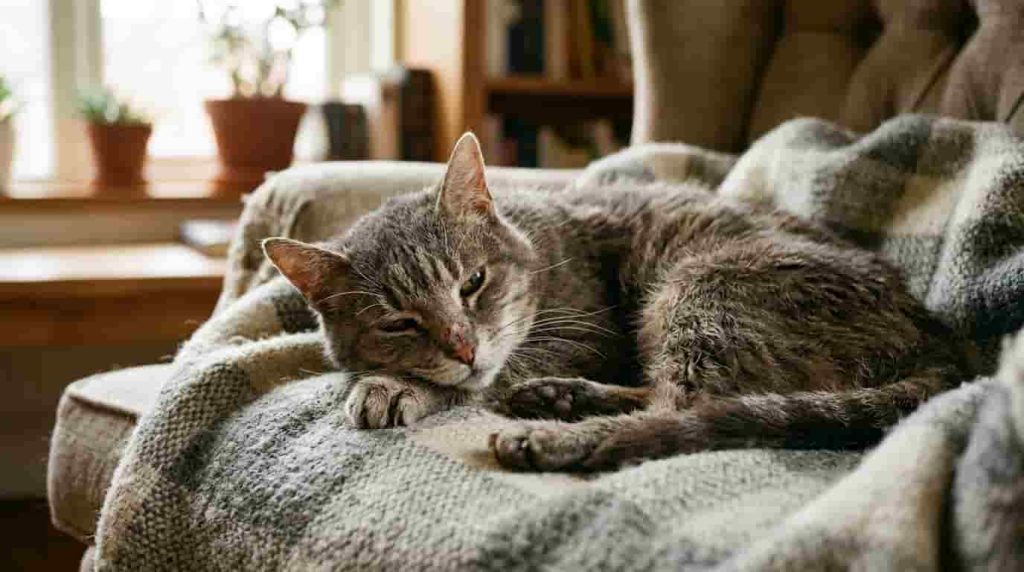
Aging cat care requires a keen eye for subtle signs of discomfort. Cats often hide pain perfectly to protect themselves. A sudden change in habits usually signals a need for help. Maybe they stopped jumping to their favorite window perch. This hesitation is a clear indicator that their joints feel stiff.
You should observe how they navigate your home during the day. Do they climb stairs with difficulty? Are they landing awkwardly when jumping down? These moments provide clues about their physical state. Addressing these issues early improves their quality of life significantly.
Proper nutrition also plays a major role in how they feel. If your cat struggles with weight, their joints suffer extra stress. You might want to learn more about Senior Cat Nutrition: Changing diets as your pet gets older to keep them at a healthy weight. A leaner body eases pressure on aching limbs.
Why Senior Cat Joint Health Matters
Senior cat joint health impacts everything your pet does. When joints ache, the cat moves less. Less movement leads to weaker muscles. Weaker muscles make it even harder to move around. You must break this cycle to ensure they stay active.
Consulting a vet is always the first step. They can diagnose conditions like arthritis. According to Cornell University College of Veterinary Medicine, early detection of joint disease allows for better pain management. Never assume stiffness is just old age. Your vet can suggest specific plans for your pet.
They might recommend medications or professional treatments. Many owners also find success with older cat physical therapy exercises. These simple stretches help keep limbs flexible. Always follow your vet’s guidance before starting any new routine.
Implementing Senior Cat Mobility Solutions
Senior cat mobility solutions do not need to be expensive or complex. Often, the best changes involve simple home modifications. Think about their daily path through your house. Does the cat have to jump high to eat or sleep?
You can provide ramps or steps for easier access. These cat mobility aids allow them to reach favorite spots without pain. Place a small stool near the bed or sofa. They will appreciate the easier route to your side.
Additionally, keep food and water bowls on the floor. Raise them slightly if bending down is difficult for your cat. This small adjustment makes eating much more comfortable. Many elderly cat mobility aids focus on removing these daily hurdles.
Practical Tips for Senior Cat Movement Assistance
Senior cat movement assistance helps your friend maintain independence. Keep walkways clear of clutter to prevent trips. Consider adding carpet runners on slippery wooden floors. Better traction helps them walk with more confidence.
Lighting also helps significantly at night. If your cat struggles with vision, keep a nightlight on. This prevents accidents near stairs or corners. You might also want to read about Senior Cat Dementia: Helping a confused older cat at night if they seem lost in the dark.
Furthermore, provide soft bedding in warm, accessible places. Arthritic cats crave warmth to soothe their stiff joints. Heated beds offer wonderful relief for aching bodies. They will love resting in a cozy, warm spot.
Exploring Senior Cat Exercise Equipment
Senior cat exercise can still be fun and gentle. You do not need intense movement to keep them fit. Use low impact toys that encourage stretching rather than jumping. A feather wand moved slowly across the floor works wonders.
Some owners look into senior cat exercise equipment like slow feeders. These puzzle toys encourage mental engagement while they move around. Keep the sessions short and focused on their comfort. Always stop if you notice them tiring out.
Senior cat arthritis support also includes supplements. Speak with your vet about fish oil or glucosamine. These options often help improve joint health for older cats over time. Many owners see a boost in energy after starting a proven routine.
Strategies for Elderly Cat Health
Elderly cat health relies on consistent, gentle monitoring. Keep their nails trimmed so they do not snag on rugs. Long claws make walking painful and difficult for older cats. Also, groom them if they cannot reach their own fur.
A clean coat keeps them comfortable and happy. Use a soft brush to help them feel relaxed. This bonding time also lets you check for lumps or bumps. Detecting changes early remains the best way to handle health concerns.
Always encourage activity without forcing it. Let them lead the pace during playtime. If they lie down, let them rest. Their body tells you what they need each day.
Exploring Senior Cat Exercise Equipment
Mobility support for older cats should address both mind and body. While physical tools help, emotional support counts too. Keep their routine predictable to reduce stress. A calm home environment helps them feel safe.
You might remember how play helped them grow as a kitten. You can learn more about Kitten Socialization Tips: How to raise a bold and friendly adult to understand their past energy levels. Comparing their past to their present helps you appreciate their current needs. Tailor your attention to their slower pace now.
Senior cat wellness is a full life commitment. Keep providing love and patience as they age. They still enjoy your company more than anything else. Your presence provides the comfort they need to thrive.
Final Thoughts on Your Cat’s Journey
Improving Senior Cat Mobility takes time and careful observation. Every small adjustment adds up to a more comfortable life. By using ramps, adjusting diets, and monitoring their health, you give them the best care. They deserve a pain free existence in their later years.
How have you helped your cat move better lately? Share your experience in the comments below. We would love to hear what tips worked for your feline friend.
Frequently Asked Questions
Watch for hesitation before jumping, stiffness after sleeping, or changes in how they walk. If they stop using stairs or struggle to reach high places, they likely feel joint pain.
Pet ramps, stairs, and non slip mats help cats move easily. Raised food bowls and orthopedic beds also provide essential comfort for older joints.
Never give human pain medication to a cat because it can be fatal. Always ask your veterinarian for safe, cat specific pain management options.
Use gentle play with feather wands or slow puzzles to encourage movement. Keep sessions short and let your cat decide when to stop.
Yes, excess weight places heavy stress on cat joints and makes movement painful. Maintaining a healthy weight significantly improves their daily comfort and movement.