

Why Does My Cat Make Weird Noises? Common Sounds Explained
Introduction
Why Does My Cat Make Weird Noises is a question many cat owners ask after hearing a sound that is very different from an ordinary meow. Cats can chirp at birds, trill when greeting someone, yowl at night, growl when upset, or make sounds linked to eating, breathing, or discomfort.
Some strange cat sounds are normal forms of communication, while others may signal stress, excitement, irritation, or a possible health problem. This article is designed to help readers identify common cat vocalizations, understand the context behind unusual sounds, and recognize when a strange noise should prompt veterinary advice.
Why Does My Cat Make Weird Noises?
Cats make a wide range of sounds far beyond the familiar, everyday meow. These diverse feline vocalizations serve as essential tools for communicating with people, other cats, and household pets, or they can occur involuntarily in response to sudden excitement, frustration, fear, physical discomfort, or underlying medical problems.
An overarching principle in feline behavioral science is that a sound heard in isolation rarely tells the whole story. To accurately interpret what your cat is attempting to convey, you must look at the complete situational picture. Consider the following core diagnostic factors whenever your cat makes an unusual noise:
- What exact activity or event the cat was engaged in when the sound first started.
- Whether the vocalization pattern is completely new or a lifelong quirk.
- How frequently the sound repeats throughout the day or night.
- The cat’s immediate body language, ear orientation, and physical posture.
- Whether there are accompanying changes in eating habits, breathing quality, general activity levels, or temperament.
This creates the main operational framework for understanding strange cat sounds: sound combined with the current environmental situation, physical body language, and measurable changes from baseline normal behavior.
Common Weird Cat Noises and What They May Mean
This section serves as a practical, comprehensive guide to common strange sounds emitted by domestic cats. Individual felines possess distinct personalities and may use vocalizations differently, meaning there is no single, rigid dictionary that translates every unique noise into human terms. However, recognizing broad behavioral patterns can significantly improve your ability to interpret your pet’s needs.
Chirping and Chattering
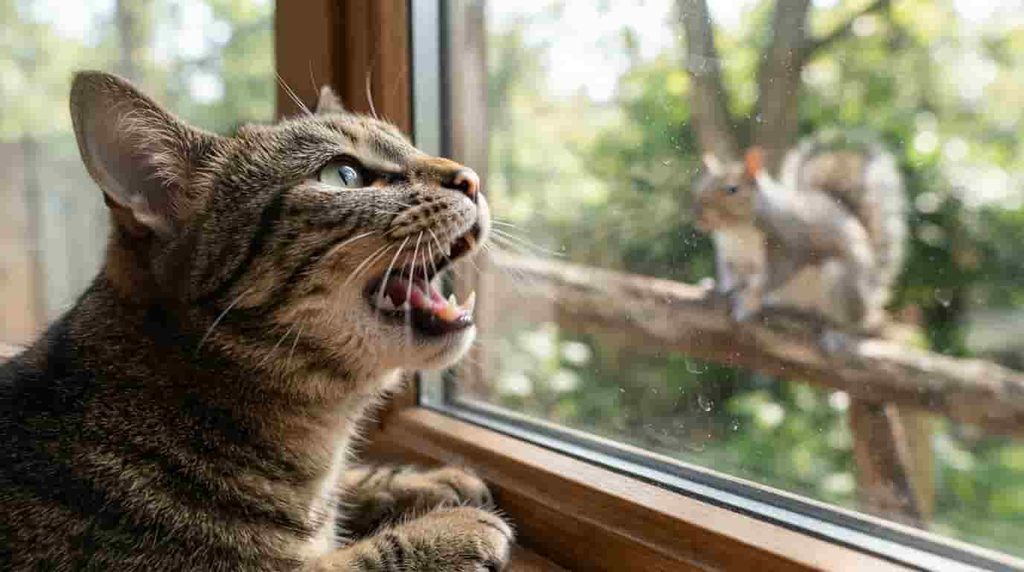
When examining why cats make weird noise birds search intents, cat behaviorists frequently point to a rapid clicking, stuttering, or chirping noise. Cats often exhibit this behavior while sitting intensely focused by a window, watching birds, squirrels, or insects outside.
Several prominent explanations exist for this fascinating phenomenon:
- Heightened predatory excitement and intense visual focus.
- Frustrated anticipation when prey is visible behind glass but completely out of reach.
- Neuromuscular preparation mimicking the rapid jaw movements required to deliver a killing bite to prey.
While this behavior typically occurs in a safe indoor setting, owners must always ensure that windows and window screens are secure to prevent accidental falls or escapes.
Trilling and Chirruping
Trills and chirrups are soft, high-pitched, melodic sounds produced with the cat’s mouth closed. Cats frequently use these gentle vocalizations during positive social interactions. Common situations include:
- Greeting a favorite human companion warmly upon entering a room.
- Seeking gentle attention, affection, or a meal.
- Following or leading a person toward a food bowl, toy basket, or favorite resting spot.
- Interacting peacefully during a relaxed social moment with another household pet.
These sounds represent a fundamental pillar of normal cat communication and healthy feline vocalizations, consistently reflecting contentment, security, and social bonding.
Yowling
Yowling is typically much longer, louder, and more drawn out than a standard meow, often carrying a plaintive, demanding, or distressed tone. Possible contexts for yowling include:
- Seeking attention or demanding entry through a closed door.
- Frustration caused by environmental changes or altered routines.
- Reproductive calling in unspayed or unneutered cats searching for a mate.
- Underlying psychological stress, anxiety, or territorial insecurity.
- Inter-cat conflict or tension with another animal in the home.
- Possible age-related cognitive dysfunction or medical discomfort.
Not all loud vocalizations share the same root cause. When yowling appears suddenly, persists for days, or is accompanied by other behavioral shifts, professional veterinary evaluation is strongly recommended.
Growling
Growling is a low-frequency, rumbling vocalization that clearly signals discomfort, fear, frustration, or an explicit warning to back away. Common situations that trigger growling include:
- Resource guarding around food bowls, high-value treats, toys, or prized resting spots.
- Conflict or tension with another animal in the shared territory.
- Feeling physically trapped, cornered, or unable to escape a perceived threat.
- Acute pain or chronic physical discomfort resulting from an injury or underlying illness.
- Fear of an unfamiliar person, animal, or strange environment.
Owners should never punish a growling cat under any circumstances. Punishment teaches the cat that their warning system is unacceptable, which can inadvertently cause them to skip the warning growl and bite directly in the future. Instead, create safe physical space and identify the underlying trigger.
Hissing
Hissing is entirely distinct from ordinary social meowing. It sounds like a sharp, sudden expulsion of air through an open mouth and indicates that the cat urgently desires distance and boundary protection. Possible causes include acute fear, chronic stress, defensive posture, physical pain, or feeling directly threatened by an approaching entity.
For a deeper exploration of this specific defensive behavior, read our detailed guide on Why Does My Cat Hiss at Me? Causes and What It Means. Understanding the underlying driver of hissing helps you restore a secure environment for your pet.
Low Moaning or Howling Sounds
What does it mean when a cat makes a low moaning noise? A low-pitched, drawn-out vocalization may occur during periods of intense frustration, environmental stress, mating activity, territorial disputes, or physical discomfort.
The surrounding environmental circumstances matter immensely when decoding this sound. If the noise is entirely novel or appears alongside systemic signs of physical illness, you should consult a veterinarian promptly.
Humming or Vibrating Sounds
Why does my cat make a weird humming noise? Some pet owners describe purring, trilling, or deep throat resonance as humming. It is vital to distinguish between a familiar, relaxed purr and a new, unusual sound connected with breathing difficulties or internal distress. Never assume every humming or vibrating sound is harmless without assessing the cat’s overall health and posture.
Weird Cat Noises During Play, Hunting, and Excitement

Some mysterious cat noises happen during high-energy moments and are entirely normal components of natural feline behavior. Examples include chirping at birds, chattering at moving feather wands, excited trills during chase games, and short vocal bursts during independent play.
Observing body language helps clarify these moments. A relaxed, focused cat with normal breathing presents a starkly different picture from a cat showing pinned ears, puffed fur, piloerection, or obvious signs of fear and distress.
Why Does My Cat Make Weird Noises at Night?
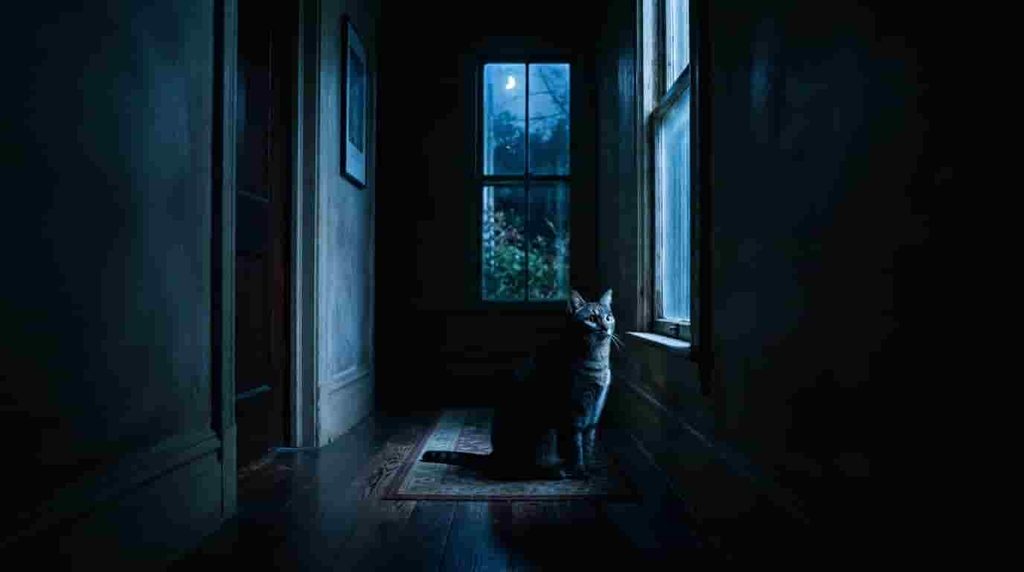
Nighttime vocalization is a frequent and frustrating challenge for pet owners. Nocturnal sounds can stem from several distinct causes:
- Increased nocturnal activity aligned with a cat’s natural crepuscular instincts.
- Attention-seeking behavior because the owner is asleep and unresponsive.
- Hunger or learned feeding routines established through past owner reinforcement.
- Responding to outdoor animals, cars, or environmental noises in the neighborhood.
- Boredom due to insufficient daytime mental and physical stimulation.
- Stress or anxiety regarding household layout changes or new schedules.
- Reproductive behavior in cats that have not been spayed or neutered.
- Age-related cognitive dysfunction or emerging medical conditions.
A cat that has always been active and vocal at night differs significantly from a cat that suddenly begins loud nighttime vocalization out of nowhere.
How to Reduce Non-Medical Nighttime Vocalization
You can often minimize disruptive nighttime noises through proactive environmental management:
- Offer appropriate play, hunting simulation games, and puzzle toys during the day.
- Keep feeding routines predictable, perhaps adding a late-night puzzle snack.
- Check that basic needs for fresh water, clean litter boxes, and comfort are met.
- Reduce access to stressful outdoor triggers by closing curtains or blinds.
- Avoid accidentally rewarding persistent, non-urgent nighttime meowing with attention, interaction, or food.
Sudden nighttime vocalization, especially in an older cat or when accompanied by other physical changes, should not simply be dismissed as normal behavior; it warrants a professional checkup.
Why Does My Cat Make Weird Noises When Breathing?
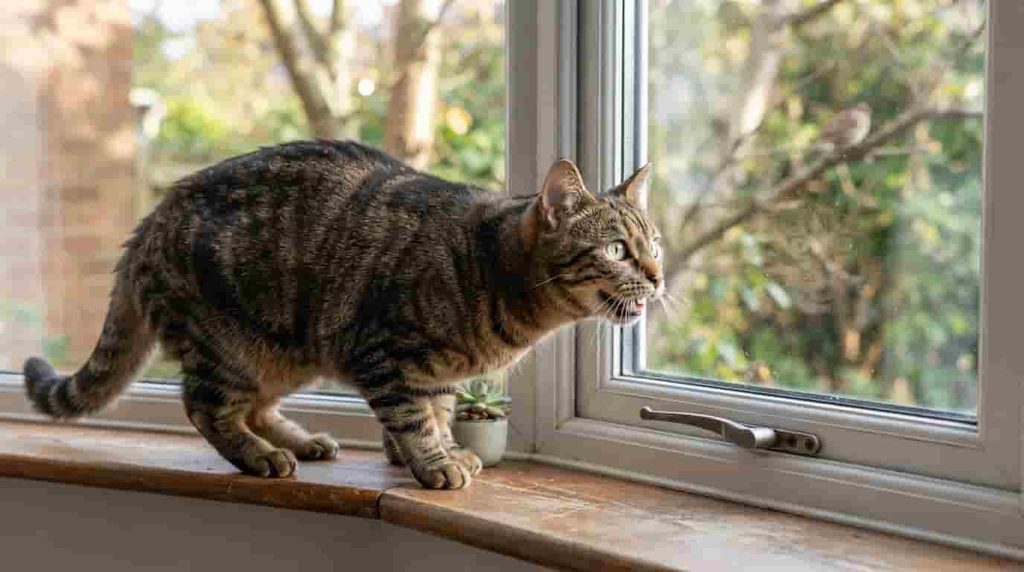
Unusual breathing sounds are entirely different from ordinary cat vocalizations and demand immediate attention. Possible descriptions owners may notice include wheezing, noisy breathing, harsh or raspy sounds, and repeated clicking noises coming from the nasal passages or throat.
While we cannot diagnose the root medical cause here, persistent or unusual breathing noises should always be evaluated by a qualified veterinarian.
When Breathing Sounds Need Urgent Attention
Certain signs require immediate emergency veterinary care:
- Open-mouth breathing or panting while at rest.
- Obvious, heavy difficulty moving air in and out.
- Blue, gray, or very pale gum coloration indicating oxygen deprivation.
- Severe weakness, lethargy, or physical collapse.
- Sudden, significant respiratory distress.
Authoritative organizations like the Cornell Feline Health Center emphasize that respiratory distress in cats is a life-threatening medical emergency requiring immediate veterinary intervention.
Why Does My Cat Make Weird Noises While Eating?
Cats may make sounds around food because of intense excitement, anticipation, or positive social behavior. A cat may vocalize while carrying a favorite toy like prey or immediately after finishing a satisfying meal.
However, you must distinguish normal mealtime enthusiasm from concerning signs such as difficulty chewing, dropping food repeatedly from the mouth, obvious signs of mouth pain, gagging or repeated coughing, and a sudden change in eating habits. Recommend veterinary advice when eating-related noises are new, persistent, or accompanied by trouble eating.
Strange Throat Sounds From Cats
Owners often describe throat sounds in many ways, including clicking, rasping, gagging, humming, or unusual voice breaks. To figure out what is happening, observe:
- Whether the sound occurs only during active meowing.
- Whether it happens while the cat is resting quietly.
- Whether breathing appears completely smooth and normal.
- Whether the cat is coughing, hacking, or gagging.
- Whether appetite, weight, or activity levels have shifted.
Recording a short video for your veterinarian is often helpful, as intermittent sounds rarely happen on demand during a clinic visit.
When Weird Cat Noises Are Probably Normal
Unusual cat sounds are typically less concerning when the cat has always made that specific sound, when it occurs predictably during play or excitement, when the cat otherwise behaves normally, and when eating, breathing, activity, and litter box habits remain completely unchanged. However, “probably normal” does not replace veterinary guidance if you feel uneasy.
Strange Cat Sounds May Signal a Problem
Context and sudden change are critical indicators. Warning signs include a new sound that persists, sudden excessive vocalizations, difficulty breathing, unexplained weight changes, signs of physical pain, hiding, withdrawal, lethargy, alterations in litter box habits, or sudden confusion. VCA Animal Hospitals notes that behavioral shifts paired with vocal changes often point to underlying medical discomfort that requires professional diagnosis.
How to Decode Cat Sounds Using Context

Step 1: Identify the Sound
Encourage owners to describe the noise objectively without trying to interpret it immediately—whether it is a short meow, a long yowl, a low growl, a chirp, a hiss, or a raspy breathing sound.
Step 2: Watch the Cat’s Body Language
Look for relaxed or tense postures, ear orientation, tail movement, eye appearance, and whether the cat is moving toward or away from you. Interpreting noises without body language leads to errors.
Step 3: Look for the Trigger
Ask yourself what just happened. Did someone enter the room? Is another animal nearby? Is food involved? Did the sound occur after touching a certain part of the cat’s body?
Step 4: Notice Whether the Sound Is New
A sudden change from the cat’s established baseline vocal pattern is almost always more important than whether the sound itself seems quirky.
What Should You Do When Your Cat Makes a Strange Noise?
- If the Cat Seems Normal: Observe the pattern and situation without panicking.
- If the Noise Is New: Monitor closely for other behavioral changes and consider contacting a veterinarian.
- If the Sound Involves Breathing Difficulty: Seek urgent veterinary care immediately.
- If You Cannot Identify the Cause: Record the sound and note when it happens, how long it lasts, and any other accompanying symptoms.
Common Mistakes When Interpreting Cat Noises
- Assuming Every Strange Sound Means the Same Thing: Context changes everything.
- Ignoring Sudden Changes: A new vocal pattern always deserves attention.
- Treating Every Noise as a Behavioral Problem: Medical conditions frequently alter vocalizations.
- Trying to Silence the Cat: Punishment and yelling only increase stress.
- Waiting Too Long During Breathing Distress: Respiratory issues escalate rapidly.
Weird Noises and Cat Communication

Not every unusual sound is a warning sign. Cats use diverse sounds as part of normal feline communication. Meows are directed at people, trills occur during friendly greetings, hisses request distance, growls warn of danger, and chirps appear during hunting excitement.
For a more focused explanation of conversational meowing, read our related guide on Why Does My Cat Meow When I Talk to It? What It Means
What If My Cat Makes Strange Noises When I Leave?
Cats may meow, call, or yowl when a person departs due to attention-seeking, routine disruption, or separation anxiety. For a detailed discussion on departure vocalizations, check out Why Does My Cat Meow When I Leave? Causes and What It Means
Why Does My Cat Make Weird Noises? The Bottom Line
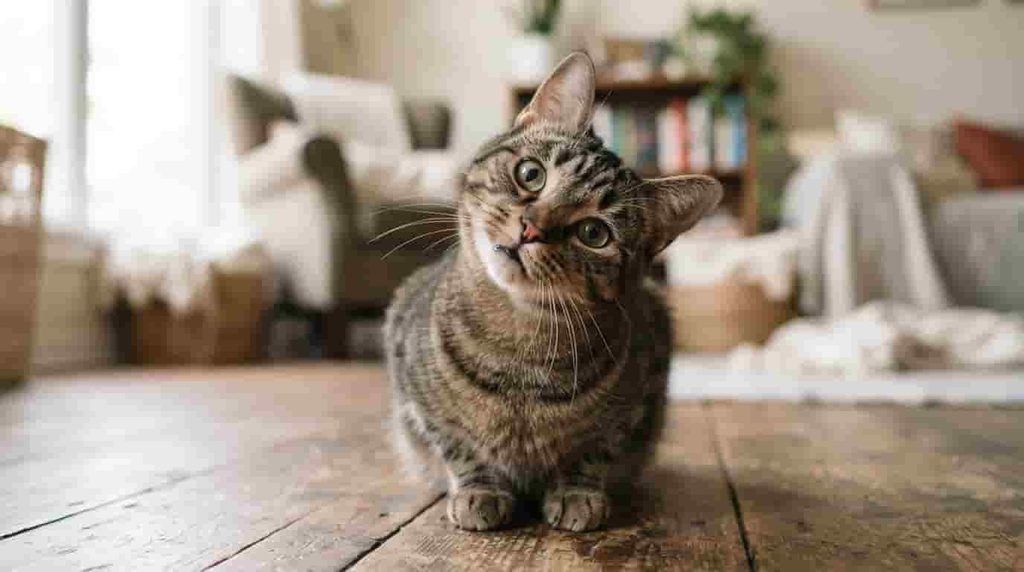
Cats can make many unusual sounds, and many are normal parts of feline life. Chirping, trilling, chattering, meowing, growling, hissing, and yowling all occur in different contexts. The key takeaway is to evaluate the sound, the situation, body language, and behavioral changes. Breathing difficulty or persistent changes should always be discussed with a veterinarian.
What is the strangest sound your cat makes, and when do you usually hear it? Share your experience in the comments below!
Frequently Asked Questions
What are some weird noises that cats make?
Cats may chirp, trill, chatter, growl, hiss, yowl, or make unusual meowing sounds. The exact meaning depends on the situation and the cat’s overall behavior.
Why does my cat make a strange noise at birds?
Cats often chirp or chatter while watching birds because they are highly focused or excited by prey-like movement behind glass.
Why is my cat making weird noises all of a sudden?
A sudden vocal change may be linked to environmental stress, routine shifts, or an underlying medical problem. Contact your veterinarian if it persists.
Is it normal for my cat to make noises while sleeping?
Cats may make occasional quiet sounds during sleep, including soft vocalizations. However, sudden distress sounds or breathing changes warrant a checkup.
Should I worry if my cat suddenly sounds hoarse?
A voice change can have various causes ranging from minor inflammation to respiratory illness. If hoarseness persists or worsens, seek veterinary advice.