Ragdoll Cat: Size, Price, Personality, Colors and What Makes Them Special
Introduction:
Ragdoll Cat companions are among the most recognized and adored felines in the world today. Known for their striking blue eyes, semi-longhaired coats, and impressive physical size, these cats captivate prospective owners at first glance. However, bringing a new pet into your home requires looking far beyond a charming exterior. Before making a lifelong commitment, potential owners frequently want to know about their typical size, social personality, recognized coat colors, grooming demands, breed health issues, breeder pricing, and general ownership needs.
Understanding this popular breed requires examining both their calm, affectionate demeanor and their practical daily care requirements. While their gentle reputation makes them famous, they are large, heavy-bodied cats that require dedicated grooming, interactive play, and routine preventive veterinary care. This detailed guide covers everything you need to know about the breed—from history and physical traits to lifetime costs—helping you decide if this gentle giant is the right fit for your home.
What Is a Ragdoll Cat?
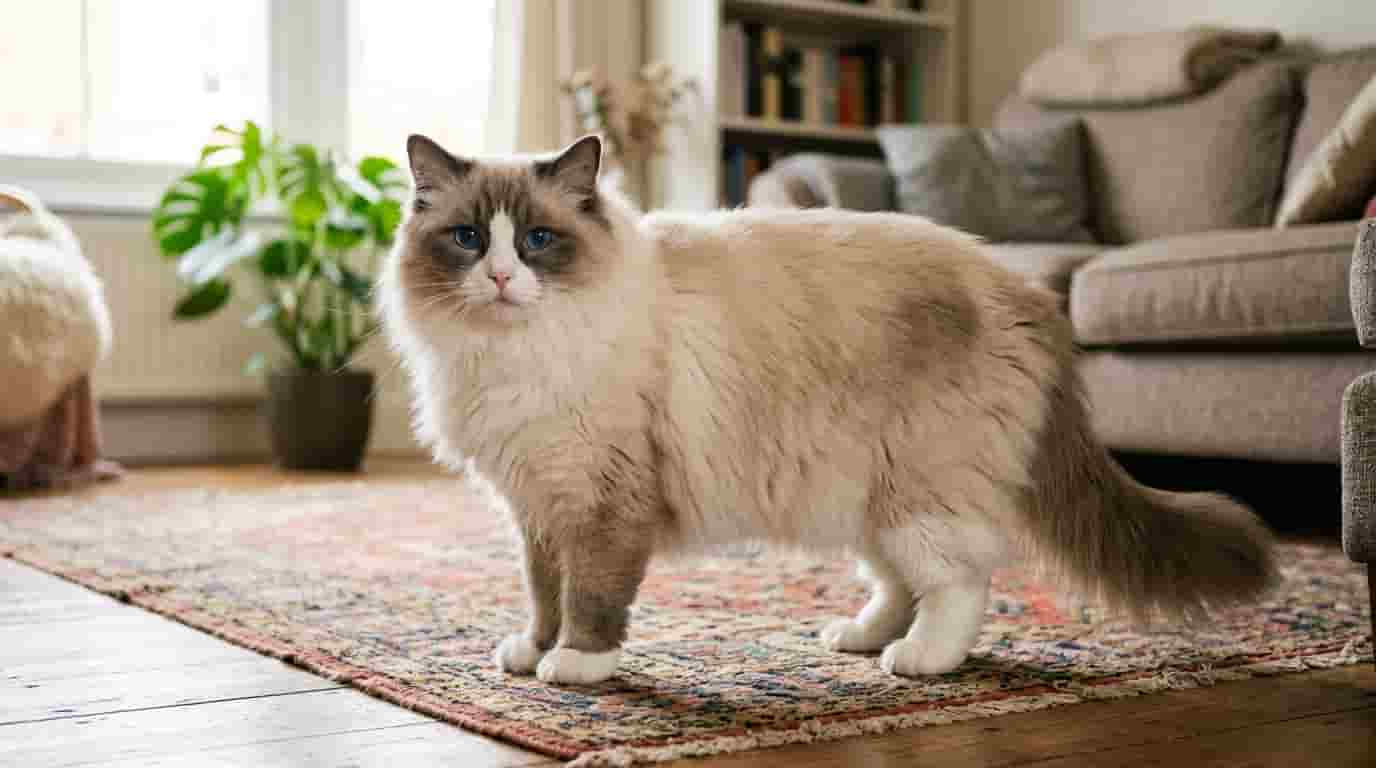
The Ragdoll Cat is a distinct, large domestic breed renowned for its soft, point-colored coat, vivid blue eyes, and famously relaxed demeanor when held. Developed in the 1960s, the breed was selectively built for physical scale, a gentle temperament, and striking pointed coloration.
Physical traits include a heavy-boned, muscular body, a broad chest, a plush semi-long coat, and a broad, wedge-shaped head. Despite their substantial frame, they are celebrated for a gentle, human-oriented nature. They are classic indoor companions that thrive on proximity to their human families, often greeting owners at the door and following them from room to room.
Ragdoll Breed Information and History
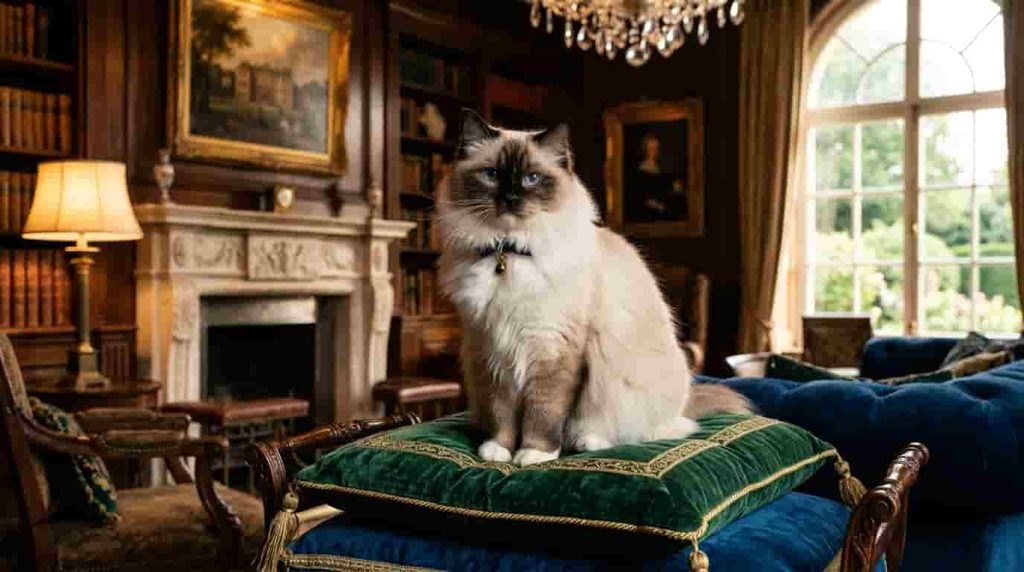
The history of the breed began in Riverside, California, during the early 1960s. Feline breeder Ann Baker developed the foundation stock using a free-roaming, white semi-longhaired cat named Josephine. After Josephine produced litters with unusually docile, affectionate temperaments and sturdy builds, Baker selectively bred her offspring with oriental-type pointed cats and other longhaired strays.
- Josephine (White Semi-Longhair Foundation) + Pointed & Longhaired Males
- Result: Early Ragdoll Foundation Stock
Baker established a tight registry called the International Ragdoll Cat Association (IRCA) to control breeding standards strictly. Over time, independent breeders broke away from Baker’s stringent organization to gain official recognition from mainstream registries. Through dedicated selection for health, size, and calm temperament, registries such as the Cat Fanciers’ Association (CFA) and The International Cat Association (TICA) fully recognized the breed by the late 20th century. Today, it stands as one of the most registered purebred cats globally.
Ragdoll Cat Characteristics and Appearance
The physical appearance of this breed is defined by power, elegance, and balance. They are substantial animals that take several years to reach complete physical maturity.
Ragdoll Cat Size
This is one of the largest domestic cat breeds. Their growth is gradual, often taking three to four years to achieve full adult muscle density, frame length, and coat thickness.
- Male Weight: 15 to 20 pounds (6.8 to 9.1 kg) or more.
- Female Weight: 10 to 15 pounds (4.5 to 6.8 kg).
- Overall Build: Long, muscular, broad-chested, and heavy-boned with a moderately long tail and sturdy legs.
Their slow development means young adults may go through gangly growth phases before developing their characteristic broad chest and heavy hindquarters.
Ragdoll Cat Long Hair and Coat
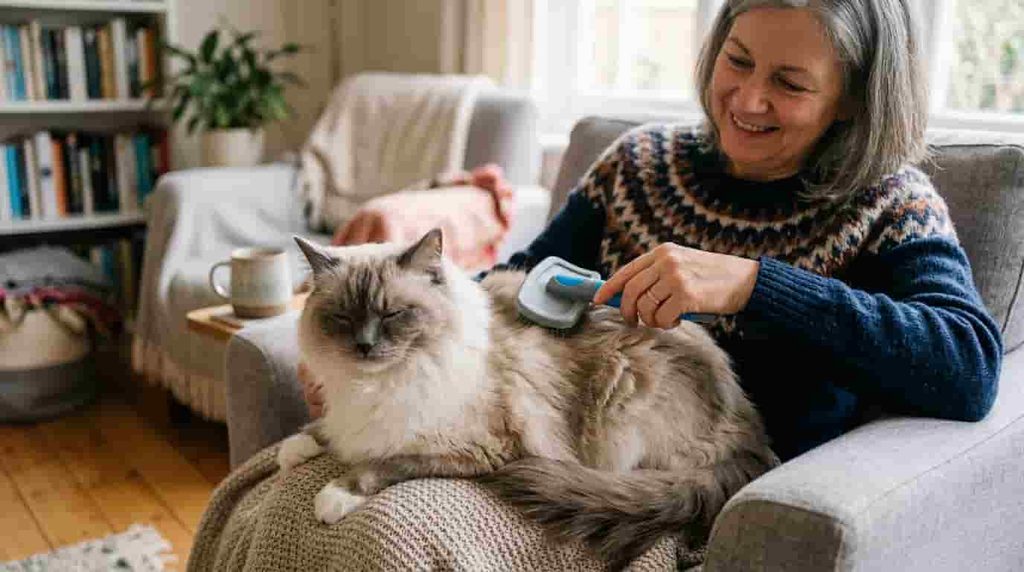
The coat is semi-long, plush, and silky. Unlike double-coated breeds with thick, dense undercoats, their hair consists primarily of long guard hairs with minimal undercoat.
- Texture: Soft, silky, and flowy, similar to rabbit fur.
- Maintenance: Less prone to severe matting than double-coated longhairs, though regular brushing is still required.
- Shedding: Moderate year-round shedding with seasonal peaks in spring and autumn.
Ragdoll Cat Eyes
A true pedigree cat of this breed must feature vivid, striking blue eyes. The eye shape is large, expressive, and slightly oval, set wide apart on a gently sloping face. The intensity of the blue color can vary from a soft sky-blue to a deep, sapphire shade, serving as one of the breed’s most iconic visual hallmarks.
How to Identify a Ragdoll Cat
Identifying the breed involves looking for a specific combination of physical features:
- Substantial Size: A long, muscular frame that feels heavier than it appears.
- Plush Coat: Semi-longhair texture with a soft ruff around the neck and feathering on the legs.
- Pointed Markings: Darker coloration on the ears, mask, legs, and tail contrasted against a lighter body.
- Expressive Blue Eyes: Large, oval blue eyes are required by official breed standards.
- Relaxed Demeanor: A calm physical presence when handled gently.
Note: Physical appearance alone cannot confirm pedigree status; official registration papers from a recognized registry are necessary to verify purebred lineage.
Ragdoll Cat Colors and Patterns
Coat genetics in this breed produce a beautiful variety of colors and structural markings. All kittens are born solid white; their point colors and patterns begin emerging within their first few weeks of life and deepen as they mature.
Common Ragdoll Cat Colors
Official feline registries recognize several core point colors:
- Seal: Deep, dark seal-brown or warm black points paired with a pale cream body.
- Blue: Cool, slate-gray or silver-blue points contrasted against a bluish-white body.
- Chocolate: Warm milk-chocolate points paired with an ivory body.
- Lilac: Soft, frosty gray-pink points paired with a glacial white body.
- Red (Flame): Warm apricot-red points paired with a clear white or soft cream body.
- Cream: Soft, pale buff-cream points paired with a clear white body.
Ragdoll Cat Patterns
The color points are displayed across four main pattern configurations:
- Colorpoint: Classic pointed pattern with dark points on the ears, mask, feet, and tail, with no white markings.
- Mitted: Dark points accompanied by clean white “mittens” on the front paws, white “boots” on the hind legs, a white chin, and a white stripe along the belly.
- Bicolor: Features an inverted white “V” mask on the face, white chest and belly, white legs, and dark point coloration on the ears, mask edges, and tail.
- Lynx / Tortie: Lynx patterns add tabby striping across the point areas, while Tortie patterns introduce mottled tortoiseshell patches.
Can Ragdoll Cats Be Orange or Grey?
Owners and searchers frequently ask about “orange” or “grey” variations:
- Orange Markings: Cats described as “orange” are officially classified as Red or Flame point. Their point coloration displays warm orange-red tones.
- Grey Markings: Cats described as “grey” are officially recognized as Blue point. Their points feature a cool, slate-gray coloration.
Ragdoll Cat Personality and Temperament
The personality of the breed is a central reason for its enduring global popularity. They are famously affectionate, calm, and deeply attached to their human companions.
What Is a Ragdoll Cat’s Personality Like?
These cats are human-oriented, companionable, and soft-spoken. Often called “puppy-cats,” they frequently display dog-like loyalty—greeting owners at the front door, trailing family members from room to room, and resting nearby during daily activities.
While they enjoy lounging near or on their favorite people, their affection is gentle and steady rather than demanding. They communicate with soft, musical chirps and purrs rather than loud, persistent meows.
Are Ragdoll Cats Lazy?
While often described as exceptionally calm, calling them “lazy” is an oversimplification. They are placid and low-intensity, but healthy adults still require daily play and movement.
- Calm Resting Period$\rightarrow$Interactive Daily Play$\rightarrow$Satisfied Snuggling
They enjoy chasing wand toys, retrieving small balls, and exploring low scratching posts. Their relaxed demeanor should not be mistaken for lethargy; a cat that refuses to move or interact may be experiencing pain or illness and should be evaluated by a veterinarian.
Are Ragdoll Cats Good Family Cats?
Their tolerant, steady disposition makes them excellent companions for families with children. They generally handle household noise and activity well, provided children are taught gentle handling techniques.
Because these cats often lack defensive instincts, kids must learn not to drag or compress their heavy bodies. Always provide safe, elevated retreat spaces where the cat can rest undisturbed.
Do Ragdoll Cats Get Along With Other Pets?
Their non-aggressive nature allows them to integrate smoothly into multi-pet homes. They coexist comfortably with cat-friendly dogs and other peaceable felines.
- Dedicated Room: Keep new arrivals in a quiet, isolated space with their own litter box and water.
- Scent Swapping: Trade bedding between pets before visual introductions occur.
- Controlled Visits: Allow visual contact through a baby gate or cracked door.
- Supervised Interaction: Host short, positive face-to-face meetings backed by treats.
- Separate Resources: Ensure every pet has easy access to its own feeding station and litter tray.
What Is So Special About Ragdoll Cats?
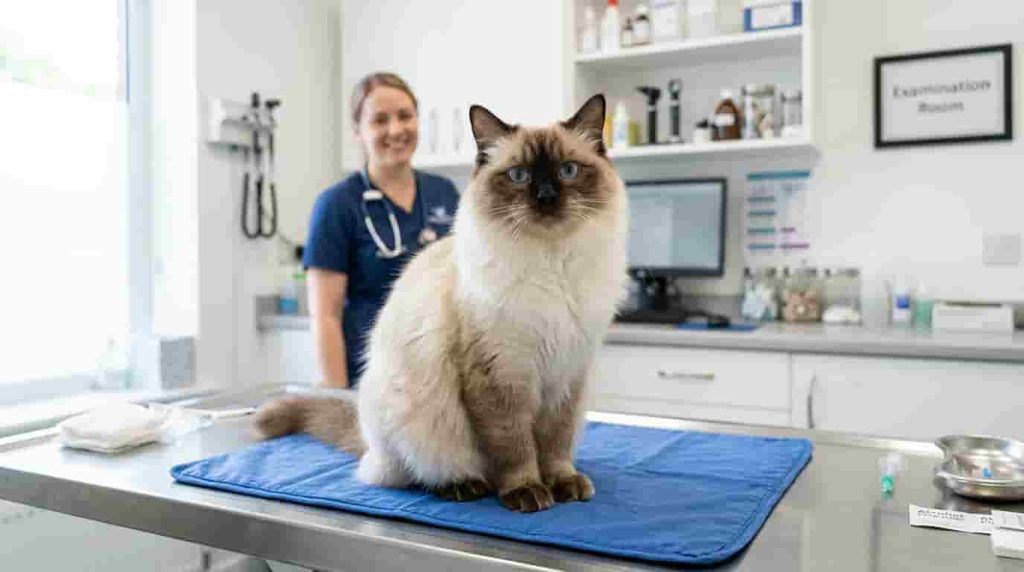
This breed holds a unique space in the domestic feline world thanks to a distinct combination of traits:
- Distinctive Handling Traits: Tendency to relax completely in their owners’ arms when held gently.
- Striking Visuals: Large physical size combined with plush semi-long fur and deep blue eyes.
- Gentle Disposition: Low tendency toward territorial aggression or scratching.
- Dog-Like Loyalty: Strong social attachment and enthusiasm for greeting human family members.
- Indoor Adaptability: Excellent fit for indoor apartment life due to their low-key activity style.
Ragdoll Cat Care
Providing consistent daily care keeps this large, longhaired breed comfortable, healthy, and happy.
Ragdoll Cat Grooming
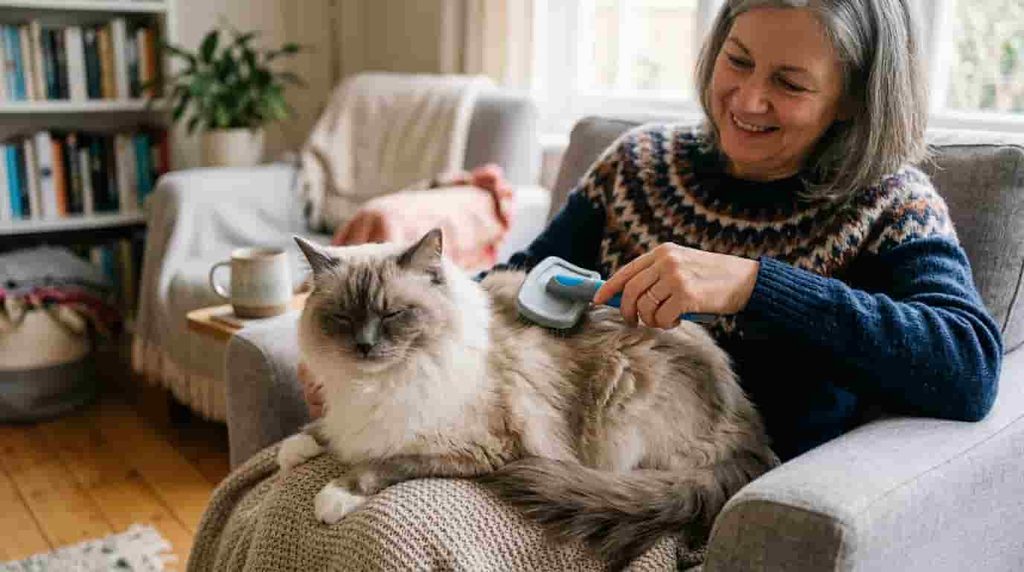
Although their coat is less prone to extreme matting than double-coated breeds, routine grooming is essential to remove loose hair and prevent tangles.
- Coat Brushing: Brush two to three times weekly using a stainless-steel comb or soft slicker brush. Pay close attention to friction zones behind the ears and under the armpits.
- Nail Care: Trim claw tips every two to three weeks with cat-specific nail trimmers.
- Ear Inspections: Check ears weekly for dirt, dark wax buildup, or redness, cleaning as needed with a vet-approved ear rinse.
- Dental Care: Brush teeth several times a week with feline toothpaste to prevent plaque accumulation and gum inflammation.
Feeding a Ragdoll Cat
Because these cats are large and relatively low-activity, careful calorie management is required to prevent obesity.
Feed a balanced, high-protein commercial diet formulated for life stage (kitten, adult, senior). Combining wet canned food with high-quality dry kibble promotes hydration while providing concentrated nutrition. Measure daily portions according to body weight and avoid free-feeding to keep body condition scores within a healthy range.
Exercise and Enrichment
A calm demeanor still requires physical and mental stimulation to maintain muscle tone and mental health:
- Interactive Toys: Feather wands, laser pointers, and motorized toys encourage brief bursts of energetic play.
- Low Climbing Towers: Sturdy, wide-based cat trees accommodate their heavy weight safely.
- Scratching Posts: Heavy sisal-wrapped posts protect home furniture and stretch shoulder muscles.
- Food Puzzles: Treat mazes keep intelligent minds sharp during mealtimes.
Ragdoll Cat Health Issues
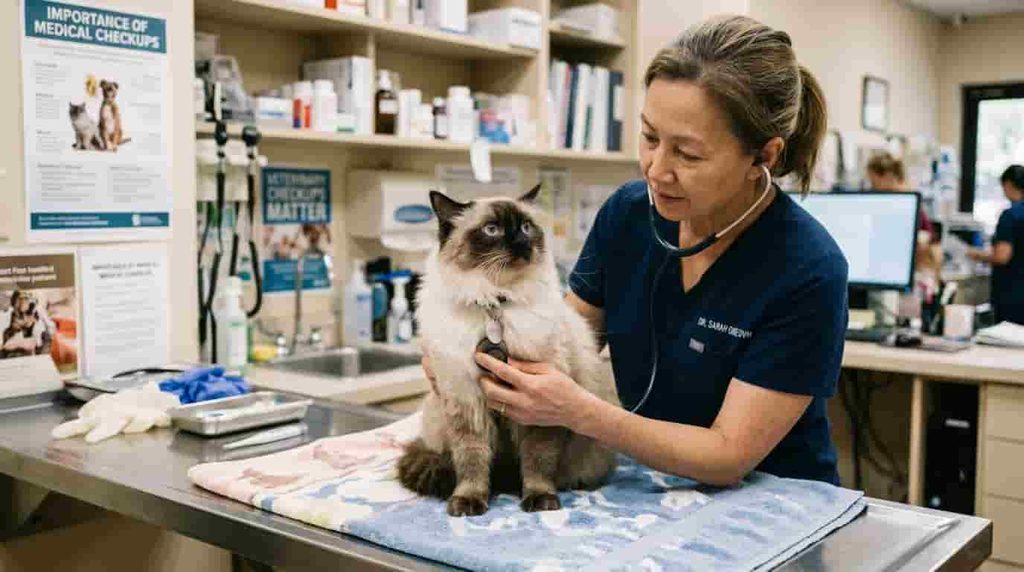
Understanding potential health conditions allows owners to practice proactive, preventive veterinary care throughout their cat’s life.
Common Ragdoll Cat Health Concerns
While generally robust, the breed can be predisposed to specific health conditions:
- Hypertrophic Cardiomyopathy (HCM): A genetic cardiac condition causing abnormal thickening of the heart muscle walls. Responsible breeders use DNA testing to screen breeding stock for the known HCM gene mutation.
- Polycystic Kidney Disease (PKD): An inherited condition where fluid-filled cysts develop in kidney tissue, potentially leading to renal impairment over time. DNA testing and ultrasound screenings help breeders eliminate affected lines.
- Lower Urinary Tract Disease (FLUTD): Inflammation or crystal formation in the bladder or urethra. Ensuring adequate hydration through wet food helps mitigate risks.
- Periodontal Disease: Bacterial inflammation affecting gums and tooth attachments, manageable through routine dental brushing and professional cleanings.
How to Support Your Ragdoll Cat’s Health
Proactive care helps support wellness and longevity:
- Routine Exams: Schedule yearly wellness checkups (bi-annually for senior cats over 10).
- Preventive Care: Maintain core vaccinations and year-round parasite prevention.
- Weight Monitoring: Track weight changes regularly to catch early signs of metabolic issues or obesity.
- Hydration Focus: Supply multiple fresh water sources or running water fountains.
- Indoor Environment: Keep cats safely indoors to avoid vehicular accidents, infectious diseases, and parasites.
When Should a Ragdoll Cat See a Veterinarian?
Contact a veterinarian promptly if you notice any of these alarming changes:
- Inability or straining to urinate (a critical emergency, especially in males)
- Loss of appetite lasting longer than 24 hours
- Open-mouth or laboring breathing
- Sudden weakness, collapse, or dragging of hind legs
- Persistent vomiting, severe diarrhea, or extreme lethargy
How Much Does a Ragdoll Cat Cost?
The overall financial commitment involves initial purchase or adoption fees along with lifetime maintenance costs.
Ragdoll Cat Price From a Breeder
Kittens purchased from reputable breeders generally cost between $1,200 and $2,500 USD. Prices vary depending on several criteria:
- Pet vs. Show Quality: Kittens meeting strict color symmetry standards command higher prices ($2,000–$3,500+) than pet-quality kittens with slight pattern variations.
- Breeder Health Testing: Ethical breeders invest heavily in DNA screening for HCM and PKD, parent echocardiograms, and initial veterinary vaccines, reflected in kitten costs.
- Pedigree & Registration: Verified multi-generation pedigrees from registries like TICA or CFA increase value.
Unusually low prices (under $800) often indicate kitten mills or backyard breeders operating without health screenings or proper veterinary care.
Ragdoll Kittens for Sale
When searching for available kittens, ensure you deal exclusively with ethical breeders who provide:
- Written health guarantees covering genetic conditions
- Official registration documents (TICA/CFA)
- Proof of parent health testing (HCM/PKD status)
- Clean, open home environment for kitten rearing
- Minimum kitten release age of 12 to 14 weeks
Adoption and Rescue
Adopting through shelters or breed rescues costs approximately $150 to $400 USD. Adoption fees typically cover spay/neuter surgery, initial vaccinations, microchipping, and parasite treatments. While purebred adults appear occasionally in rescue systems, availability is limited.
Ongoing Ragdoll Cat Ownership Costs
Annual upkeep costs extend beyond initial purchase fees:
- High-Quality Food: $400 – $700 per year
- Cat Litter: $200 – $300 per year
- Routine Vet Care & Vaccines: $250 – $500 per year
- Parasite Prevention: $150 – $250 per year
- Grooming Tools & Toys: $75 – $150 per year
- Pet Insurance (Optional): $360 – $720 per year
- Total Estimated Annual Cost:$1,435 – $2,620 per year
Are Ragdoll Cats Expensive?
Yes, they are considered relatively expensive pets compared to domestic shorthairs. The investment breaks down across three distinct categories:
- Initial Expenses: Purchase price ($1,200–$2,500), spaying/neutering, microchipping, scratch posts, litter boxes, and initial supplies.
- Ongoing Expenses: High-protein nutrition, specialized longhair grooming tools, heavy-duty cat trees, quality litter, and routine annual vet checkups.
- Unexpected Expenses: Emergency medical care for unexpected illnesses, dental cleanings, or chronic condition management.
Budgeting for both predictable upkeep and sudden medical needs ensures long-term stability for your household.
Ragdoll Cat Baby and Kitten Development
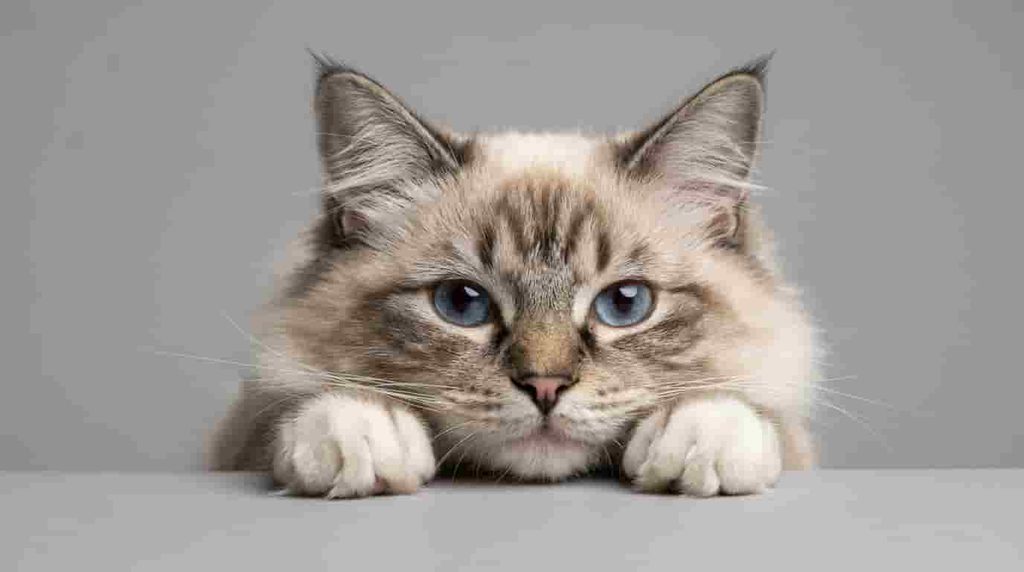
Watching a kitten mature is a unique experience as their coat color and physical frame evolve over time.
What Do Ragdoll Kittens Look Like?
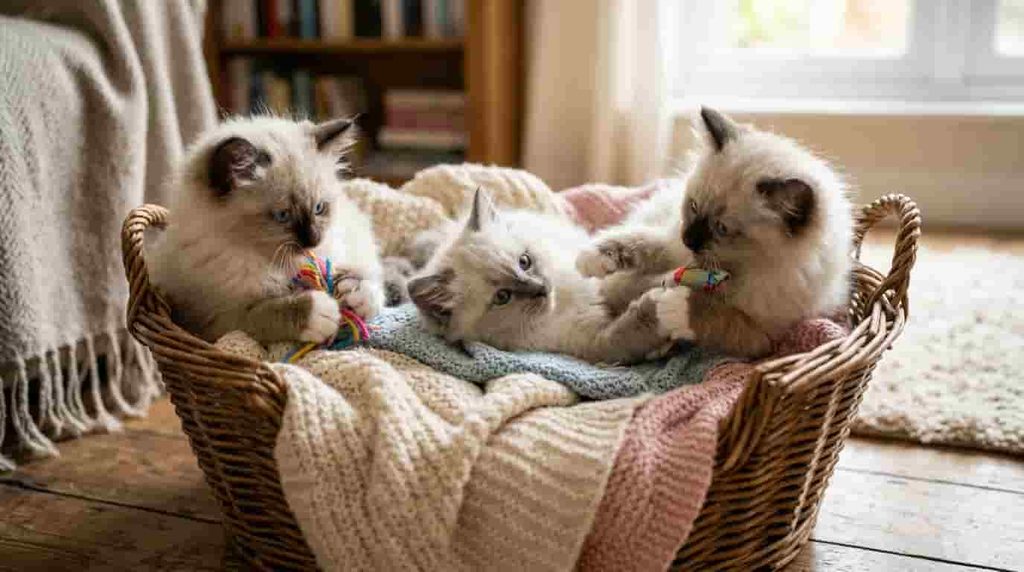
Kittens are born completely white. Their point coloration slowly develops over their first few weeks of life:
- 2 to 3 Weeks: Color points begin appearing on ear edges and nose leather.
- 1 to 2 Months: Facial masks and foot markings become identifiable.
- 1 to 2 Years: Coat color and pattern intensity continue to deepen.
- 3 to 4 Years: Full body weight, muscle mass, and complete coat richness are achieved.
Caring for Ragdoll Kittens
Young kittens require specialized care to grow safely:
- Feed growth-formulated kitten food rich in protein and essential fatty acids.
- Introduce gentle grooming routines early using soft brushes to build positive associations.
- Provide early socialization with family members, gentle handling, and diverse household sounds.
- Complete all initial vaccination series and parasite prevention on schedule.
Is a Ragdoll Cat Hypoallergenic?
No, the Ragdoll Cat is not hypoallergenic.
Cat allergies are triggered primarily by the Fel d 1 protein, produced in feline saliva, skin oils, and urine—not by hair length. When cats groom themselves, saliva dries on the fur and flakes off as airborne dander.
Because these cats produce standard levels of Fel d 1 and possess semi-longhair coats that shed moderately, they carry allergen-laden hair across household surfaces. Individuals with known feline allergies should spend time around adult cats before making an ownership decision.
How to Choose a Ragdoll Cat
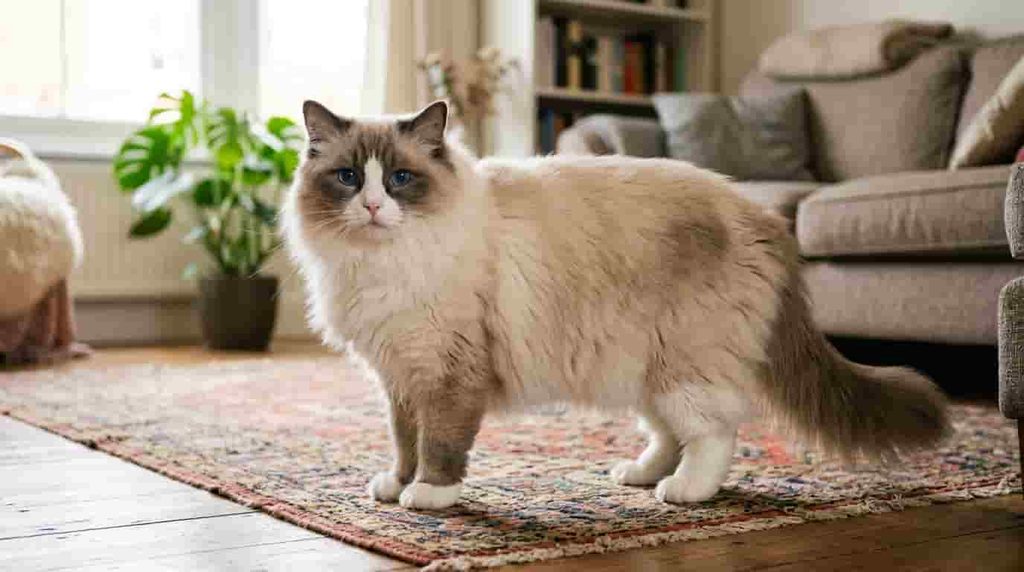
Selecting a healthy kitten requires careful evaluation of breeders and living conditions.
Questions to Ask a Breeder
- Are parent cats DNA tested clear for HCM and PKD genetic mutations?
- May I view the kittens and parent cats in their living environment?
- What veterinary care, vaccinations, and deworming treatments have the kittens received?
- At what age are kittens allowed to go to their new homes?
- Do you provide a written health contract and registration papers?
Red Flags to Watch For
- Willingness to sell kittens under 12 weeks of age.
- Lack of HCM and PKD genetic health documentation for parents.
- Unwillingness to show the rearing environment or parent cats.
- High-pressure sales tactics or unusually cheap purchase prices.
- Dirty, crowded living conditions or visible signs of illness (runny eyes, lethargy).
What to Prepare Before Bringing One Home
Prepare your home with essential supplies before arrival:
- Sturdy, wide-based scratching posts and heavy-duty cat trees
- Large, open-topped litter boxes and dust-free litter
- High-protein kitten/adult food along with heavy ceramic or stainless-steel bowls
- Stainless-steel grooming comb and slicker brush
- Safe, hard-sided pet carrier for travel
- Interactive toys, feather wands, and soft bedding
Ragdoll Cat vs. Other Similar Breeds
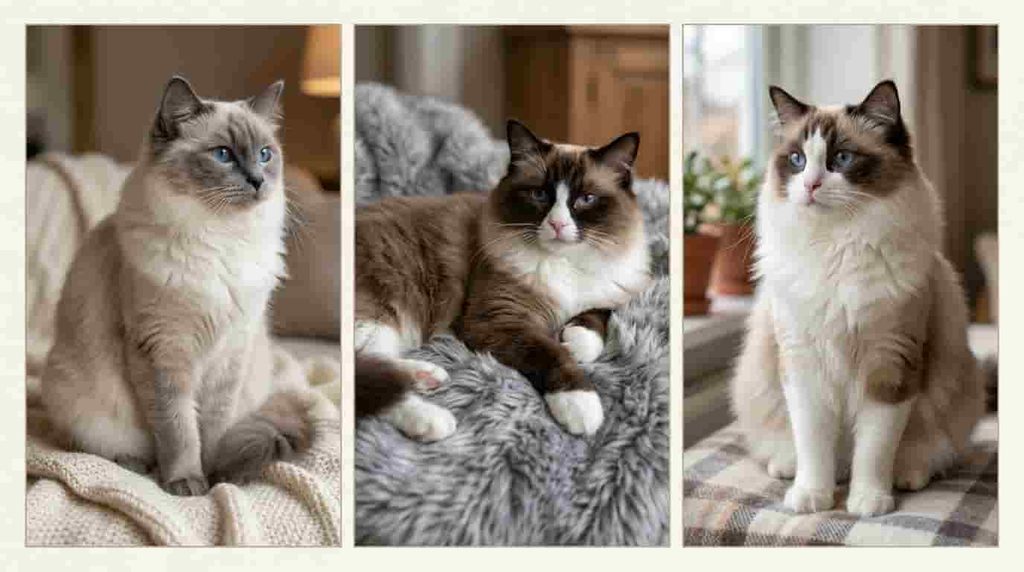
Comparing similar breeds helps clarify physical and behavioral differences before choosing a pet.
Ragdoll vs. Ragamuffin
- Coat Colors: Ragdolls feature strict colorpoint patterns with blue eyes. The Ragamuffin Cat accepts a wider spectrum of colors, including solid, tortoiseshell, and tabby patterns with various eye shades.
- Body Shape: Ragdolls possess a rectangular frame, whereas Ragamuffin cats feature a slightly rounder, walnut-shaped body profile.
Ragdoll vs. Snowshoe
- Size and Build: Ragdolls are large, heavy-boned, long-bodied cats. The Snowshoe Cat is a medium-sized breed with a firmer, more moderate build.
- Coat Length: Ragdolls carry a plush, semi-long coat, while the Snowshoe features a short, smooth coat that lies flat against the body.
Is a Ragdoll Cat Right for You?
Evaluating your household routine determines whether this calm breed fits your daily lifestyle.
A Ragdoll May Fit Your Household If You Want:
- A large, affectionate companion that stays near you throughout the day.
- A soft-spoken feline that communicates with gentle chirps.
- A pet that thrives in an indoor-only home environment.
- A sociable cat that copes well with family activity and cat-friendly pets.
- A beautiful, semi-longhaired cat with striking blue eyes.
Things to Consider First
- Companionship Needs: They dislike being left completely alone for long, empty workdays.
- Grooming Time: Weekly brushing is necessary to keep their coat healthy and tangle-free.
- Space & Supplies: Large bodies require oversized litter boxes, heavy cat trees, and substantial feeding budgets.
- Financial Commitment: Lifetime expenses require steady budgeting for high-quality food, litter, and veterinary care.
Questions to Ask Yourself
- Can I commit to regular coat grooming and dental care every week?
- Is my household prepared for the long-term financial cost of food, litter, and medical care over 15+ years?
- Do I have enough time daily to provide play, affection, and attention?
- Can I provide a safe, indoor-only environment for a large cat?
Frequently Asked Questions About Ragdoll Cats
Is Ragdoll cat expensive?
Yes, purchasing a pedigree kitten typically costs between $1,200 and $2,500, with annual care expenses running between $1,400 and $2,600. Overall costs reflect health screening, premium nutrition, grooming tools, and veterinary maintenance.
What is so special about Ragdoll cats?
They stand out due to their massive physical size, striking blue eyes, plush point-colored coat, and famously relaxed demeanor. Their dog-like loyalty and quiet vocal nature make them deeply affectionate household companions.
Is Ragdoll a lazy cat?
While relaxed and placid, they are not lazy. Healthy adults still enjoy daily play sessions with interactive toys, feather wands, and low climbing structures to stay fit and mentally engaged.
Are Ragdoll cats hypoallergenic?
No, they are not hypoallergenic. They produce normal levels of the Fel d 1 allergen in their saliva and skin oils, which attaches to their shedding fur and dander.
How much do ragdoll cats cost in South Africa?
In South Africa, pedigree Ragdoll kittens from registered breeders generally cost between R10,000 and R20,000 ZAR, depending on lineage, show quality, and breeder health inclusions.
Conclusion
The Ragdoll Cat is an exceptional breed that blends impressive physical scale with a gentle, loving personality. Their striking blue eyes, plush coat, and devoted nature make them a beloved choice for families, couples, and single owners alike. However, their size, grooming demands, social needs, and potential health issues require a dedicated, well-prepared owner.
By sourcing a kitten from an ethical breeder, maintaining routine grooming habits, providing high-quality nutrition, and scheduling regular preventive veterinary care, you can help your cat live a long, happy, and comfortable life. Bringing a Ragdoll Cat into your home means gaining a loyal, affectionate companion for many years to come.
Do you currently live with a Ragdoll Cat, or are you preparing to welcome your first kitten? Share your thoughts, experiences, or questions in the comments below!