
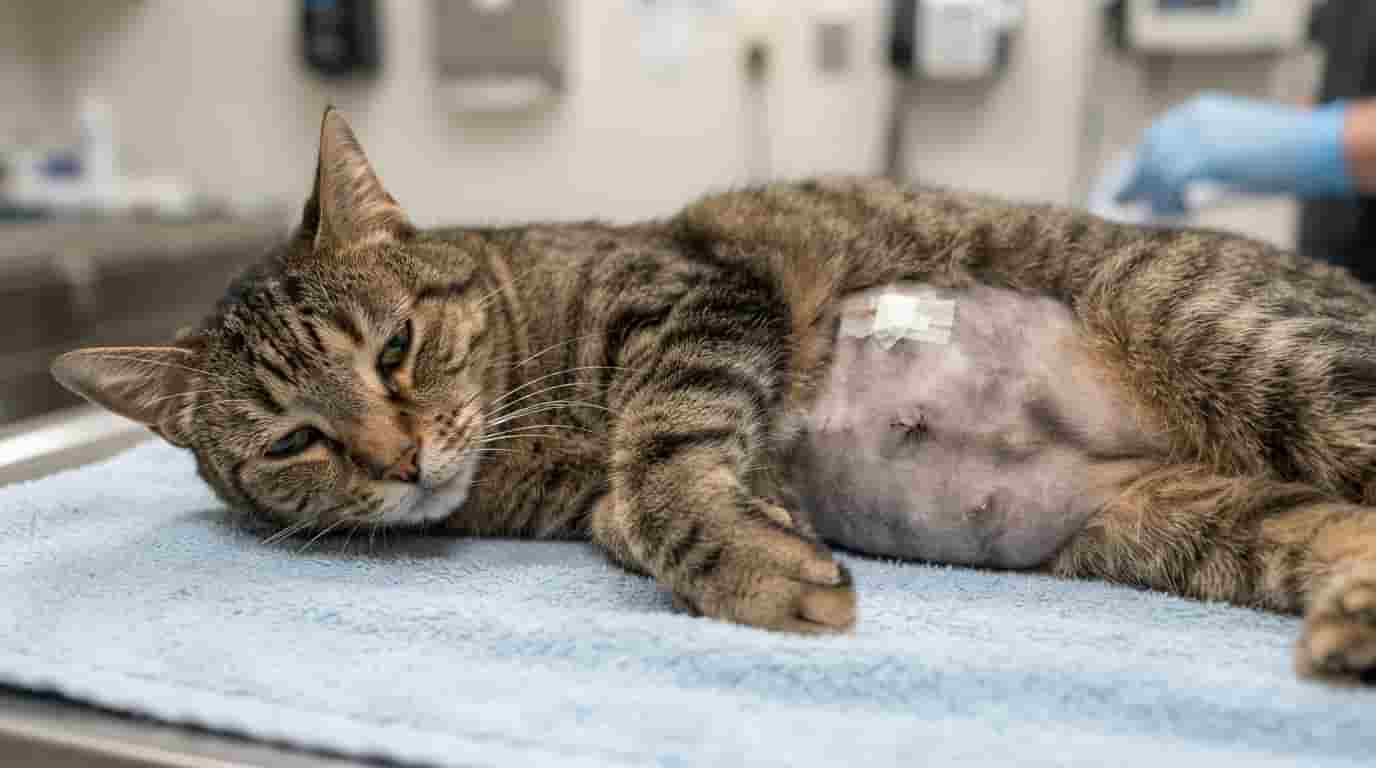
Pyometra in Cats: Symptoms, Causes, Treatment, Surgery and Survival
Introduction:
Pyometra in cats is a severe, life-threatening uterine infection that demands immediate veterinary medical attention. While intact female cats of any age can develop feline pyometra, the condition often develops quietly, presenting subtle early indicators that owners can easily overlook. Recognizing the symptoms of pyometra in cats early is essential, as an infected uterus can rapidly trigger systemic toxicity, shock, or severe organ failure.
In this comprehensive veterinary health guide, we will examine what causes pyometra, how veterinarians diagnose open and closed variations, the necessary medical and surgical treatment options, recovery protocols, prognosis, and preventive strategies.
1. Introduction: Pyometra in Cats Can Become a Veterinary Emergency
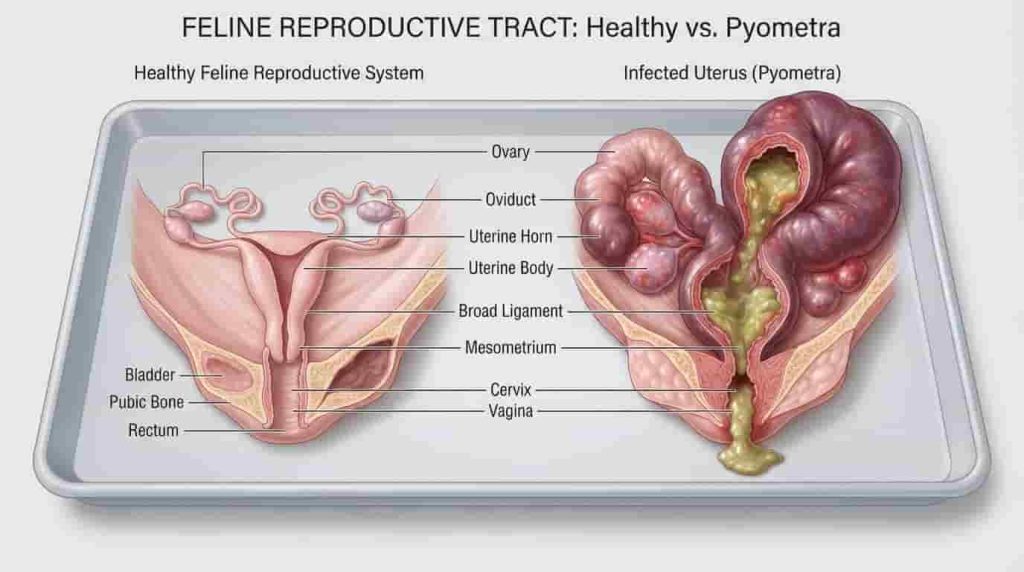
Pyometra in cats is an accumulation of pus and bacterial toxins within the uterine cavity. The word “pyometra” derives from Latin, where pyo means pus and metra means uterus. It is not merely a severe heat cycle or a mild reproductive imbalance; it is a critical medical crisis that requires prompt professional intervention.
Many cat owners mistakenly assume that reproductive health issues only affect actively breeding queens or elderly animals. However, any unspayed female cat exposed to repeated hormonal fluctuations is at risk. Because cats are adept at hiding pain and illness, initial signs like mild lethargy or decreased appetite can easily be missed.
By the time noticeable abdominal swelling or severe weakness appears, the infection may have already progressed significantly. Throughout this guide, we will detail everything you need to know about treatment for pyometra in cats, identifying critical warning signs, and ensuring your pet receives timely care.
2. What Is Pyometra in Cats?

Understanding the physical mechanisms behind pyometra in cats requires looking at how hormone changes alter the lining of the feline uterus over time.
What Does Pyometra Mean?
Each time an unspayed female cat enters estrus (heat) without becoming pregnant, progesterone levels remain elevated for several weeks. Progesterone causes the uterine lining (endometrium) to thicken and secrete fluids to prepare for potential embryo implantation.
Over multiple unbred heat cycles, this lining can become abnormally thick, forming fluid-filled cysts—a condition known as Cystic Endometrial Hyperplasia (CEH). This accumulated fluid provides an ideal, nutrient-rich environment for bacteria entering through the cervix to multiply.
Why Can Pyometra Become Dangerous?
As bacteria proliferate inside the uterine horns, they generate large quantities of pus and release dangerous endotoxins. These bacterial toxins leak across the uterine wall into the bloodstream, triggering widespread inflammation, severe dehydration, kidney dysfunction, and potentially septic shock.
Open vs. Closed Pyometra
Veterinarians classify pyometra into two clinical forms based on whether the cervix remains open or closed:
- Open Pyometra: The cervix remains relaxed, allowing infected pus and blood-tinged discharge to drain out through the vagina. Owners often spot sticky, foul-smelling fluid on the cat’s hindquarters, tail, or bedding.
- Closed Pyometra: The cervix is tightly closed, preventing any fluid from escaping. Pus builds up inside the uterus, stretching the uterine walls to dangerous levels. Because there is no external discharge, closed pyometra is much harder to spot initially and carries a higher risk of uterine rupture and sudden collapse.
| Pyometra Type | Cervical Status | Key Signs & Characteristics |
| Open Pyometra | Cervix remains relaxed/open | Pus and foul-smelling fluid drain from the vagina; easier to notice early due to visible discharge on fur or bedding. |
| Closed Pyometra | Cervix is tightly closed | Infection and pus are trapped, causing rapid uterine distension; no visible external discharge and higher risk of rupture. |
3. What Are the First Signs of Pyometra in Cats?
Spotting the early symptoms of pyometra in cats allows for rapid treatment before systemic infection sets in.
Early Symptoms of Pyometra
In the initial stages, signs can be non-specific and overlap with many other common feline illnesses:
- Gradual or sudden loss of appetite (anorexia)
- Persistent lethargy, hiding, or overall decreased activity
- Significantly increased thirst (polydipsia)
- Increased frequency or volume of urination (polyuria)
- Occasional vomiting or gastrointestinal distress
- Abdominal distension, firmness, or sensitivity when picked up
Progression of Symptoms
- Stage 1: Subtle lethargy, mild inappetence, and mildly increased thirst.
- Stage 2: Vomiting, abdominal distension, and visible vaginal discharge (if open).
- Stage 3: Severe dehydration, hypothermia, collapse, and septic shock.
Pyometra in Cats Discharge
Vaginal discharge is the hallmark sign of open pyometra. The fluid can vary in appearance:
- Creamy white, yellow, or grayish pus
- Pinkish, brownish, or dark red bloody fluid
- Thick, sticky texture with a strong, unpleasant odor
Cats are meticulous groomers and may wash away small amounts of discharge before owners notice. However, as the discharge increases, owners often find dried crusts or wet spots around the vulva and lower tail.
When Symptoms Become More Concerning
If left untreated, pyometra leads to systemic toxicity. Severe signs demanding emergency care include:
- Pronounced weakness or inability to stand
- Severe dehydration (tacky gums, poor skin elasticity)
- Persistent, uncontrollable vomiting
- Low body temperature (hypothermia) or high fever
- Pale or muddy blue/gray mucous membranes
- Complete unresponsiveness or sudden collapse
Practical Symptom Checklist
Contact a veterinarian immediately if an unspayed female cat displays:
- [ ] Foul-smelling or unusual discharge around the vulva
- [ ] Abnormally high water intake and frequent litter box visits
- [ ] Noticeable lethargy, hiding, or refusal to eat
- [ ] A swollen, tender, or firm abdomen
- [ ] Repeated vomiting or sudden physical weakness
4. What Causes Pyometra in Cats?

Understanding pyometra risk factors and causes helps owners make informed reproductive health decisions for their pets.
Hormonal Changes
Progesterone is the primary hormone driving the development of pyometra. After ovulation or heat cycles, prolonged high progesterone levels stimulate uterine glandular secretions while suppressing normal uterine muscular contractions that would otherwise flush out fluid. Progesterone also dampens local immune responses within the uterus, making it harder for the body to fight off invading bacteria.
Bacteria and Uterine Infection
The most common bacterium isolated in feline pyometra cases is Escherichia coli (E. coli), an organism normally found in the feline lower intestinal tract and colon. During estrus, when the cervix relaxes, bacteria migrate up from the vagina into the progesterone-primed uterine environment. Once inside, the bacteria thrive in the fluid-rich tissue.
Why Unspayed Cats Are at Risk
Intact female cats undergo repeated hormonal surges throughout their reproductive years. With every unbred heat cycle, the cumulative effect of progesterone on the endometrium increases the likelihood of Cystic Endometrial Hyperplasia and secondary bacterial infection.
Can Pyometra Happen After a Heat Cycle?
Yes. Pyometra in cats typically develops within one to two months following a heat cycle. During this post-estrus phase (diestrus), progesterone levels remain elevated, creating prime conditions for bacterial proliferation.
Does Mating Cause Pyometra?
Mating itself does not directly cause pyometra, but induced ovulation from mating triggers the prolonged progesterone release that predisposes the uterine lining to infection. Additionally, physical contact during mating can introduce external bacteria into the reproductive tract.
5. Pyometra Risk Factors: Which Cats Are More Vulnerable?
While any intact female cat can develop the condition, specific factors increase susceptibility:
- Reproductive Status: Unspayed female cats are at primary risk; spayed cats with complete reproductive organ removal are effectively protected.
- Age: Older intact queens (generally over 5 years of age) face higher risk due to repeated exposure to progesterone over many years.
- Exogenous Hormone Therapy: Administering progesterone- or estrogen-based medications for heat suppression significantly raises pyometra risks.
- History of Irregular Cycles: Cats experiencing frequent, prolonged, or abnormal estrous cycles show higher rates of uterine tissue changes.
Myth vs. Fact: Feline Pyometra
| Myth | Fact |
| Young cats cannot get pyometra. | While more common in older cats, queens as young as 6 months can develop pyometra after their very first heat cycle. |
| If there is no discharge, it isn’t pyometra. | Closed pyometra produces zero external discharge and is often more dangerous than open pyometra. |
6. How Do You Know if a Cat Has Pyometra?
Diagnosing pyometra in cats begins with a thorough veterinary physical evaluation to differentiate uterine infection from other abdominal or metabolic diseases.
What a Veterinarian May Check

During the physical exam, the veterinarian will evaluate:
- Abdominal Palpation: Checking for an enlarged, fluid-filled uterus (performed with extreme care to prevent accidental uterine rupture).
- Vaginal Examination: Assessing the presence, color, and odor of any discharge draining from the vulva.
- Hydration and Vital Signs: Measuring body temperature, heart rate, pulse quality, and mucosal capillary refill time.
Why Symptoms Are Not Enough
Symptom recognition alone cannot confirm pyometra because conditions such as chronic kidney disease, diabetes mellitus, feline infectious peritonitis (FIP), and severe urinary tract infections present with similar signs, such as increased thirst, lethargy, and vomiting. Diagnostic tests are required to confirm the diagnosis.
7. Pyometra in Cats Diagnosis: Ultrasound, X-Ray and Other Tests
Modern veterinary diagnostics confirm uterine infection and assess overall organ health before moving forward with treatment.
Veterinary Diagnostic Toolkit
- Abdominal Ultrasound: Gold standard imaging for uterine evaluation.
- Abdominal Radiographs / X-Rays: Evaluates organ size and abdominal displacement.
- Complete Blood Count (CBC) & Serum Biochemistry: Assesses infection severity and kidney/liver organ function.
- Urinalysis & Vaginal Cytology: Evaluates cellular changes and rules out primary urinary tract issues.
Ultrasound
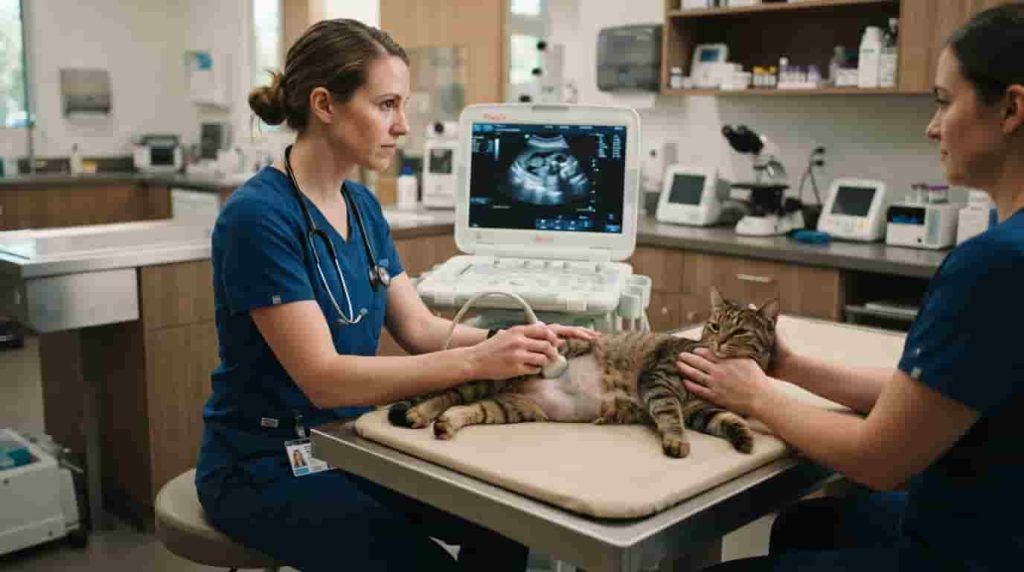
Abdominal ultrasound is the gold standard for pyometra in cats diagnosis. It provides detailed real-time images of the uterine structures, allowing veterinarians to detect thickened uterine walls, measure fluid accumulation, confirm uterine horn enlargement, and assess whether the cervix is open or closed.
X-Ray
Abdominal radiographs (X-rays) can reveal a large, fluid-distended, tubular mass in the lower abdomen, displacing the intestines upward. While X-rays are useful in emergency settings, they cannot distinguish fluid types as clearly as ultrasound.
Blood and Other Laboratory Tests
- Complete Blood Count (CBC): Frequently reveals a marked elevation in white blood cells (leukocytosis) with a “left shift” (immature white blood cells fighting severe infection). Severe cases may show abnormally low white blood cells, indicating severe sepsis.
- Biochemistry Profile: Evaluates kidney function (BUN and creatinine levels) and liver parameters. Elevated kidney values often result from severe dehydration or circulating bacterial endotoxins affecting renal tissue.
- Urinalysis: Helps rule out primary urinary tract infections and measures urine concentrating ability, though cystocentesis (inserting a needle into the bladder) is often avoided to prevent accidentally puncturing an enlarged uterus.
8. How Do They Treat Pyometra in Cats?
Addressing treatment for pyometra in cats requires rapid, intensive medical stabilization followed by definitive corrective measures.
Stabilizing the Cat
Before surgery or medical management, critically ill cats must be stabilized:
- Intravenous (IV) Fluid Therapy: Restores blood volume, corrects severe dehydration, improves blood pressure, and helps flush circulating endotoxins from the kidneys.
- Broad-Spectrum Antibiotics: IV antibiotics (such as ampicillin, enrofloxacin, or cefazolin) are administered immediately to target circulating bacteria.
- Pain Management and Electrolyte Support: Safe, veterinary-prescribed analgesics and electrolyte additives stabilize the cat’s vital functions.
Antibiotics and Supportive Treatment
While broad-spectrum antibiotics are critical for controlling bacterial spread, antibiotics alone cannot penetrate the dense fluid inside an infected uterus effectively. Medical management without surgical removal carries high failure rates and frequent recurrences.
Why Treatment Depends on the Cat
The primary treatment recommendation for feline pyometra is complete surgical removal of the infected uterus and ovaries. Non-surgical medical management (using prostaglandins and antibiotics) is reserved for valuable breeding queens that are clinically stable and diagnosed with open pyometra. However, medical management carries significant risks, including uterine rupture, drug side effects, and high infection recurrence rates during subsequent heat cycles.
9. Pyometra Surgery in Cats: What Owners Should Know
Pyometra surgery in cats is an emergency variation of a routine ovariohysterectomy (spay) that requires careful surgical technique due to fragile, heavily infected tissue.
Surgical Intervention Steps
- Pre-operative Stabilization: Administer IV fluids and intravenous antibiotics.
- General Anesthesia: Initiate continuous vital sign and cardiac monitoring.
- Abdominal Incision: Perform careful incision and gentle isolation of reproductive tissue.
- Organ Ligation: Ligate blood vessels and excise the infected uterus and ovaries.
- Abdominal Flushing: Lavage the abdominal cavity with sterile saline and perform multi-layer suture closure.
What Does Pyometra Surgery Involve?
The surgeon opens the abdominal cavity to isolate the enlarged, fluid-filled uterus and ovaries. The blood vessels supplying the reproductive organs are tied off (ligated), and the entire infected organ system is excised. The abdominal cavity is then thoroughly flushed with warm sterile saline to remove any leaked fluid or inflammatory debris before closing.
Why Surgery May Be Recommended
Surgical removal eliminates the source of infection completely. Removing both the infected uterine tissue and the hormone-producing ovaries prevents recurrence.
Why Surgery Can Be More Complex Than Routine Spaying
Unlike an elective spay on a young, healthy cat, pyometra surgery involves:
- Heavy, severely distended, and fragile uterine walls that can tear easily.
- Increased risk of anesthetic complications due to dehydration, toxemia, or compromised kidney function.
- Higher surgical difficulty requiring experienced handling and dedicated post-operative care.
What Happens After Surgery?
Following surgery, the cat remains hospitalized on IV fluids, injectable antibiotics, and pain management until she can eat, drink, stay hydrated, and maintain a normal body temperature independently.
10. Pyometra in Cats Treatment Cost: What Affects the Price?
Understanding the factors involved in veterinary costs helps owners navigate financial considerations during an emergency.
| Cost Factor | Explanation |
| Facility Type | Emergency or 24-hour specialty centers usually have higher base rates than general practices. |
| Diagnostic Testing | Pre-operative blood panels, X-rays, and diagnostic ultrasounds add to the initial cost. |
| Length of Hospitalization | Multi-day intensive care with continuous IV fluids increases total expenses. |
| Surgical & Anesthetic Complexity | High-risk anesthesia monitoring and complex surgery require specialized staff and equipment. |
| Post-operative Care | Take-home prescription medications, follow-up exams, and suture removals. |
Because pricing varies by region, clinic type, and patient condition, veterinary teams provide estimates based on individual case requirements. Pet owners can ask specific questions to clarify care requirements:
- What diagnostic tests are immediately necessary for stabilization?
- Does the estimated cost cover pre-operative stabilization, surgery, and post-operative hospitalization?
- What follow-up medications or re-check visits will be needed during recovery?
11. How Long Will a Cat Survive With Pyometra?
Pyometra in cats prognosis depends directly on how quickly diagnostic and therapeutic steps are taken:
- Prompt Surgical Intervention: With rapid stabilization and surgery, the overall survival rate for cats with pyometra is high (80% to 90%+).
- Delayed Care or Untreated Cases: Without professional care, closed pyometra leads to uterine rupture, peritonitis, septic shock, and death within a few days.
Cats rarely survive severe uterine infections without veterinary treatment. Seeking immediate veterinary assessment at the first sign of illness is crucial.
12. What Is the First Stage of Pyometra?
Pet owners often ask about the early stages of feline pyometra. The condition generally develops through a clear progression:
- Hormonal Conditioning Stage: Repeated high-progesterone cycles cause Cystic Endometrial Hyperplasia (CEH) without immediate infection.
- Bacterial Invasion Stage: Opportunistic bacteria enter through the relaxed cervix, beginning active fluid accumulation.
- Clinical Manifestation Stage: Observable symptoms appear, including lethargy, increased thirst, appetite changes, and optional vaginal discharge depending on whether the cervix is open or closed.
- Systemic Toxicity Stage: Untreated infection spreads toxins throughout the body, leading to kidney strain, sepsis, and severe illness.
13. Pyometra Complications in Cats
Failing to address feline uterine infections quickly can trigger severe, life-threatening health complications:
- Untreated Uterine Infection: Bacteria multiply within the enclosed uterine cavity.
- Uterine Rupture / Fluid Leakage: Uterine walls tear due to pressure and severe inflammation.
- Severe Septic Peritonitis: Bacteria and pus contaminate the abdominal lining.
- Systemic Inflammatory Response Syndrome (SIRS) & Shock: Widespread vascular collapse and rapid multi-organ dysfunction occur.
Key Complications Summary
- Uterine Rupture: The weakened, overfilled uterine wall tears, spilling pus into the abdominal cavity.
- Septic Peritonitis: Widespread, life-threatening inflammation and bacterial infection of the abdominal lining.
- Acute Kidney Failure: Circulating bacterial toxins damage delicate kidney filtering units.
- Septic Shock & Sepsis: Widespread vascular collapse, organ failure, and severe blood pressure drops.
Why Closed Pyometra Can Be Especially Concerning
Because closed pyometra traps infected material without external discharge, fluid pressure builds rapidly. This distension increases the risk of uterine rupture and severe abdominal contamination before owners realize the cat is critically ill.
14. Recovery After Pyometra Treatment
Post-operative home care plays a key role in supporting a smooth recovery after surgery.
Home Recovery Checklist
- [ ] Keep the cat indoors in a quiet, confined space away from other pets.
- [ ] Fit an Elizabethan collar (E-collar) or surgical suit to prevent licking or chewing at sutures.
- [ ] Administer all prescribed antibiotics and painkillers on schedule.
- [ ] Inspect the abdominal incision twice daily for redness, swelling, or discharge.
- [ ] Restrict jumping, running, and vigorous physical activity during the healing period.
Following the Treatment Plan
- Medication Compliance: Administer all prescribed oral antibiotics and pain medications for the full duration specified by your veterinarian.
- Incision Care: Inspect the abdominal suture line daily for redness, swelling, heat, or discharge. Keep the area clean and dry.
- Prevent Self-Trauma: Keep an Elizabethan collar (E-collar) or surgical recovery suit on the cat to prevent licking or biting at the sutures.
Monitor for Changes
Contact your veterinarian immediately if you observe persistent vomiting, complete refusal to eat, extreme lethargy, open incision edges, or bleeding during the recovery period.
15. Preventing Pyometra in Cats
Preventing pyometra involves clear reproductive choices and proactive care:
Spaying and Pyometra Prevention
Elective spaying (ovariohysterectomy or ovariectomy) before a cat’s first heat cycle or early in life is the most effective way to prevent pyometra. Removing the hormone-producing ovaries and uterine tissue eliminates the physiological environment required for the condition to develop.
Veterinary Reproductive Care
For breeding queens that must remain intact, work closely with a veterinary reproductive specialist:
- Perform routine post-estrus ultrasound checks on breeding queens.
- Avoid using synthetic hormone medications for heat suppression.
- Spay female cats promptly once their breeding career is complete.
16. Pyometra vs. Other Reproductive Health Problems
Female cats can experience several distinct reproductive health issues that present with overlapping symptoms:
Pyometra vs. Mastitis
While pyometra affects the uterus, Mastitis in Cats: Symptoms, Causes, Treatment and When to See a Vet is an infection of the milk-producing mammary glands. Mastitis causes localized swelling, heat, and pain in the breast tissue along the abdomen, primarily affecting lactating queens rather than non-lactating intact females.
Pyometra vs. Difficult Birth
Pyometra involves a bacterial infection of the uterus, whereas Dystocia in Cats: Signs, Causes, Treatment and Difficult Birth refers to difficult labor or delivery during birthing. A queen experiencing dystocia struggles to deliver kittens physically, whereas a cat with pyometra develops a systemic infection driven by fluid accumulation within the uterine horns.
17. Emergency Vet Checklist: When Should You Act?

Seek immediate emergency veterinary care if an unspayed female cat displays:
- [ ] Unexplained foul-smelling or blood-tinged vaginal discharge
- [ ] Marked lethargy, weakness, or sudden collapse
- [ ] Total refusal to eat or drink for over 24 hours
- [ ] Excessive water consumption accompanied by frequent urination
- [ ] A swollen, hard, or visibly tender abdomen
- [ ] Repeated vomiting or low body temperature
18. Frequently Asked Questions About Pyometra in Cats
FAQ 1: Can a cat get pyometra without showing discharge?
Yes. In closed pyometra, the cervix is closed, preventing pus from draining externally. The absence of discharge does not rule out a severe uterine infection.
FAQ 2: Can a spayed cat develop pyometra?
A properly spayed cat cannot develop true pyometra. However, if a portion of uterine tissue is inadvertently left behind during surgery, a rare condition called “stump pyometra” can occur if lingering hormone sources stimulate that remaining tissue.
FAQ 3: Is pyometra contagious between cats?
No. Pyometra is an opportunistic bacterial infection originating from the cat’s own normal flora during specific hormonal conditions. It cannot spread directly to other pets or humans.
FAQ 4: Can pyometra return after treatment?
If pyometra is treated via surgical removal of the uterus and ovaries, it cannot return. If managed solely with medical treatments without surgery, recurrence rates during subsequent heat cycles are high.
FAQ 5: Can pyometra be treated without surgery?
Medical management using antibiotics and uterine-contracting drugs exists for selected, stable breeding queens with open pyometra. However, surgery remains the safest, most definitive treatment choice for most cats.
19. Conclusion: Recognizing Pyometra Early Matters
Pyometra in cats is a severe medical condition that can quickly become life-threatening without appropriate care. Recognizing early warning signs—such as increased thirst, appetite changes, lethargy, or vaginal discharge—allows for swift diagnostic testing and surgical intervention.
By understanding the risks associated with unspayed female cats and seeking prompt veterinary care at the first sign of illness, pet owners can protect their cats from severe complications and support a full recovery.
Have you ever cared for an unspayed cat that required emergency veterinary attention? Share your questions, stories, or helpful tips in the comments below!