
Cat Worm Symptoms: How to spot tapeworms or roundworms early
Introduction:
Cat worm symptoms can remain hidden for a long time before you notice anything wrong with your pet. Many indoor cats face this silent health issue without their owners ever realizing it. Therefore, recognizing cat worm symptoms early is essential to protect your favorite furry family member from severe illness.
You might notice your cat scratching or licking under its tail more often than usual. Additionally, your kitty may lose weight suddenly despite eating the same amount of food every day. These subtle changes often point to an active worm infestation in cats.
Thankfully, you can easily spot these signs of worms in cats if you know exactly what to look for. This comprehensive guide will help you identify feline worm signs before they cause serious harm. We will also discuss how to protect your household from these sneaky parasites.
Understanding Cat Worm Symptoms in Daily Life
Every cat owner dreads the moment they realize their beloved pet has parasites. For instance, imagine cuddling your cat and suddenly noticing tiny, rice-like segments moving near its tail. This shocking discovery is one of the most common feline worm infestation signs you will encounter.
These small moving segments usually mean your kitty has a tapeworm infection. However, roundworms look completely different and resemble long pieces of cooked spaghetti instead. Recognizing these specific physical clues helps you find the right cat worm diagnosis clues for your veterinarian.
Furthermore, behavioral changes often provide excellent cat worm diagnosis indicators during your daily routine. Infected felines frequently drag their bottoms across the carpet to soothe intense itching. Consequently, this behavior serves as one of the major common cat worm indicators you should never ignore.
Common Parasites in Felines and Their Effects

Different types of intestinal parasites in cats cause various health problems for your pet. Tapeworms and roundworms represent the two most frequent invaders in domestic cats. Each parasite creates distinct feline parasite symptoms that require your immediate attention.
First, tapeworms steal vital nutrients directly from the food your cat digests. This theft leaves your pet feeling hungry all the time. As a result, you might notice an increased appetite paired with strange weight loss.
Next, roundworms live freely inside the intestines and can cause a classic potbellied appearance. This swelling happens most frequently in kittens with heavy feline worm infections. Therefore, a bloated belly is a clear sign that your cat needs medical help.
Essential Cat Worm Detection Tips for Owners

Active owners can easily master detecting worms in cats by checking the litter box regularly. Your cat’s stool provides the best clues about their current digestive health. Additionally, you should look for changes in energy levels and coat quality.
A dull, rough coat often signals that parasites are draining your cat’s essential vitamins. Healthy cats usually have shiny fur, so sudden dullness is a major warning. Furthermore, severe lethargy proves that the parasite load is draining your cat’s daily energy.
Sometimes, cats with parasites develop other unrelated issues due to their lowered immunity. You might notice your pet experiencing cat hair loss because of constant scratching and poor nutrition. Addressing the underlying parasite problem usually resolves these distressing coat conditions completely.
How Veterinarians Confirm a Case

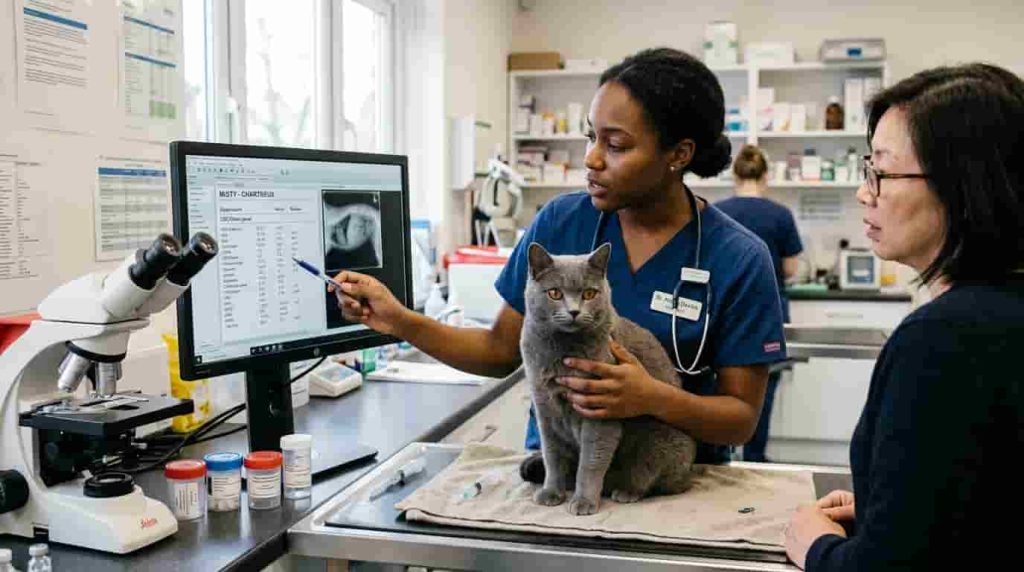
Your vet uses specific medical tools for diagnosing cat worms accurately. They will ask you to bring a fresh stool sample to the clinic. Then, the medical team performs a fecal flotation test under a microscope to find hidden parasite eggs.
According to the Cornell University College of Veterinary Medicine, regular fecal exams are vital because many cats show no outward symptoms initially. This professional testing ensures your cat receives the correct medication for their specific parasite type. Mistreating the condition with wrong over the counter drugs can harm your pet.
Never guess which parasite is causing the trouble on your own. Instead, trust your veterinarian to provide a safe and accurate diagnosis. Fast professional action protects your cat from long term intestinal damage.
Modern Cat Worm Treatment Options
Fortunately, treating worm infestations in cats is very straightforward and highly effective today. Modern veterinary medicine offers safe prescriptions that eliminate parasites quickly. These medications come in topical liquids or easy oral tablets.
Your vet will choose the best cat worm treatment options based on the specific parasite type. De-wormers work by paralyzing or dissolving the worms safely inside the gut. Afterward, your cat passes the dead parasites naturally through their stool.
During this recovery time, you must keep the litter box exceptionally clean. This diligence prevents your cat from accidentally reinfecting themselves with lingering eggs. Proper sanitation always speeds up the healing process significantly.
Identifying Cat Worm Signs During Recovery

You must monitor your pet closely after they receive their medication. Sometimes, the clearing process causes mild, temporary upset in sensitive stomachs. You might see dead worms in the stool, which means the treatment is working.
However, watch out for other unusual behaviors during this critical recovery phase. If your cat starts showing cat eye redness, they might have a separate viral irritation. Always report any new or worsening symptoms to your clinic right away.
Additionally, ensure your cat drinks plenty of fresh water to flush out toxins. A clean environment supports their immune system as it bounces back. Soon, your cat will regain their normal energy and playful personality.
Crucial Steps for Cat Worm Prevention

Preventing parasites is always much easier than dealing with an active infection. You can protect your home by establishing a strict preventative routine. First, use a monthly flea control product on every pet in your house.
Fleas carry tapeworm larvae, so controlling fleas directly stops tapeworms from infecting your cat. Second, keep your cat indoors to prevent them from hunting wild rodents. Mice and birds frequently carry roundworm eggs in their tissues.
Finally, schedule regular veterinary checkups at least once every year. Your vet can catch hidden infections before they turn into major health crises. This proactive care keeps your cat safe, happy, and completely parasite free.
Keeping the Entire Household Safe

Some intestinal parasites in cats can actually pass to humans through accidental contact. Children are especially vulnerable because they often forget to wash their hands after playing. Therefore, practicing excellent hygiene around the litter box is mandatory.
Always scoop the litter box daily using plastic gloves or a dedicated scoop. Wash your hands thoroughly with warm water and soap immediately afterward. Furthermore, cover outdoor sandboxes so stray cats cannot use them as toilets.
If your cat is suddenly peeing outside the box, look for cat UTI signs to rule out urinary tract infections. Stress from parasites can sometimes trigger these painful urinary issues. Keeping your cat’s environment clean and stress free benefits everyone in the home.
Conclusion
Recognizing cat worm symptoms early allows you to take fast action and protect your pet. Look for physical changes, weight loss, or unusual licking behaviors. These simple observations will help you catch a worm infestation in cats before it worsens.
Remember that regular veterinary visits and preventive meds are your best defense. You can easily keep your feline friend comfortable with the right care. Have you ever dealt with a parasite scare with your own pet? Please share your experiences in the comments below to help other cat owners!
Frequently Asked Questions
You can look for rice-like segments around their tail or spaghetti-like worms in their feces. Additionally, watch for sudden weight loss, a dull coat, or a bloated belly.
Yes, indoor cats can get parasites from fleas or infected dirt brought inside on shoes. They can also catch them from catching mice that enter your home.
Tapeworms look like small, white, moving grains of rice in fresh stool. They can also dry up and resemble yellow sesame seeds on your cat’s bedding.
Yes, certain roundworms and hookworms can pass to humans through contact with contaminated feces. Always wash your hands thoroughly after cleaning the litter box to stay safe.
Your veterinarian will recommend a schedule based on your cat’s specific lifestyle and risks. Generally, indoor cats need checking once or twice a year, while outdoor cats need more frequent attention.