Cat Toxic Foods: Things in your kitchen that can kill your pet
Introduction:
Cat toxic foods are lurking in your kitchen cabinets and refrigerator right now without you even realizing the danger. Many passionate pet owners love to share small pieces of their delicious home cooked meals with their animals. However, this innocent habit can accidentally introduce deadly cat health hazards into your home and harm your pet. Felines process ordinary human ingredients very differently than humans because their liver lacks specific protective digestive enzymes. Therefore, a tiny scrap of table food can quickly transform into a life threatening emergency for your pet.
Every responsible owner needs to know exactly what can cats not eat to protect their vulnerable family companions. Let us explore the most dangerous items in your pantry so you can maintain a truly safe environment.
Many people assume that human foods are safe because our larger domestic animals can digest them without issues. This dangerous assumption causes thousands of accidental poisonings worldwide because owners lack proper pet food precautions and guidance. You must understand that feline toxicity triggers serious internal damage much faster than canine or human illness. For example, keeping your kitchen counters entirely clear of leftover plates is the first step toward true home safety. You will learn how to identify these forbidden foods for cats and recognize the hidden signs of poisoning. Let us look closely at why common ingredients create such massive medical emergencies for our small pets.
The Hidden Killers in Your Spice Rack
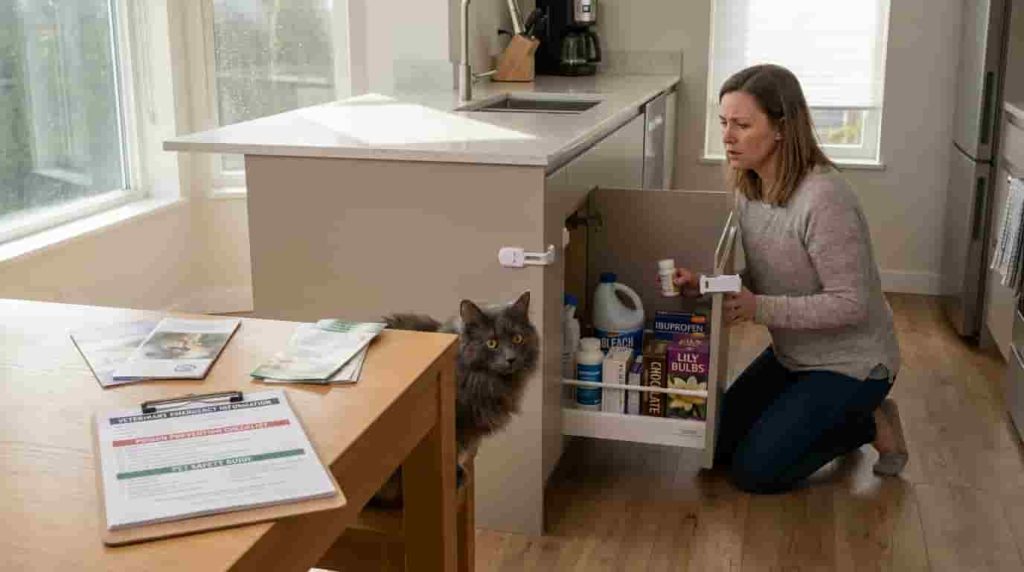
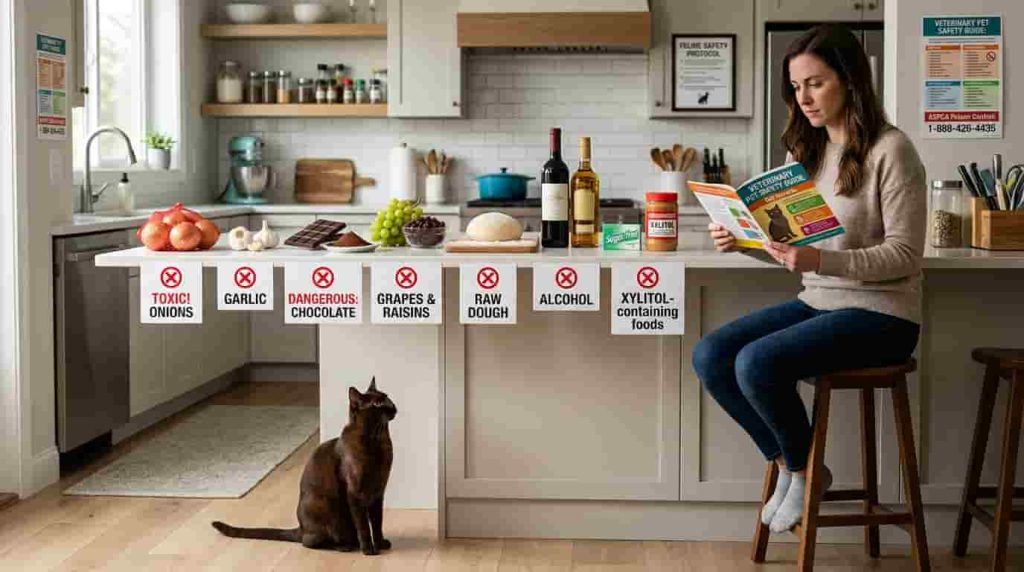
Onions, garlic, leeks, and fresh chives represent the most significant hazardous foods for feline pets in your home. These common ingredients contain strong oxidants that destroy feline red blood cells and trigger a condition called hemolytic anemia. As a result, your pet’s body cannot transport vital oxygen to its heart, brain, and other critical organs.
Even small amounts of garlic powder can cause severe damage because the concentrated spice is highly potent. Therefore, you must never feed your pet table scraps that contain these specific toxic ingredients for cats.
Additionally, these flavorings remain deeply dangerous whether they are raw, thoroughly cooked, dehydrated, or baked into breads. Many commercial meat broths contain hidden onion juice that acts as a major source of dangerous foods for cats. If you are trying to help a frail animal recover, you must choose safe food options instead. You can find excellent advice for feeding thin felines by reading Cat Weight Gain: How to bulk up a skinny or rescued cat. Always verify every ingredient label carefully before offering any processed human product to a hungry animal.
Furthermore, symptoms of spice poisoning do not always appear immediately after your kitty consumes the harmful food item. Your pet might seem completely healthy for several days while the internal toxins slowly destroy their blood cells. Next, you will notice extreme lethargy, pale gums, rapid breathing, and dark orange or dark red urine. If your pet shows these symptoms, you must seek professional veterinary assistance from a medical clinic immediately.
Understanding the True Dangers of Toxic Grapes
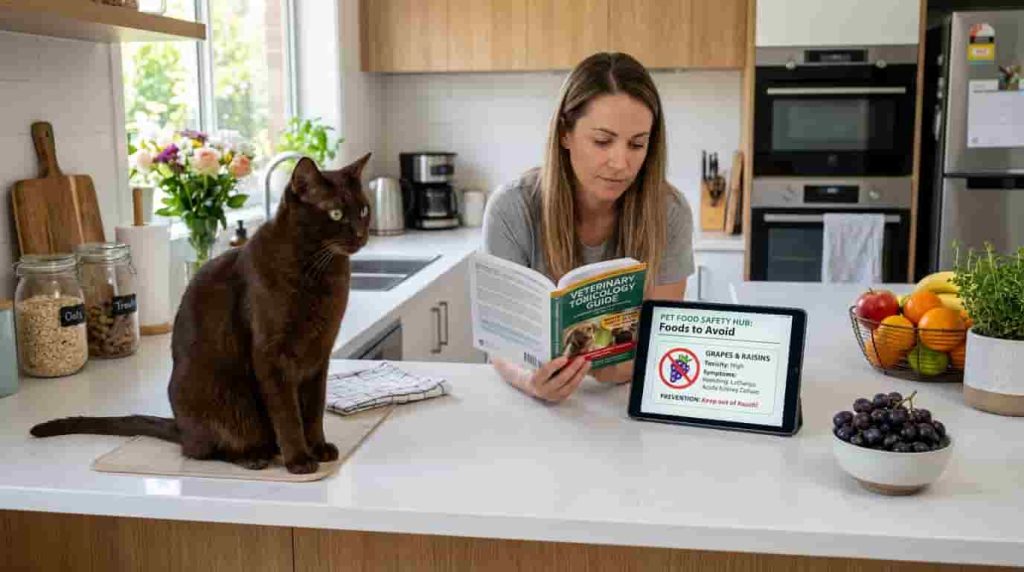
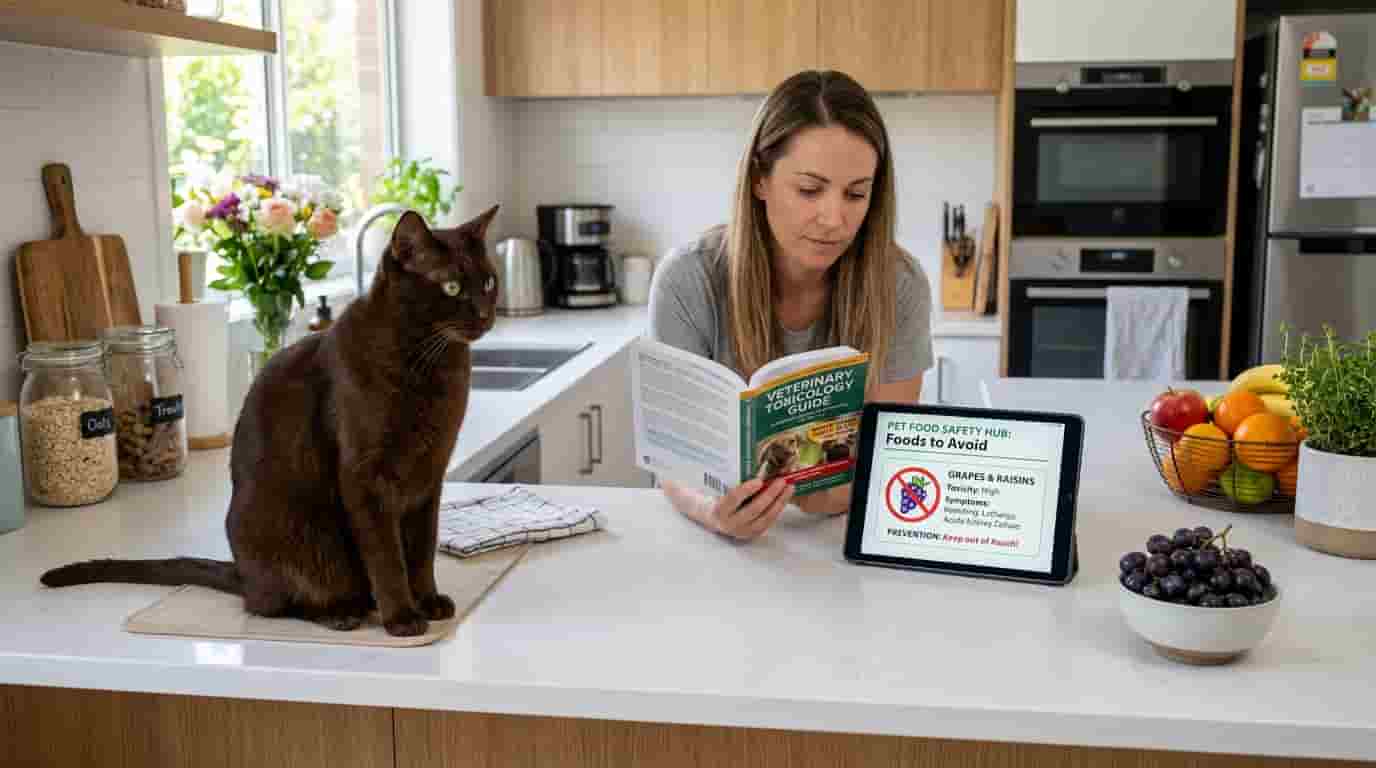
Grapes and sweet raisins represent another massive category of harmful foods for cats that people leave on counters. Experts do not yet know the exact chemical compound that makes these fruits so deadly to small felines. However, clinical data from the ASPCA proves that even a single raisin can cause sudden kidney failure. The toxic reaction can destroy renal function within twenty four hours, which makes these fruits critical cat toxic foods.
Therefore, you should always store your snack mixes and baked treats inside secure airtight plastic containers. Do not allow your kids to drop these small fruits on the floor during their afternoon snack time. If your kitty accidentally swallows a grape, they may experience constant vomiting, severe diarrhea, and extreme dehydration. Quick action can save your pet’s life before the dangerous toxins reach their bloodstream and damage kidneys.
Why Baking Ingredients Threaten Feline Nutrition
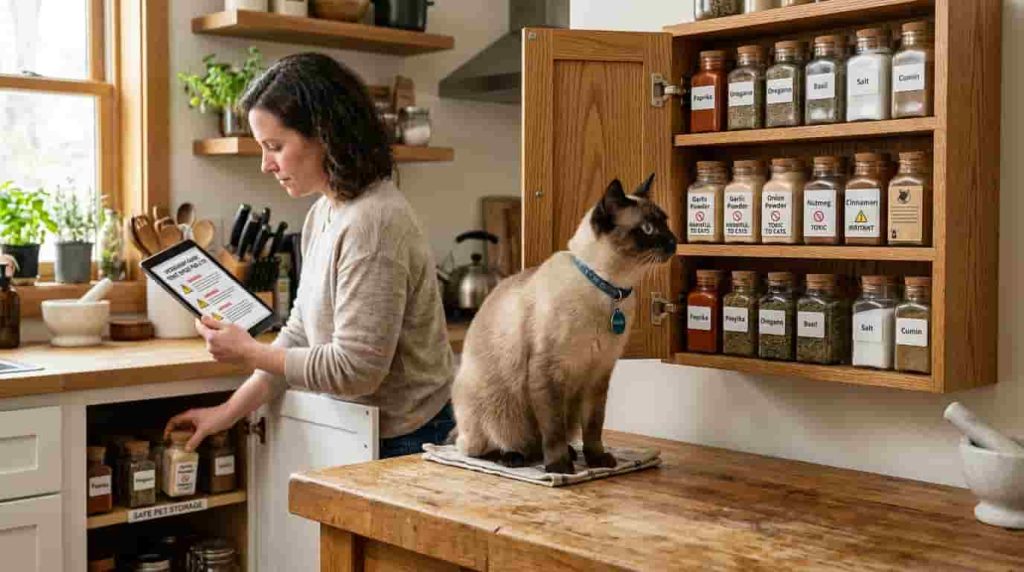
Raw bread dough containing active yeast represents one of the most frightening dangers to cats in your kitchen. When a kitty swallows raw dough, the warm environment of their stomach causes the yeast to expand rapidly. This expansion stretches the stomach tissue painfully and can cause a fatal rupture of the intestinal tract wall. Additionally, the multiplying yeast cells produce alcohol as a byproduct, which enters the bloodstream and causes alcohol poisoning. Consequently, you must keep rising bread dough completely covered and far away from your curious pet’s reach.
Here are the primary signs of yeast dough ingestion:
- Sudden and severe bloating of the abdomen
- Severe abdominal pain and constant groaning
- Uncoordinated movement and loss of balance
- Dangerous drop in blood pressure and shock
Furthermore, modern sugar free baking products often contain a popular chemical sweetener called xylitol to replace regular sugar. Xylitol causes a rapid, life threatening release of insulin when consumed by many different kinds of domestic pets. This sudden insulin spike drops your animal’s blood sugar to hazardous levels and causes acute liver destruction. Therefore, diet peanut butter, sugarless candies, and baked goods are highly unsafe foods for cats to consume.
Maintaining proper feline nutrition means feeding your pet products that match their specific biological needs as obligate carnivores. If you want to explore natural meat diets, you should research proper preparation methods to avoid pathogens. You can learn more about these meat options by reviewing Cat Raw Feeding: The pros and cons of a biological diet. Safe food preparation prevents your animal from consuming dangerous household toxins or harmful bacterial organisms.
The Reality of Chocolate and Caffeine Toxicity
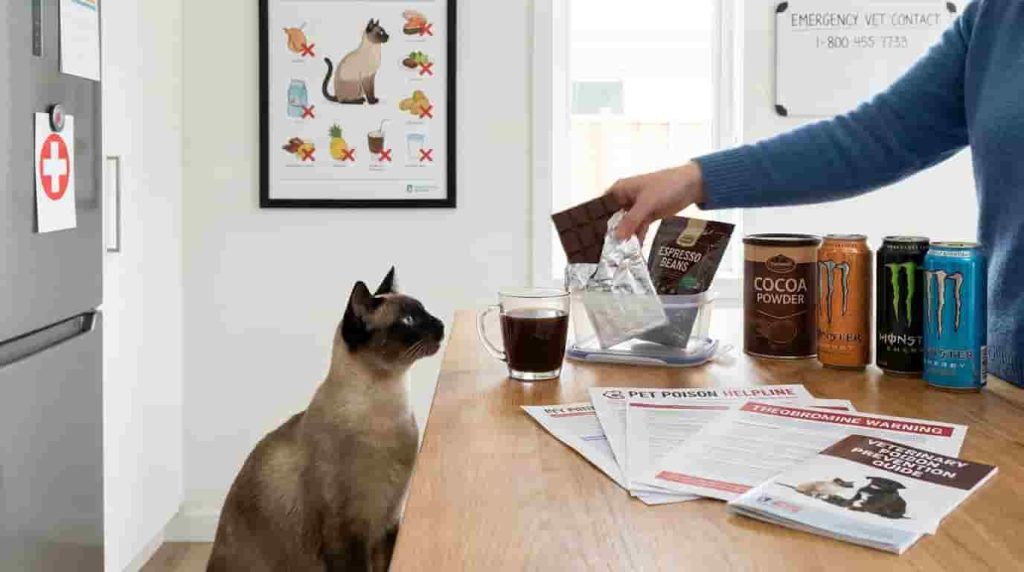
Most people know that chocolate harms dogs, but it is actually one of the worst toxic foods to avoid for cats. Chocolate contains two harmful chemical compounds called theobromine and caffeine, which stimulate the feline central nervous system excessively. Dark baking chocolate and cocoa powder contain the highest concentration of these dangerous stimulants, making them highly lethal. A tiny amount can cause rapid heart rates, severe muscle tremors, painful seizures, and sudden cardiac arrest.
Additionally, standard coffee grounds, tea bags, and energy drinks present identical chemical risks to your household pets. Never leave your morning coffee mug unattended on the living room coffee table where your kitty might sample it. Their small body size means that a few lapping licks of caffeine can quickly cause severe heart arrhythmias. Store all coffee supplies inside high cabinets to keep your pet safe from these common cat poisons.
Real Life Example of Household Poisoning Dangers
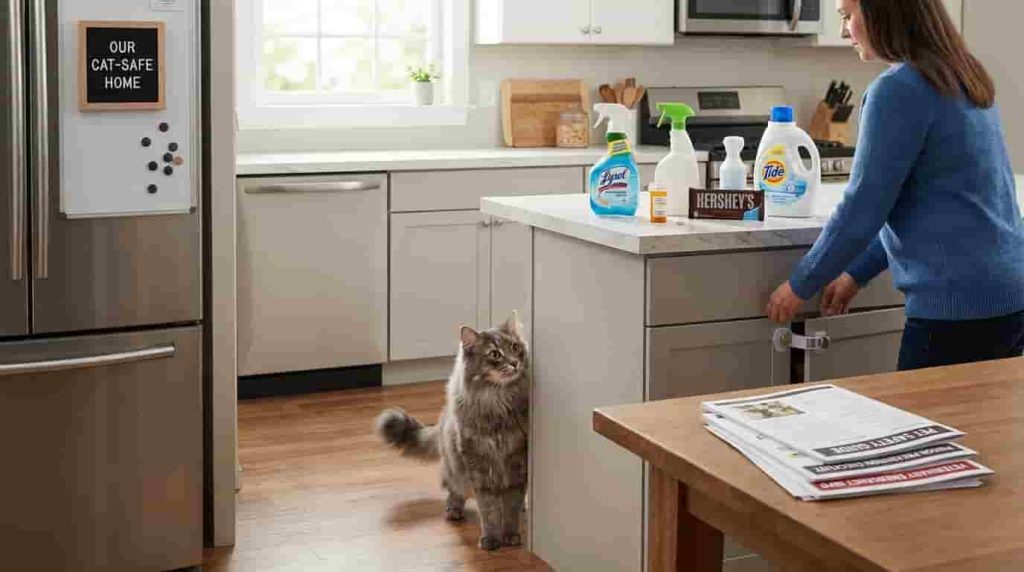
Let us examine a real life situation that shows how easily these kitchen accidents can happen to anyone. A pet owner named Mark was preparing a special spaghetti dinner that featured heavy garlic, onions, and mushrooms. Mark left the room for two minutes to answer his phone while the seasoned ground meat cooled. His active Siamese cat, Cleo, jumped onto the kitchen counter and ate three tablespoons of the oily meat. Mark returned, noticed the missing food, and immediately realized that Cleo had just consumed highly harmful human foods for cats.
Here is Cleo’s emergency medical timeline during the crisis:
- 6:00 PM: Cleo consumes cooked meat containing garlic and onions
- 6:15 PM: Mark calls a pet poison helpline for expert advice
- 6:45 PM: Veterinarian induces vomiting to remove the toxic meat
- Next Day: Cleo recovers completely without suffering kidney damage
Fortunately, Mark understood the severe dangers of feline toxicity and did not wait for symptoms to appear. He rushed Cleo to an emergency veterinary clinic where the medical team induced vomiting to clear her stomach. Because of his fast action, the toxic ingredients for cats were removed before they could destroy her blood. Today, Cleo is completely healthy because her owner acted quickly instead of waiting to see if she got sick.
Safe Alternatives for Healthy Feline Treats
You can still treat your companion safely by selecting proper snacks that support a healthy cat-friendly diet. Plain boiled chicken breast, cooked turkey meat, and small pieces of dehydrated beef are excellent options for them. These meat treats provide clean protein without exposing your favorite animal to dangerous chemicals or toxic kitchen ingredients. Always make sure that any meat you share is entirely free of salt, butter, oils, and spices.
Additionally, providing high moisture commercial meals is an excellent way to support your pet’s long term organ health. Hydration helps flush out any accidental minor toxins that your pet might encounter during their daily explorations. You can discover these moisture advantages by reading Cat Wet Food: The benefits of high moisture diets. Combining safe treats with moist food ensures your pet stays strong, hydrated, and completely healthy.
Protecting Your Pet From Toxic Plants for Cats
Many kitchens feature beautiful houseplants that pose severe cat health hazards if your animal likes to chew leaves. Lilies represent the most dangerous flora because every single part of the plant is exceptionally toxic to felines. Eating a single leaf or licking loose pollen from their fur can cause total kidney failure within days. Therefore, you must never allow Easter lilies, Tiger lilies, or Daylilies inside a house with cats.
Avoid these deadly household plants completely:
- All true lilies including Easter and Tiger lilies
- English Ivy found in many hanging kitchen baskets
- Pothos plants which cause severe oral irritation
- Sago Palms that trigger acute liver failure
Instead, decorate your kitchen counters with safe plant options like Spider plants, Boston ferns, or authentic cat grass. These safe alternatives satisfy your kitty’s natural desire to chew green plants without causing internal organ damage. Taking time to verify plant safety is just as important as checking your food labels for toxic ingredients. Creating a pet safe home requires managing both the pantry and the decorative greenery around your living spaces.
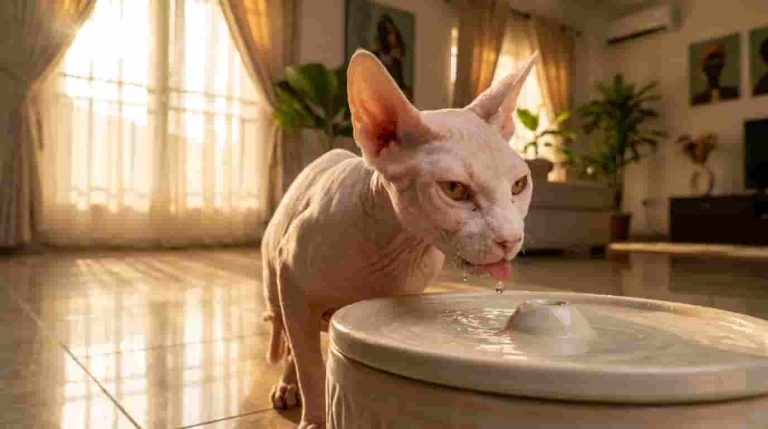
Furthermore, keeping fresh water available encourages your pet to stay away from dangerous liquids around the kitchen sink. Felines love clean water, but they often ignore static bowls, which leads them to explore soapy dishes instead. You can solve this common behavioral problem by installing a dynamic water station that attracts their attention naturally. Learn about these benefits by reading Cat Water Fountains: Why cats prefer running water over bowls. Proper hydration devices keep your pet focused on their safe water source rather than hazardous kitchen liquids.
Emergency Action Steps for Feline Poisoning
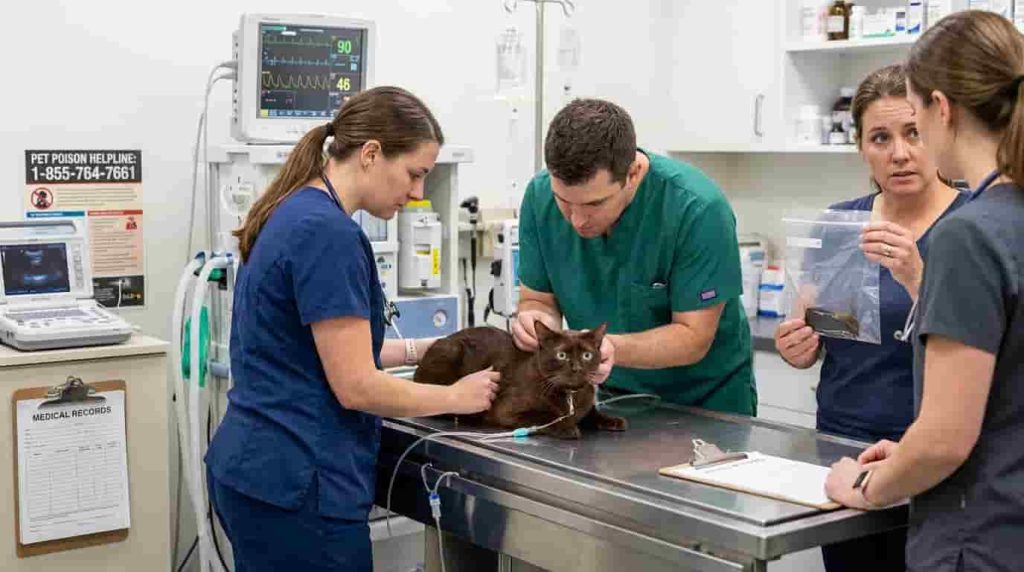
If you suspect your pet ate cat toxic foods, you must remain completely calm and act with speed. Do not wait for your animal to start showing physical signs of sickness before you contact a professional. Immediately remove any remaining food from your pet’s mouth and place the remaining pieces in a plastic bag. This sample will help the veterinary team identify the exact toxin and choose the best medical treatment plan.
Follow this emergency action plan step by step:
- Remove the toxic substance from your cat’s reach safely
- Call your local veterinarian or a pet poison helpline immediately
- Pack the food wrapper or food sample to bring with you
- Drive directly to the nearest open emergency animal hospital
Never try to induce vomiting at home using hydrogen peroxide unless a licensed veterinarian explicitly instructs you to do so. Felines can easily inhale the fluid into their lungs, which causes severe pneumonia or permanent respiratory damage. Let the trained emergency medical team handle the situation safely using professional equipment and specific animal medications. Quick action and professional care represent the best ways to ensure your beloved pet survives a poisoning event.
Conclusion
In conclusion, learning to identify cat toxic foods is an essential responsibility for every single dedicated pet parent today. Keeping dangerous items like onions, garlic, grapes, raisins, and chocolate locked away protects your animal from sudden tragedy. Always remember that small preventative steps in the kitchen prevent painful medical emergencies and expensive veterinary hospital bills. By feeding a clean diet and avoiding table scraps, you ensure your pet enjoys a long life. Ultimately, your awareness and quick actions create a secure sanctuary where your favorite feline can thrive safely.
Has your curious pet ever tried to steal food from your kitchen counters while you were cooking dinner? What safety steps do you use to keep your curious cats away from dangerous human ingredients in your pantry? Please share your helpful stories, safety tips, and personal experiences in the comment section below to help other owners!
Frequently Asked Questions
You must contact your veterinarian or an animal poison control center immediately for professional medical guidance. Do not wait for symptoms to appear because garlic destroys red blood cells slowly over several days. The veterinary clinic can induce vomiting safely to remove the toxin before it enters the bloodstream.
Grapes and raisins contain an unknown toxin that causes rapid, irreversible kidney failure in felines and dogs. Even a tiny piece can cause sudden vomiting, extreme lethargy, and severe dehydration within twenty four hours. You must keep these fruits stored inside secure, closed cabinets away from your pets.
Milk is not strictly lethal, but most adult felines are actually lactose intolerant and cannot digest dairy properly. Drinking cow milk causes severe abdominal pain, uncomfortable gas, and watery diarrhea within a few hours of consumption. You should provide fresh, clean water instead of dairy products to satisfy their hydration needs.
Steady diets of human canned tuna can cause malnutrition because it lacks essential vitamins like taurine and iron. Additionally, eating excessive amounts of tuna can expose your pet to dangerous levels of heavy mercury poisoning over time. You can offer a tiny bite as a rare treat, but stick to balanced commercial food.
You can stop this behavior by keeping all kitchen counters completely clear of food scraps and dirty dishes. Use double sided tape on the edges because felines strongly dislike sticky textures on their sensitive paws. You should also provide a tall cat tree nearby so they have a safe, elevated place to watch you cook.