
Cat Obesity Risks: How to help your fat cat lose weight.
Introduction:
Cat Obesity Risks threaten the health and long-term happiness of millions of indoor companion animals across the globe today. Do you find it amusing when your chubby pet begs for extra treats with wide, beautiful eyes? Many well-meaning owners mistake excessive weight gain for a sign of a healthy, well-fed domestic animal. However, ignoring these growing Cat Obesity Risks can shorten your beloved companion’s lifespan by several years.
This professional guide will examine how carrying extra weight impacts the delicate biological systems of your domestic pet. First, we will analyze the primary dangers of cat obesity on the cardiovascular system and internal organs. Next, you will learn to calculate a proper daily calorie budget using a standard body condition chart. Finally, we will share simple household activities to increase movement and safely reverse stubborn feline weight issues.
Protecting your pet requires moving past free feeding habits to establish a structured, healthy daily routine. Let us explore the serious reality of Cat Obesity Risks to transform your pet care habits right away.
Cat Obesity Risks: The Serious Medical Consequence of Excess Body Fat
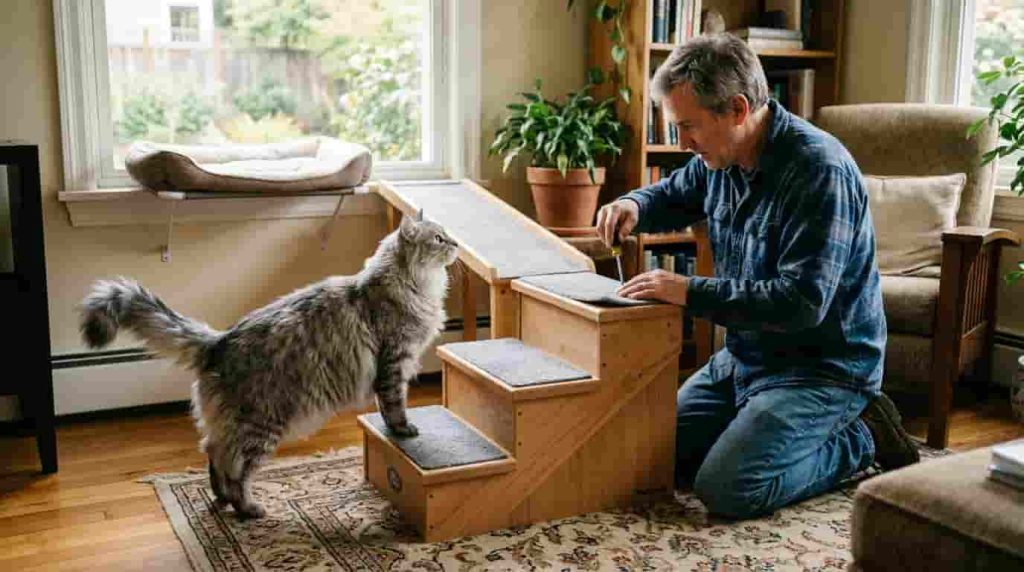
Analyzing serious Cat Obesity Risks requires looking closely at how fat cells produce constant inflammation inside the body. Adipose tissue does not just store extra calories quietly between active morning play sessions. Instead, large fat deposits release harmful hormones that damage normal metabolic functions and strain internal organ systems. Therefore, maintaining a heavy body configuration places your companion in a permanent state of high physiological stress.
Additionally, these chronic inflammatory signals directly trigger the onset of dangerous obesity-related cat diseases like feline diabetes. Overweight felines face a much higher risk of developing insulin resistance because fat blocks normal glucose absorption. Many owners assume their large animal is fine simply because they still display a cheerful personality.
However, the underlying health problems in obese cats develop silently over months before visible medical symptoms emerge. This hidden progression shows why actively addressing Cat Obesity Risks remains a vital duty for every pet parent. Let us examine how different weight categories alter the long-term health risks of overweight cats.
| Weight Status | Visual Body Characteristics | Primary Metabolic Threat Level |
| Ideal Weight | Clear waistline visible from above with easily felt ribs | Very low risk of developing chronic metabolic illnesses |
| Overweight Profile | Soft fat layer covers the ribs with a round belly | Moderate risk of experiencing serious fatigue and joint strain |
| Severe Obesity | Heavy fat pads hang low and hide the skeletal structure | Extremely high risk of developing diabetes and respiratory failure |
The Compounding Hazards of Reduced Mobility and Hidden Joint Soreness
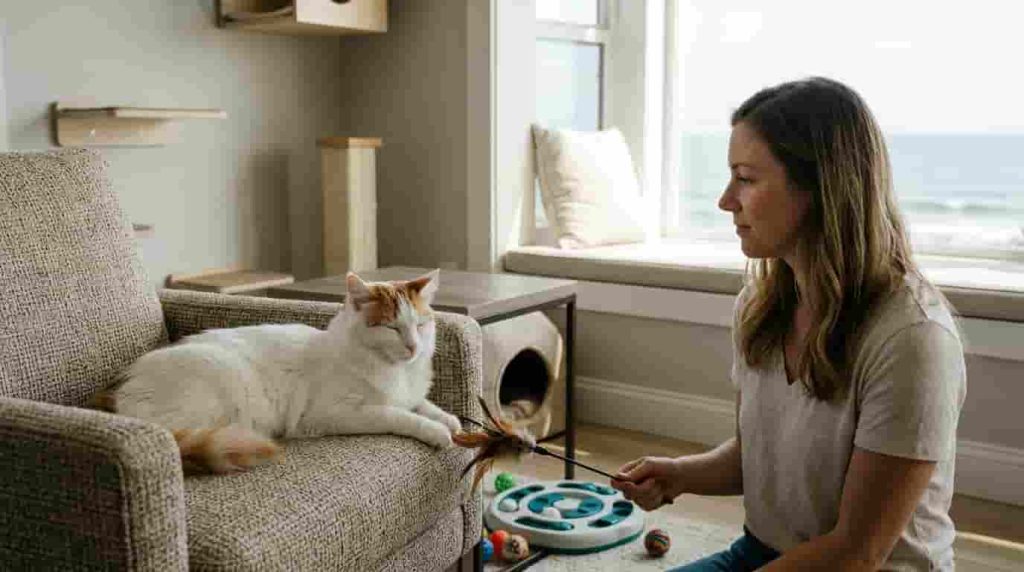
Living with the consequences of cat being overweight creates a dangerous cycle that stops your pet from exercising. Heavy felines avoid running because the extra weight causes immediate pain inside their knee and hip joints. For example, a local pet owner named Chuka noticed his large tabby cat stopped climbing the stairs entirely.
He realized that the health risks of obese cats extend far beyond simple physical appearance or laziness. He read our helpful guide on Cat Arthritis Care: Making life easier for your stiff senior cat right away. Managing the weight issues allowed his pet to move without feeling terrible joint pain during the day.
Consequently, the lighter animal started exploring the household again because moving no longer hurt its arthritic limbs. This transformation shows how reducing the feline obesity dangers allows your pet to regain their youthful energy. Let us look at how other subtle health issues can interfere with your weight management goals.
Managing Stress Licking to Control Increased Swallowed Fur Volumes
Heavy felines often struggle to reach their lower backs, which complicates standard grooming habits across the household. When anxious animals groom themselves unevenly, they often swallow loose hairs that form dangerous obstructions. For excellent advice, view our guide on Cat Hairball Control: Natural remedies to stop the hacking today. Keeping your pet active helps prevent the digestive sluggishness that makes these internal fur blockages much worse.
Monitoring Ear Health Risks During Routine Weight Loss Challenges
Sedentary pets with weight issues often ignore their regular ear cleaning habits because twisting their bodies hurts. This physical limitation can allow wax to accumulate, which invites harmful microscopic parasites into the warm canal. For practical insights, discover our article on Cat Ear Mites: How to Spot, Clean and Treat Infected Ears Fast immediately. Ensuring clean ears keeps your pet comfortable while they adjust to their new healthy lifestyle changes.
Structuring a Safe and Progressive Weight Loss Diet Plan

Reversing severe cat weight issues requires a precise calculation of your pet’s daily nutritional intake. You must stop the habit of leaving dry kibble bowls out for continuous grazing throughout the day. Free feeding makes it completely impossible to measure exactly how many calories your animal companion consumes. Therefore, you should switch to structured meal times using accurately measured portions twice a day.
Additionally, choose high-protein wet canned foods rather than dry options containing high amounts of carbohydrates. Wet food formulas supply essential moisture while helping your pet feel full without adding unnecessary calories. According to professional veterinary research published by VCA Animal Hospitals, slow weight loss protects liver function.
Felines who lose weight too rapidly can develop a fatal medical condition called hepatic lipidosis. This dangerous disease occurs when the body moves fat stores to the liver far too quickly. This biological reality proves why managing Cat Obesity Risks requires a steady, slow reduction in daily calories. Let us look at how to introduce safe exercise into your pet’s routine.
Using Interactive Play to Overcome the Dangers of Cat Obesity
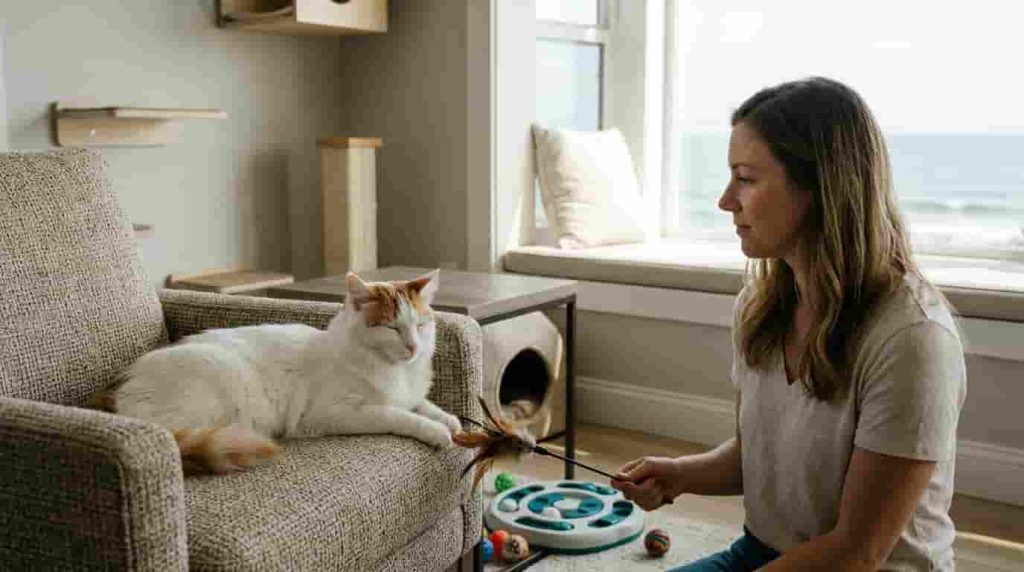
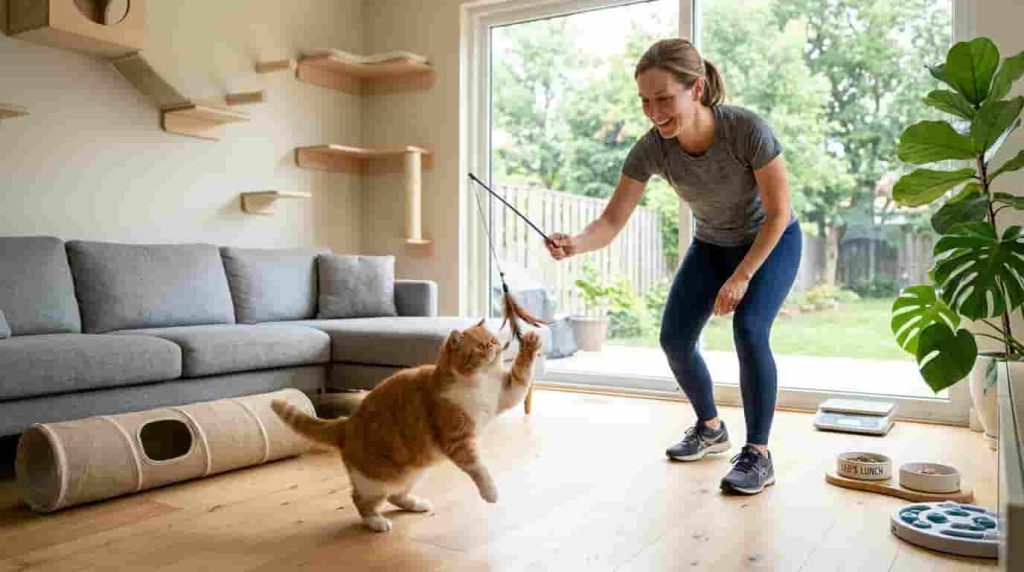
Defeating the health hazards of overweight kitties requires adding ten minutes of active movement to their afternoon routine. Use a flexible feather wand to entice your companion to stretch their legs and walk across the floor. Do not force a heavy animal to execute high vertical jumps because that impact can harm their joints.
Instead, drag a string slowly along the rug to encourage low-impact stalking and walking behaviors. This gentle movement burns calories effectively while protecting your pet from experiencing sudden muscle exhaustion.
Over time, your friend will build strong lean muscle tissue that increases their resting metabolic rate naturally. Combining smart nutrition with daily movement ensures you eliminate the long-term obesity implications for cats safely. Your dedicated guidance will help your friend live a long, happy life free from painful illness. Let us review the primary checklist for managing Cat Obesity Risks successfully at home.
- Weigh your pet on a digital scale weekly to track their steady progress accurately.
- Use puzzle feeders to force your companion to work for their dry kibble pieces.
- Tell every family member to stop feeding fatty table scraps to the pet secretively.
- Schedule a veterinary checkup before reducing your companion’s daily food portions.
Conclusion
In conclusion, understanding serious Cat Obesity Risks is the first step toward extending the life of your senior companion. By recognizing how excess fat causes chronic internal inflammation, you can make informed choices about daily nutrition. These small adjustments eliminate the risks of obese felines while restoring the natural flexibility of their limbs.
Always utilize high-protein wet foods and provide gentle play sessions to keep their metabolism functioning optimally every day. Your consistent care will protect your favorite domestic animal from developing painful conditions like diabetes or arthritis. With the right weight loss strategies, you can easily conquer Cat Obesity Risks and enjoy a vibrant pet.
Has your beautiful domestic friend ever successfully transitioned from free feeding to a structured weight loss schedule? Please share your inspirational weight loss stories and drop your unique training questions in the comment section down below!
Frequently Asked Questions
The most common risks include developing type two diabetes, painful joint arthritis, and chronic high blood pressure. Heavy animals also face a much higher risk of experiencing skin infections because they cannot clean themselves properly.
You can check by running your hands gently along the side of your pet’s chest wall. If you cannot feel their ribs easily without pressing hard, your animal companion is likely overweight.
A safe rate of weight loss is roughly one to two percent of their total body weight per week. Losing weight faster than this target can trigger severe liver damage that requires urgent veterinary care.
Yes, puzzle feeders are excellent tools because they slow down fast eaters and provide mental stimulation. These devices force felines to use their paws to extract food, which burns extra calories naturally.
You should consult a professional veterinarian before starting any new diet plan or changing food brands. The doctor will perform blood tests to ensure your pet does not have an underlying thyroid issue.