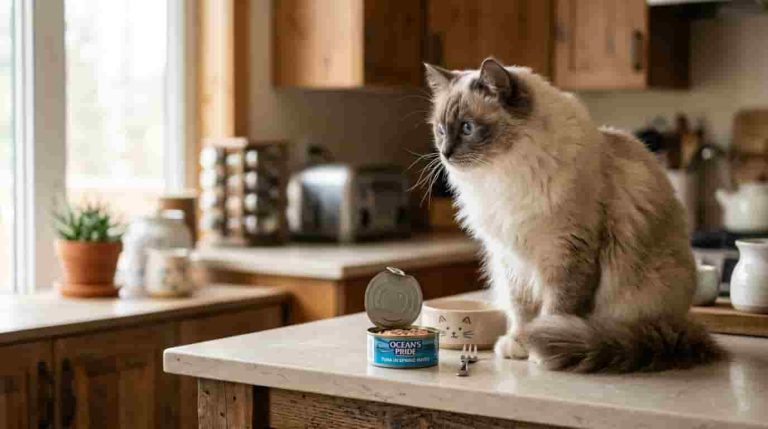
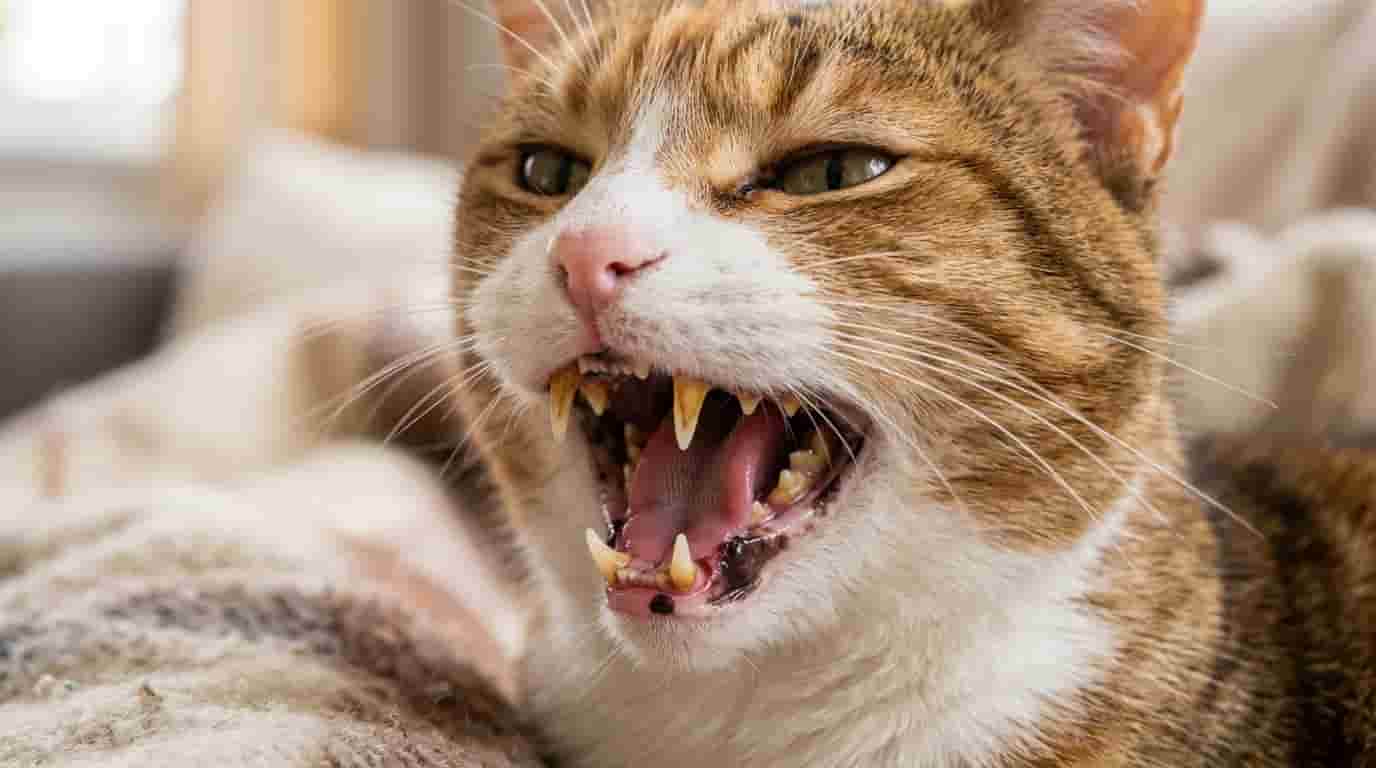
Cat Breath Mints: Safe ways to freshen up a stinky mouth.
Introduction:
Cat breath mints are a topic many owners search for, yet they often lead to dangerous choices. Have you ever noticed your cat’s mouth smells quite foul after a nap? While you might want a quick fix, human-grade mints are actually toxic to felines. Because cats have unique systems, you must choose safe methods for oral hygiene for cats.
When your cat has bad breath, it often signals an underlying dental issue. Many people assume they just need a quick freshener. However, finding the right cat bad breath solution requires looking at overall feline dental health. This guide helps you navigate the safest ways to care for your cat’s mouth.
Why You Must Avoid Human Cat Breath Mints

Human breath products often contain xylitol or essential oils that harm pets. These ingredients are extremely toxic if a cat ingests them. Consequently, you should never share your own mints or gums with your feline friend. Feline oral hygiene requires products specifically formulated by veterinary experts.
If you desire fresh breath for cats, focus on professional dental care instead. Experts at VCA Animal Hospitals note that persistent stinky breath often indicates gum disease or tooth decay. Regular checkups ensure your cat stays healthy and pain free. Therefore, prioritize vet visits over any temporary cover up.
Improving Oral Hygiene for Cats Through Dental Treats

You can improve your cat’s oral health by using specialized cat dental treats. These snacks help scrape away plaque while your cat chews. Many owners find them a great way to support feline dental hygiene daily. Furthermore, they provide a tasty reward that cats actually enjoy eating.
Before buying, always check the label for valid seals of approval. Effective cat dental treats should have a texture that cleans teeth as they crunch. Also, maintain your regular brushing routine for the best results. If you also notice other issues, remember that Cat Paw Pad Peeling: Identifying dry skin vs a fungal infection is another sign to watch for overall wellness.
Natural Cat Bad Breath Remedies and Care
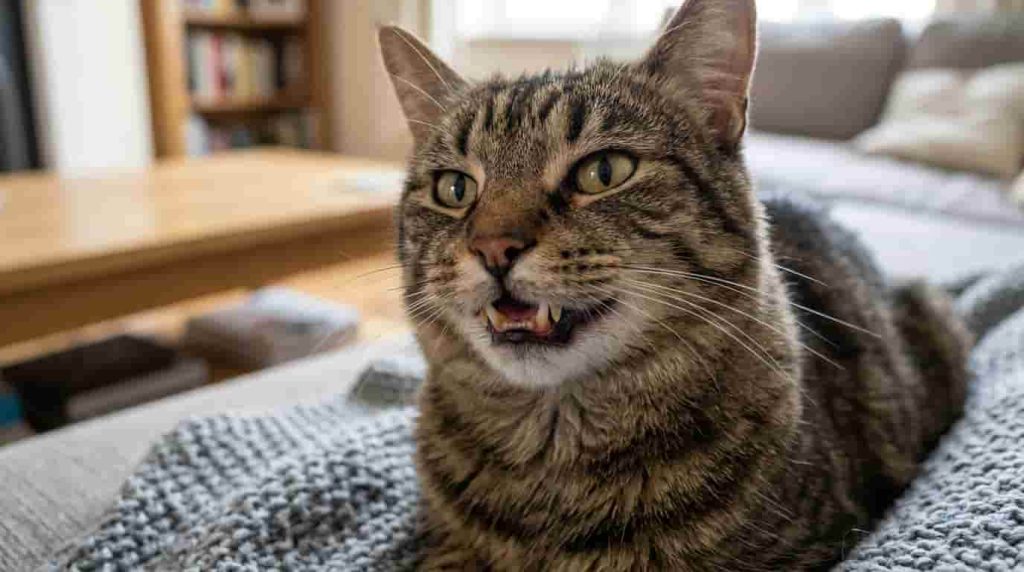
Daily brushing remains the gold standard for cat dental health. While it might seem challenging, most cats learn to tolerate it with time. Use a soft brush and toothpaste made specifically for pets. Because cats have sensitive mouths, take it slow during your first few attempts.
Additionally, keep an eye on your cat’s overall hygiene. If you notice other odors, Cat Ear Odor: When a smell means a yeast infection is present might also need your attention. Proper grooming covers everything from their mouth to their ears. Furthermore, look into Cat Tear Stains: Cleaning the fur under the eyes of flat faced breeds if their face needs cleaning too.
Effective Cat Dental Products and Tools

Modern feline dental care offers many helpful options for owners. Water additives can help reduce bacteria inside the mouth throughout the day. Also, dental gels work well if your cat refuses to let you brush their teeth. Always consult your vet to choose the best cat dental products for your specific pet.
Furthermore, a healthy diet supports strong teeth and gums. Wet food sometimes contributes to buildup, so consider adding crunchy kibble or specific dental diets. Remember that cat breath mints should never replace professional care. Consistent efforts in cat teeth cleaning pay off in the long run.
Long Term Strategies for Feline Dental Hygiene
Maintaining your cat’s oral health takes patience and a steady routine. Set aside a few minutes each day for their dental hygiene. Additionally, observe their eating habits for any signs of discomfort. If they drop food or hesitate to chew, they likely have a painful tooth.
Finally, keep your vet involved in your dental plan. They can perform deep cleanings that you cannot do at home. By combining these steps, you keep your cat’s mouth fresh and healthy. Your dedication leads to a much happier and more comfortable life for them.
Conclusion
Cat breath mints are not the answer to a healthy mouth. Instead, focus on reliable cat dental care and daily hygiene habits. If your cat has persistent bad breath, schedule a vet visit to rule out underlying illness. By using safe cat dental treats and regular brushing, you ensure their mouth stays fresh. Always choose health over a quick fix. Share your favorite dental care tips with our community in the comments!
Frequently Asked Questions
No, most mint products intended for humans are toxic to cats. Never give your cat human breath mints or gums.
Bad breath usually indicates plaque buildup, gum disease, or tooth decay. It can also signal issues like kidney disease in some cases.
Daily brushing is ideal for the best results. Even brushing a few times a week significantly improves their oral health.
The best solution involves daily brushing and professional veterinary cleanings. You should also offer high quality dental treats to help control plaque.
See a vet if your cat has persistent bad breath, red gums, or difficulty eating. These are signs of pain and potential infection.