
Cat Caffeine Risks: Why tea and coffee are bad for the heart.
Introduction:
Cat Caffeine Risks remain a hidden threat in many homes. You set your morning cup of coffee on the counter. Then, you leave the room for just a second.
Does your cat find that mug tempting? Many curious pets investigate these strange smells with dangerous results. You need to know why this habit creates such a massive health hazard.
Understanding the Hidden Dangers of Cat Caffeine Risks

Cat Caffeine Risks emerge because feline bodies process stimulants very differently than ours. A small amount of coffee or tea causes dramatic changes in their heart. They cannot break down these compounds like humans do.
Consequently, caffeine toxicity in cats occurs much faster than you might expect. Their small systems react with intense energy and rapid heart rates. You should treat any exposure as a serious medical situation.
According to PetMD, caffeine affects the central nervous system and heart muscle. Even a small lap from a mug triggers an dangerous response. Always keep your morning drinks out of reach.
Feline Health Risks From Caffeine Exposure
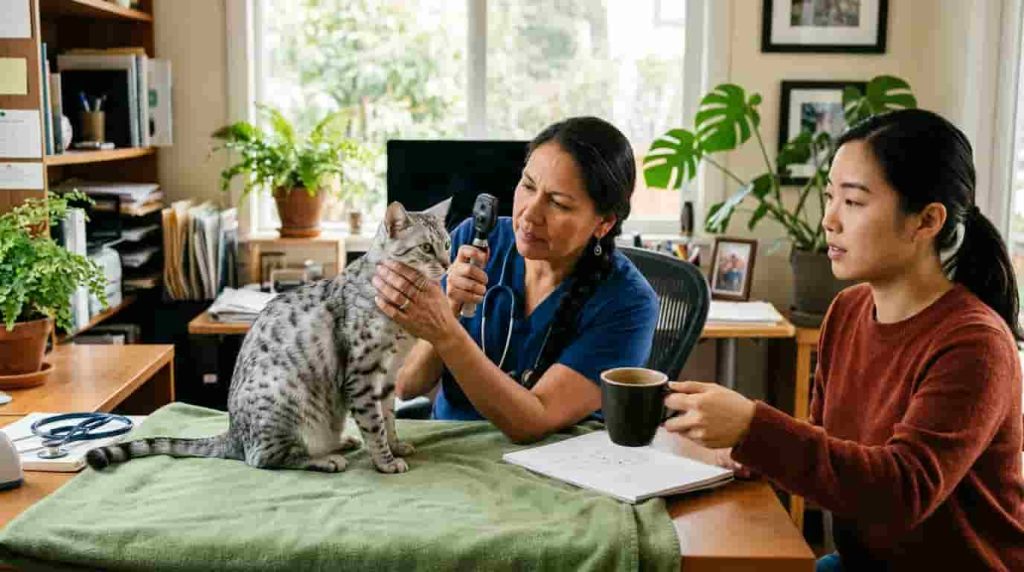
You must realize that the dangers of caffeine for cats involve more than just a jittery pet. It actually causes high blood pressure and abnormal heart rhythms. These internal problems create significant cat health hazards during an emergency.
Symptoms of caffeine poisoning in cats include extreme restlessness and muscle tremors. Furthermore, you might see them panting or behaving in a confused way. If you notice these signs, contact your vet immediately.
Also, be mindful of where you store your coffee grounds. Curious cats sometimes eat dry grounds, which hold much higher concentrations. That situation demands quick action to save their life.
Recognizing Caffeine Sensitivity in Cats
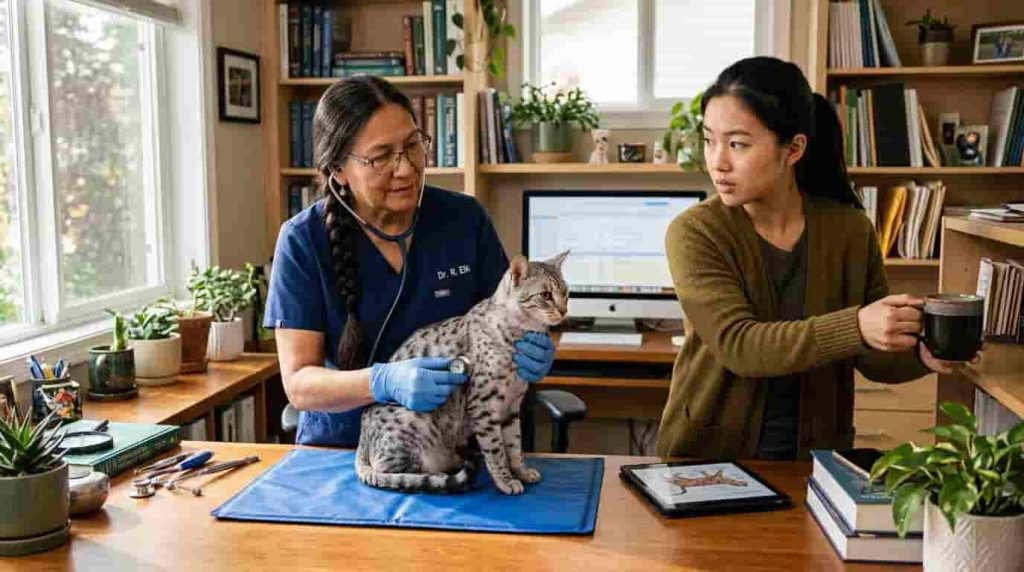
You should learn how caffeine sensitivity in cats impacts their behavior. They don’t have the same tolerance we have for energy drinks. Even a small portion of a latte causes major distress.
Therefore, you must prevent cats from ingesting caffeine at all times. Use heavy mugs that do not tip over easily. Furthermore, clean up any spills on the floor right away.
If you enjoy sweet snacks, check their ingredients carefully too. You can read Cat Chocolate Dangers: Why chocolate is toxic for cat health to learn about other stimulants. Many common foods carry similar hidden risks for your cat.
Managing the Risks of Cats and Caffeine
You can protect your pet by keeping them away from your kitchen counters. Some owners find that a cat tree keeps them busy elsewhere. Therefore, they spend less time scouting for your breakfast.
Always dispose of used tea bags or grounds in a closed bin. Cats often rummage through trash when you leave the room. A secure lid solves this problem for many households.
Additionally, warn your guests about your rules regarding food and drinks. They might not realize that kitty caffeine consumption causes such harm. Clear communication keeps everyone on the same page.
Recognizing Cat Caffeinated Drinks and Toxicity

You must also consider other items like soda or energy drinks. These liquids contain sugar and stimulants that threaten feline health. The effects of caffeine on cats are always harmful, never helpful.
If you ever see your cat act strangely after drinking something, investigate. You can also read Cat Alcohol Poisoning: The truth about cats and beer or wine to understand other liquid dangers. Staying informed makes you a better advocate for your cat.
Furthermore, recognize that cat coffee poisoning leads to seizures in extreme cases. You want to avoid that outcome at all costs. Be diligent about where you place your beverages.
How to Prevent Cat Caffeine Risks
You can implement simple strategies to make your home safer. Store your coffee beans in airtight containers inside a cupboard. Also, teach your cat that counters are off limits.
If they show intense interest, use redirection toys to distract them. This creates a positive habit rather than a struggle. You gain peace of mind by removing the temptation.
Also, check for ingredients in any medicine you keep at home. Some pills contain caffeine as an active ingredient for humans. Keep those tucked away safely in a medicine cabinet.
Monitoring Your Pet Caffeine Toxicity Levels

You know your cat better than anyone else does. If they act out of character, look for clues around the kitchen. Your observation helps the vet diagnose the issue much faster.
Never ignore a cat that seems overly hyper or restless. These behaviors often point to pet caffeine toxicity in the early stages. You act as their first line of defense every single day.
Finally, read Cat Garlic Dangers: Why onions and leeks cause anemia to learn about other kitchen threats. Your home environment needs to be a fortress against these toxins. Every step you take adds to their long-term health.
Final Thoughts on Cat Caffeine Risks

Cat Caffeine Risks turn a simple drink into a life-threatening problem. You keep your cat safe by being smart about where you keep your coffee. Always remember that prevention is easier than treatment.
Your feline friend depends on you to make the right choices. By staying vigilant, you ensure they stay happy and healthy. Do you have a tip for keeping your kitchen safe?
Please share your ideas or ask a question in the comments below!
Frequently Asked Questions
No, tea and coffee are toxic to cats because they contain caffeine. Always keep all caffeinated beverages well away from your pets.
Contact your veterinarian or an animal poison control center immediately. Do not wait for symptoms to appear before seeking help.
Cats only need fresh water to stay hydrated. Never give them human drinks like coffee, tea, or soda as they are all harmful.
Watch for restlessness, rapid breathing, muscle tremors, and an elevated heart rate. If your cat acts strangely, consult a vet right away.
Cats have a much lower tolerance for stimulants than humans. Even a small amount of caffeine can trigger dangerous heart and nervous system issues.