Senior Cat Nutrition: Changing diets as your pet gets older.
Introduction:
Senior Cat Nutrition creates the foundation for a long, happy life. Does your cat move slower than they once did? Maybe you notice they leave more food behind. Aging changes how their body processes energy. You must adjust their meals to match these new needs.
Many owners treat their cat the same way for fifteen years. However, their internal systems slow down over time. Muscles change and digestion shifts. You hold the power to help them thrive with simple, smart updates. Let us explore what your cat really needs now.
Understanding Senior Cat Nutrition and Digestion
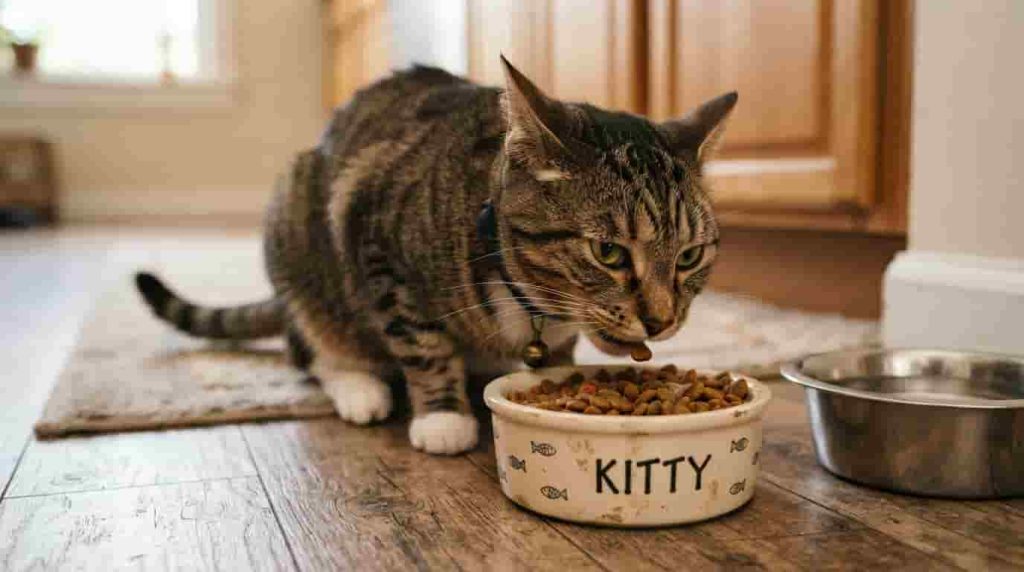
Senior Cat Nutrition focuses on quality over quantity. An aging cat diet often requires more protein. This helps them maintain muscle mass as they get older. Conversely, they might need fewer calories if they move less. You should find a perfect balance for their unique metabolism.
You might notice your cat acts confused or loses their way. If you face this, look at Senior Cat Dementia: Helping a confused older cat at night for extra support. Sometimes, specific nutrients help support brain health too. Your goal is keeping them sharp and energetic.
Always consult your veterinarian before changing their bowl. They can test for kidney or thyroid issues first. These conditions change how they handle food. Therefore, a vet visit remains the best starting point.
Adjusting Your Aging Cat Diet
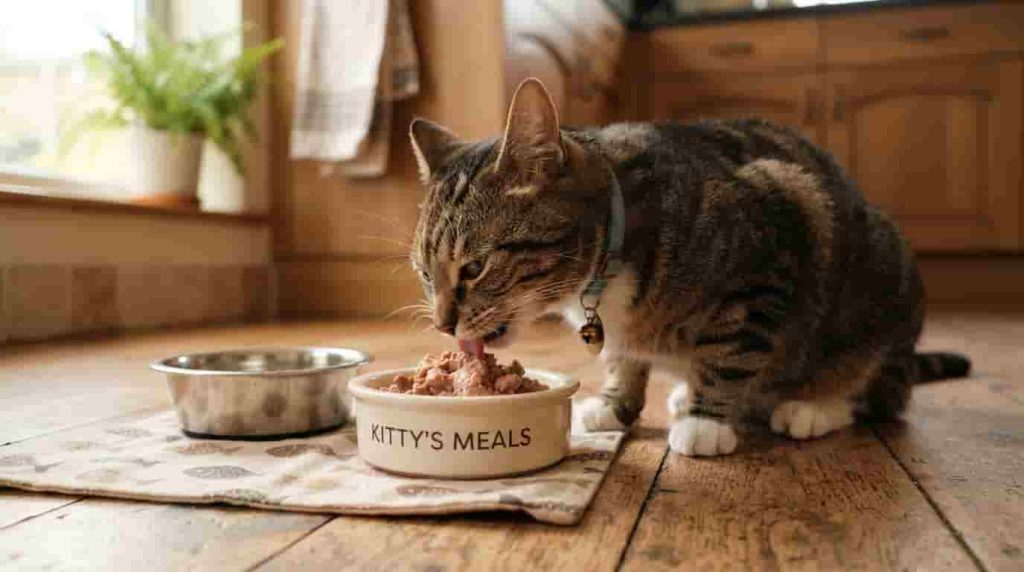
An aging cat diet needs careful monitoring of weight. Obesity adds stress to joints. You might find help in Senior Cat Mobility: How to Improve Senior Cat Mobility and Comfort Today to keep them moving well. Staying active keeps their heart strong and their mind clear.
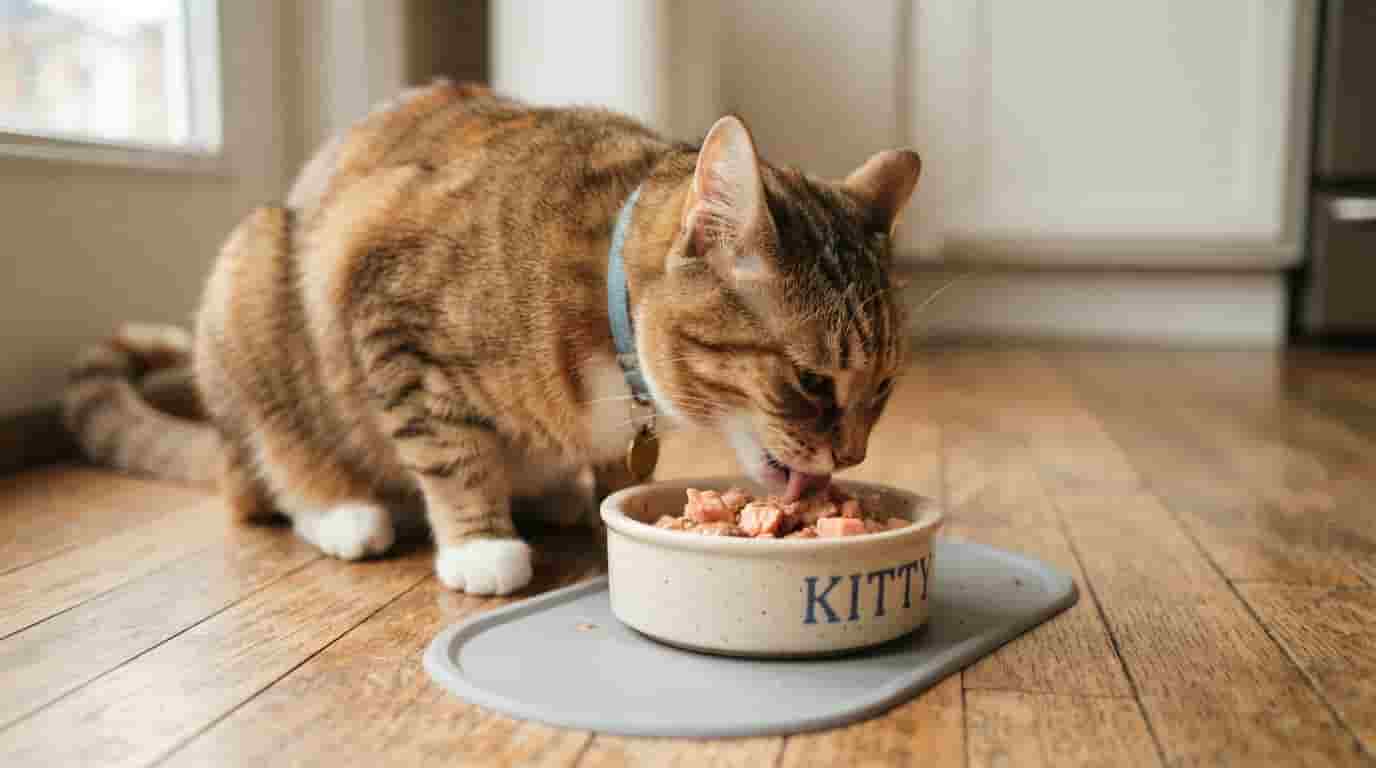
Look for high moisture options to help their kidneys. Older cats often drink less water than they should. Wet food provides hidden hydration during every meal. Many owners see a big boost in energy after this change.
Fiber also plays a vital role for some cats. It helps with digestion and prevents hairballs. Always introduce new foods slowly over several days. This prevents upset stomachs and helps your cat adjust.
Selecting the Best Food for Senior Cats
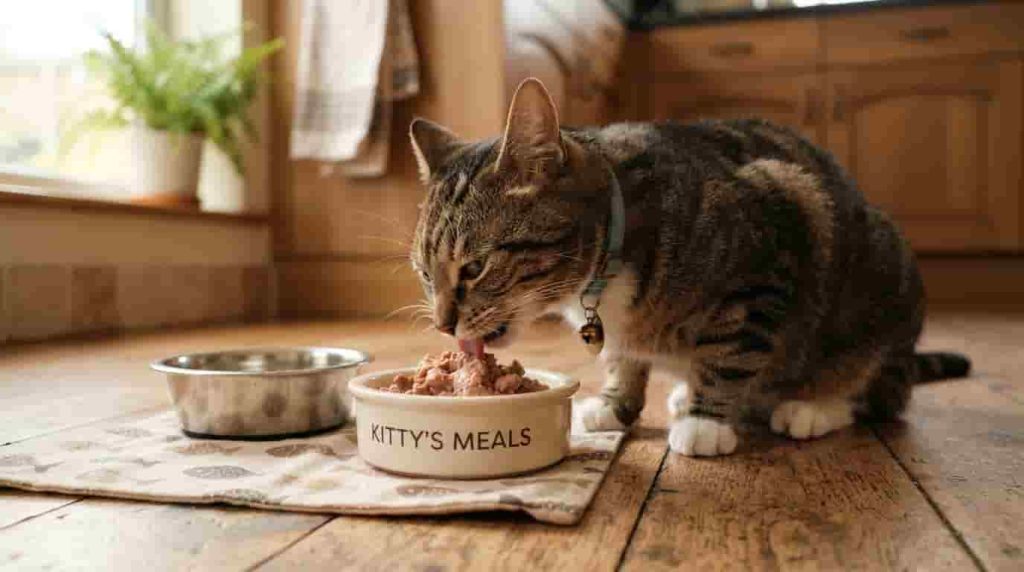
The best food for senior cats offers specific nutrients. Look for high levels of antioxidants in the label. These compounds fight damage from aging cells. They help your cat maintain a strong immune system.
Cornell University College of Veterinary Medicine highlights that personalized care matters most. Each cat needs different protein sources. Some do better with fish, while others prefer poultry. Experiment safely to see what your cat loves.
Avoid foods with too many fillers or additives. Simple, clean ingredients offer the most benefit. Your cat will likely appreciate the taste of real meat. Fresh food builds a better future for their health.
Expert Tips for Senior Cat Dietary Needs
Senior cat dietary needs evolve as the years pass. Some cats lose their sense of smell. You can warm their food slightly to boost the aroma. This simple trick encourages them to eat more.
Sometimes they need smaller, frequent meals throughout the day. This puts less strain on their digestive tract. It also keeps their energy steady from morning until night. Many geriatric cat meals work best in small portions.
Monitor their body condition every single week. Can you feel their ribs easily? If they look too thin, they need more calories. If they look too round, reduce the portion size.
Promoting Longevity in Senior Cat Care
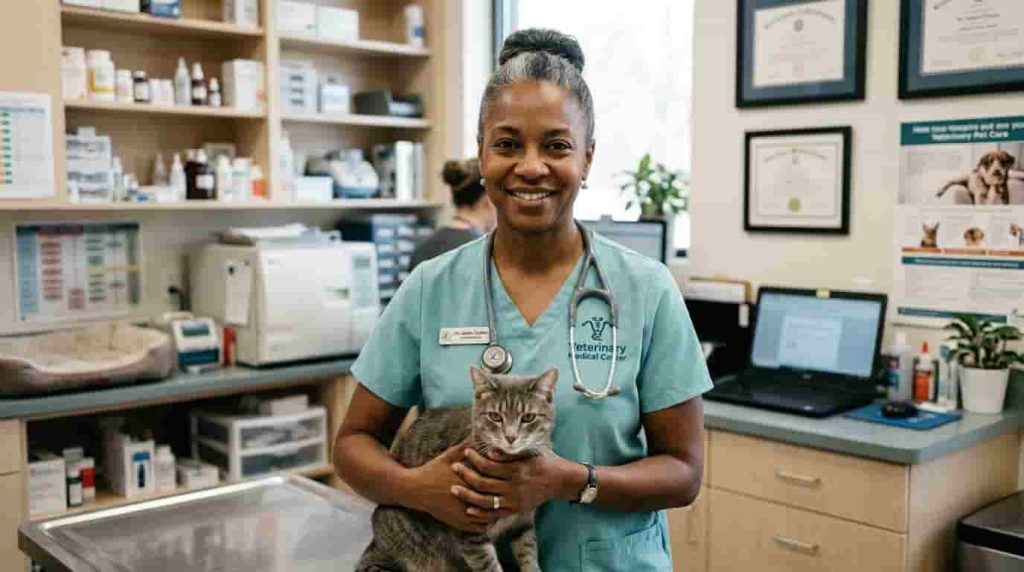
Promoting longevity in senior cats involves more than just food. You must look at the whole picture of their life. This includes stress levels and daily exercise. A happy cat usually eats better than a stressed one.
Think back to when you brought them home. Remember Kitten Socialization Tips: How to raise a bold and friendly adult and how much they learned then? They still need that same level of care and attention. Your love remains the most important part of their day.
Senior feline health depends on consistent observations. Note how much they eat and how they act. These details help you catch problems early. Staying proactive keeps them by your side longer.
Essential Nutrition for Older Cats
Nutrition for older cats serves as medicine. It prevents illness and boosts their vitality. Good food helps their coat stay soft and shiny. It also keeps their eyes bright and clear.
Never force them to eat if they seem unwell. Instead, call your vet immediately. Loss of appetite often signals a health emergency. Always prioritize their safety above their preferences.
You can mix soft and crunchy food for variety. This provides texture while keeping their teeth clean. Many owners use this mix to keep meals exciting. Your cat will definitely appreciate the effort.
Creating a Healthy Routine
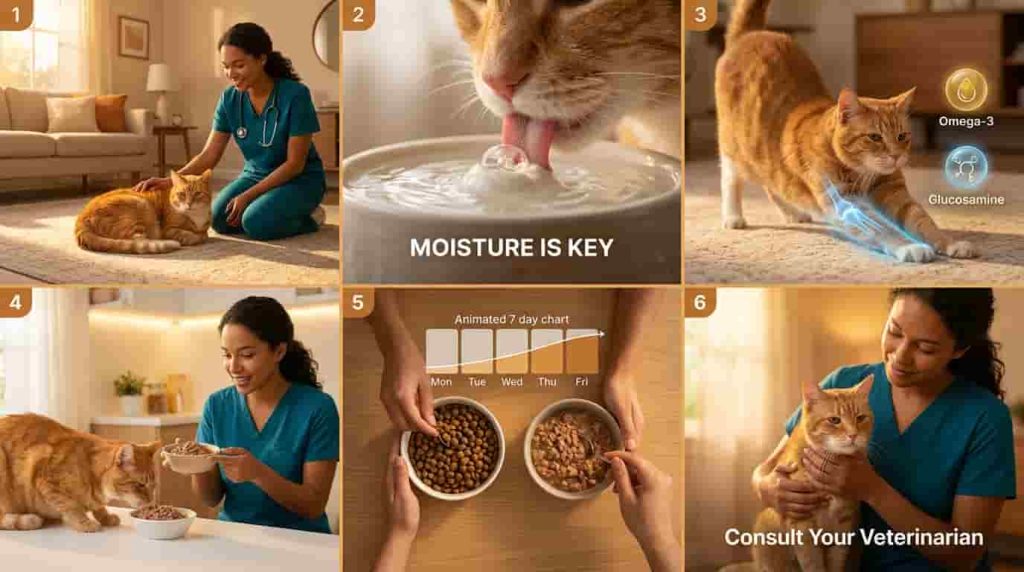
Senior cat food recommendations can feel confusing at first. Do not let the many choices overwhelm you. Focus on high protein and low carbohydrate ratios. These options serve most aging cats very well.
Elderly cat care also means limiting treats. Extra calories add up very fast for small bodies. Replace food treats with extra play or gentle brushing. They want your attention more than the snack.
Keep their feeding area quiet and away from noise. They prefer a peaceful space to enjoy their food. This builds confidence and reduces anxiety during meal times. A relaxed cat digests food much more efficiently.
Managing Senior Kitty Nutrition Tips
Managing senior kitty nutrition tips helps you feel confident. Keep a record of what they like best. Note any changes in their stool or energy. Share this data with your vet at every checkup.
Consistency matters more than anything else. Pick a high quality brand and stick to it. Avoid switching brands often unless medically necessary. Your cat thrives on stability in their bowl.
Senior pet care covers their entire golden life stage. Provide clean water at all times in several places. Hydration solves many common health issues for older pets. Keep the water bowl far away from their litter box.
Conclusion
Senior Cat Nutrition is a vital pillar for your pet. You learned how diet changes support their aging body. You explored options to boost their appetite and energy. Always remember that small, smart adjustments extend their life.
Proper food gives them comfort every single day. They rely on you to make these choices for them. How has your cat’s diet changed as they got older? Please share your own experiences and questions in the comments below.
Frequently Asked Questions
Many older cats lose their sense of smell or face dental pain. It could also signal underlying health issues like kidney problems. Always consult your vet.
High quality protein is essential to maintain muscle mass. Additionally, cats need healthy fats and enough moisture to support their kidneys.
No, most adult cats are lactose intolerant. Milk can cause stomach upset and diarrhea. Stick to fresh, clean water for their daily hydration needs.
Small, frequent meals are often better for their digestion. Aim for 3 to 4 small servings instead of one or two large ones.
Watch for unexplained weight loss, changes in fur quality, or picky eating habits. If you notice these signs, discuss them with your veterinarian immediately.