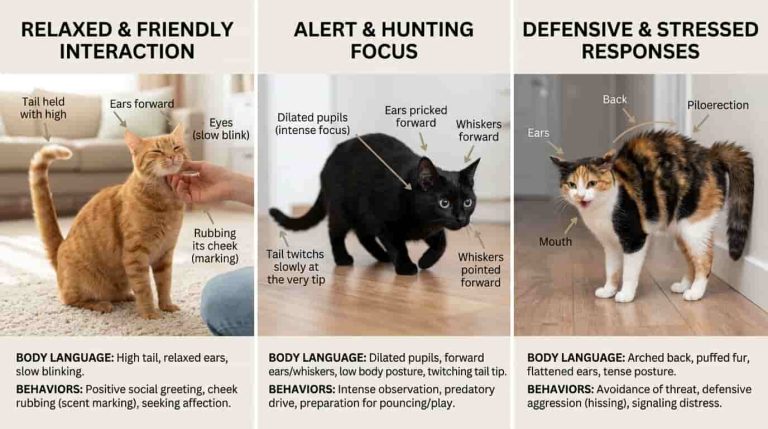
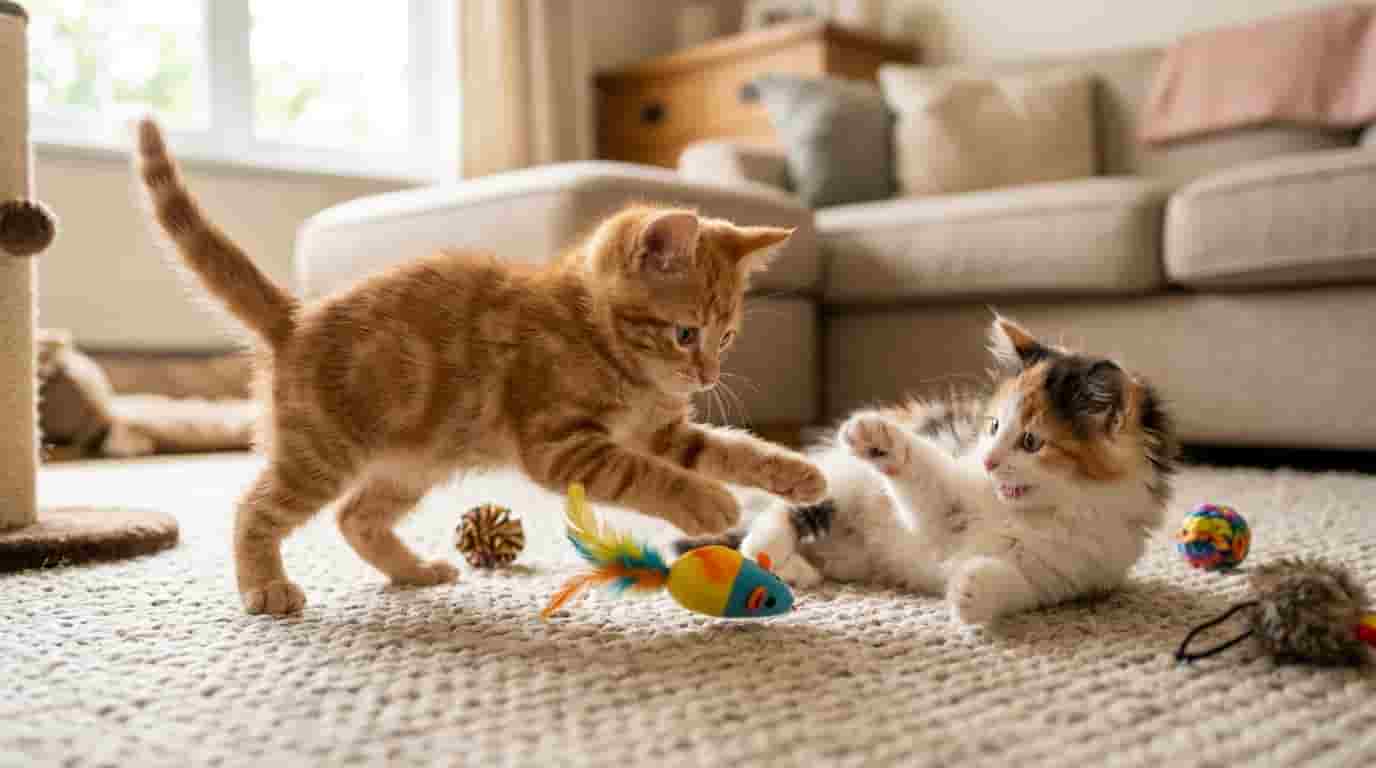
Kitten Socialization Tips: How to raise a bold and friendly adult.
Introduction:
Kitten Socialization Tips represent the secret to a happy feline friend. Have you ever wondered why some cats greet strangers while others hide? The difference often lies in their first few weeks of life. A tiny window of time defines their future personality.
Most owners want a bold companion who welcomes guests. However, you must actively shape this behavior early. We will uncover how to turn a shy kitten into a brave adult. Every interaction you have now builds their future confidence.
Understanding Early Development Through Kitten Socialization Tips
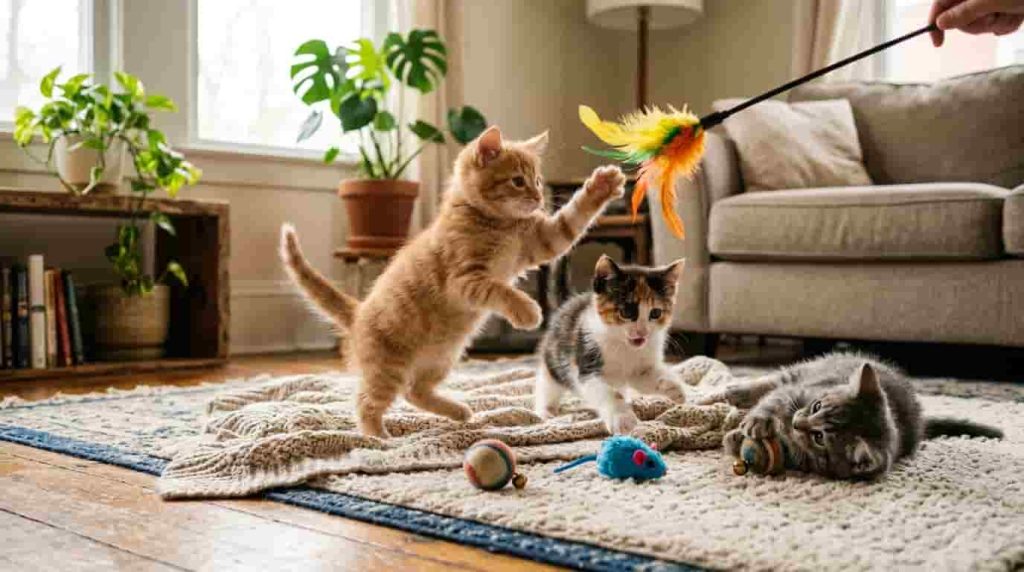
Kitten socialization tips work best when you understand feline biology. Kittens pass through a vital development phase before they reach fourteen weeks. During this time, they learn what to fear and what to accept. You must introduce new sights, sounds, and people carefully.
This early period sets the stage for their entire life. If a kitten meets new people, they learn that humans bring safety. They also learn that household noise, like a vacuum, poses no threat. Consistent, positive experiences form the bedrock of their personality.
The ASPCA notes that early exposure prevents anxiety later. A well-socialized cat handles change with much greater ease. They adapt to new homes and routines without significant stress. Your effort now pays off for years to come.
Simple Kitten Training Techniques for Success
Kitten training techniques rely on patience and gentle guidance. First, start with short, controlled interactions. Let your kitten approach new objects at their own speed. Never force them into a scary situation.
Additionally, use high value treats during these moments. Reward them for investigating a new toy or meeting a friend. This creates a positive connection in their brain. Over time, they seek out new things because they expect rewards.
Are you worried about their long term health? Remember that keeping them stress-free now helps them age gracefully. You might eventually need to read Senior Cat Mobility: How to Improve Senior Cat Mobility and Comfort Today to keep them healthy as they grow. A confident kitten often remains more active throughout their life.
Following a Useful Kitten Socialization Checklist
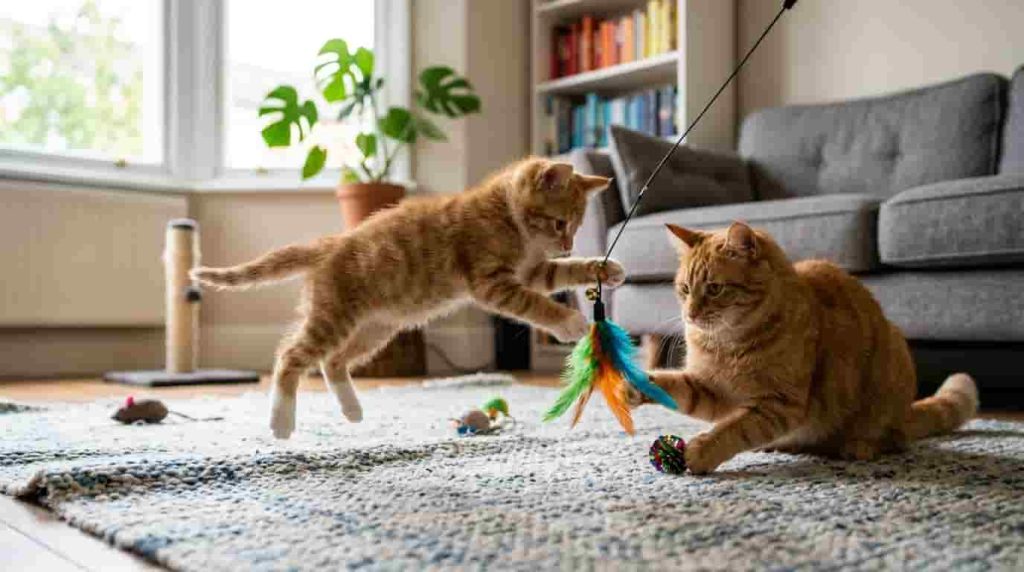
A kitten socialization checklist keeps your progress on track. Start by introducing one new person each day. Ensure that the person sits quietly on the floor. This makes them appear less intimidating to a tiny cat.
Next, expose them to common household sounds. Play recordings of thunder, traffic, or doorbells at low volumes. Gradually increase the sound as they remain calm. This helps them stay relaxed during unexpected events later.
Also, handle their paws and ears regularly. This makes grooming or vet visits much smoother. They learn that touch feels good and brings rewards. Consistent practice makes these interactions routine.
Developing a Consistent Kitten Socialization Schedule
A kitten socialization schedule provides structure for your home. Set aside time for play, handling, and exploration daily. Short sessions work better than long, exhausting ones. Aim for three five-minute sessions per day.
Playtime serves as a primary tool for bonding with your kitten. Use wand toys to mimic hunting behaviors. This builds their agility and teaches them to focus on you. Moreover, it burns off excess energy that might cause trouble.
If your kitten struggles with nighttime confusion, you should know that early habits matter. You might find help in Senior Cat Dementia: Helping a confused older cat at night as they enter their later years. A well-socialized cat feels more secure even when they grow old.
Mastering Essential Kitten Socialization Techniques

Kitten socialization techniques focus on building trust first. Spend time sitting quietly near your kitten. Read a book or listen to music while they play nearby. This teaches them that your presence feels calm and safe.
Introduce different surfaces and textures often. Let them walk on carpet, tile, and wood. This simple act improves their physical coordination. It also prepares them for life in any home.
You must also consider their diet while they grow. Proper food supports brain development and energy levels. You can learn more about Senior Cat Nutrition: Changing diets as your pet gets older to plan ahead for their needs. Healthy growth requires excellent fuel from the start.
Handling Challenges During Raising a Well-adjusted Kitten
Raising a well-adjusted kitten takes time and careful observation. Some kittens act fearful during new introductions. When this happens, give them extra space. Let them observe from a distance until they feel ready.
Never punish a kitten for showing fear. Punishment only teaches them to fear you. Instead, encourage them with soft words and tasty treats. Always remain the calm anchor for their growing world.
A real-life example proves how this works. One owner introduced their kitten to many friends slowly. The kitten eventually learned to seek out pets from strangers. Today, that cat greets every guest with a confident purr.
Fostering Independence Through Kitten Playtime Activities

Kitten playtime activities encourage exploration and physical health. Hide treats in different rooms to stimulate their natural curiosity. This game turns your home into a safe, exciting landscape. It also rewards them for wandering away from you.
Provide plenty of cat trees and scratching posts. These items allow them to climb and stretch comfortably. They feel safe when they can see their surroundings from above. Proper equipment prevents behavioral issues like scratching furniture.
Always monitor them during new adventures. Your presence reinforces their sense of security. You act as their brave leader in a big, wide world. This bond lasts for their entire life.
Long Term Benefits of Solid Kitten Socialization Tips
Kitten socialization tips provide dividends throughout their life. A bold cat experiences less stress during vet visits. They also adapt faster to new family members or pets. They view the world as a fun, approachable place.
Furthermore, these cats form deeper bonds with their owners. They trust you because you guided them through their youth. You provided the safety they needed to become brave. They return that trust with endless love and companionship.
The effort feels small compared to the results. You create a confident friend who enjoys your company. This journey truly defines the bond you share. Your patience builds a resilient and happy adult cat.
Conclusion
Kitten socialization tips transform a nervous pet into a brave companion. By following a plan, you provide the best possible start. You taught them that the world feels safe and fun. They reward you with years of bold, friendly affection.
You hold the key to their future happiness and health. Use these tools to guide your feline friend every day. Have you seen a positive change after using these methods? Share your experience or questions in the comments below.
Frequently Asked Questions
Start as early as two weeks old for kittens in a home setting. The most critical period occurs between two and fourteen weeks of age.
Use slow movements and let the kitten approach you first. Offer high-value treats and keep your environment quiet to build their confidence.
Yes, but it takes more time and patience than with a young kitten. Focus on consistent, positive experiences to gradually gain their trust.
Give them space and consult a veterinarian to rule out pain or illness. Redirect their energy toward appropriate toys to stop unwanted biting or scratching.
Introduce one new thing at a time to avoid overwhelming them. Daily small steps yield the best results for a bold adult cat.