Arabian Mau: Cat Breed Information, Personality, Care & History
Introduction
Arabian Mau cats are natural-born survivors with a rich history rooted in the harsh desert climates of the Arabian Peninsula. If you have recently spotted one of these striking felines or are wondering whether your own rescue cat shares this unique heritage, you are likely searching for clear answers about their distinct traits, care needs, and personality. These independent, highly active cats evolved naturally over more than a thousand years without human intervention. As a naturally developed desert cat, the Arabian Mau represents the ultimate blend of wild resilience and domestic loyalty. In this comprehensive guide, you will learn everything you need to know about their history, physical appearance, dynamic personality, proper care routines, health considerations, and overall suitability as a modern household pet.
What Is the Arabian Mau?
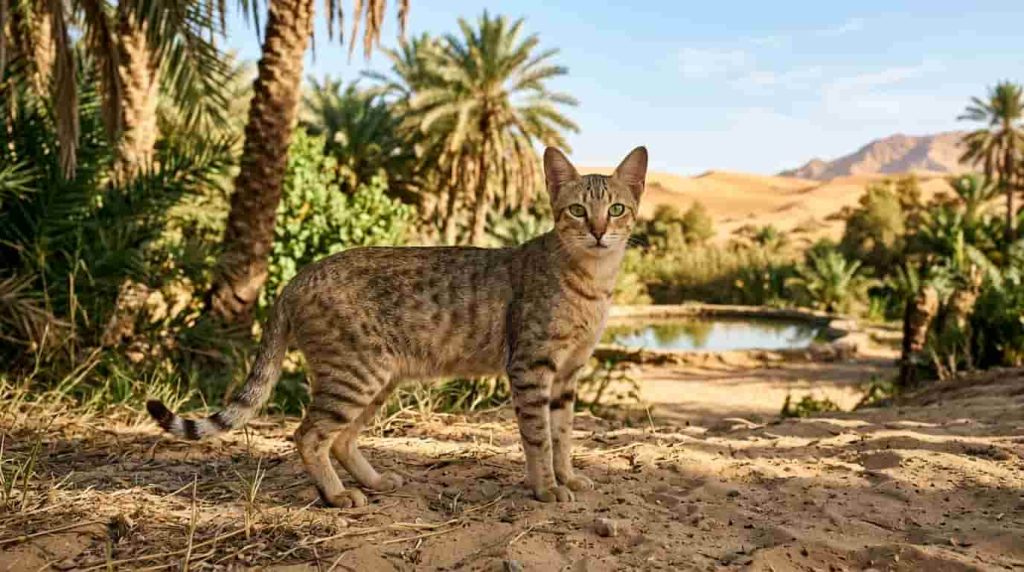
The Arabian Mau is a recognized natural cat breed originating from the deserts and urban landscapes of the Arabian Peninsula. They survived for centuries roaming the streets, harbors, and oases of countries like Saudi Arabia, the United Arab Emirates, Oman, and Qatar.
Because they developed naturally rather than through selective human breeding, they are considered a natural landrace breed. They possess sturdy bodies, strong immune systems, and exceptional athletic abilities that allowed them to adapt seamlessly to extreme hot climates. Major cat fancier organizations, including the World Cat Federation (WCF), officially recognize the breed.
Quick Facts
- Origin: Arabian Peninsula
- Size: Medium to Large
- Weight: 8 to 16 pounds
- Coat length: Short, single coat without an undercoat
- Lifespan: 12 to 15 years
- Energy level: Very High
- Grooming needs: Low
- Family friendliness: Excellent with active households
Arabian Mau History

The history of the Arabian Mau spans over a thousand years across the harsh landscapes of the Arabian Peninsula. These cats originally lived near human settlements, coastal ports, and desert oases where they hunted rodents and scavenged scraps. Local human populations tolerated and even welcomed them for keeping pest populations under control in challenging environments.
Unlike European or American breeds developed intentionally through selective breeding programs in the nineteenth and twentieth centuries, the Arabian Mau remained untouched by deliberate human engineering until recent decades. Dedicated cat enthusiasts in the Middle East eventually began documenting and preserving these resilient felines, leading to official recognition and international awareness.
This background directly influences modern behavior. Because they evolved through natural selection rather than human intervention, they retain strong survival instincts, high intelligence, and independent problem-solving skills that distinguish them from more fragile, selectively bred house cats. If you are interested in exploring other distinct breeds with fascinating historical lineages, you can read more about the Burmese Cat: Personality, Colors, Size, Care and History to understand how different natural traits developed over time.
Arabian Mau Appearance and Characteristics
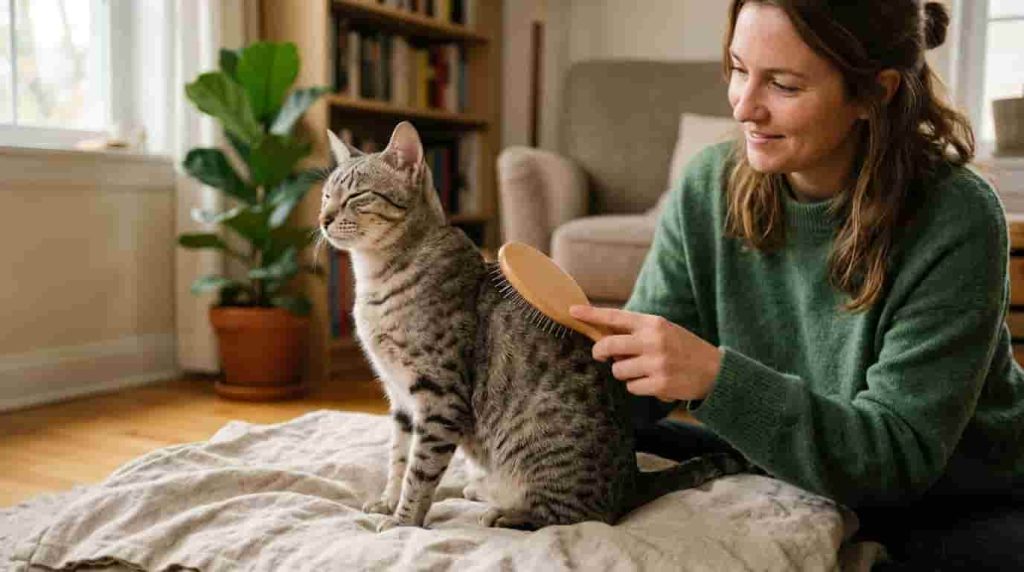
Recognizing an Arabian Mau involves looking at several distinct physical traits that highlight their desert-adapted athleticism.
Arabian Mau Body Structure
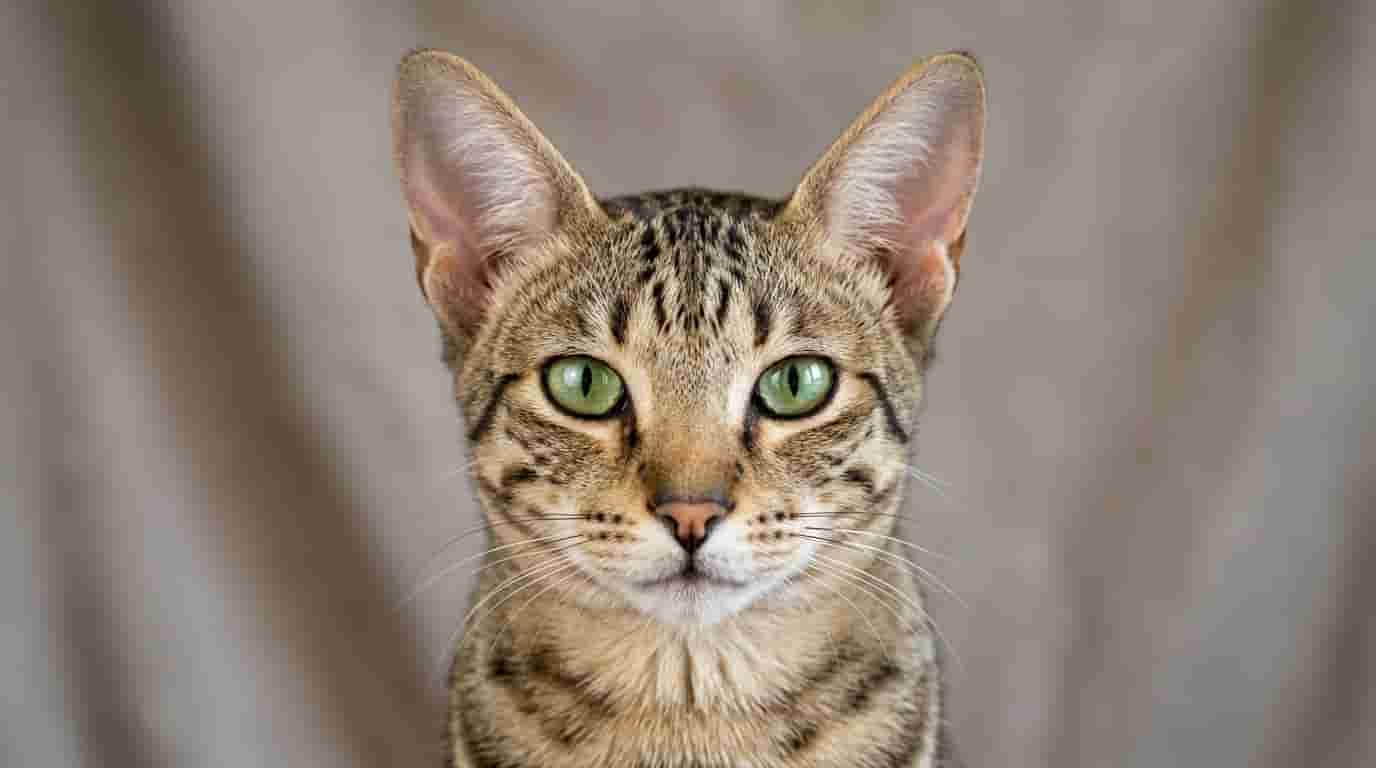
Arabian Maus are medium to large cats featuring a robust, muscular build. Their bodies are long and firm, supported by strong, long legs and slightly oval-shaped paws. Despite their powerful appearance, they are surprisingly agile and flexible. Their tail is usually medium in length and tapers slightly toward the tip. The head appears slightly rounded with a distinct whisker pad that gives their muzzle a strong profile. Their ears are large, alert, and set slightly high on the head, while their eyes are oval-shaped, bright, and typically green or amber.
Arabian Mau Coat and Colors
Their coat is short, smooth, and sits flat against the body with no undercoat. This lack of an undercoat helps them stay cool in hot desert climates by allowing body heat to dissipate efficiently. Their fur comes in various colors and patterns. You can find solid colors, bicolors, and striking variations including the popular Arabian Mau black and white, vibrant orange, pure white, and various tabby patterns.
Arabian Mau Personality and Temperament
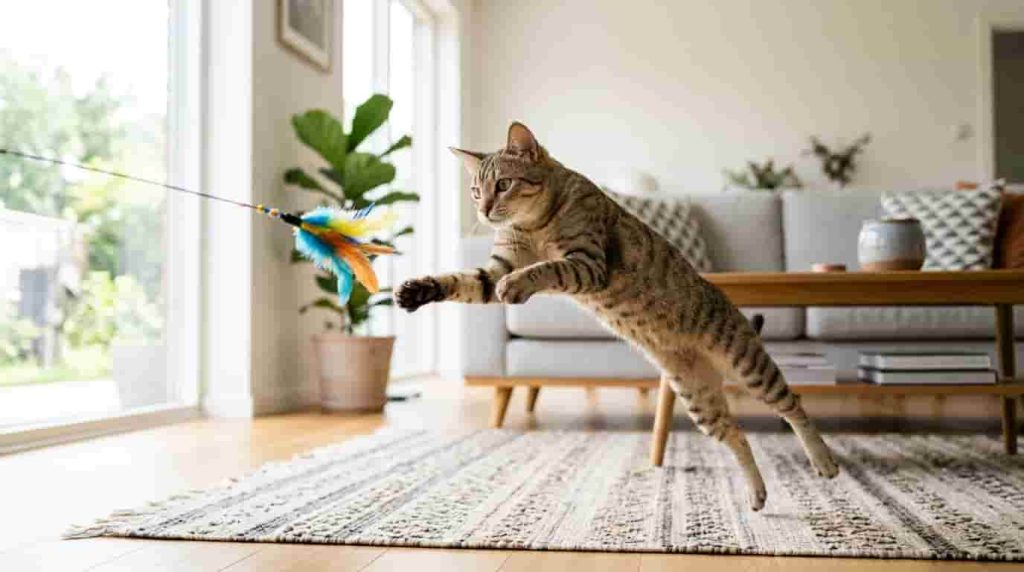
Addressing the common question of how these cats behave, Arabian Maus are exceptionally intelligent, highly active, and endlessly curious. They possess deep loyalty toward their human families and prefer being involved in everyday household activities rather than hiding quietly in corners. While they are affectionate and vocal, they also maintain a healthy sense of independence.
Their activity level far exceeds that of more relaxed domestic breeds. For example, while a Persian cat might spend the afternoon lounging peacefully on a couch, an Arabian Mau is far more likely to scale a tall bookshelf, inspect grocery bags, and bat vigorously at interactive puzzle toys. If you love high-energy felines that act lively and alert, you might also enjoy learning about the Bombay Cat: Personality, Lifespan, Care, History and Facts, which shares a similar sleek, striking appearance and fondness for human company.
Hypothetical Example: Imagine coming home after a long workday and immediately finding your Arabian Mau waiting by the front door, trilling a greeting, and eagerly darting toward their favorite feather wand to demand an intense play session.
Are Arabian Mau Cats Good Pets?
Yes, they make wonderful companions for the right household, though they require an owner who can match their enthusiasm and energy.
Ideal For:
- Active families and individuals who enjoy interactive play
- Single pet owners or multi-pet homes when introduced correctly
- Owners seeking an intelligent, healthy, and low-maintenance coat
May Not Suit:
- Owners wanting a quiet lap cat who sleeps all day
- Homes with little environmental stimulation or engagement
Pros and Cons Summary
- Pros: Highly intelligent, athletic, robust health, minimal grooming required.
- Cons: High energy, requires heavy mental enrichment, can become easily bored if left alone.
Arabian Mau vs Egyptian Mau
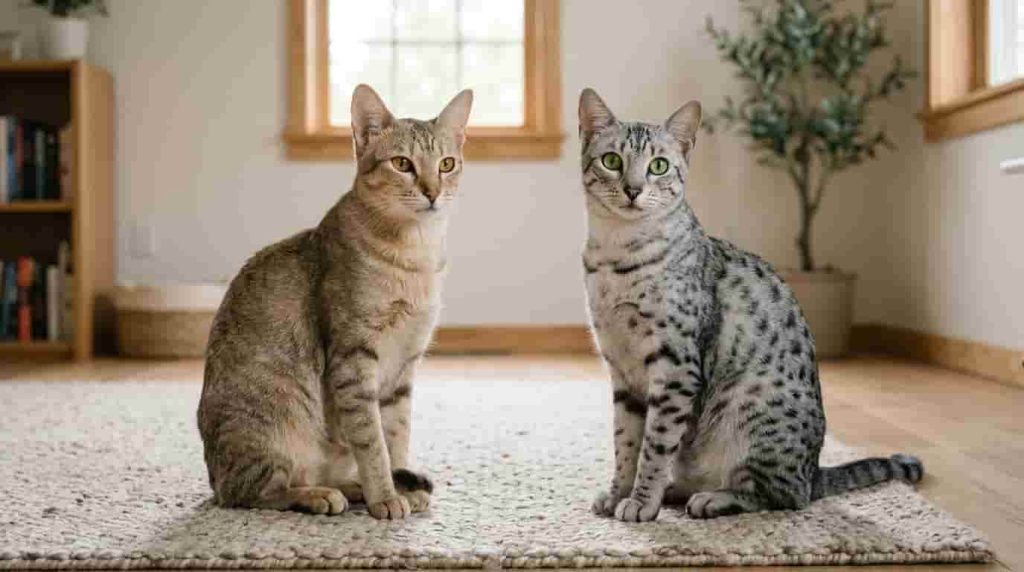
| Feature | Arabian Mau | Egyptian Mau |
| Origin | Arabian Peninsula | Egypt |
| Coat | Short, single coat (no undercoat) | Dense, resilient short coat |
| Spots | Solid, bicolors, tabbies, and white | Naturally occurring spotted tabby pattern |
| Body Shape | Robust, muscular, long-legged | Graceful, lithe, cheetah-like agility |
| Personality | Independent, loyal, highly active | Devoted, sensitive, playful |
| Activity Level | Extremely high | Very high, exceptional sprinters |
| Recognition | Recognized landrace breed | Fully established pedigree breed |
| Typical Environment | Warm urban and desert landscapes | Indoor household with active engagement |
Choosing between the two depends largely on aesthetic preference for spotted coats versus diverse landrace patterns, as both demand dedicated, active owners.
Arabian Mau Care
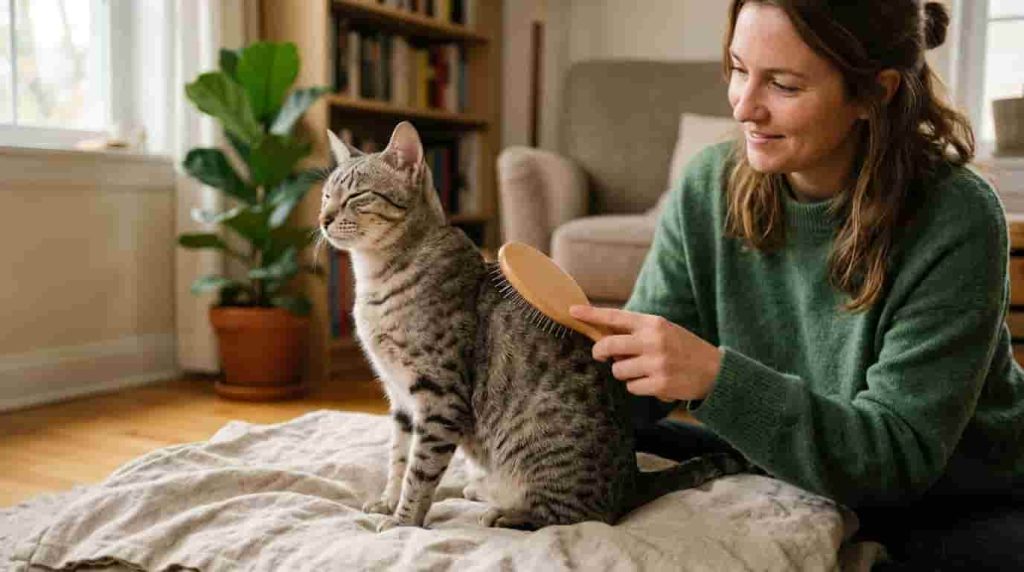
Proper care ensures your feline companion stays healthy, mentally stimulated, and physically fit.
Arabian Mau Grooming
Because they lack an undercoat, grooming an Arabian Mau is remarkably simple. A quick weekly brush removes loose hairs and keeps their short coat glossy. They shed very little, making them easy to manage. Routine care also includes gentle monthly nail trimming, periodic dental checks, and regular ear cleaning to prevent wax buildup.
For comparison with other short-haired breeds that require minimal grooming, take a look at the Burmilla Cat: Personality, Colors, Health, Price and Care to see how coat maintenance varies across different feline companions.
Arabian Mau Exercise
High-energy cats require daily physical exertion. Provide interactive play sessions using feather wands, laser pointers, and climbing structures. Puzzle toys and hunting games channel their natural predatory instincts productively, preventing destructive boredom.
Arabian Mau Nutrition
Feed a balanced, complete diet formulated for active felines to maintain their muscular physiques. Always provide fresh, clean water daily. Monitor portion sizes carefully to prevent unwanted weight gain, especially if your cat lives an exclusively indoor lifestyle.
Arabian Mau Health
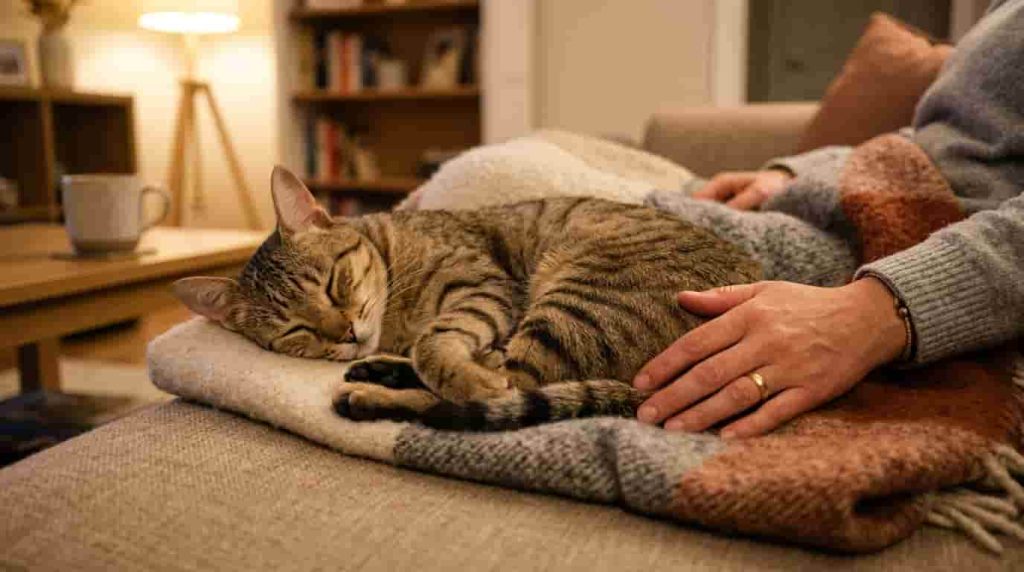
Arabian Maus possess a strong reputation for natural hardiness and robust health due to their landrace origins. However, routine veterinary care remains essential for a long, vibrant life. Ensure your cat receives core vaccinations, effective parasite prevention, regular dental evaluations, and annual wellness exams.
Contact a veterinarian promptly if you notice sudden appetite changes, unexplained weight loss, persistent lethargy, recurring vomiting, or any difficulty breathing. Professional veterinary oversight guarantees early detection of unforeseen illnesses and keeps your cat thriving.
Arabian Mau Kittens
Raising an Arabian Mau kitten requires patience and plenty of interactive play. Early socialization helps them accept new guests, handling, and household noises comfortably. Provide a safe, stimulating environment equipped with sturdy scratching posts and climbing trees. Feed them a high-protein diet designed for growing kittens, schedule early veterinary visits for initial vaccinations, and source your kitten exclusively through a responsible breeder or recognized rescue organization.
Arabian Mau Price and Availability
Availability for this breed varies significantly depending on your geographical location. Because they originated in the Middle East, they can be quite difficult to find outside their native region unless you work with specialized international rescue groups or niche breeding programs. Purchase costs depend on lineage, transportation logistics, and vaccination statuses, though adoption fees for rescues remain relatively modest.
Is an Arabian Mau Right for You?

Review this quick checklist to see if your lifestyle matches the needs of an Arabian Mau:
- ✓ Active lifestyle
- ✓ Plenty of daily playtime
- ✓ Indoor environmental enrichment
- ✓ Appreciation for independent cats
- ✗ Wants a quiet lap cat
- ✗ Rarely home to interact with pets
- ✗ Unwilling to provide exercise
Conclusion
The Arabian Mau is a remarkable breed combining wild-born resilience with deep domestic loyalty. Their striking appearance, high intelligence, and affectionate nature make them wonderful companions for active households. By understanding their history, high energy levels, and straightforward care requirements, you can provide a fulfilling environment for your feline friend. If you share your home with an Arabian Mau, or if you are considering adding one to your family, please share your thoughts, experiences, or questions in the comments below.
Frequently Asked Questions
Yes, they generally get along wonderfully with children who know how to respect animal boundaries, thanks to their playful and tolerant nature.
Yes, they adapt well to indoor living as long as owners provide sufficient vertical space, interactive toys, and daily playtime to burn off their high energy.
A quick weekly brushing is all it takes to keep their short, single coat clean, glossy, and free of loose hairs.
Yes, their unique coat structure lacks a dense undercoat, which naturally helps them stay cool and regulate their body temperature in warmer environments.
They can be suitable for first-time owners who lead active lifestyles, though their high energy and intelligence require a commitment to daily mental and physical stimulation.