

Cat Bite Treatment: First Aid, Symptoms and When to Seek Help
Introduction:
Cat Bite Treatment: Even a small cat bite can become infected because cats have sharp teeth that create deep puncture wounds. Prompt cleaning and timely medical care greatly reduce the risk of complications, protecting you from serious tissue damage or systemic illness. This guide covers everything you need to know about Cat Bite Treatment, including immediate first aid, safe home care, infection symptoms, medical interventions, antibiotics, tetanus and rabies considerations, and prevention.
Why Cat Bite Treatment Is Important

Cat bites should never be ignored because bacteria can be carried deep beneath the skin, increasing the risk of infection.
Unlike dog bites, which often cause blunt-force crushing injuries and tears, cat teeth act like hypodermic needles. They leave narrow, deep puncture wounds that seal over quickly, trapping bacteria—such as Pasteurella multocida—deep within the tissue. This environment allows bacteria to multiply rapidly, which is why symptoms can develop within just a few hours.
Cat Bite First Aid: What Should You Do Immediately?
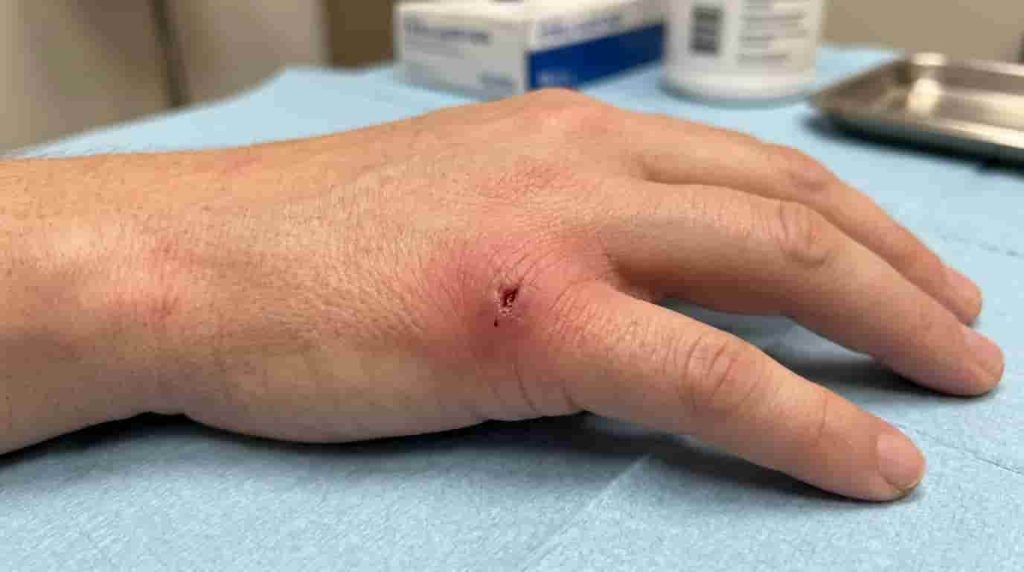
Prompt action is your first line of defense. Follow these steps right after the incident:
- Step 1: Wash the wound immediately with mild soap and running water for at least 5 minutes.
- Step 2: Allow slight bleeding if present, as this helps flush bacteria out of the puncture channel.
- Step 3: Apply gentle pressure with a clean cloth if bleeding is heavy.
- Step 4: Apply an antiseptic solution.
- Step 5: Cover the area loosely with a clean, sterile dressing.
- Step 6: Monitor the wound closely for infection.
First Aid Checklist
Do:
- Wash your hands before and after handling the wound.
- Clean the wound thoroughly.
- Change dressings daily or whenever they become wet or dirty.
- Watch for emerging symptoms.
Don’t:
- Close deep puncture wounds yourself with tape or butterfly closures.
- Ignore swelling or increasing discomfort.
- Delay seeking medical advice for high-risk bites.
Can You Treat a Cat Bite at Home?

Minor superficial scratches may be managed initially with proper cleaning, but puncture wounds often require professional medical evaluation.
When Home Care May Be Enough
- Very shallow skin injury that does not break deep layers
- No redness, warmth, or swelling
- No ongoing bleeding or deep tissue involvement
When Home Care Is Not Enough
- Deep puncture wounds of any kind
- Bites located on the hand, wrist, or face
- Bites over joints or tendons
- Underlying health conditions such as diabetes or liver disease
- Compromised immune systems
- Increasing pain or rapid changes in the surrounding skin
Home Remedies for Cat Bite: What Helps and What Doesn’t?

Is Hydrogen Peroxide Recommended for Cat Bite Treatment ?
No. Repeated use of hydrogen peroxide or rubbing alcohol inside deep wounds can damage healthy tissue, delay healing, and actually increase the risk of scarring and infection.
Is Vinegar a Good Choice for Cat Bite Treatment ?
There is no reliable medical evidence supporting the use of vinegar for treating cat bites. Stick to soap, water, and approved antiseptics.
Is Garlic Safe for Cat Bite Treatment ?
Why garlic should not be applied to wounds: Raw garlic contains compounds that can irritate broken skin, cause chemical burns, and introduce harmful soil- or handling-borne bacteria directly into a deep puncture.
Helpful Home Care Practices
- Gentle washing with mild soap and water
- Applying a clean, breathable dressing
- Elevating the affected limb to minimize swelling
- Monitoring temperature and pain levels
Common Mistakes to Avoid for Cat Bite Treatment
Avoid putting alcohol inside deep wounds, butter, toothpaste, herbal pastes, or tight bandages that trap moisture and bacteria.
Signs of Cat Bite Infection
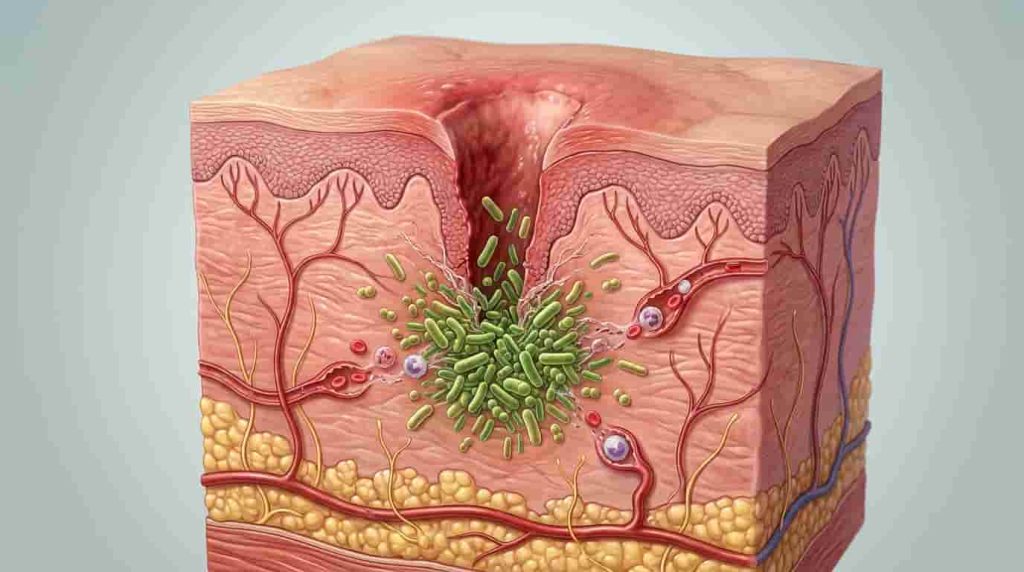
Cat bite infections develop quickly—often within 12 to 24 hours. Recognizing them early is vital for effective cat bite infection treatment.
Early Symptoms
- Increasing redness spreading away from the bite
- Localized swelling and tightness
- Throbbing pain that worsens rather than improves
- Skin that feels hot to the touch
Serious Symptoms
- Pus or cloudy discharge from the puncture site
- Fever and chills
- Red streaks extending from the wound toward the body
- Swollen lymph nodes (such as under the arm for hand bites)
- Reduced movement or numbness in the affected finger or limb
When Should You See a Doctor?
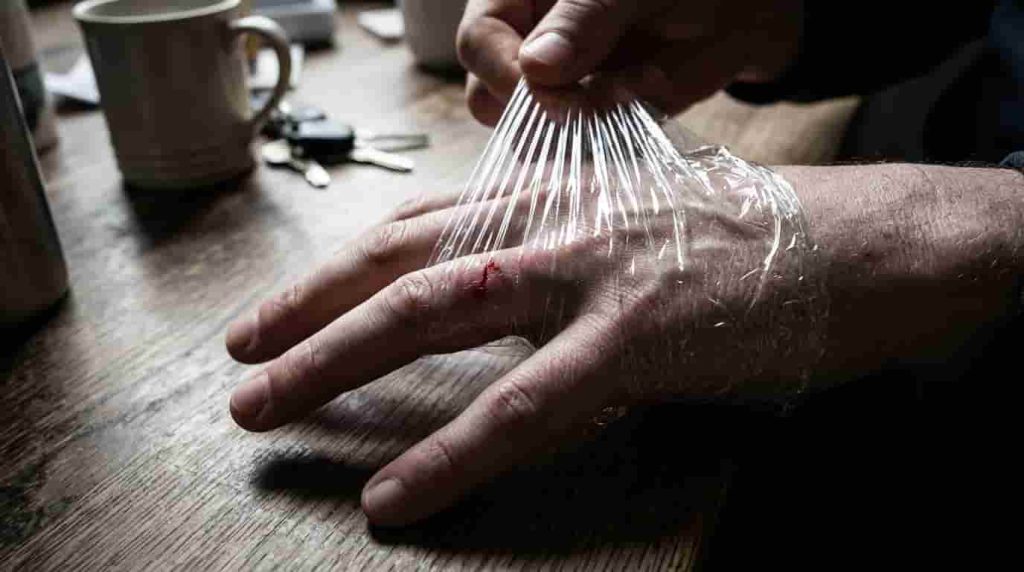
Medical attention is recommended for hand bites, face bites, deep punctures, bites over joints, persistent bleeding, fever, immune suppression, diabetes, or when dealing with an animal of unknown vaccination status.
🚨 Emergency Warning
Seek emergency care immediately if you experience:
- Rapidly spreading swelling or redness
- Severe, unmanageable pain
- Loss of movement, tingling, or numbness
- Difficulty breathing or dizziness
- High fever accompanying the injury
Medical Cat Bite Treatment

Antibiotics for Cat Bite
Doctors commonly prescribe prophylactic antibiotics for cat bite injuries—especially on the hands—because the risk of infection is exceptionally high.
- Always complete the full prescribed course of any antibiotic for cat bite therapy, even if the wound looks healed.
- Never self-prescribe antibiotics or use leftover medications from past illnesses.
Wound Care in the Clinic
- Irrigation: High-pressure saline irrigation to flush out hidden bacteria.
- Examination: Checking for tendon, nerve, or bone involvement.
- Dressing: Applying appropriate sterile barriers.
- Follow-up: Scheduling a recheck within 24 to 48 hours.
When Stitches May or May Not Be Used
Many puncture wounds are intentionally left open (unstitched) to allow drainage and prevent bacteria from getting trapped inside a sealed pocket of tissue.
Do You Need a Tetanus Shot or Rabies Vaccine?

Tetanus
A tetanus booster may be recommended if your last shot was given more than 5 years ago for a deep or dirty wound, or 10 years for a minor clean wound. Your vaccination history dictates whether a tetanus toxoid booster or immune globulin is necessary.
Rabies
Rabies risk depends on local public health guidance, the geography of the incident, and whether the cat is domestic, stray, or wild. Unprovoked bites from unfamiliar animals often prompt a 10-finding observation period or post-exposure prophylaxis assessment.
Internal Resource: Learn more about protocols in our guide on Cat Bite Rabies: Symptoms, Risks, Vaccines and When to Seek Help.
Special Situations That Need Extra Care
Cat Bite on the Hand
Hand bites have a significantly higher infection risk due to the close proximity of joints, tendons, and thin skin layers overlying bone.
Internal Resource: Read detailed guidance in Cat Bite on Hand: Symptoms, Treatment, Infection Risks and When to Worry.
Vulnerable Populations
Children, older adults, pregnant individuals, and people with weakened immune systems require immediate medical evaluation following any cat puncture wound, as their bodies may struggle to fight off aggressive feline-associated bacteria.
Recovery After a Cat Bite
- Healing Timeline: Minor surface irritation should improve within 48 hours of proper medical care, while deeper tissue recovery can take up to two weeks.
- Daily Care: Keep the area clean and dry, change dressings as instructed, and elevate the limb to reduce throbbing.
- Pain Management: Use over-the-counter pain relievers as advised by your physician.
- When to Return: Contact your doctor immediately if pain increases, red streaks appear, or fever develops.
How to Prevent Cat Bites
- Read feline body language (watch for flattened ears, twitching tails, or dilated pupils).
- Use safe handling techniques and avoid rough play with bare hands.
- Introduce new pets carefully and provide safe spaces for cats to retreat.
- Teach children respectful, gentle pet interaction.
Common Mistakes to Avoid After a Cat Bite

- Ignoring small punctures because they look harmless
- Waiting too long before cleaning or seeking care
- Skipping prescribed antibiotic doses
- Applying unsafe home remedies like butter or toothpaste
- Removing protective dressings too early
- Assuming indoor-only cats cannot transmit infection or bacteria
Is Cat Bite Treatment Different for Indoor and Outdoor Cats?
While outdoor cats carry a higher risk for environmental bacteria and wildlife-transmitted rabies, indoor-only cats still harbor dangerous oral bacteria (such as Pasteurella) in their mouths. A puncture wound from an indoor pet requires the same rigorous first aid and careful monitoring as one from an outdoor cat, though rabies risk assessment may vary based on local public health laws and the cat’s rabies vaccination status.
When Is A Cat Bite an Emergency?
- Severe, unstopping bleeding
- Deep puncture into joints or the palm of the hand
- Accompanying fever, chills, or dizziness
- Loss of movement or sensation in fingers
- Rapidly spreading redness or swelling
- Bites near the eyes or face
Conclusion
Immediate cleaning matters, but it is only the first step. Watch closely for infection, seek professional medical care when appropriate, and follow all prescribed treatment recommendations. When it comes to feline punctures, cat bite prevention and proactive care are always better than managing a severe secondary infection.
Have you or someone you know recently experienced a cat bite? Share your questions or experiences in the comments below!
Frequently Asked Questions
Yes. Because cat teeth are thin and sharp, they act like needles, driving bacteria deep beneath the skin while leaving a tiny surface wound that quickly seals shut. This traps bacteria inside, making even small punctures prone to rapid infection.
You should monitor a cat bite closely for at least 48 to 72 hours. However, infections can sometimes manifest up to several days after the incident, especially if bacteria affect deeper joints or tendons.
No. You should avoid swimming pools, hot tubs, lakes, and oceans until the wound is completely healed and closed. Submerging an open wound or healing puncture in water exposes it to aquatic bacteria and irritants, drastically raising infection risks.
Puncture wounds should generally be covered lightly with a clean, sterile, breathable bandage after thorough washing and antiseptic application to protect them from environmental dirt. Always follow specific instructions given by your healthcare provider.
A cat bite is healing normally if pain gradually subsides, local swelling and redness diminish day by day, and no pus, foul odor, red streaks, or fever develop.