Bombay Cat: Personality, Lifespan, Care, History and Facts
Introduction
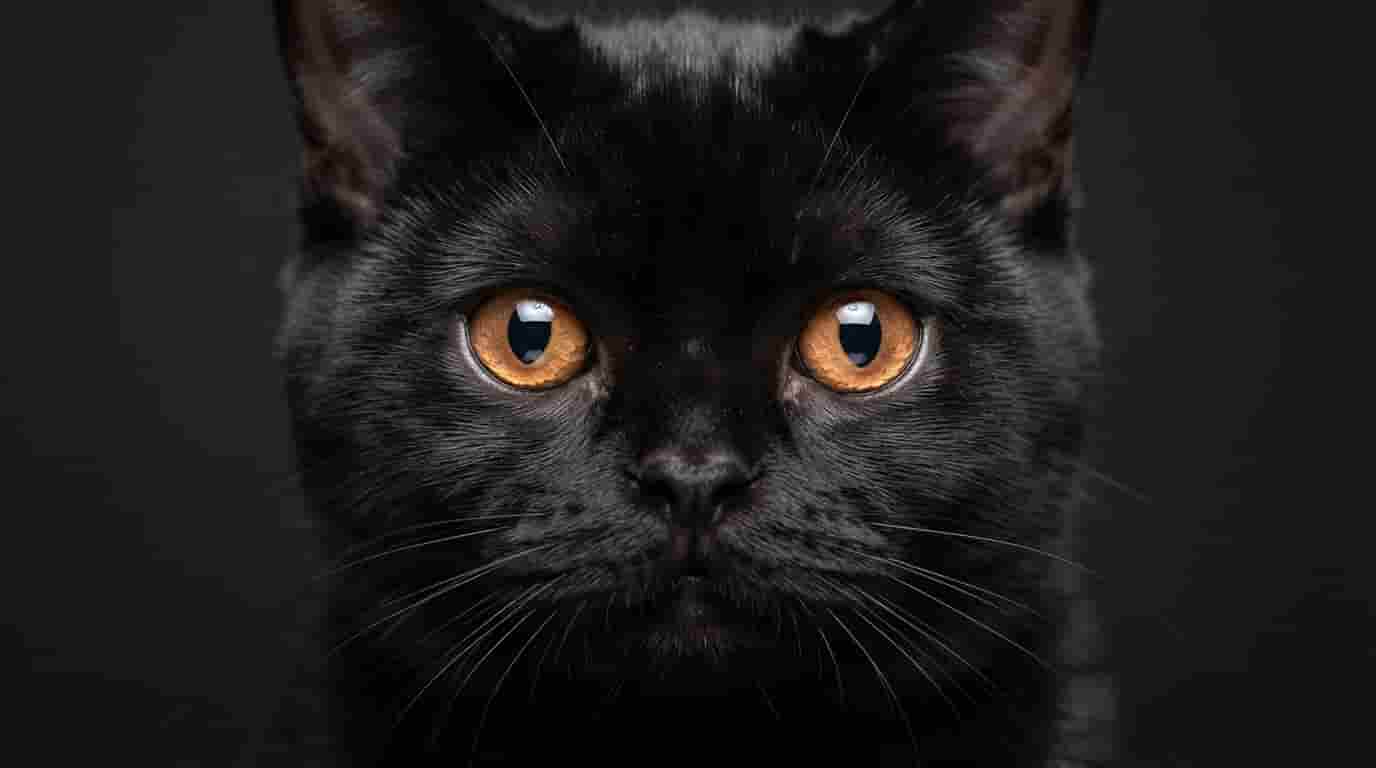
The Bombay Cat is a remarkable feline that instantly captures attention with its sleek, miniature-panther appearance and glowing golden eyes. Among all black cat breeds, the Bombay cat stands out due to its striking, glossy coat and exceptionally affectionate, dog-like personality. Whether you are captivated by its exotic look, high intelligence, moderate care needs, or impressive lifespan, this breed offers a wonderful blend of wild aesthetics and domestic warmth. In this comprehensive guide, you will learn about the history, temperament, health, grooming needs, and care requirements of the Bombay cat to help you determine if this cuddly companion is the right fit for your home.
What Is a Bombay Cat?

The Bombay Cat is a distinct, recognized purebred feline deliberately developed to resemble a miniature black panther. Created in the United States, this breed was engineered through the careful crossbreeding of American Shorthair cats and sable Burmese cats. Major cat registries, including The International Cat Association (TICA) and the Cat Fanciers’ Association (CFA), officially recognize the Bombay cat as a distinct breed with strict physical standards.
Many people mistakenly believe that any ordinary black cat is a Bombay cat. However, true Bombays possess specific genetic traits—such as jet-black paw pads, a distinct head shape, and brilliant copper-to-gold eyes—that set them apart from random-bred black Domestic Shorthair cats.
Bombay Cat History
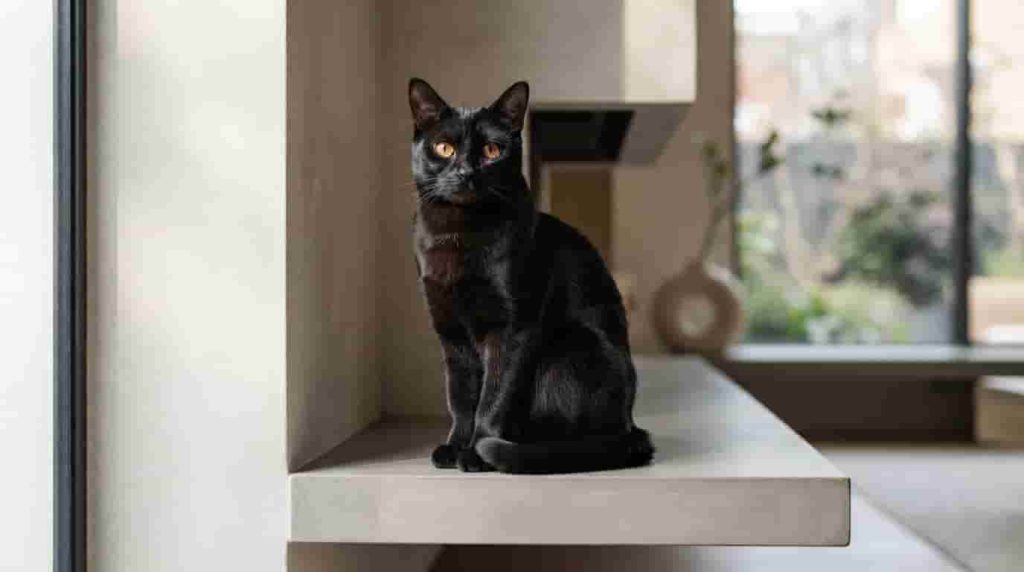
The development of the Bombay cat began in the 1950s in Louisville, Kentucky, led by a breeder named Nikki Horner. Her primary breeding goal was to create a domestic cat that captured the striking physical beauty of an Indian black leopard coupled with the affectionate, easygoing temperament of the Burmese.
After several experimental breeding programs, Horner successfully established the ideal combination of a coal-black, patent-leather coat, muscular build, and luminous copper eyes. The breed achieved official championship status with the CFA in 1976 and TICA later on, cementing its legacy among exotic cat breeds.
Bombay Cat Appearance
Bombay Cat Coat and Color
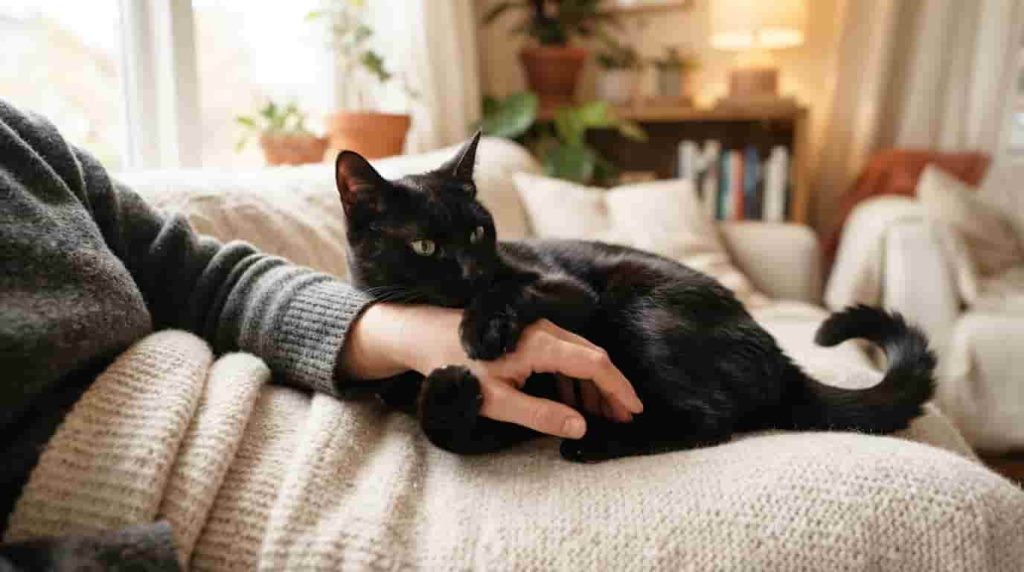
The Bombay cat is famous for its jet-black coat, which feels like fine satin and catches the light with a patent-leather sheen. Unlike some black cats whose fur turns reddish-brown in the sun, a true Bombay features dense black pigmentation from the roots to the tips. Their nose leather and paw pads are also solid black, completing the sleek midnight look.
Bombay Cat Eye Color
One of the most mesmerizing features of the Bombay cat is its eye color, which ranges from a rich, warm copper to deep gold. Green eyes are considered a fault in show standards. These luminous eyes contrast sharply against the dark face, giving the cat an intense, wise expression.
Bombay Cat Body Size
- Weight: Typically ranges from 8 to 12 pounds, with males generally larger than females.
- Height: Medium-sized build, standing roughly 9 to 11 inches tall.
- Muscle Tone: Surprisingly heavy for their size due to a sturdy, muscular frame and solid bone structure.
How to Tell If Your Cat Is a Bombay
To determine if a cat is a true Bombay rather than a standard black cat, look for key physical markers: a gently rounded head with a visible muzzle break (not a wedge), a medium-length muscular body, jet-black paw pads, and striking copper-to-gold eyes. True Bombay cat characteristics also include an exceptionally outgoing and social personality, which can often distinguish them from shyer random-bred cats.
Bombay Cat Personality and Temperament
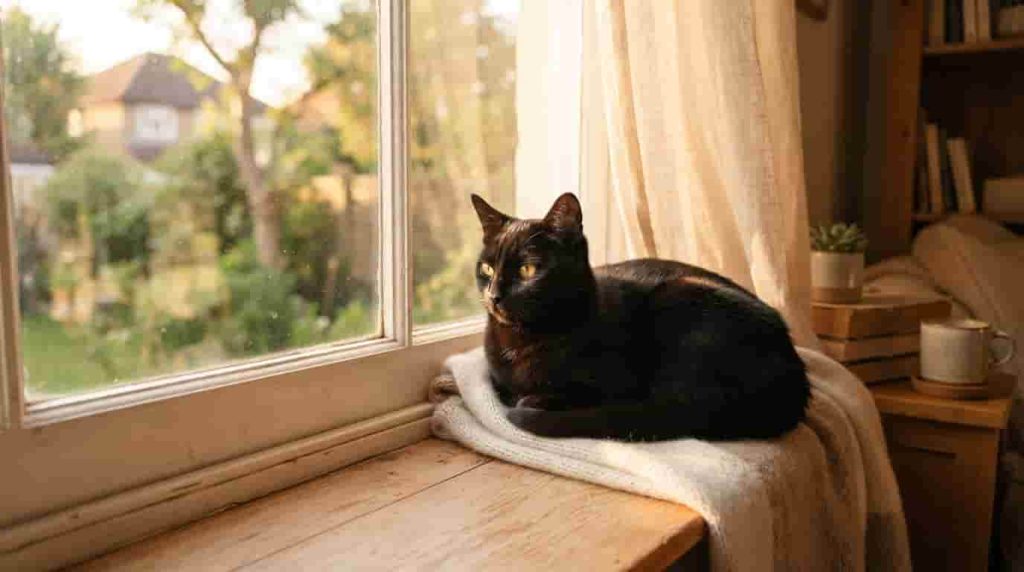
The Bombay cat temperament is legendary for being intensely people-oriented. Often referred to as “velcro cats,” Bombays thrive on human companionship and love to follow their owners from room to room. They possess an affectionate nature, making them fantastic cuddly companions who will happily curl up in your lap for hours.
These intelligent cats are naturally curious and love interactive play. They are vocal enough to communicate their desires—such as demanding dinner or attention—without being overly demanding. Because of their social disposition, they integrate wonderfully into family life. They do well with children, get along famously with cat-friendly dogs, and often enjoy the company of other feline friends.
- Hypothetical Example: Imagine coming home after a long day at work; your Bombay cat is already waiting by the front door, chirping a greeting, ready to ride on your shoulder or supervise whatever activity you start next.
Bombay Cat vs Black Cat: What’s the Difference?
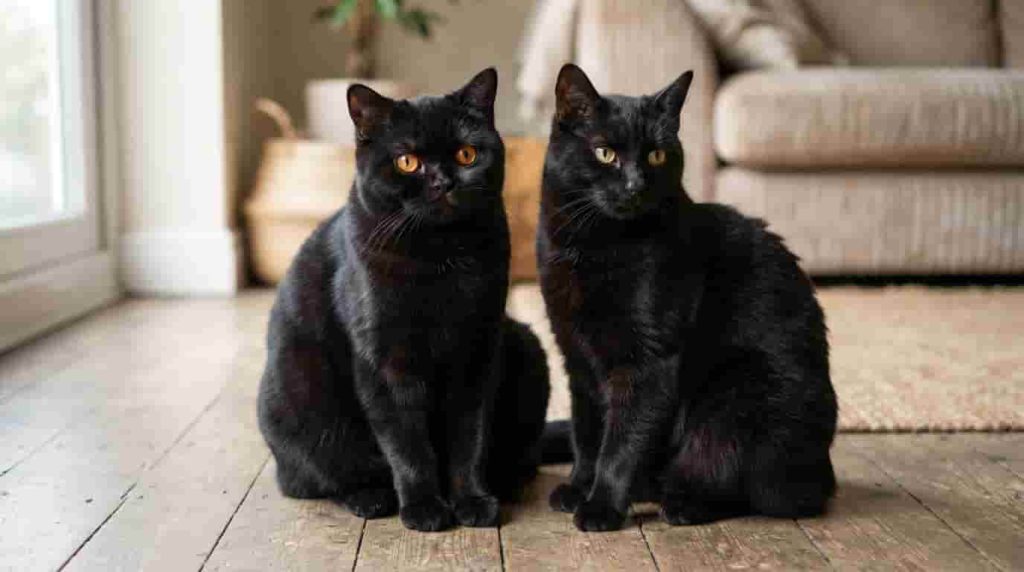
While all Bombay cats are black cats, not all black cats are Bombay cats. Understanding the differences helps clarify breed standards versus general feline genetics.
| Feature | Bombay Cat | Black Domestic Shorthair |
| Coat | Solid jet-black with a patent-leather gloss | Varies; can be solid, smoky, or show tabby ghost markings |
| Eyes | Deep copper or gold | Green, yellow, copper, or hazel |
| Personality | Highly affectionate, dog-like, and attention-seeking | Varies wildly from independent to social |
| Body | Muscular, medium-sized, surprisingly heavy | Varies widely based on mixed heritage |
| Recognition | Officially recognized purebred breed | Common mixed-breed cat |
Are Bombay Cats Rare?
Yes, true Bombay cats are considered relatively uncommon compared to random-bred domestic cats. Because they are a specialized purebred category, they are produced primarily by dedicated, registered breeders rather than being widely available in standard animal shelters. Finding a kitten often requires getting on a waiting list with a reputable breeder, though rare rescues do occasionally find their way into adoption networks.
Bombay Cat Lifespan
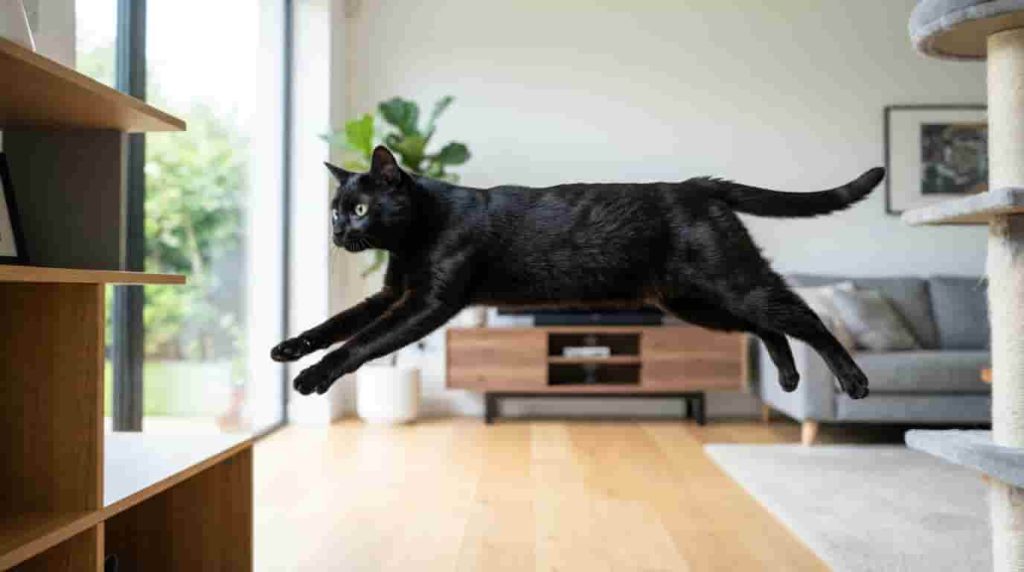
The average lifespan of a healthy Bombay cat ranges between 12 to 16 years, with many living well into their late teens when provided with proper care. Factors affecting longevity include genetics, a balanced diet, regular exercise, preventative veterinary care, and an indoor lifestyle. Keeping a Bombay indoors protects them from outdoor hazards such as traffic, infectious diseases, and predators, significantly improving their overall quality of life and life expectancy.
Bombay Cat Care Guide
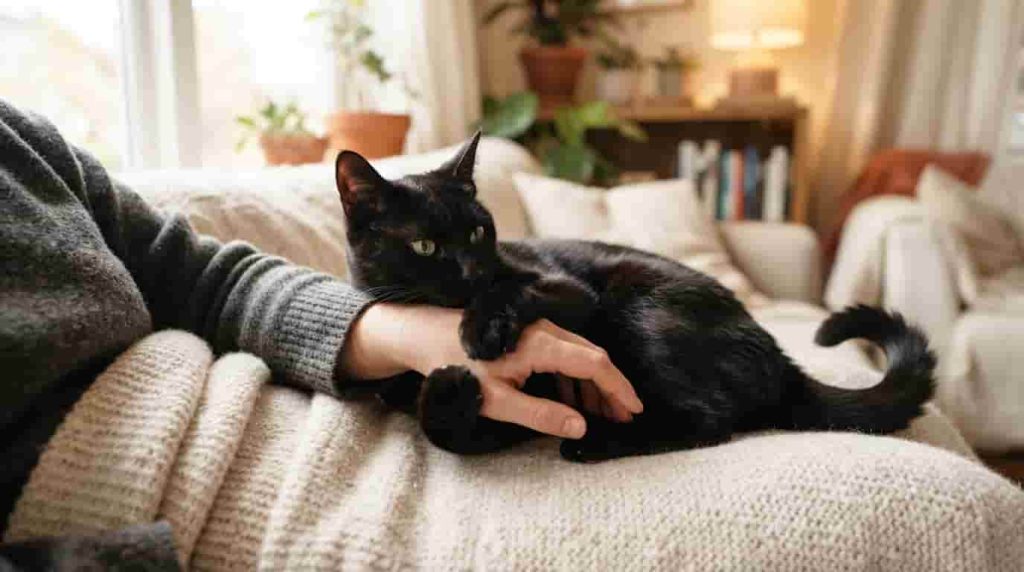
Providing optimal care ensures your Bombay cat stays healthy, active, and content throughout its long life.
Bombay Cat Grooming
Because of their short, close-lying coat, Bombay cat care is relatively straightforward. Weekly brushing with a soft-bristled brush or grooming mitt helps remove loose hairs and distributes natural oils for a glossy coat. Occasional baths are rarely necessary unless they get into something messy. Regular nail trimming, ear cleaning, and daily or weekly tooth brushing are essential components of their routine maintenance.
Bombay Cat Nutrition
Bombay cats have robust appetites and a tendency to put on weight if overfed. Provide a high-protein, balanced diet tailored to their life stage. Portion control is vital to prevent canine-like overeating and subsequent obesity, and always ensure fresh, clean water is readily available.
Bombay Cat Exercise
These active, athletic felines need daily stimulation. Incorporate interactive toys like feather wands, laser pointers, and automated puzzle feeders to keep their sharp minds and muscular bodies engaged. Providing vertical space like tall cat trees satisfies their desire to climb and survey their territory.
Bombay Cat Mental Stimulation
Due to their high intelligence, Bombays benefit greatly from clicker training, learning tricks, and playing hide-and-seek games. Interactive play sessions burn excess energy and strengthen the bond between you and your pet.
Bombay Cat Common Health Concerns
According to veterinary experts such as those at the Cornell Feline Health Center, the Bombay cat is generally a healthy and hardy breed. However, owners should remain mindful of a few potential health conditions:
- Hypertrophic Cardiomyopathy (HCM): A common heart muscle disease in cats that can be monitored through regular veterinary checkups.
- Respiratory Issues: Due to their slightly rounded facial structure, some individuals may be prone to mild upper respiratory or sinus issues, though not as severe as flat-faced brachycephalic breeds.
- Obesity: Their love for food makes them susceptible to weight gain, which can lead to joint strain and diabetes.
- Periodal Disease: Preventative dental care is crucial to avoid gum disease and tooth decay.
Consult a veterinarian immediately if you notice changes in breathing, sudden lethargy, or reluctance to eat.
Is a Bombay Cat Right for You?
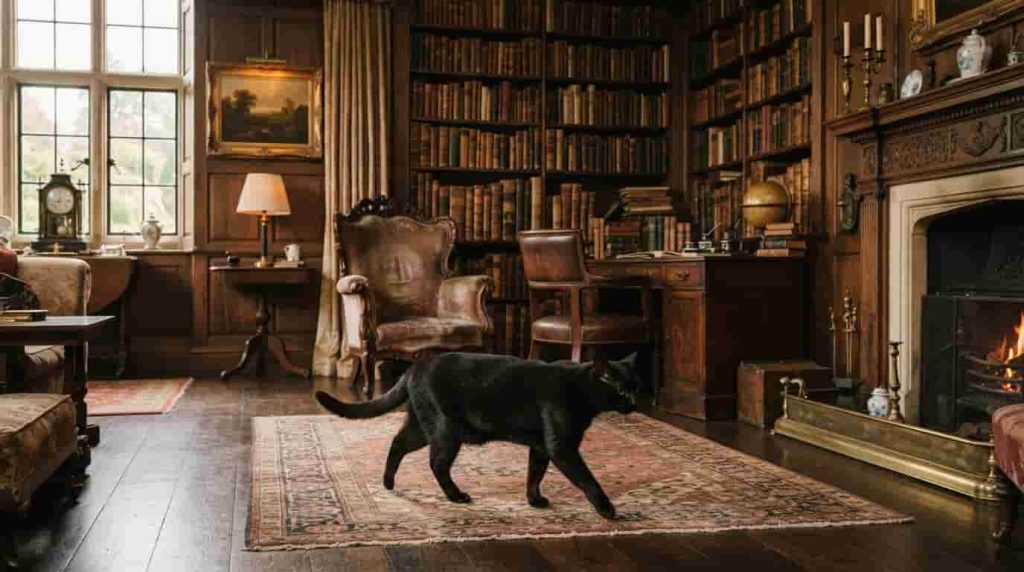
Owning a Bombay cat is a rewarding experience for the right household. They are ideal pets for families, retirees, or individuals who spend ample time at home and want an interactive, affectionate companion.
Not ideal for:
- People who are away from home for long work hours or extended periods frequently.
- Owners seeking a completely independent, hands-off pet that rarely demands attention.
Pros and Cons
- Pros: Highly affectionate, intelligent, easy to groom, gets along well with children and other pets, striking exotic look.
- Cons: Prone to separation anxiety if left alone too long, demands active engagement, can be vocal if ignored.
Bombay Cat Price and Adoption
The price of a purebred Bombay cat from a reputable breeder typically ranges from $500 to $1,500, depending on lineage, location, and show potential. Adoption through local shelters or breed-specific rescues is much less expensive, usually costing between $75 to $200. When buying from a breeder, always ask for health clearances, verify living conditions, and ensure the kitten has received initial vaccinations.
Similar Cat Breeds
If you love the characteristics of the Bombay cat, you may also appreciate these related breeds:
- Burmese Cat: Personality, Colors, Size, Care and History – The genetic foundation of the Bombay, known for similar clingy, affectionate temperaments and silky coats.
- Burmilla Cat: Personality, Colors, Health, Price and Care – A striking breed combining Burmese friendliness with stunning silver-shaded coats.
- Arabian Mau: Cat Breed Information, Personality, Care & History – A natural desert breed known for high intelligence, loyalty, and sleek, athletic builds.
Conclusion
The Bombay cat is a stunning feline companion that combines the dramatic look of a black panther with the loving heart of an indoor lap cat. With proper care, a balanced diet, and plenty of mental stimulation, these intelligent and friendly pets thrive for over a decade. Whether you are drawn to their glossy coat or their cuddly companion nature, the Bombay cat makes a wonderful addition to any loving household. Have you ever owned or met a Bombay cat? Share your thoughts, experiences, or questions in the comments below!
Frequently Asked Questions
Yes, most Bombay cats adore being held, cuddled, and carried around like babies. Their affectionate temperament means they actively seek out physical closeness with their human family members.
Bombay cats adapt exceptionally well to apartment living as long as they receive sufficient daily playtime and environmental enrichment. Their indoor-friendly nature makes them comfortable in compact spaces.
No, Bombay cats have very short, fine coats that shed minimally compared to long-haired breeds. Routine weekly brushing easily manages any loose hairs.
Bombay cats form strong attachments to their owners and can experience separation anxiety if left alone for excessively long hours. They do best in households where someone is home frequently or when paired with an animal companion.
Yes, their friendly temperament, high intelligence, and straightforward grooming needs make Bombay cats fantastic pets for beginners. They are eager to please and easy to understand.