Burmese Cat: Personality, Colors, Size, Care and History
Introduction
The Burmese Cat is widely celebrated as one of the most affectionate and dog-like breeds in the feline world. Have you ever wondered what it would be like to share your home with a cat that greets you enthusiastically at the front door, follows you from room to room, and insists on curling up in your lap the moment you sit down? If so, this remarkable breed might be your perfect match.
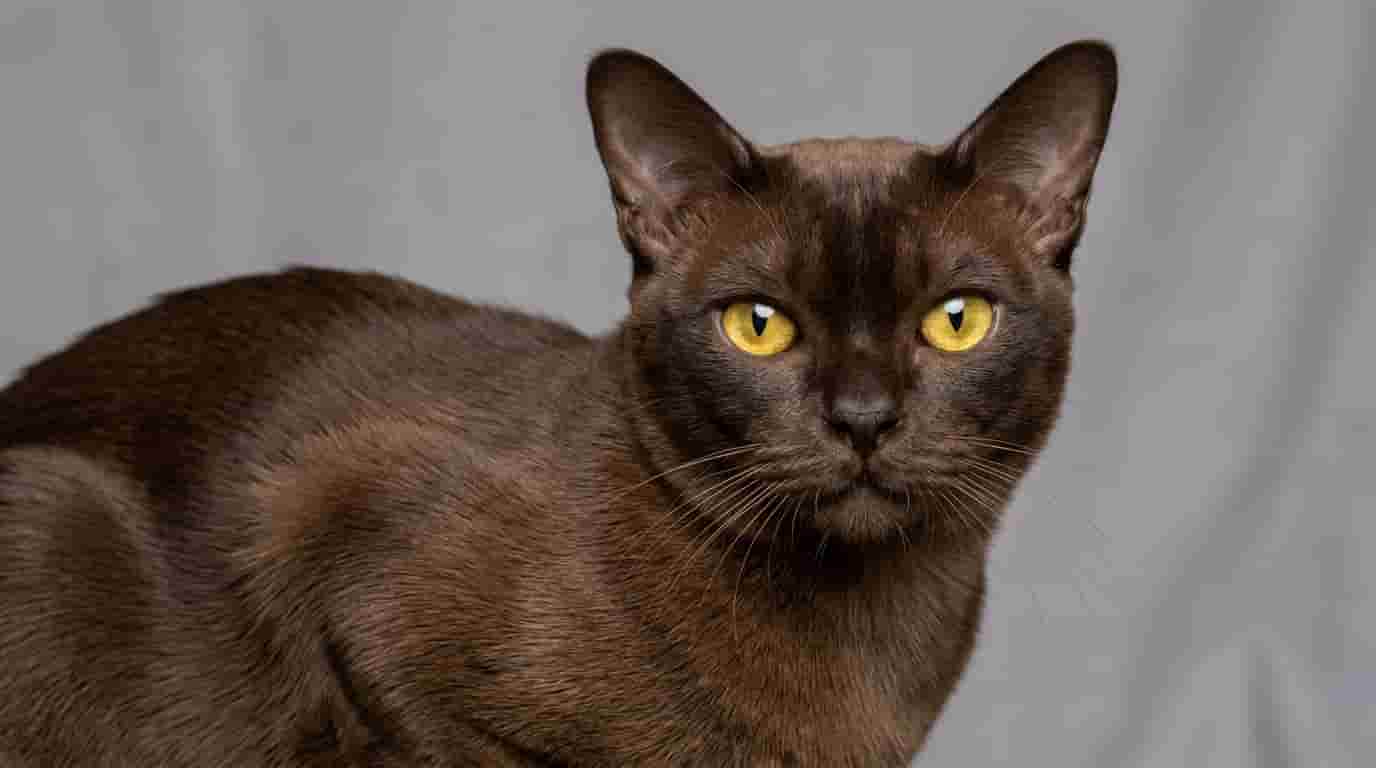
Known for their muscular bodies, silky coats, and soulful golden eyes, these cats possess a unique blend of elegance and playful warmth. Unlike more distant or independent felines, they form intense emotional bonds with their human family members, thriving on interactive play and daily companionship. Furthermore, their high intelligence allows them to adapt seamlessly to busy households, where they often act as the undisputed center of attention.
In this comprehensive guide, we will explore everything you need to know about this loyal breed. We will cover:
- Personality & Temperament: What daily life looks like with a social feline.
- History & Origins: From ancient Southeast Asian temples to modern cat registries.
- Appearance & Colors: Body structure, weight, and official coat variations.
- Care & Maintenance: Grooming, exercise requirements, and balanced nutrition.
- Health & Lifespan: Essential veterinary care and genetic considerations.
- Pet Suitability: Choosing between breeders, adoption, and deciding if this breed fits your lifestyle.
What Is a Burmese Cat?
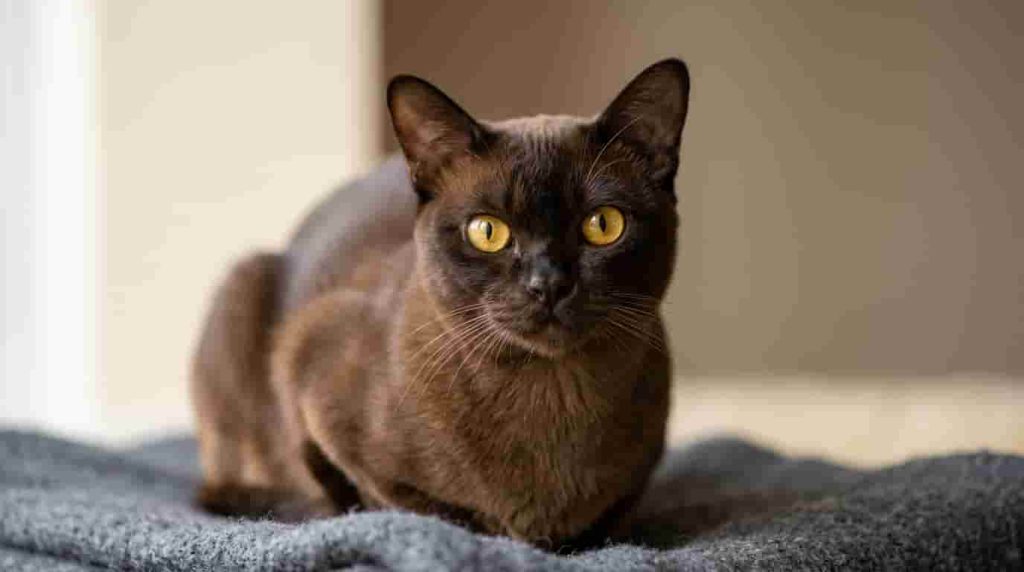
The Burmese is a medium-sized, short-haired domestic cat breed originating from Burma (now Myanmar) and refined in the United States and the United Kingdom. Famed for their compact build and expressive facial features, they are often described by cat fanciers as a “brick wrapped in silk” due to their surprisingly heavy, muscular body tucked beneath a smooth, short coat.
Classified under the short-hair category in major cat registries, their general temperament is intensely affectionate, inquisitive, and people-oriented. Unlike breeds that prefer solitary lounging, these cats actively seek out human interaction throughout their lives. Their enduring popularity stems from their gentle nature, high intelligence, and adaptability to vibrant family environments.
Quick Facts
| Feature | Details |
| Origin | Burma (Myanmar) / United States |
| Average Weight | Males: 8 – 12 lbs |
| Lifespan | 12 – 18 years |
| Coat Type | Short, fine, satin-like texture |
| Coat Colors | Sable (Brown), Champagne, Blue, Platinum (American Standard) |
| Activity Level | High (Playful & Energetic) |
| Grooming Needs | Low (Weekly brushing) |
| Family Friendliness | Excellent (Great with kids and other pets) |
Burmese Cat History
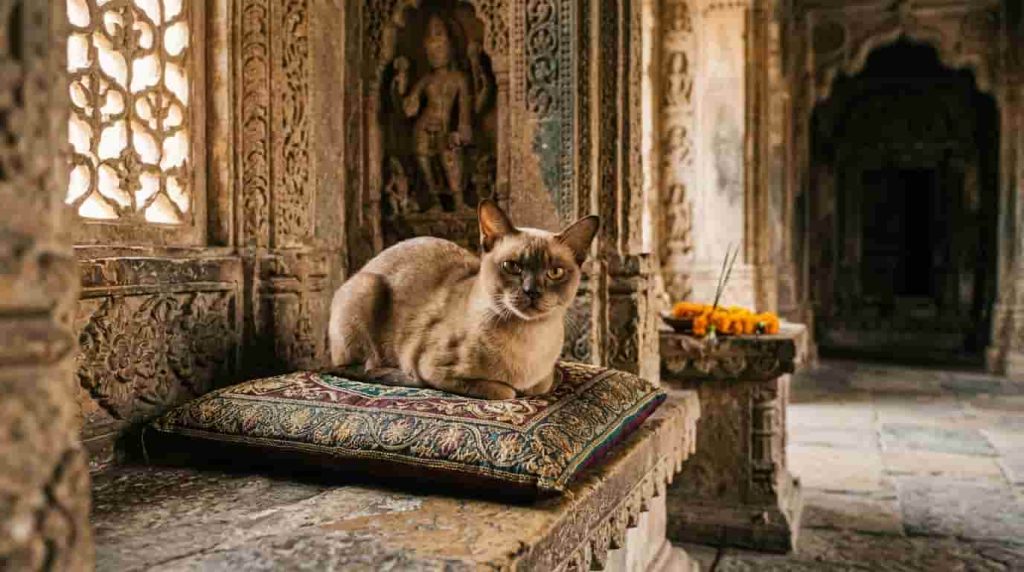
The origin of the breed traces back centuries to Southeast Asia, where dark brown cats were revered in Burmese temples and royal courts. Historical manuscripts like the Tamra Maew (Cat-Book Poems) from Siam (Thailand) depict sleek, brown felines living alongside monks and nobility.
The modern Western history of the breed began in 1930 when Dr. Joseph Thompson of San Francisco brought a single walnut-brown female cat named Wong Mau from Burma to the United States. Recognizing her unique genetics, Dr. Thompson collaborated with geneticists and breeders to establish a formal breeding program. Wong Mau was crossed with a Seal Point Siamese, giving rise to the distinct, rich brown coat color known today as “Sable.”
The Cat Fanciers’ Association (CFA) officially recognized the breed in 1936, though registration was briefly suspended in the 1940s to eliminate excessive Siamese hybridization. By 1957, standards were re-established, securing the breed’s place in cat fancy. Over time, European breeders crossed the cat with Siamese and domestic shorthairs to create the European Burmese, which features a slightly sleeker wedge head and additional coat colors.
The genetics of this feline went on to inspire other beloved breeds. For instance, crossing them with American Shorthairs created the shiny, black Bombay Cat: Personality, Lifespan, Care, History and Facts, while accidental crosses with Chinchilla Persians produced the stunning Burmilla Cat: Personality, Colors, Health, Price and Care.
Burmese Cat Appearance
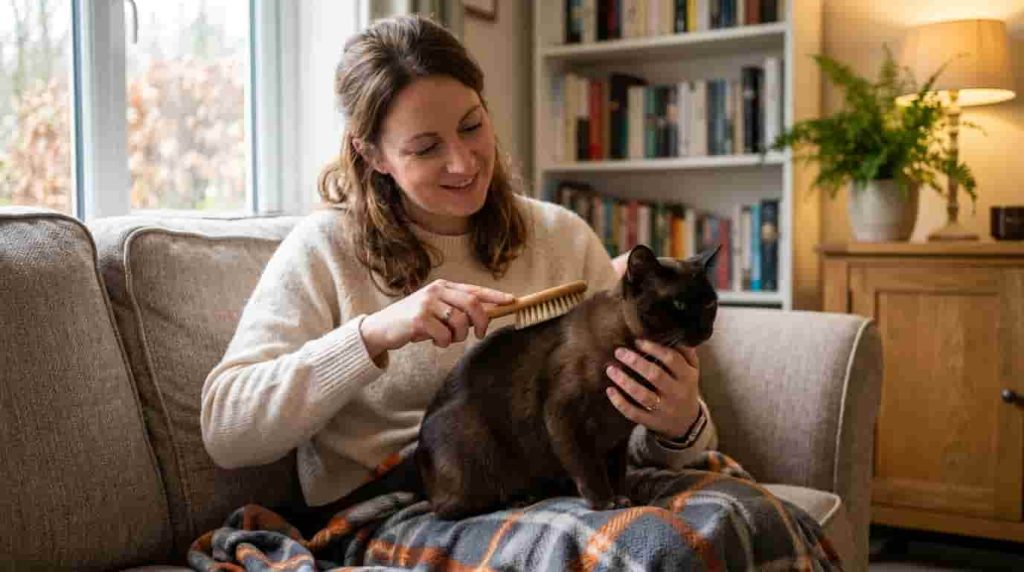
Size and Body Structure
Despite their medium overall size, these cats feel surprisingly heavy when picked up. This characteristic build—dense muscle over a sturdy bone structure—earns them their reputation for compact strength.
- Head Shape: American standards call for a short, broad head with rounded contours and a well-developed muzzle. European standards favor a subtle wedge shape.
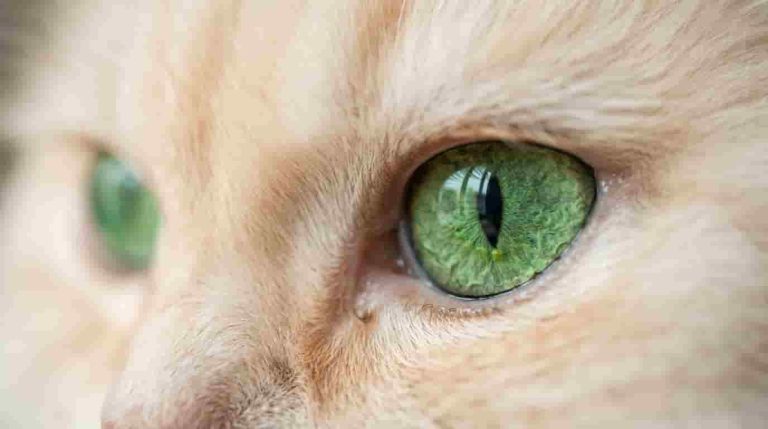
- Eyes: Large, rounded, set far apart, ranging in color from deep yellow to warm gold.
- Ears: Medium-sized, wide at the base, with slightly rounded tips tilted slightly forward.
- Tail: Straight, medium length, tapering to a rounded tip.
Burmese Cat Colors
Depending on the registry standard (American CFA/TICA vs. European GCCF/FIFe), recognized coat colors vary. Under the North American standard, four primary coat colors are officially recognized:
- Sable (Brown): The original and most famous color. A deep, rich chestnut brown with dark brown nose leather and paw pads.
- Champagne (Chocolate): A warm honey-beige body color with medium brown shading on the face and extremities.
- Blue: A warm, soft blue-gray coat with silver undertones and slate-gray nose leather.
- Platinum (Lilac): A pale, silvery-gray shade with warm pink or fawn undertones.
Registry Note: European registries accept additional shades, including Red, Cream, Brown Tortie, Blue Tortie, Chocolate Tortie, and Lilac Tortie.
Burmese Cat Personality
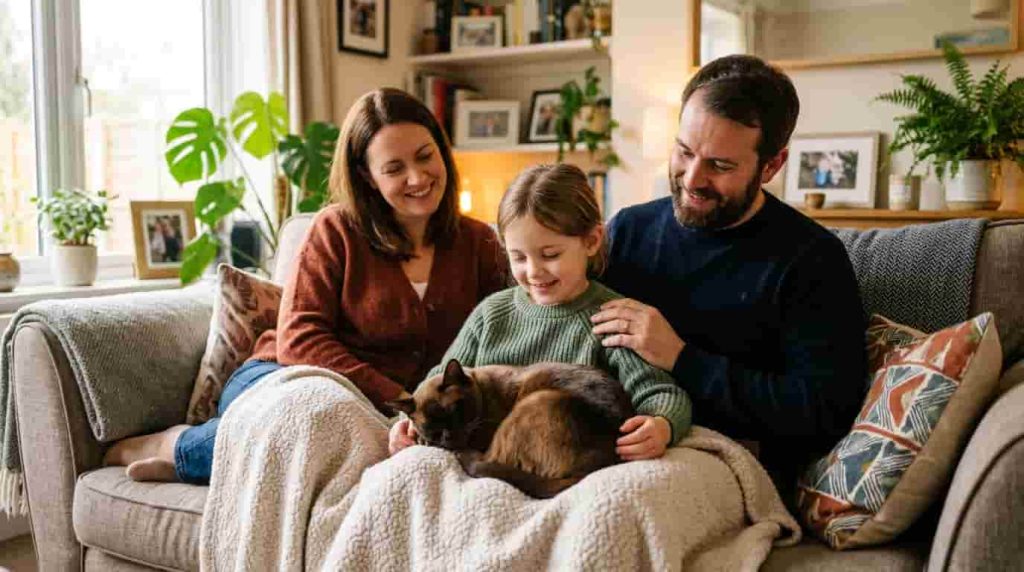
Owners frequently describe this breed as a devoted companion who acts more like a dog than a traditional cat. They are intensely social, deeply affectionate, and highly interactive.
- Affection & Attachment: They love physical closeness. They will comfortably sit on your lap, ride on your shoulders, or sleep under the covers beside you.
- Intelligence & Curiosity: Exceptionally smart, they quickly learn to open cabinets, fetch toys, and solve puzzle feeders.
- Playfulness: They retain a kitten-like enthusiasm well into their senior years, enjoying games of chase and fetch.
- Vocalization: While vocal like their Siamese ancestors, their voice is considerably softer, lower, and more sweet-sounding.
- Social Compatibility: They thrive in busy households and display remarkable patience with children, making them ideal family pets.
A Day in the Life:
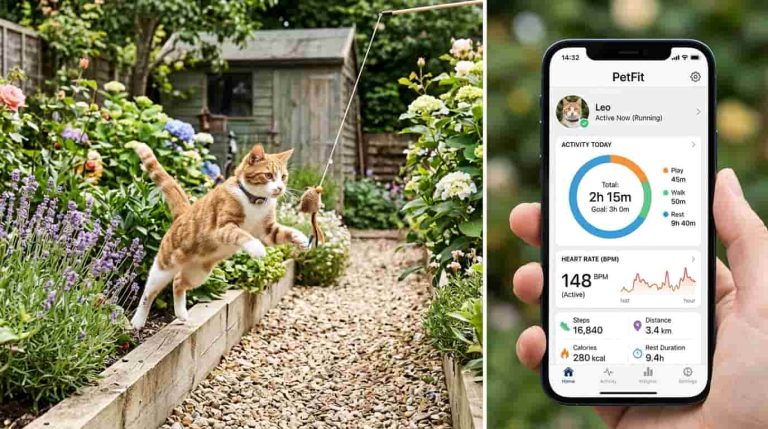
Imagine coming home after a long workday. As your key turns in the door, Leo the Burmese cat trots up to meet you with a soft chirp. He doesn’t just wait for dinner; he insists on sitting directly on your lap while you untie your shoes, purring steadily as he inspects your day’s belongings.
Are Burmese Cats Good Pets?
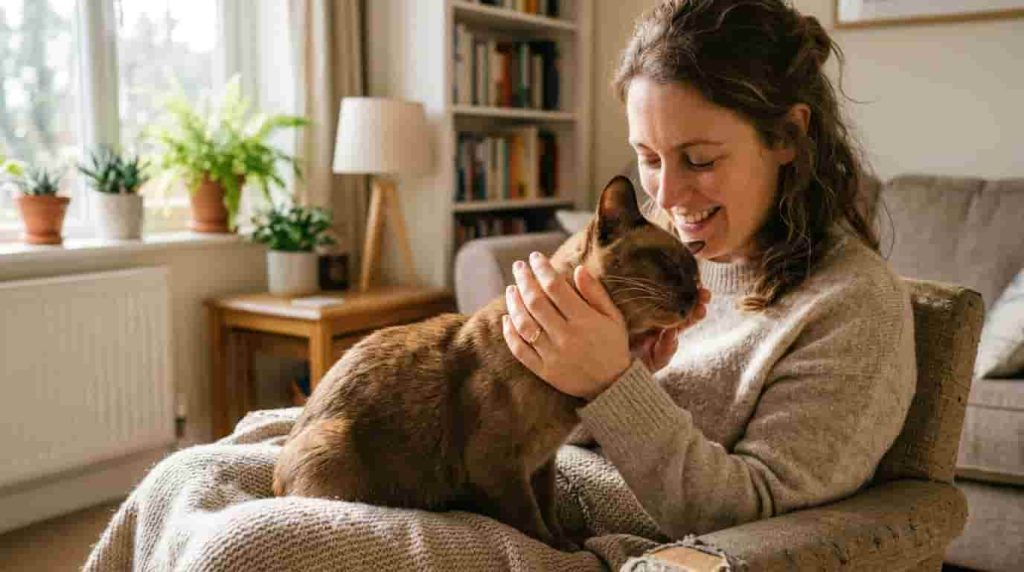
These cats make extraordinary companions, but their intense need for human interaction means they aren’t ideal for every home environment. Contrast their needy nature with more self-reliant breeds like the desert-adapted Arabian Mau: Cat Breed Information, Personality, Care & History, and you see how different feline temperaments can be.
Ideal For:
- Families with Children: Their playful, tolerant nature stands up well to busy households.
- Singles Working from Home: Perfect for those who want a constant desk companion.
- Seniors: Highly affectionate lap cats that offer steady companionship.
- Multi-Pet Homes: They adjust quickly to cat-friendly dogs and other feline companions.
Potential Challenges:
- Separation Anxiety: They suffer if left alone for long periods without human or animal companionship.
- High Need for Attention: They may turn to destructive behavior if ignored or under-stimulated.
Pros and Cons
| Pros | Cons |
| Deeply loving and loyal | Dislikes being left alone |
| Low grooming maintenance | Demands consistent attention |
| Great with kids and other pets | Prone to vocalizing when lonely |
| Highly trainable and intelligent | Requires continuous mental stimulation |
Burmese Cats vs Siamese
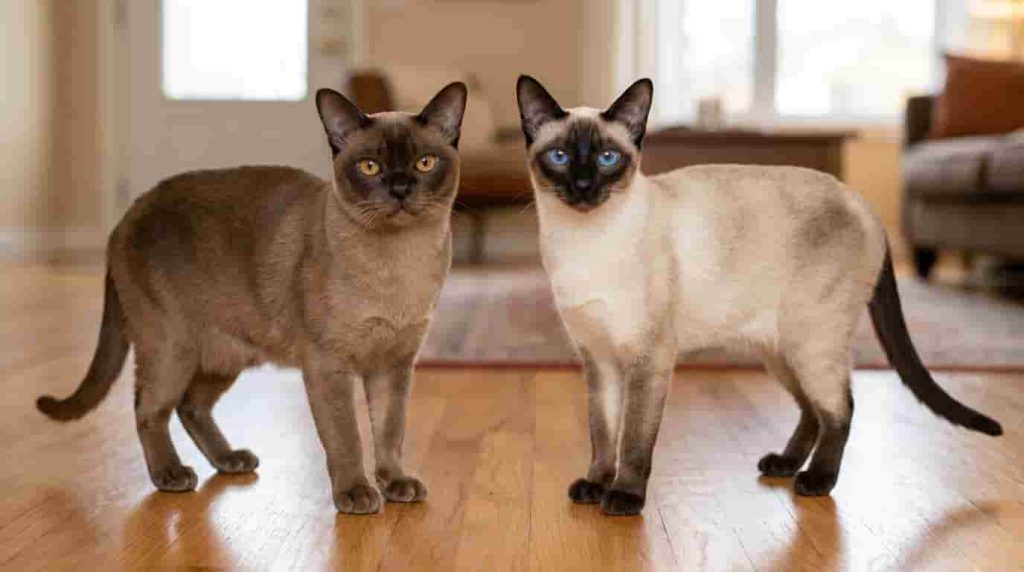
While both breeds share ancient origins in Southeast Asia, their physical structures and personality traits have diverged significantly over decades of selective breeding.
| Feature | Burmese Cat | Siamese Cat |
| Origin | Burma / USA | Thailand (Siam) |
| Appearance | Compact, muscular, rounded head | Sleek, angular, wedge-shaped head |
| Coat Pattern | Solid sepia tone, short, satin-like | Pointed pattern (darker mask/ears/paws) |
| Personality | Lap-seeking, affectionate, puppy-like | Highly vocal, demanding, intense loyalty |
| Vocalization | Soft, raspy chirps and purrs | Loud, sharp, persistent meows |
| Activity Level | High (Playful & cuddly) | Very High (Acrobatic & restless) |
| Grooming | Low (Weekly brushing) | Low (Weekly brushing) |
Which should you choose? If you prefer a solid, heavy-set lap cat with a gentle voice and affectionate temperament, choose the Burmese Cat. If you prefer an angular, vocal feline with striking pointed markings and high energy, the Siamese may suit you better.
Burmese Cat Care
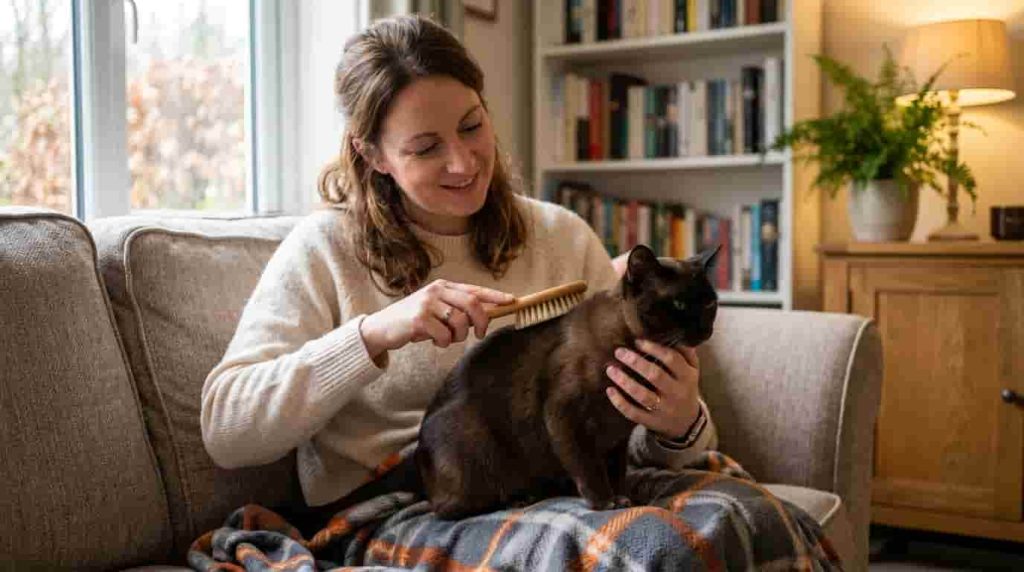
Burmese Cat Grooming
Thanks to their short, fine coat with minimal undercoat, grooming care is simple:
- Brushing: Use a rubber curry brush or soft-bristle brush once a week to remove loose fur and distribute natural skin oils.
- Bathing: Rare. Only bathe if they get into something sticky or dirty.
- Nail Trimming: Trim the tips of their claws every two to three weeks using cat-safe clippers.
- Ear Care: Check ears weekly for dirt or wax build-up. Wipe with a damp cotton ball using a vet-approved cleanser.
- Dental Care: Brush their teeth several times a week using feline-formulated toothpaste to guard against periodontal disease.
Burmese Cat Exercise
Keep your cat physically fit with a mix of structured play and environmental enrichment:
- Interactive Play: Dedicate 15–30 minutes daily to games with wand toys, feather teasers, or fetch balls.
- Climbing Structures: Provide tall cat trees, window perches, and wall shelves to satisfy their climbing instincts.
- Puzzle Toys: Use food puzzles to engage their active minds during mealtime.
Burmese Cat Nutrition
- Balanced Diet: Feed high-quality wet or dry cat food formulated to meet standards set by the Association of American Feed Control Officials (AAFCO). High-protein wet food helps preserve lean muscle mass.
- Fresh Water: Provide clean, fresh water daily. Feline water fountains are excellent for encouraging adequate hydration.
- Portion Control: Monitor daily caloric intake carefully. Because these cats are dense and food-motivated, overfeeding can quickly lead to obesity.
Burmese Cat Health Concerns
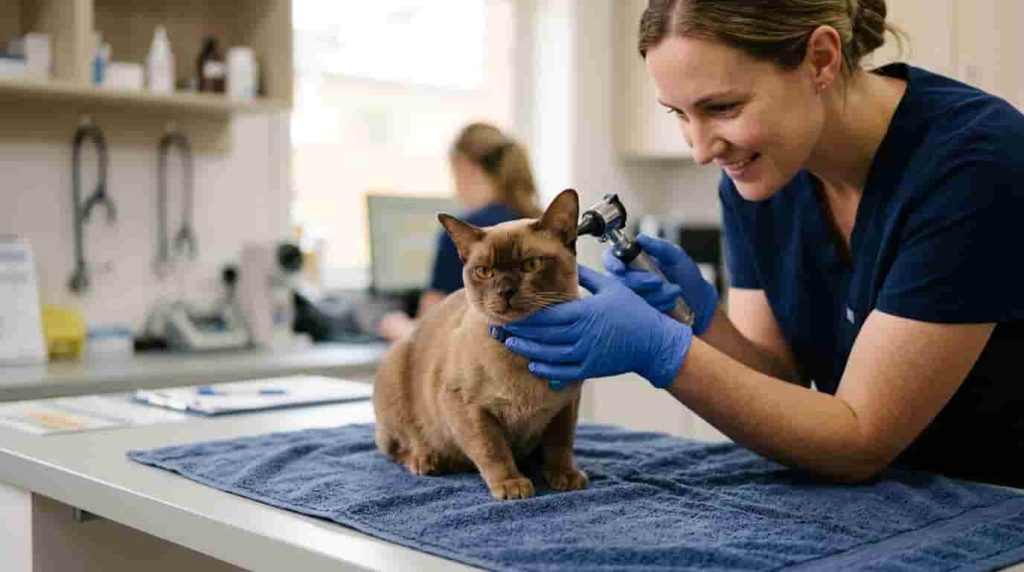
While generally a healthy and long-lived breed, they are susceptible to a few inherited conditions and general feline health issues. Working with responsible breeders and scheduling regular veterinary care helps lower these risks.
Key health considerations include:
- Hypokalemia (Familial Periodic Paralysis): A genetic condition causing low potassium levels in blood, leading to muscle weakness. Genetic testing can identify carriers.
- GM2 Gangliosidosis: A fatal hereditary neurological disorder affecting enzyme storage. Responsible breeders screen parent cats using DNA tests.
- Diabetes Mellitus: Research published by Cornell Feline Health Center indicates a slightly higher incidence of diabetes in European lines. Managing weight through proper diet reduces this risk.
- Cranial Facial Defect: A developmental issue seen in certain American lines; ethical breeding standards have significantly reduced its prevalence.
Always consult a qualified veterinarian for routine health checks, vaccinations, and preventative care tailored to your cat.
Burmese Kittens
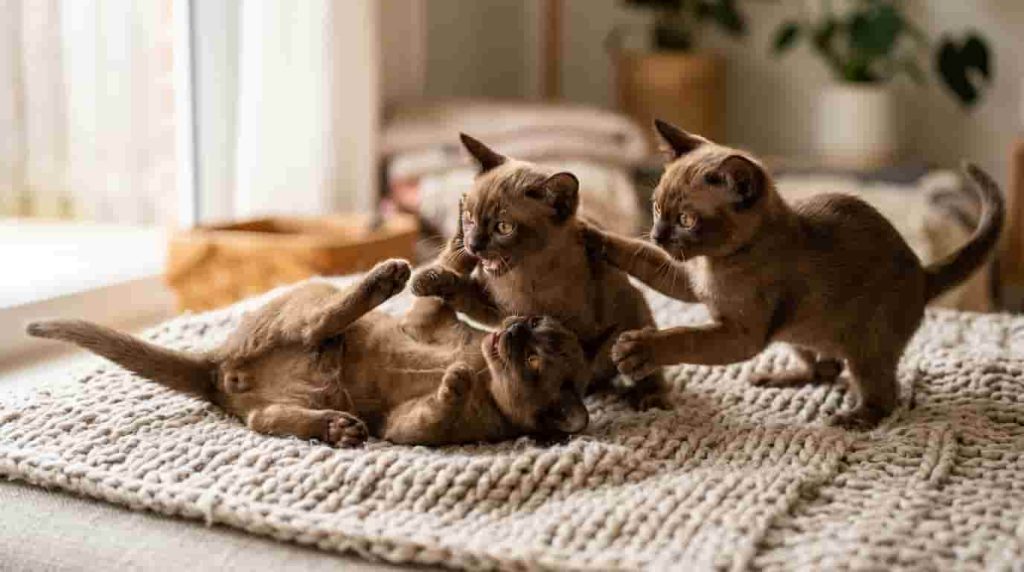
Bringing home a kitten requires thoughtful preparation to ensure a smooth transition:
- Early Socialization: Expose young kittens to gentle handling, diverse household noises, and new visitors early on.
- Kitten-Proofing: Secure loose electrical cords, hide small ingestible objects, and remove toxic indoor plants (such as lilies).
- Nutrition: Feed a high-protein, DHA-fortified kitten food to support growth and brain development until 12 months of age.
- Vet Visits: Schedule initial vaccinations, microchipping, stool checks, and plan for spaying/neutering around 5 to 6 months of age.
- Finding a Responsible Breeder: Look for breeders registered with the Cat Fanciers’ Association (CFA) Breed Standards or The International Cat Association (TICA). Ethical breeders provide health guarantees, DNA testing proof, and keep kittens with their mother for at least 12 to 14 weeks.
Burmese Cat Adoption and Cost
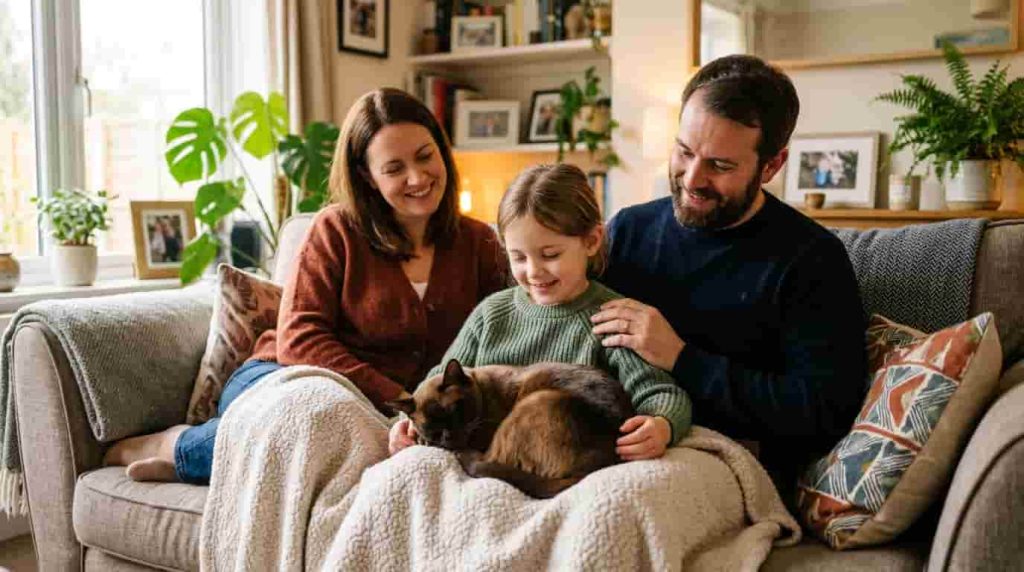
The cost of acquiring a cat varies significantly based on several key factors:
- Breeder Costs: Purchasing a kitten from a reputable breeder generally ranges from $1,000 to $2,500+, depending on pedigree, show quality, location, and genetic health testing included.
- Adoption Fees: Adopting through a local shelter or breed-specific rescue typically costs between $75 and $200, which usually covers initial vaccinations, microchipping, and spaying/neutering.
- Ongoing Expenses: Prospective owners should budget for high-quality food, litter, routine veterinary visits, scratch posts, pet insurance, and interactive toys.
Is a Burmese Cat Right for You?
Use this decision checklist to evaluate whether this breed matches your home and routine:
A good match if you:
- [x] Want a social companion who loves laps and personal interaction.
- [x] Have time for daily play, cuddling, and mental stimulation.
- [x] Enjoy an active, curious cat that stays energetic for years.
- [x] Live in a multi-pet or active family household.
Consider another breed if you:
- [ ] Spend long hours away from home without other pets present.
- [ ] Prefer an independent feline that keeps to itself.
- [ ] Want a quiet, low-interaction animal companion.
Conclusion
The Burmese Cat is a deeply loving, intelligent, and striking companion. With their rich sable, champagne, blue, or platinum coats, compact muscular build, and expressive eyes, they stand out in any home. Their short coat makes grooming effortless, leaving you more time to focus on interactive play, training, and lap time.
If you can provide a home filled with love, playfulness, and attention, the Burmese Cat will repay you with a lifetime of loyalty and warmth. Furthermore, their unwavering devotion ensures that you will never feel lonely once they settle into your daily routine.
Do you share your home with a Burmese cat, or are you planning to adopt one soon? Share your stories and questions in the comments below!
FAQ Section
Yes, they usually get along very well with cat-friendly dogs. Their confident and curious nature helps them integrate smoothly into multi-pet homes.
Yes, they thrive in apartments as long as they get enough interactive play, climbing structures, and human companionship to keep them active.
They need around 15 to 30 minutes of intentional, interactive play each day using wand toys, fetch balls, or puzzle feeders.
Adult cats should see a veterinarian once a year for a general checkup. Senior cats (ages 10 and up) benefit from twice-yearly visits.
Provide puzzle feeders, teach them simple trick commands, set up window perches, and offer cat trees to keep their sharp minds busy.