
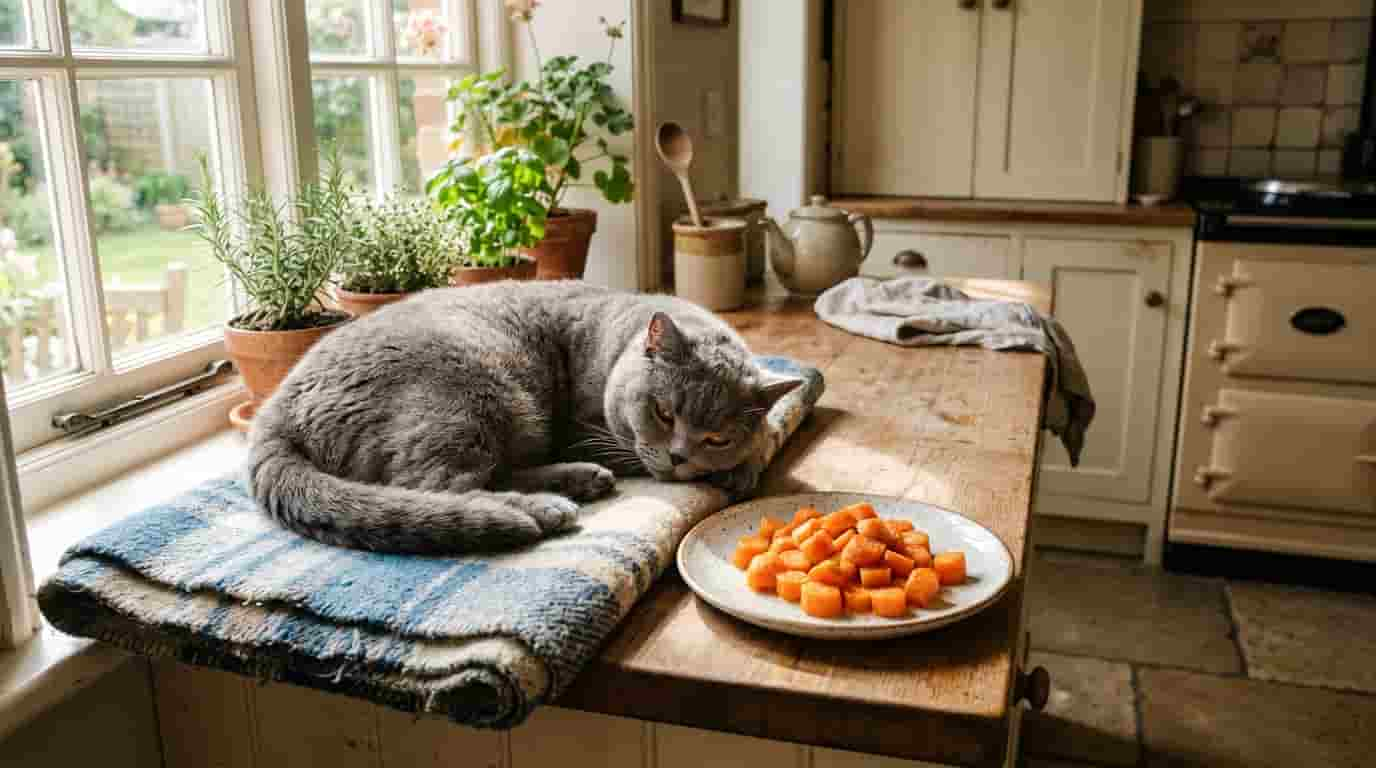
Can Cats Eat Carrots? Raw, Cooked and Safe Ways to Serve Them
Introduction:
Can cats eat carrots? The short answer is yes: plain, unseasoned carrots can generally be offered to cats in small amounts as an occasional treat. While carrots are not toxic to felines, cats have fundamentally different nutritional requirements from humans. As obligate carnivores, cats rely primarily on animal protein and fat for their daily nutritional needs, meaning vegetables like carrots are strictly optional additions rather than essential components of a healthy cat diet.
When serving carrots to your cat, the method of preparation, portion size, and overall dietary context are critical. Raw carrots present potential choking hazards and can be tough for a cat’s jaw to break down, whereas cooked carrots are much easier to digest. Understanding how to safely prepare and serve carrots—and knowing when to avoid them—ensures you can treat your pet without causing gastrointestinal distress.
In this guide, we will explore:
- The safety profile of raw vs. cooked carrots
- The potential health benefits and limitations for felines
- Step-by-step instructions for safe preparation
- Guidelines for kittens and senior cats
- Common feeding mistakes and signs of digestive intolerance
- When to consult your veterinarian
Can Cats Eat Carrots Safely?
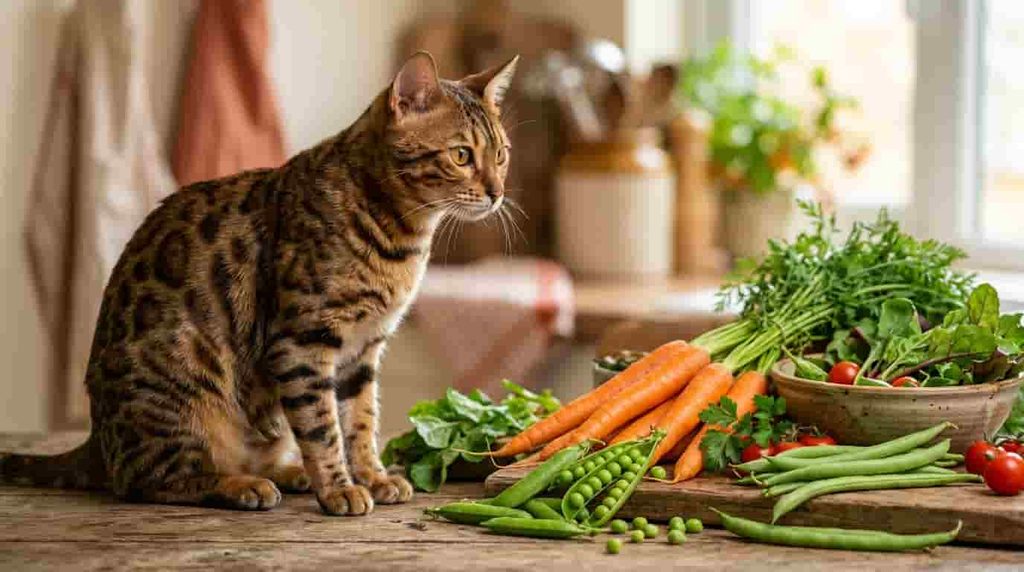
Are carrots safe for cats?
Plain, fresh carrots are safe and non-toxic for cats. They do not contain compounds that are harmful to feline physiology, unlike onions, garlic, or chives. However, “safe” does not mean carrots should form a major part of your cat’s regular meals.
A cat eating a tiny bite of plain, soft carrot is very different from a cat consuming human dishes that contain carrots. Prepared human foods often include added salt, butter, garlic, onions, heavy oils, or seasonings that can cause severe gastrointestinal upset or toxicity. Carrots must always be served entirely plain and in moderation.
Can cats eat carrots raw?
Cats can eat raw carrots, but raw preparation requires extra care. Raw carrots are firm and crunchy, making them difficult for a cat’s teeth and jaws to break down into digestible pieces.
The primary risk associated with raw carrots is choking or gastrointestinal obstruction. If a cat swallows a hard chunk of raw carrot whole, it can lodge in the esophagus or block the intestinal tract. If you choose to offer raw carrots, they must be shaved into thin ribbons or grated finely rather than cut into thick coins or large chunks.
Can cats eat carrots cooked?
Plain cooked carrots are by far the safest and most manageable option for cats. Steaming or boiling carrots breaks down tough plant fibers, creating a soft texture that is easy to chew and digest.
When cooking carrots for your cat, steam or boil them in plain water. Do not add butter, cooking oils, salt, spices, broth with added sodium, or aromatics like garlic and onion. Allow cooked carrots to cool completely to room temperature before serving to prevent oral burns.
Do Carrots Provide Health Benefits for Cats?
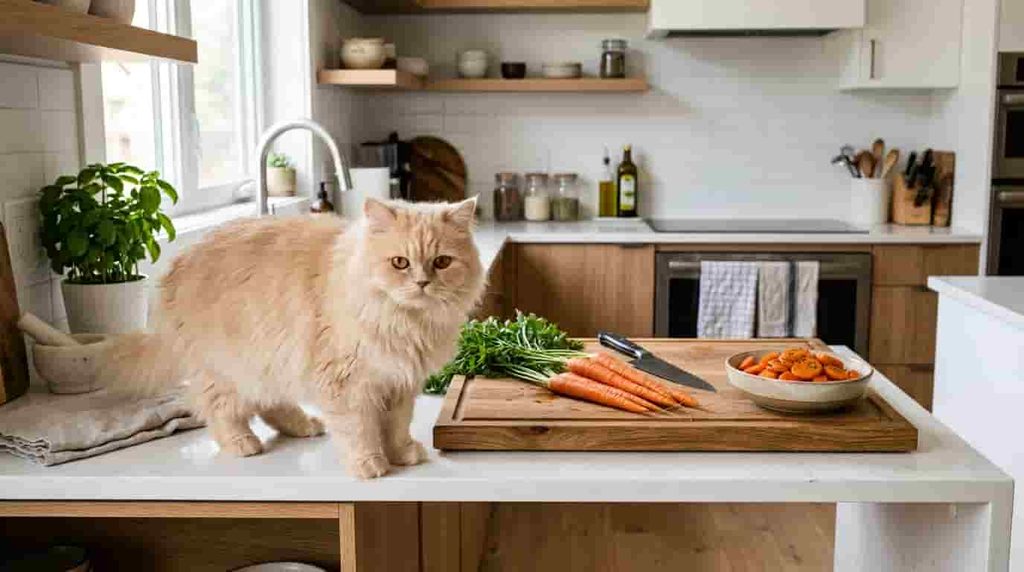
While carrots are praised in human nutrition for their dense vitamin and fiber profile, feline digestive systems operate quite differently.
What nutrients do carrots provide?
At a general nutritional level, carrots contain:
- Beta-Carotene (Vitamin A precursor): Carrots are high in beta-carotene. However, unlike humans and dogs, cats lack the enzyme (beta-carotene 15,15′-dioxygenase) required to efficiently convert beta-carotene into active Vitamin A. Cats must obtain preformed Vitamin A (retinol) directly from animal tissues.
- Dietary Fiber: Carrots contain both soluble and insoluble fiber, which can aid bowel motility in small quantities.
- Carbohydrates: Carrots contain natural plant sugars and complex carbohydrates. Since cats have a limited capacity to process large amounts of carbohydrates, portions must stay small.
- Water Content: Fresh carrots have high moisture content, offering slight hydration support.
Can carrots support a healthy cat diet?
Carrots can serve as an occasional low-calorie treat, but they are not necessary for a balanced feline diet. Commercial cat foods formulated to meet AAFCO (Association of American Feed Control Officials) standards already provide all the complete and balanced nutrition a cat needs.
Adding vegetables to a cat’s bowl is an optional extra, not a dietary requirement. When evaluating feline treats, it is helpful to distinguish between foods that are safe to eat and those that are essential to eat. Carrots fall firmly into the safe but non-essential category.
Are carrots a good treat for cats?
For cats that show interest in plant textures or owners seeking low-fat treat alternatives, small bits of cooked carrot can be a suitable option. However, many cats will simply sniff a carrot and walk away because felines lack sweet taste receptors and are naturally drawn to savory, meat-derived flavors. Never force a cat to eat vegetables if they show no interest.
Raw vs. Cooked Carrots for Cats: Which Is Better?
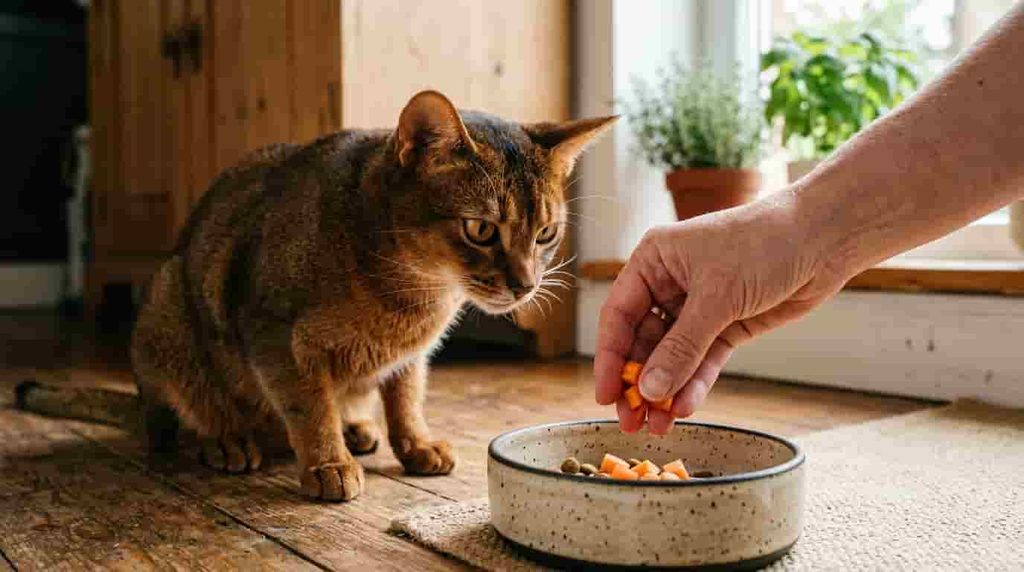
Choosing between raw and cooked carrots comes down to safety, texture, and digestibility.
| Feature | Raw Carrots | Cooked Carrots |
| Texture | Firm, hard, and crunchy | Soft, tender, and mashable |
| Preparation | Must be grated or shaved ultra-thin | Steamed or boiled plain |
| Ease of Chewing | Difficult for feline teeth | Very easy to chew and swallow |
| Main Concern | Choking and GI blockages | Overheating or added seasonings |
| Best Approach | Finely grated as a rare topper | Plain, cooled, bite-sized cubes |
When raw carrots may be appropriate
Raw carrots should only be offered if they are prepared properly. Grating a small amount of raw carrot over wet food can add a light texture contrast for cats that enjoy it. Always supervise your cat when offering raw carrot and remove any pieces that are too large.
When cooked carrots may be easier
Cooked carrots are superior for senior cats, kittens, or cats with dental issues. The softened texture eliminates choking risks and allows the digestive tract to process the plant material more smoothly.
What should you never add to carrots for cats?
Never dress up carrots with human ingredients. Avoid:
- Salt & Sodium: Excessive salt can lead to electrolyte imbalances.
- Butter, Oils, & Margarine: High fat levels can trigger acute pancreatitis or severe diarrhea.
- Onion & Garlic: Highly toxic to cats; destroys red blood cells and causes anemia.
- Sugar or Honey: Unnecessary calories that contribute to feline obesity and dental decay.
- Spices & Herbs: Many herbs and spices cause stomach lining irritation.
How to Prepare Carrots for Cats
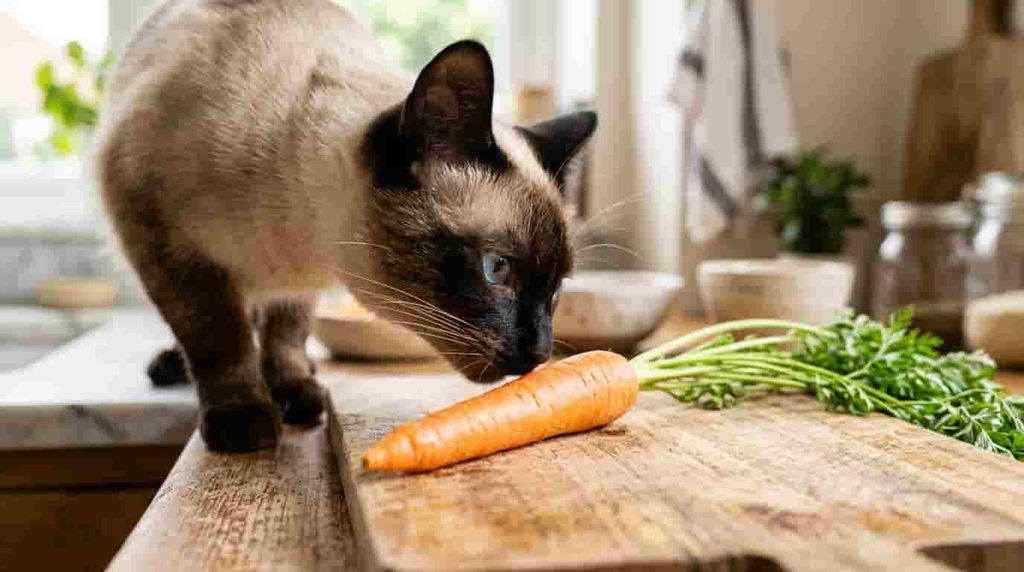
Following a clean, plain preparation method guarantees that carrots remain a safe addition to your pet’s bowl.
1.Wash and peel the carrot:Remove dirt and pesticides.
Rinse the carrot thoroughly under cold running water. Peel the outer skin to remove surface residue, dirt, or potential pesticide traces.
2.Cook until soft:Choose steaming or boiling.
Place plain carrot slices into a steamer basket or boiling water. Cook until a fork easily pierces through the center with zero resistance. Do not add seasonings, oil, or broth.
3.Cool completely:Avoid thermal burns.
Remove the carrot from heat and let it rest until it reaches room temperature. Serving warm or hot food can burn your cat’s mouth and throat.
4.Cut into tiny pieces:Prevent choking hazards.
Dice the cooked carrot into tiny, pea-sized bits or mash it thoroughly with a fork. Ensure no large, solid chunks remain.
5.Offer a small portion:Observe willingness and digestion.
Mix 1/2 teaspoon of the diced carrot into your cat’s standard wet food or place it in their treat dish. Watch how they react before offering any more.
Can Kittens Have Carrots?

Are carrots appropriate for kittens?
Kittens can technically eat tiny amounts of cooked carrot, but extra caution is required. Kittens are in a crucial growth phase where every calorie and nutrient matters. Their primary diet must consist of complete and balanced kitten food formulated for development.
Filling a kitten’s small stomach with low-calorie vegetables can displace essential calories, animal proteins, and fats necessary for healthy muscle, bone, and brain growth.
What should you consider before offering carrots?
- Developmental Stage: Weaned kittens (over 8–10 weeks old) have sensitive digestive systems that are adapting to solid food.
- Chewing Ability: Kitten teeth are small; raw carrots should never be given to kittens due to severe choking risks.
- Portion Control: Keep any carrot portion to a micro-amount (e.g., a single pea-sized soft bit).
When should a kitten’s diet be discussed with a veterinarian?
If a kitten develops loose stool, vomiting, or lethargy after trying new foods, stop offering the item immediately. Always consult a veterinarian before introducing supplemental human foods to a growing kitten.
Can Cats Eat Carrots With Other Vegetables?
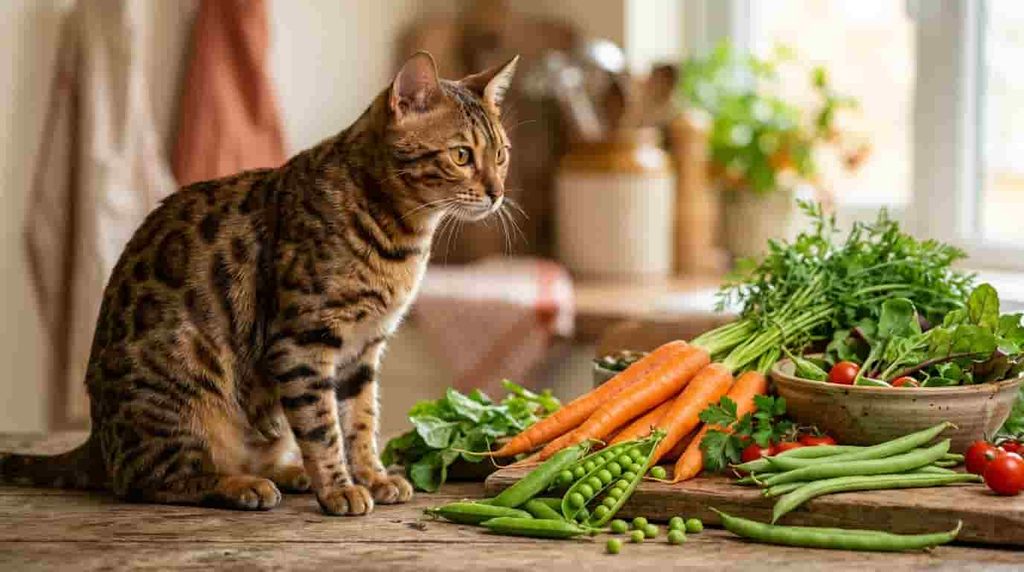
Many commercial cat foods combine carrots with other safe produce. When serving homemade vegetable toppers, keep preparation plain and simple.
Can cats eat carrots and peas?
Yes. Plain cooked carrots and green peas are a common combination found in canned pet food. Peas provide small amounts of fiber and protein. Serve both vegetables plain, cooked soft, and in minimal amounts.
Can cats eat carrots and potatoes?
Cats can eat small amounts of plain, fully cooked white or sweet potatoes mixed with carrots. However, raw potatoes and potato plants contain solanine, which is toxic to pets. Potatoes are also dense in carbohydrates, so portions must be kept extremely small.
Can cats eat carrots and celery?
Small bits of cooked celery can be offered alongside carrots, but raw celery can be stringy and tough to swallow. Chop cooked celery finely to prevent stringy fibers from causing throat irritation.
Can cats eat carrots and broccoli?
Cooked broccoli florets can be safely paired with plain carrots. Broccoli is rich in fiber, but overfeeding it can cause intestinal gas or temporary abdominal discomfort.
What Vegetables Can a Cat Eat?
Why cats do not need vegetables as a main food
Cats are obligate carnivores. Their natural metabolic pathways are optimized to process animal protein and fats, not plant-based carbohydrates. While some dietary fiber can support healthy intestinal transit, vegetables should never form the foundation of a feline meal plan.
How to evaluate a vegetable before offering it
Before sharing any vegetable with your cat, run through this quick evaluation checklist:
- Is it plain? Free of butter, salt, oils, and spices.
- Is it cooked soft? Easily crushed with a fork.
- Is it non-toxic? Checked against veterinary toxicity databases.
- Is the portion small? Accounting for less than 10% of daily treat allowance.
- Does the cat enjoy it? Offered without force or coercion.
What vegetables can’t cats eat?
Never offer these hazardous or toxic vegetables to cats:
- Onions, Garlic, Shallots, Leeks, Chives: Destroy red blood cells, leading to severe anemia.
- Raw Potatoes & Green Tomatoes: Contain toxic solanine.
- Wild Mushrooms: Can cause liver failure or neurological distress.
- Rhubarb: Contains oxalates that impair kidney function.
When exploring other safe human food additions, pet owners often compare vegetable safety with fruits—such as checking whether can cats eat apples without seeds, offering small bites of can cats eat banana, or using plain puree when evaluating can cats eat pumpkin for stool regulation.
Common Mistakes When Feeding Cats Carrots
Avoid these standard feeding mistakes to protect your cat’s health:
- Giving large, hard pieces: Feeding thick raw carrot rounds creates immediate choking and intestinal blockage hazards.
- Assuming raw is naturally better: Raw plant matter is harder for obligate carnivores to break down than cooked alternatives.
- Adding human seasonings: Using salt, garlic powder, onion powder, or butter introduces harmful or toxic compounds.
- Overfeeding portions: Displacing nutritionally balanced cat food with low-protein vegetables leads to nutritional gaps over time.
- Introducing new foods too rapidly: Introducing large amounts of new fiber quickly causes gas, bloating, and diarrhea.
- Treating vegetables as essential: Forcing a cat to eat carrots when they prefer meat-based treats is unnecessary for their health.
- Ignoring digestive distress: Continuing to offer carrots after your cat shows signs of loose stool or discomfort.
How Much Carrot Can a Cat Eat?
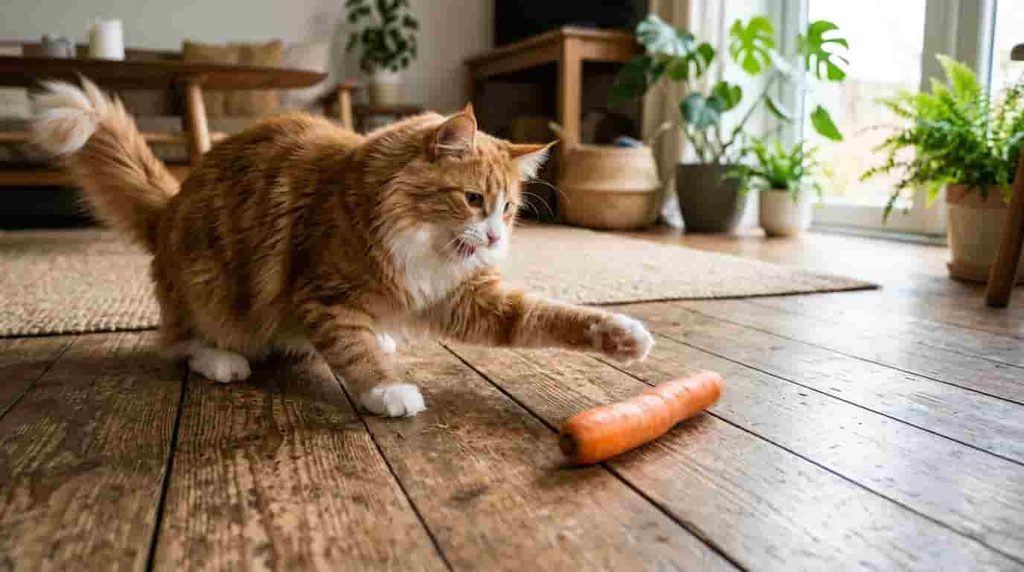
Start with a small portion
When offering carrots for the first time, limit the portion to 1/4 to 1/2 teaspoon of soft, cooked, diced carrot. This small intro allows you to gauge both your cat’s interest and their digestive tolerance.
What determines an appropriate portion?
The ideal portion size depends on:
- Body Weight: Larger cats can tolerate slightly more fiber than petite cats.
- Daily Caloric Intake: Treats and supplemental foods should not exceed 10% of a cat’s total daily calories.
- Digestive Sensitivity: Cats with sensitive stomachs require minimal dietary variations.
| Cat’s Weight | Max Daily Carrot Allowance |
| Under 8 lbs | 1/4 Teaspoon (Cooked & Diced) |
| 8 to 12 lbs | 1/2 Teaspoon (Cooked & Diced) |
| Over 12 lbs | Up to 1 Teaspoon (Cooked & Diced) |
How often should cats eat carrots?
Carrots should be an occasional treat offered once or twice a week at most. They should not become a daily requirement in your cat’s food bowl.
What happens if a cat eats too many carrots?
Overfeeding carrots delivers excess fiber and simple carbohydrates to the gut. This can result in loose stools, flatulence, stomach cramping, or vomiting. Over time, excessive treat feeding contributes to weight gain and nutritional imbalances.
What Should You Watch for After Feeding Carrots?
Signs your cat is tolerating the food
If your cat processes the carrot well, you will observe:
- Normal appetite for regular meals
- Stable energy levels and standard behavior
- Normal, well-formed litter box output
- Absence of lip-licking, drooling, or nausea signs
Signs the food may not agree with your cat
If carrots trigger mild indigestion, you may notice:
- Soft stools or mild diarrhea
- Vomiting or dry heaving
- Increased intestinal gas or bloating
- Decreased appetite for standard food
When to stop offering carrots
Discontinue carrots immediately if your cat exhibits any digestive upset, displays abdominal discomfort, or refuses to eat their normal food after the treat is introduced.
When Should You Contact a Veterinarian?
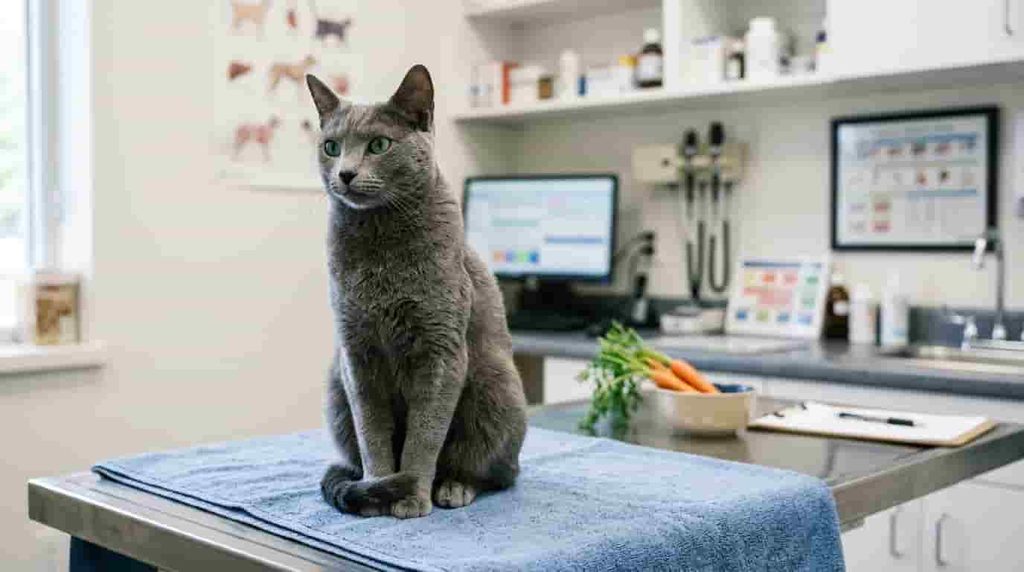
Digestive symptoms that need attention
Contact your veterinarian if your cat experiences any of the following symptoms after consuming carrots or other new foods:
- Diarrhea lasting longer than 24 hours
- Persistent vomiting or inability to keep water down
- Complete loss of appetite (anorexia) for over 24 hours
- Extreme lethargy, hiding, or vocalization indicating pain
Choking or swallowing concerns
If your cat swallows a large piece of raw carrot and exhibits signs of choking—such as pawing at the mouth, exaggerated gagging, blue-tinted gums, or labored breathing—seek emergency veterinary care immediately. Do not attempt home extractions unless trained, as this can push obstructions further down the airway.
Cats with existing health conditions
Cats with pre-existing medical conditions—such as diabetes, chronic kidney disease (CKD), inflammatory bowel disease (IBD), or food allergies—should not be fed carrots or extra carbohydrates without prior approval from their attending veterinarian.
A Simple Safe-Carrot Checklist for Cat Owners
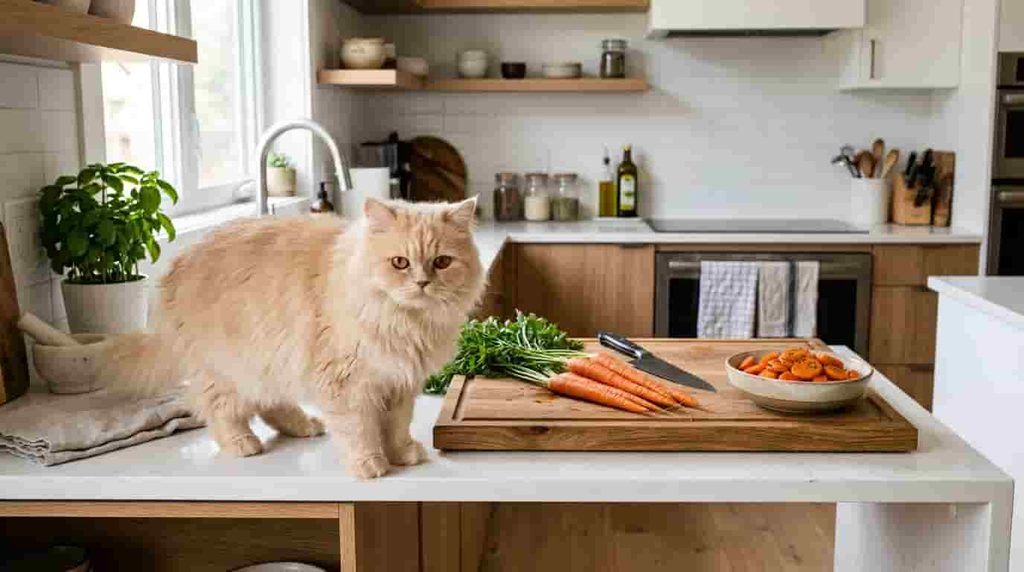
Before serving carrots to your feline companion, run through this final safety check:
- [ ] Plain? Steamed or boiled in water with zero salt, oil, or seasonings.
- [ ] Soft? Thoroughly cooked until tender or grated ultra-thin if raw.
- [ ] Bite-Sized? Cut into tiny, pea-sized pieces to prevent choking.
- [ ] Small Portion? Kept under 1/2 teaspoon as a rare topper or treat.
- [ ] Cooled? Allowed to drop to room temperature before serving.
- [ ] Monitored? Observed during feeding and checked for healthy litter box habits afterward.
Can Cats Eat Carrots? The Bottom Line
So, can cats eat carrots? Yes, cats can safely consume carrots in small, plain, and cooked portions. While carrots offer dietary fiber and hydration, they do not provide essential nutrients that cats cannot obtain from complete animal-protein diets. Always cook carrots soft, cut them into tiny pieces, avoid human seasonings, and serve them as an occasional treat rather than a primary meal component.
Does your cat enjoy small bites of cooked veggies, or do they stick strictly to meat? Let us know your experience in the comments below!
Frequently Asked Questions
Can I give my cat raw carrots?
You can give your cat raw carrots only if they are grated ultra-thin or finely shaved. Whole raw carrot chunks pose a serious choking hazard and are difficult for cats to chew and digest properly.
Why do cats like carrots so much?
Cats lack sweet taste receptors, so they are not attracted to the natural sweetness of carrots. Cats that show interest are usually intrigued by the unique texture, moisture, or novel crunch of the vegetable.
What vegetables can a cat eat?
Cats can safely eat small amounts of cooked, unseasoned vegetables such as carrots, green peas, plain pumpkin, green beans, and steamed broccoli florets as occasional treats.
What vegetables can’t cats eat?
Cats must never eat onions, garlic, shallots, leeks, chives, raw potatoes, green tomatoes, or wild mushrooms, as these contain compounds that are toxic to feline health.
Can kittens have carrots?
Kittens can have microscopic amounts of plain, soft-cooked carrot, but treats should generally be avoided. A kitten’s limited stomach capacity should be reserved for nutrient-dense kitten food necessary for growth.