Ringworm in Cats: Symptoms, Treatment, How It Spreads and Prevention
Introduction:
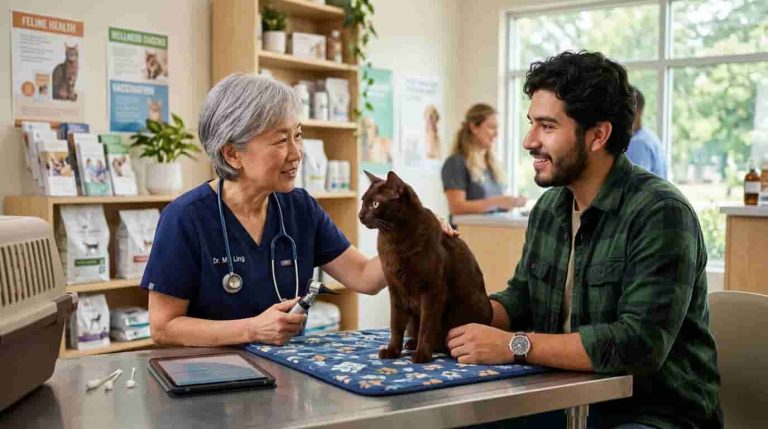
Ringworm in Cats is a common and highly contagious fungal skin infection that affects the hair, skin, and occasionally the claws of felines. Despite what the name implies, ringworm is not caused by a worm or any other parasite. It can cause noticeable changes to your cat’s coat and skin, such as patchy hair loss, scaling, and circular lesions, and it can readily spread between animals and humans. Because many feline skin conditions look remarkably similar, visual appearance alone cannot reliably confirm a ringworm infection. Prompt veterinary diagnosis and targeted treatment are essential to resolve the issue, manage environmental contamination, and prevent the fungi from spreading to other pets and human family members.
In this comprehensive guide, we will examine what causes ringworm in cats, key symptoms to watch for, how veterinarians diagnose the infection, effective medical treatments, environmental cleaning protocols, human transmission risks, and long-term prevention strategies.
What Is Ringworm in Cats?
Is Ringworm Really a Worm?
Despite its alarming name, ringworm has nothing to do with worms. The condition earned its colloquial name centuries ago because the classic skin lesion on human skin often presents as a red, raised, ring-shaped rash with clearer skin in the center. In cats, however, the condition is a superficial fungal infection known medically as dermatophytosis.
Dermatophytes are specialized fungi that feed on keratin, a structural protein found in the outer dead layer of skin, hair shafts, and claws. Rather than burrowing under the skin or living inside the body, the fungi live exclusively within the dead keratinized tissues, causing hair shafts to weaken, break, and fall out.
What Causes Ringworm in Cats?
Feline ringworm is primarily caused by a microscopic dermatophyte species called Microsporum canis (M. canis), which accounts for roughly 95% of ringworm cases in cats. Less commonly, infections can be caused by Trichophyton mentagrophytes (often acquired from exposure to wild rodents or their burrows) or Microsporum gypseum (found in contaminated soil).
Dermatophytes produce microscopic spores that cling to shed hairs and skin scales. When a healthy cat comes into contact with these microscopic spores—either through direct interaction with an infected animal or by touching contaminated grooming tools, bedding, carpet, or furniture—the spores can attach to the skin. If the skin surface has tiny micro-abrasions or if the cat’s immune defenses are compromised, the spores germinate and invade the hair follicles.
Which Cats Are More Likely to Develop Ringworm?
While any cat can contract ringworm regardless of age, breed, or lifestyle, certain groups face a significantly higher risk of infection:
- Kittens and Young Cats: Younger animals have immature immune systems and softer skin barriers, making them particularly vulnerable to fungal colonization.
- Senior or Immunocompromised Cats: Older cats, or those suffering from underlying health conditions (such as Feline Leukemia Virus, Feline Immunodeficiency Virus, or chronic organ failure), have weakened immune defenses.
- Longhaired Breeds: Breeds such as Persians, Himalayans, and Ragdolls appear more predisposed to ringworm, partly because their long, dense coats trap spores and make effective grooming more difficult.
- Cats Living in Multi-Pet Environments: Shelters, rescue facilities, breeding catteries, and multi-cat households create dense populations where fungal spores spread rapidly between individuals.
- Outdoor or Hunting Cats: Cats that spend time outdoors or hunt rodents have a higher risk of encountering soil-borne fungi or infected wild animals.
Crucially, exposure to dermatophyte spores does not automatically cause visible illness. Some cats become asymptomatic carriers—they harbor fungal spores on their coat and can spread the infection to other animals or people without displaying any obvious bald spots or skin crusting themselves.
What Are the Symptoms of Ringworm in Cats?

The clinical signs of ringworm in cats can vary dramatically, ranging from classic circular patches of hair loss to subtle, widespread dandruff or severe, crusty skin inflammation.
Common Ringworm Symptoms in Cats
The most typical signs of feline ringworm include:
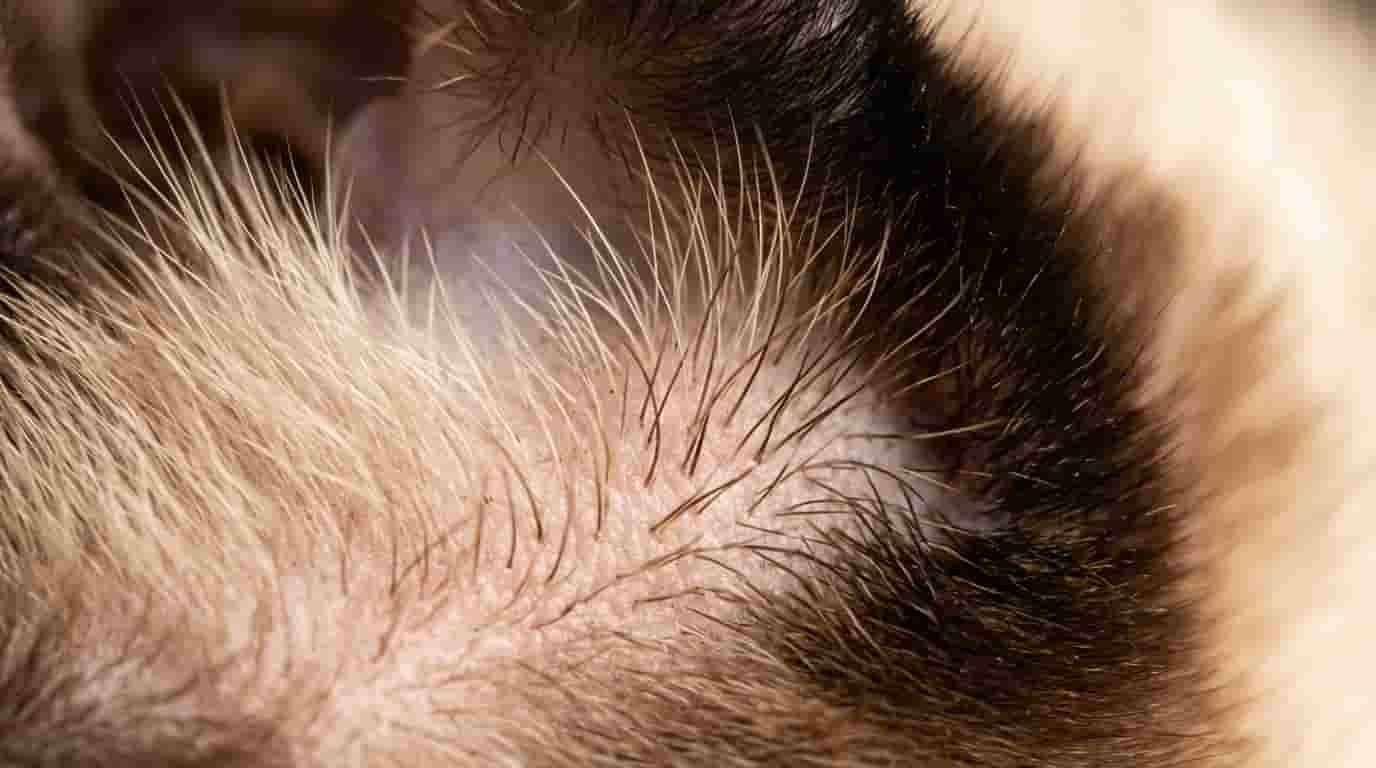
- Circular or Irregular Hair Loss (Alopecia): Hair loss is often patchy and variable, leaving exposed skin that appears dry, red, or scaly.
- Stubby, Broken Hairs: As the fungus weakens the hair shaft, hairs break off close to the skin line, creating a “stubble” appearance.
- Scaling and Crusting: The affected skin often develops dry, flaky, dandruff-like scales or thick, yellowish crusts.
- Redness and Irritation (Erythema): Skin around the edges of the lesion may look inflamed, pink, or hyperpigmented.
- Brittle or Deformed Claws: When dermatophytes invade the nail beds (onychomycosis), the claws can become misshapen, brittle, rough, or prone to flaking.
- Variable Itching: Unlike flea allergies or sarcoptic mange, ringworm in cats is often non-pruritic (not intensely itchy), though mild to moderate scratching can occur if secondary bacterial infections develop.
Ringworm on a Cat’s Ear
A frequent search topic among pet owners is “cat ringworm on ear.” The ears, along with the face and head, are among the most common sites for initial ringworm lesions. Because cats groom their faces with their front paws and brush against objects ear-first, fungal spores frequently settle on the delicate pinnae (ear flaps).
Ringworm on a cat’s ear usually presents as patchy hair loss along the outer rim or base of the ear, accompanied by fine white scaling or slight crusting. However, hair loss or crusting around the ears does not automatically confirm ringworm. External parasites like ear mites (Otodectes cynotis), notoedric mange, flea bite allergies, and autoimmune skin disorders can produce nearly identical ear lesions.
Ringworm on a Cat’s Nose
Facial lesions, specifically ringworm on a cat’s nose, muzzle, or chin, are also widespread. Cats often contract spores around the nose when sniffing contaminated bedding, investigating carpet corners, or interacting with another animal.
A sore, crusty patch, or area of hair loss on the bridge or tip of the nose requires careful evaluation. While M. canis is a frequent cause of nasal crusting, other possibilities include facial trauma, bacterial pyoderma, feline acne, mosquito bite hypersensitivity, or fungal infections like cryptococcosis. Veterinary examination is vital before applying any topical treatments to sensitive facial skin.
What Does Ringworm Look Like?
Pet owners frequently look for “cat ringworm pictures” online to self-diagnose their pet. While reference photos can highlight potential warning signs, visual appearance alone is notoriously unreliable for confirming ringworm.
Feline ringworm is known in veterinary medicine as a “great imitator.” The classic, perfectly circular ring shape commonly seen on human arms or legs is actually somewhat rare in cats. Instead, ringworm in felines can resemble:
- Simple, generalized dandruff (seborrhea)
- Symmetrical hair loss caused by stress-related overgrooming (psychogenic alopecia)
- Allergic dermatitis from food or flea bites
- Bacterial skin infections (pyoderma)
- Demodectic or notoedric mange
If you suspect skin issues, remember that managing public health and feline wellness involves recognizing diverse conditions. For example, understanding zoonotic transmission routes is equally important when managing bacterial exposure, as outlined in our guide on Salmonella in Cats: Symptoms, Treatment, Recovery and Prevention. Good hygiene and prompt diagnostics remain your best line of defense.
How Is Ringworm Diagnosed in Cats?
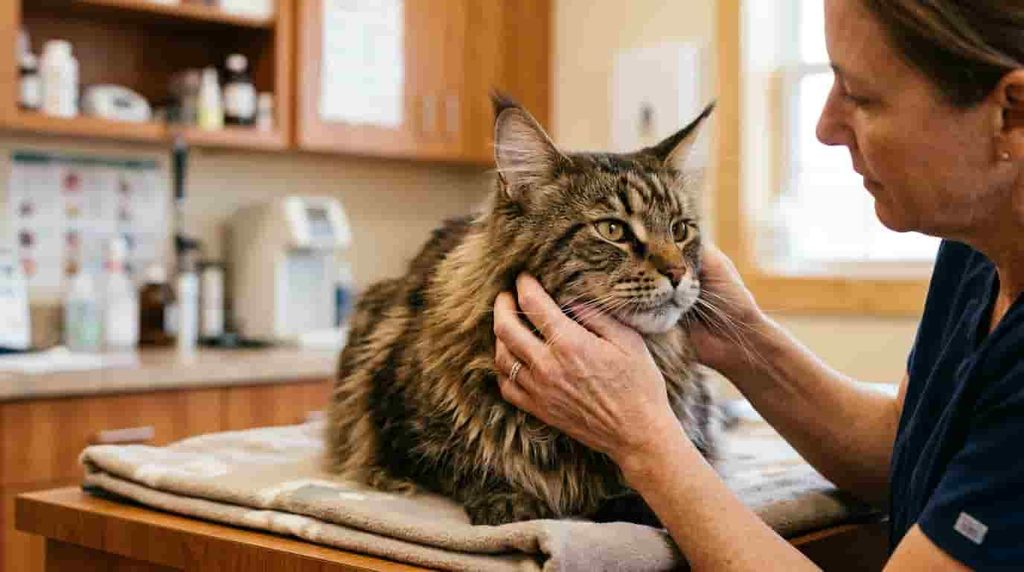
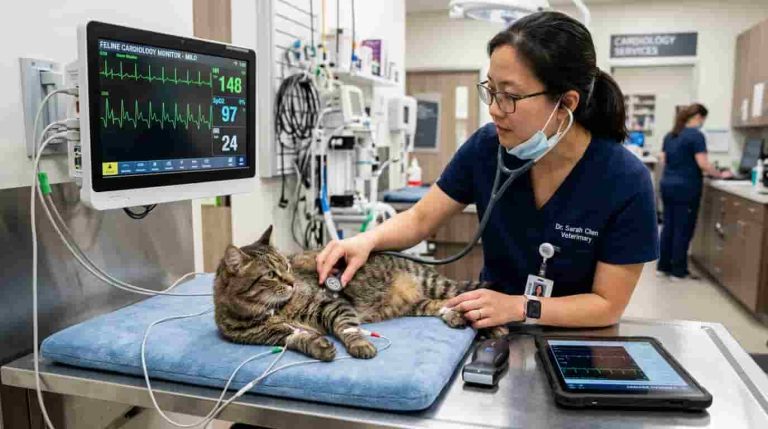
Because ringworm mimicry is so common, veterinarians rely on objective diagnostic testing rather than visual inspection alone. Attempting to treat a cat without a definitive diagnosis can waste time, cause unnecessary expense, and potentially worsen the underlying condition if the wrong medication is applied.
Why Appearance Alone Is Not Enough
Using appearance alone to diagnose ringworm leads to frequent errors. Applying topical steroid creams meant for allergic skin disease onto a ringworm lesion, for example, suppresses the local skin immunity and causes the fungal infection to explode in severity. Conversely, treating a harmless allergic flare-up with aggressive antifungal baths causes unnecessary stress to the cat.
Common Diagnostic Methods
A veterinarian will employ one or more of the following diagnostic tools to confirm the presence of dermatophytes:
- Wood’s Lamp Examination: A Wood’s lamp is a specialized ultraviolet light filtered through nickel oxide. When shined on an infected cat’s coat in a dark room, certain strains of Microsporum canis produce a characteristic apple-green fluorescence along the hair shafts.
- Limitations: Only about 50% to 80% of M. canis strains fluoresce, and other fungi species do not fluoresce at all. Additionally, skin medications, petroleum jelly, and soap residues can produce false-positive glows. Therefore, a Wood’s lamp is a screening tool, not a definitive test.
- Microscopic Examination (Trichogram): The veterinarian plucks several hairs from the margin of an active lesion, mounts them on a slide with a clearing agent, and examines them under a microscope. If positive, infected hair shafts appear swollen, frayed, and coated with chains of tiny fungal spores (ectothrix).
- Fungal Culture (Dermatophyte Test Medium – DTM): Fungal culture remains the traditional gold standard for definitive diagnosis. Hairs and skin scrapings are placed onto a selective culture medium containing a color indicator. As dermatophytes grow, they turn the orange medium bright red while producing characteristic white fluff.
- Limitations: Cultures can take anywhere from 7 to 14 days (and occasionally up to 21 days) to yield final results.
- Polymerase Chain Reaction (PCR) Testing: PCR testing detects dermatophyte DNA in hair and skin scale samples. PCR tests are highly sensitive, accurate, and provide results in just 1 to 3 days, making them an increasingly popular choice in modern veterinary clinics.
Why Accurate Diagnosis Matters
An accurate diagnosis allows your veterinarian to prescribe targeted antifungal therapy, implement appropriate household isolation protocols, provide realistic timelines for recovery, and establish a clear baseline for follow-up testing to confirm complete clearance before isolation ends.
Cat Ringworm Treatment: What Actually Works?
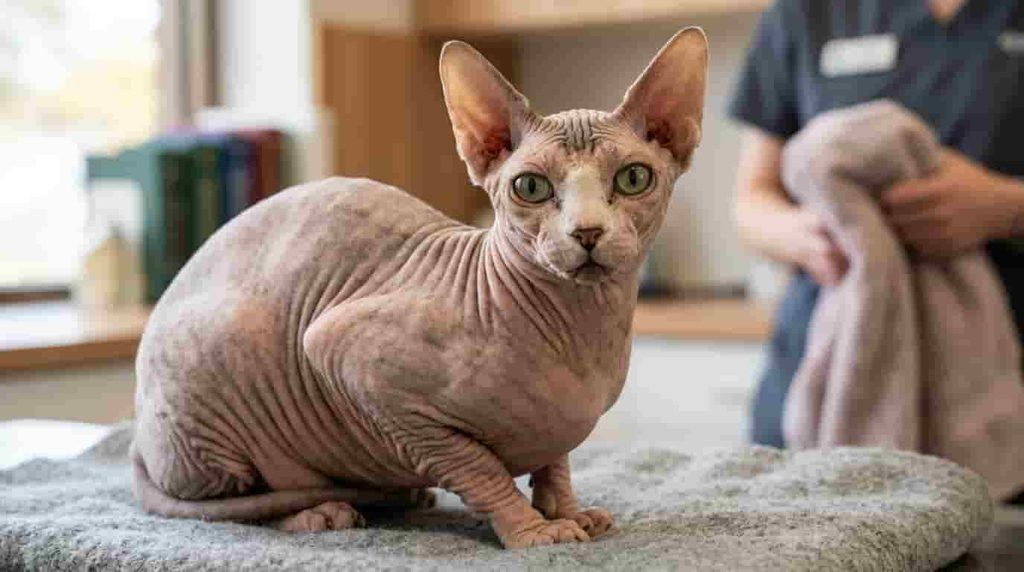
Effective treatment of ringworm in cats requires a multi-pronged strategy. Simply treating a single spot on the skin is rarely successful because microscopic fungal spores easily spread across the cat’s entire coat long before new lesions become visible.
How to Treat Ringworm in Cats
Successful management typically combines three distinct components:
- Systemic Oral Antifungal Medication: To stop fungal reproduction from inside the hair follicle.
- Topical Antifungal Therapy: To kill spores directly on the coat and reduce environmental shedding.
- Environmental Decontamination: To prevent reinfection from spores trapped in the home.
In mild cases involving a single young kitten with a localized spot, a veterinarian might occasionally recommend topical therapy alone, but the vast majority of cases benefit from combined oral and topical treatment.
Ringworm in Cats Medication
Systemic oral medications are the cornerstone of ringworm eradication because they travel through the bloodstream into the developing hair follicles, preventing the fungus from synthesizing ergosterol (a vital component of fungal cell membranes).
Common veterinary-prescribed oral antifungal medications include:
- Itraconazole: Highly effective and widely considered the treatment of choice for feline dermatophytosis. It concentrates heavily in skin and hair tissue and possesses a long safety record in cats when dosed correctly.
- Terbinafine: An effective alternative antifungal that works by inhibiting fungal squalene epoxidase.
- Fluconazole: Occasionally used, though generally less potent against M. canis than itraconazole.
Safety Warning: Never give your cat human antifungal medications, leftover drugs from other pets, or over-the-counter remedies without explicit veterinary authorization. Cats have unique hepatic metabolic pathways and are highly susceptible to drug toxicities from incorrect dosages or improper compounds.
Ringworm in Cats Shampoo and Topical Washes
Topical treatment plays a crucial role by sterilizing the coat, stopping active spore production, and shortening the duration of environmental contamination.
- Lime Sulfur Dips: Though notoriously smelly (resembling rotten eggs) and capable of temporarily staining white fur yellow, 1:33 diluted lime sulfur dips remain one of the most effective topical treatments available.
- Medicated Shampoos: Combination shampoos containing miconazole (2%) and chlorhexidine (2%) are widely used and supported by veterinary dermatological studies. Washing the cat twice weekly helps lift crusts and kill surface spores.
- Topical Creams/Ointments: Antifungal creams (such as clotrimazole or miconazole) are sometimes used for localized spot treatment around the body, but should be used cautiously on areas the cat can lick off during grooming.
How Long Does Treatment Take?
Treating ringworm requires patience. On average, active treatment lasts between 6 to 12 weeks, and sometimes longer in longhaired breeds or multi-pet households.
Crucially, visible improvement does not mean the infection is resolved. A cat may look completely healthy with full hair regrowth, yet still harbor viable fungal spores on their skin. Treatment should continue until your veterinarian obtains one or two negative fungal cultures or PCR tests taken at weekly intervals. Stopping medication prematurely based solely on skin appearance almost always leads to a frustrating relapse.
Can You Treat Ringworm in Cats at Home?
When faced with a ringworm diagnosis, pet owners frequently search for “ringworm in cats home remedies” or “ringworm in cats natural treatment.” While proper home care and environmental cleaning are critical, attempting to cure ringworm using home remedies alone is unsafe and ineffective.
What Can You Safely Do at Home?
Your role at home focuses on supporting the medical treatment plan provided by your veterinarian:
- Administer Prescribed Medications: Give oral drugs and apply medicated washes strictly as directed by your veterinarian.
- Establish a Isolation Area: Keep the infected cat in an easily cleanable room (such as a bathroom or laundry room) without carpets or upholstered furniture during active treatment.
- Practice Strict Hygiene: Wear disposable gloves and dedicated washable clothing when handling or bathing the cat. Wash hands thoroughly with soap and warm water immediately after.
- Launder Bedding Regularly: Wash the cat’s towels, blankets, and bed covers twice weekly in hot water with standard laundry detergent.
Are Ringworm Home Remedies Safe?
No. Relying on popular internet “natural remedies” can be hazardous to your cat’s health:
- Essential Oils (Tea Tree, Oregano, Thyme): Essential oils are highly toxic to cats. Felines lack the liver enzyme glucuronyl transferase required to metabolize phenols and hydrocarbons found in essential oils. Applying or diffusing essential oils can cause severe toxicity, liver failure, tremors, and death.
- Apple Cider Vinegar: Vinegar is acidic and will cause intense stinging and pain when applied to raw, inflamed, or excoriated skin, while failing to penetrate hair follicles to kill the underlying fungus.
- Coconut Oil or Garlic Paste: Coconut oil does not possess sufficient antifungal activity to eradicate M. canis, and garlic is toxic to cats, causing oxidative damage to red blood cells (hemolytic anemia).
- Bleach Solutions Directly on Skin: Household bleach should never be applied directly to a cat’s skin. It causes chemical burns, tissue destruction, and severe toxicity if licked. Bleach is strictly for environmental hard-surface cleaning.
When Home Care Is Not Enough
Seek immediate veterinary intervention if:
- Skin lesions continue spreading rapidly despite home management.
- The affected animal is a young kitten showing lethargy or poor appetite.
- Multiple household animals begin displaying hair loss.
- You notice signs of secondary bacterial skin infection (oozing pus, severe swelling, foul odor).
Is Ringworm in Cats Contagious?

Yes, feline ringworm is extremely contagious. It readily transmits between cats, to dogs, to other domestic animals, and to humans.
How Does Ringworm Spread?
Transmission occurs through three primary routes:
- Direct Contact: Physical interaction with an infected animal’s skin or coat.
- Indirect Contact (Fomites): Contact with contaminated objects such as grooming brushes, bedding, food bowls, furniture, cat trees, and carpet fibers. Fungal spores can survive in the environment on shed hairs for up to 18 to 24 months if not properly disinfected.
- Airborne Transport: In heavily contaminated environments, microscopic hairs carrying spores can travel through heating and cooling ventilation ducts.
Can Ringworm Spread Between Cats?
Yes. If one cat in a multi-pet home is diagnosed with ringworm, any other cats living in the same environment have likely been exposed. While not every exposed cat will show active lesions, they may act as mechanical vectors carrying spores on their coat.
Can Humans Get Ringworm From Cats?
Yes. Ringworm is a zoonotic disease—meaning it can be naturally transmitted from animals to humans. In fact, cats infected with Microsporum canis are a primary source of ringworm infections in human households.
In humans, ringworm appears as small, red, raised, itchy circular rings with dry, scaly centers. High-risk individuals include:
- Young children
- Elderly adults
- Immunocompromised individuals (e.g., people undergoing chemotherapy or living with autoimmune diseases)
If a family member develops a suspicious skin lesion, they should consult a human healthcare provider immediately and mention that they have been exposed to a cat undergoing ringworm treatment.
If you are managing zoonotic conditions or want to learn more about how infectious diseases pass between pets and human family members, read our overview on Toxoplasmosis in Cats: Symptoms, Diagnosis, Treatment and Human Risks
What About Dogs and Other Pets?
Dogs, guinea pigs, rabbits, and other household pets can easily contract ringworm from an infected cat. If ringworm is confirmed in your home, consult your veterinarian regarding whether exposed pets should be screened or placed on prophylactic topical baths.
How Do You Know If a Cat Got Ringworm?
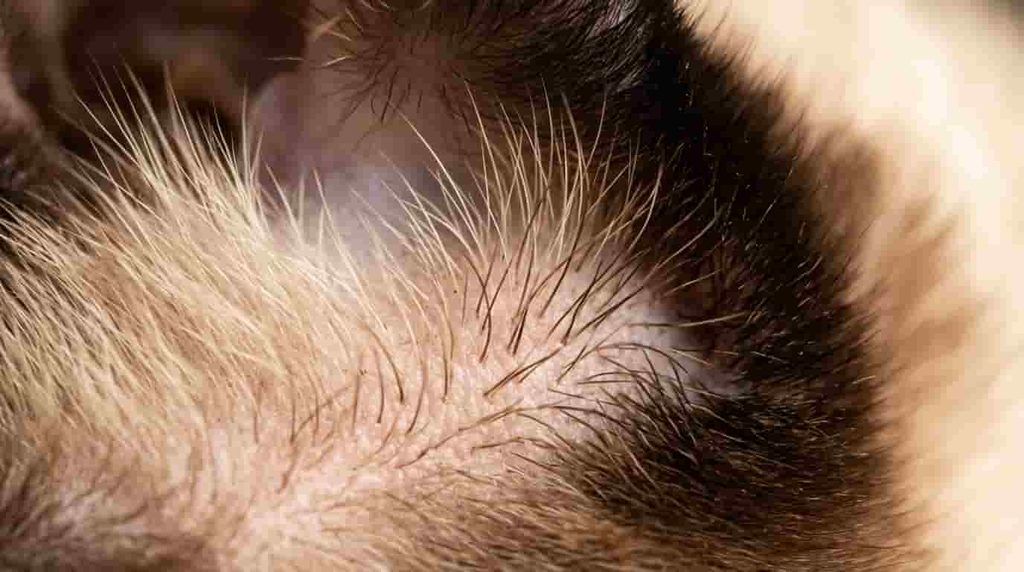
Recognizing potential early warning signs helps you take prompt action before the infection spreads widely throughout your home.
Signs That Should Prompt Veterinary Attention
Schedule a veterinary examination if your cat exhibits any of the following:
- [ ] New, unexplained patches of missing fur on the head, ears, nose, or paws.
- [ ] Hair that appears stubbly, dry, broken, or easily pulls out during light grooming.
- [ ] Flaky, dandruff-like white scaling or crusty scabs along the skin surface.
- [ ] Misshapen, flaky, or brittle claws accompanied by nail bed redness.
- [ ] Multiple pets in your home developing localized skin lesions simultaneously.
- [ ] A human family member developing itchy, red, circular ring lesions on their arms, neck, or torso.
Remember: do not attempt to self-diagnose based on physical appearance alone. Always schedule a diagnostic evaluation with a licensed veterinarian.
How Do You Get Rid of Ringworm in Cats?
Eradicating ringworm requires an integrated plan that addresses both the infected animal and their living environment.
Treat the Cat
- Follow your veterinarian’s oral and topical medication protocol without skipping doses.
- Bathe or dip the cat twice weekly as directed to minimize environmental spore shedding.
- Keep the cat comfortably isolated in a dedicated room that is easy to disinfect.
Clean the Environment
Environmental decontamination removes microscopic infective spores from your living space, breaking the cycle of reinfection:
- Vacuum Daily: Vacuum all carpets, rugs, upholstered furniture, and hard floors daily. Vacuuming removes spore-laden hairs. Immediately empty the vacuum bag or canister into an outdoor trash bin.
- Launder Washable Items: Wash cat bedding, human bedding, towels, and throw rugs in hot water ($>120^\circ\text{F}$ or $49^\circ\text{C}$) with standard detergent. Drying on high heat further helps kill remaining spores.
- Disinfect Hard Surfaces: Clean hard floors, countertops, and plastic crates using a 1:32 dilution of household bleach (1/2 cup bleach per gallon of water) with a contact time of at least 10 minutes. Alternatively, use veterinary-grade accelerated hydrogen peroxide disinfectants.
- Clean Heating/Cooling Filters: Replace HVAC air filters frequently to capture airborne fungal spores.
Treat the Environment and Cat Together
Treating the cat while neglecting environmental cleaning—or vice versa—leads to a endless loop of reinfection. Both parts of the protocol must happen simultaneously until negative fungal cultures confirm clearance.
What Kills Ringworm Permanently?
Pet owners frequently ask what single product “kills ringworm permanently.” The reality is that no single magic product exists; successful permanent elimination relies on a combination of effective medical therapy, environmental hygiene, and patient compliance.
Recommended Cleaning Products
| Product Type | Active Ingredient | Recommended Application |
| Household Bleach | Sodium Hypochlorite (1:32 dilution) | Non-porous hard surfaces, tile, hard floors (10-min dwell time) |
| Veterinary Disinfectants | Accelerated Hydrogen Peroxide / Potassium Peroxymonosulfate | Non-bleachable surfaces, plastic crates, exam areas |
| Hot Water Laundry | Thermal Heat ($>120^\circ\text{F}$) + Detergent | Bedding, towels, washable fabrics (2 complete wash cycles) |
| Steam Cleaning | Superheated Steam ($>158^\circ\text{F}$) | Carpets, rugs, and upholstered furniture |
Why Following the Full Treatment Plan Matters
Fungal spores are extraordinarily resilient in the environment. Stopping therapy prematurely as soon as skin lesions heal leaves hidden microscopic spores behind, setting the stage for a full reinfection weeks later. Continue treatment until your veterinarian officially clears your pet using diagnostic culture testing.
Ringworm Prevention for Cats
Preventing ringworm involves practical hygiene practices and cautious management of potential exposure sources:
- Quarantine New Animals: Isolate newly adopted cats or kittens in a temporary quarantine room for 14 days before introducing them to existing pets, and have them examined by a veterinarian.
- Practice Hygiene After Animal Contact: Wash your hands thoroughly after handling unfamiliar animals, visiting shelters, or attending pet shows.
- Avoid Sharing Grooming Equipment: Do not share brushes, combs, nail trimmers, or bedding between unrelated animals without thorough disinfection.
- Maintain Regular Environmental Cleaning: Vacuum carpets regularly, wash pet bedding routinely, and keep living spaces clean and dry.
- Support Overall Feline Health: Feed a high-quality, balanced carnivore diet, maintain routine veterinary checkups, and manage underlying medical conditions to keep your cat’s immune system robust.
For more information on managing skin and systemic infections, see our related article on Cat-Scratch Disease: Symptoms, Treatment, Diagnosis and When to Seek Care to understand how proper hygiene protects your whole household.
Common Mistakes When Treating Ringworm in Cats
Avoid these eight frequent pitfalls when managing feline ringworm:
- Mistake 1: Diagnosing From a Photo: Assuming a bald patch is ringworm without veterinary testing leads to incorrect treatment.
- Mistake 2: Stopping Treatment Too Early: Discontinuing medication as soon as hair regrows almost guarantees relapse.
- Mistake 3: Using Human Medications Without Advice: Applying human antifungal creams or oral drugs can lead to toxicity or severe skin irritation in cats.
- Mistake 4: Relying on Natural Remedies: Using essential oils, vinegar, or garlic exposes your cat to dangerous toxins without curing the fungus.
- Mistake 5: Neglecting Environmental Cleaning: Leaving spore-laden shed hair in carpets and bedding causes continuous reinfection.
- Mistake 6: Forgetting Other Pets: Failing to monitor or isolate exposed household pets allows the fungus to bounce back and forth between animals.
- Mistake 7: Skipping Follow-Up Testing: Relying on visual clearance instead of negative fungal cultures or PCR tests.
- Mistake 8: Ignoring Human Lesions: Failing to seek human medical advice when family members develop suspicious ring-shaped skin rashes.
What Should You Do If You Suspect Ringworm?
Follow this simple, step-by-step action plan if you notice suspicious skin changes on your cat:
- Step 1: Isolate the Cat: Move your cat to an easily cleanable room (such as a tile bathroom) equipped with food, water, litter box, and washable bedding.
- Step 2: Schedule a Veterinary Exam: Call your clinic and inform them you suspect ringworm so they can prepare an exam room appropriately.
- Step 3: Wear Protective Gear: Wear disposable gloves when handling your cat, and wash your hands thoroughly with soap and warm water immediately afterward.
- Step 4: Complete Prescribed Testing: Allow your veterinarian to perform diagnostic testing (Wood’s lamp, trichogram, PCR, or culture) to confirm the diagnosis.
- Step 5: Begin Combined Treatment: Administer prescribed oral and topical medications strictly as instructed.
- Step 6: Decontaminate Your Home: Vacuum, wash bedding in hot water, and clean hard surfaces with diluted bleach or veterinary disinfectants.
- Step 7: Monitor Family Members & Pets: Watch other animals and human family members for skin lesions, seeking prompt care if any appear.
- Step 8: Retest Before Release: Keep isolation and treatment protocols active until your veterinarian confirms negative culture or PCR results.
When Should You Contact a Veterinarian?
Contact a licensed veterinarian promptly if your cat exhibits any of the following:
- Unexplained patches of missing fur, scaling, or skin redness.
- Crusting or hair loss around sensitive facial areas (nose, muzzle, ears, eyes).
- Brittle, deformed, or flaking claws.
- Multiple pets developing similar skin lesions simultaneously.
- Lack of improvement after 2 to 3 weeks of prescribed treatment.
- Signs of illness such as lethargy, loss of appetite, or skin pus indicative of secondary bacterial infection.
Urgent Veterinary Note: If a young kitten shows widespread skin crusting alongside poor appetite, weakness, or lethargy, seek emergency veterinary evaluation immediately.
Ringworm in Cats: A Simple Home Management Checklist
Keep your home treatment and cleaning routine on track with this quick scannable checklist:
Cat Care:
- [ ] Veterinary diagnosis obtained via PCR, culture, or trichogram.
- [ ] Prescribed oral antifungal medication given daily with meals.
- [ ] Medicated baths or lime sulfur dips completed twice weekly.
- [ ] Cat housed in a comfortable, easily cleanable isolation space.
- [ ] Follow-up re-testing scheduled with your veterinarian.
Environmental Cleaning:
- [ ] Carpets and furniture vacuumed daily; vacuum bag discarded immediately.
- [ ] Washable cat bedding, towels, and covers laundered twice weekly in hot water ($>120^\circ\text{F}$).
- [ ] Hard floors and plastic surfaces disinfected with 1:32 diluted bleach solution.
- [ ] HVAC filters replaced.
Household Safety:
- [ ] Disposable gloves worn during baths and medication administration.
- [ ] Hands washed thoroughly after every interaction.
- [ ] Other household pets monitored daily for skin changes.
- [ ] Human family members screened for circular, red skin lesions.
Ringworm in Cats: The Bottom Line
Ringworm in Cats is a highly contagious fungal skin infection that requires prompt veterinary diagnosis and comprehensive management. While hair loss, scaling, and skin crusting are classic warning signs, appearance alone cannot confirm dermatophytosis. Successful treatment relies on combining oral antifungal medications, medicated topical baths, and thorough environmental decontamination to remove infective spores from your home. By avoiding unproven home remedies, strictly following your veterinarian’s treatment plan, and maintaining good household hygiene, you can eliminate ringworm permanently and protect both your pets and human family members.
Has your cat ever developed a skin condition that turned out to be completely different from what you first expected? Share your experiences and questions in the comments below!
Frequently Asked Questions
Can humans get ringworm from a cat?
Yes. Ringworm is a zoonotic fungal infection that easily transmits from infected cats to humans through direct contact with skin or contaminated hair and bedding. If you or a family member develop an itchy, circular red rash, consult a healthcare provider promptly.
How do you know if a cat has ringworm?
Common signs include patchy hair loss, stubbly broken hairs, white scaling, and skin crusting, particularly around the ears, face, and paws. However, because ringworm mimics many other skin diseases, definitive confirmation requires veterinary diagnostic testing such as a PCR test or fungal culture.
Can ringworm in cats go away on its own?
While a cat’s immune system may eventually suppress the infection after many months, relying on spontaneous recovery is strongly discouraged. Untreated cats continuously shed millions of infective fungal spores into the environment, risking severe infection in other pets and human family members.
How long does ringworm treatment take in cats?
On average, treatment takes between 6 to 12 weeks. Treatment must continue until follow-up fungal cultures or PCR tests confirm that the fungus has been completely eradicated, rather than stopping when the skin simply looks better.
Can I prevent ringworm from spreading to my other pets?
Yes. Isolate the infected cat in an easily cleanable room, wash your hands thoroughly after handling them, use dedicated grooming tools, clean household surfaces with diluted bleach or veterinary disinfectants, and consult your veterinarian regarding whether exposed pets require preventative topical bathing.