7 Reasons Cats Sniff Everything
Introduction:
Cats sniffing everything often puzzles their owners. You see your pet approach a new bag from the grocery store. They press their nose against the plastic and inhale deeply. Why do they spend so much time investigating simple objects?
This feline olfactory behavior holds the key to how they experience life. Their nose acts as a powerful tool for gathering data. While you use your eyes to see the world, they use their sense of smell. Let us explore the secrets behind this habit.
Uncovering Why Cats Sniff Everything
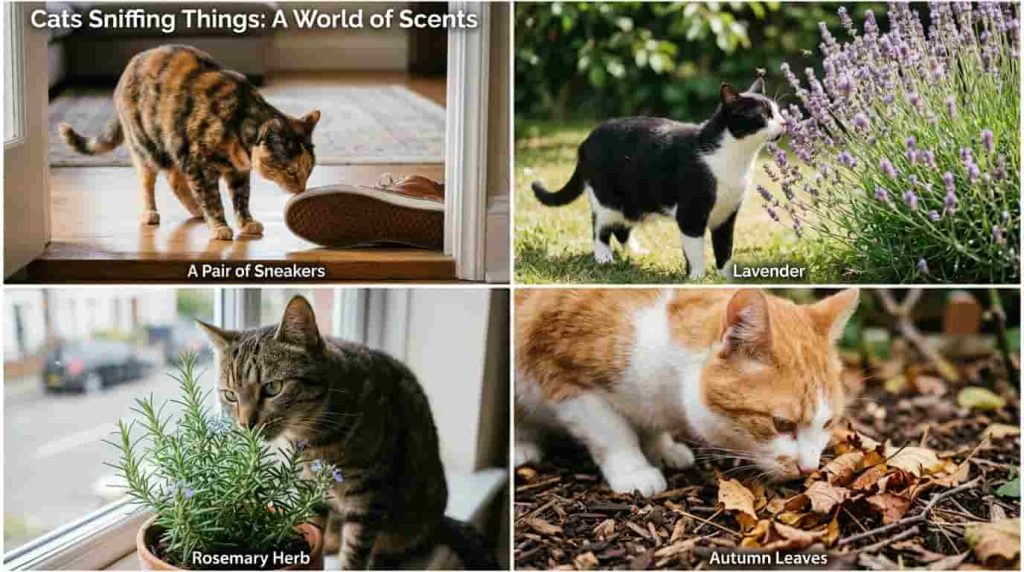
Cats sniffing serves as a vital method for safety. When they enter a room, they scan the area with their nose. This pet senses activity helps them detect intruders or new threats. They want to know exactly who or what occupies their space.
VCA Animal Hospitals notes that cats have millions of scent receptors. This massive sensory network allows them to pick up tiny details. Humans often miss these subtle clues entirely. Consequently, your cat relies on their nose to build a mental map of their home.
Sometimes, you might wonder about the depth of their perception. You should read 7 Things Cats Can Smell That Humans Cannot to learn more. Their ability to track scents remains truly impressive. Each sniff tells them a story you cannot perceive.
Reasons For Common Cat Nose Behavior
You might ask why they sniff specific items like your shoes or bags. Here are seven reasons for this behavior:
- Gathering information about visitors who left a scent behind.
- Ensuring their territory remains safe from strange cats.
- Checking the freshness and safety of their food supply.
- Identifying objects that arrived from outside the home.
- Locating hidden insects or small rodents in the house.
- Socializing by confirming the identity of other pets.
- Mapping out the layout of new environments for security.
Each of these points explains their instinctual need for exploration. An indoor cat scent investigation keeps them mentally sharp. Without these signals, they would feel lost in their own house. Therefore, you should allow them to explore new items freely.
Exploring Curious Cat Behaviors and Scent
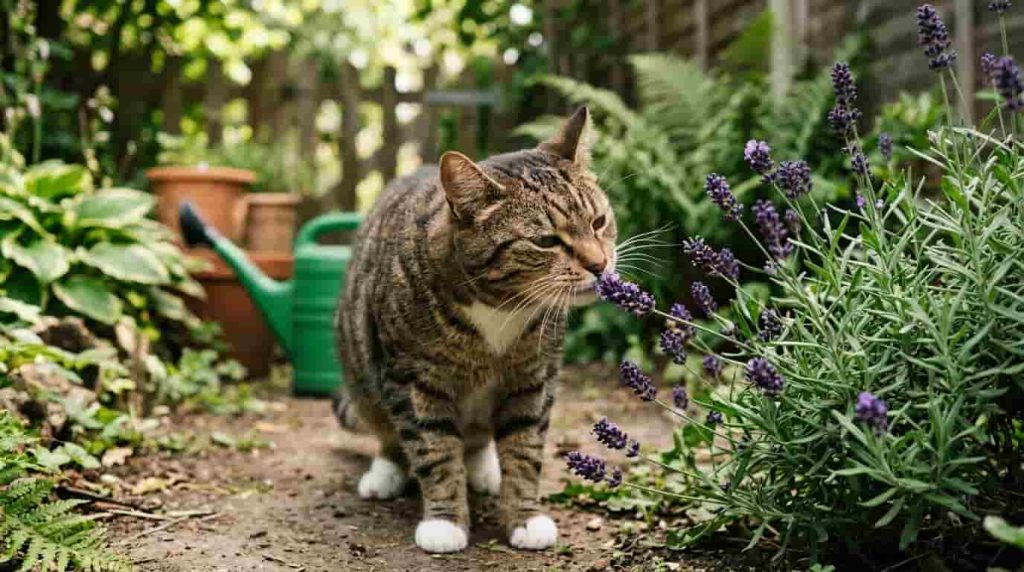
Curious cat behaviors include more than just sniffing the air. Your cat often performs a specific action when they find a strong scent. They open their mouth slightly to pull air over a special organ. This feline sniff behavior helps them process pheromones.
5 Reasons Cats Trust Their Nose More Than Their Eyes explains how they prioritize this sense. Their brain interprets these chemical signals as clear, detailed messages. They prefer this data over visual input for major decisions. It allows them to understand who visited the house hours ago.
If you bring a new guest home, your cat will approach them immediately. This domestic feline sniffing helps them confirm the person is safe. They check for smells that indicate other animals or sickness. It serves as an internal screening process for everyone they meet.
The Role of Animal Scent Exploration
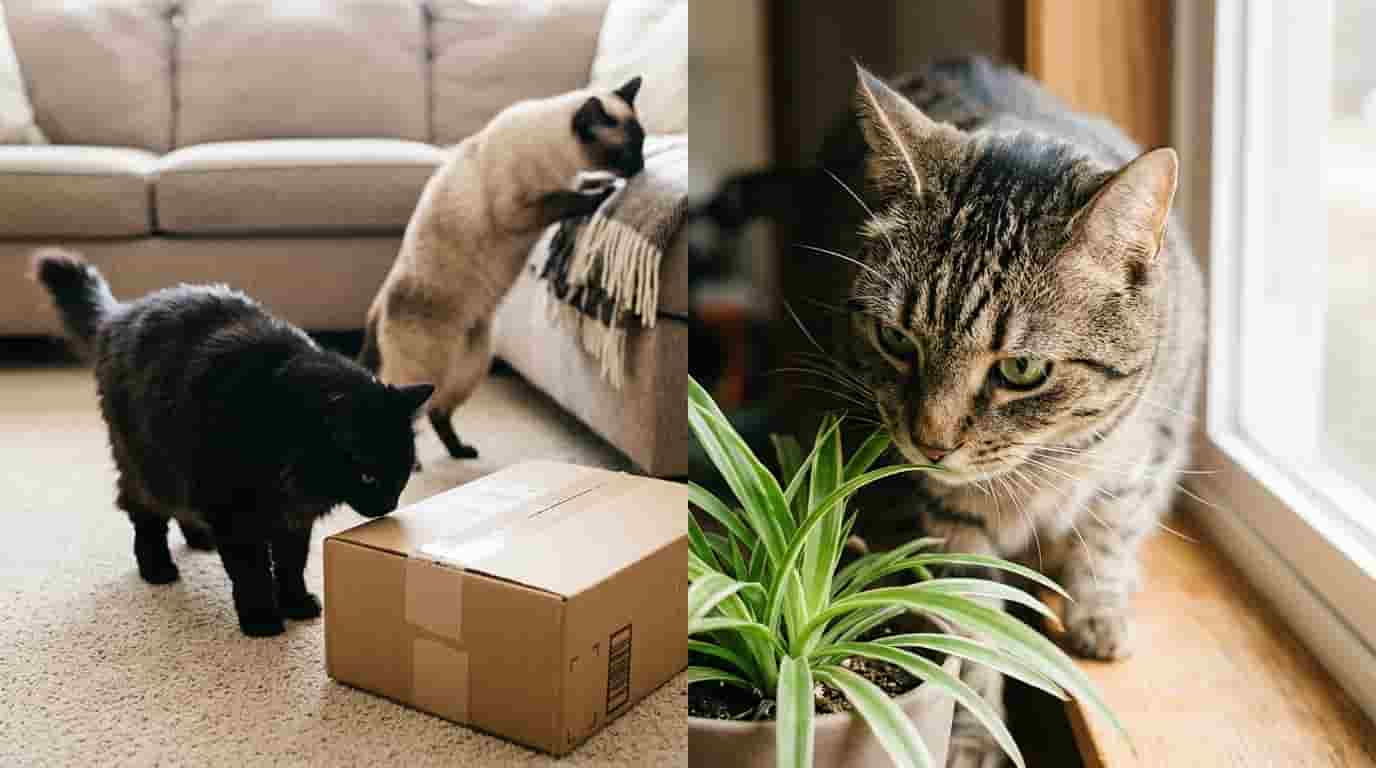
Animal scent exploration provides comfort to a nervous cat. If your home changes, they feel out of sorts. They might walk around and sniff every piece of new furniture. This ritual helps them reclaim their environment.
Domestic feline smelling habits ensure they feel in control. When they smell their own scent on an object, they feel relaxed. You can see this when they rub their face on items. They mark their home as a safe and familiar place.
Consider how your cat acts when you return from work. They likely sniff your legs and clothes for several minutes. This curious kitty nose behavior helps them understand your day. They learn where you went and what you touched.
Insights Into Curious Pet Habits and Health
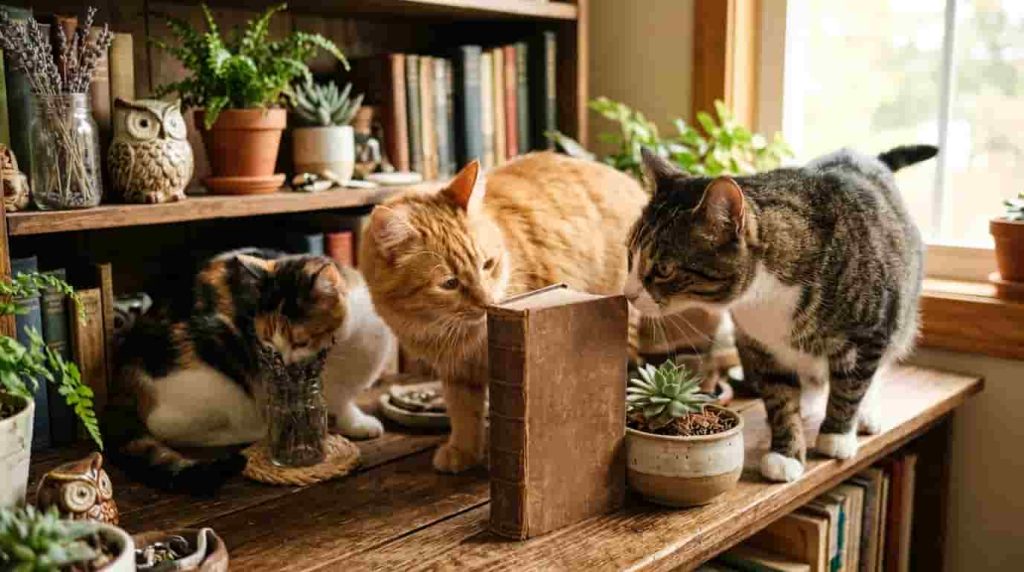
Curious pet habits often reflect a cat’s overall well-being. A healthy cat shows great interest in their surroundings. If your cat stops sniffing and sits listless, you should worry. This change in activity levels might indicate a health concern.
Always observe your cat during their daily rounds. Do they sniff with enthusiasm? Do they seem alert while investigating new things? These are signs of a sharp and happy mind. You want to see them active and engaged.
7 Ways Cats Use Scent To Recognize People provides more context on this bonding process. Through smell, they form deep connections with you. Your scent becomes a source of security and love. It makes the world a much smaller, warmer place.
Understanding Domestic Feline Sniffing
Domestic feline sniffing acts as a communication bridge. Your cat speaks to you through scent markers. When they sniff, they learn your mood and your recent activities. They adapt their behavior based on what they detect.
Kitten olfactory senses develop very early in their life. From the moment they open their eyes, they follow scent trails. This guides them to their mother and their siblings. They rely on this sense more than any other for survival.
As they grow older, they keep this habit. Pet cats exploring scents continue to map their world. It remains a lifelong process of learning and discovery. You simply provide the safe space for them to roam.
How to Support Curious Kitty Nose Behavior
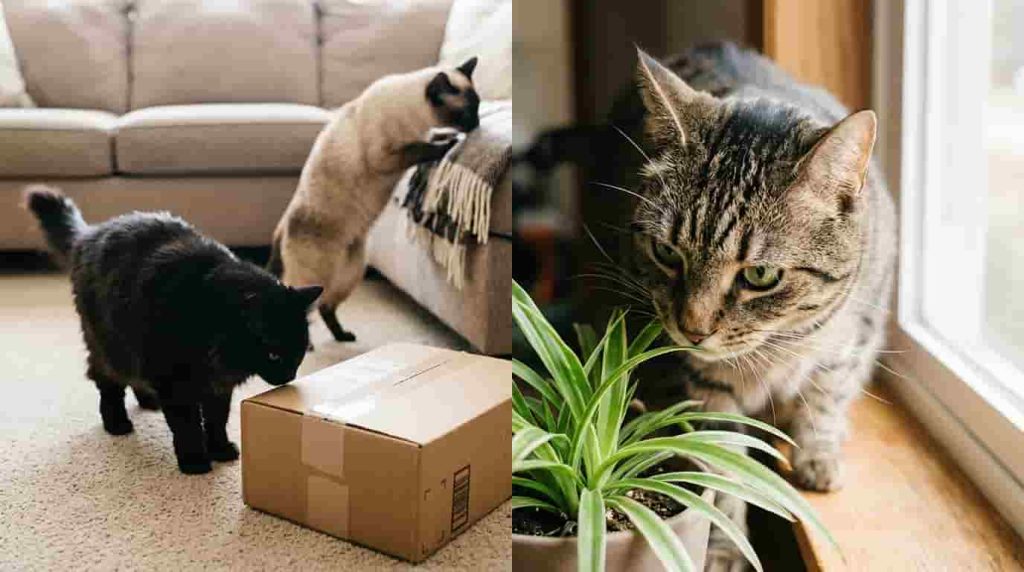
You can support these curious kitty nose behavior tendencies easily. Provide new items for them to investigate periodically. A new cardboard box provides endless entertainment for a curious nose. They will sniff it for hours while they play.
Additionally, avoid using strong chemical cleaners in their favorite spots. These harsh smells overwhelm their sensitive olfactory organs. Use cat safe cleaners to protect their delicate sense of smell. They will appreciate your care for their comfort.
Indoor cat scent investigation keeps them happy in small spaces. It prevents boredom and encourages gentle movement. Your cat stays healthier when they have things to explore. It brings variety to their quiet indoor lives.
Final Thoughts on Feline Sniff Behavior
Feline sniff behavior defines a large part of being a cat. They navigate their universe through the messages they collect. Every sniff adds to their understanding of their home. You help them thrive by respecting this natural, quiet curiosity.
Their nose knows more than you ever could. By observing them, you gain a glimpse into their world. Do you notice your cat sniffing specific things when you return home? Share your stories or experiences in the comments below.
Frequently Asked Questions
They sniff your face to greet you and verify that you are safe. It also helps them gather information about your health and your recent activities.
No, this behavior is completely normal for healthy cats. It shows they are curious and actively monitoring their environment for changes.
Yes, cats might experience a decline in their sense of smell as they get older. This can sometimes lead to reduced appetite or less interest in play.
This is known as the flehmen response, which helps them process pheromones. They use a special organ in the roof of their mouth for this action.
Provide new items like cardboard boxes or safe toys for them to sniff. Ensure their environment remains stable while allowing them space to roam and investigate.