Mastitis in Cats: Symptoms, Causes, Treatment and When to See a Vet
Introduction:
Mastitis in cats is a painful medical condition characterized by inflammation and infection of one or more mammary glands. While feline mastitis is most commonly seen in lactating or recently pregnant queens, mammary inflammation can also stem from other underlying causes. Understanding cat mastitis symptoms and knowing when to seek professional help are crucial steps for any pet owner, as a swollen or painful breast gland should never be left to home remedies alone.
In this comprehensive guide, we will explore the early signs, root causes, diagnosis, treatment options, home care protocols, potential complications, and key preventive measures for mastitis in cats.
1. Mastitis in Cats — What Cat Owners Need to Know
Mastitis in cats primarily involves the swelling, inflammation, and bacterial infection of a queen’s milk-producing glands. During lactation, milk flows through the mammary system to nourish young kittens. However, when milk accumulates or bacteria gain entry through microscopic cracks in the skin, severe inflammation can quickly follow.
Recognizing the condition early is vital for the health of both the mother cat and her litter. A queen suffering from severe mammary pain may refuse to nurse her kittens, putting the entire litter at risk of malnutrition and dehydration. Furthermore, untreated bacterial infections can spread into the bloodstream, leading to systemic illness or life-threatening complications.
Although mastitis in female cats is most frequent during the nursing period, any swelling, hardness, or redness in the breast area warrants careful monitoring. Throughout this article, we will detail everything you need to know about treating mastitis in cats, identifying critical warning signs, and supporting your pet through a full recovery.
2. What Is Mastitis in Cats?
To understand how mastitis in lactating cats develops, it helps to examine the basic structure and function of the feline mammary system.
What Happens to the Mammary Glands?
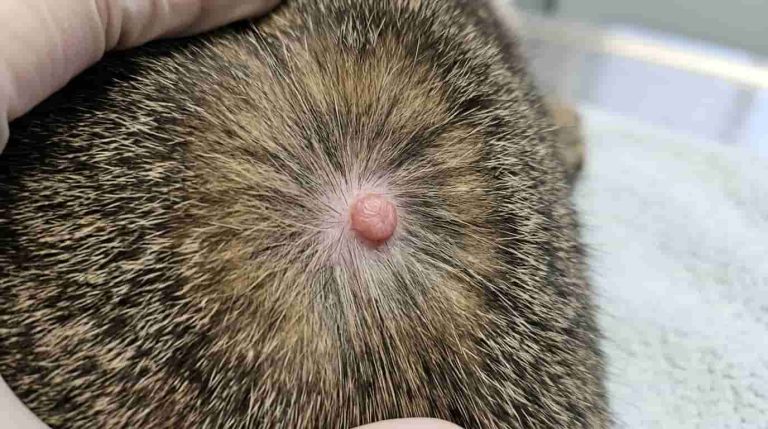
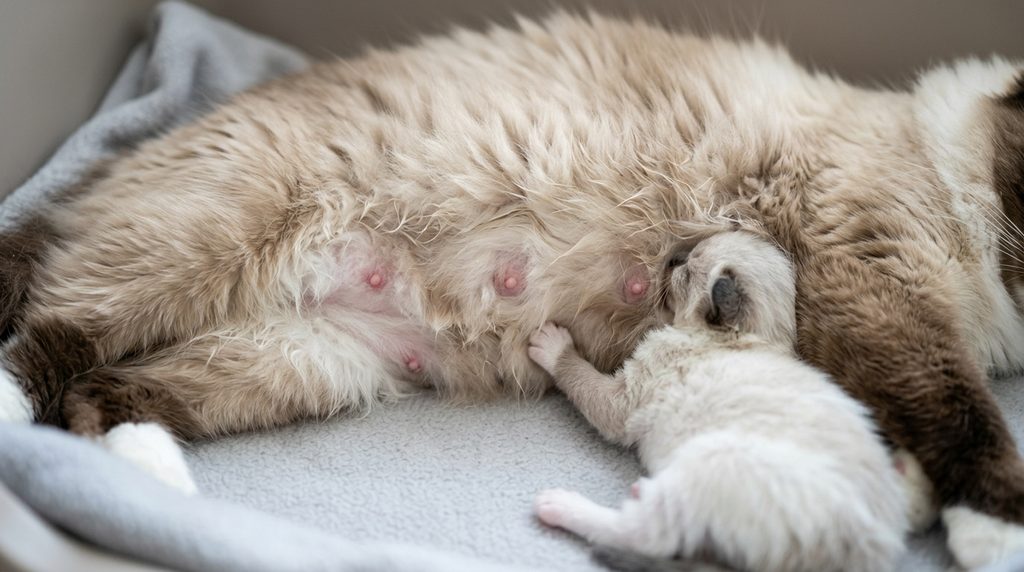
Female cats typically have eight mammary glands arranged in two parallel rows along their abdomen. During late pregnancy and lactation, these glands enlarge to produce and store milk. When a gland becomes inflamed or infected, the milk-producing tissue swells, blood flow increases to the site, and white blood cells rush in to fight off invading pathogens. This immune response causes the affected mammary gland to become noticeably swollen, firm, warm to the touch, and intensely painful.
Feline Mastitis vs. Simple Mammary Swelling
Not every enlarged or swollen mammary gland is a case of true bacterial mastitis. Cat owners should distinguish between several distinct tissue responses:
- Galactostasis (Milk Accumulation): A non-infectious buildup of milk caused by overproduction or sudden weaning. The glands may feel full and firm, but severe warmth, discoloration, and systemic fever are usually absent.
- Fibroadenomatous Hyperplasia: A benign, hormone-driven enlargement of the mammary glands that frequently affects young, pregnant, or intact female cats.
- Mammary Neoplasia (Tumors): Firm, localized lumps or masses that develop in older intact or late-spayed female cats.
- Trauma or Local Irritation: Physical injury from kitten claws or rough bedding causing localized swelling.
Because these conditions require completely different treatments, a veterinarian must evaluate any abnormal mammary tissue rather than relying on self-diagnosis at home.
3. Mastitis in Cats Symptoms: What Should You Look For?
Recognizing the signs of mastitis in cats early can dramatically improve your pet’s recovery speed and prevent severe tissue damage.
Early Signs of Mastitis in Cats
In the initial stages, the infection may affect only a single gland. Key early signs include:
- Firmness, hardness, or swelling in one or more mammary glands.
- Increased warmth and noticeable redness or pink discoloration across the skin.
- Tenderness or severe pain when the area is touched.
- Changes in milk consistency, such as thick, yellow, clotted, or stringy fluid.
- Reluctance or refusal to allow kittens to nurse due to severe discomfort.
Progression of Symptoms
- Early Stage: Localized swelling, warmth, skin redness, and thickening of the milk.
- Intermediate Stage: Discoloration (purple or blue hue) with purulent or bloody teat discharge.
- Advanced Stage: Systemic fever, severe lethargy, total loss of appetite, and complete neglect of kittens.
Signs of a More Serious Infection
As the infection progresses, localized inflammation can transform into septic or gangrenous mastitis:
- Dark purple, bluish, or blackish tissue indicating tissue necrosis (cell death).
- Discharge containing pus, bad odors, or visible blood from the teat.
- High body temperature (fever) and persistent shivering.
- Severe lethargy, weakness, and complete loss of appetite.
- Dehydration and total neglect of her offspring.
How Can You Tell if a Cat Has Mastitis?
You can spot potential cat breast infection symptoms by gently inspecting your nursing cat daily. Feel each gland softly for unnatural firmness or heat, and observe how she reacts to her nursing litter. If she cries out, snaps, or flees when kittens approach, a physical evaluation is urgently needed.
Practical Symptom Checklist
Contact a veterinarian promptly if you observe:
- Rapidly expanding or extremely hard mammary glands
- Abnormal discharge (foul-smelling, bloody, or purulent) from any nipple
- Dark, bruised, or black tissue around the teat or gland
- A lethargic, feverish, or completely inappetent mother cat
- Kittens crying constantly, losing weight, or struggling to latch
4. What Causes Mastitis in Cats?

Understanding mastitis in cats causes helps owners create cleaner, safer environments for mother cats and their young.
Bacterial Infection
The primary driver of feline mastitis is an ascending bacterial infection. Pathogens migrate up the teat canal into the sensitive milk ducts. Common bacteria involved include Escherichia coli, Staphylococcus spp., and Streptococcus spp.
Nursing and Milk Accumulation
Milk left standing inside the gland (milk stasis) creates a nutrient-rich incubator for bacterial growth. If a small litter fails to empty all glands or a kitten prefers specific nipples, unemptied glands become prone to severe pressure and inflammatory bacterial spikes.
Trauma From Nursing Kittens
Kittens instinctively knead their mother’s abdomen with sharp claws and teeth to stimulate milk release. Minor scratches or bites around the nipple compromise the skin barrier, enabling environmental bacteria to enter.
Poor Hygiene and Environmental Contamination
Dirty, damp, or unhygienic bedding harbors infectious bacteria. When a lactating queen rests on contaminated surfaces, bacteria can easily invade her soft, dilated teat openings.
Mastitis After Weaning
When kittens are suddenly separated from their mother, milk production does not stop instantly. The resulting surge in internal fluid pressure strains duct walls, leading to sterile inflammation or severe bacterial infection if bacteria are present.
Can Mastitis Occur in a Cat That Is Not Pregnant?
While rare, mastitis in cats not pregnant can occur. Unspayed non-pregnant females experiencing hormonal imbalances or false pregnancies (pseudopregnancy) can produce milk. Without kittens to drain these glands, stasis and secondary infections may take root.
5. Risk Factors for Mastitis in Female and Nursing Cats
Certain factors elevate a queen’s susceptibility to mammary infections:
- Recent Delivery & Active Lactation: Peak milk production carries the highest risk of gland engorgement and bacterial exposure.
- Large Litters or Very Small Litters: Large litters cause physical skin trauma; small litters leave several glands completely unemptied.
- Unclipped Kitten Nails: Sharp claws easily pierce fragile teat skin.
- Damp, Dirty Nesting Boxes: Moist environments promote rapid bacterial multiplication.
- History of Mammary Issues: Queens with previous gland infections are more susceptible to recurrences.
Mastitis in Nursing Cats
Nursing queens require careful daily monitoring. Inspecting their undersides during feeding times helps catch subtle changes in skin tone, temperature, or swelling before severe illness sets in.
Mastitis in Kittens
Although mastitis is a physical illness of the mother, kittens suffer significant indirect consequences. Ingesting infected, toxic, or antibiotic-laden milk can trigger severe diarrhea, sepsis, or death in newborn kittens. Furthermore, if the mother refuses to nurse due to intense pain, the litter risks swift dehydration and fading kitten syndrome.
6. What Should You Do If You Suspect Mastitis?
If you suspect cat mammary gland infection, immediate structured action is essential.
Step-by-Step Response Protocol
- Observe the Affected Area: Gently visually inspect the mammary glands without squeezing or applying heavy pressure. Note any swelling, color changes, or foul discharge.
- Assess the Mother Cat: Take note of her appetite, energy level, responsiveness to her litter, and overall physical demeanor.
- Contact a Veterinarian: Call your veterinary clinic promptly to outline your observations and schedule an examination.
- Protect the Environment: Replace soiled bedding with clean, dry blankets to reduce external contamination risks.
- Monitor the Kittens: Check if the litter is sleeping peacefully or crying frantically from hunger. Be prepared to hand-feed formula if instructed by your vet.
Critical Warning: What NOT to Do
- DO NOT attempt to squeeze, lance, or drain the gland manually.
- DO NOT apply human herbal salves, creams, or essential oils.
- DO NOT administer leftover human or pet antibiotics.
- DO NOT ignore early symptoms hoping the gland empties itself.
7. Mastitis in Cats Diagnosis: How Vets Find the Problem
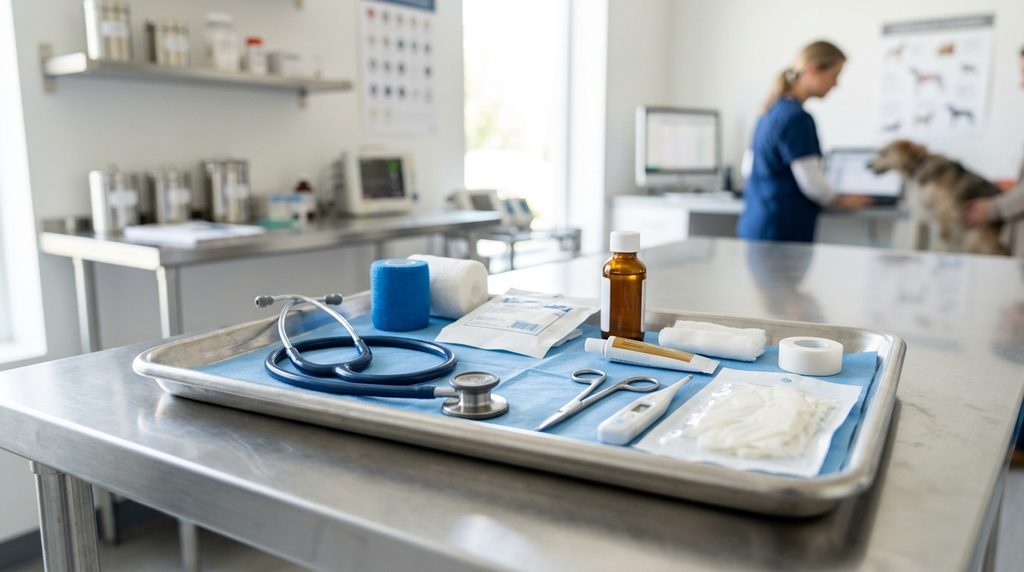
Accurate diagnosing mastitis in cats requires professional evaluation to differentiate infectious mastitis from galactostasis, trauma, or tumors.
Physical Examination
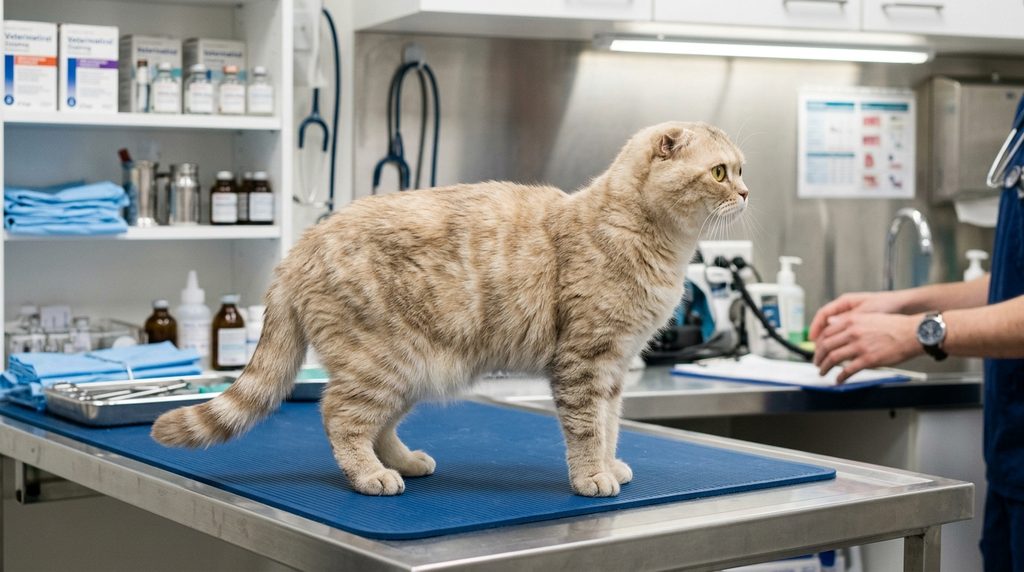
Your veterinarian will carefully palpate each mammary gland, measure body temperature, evaluate hydration levels, and check for signs of systemic toxicity.
Diagnostic Tests
- Milk Cytology: Expressing a tiny droplet of milk to check for white blood cells and bacteria under a microscope.
- Bacterial Culture & Sensitivity: Identifying specific bacterial strains to choose the most effective targeted antibiotic.
- Complete Blood Count (CBC): Assessing white blood cell counts to confirm systemic inflammation or infection.
Why Diagnosis Matters
Targeted diagnosis prevents inappropriate medication use, especially since certain antibiotics pass into milk and can harm nursing kittens.
8. Mastitis in Cats Treatment: What Veterinary Care May Involve
How do you treat a cat with mastitis? Effective treatment for cat mastitis combines systemic antibiotics, pain management, soft tissue therapy, and careful litter management.
Antibiotics for Bacterial Mastitis
Broad-spectrum oral antibiotics are the foundation of medical care. Medications such as amoxicillin-clavulanate or cephalexin are frequently selected because they effectively combat target bacteria while remaining relatively safe for nursing kittens. Always complete the entire course as directed by your vet.
Pain Relief and Supportive Care
Controlling pain helps restore the queen’s appetite and reduces stress. Feline-safe non-steroidal anti-inflammatory drugs (NSAIDs) or analgesics may be prescribed. Never give human painkillers like acetaminophen or ibuprofen, as they are toxic to cats.
Drainage or Treatment of an Abscess
If an abscess forms, veterinary intervention is necessary to drain purulent fluid under sterile conditions. Necrotic tissue may require surgical debridement and wound flushing.
Severe Mastitis May Need More Intensive Treatment
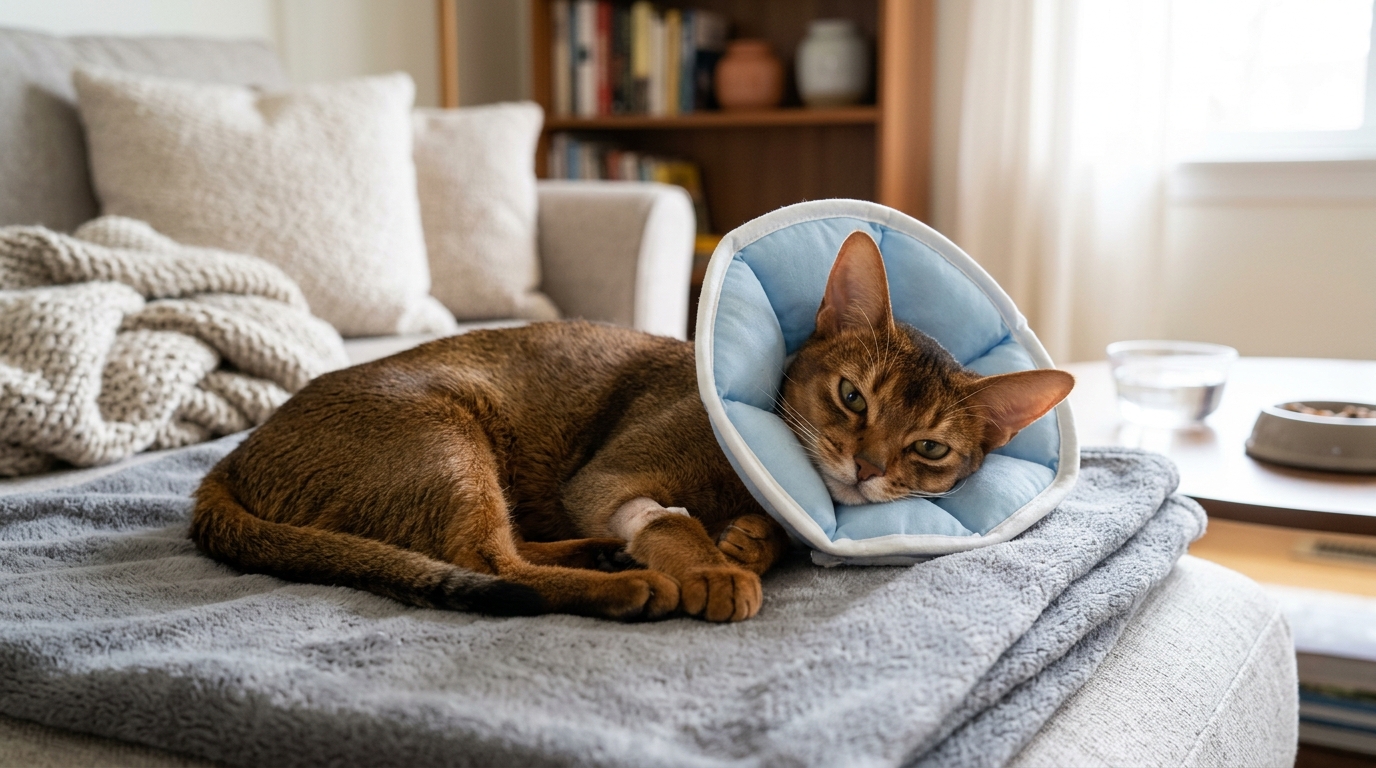
Cats suffering from septic or gangrenous mastitis often require emergency hospitalization, intravenous fluids, injectable antibiotics, and intensive supportive care.
9. Can Mastitis Heal on Its Own in Cats?
Can mastitis heal on its own in cats? True bacterial mastitis will rarely resolve without medical treatment. While mild, non-infectious milk stasis may improve with warm compresses and nursing, bacterial infections can rapidly spread, leading to severe tissue damage or systemic sepsis. Relying on unproven mastitis in cats home remedies without professional oversight risks the health of both the mother cat and her kittens.
10. Home Care During Recovery
Once your veterinarian prescribes a treatment plan, consistent supportive home care accelerates healing.
Keep the Nesting Area Clean
Change bedding daily using soft, freshly laundered towels. Keep litter boxes away from the nesting zone to minimize bacterial contamination.
Follow Veterinary Instructions
Administer every dose of antibiotic and pain medication on time. Do not stop treatment early, even if the swelling subsides.
Monitor the Mother and Kittens
Warm compresses applied to affected glands for 5–10 minutes several times daily can promote milk drainage and soothe inflamed tissue. Ensure kittens are gaining weight; supplement with commercial kitten milk replacer if the queen cannot nurse safely.
Do Not Improvise Medication
Avoid unapproved ointments, creams, or home remedies that could be toxic if licked by the mother or ingested by her nursing kittens.
11. How Long Can a Cat Survive With Mastitis?
How long can a cat survive with mastitis? Prognosis varies based on how quickly care is provided:
- Mild to Moderate Cases: With prompt veterinary care and antibiotics, most cats show improvement within 48 to 72 hours and recover completely.
- Severe, Necrotic, or Septic Cases: Delayed treatment can lead to fatal systemic sepsis within days.
Never wait to see if a severe infection clears on its own. Immediate veterinary care is essential for a positive outcome.
12. Complications of Untreated Mastitis
Failing to treat mammary infections quickly can lead to severe health complications:
- Simple Gland Infection: Initial localized bacterial invasion.
- Mammary Abscess Formation: Pockets of pus developing within tissue.
- Tissue Necrosis & Gangrenous Mastitis: Blackened, dying tissue requiring surgery.
- Systemic Sepsis & Multi-Organ Failure: Life-threatening bacterial spread throughout the bloodstream.
Additional Complications
- Kitten Mortality: Dehydration, starvation, or toxic milk ingestion impacting the litter.
When Mastitis Becomes an Emergency
Seek emergency veterinary care immediately if you notice purple or black tissue, open sores, severe lethargy, or high fever.
13. Mastitis After Spaying, Weaning, or Pregnancy: What Owners Should Know
Mastitis After Weaning
Abruptly separating a litter can cause sudden milk buildup. Gradual weaning over several weeks helps reduce pressure on the mammary glands.
Mastitis After Spaying
While spaying stops hormonal cycles, queens spayed during active lactation may still develop swollen or infected glands. Always monitor surgical incisions and mammary glands for unexpected redness or swelling.
Mastitis During or After Pregnancy
Fluctuating hormone levels during late pregnancy can occasionally trigger early milk production, increasing the risk of gland inflammation prior to delivery.
14. Preventing Mastitis in Cats
While not all cases are preventable, proactive management significantly reduces risks:
- Maintain Cleanliness: Clean and dry the nesting area daily.
- Trim Kitten Nails: Carefully clip the tips of newborn kitten claws to prevent skin scratches during nursing.
- Check Glands Daily: Inspect and feel each mammary gland daily to catch swelling early.
- Wean Gradually: Slowly transition kittens to solid food over two to three weeks.
15. Mastitis vs. Other Reproductive Health Problems
Lactating or recently pregnant queens are also at risk for other serious reproductive health conditions.
Mastitis vs. Pyometra
While mastitis targets the milk-producing mammary glands, Pyometra in Cats: Symptoms, Causes, Treatment, Surgery and Survival is a life-threatening infection located inside the uterus. Both conditions can cause fever, lethargy, and loss of appetite, but pyometra typically features abdominal distension and vaginal discharge rather than swollen breast tissue.
Mastitis vs. Difficult Birth
While mastitis affects milk production, Dystocia in Cats: Signs, Causes, Treatment and Difficult Birth refers to complications during labor. A queen experiencing dystocia struggles to deliver kittens, whereas mastitis generally develops days or weeks after delivery.
16. Emergency Checklist: When Should You See a Vet?

Seek immediate veterinary evaluation if your queen exhibits any of the following:
- Extremely hard, dark, or painful mammary tissue
- Foul-smelling, bloody, or purulent teat discharge
- Body temperature over 103.5°F (39.7°C)
- Complete refusal to eat or drink for more than 12–24 hours
- Total rejection of kittens or crying, weak offspring
17. Frequently Asked Questions About Mastitis in Cats
FAQ 1: Can mastitis in cats be caused by bacteria?
Yes, bacterial infection is the primary cause of feline mastitis. Common environmental bacteria enter the gland through damaged teat skin or up the milk canal.
FAQ 2: Can a nursing cat continue caring for her kittens if she has mastitis?
It depends on severity. If the infection is mild and antibiotics are nursing-safe, she may continue. If glands are necrotic or abscessed, kittens must be hand-fed.
FAQ 3: Is abnormal milk a sign of mastitis?
Yes. Milk that appears thick, yellow, clotted, stringy, or blood-tinged is a common indicator of mammary gland infection.
FAQ 4: Can mastitis come back in cats?
Yes, queens with a history of mastitis may experience recurrences during future lactations if underlying risk factors persist.
FAQ 5: Should I use an ointment for cat mastitis?
No. Do not apply over-the-counter ointments without veterinary approval, as nursing kittens may ingest toxic ingredients.
18. Conclusion: Acting Early Can Protect a Mother Cat
Understanding mastitis in cats allows pet owners to act quickly at the first sign of mammary swelling, warmth, or pain. By maintaining a clean nesting environment, monitoring milk glands daily, and securing prompt veterinary care, you can ensure the health and safety of both the mother cat and her litter.
Have you ever cared for a nursing queen with swollen mammary glands? Share your experiences, questions, or helpful nursing tips in the comments below!