Cat Eye Contact: Why staring can be a sign of war or love.
Introduction:
Cat eye contact can feel incredibly intense when your furry friend locks their eyes onto yours without blinking. Many pet parents feel highly uncomfortable when their kitty initiates an unmoving, silent standoff across a quiet room. You might wonder if your beloved companion is feeling affectionate or planning a sudden, aggressive ambush on your ankles. This silent feline gaze puzzles even the most experienced cat lovers because it conveys many contrasting emotions.
Understanding how to read this subtle pet eye contact will strengthen the emotional bond with your animal companion. First, you must evaluate the surrounding body language signals like ear positions and tail movements to avoid dangerous misinterpretations. This guide will help you decode kitty eye connection cues step by step so you can respond correctly.
The Secrets of Cat Eye Communication
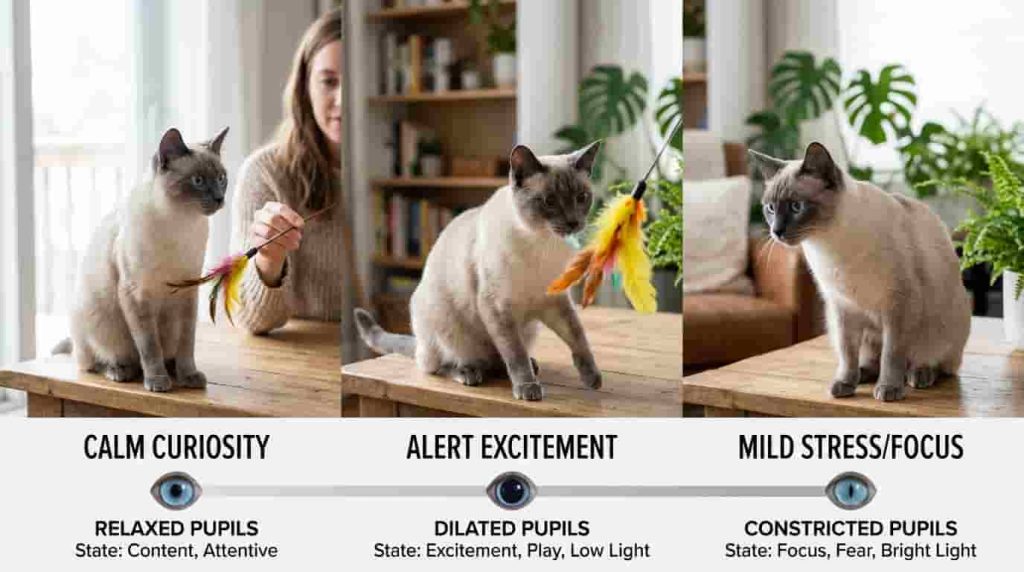
Felines rely heavily on subtle physical movements rather than loud vocal sounds to express their inner thoughts and feelings. For instance, my cousin Mike recently adopted an energetic rescue cat named Oliver from the local animal shelter. He noticed Oliver would stand completely frozen in the kitchen doorway and hold a terrifyingly intense cat stare. Mike initially worried the new animal disliked him because the unblinking cat eye behavior felt highly confrontational.
Fortunately, he soon discovered that this captivating cat eye expression often changes meaning based on subtle pupil dilation. A relaxed feline gaze with slightly narrowed eyelids actually signals complete trust and deep affection toward human caretakers. Additionally, learning these visual signals helps you distinguish normal interactive behaviors from obvious, destructive cat boredom signs.
When Cat Eye Contact Signals Tension
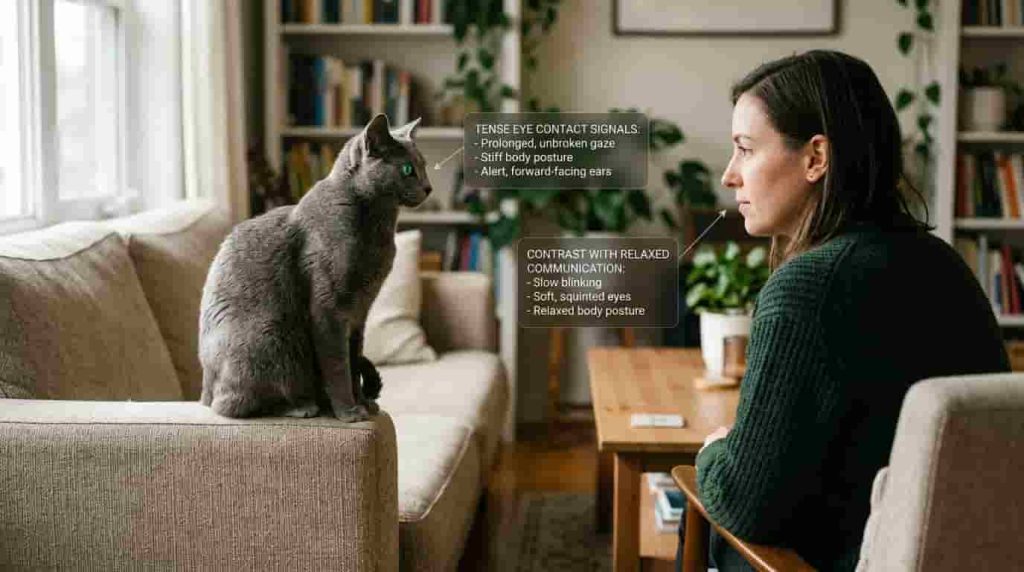
An unblinking, direct stare between two unfamiliar animals often serves as an explicit warning sign of an upcoming fight. In the wild, predators use prolonged visual locking to assert dominance over a specific territory or food source. Therefore, you should never try to force eye contact with an aggressive, fearful, or highly stressed animal.
If your kitty narrows their pupils into tiny slits, they are likely preparing for a sudden physical attack. Their ears will flatten backward against the skull while their body drops low to the carpet in a crouch. According to the veterinary experts at the ASPCA, a direct and frozen stare reveals high arousal or impending defensive aggression. Consequently, looking away slowly is the safest way to deescalate this tense situation and calm your pet down.
Decoding the Feline Slow Blink
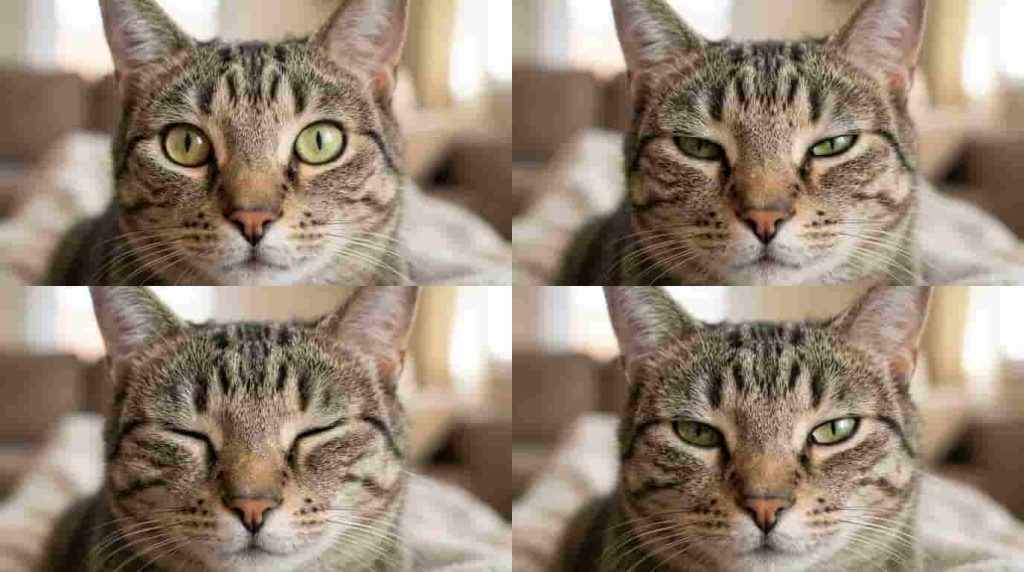
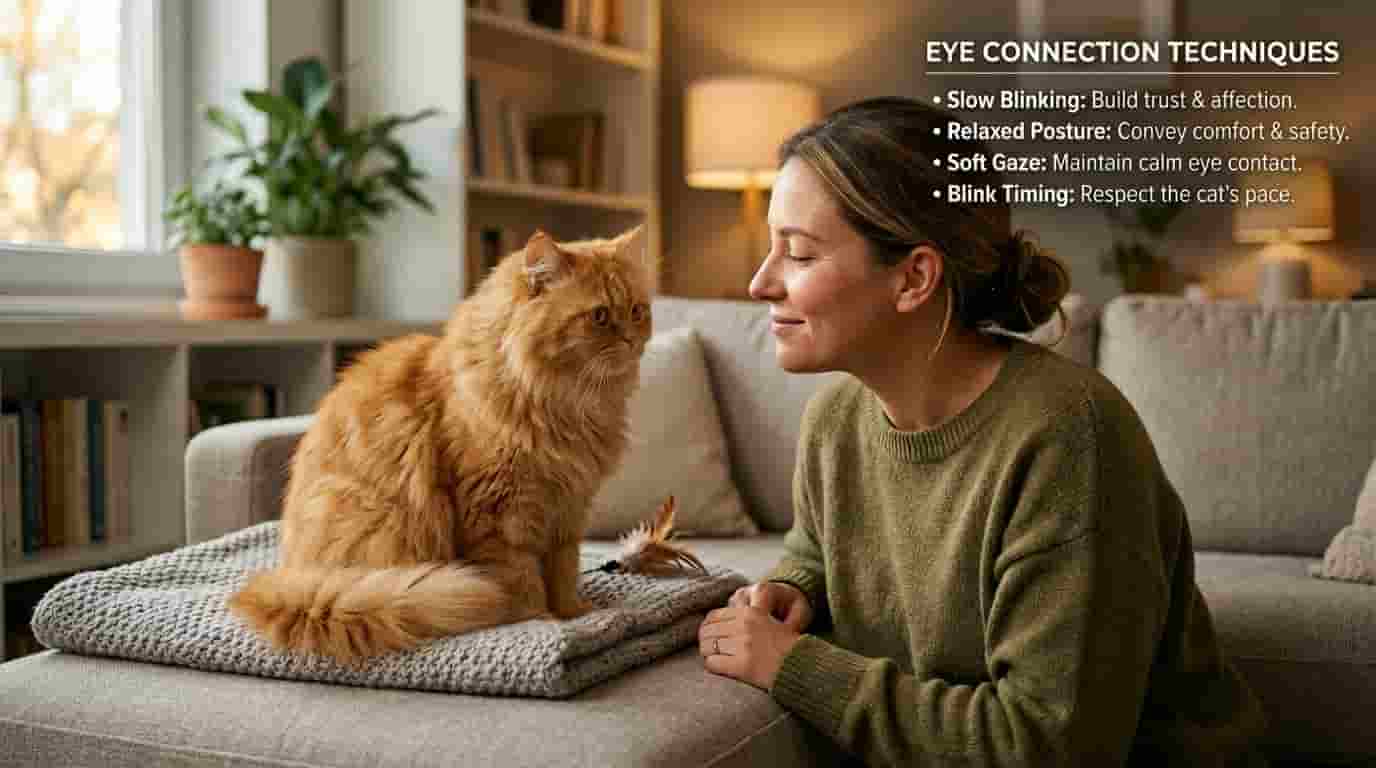
The absolute best way to build trust with an anxious kitty involves using the famous slow blink technique. First, look gently toward your animal companion without focusing too heavily on their pupils to avoid scaring them. Next, close your eyelids very slowly for two full seconds before opening them back up with a soft expression.
This specific visual movement acts as the ultimate universal sign of peace and safety in the feline world. Your pet will usually return the slow blink to show they accept your friendly, comforting non verbal message.
Pupil Changes and Emotional Shifts

Your pet’s eyes will react instantly to sudden changes in light levels and internal emotional states throughout the day. You can learn a lot about your pet’s current mood simply by tracking how fast their pupils expand.
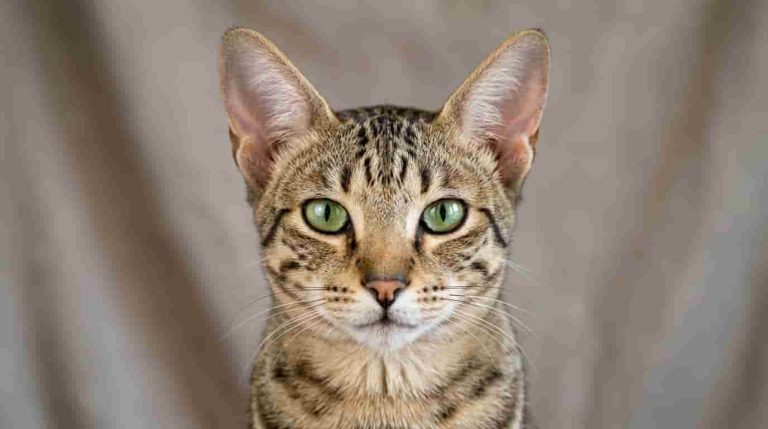
- Fully dilated pupils indicate surprise, excitement, or extreme fear.
- Constricted slit pupils signal focused hunting intent or high anger.
- Partially open pupils show a calm, content state of relaxation.
Enhancing Your Kitty Eye Connection

You can actively use soft cat eye contact to reassure your pet during stressful household situations or vet visits. For example, speak in low, soothing tones while blinking your eyes frequently to project a safe and calm energy. This conscious cat eye communication lets your pet know that no immediate environmental dangers or predators lurk nearby.
Furthermore, you should avoid making sudden, erratic head movements when you enter a room where your pet rests. Felines possess highly sensitive peripheral vision that detects the slightest motion, which can trigger their deeply embedded hunting instincts. If your pet seems extra sensitive to movement during their long rests, review our guide on cat sleep habits.
Avoiding Common Mistakes with Fearful Cats
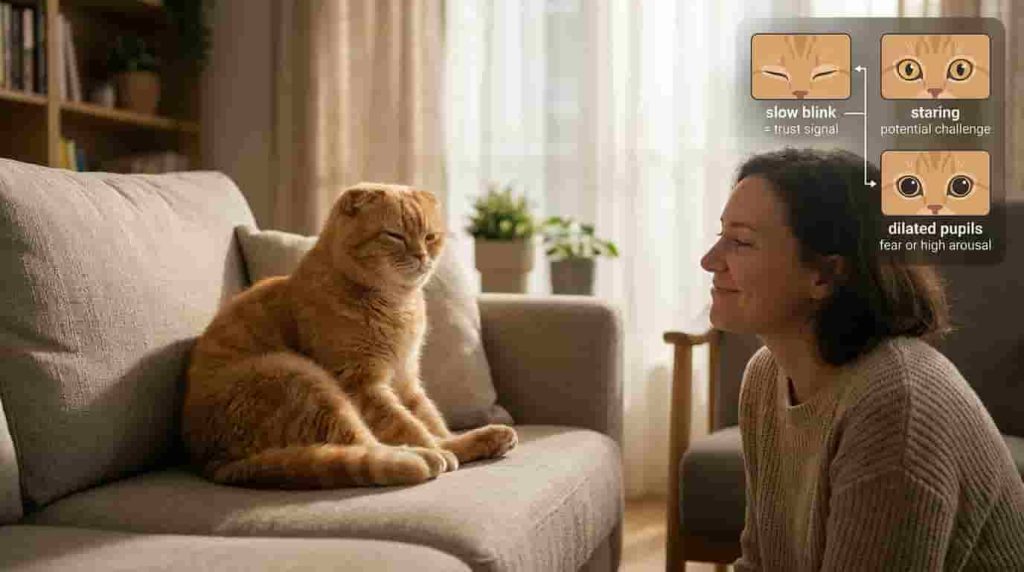
Many well meaning pet owners accidentally terrify their new rescue animals by staring directly at them for too long. This intense visual pressure makes a timid animal feel trapped, cornered, and deeply unsafe inside their own home.
- Never look a hiding cat directly in the face.
- Always glance slightly to the side to show submission.
- Allow the animal to approach your outstretched hand first.
Visual Tricks for Pet Enthusiasts
Many people confuse pet care articles with fashion trends when searching online for unique look tutorials for beginners. For example, individuals often search for a cat eye makeup tutorial or how to achieve cat eye look styles. They want to find the best cat eye products, winged eyeliner tutorial clips, and cat eye makeup tips.
Additionally, people love gathering fresh cat eye makeup ideas and standard cat eye tutorial for beginners to enhance their cosmetics. However, this article focuses purely on real animal behavior rather than how to draw sharp wings with liquid eyeliner. If you want your real pet to look stunning in photos, try using our specialized cat photography tricks instead.
The Biology of Mesmerizing Feline Eyes
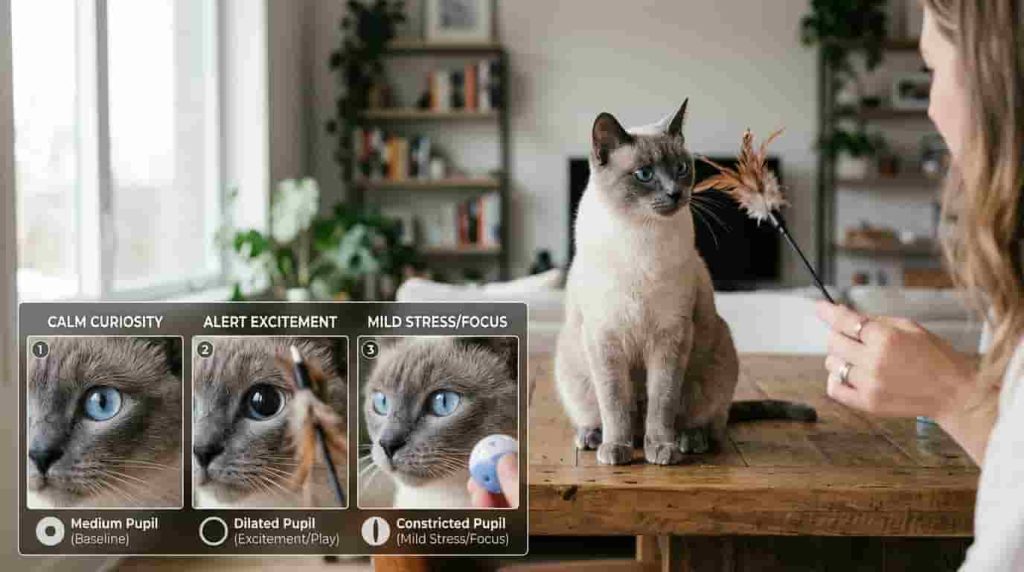
Felines possess unique physical adaptations that give them superior hunting capabilities during the dark twilight hours of the night. Their large, mesmerizing feline eyes feature a special reflective layer called the tapetum lucidum located behind the retina. This anatomical structure magnifies available light rays, which allows your pet to see perfectly in near total darkness.
Because of this adaptation, your cat’s eyes will often glow eerie shades of green or gold in flash photographs. This glowing effect can look slightly intimidating, but it simply confirms your pet has healthy, fully functioning night vision.
Maintaining Long Term Eye Health
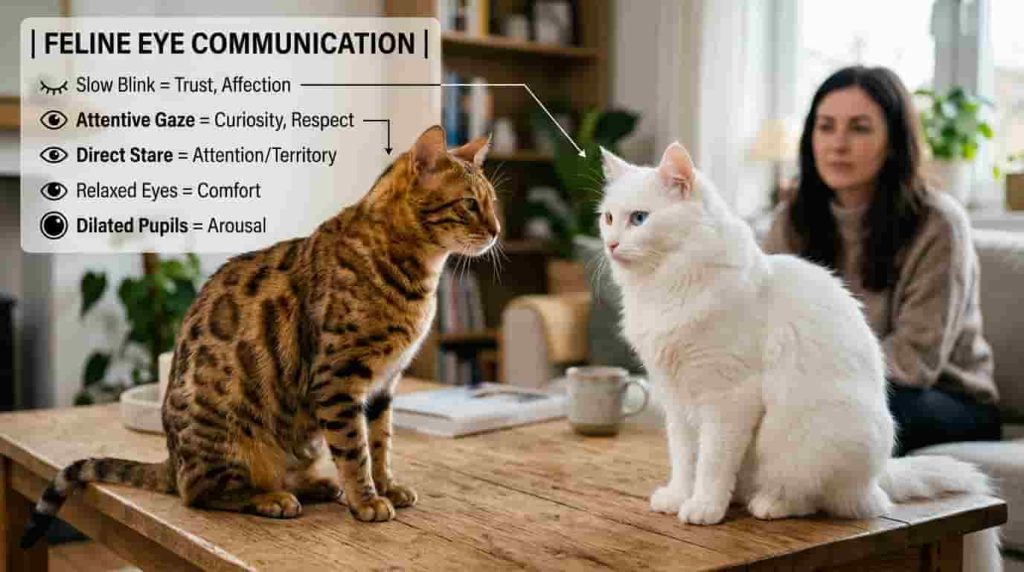
You must monitor your pet’s eyes daily to catch potential medical issues before they turn into painful infections. Healthy eyes should always look completely clear, bright, alert, and entirely free from sticky yellow crust or watery discharge.
- Wipe away minor sleep crust using a damp cotton ball.
- Check for symmetry in pupil size under normal room lighting.
- Watch for excessive squinting or pawing at the face area.
If you notice one pupil remains much larger than the other, contact a qualified veterinarian immediately for assistance. This physical asymmetry can point to serious neurological damage or internal inflammation that requires prescription medicated drops.
Master Feline Eye Body Language
Reading your cat’s eyes becomes much easier when you pair it with a thorough inspection of their tail position. A high, upright tail with a slight twitch at the tip reveals a highly curious and happy animal. Conversely, a rapidly thumping tail combined with a steady stare means you should stop petting your cat immediately.
- A high tail signals friendly and confident approach behavior.
- A tucked tail shows extreme submission, worry, or fear.
- Puffed out fur indicates the animal feels highly threatened.
By combining these physical clues, you will always know exactly what your pet needs from you during the day.
Final Thoughts on Cat Eye Contact

In conclusion, mastering cat eye contact is the secret key to unlocking a much deeper relationship with your pet. An intense cat stare might mean your kitty wants to play, or it could signal a need for space. Always look for the slow blink to confirm your pet is feeling relaxed, safe, and truly loved.
How does your favorite feline companion usually look at you when they want their morning food bowls filled up? Do they use a soft, loving gaze or a demanding stare to get your attention? Please share your funny pet stories and observations in the comment section below this post!
Frequently Asked Questions
Your cat might stare at you while you sleep because they feel completely safe near your peaceful presence. Additionally, they are highly sensitive to your breathing patterns and might expect an early breakfast if you move. This behavior simply shows they rely heavily on you for comfort, safety, and daily survival resources.
You should slowly break eye contact and turn your body slightly to the side to appear non threatening. Avoid making sudden, loud noises or reaching out your hand toward the strange animal’s face or head. Slowly walk away from the area to give the defensive animal plenty of physical space to calm down.
Your cat’s pupils dilate fully during play sessions because their brain releases massive surges of adrenaline and excitement. This physical expansion allows maximum light to enter the eye so they can track moving toys with extreme accuracy. It means your kitty is fully invested in the fun hunting game you are providing.
An infected eye will usually look very red, swollen, and produce a thick yellow or green discharge. You might also notice your pet squinting constantly or trying to rub their face against your living room furniture. Take your pet to a veterinary professional quickly to get proper antibiotic drops for the infection.
No, cats do not see the exact same vibrant color spectrum that human eyes can naturally detect. They see shades of blue and yellow very well, but they struggle to differentiate between bright red and green. However, their superior ability to detect fast movements in dim light easily makes up for this color limitation.