Cat Pica Signs: Why some cats eat non food items like plastic.
Introduction:
Cat Pica Signs often appear suddenly, leaving many pet owners completely shocked, confused, and deeply worried about safety. You might walk into your kitchen and find your favorite feline actively chewing on a clear grocery bag. Alternatively, your pet might persistently lick wool blankets, cardboard delivery boxes, or dangerous electrical cords around the house. These strange cravings represent far more than a quirky feline habit or a simple phase that your pet outgrows. In reality, a cat eating non-food items is practicing a specific medical and behavioral condition known as pica.
Understanding this condition requires you to look beyond the unusual appetite and examine your pet’s total health. Many owners confuse these dangerous feline eating disorders with typical playful curiosity or normal chewing behavior during kittenhood. However, consuming inedible materials can cause severe internal blockages, requiring immediate emergency surgical intervention to save their life. This comprehensive guide will help you understand the dangerous world of pica in cats step by step. Let us discover how to identify symptoms of feline pica and protect your beloved companion starting right now.
Monitoring your pet’s daily habits helps you identify deep underlying stressors before physical health issues arise. You can learn more about how felines react to stress by reading our guide on Cat Anxiety Triggers to discover hidden household stressors. Exploring these connections gives you a much better chance of managing feline pica successfully over time. Now, let us dive straight into the biological and environmental factors that trigger these dangerous eating patterns.
What Causes Pica in Cats and Why It Starts
Determining what causes pica in cats involves looking at both biological health and daily household stress factors. First, severe nutritional deficiencies can drive a cat to look for essential minerals in highly unusual places. For example, an anemic feline might crave kitty litter because their body desperately lacks iron and other nutrients. Additionally, chronic medical conditions like diabetes, feline leukemia, or hyperthyroidism can trigger a sudden, intense cat unusual appetite. Therefore, your veterinarian must always perform complete blood tests to check for underlying cat health issues first.
Furthermore, boredom and lack of mental stimulation function as primary environmental causes for this specific cat compulsive behavior. Indoor felines possess natural predatory drives that require regular physical outlets during the day, like hunting or climbing. When an environment lacks interactive toys, a frustrated pet often redirects their energy toward chewing nearby household items. This bad habit quickly turns into a dangerous coping mechanism to pass the time when you leave. Over time, the comforting texture of plastic or fabric reinforces this destructive loop inside their brain.
Finally, deep emotional distress and separation anxiety can trigger these severe behavioral issues in cats without warning. Felines love predictable routines, so major household changes can cause them to seek comfort through oral fixation. You might notice your anxious pet staring at you intensely before they begin chewing on a nearby blanket. If you observe this intense looking, check out our article on Cat Staring Secrets to decode your pet’s midnight gazes. Understanding their visual communication helps you identify when anxiety is driving their strange chewing habits.
Key Signs of Cat Pica and Feline Pica Symptoms
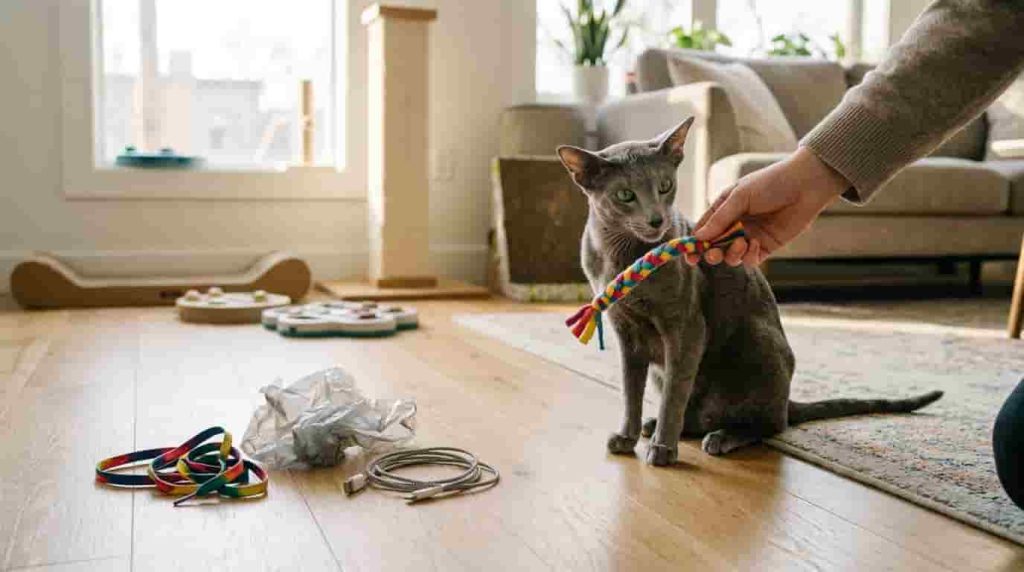
Recognizing the exact signs of cat pica early requires careful observation of your pet’s daily oral habits. Many felines start by simply sucking or licking smooth surfaces like plastic wrappers, gloss paper, or synthetic fabrics. However, this casual licking can quickly escalate into tearing, chewing, and successfully swallowing large pieces of the item. You must track how often your pet targets these materials to catch the pattern before an emergency occurs. If the behavior happens daily, your pet is likely showing clear feline pica symptoms.
Additionally, look out for secondary physical symptoms that indicate your cat has already swallowed dangerous foreign objects. A cat with an intestinal blockage will vomit frequently, lose their appetite, and show general lethargy during playtime. They may also experience painful constipation or display a hunched posture when resting on the living room rug. These critical warnings mean the swallowed items are blocking their digestive tract, creating a life-threatening medical emergency. Never ignore these physical changes because they signal an immediate need for professional emergency veterinary intervention.
Consider a real-life example involving a dedicated pet owner named Amara who lived in central Abuja. She owned a beautiful Siamese cat that began chewing on plastic trash bags in the kitchen floor. Amara initially thought her pet was simply playing with the crinkly material during quiet afternoon hours. One evening, the cat stopped eating entirely and began vomiting clear fluid under the dining room table. The emergency vet found a large piece of plastic blocking the stomach, proving that ignoring signs of pica in cats is dangerous.
Diagnosing Pica in Cats at the Veterinary Clinic
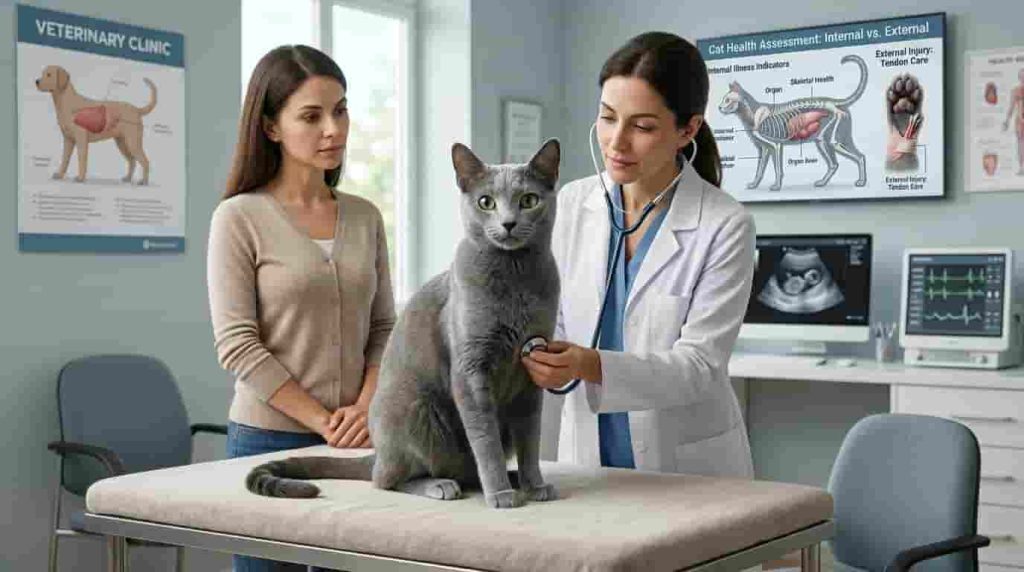
The formal process for diagnosing pica in cats always begins with a thorough physical examination by your vet. Your medical team will carefully check your pet’s mouth, gums, and teeth to ensure oral pain is not causing the chewing. Next, they will run comprehensive blood chemistry profiles, complete blood counts, and urinalysis to check for systemic illnesses. These initial tests help rule out vitamin deficiencies, anemia, and metabolic diseases that trigger a sudden unusual appetite. Your vet must eliminate these medical causes before diagnosing cat pica as a purely psychological issue.
Furthermore, diagnosing cat pica requires advanced imaging if your vet suspects the animal has already swallowed foreign materials. X-rays and abdominal ultrasound scans allow doctors to see exactly what is sitting inside the stomach or intestines. Some items like soft plastic or sewing threads might not show up clearly on standard digital radiographs. Therefore, your vet may need to use contrast dye studies to locate hidden blockages along the digestive tract. These diagnostic steps ensure your pet receives the most accurate and safe medical treatment option available.
Effective Treatment for Cat Pica and Management Tips
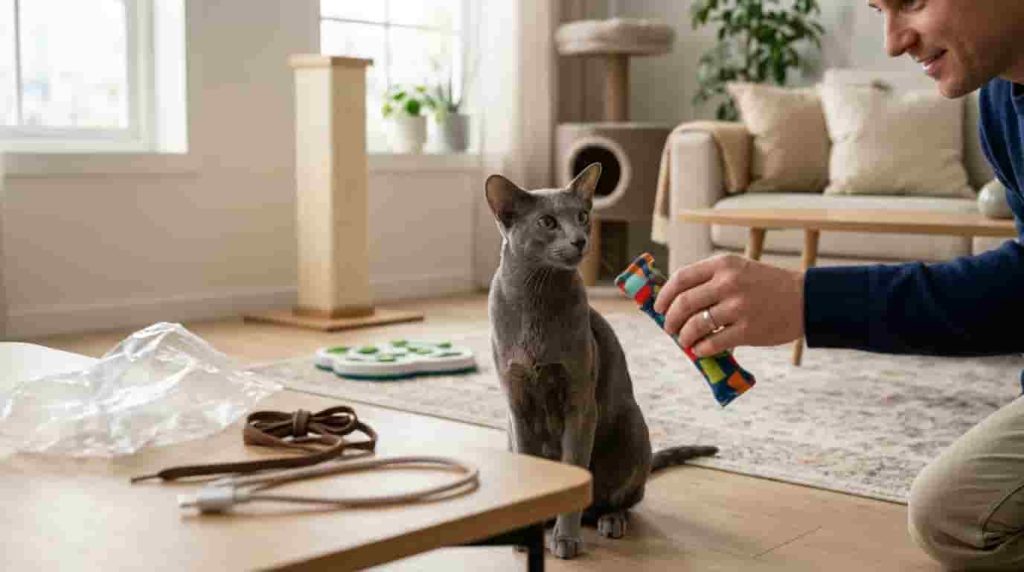
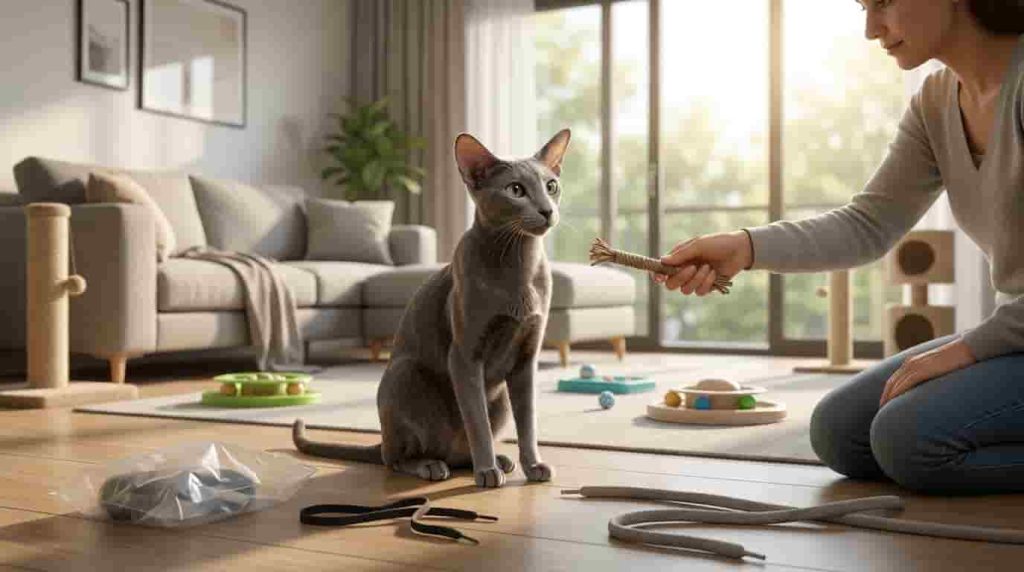
Developing a successful plan for treatment for cat pica requires a dual approach combining environmental changes and behavioral therapy. First, you must completely remove all targeted non-food objects from your pet’s reach around the house. Store your plastic grocery bags securely in closed cupboards, hide loose sewing threads, and cover electrical wires. This immediate cleanup prevents your pet from swallowing dangerous items while you work on changing their long-term habits. Securing your home environment is the single most important step for ensuring absolute pet safety.
- Increase Interactive Play: Dedicate fifteen minutes to feather wands or laser toys twice a day to burn energy.
- Provide Safe Alternatives: Offer fresh organic cat grass or safe chew toys designed specifically for aggressive chewers.
- Use Bitter Deterrent Sprays: Apply safe, pet-friendly bitter apple sprays to large items you cannot easily hide away.
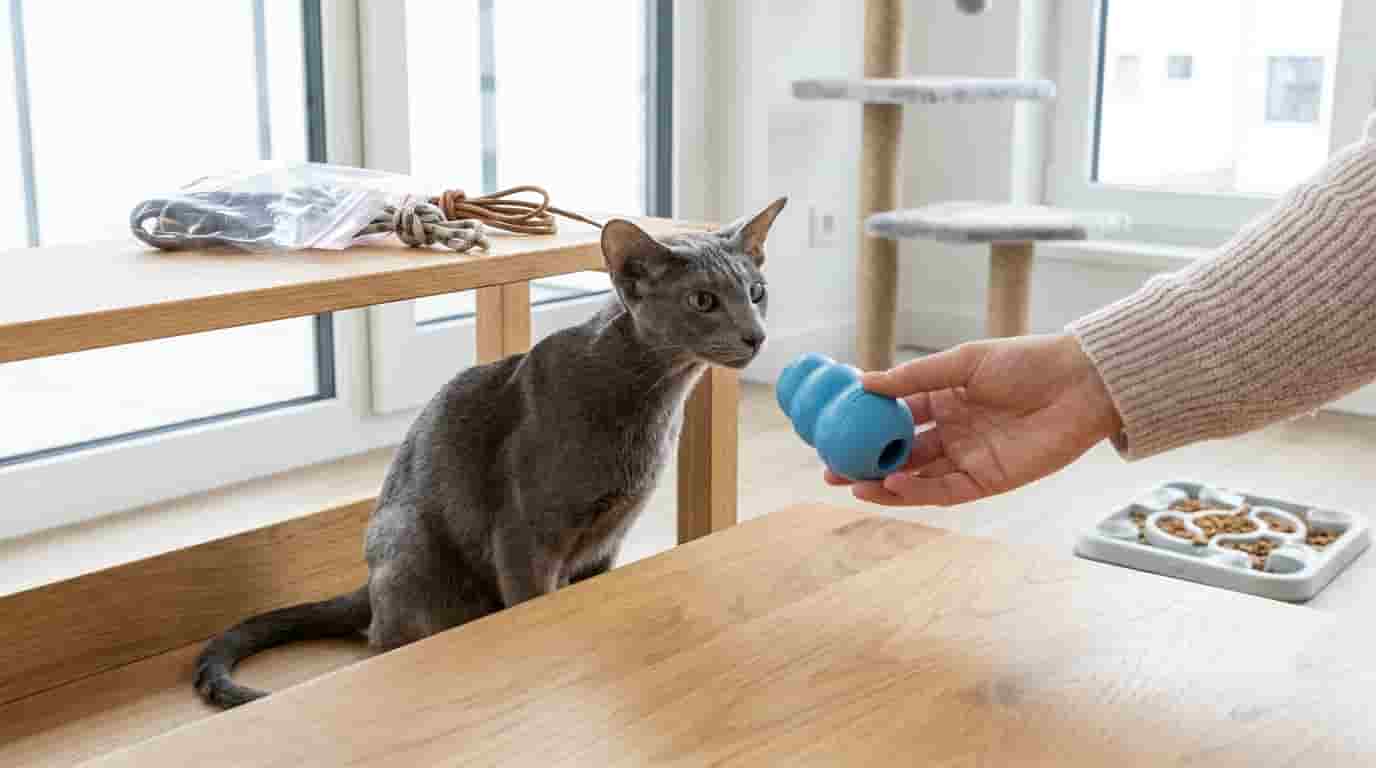
- Utilize Puzzle Feeders: Serve daily dry kibble inside complex puzzle toys to keep their brains actively engaged.
Additionally, exploring modern cat pica treatment options with your vet can provide great relief for highly compulsive pets. If environmental enrichment fails, your vet might prescribe specialized anti-anxiety medications to balance your cat’s brain chemistry. These temporary prescriptions reduce the intense internal drive to chew, allowing new positive behavioral habits to take root. Combined with regular play, medication helps you master managing feline pica successfully. Your steady patience and consistent daily care will guide your pet back to a perfectly healthy lifestyle.
Long Term Cat Pica Prevention Tips for Pet Parents
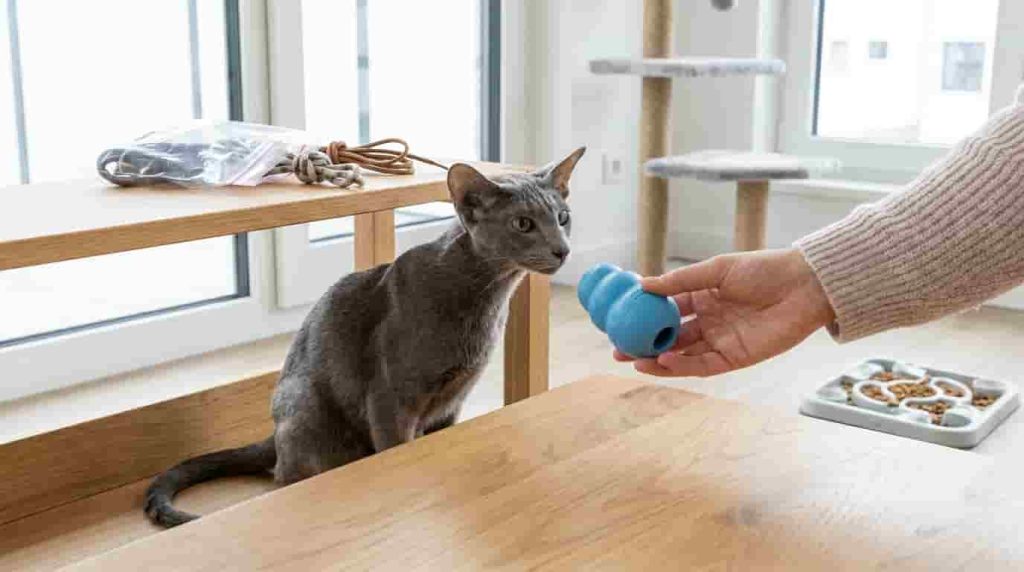
Maintaining excellent cat pica prevention tips over the long term ensures your companion stays safe as they age. Felines thrive on predictable schedules, so serve meals and clean litter pans at the exact same time daily. This strict routine lowers general household anxiety, reducing the likelihood that your pet will experience dangerous behavioral relapses. Additionally, ensure their daily diet contains optimal fiber and protein levels to keep them feeling full and satisfied. High-quality nutrition prevents the physical cravings that often drive felines to seek out strange items.
Furthermore, watch your multi-pet household dynamics carefully to prevent social stress from triggering new compulsive behaviors. Felines sometimes practice causes of excessive licking in cats when they feel threatened by another animal in their territory. If your pets are struggling to bond, read our feature on Cat Grooming Others to learn how felines build social trust. Resolving these hidden social tensions helps keep your home completely peaceful and free from anxiety-driven disorders. Your proactive environmental care protects your favorite animal friend from developing dangerous oral habits long into the future.
Conclusion
Recognizing early Cat Pica Signs empowers you to intervene before a dangerous dietary habit turns into a medical crisis. While finding your pet chewing plastic is alarming, you can successfully manage this behavior through environmental care. By clearing hazards, increasing daily playtime, and working with your veterinarian, you keep your furry family member safe. Your consistent protection creates a remarkably secure, enriching home space where your pet can thrive without danger.
Are you ready to secure your living space and eliminate dangerous chewing hazards for your pet today? Have you already planted a fresh tray of organic cat grass to provide a safe chewing alternative? Please share your personal success stories and behavioral questions in our comments section below to help other owners!
Frequently Asked Questions
Plastic grocery bags often contain animal tallow fat or cornstarch during manufacturing, which smells delicious to a cat’s sensitive nose. Additionally, the smooth texture and crinkly noise provide an enjoyable sensory experience that relieves boredom. This dangerous habit can quickly turn into a regular compulsive behavior
You must gently remove the fabric from their mouth right away without scaring or chasing them across the room. Check their throat carefully to ensure no loose threads are wrapped around the base of their tongue. Watch them closely for vomiting, and call your vet if you suspect they swallowed a piece.
If a severe mineral deficiency or lack of dietary fiber is causing the appetite, switching foods can fix the problem. Your vet can recommend a high-fiber prescription formula that keeps your pet feeling completely full throughout the day. This dietary shift often reduces the urge to chew non-food items.
Oriental cat breeds like the Siamese, Tonkinese, and Burmese show a much higher genetic risk for developing pica behavior. These specific breeds often fixate on sucking or chewing wool blankets and soft fabrics from a very young age. Early environmental enrichment is vital for these sensitive pets.
You can successfully manage and control pica through home proofing, lifestyle enrichment, and professional veterinary guidance over time. While the internal urge to chew might return during stressful events, maintaining a stable routine prevents relapses. Many felines live long, happy lives with proper management.