Cat Boredom Signs: How to tell if your cat needs more play.
Introduction:
Cat boredom signs often hide in plain sight behind seemingly normal everyday pet habits. Many owners think their feline companion is completely content just lounging around the living room all afternoon. However, your indoor cat might actually feel trapped in a deeply unstimulating environment without your knowledge. This hidden stress can eventually turn a calm pet into a frustrated, destructive animal.
Recognizing these subtle red flags early will help you transform your furry friend’s daily life completely. For instance, you might notice sudden changes in how your kitty interacts with household objects or family members. Therefore, understanding the true signs of boredom in cats is the first step toward a much happier home. This expert guide will teach you exactly how to spot and solve these hidden behavioral problems.
Unmasking Typical Bored Cat Behavior
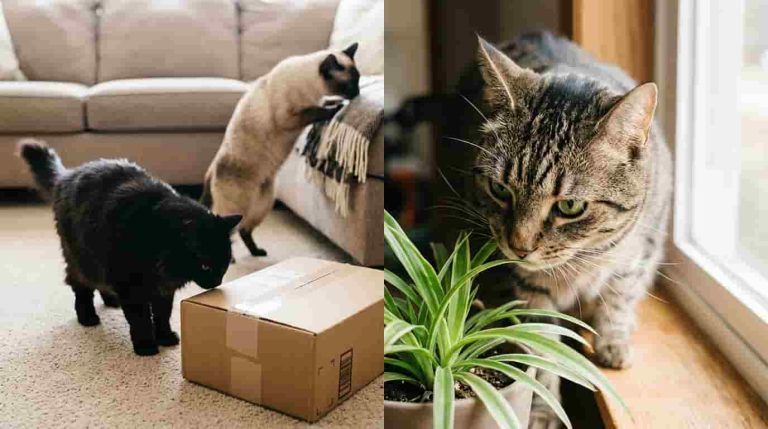
Felines express their deep mental frustration through various repetitive actions that owners easily misinterpret as anger. For example, my friend Jessica noticed her tabby cat Milo started knocking heavy glass cups off the kitchen counters. She initially thought Milo was just acting mean or throwing a random feline temper tantrum. After observing closely, she realized this bored cat behavior was actually a desperate cry for human attention.
Many pets will create their own chaotic fun when their owners fail to provide enough daily entertainment. They might shred expensive curtains, scratch leather sofas, or constantly unroll entire bathroom tissue packs on the floor. Additionally, some felines turn their pent up energy inward by chasing their own tails for long periods. You must learn to separate natural curiosity from these obvious destructive cat boredom symptoms to protect your furniture.
If your kitty sits and watches you closely during these destructive moments, it could mean something else. You can read our detailed guide on the meaning behind why staring can be a sign of war or love.
Subtle Physical Signs of a Bored Kitty
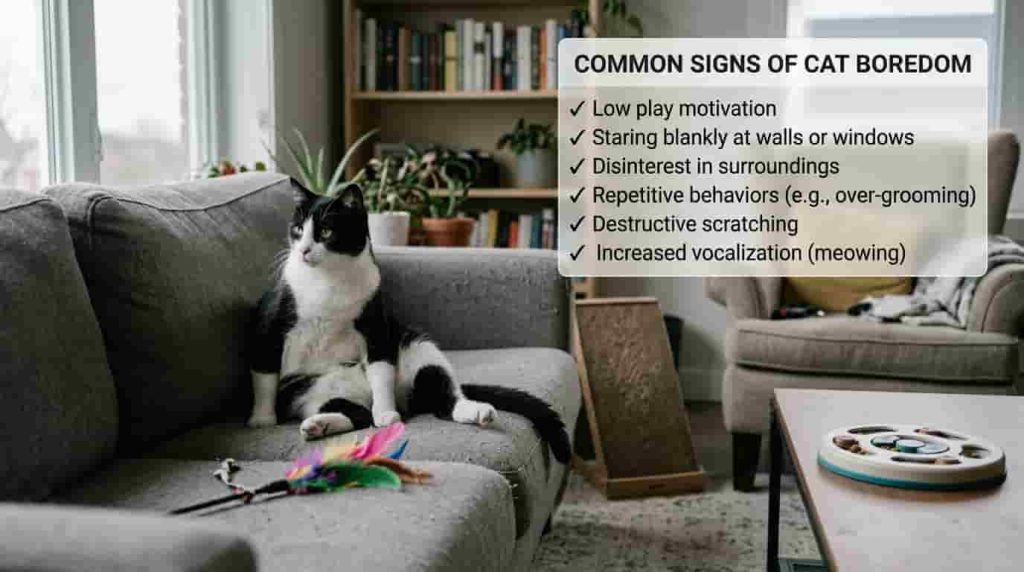
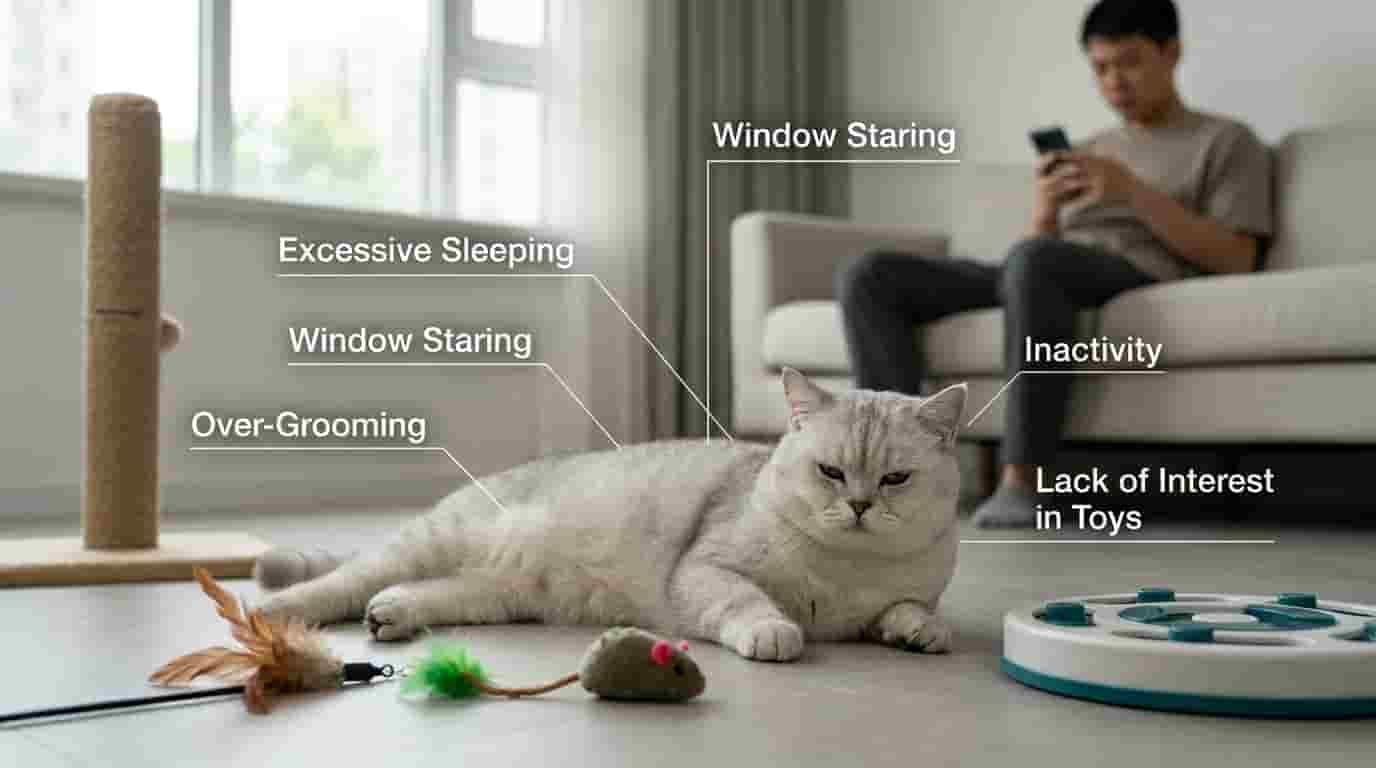
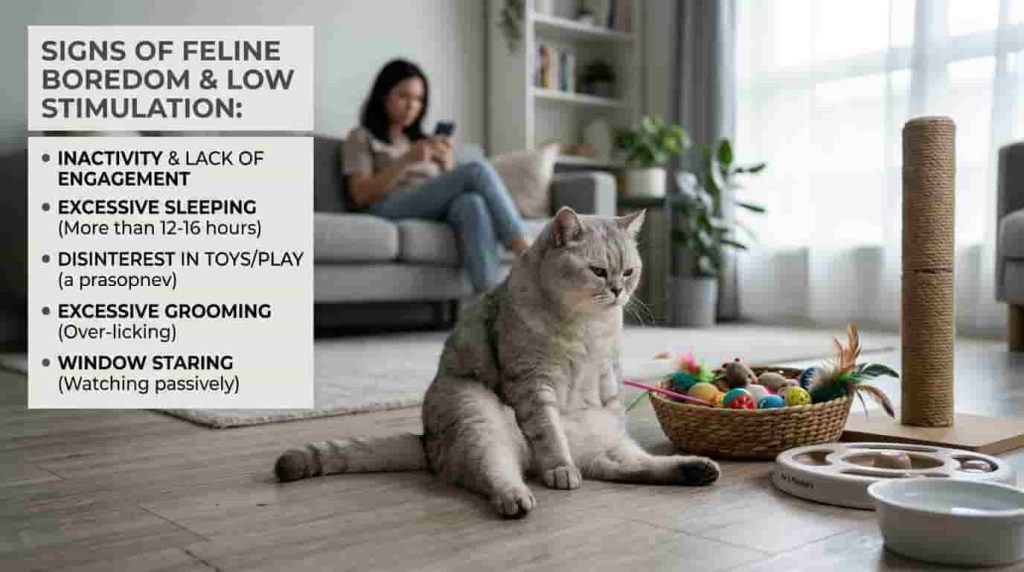
Not every frustrated feline will choose to destroy your house or knock over your coffee mugs. Some indoor pets express their mental fatigue by withdrawing from household activities and sleeping far too much. Consequently, you might simply assume your cat is lazy because felines love to nap during the afternoon. However, you should definitely learn to distinguish healthy rest cycles from deep, depression fueled lethargy.
To help with this, you can learn all about normal why they spend 16 hours a day napping to spot abnormal changes. A highly distressed pet often grooms itself excessively until bare skin patches appear on its legs. This repetitive licking behavior releases soothing endorphins that help a stressed kitty cope with a dull, empty environment. Therefore, identifying cat boredom early can save your pet from developing painful, self inflicted skin infections.
Recognizing Overeating and Weight Shifts
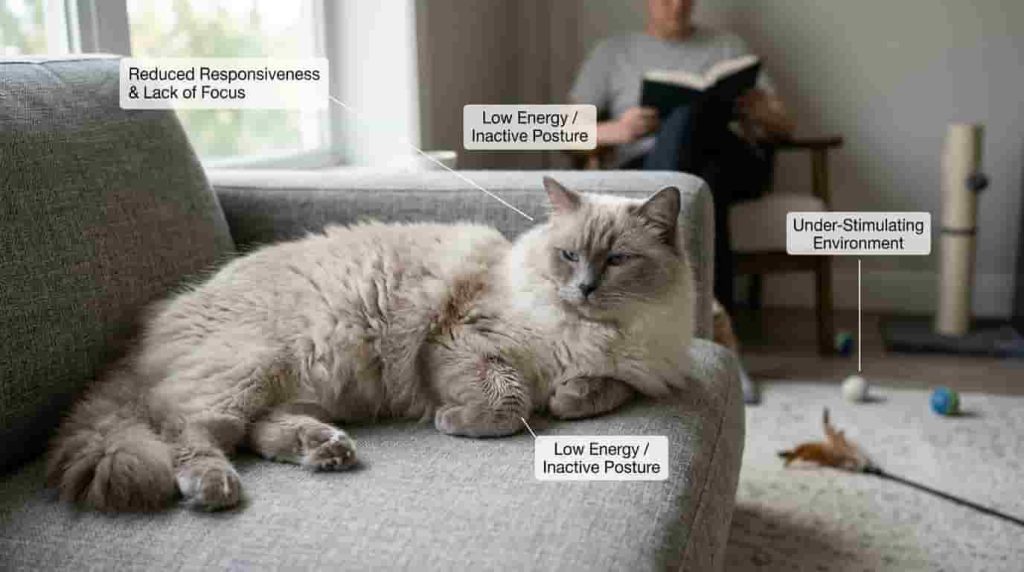
Bored felines often develop an unhealthy obsession with their food bowls because they have nothing else to do. They will beg for treats constantly and meow loudly at the kitchen cabinet doors throughout the day. This overeating leads to rapid weight gain and slows down their physical movements significantly over time.
According to the veterinary behavioral experts at PetMD, repetitive behaviors like overeating often stem from a total lack of environmental stimulation. Therefore, you must address the root psychological cause rather than simply cutting back their daily food portions.
Spotting Sudden Feline Relationship Tension
A lack of daily activity can also cause sudden, unexpected fights between multiple pets in your household. A bored kitty might stalk and ambush its companion animals out of sheer frustration. This unwanted pouncing creates a very hostile living environment for every animal involved in the home.
- Cats might growl over favorite resting spots.
- Chasing turns from playful to aggressively mean.
- Spontaneous swatting occurs during peaceful moments.
Actionable Cat Boredom Solutions for Every Home
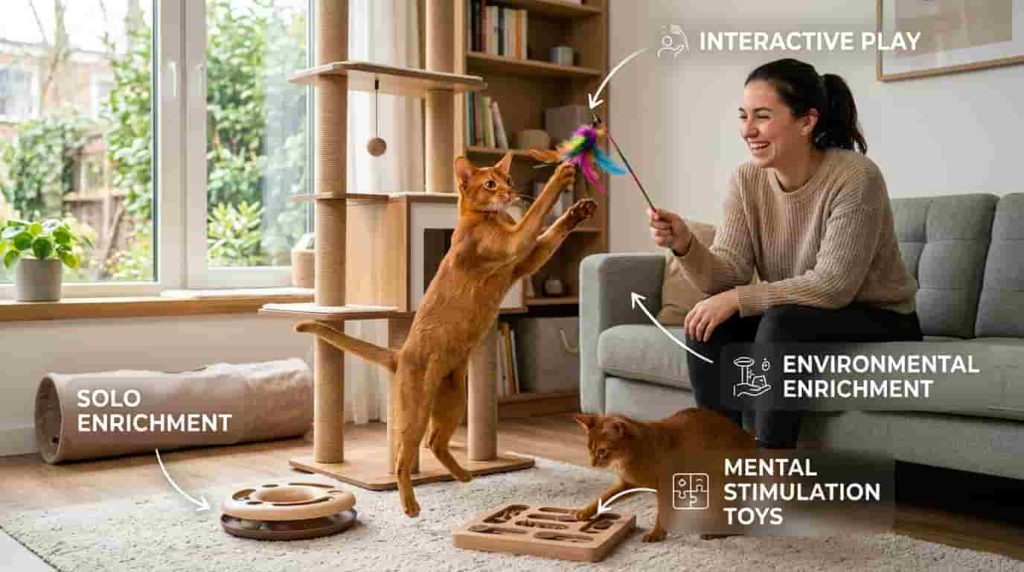
Fortunately, executing a few simple cat enrichment ideas can reverse these negative behaviors almost immediately. First, you must introduce a variety of interactive toys that mimic the natural hunting experience for felines. Battery operated mice that move unpredictably across the floor will instantly trigger your pet’s wild predatory instincts. Next, rotate these toys every few days so the items always feel fresh and exciting to your pet.
Furthermore, puzzle feeders provide excellent cat mental stimulation by making your kitty work hard for their daily kibble. These clever devices require your pet to use their paws and brain to unlock hidden treats. Using these tools stops overeating because it slows down consumption while keeping their sharp minds fully occupied.
If you love capturing these active, playful moments on camera, you need the right setup. You can check our top tips on how to get your pet to look at the camera for perfect shots.
Creating Engaging Bored Cat Activities
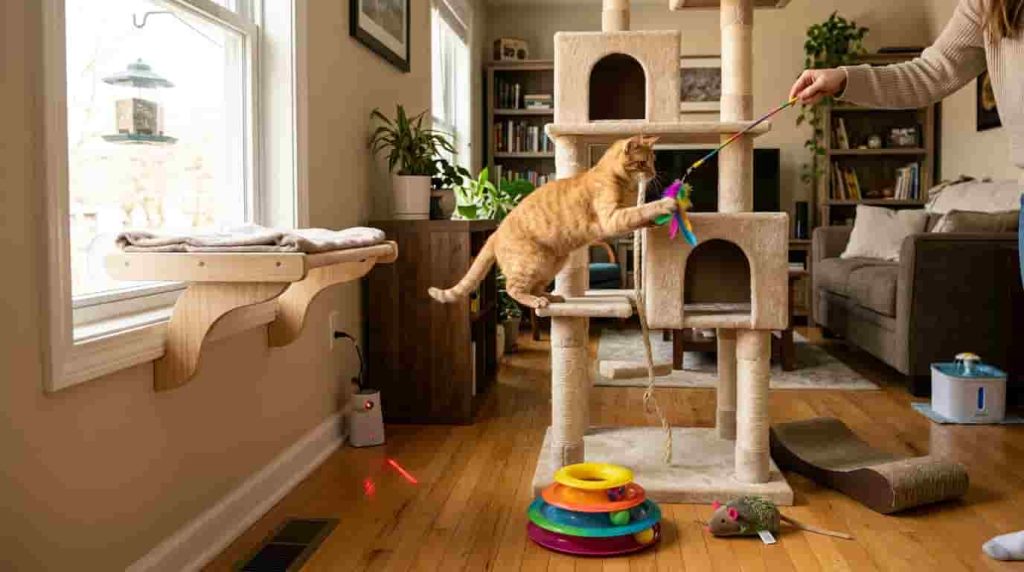
Preventing cat boredom requires you to optimize the vertical space available throughout your living room walls. Installing tall cat trees near secure windows allows your pet to observe outdoor birds and passing cars safely. This simple setup acts like a live television show for felines and keeps them entertained for hours.
- Place bird feeders directly outside the window glass.
- Add scratching posts covered in rough sisal rope.
- Build a safe outdoor cat patio if possible.
Additionally, you can hide small piles of dry treats around the house for a fun hunting game. This simple activity encourages your pet to explore their territory actively while you work at your desk.
Implementing Effective Bored Cat Solutions
Engaging cats at home does not require you to spend hours creating complex obstacles or games. Just fifteen minutes of focused, active play each evening can satisfy your pet’s natural hunting desires completely. Use a feather wand toy to mimic a flying bird and let your cat catch it eventually. This successful catch provides a satisfying conclusion to the hunt and relaxes their mind before bedtime.
- Keep play sessions short but highly intense.
- Always reward a successful hunt with food.
- Vary the speed of your wand movements.
Finally, consider trying some creative DIY projects to keep your budget completely safe. A simple cardboard box with small holes cut into the sides can hold hidden toys for hours of fun.
The Ultimate Guide to Cat Entertainment Ideas
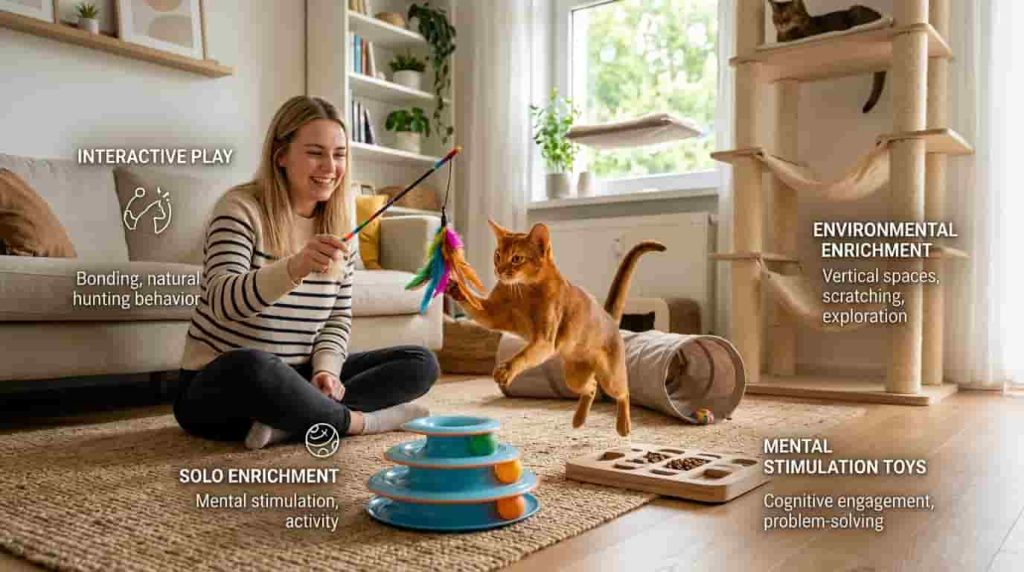
Every pet parent should build a personalized toolkit of fresh cat entertainment ideas to keep life interesting. You can plant small pots of organic cat grass around the kitchen floor for a safe sensory experience. Felines love the unique texture and scent of fresh grass, which breaks up the monotony of indoor life.
- Scatter dried catnip on corrugated cardboard scratchers.
- Play special videos made for cats on your television.
- Provide crinkle paper bags with the handles removed.
Consistently mixing these sensory experiences ensures your kitty stays sharp, curious, and physically fit throughout their adult years.
Final Thoughts on Cat Boredom Signs

In conclusion, paying attention to cat boredom signs is essential for maintaining a happy and healthy indoor pet. Destructive grooming, excessive vocalization, and household damage are clear cries for more mental stimulation. Luckily, utilizing smart bored cat solutions like puzzle toys and vertical trees can solve these issues quickly.
Does your favorite feline display any of these bored cat signs when you stay away for too long? What are your go-to games for keeping your kitty happy and active during the workweek? Please share your best tips and personal stories in the comments section below!
Frequently Asked Questions
A lazy cat will still greet you happily and maintain a clean, well groomed coat every day. A depressed or bored cat often stops grooming entirely or hides away in dark closets for long periods. Contact your veterinarian if you notice a sudden, permanent drop in your pet’s overall energy levels.
Yes, indoor felines face a much higher risk of boredom because their environment never changes naturally. Outdoor animals encounter constant sensory stimulation from shifting weather patterns, live prey, and local territory boundaries. However, you can easily replicate this excitement safely indoors using smart environmental enrichment tools.
Battery operated motion toys and rolling food puzzle balls work best for solo play sessions. Additionally, window perches paired with outdoor bird feeders provide hours of passive visual entertainment for lonely pets. Always ensure the solo toys lack loose strings that your cat could accidentally swallow.
A second companion animal can provide excellent socialization and play opportunities if both felines match in energy. However, introducing a new pet can sometimes cause extra territorial stress and loud fighting if done too quickly. Always introduce new animals slowly using separate rooms to ensure long term household peace.
Your kitty likely views you as the sole source of entertainment and excitement in their dull environment. This constant vocalization is a direct demand for attention, interactive play, or extra food treats. Try scheduling regular play sessions before you leave the house to satisfy this social need.