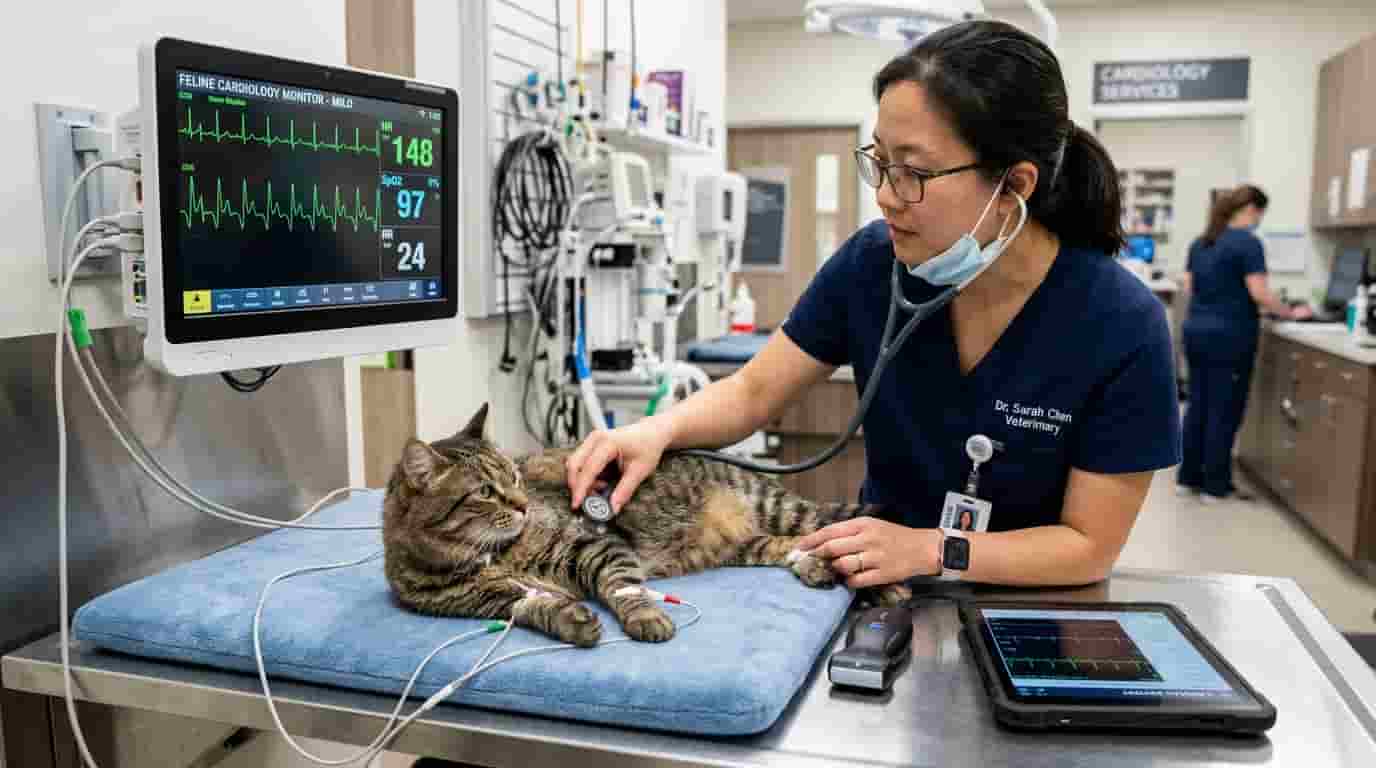
Cat Heart Rate: How to measure beats per minute during rest.
Introduction:
Cat heart rate monitoring is an excellent skill that helps you track your feline friend’s wellness from home. Many owners struggle to know if their pet is truly relaxed or hiding hidden pain or stress. Because cats naturally mask their physical discomfort, subtle changes in their cardiovascular system provide the best clues. Therefore, learning how to check cat heart rate baseline levels will give you incredible peace of mind.
Measuring these baseline numbers while your kitty rests quietly gives you a highly accurate picture of their health. A normal cat heart rate is significantly faster than a human pulse, which often surprises new pet parents. Consequently, you must practice finding the heartbeat ahead of time so you can act quickly during emergencies. This comprehensive guide will show you how to monitor cat heart rate levels safely and accurately.
Understanding a Healthy Cat Heart Rate Range
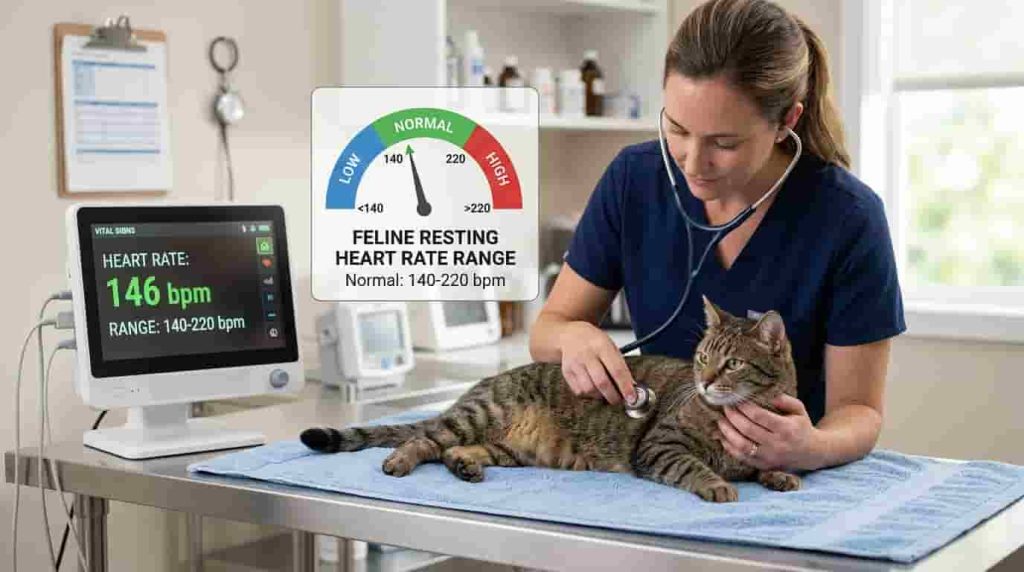
Felines possess unique cardiovascular systems that function rapidly to support their athletic, predatory instincts. A healthy cat heart rate range usually spans between 140 and 220 beats per minute during normal daily activity. However, a truly normal heart rate for cats should drop significantly when they are deeply resting or sleeping.
- Resting rates generally sit between 140 and 160 beats per minute.
- Active play or high stress can push numbers toward 220 beats.
- Purring can artificially alter the rhythm you feel under your fingers.
According to veterinary medical cardiologists at VCA Animal Hospitals, a resting rate consistently above 200 beats can signal serious illness. Therefore, you should always collect your baseline numbers when your kitty is completely calm, cool, and quiet. This strategy ensures you gather an accurate baseline without background noise from excitement or sudden fear.
Step by Step Guide to Find the Feline Pulse
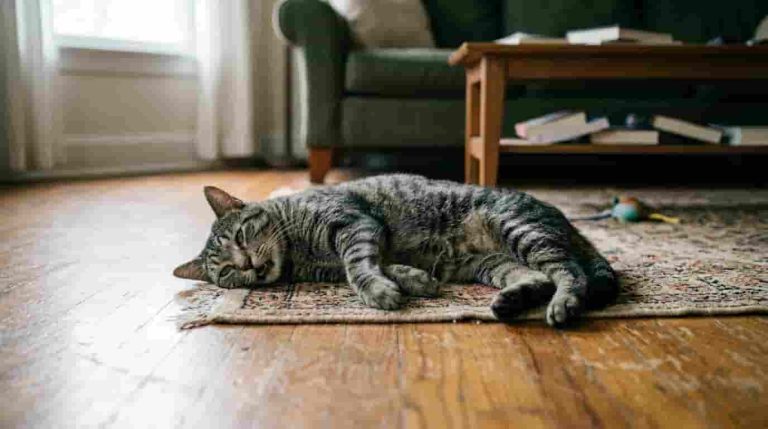
Locating the feline pulse requires a very gentle touch and a completely quiet room in your house. For instance, my neighbor Mark noticed his elderly tuxedo cat Felix seemed slightly more lethargic than usual. He waited until Felix fell asleep on a plush living room cushion to check his vitals. By following a careful method, Mark counted the beats accurately and noticed a worryingly slow cat heart rate.
First, place your palm directly over your cat’s left chest area right behind their front elbow joint. Next, press inward very gently until you feel the rhythmic thumping of the muscle against your fingers. Alternatively, you can find the pulse on the inside of the hind leg near the top thigh area. This second method tracks the femoral artery and works beautifully if your pet dislikes chest handling.
- Use your index and middle fingers to feel the artery.
- Never use your thumb because your own pulse can confuse the count.
- Keep your movements slow and calm to prevent startling your pet.
Calculating the Final Beats Per Minute
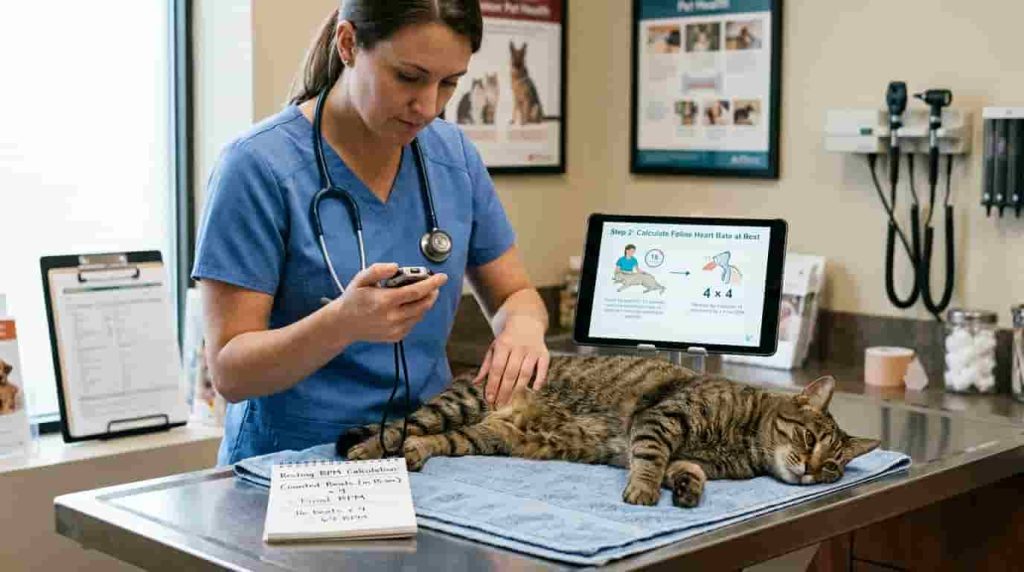
Once you locate the rhythmic thumping, you need to count the beats while watching a timer closely. Because felines wiggle easily, counting for a full sixty seconds can prove quite difficult in real life.
- Count the individual thumps carefully for exactly fifteen seconds.
- Multiply that final number by four to get the total beats per minute.
- Repeat the entire process twice to ensure you get a consistent calculation.
Tools for Advanced Cat Heart Monitoring
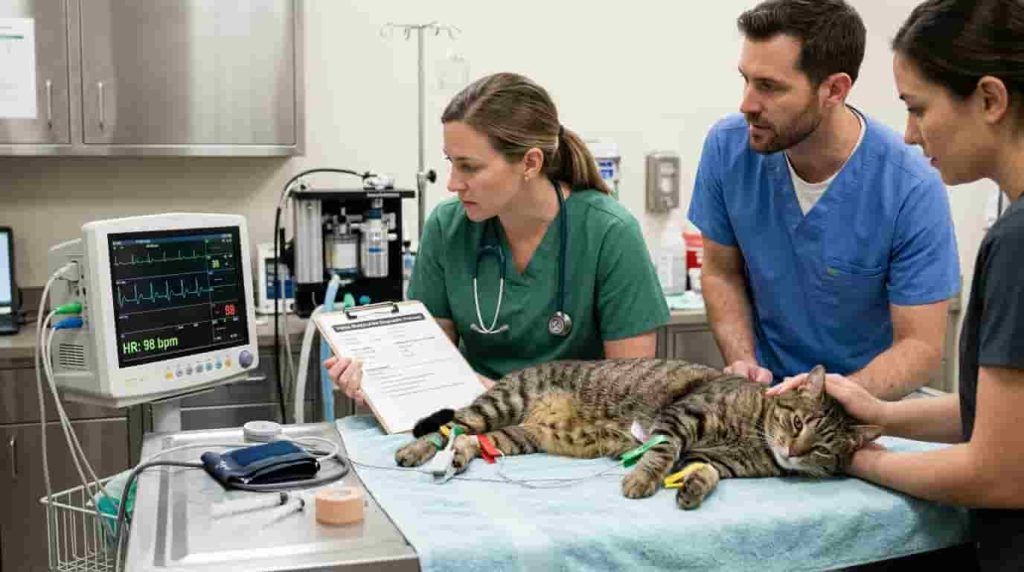
Some dedicated pet parents prefer using a digital cat heart rate monitor for continuous data collection at home. These wearable collar devices sync directly to your smartphone and record cardiac trends over long periods.
However, standard manual tracking remains the most reliable method for an accurate average cat heart rate calculation. Manual checks require zero technology setup and allow you to soothe your pet at the same time.
Connecting Cat Heart Health to Internal Vitals
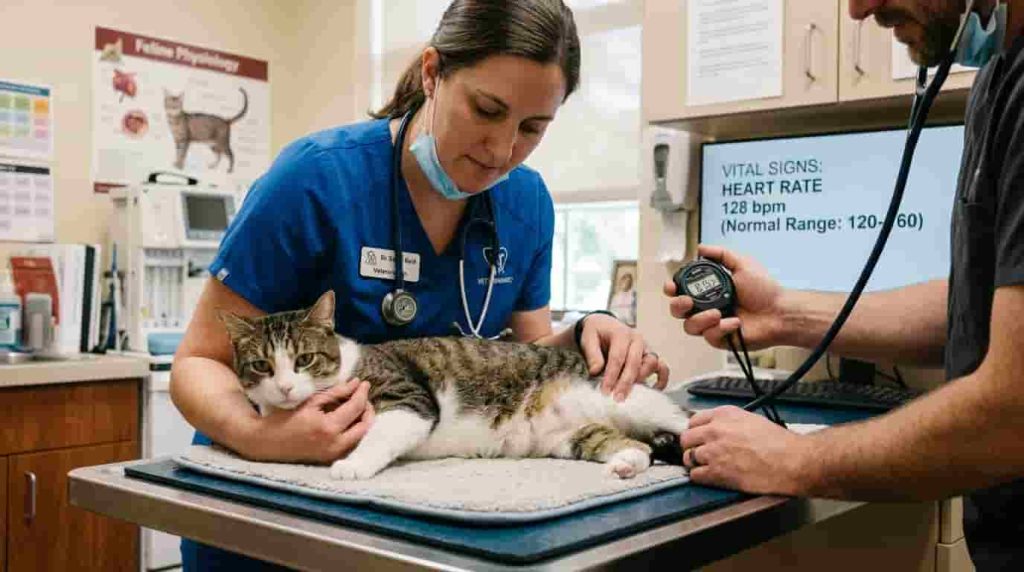
A sudden, unexpected shift in your pet’s cardiac rhythm often reflects a deeper systemic problem inside their body. For example, severe internal infections or toxic exposures can cause a dangerous, fast cat heartbeat to develop. To monitor these complex internal connections, you can read about cat liver failure: recognizing jaundice and yellow skin early.
Furthermore, poor oxygen delivery from advanced cardiovascular conditions can trigger dramatic visual changes in your pet’s eyes. You can explore this fascinating topic deeper by reading cat pupil dilation: what it means when eyes go completely black. Tracking these simultaneous physical symptoms will help you provide much better details to your local veterinarian.
Managing a Fast Cat Heart Rate at Home
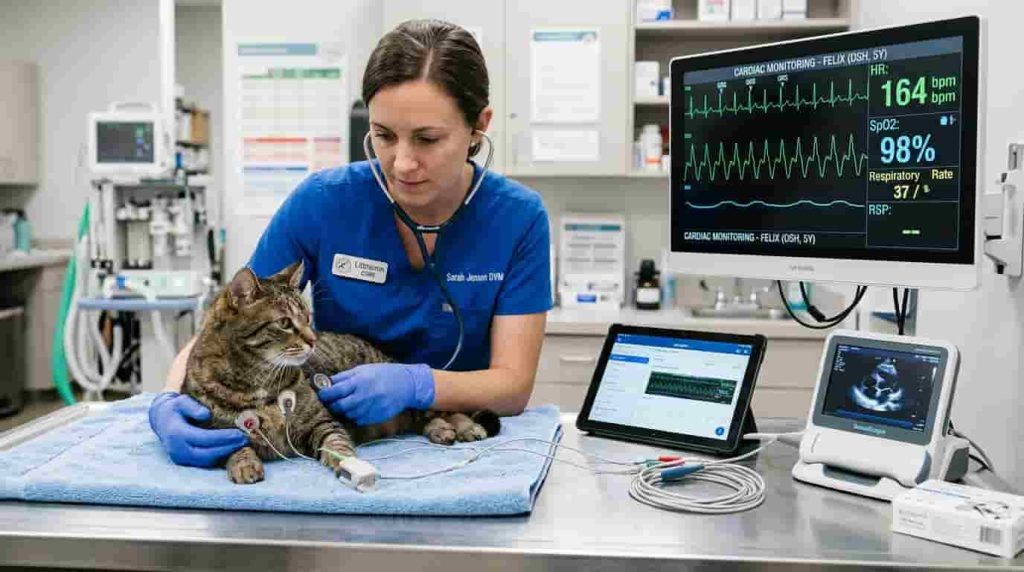
Discovering a fast cat heart rate during a routine resting checkup can feel incredibly scary for an owner. This condition, known medically as tachycardia, often stems from high fever, acute pain, or underlying dehydration.
- Ensure the room maintains a cool, comfortable temperature.
- Provide immediate access to fresh, clean drinking water.
- Remove any loud noises or barking dogs from the immediate area.
If the rapid rhythm continues for more than an hour during rest, seek professional veterinary care immediately. Persistent elevation strains the cardiac muscles and can lead to sudden, life threatening congestive heart failure.
Investigating a Slow Heart Rate in Cats
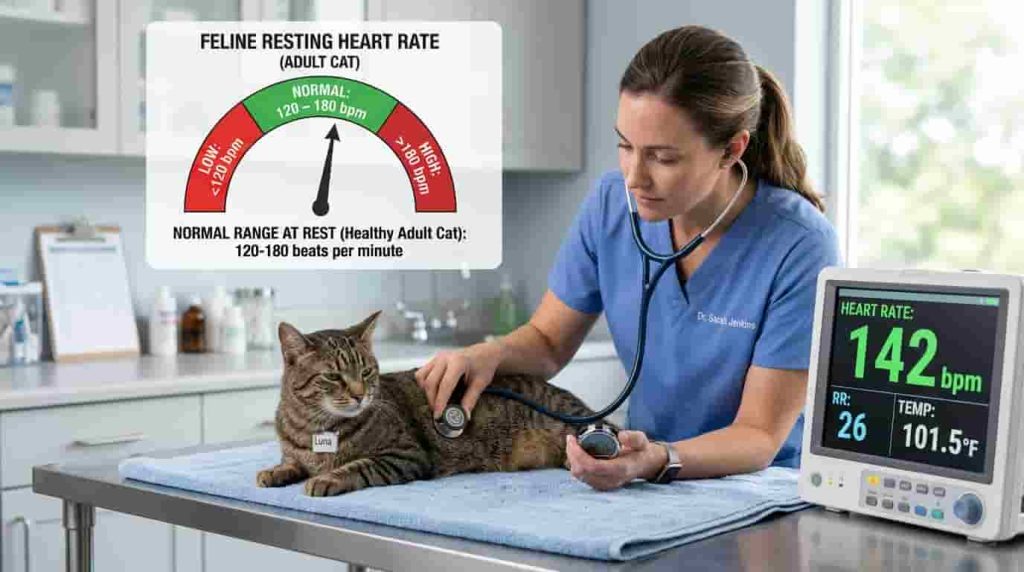
A consistently slow heart rate in cats is called bradycardia and requires immediate, aggressive medical evaluation. This dangerous drop often points toward severe hypothermia, advanced kidney disease, or a chemical electrolyte imbalance.
Furthermore, certain toxic household plants can slow cardiac functions to a crawl if your pet nibbles them. If your pet ever requires emergency cardiovascular stabilization, knowing their biological data is absolutely vital. You can read about cat blood types: why knowing your pets group can save their life.
Creating a Useful Cat Heart Rate Chart
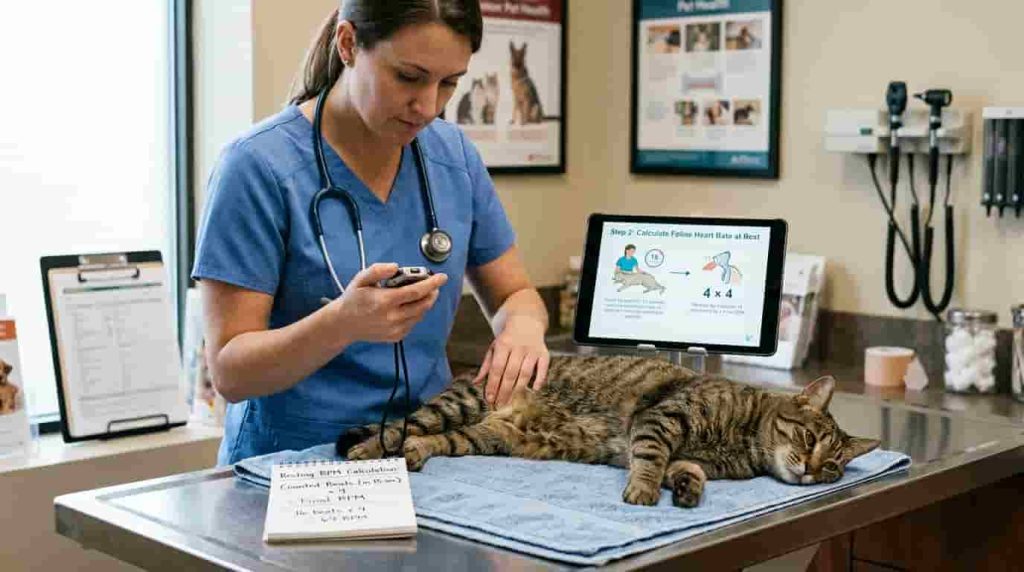
Building a personalized cat heart rate chart helps you track your pet’s unique trends over many years. Write down the date, time, current activity level, and the calculated beats per minute in a notebook.
- Record morning resting rates once a week.
- Note any external changes like new foods or stressful visitors.
- Bring this data log to your regular annual veterinary checkups.
This written record allows your vet to spot subtle health declines that a single brief appointment might miss. Consequently, you become an active partner in protecting your feline companion’s long term health.
When to Seek Urgent Medical Care
Every pet parent must learn to recognize when a fast heart rate in cats constitutes a true emergency. If the rapid pulse accompanies heavy open mouth breathing or blue tinted gums, your cat is suffocating.
- Open mouth breathing in felines is never normal behavior.
- Blue or pale white gums indicate a critical lack of oxygen.
- Sudden hind leg paralysis signals a dangerous cardiac blood clot.
Never attempt to wait out these severe symptoms at home to see if they improve on their own. Pack your pet into their carrier securely and drive directly to the nearest emergency veterinary hospital.
Long Term Prevention for Feline Heart Issues
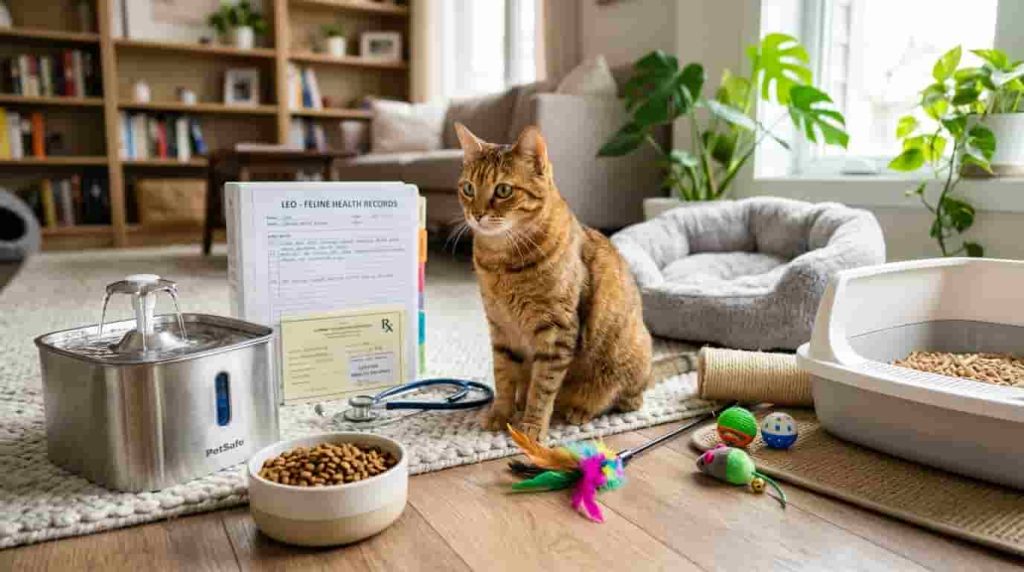
Maintaining excellent feline heart rate averages requires a lifelong commitment to proper nutrition and regular physical exercise. Avoid overfeeding your pet because chronic obesity places a massive, continuous workload on their blood vessels and heart.
Provide high quality proteins rich in natural taurine, which is an essential amino acid for feline cardiac strength. Schedule interactive play sessions daily using feather wands to keep their heart muscle well conditioned and strong. Finally, ensure your cat receives professional dental cleanings because oral bacteria can travel through the blood to damage heart valves.
Conclusion: Mastering the Cat Heart Rate Check
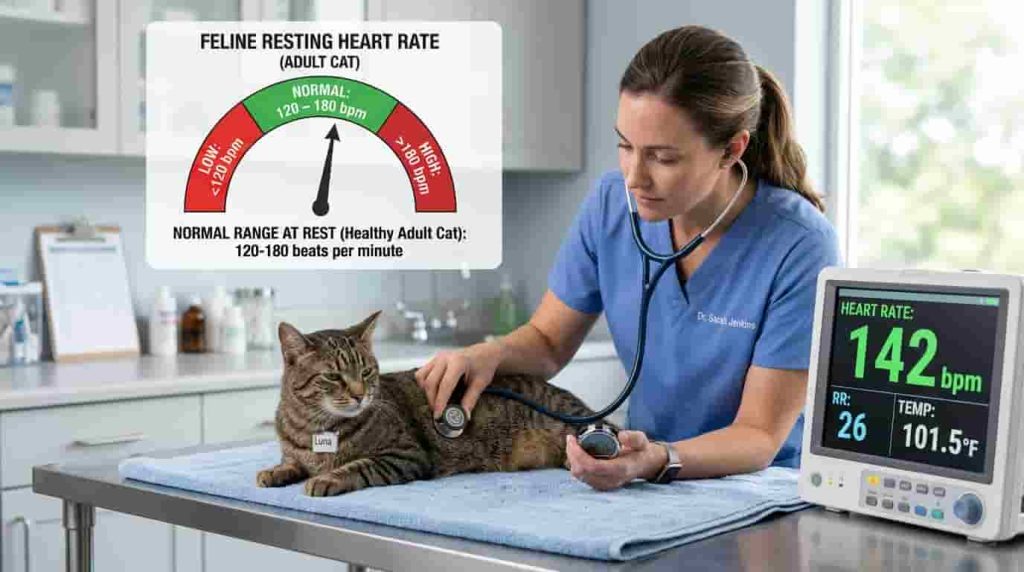
In conclusion, regularly measuring the cat heart rate is an invaluable way to safeguard your beloved pet’s life. Knowing their normal resting numbers allows you to spot dangerous spikes or drops before major symptoms appear. Whether you use your fingers or a digital monitor, consistent tracking keeps you informed about their health.
Have you ever tried counting your feline companion’s resting pulse while they snoozed on your lap? What baseline numbers do you usually get when your kitty is completely relaxed and happy? Please share your personal tracking experiences and questions in the comments section below this post!
Frequently Asked Questions
A normal resting or sleeping heart rate usually sits between 140 and 160 beats per minute. This rate is naturally much slower than their active pulse because the body requires less oxygen during deep sleep. Contact your vet if the sleeping rate stays consistently above 180 beats.
A sudden spike can happen because of temporary fear, intense excitement, or recent active play around the house. However, if your cat is resting and breathing heavily, a fast pulse can signal fever, pain, or dehydration. Monitor them in a quiet room for fifteen minutes to see if the rate drops.
Purring creates a strong, continuous vibration that echoes through the entire chest cavity and hides the pulse. This internal rumbling makes it nearly impossible to count the individual thumps of the heart muscle accurately. You must wait until your cat stops purring completely before attempting to measure their heart rate.
Yes, systemic hypertension can force the heart muscle to pump much faster and harder to circulate blood. This chronic strain can eventually lead to thickened heart walls and dangerous congestive failure if left untreated. Your veterinarian can easily check their blood pressure using a special cuff during a standard exam.
The absolute easiest place to feel the pulse is on the left side of the chest behind the elbow. You can also feel the femoral artery high up on the inside of the inner thigh area. Use a very light pressure with your fingers because pressing too hard can accidentally block the pulse.