Highlander Cat: Size, Personality, Lifespan, Price and Care
Introduction
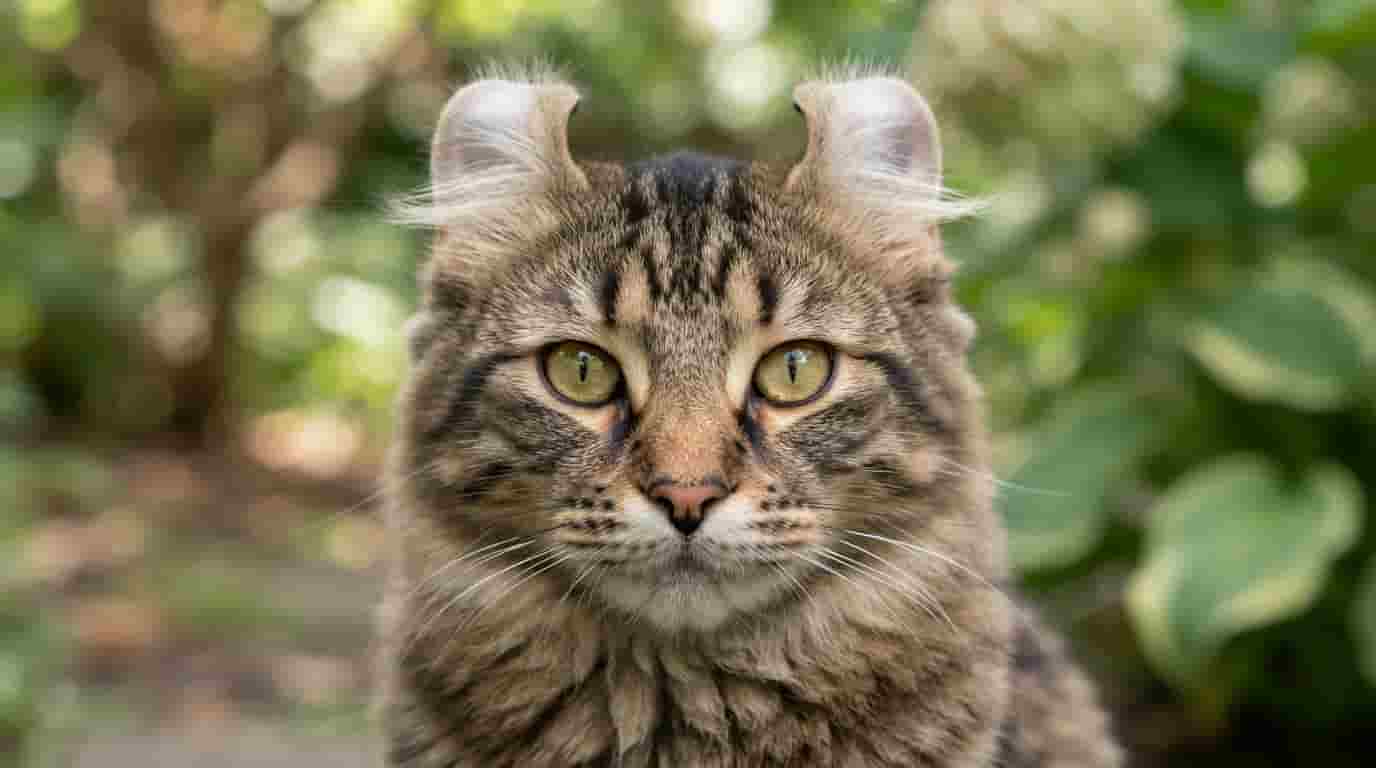
Highlander Cat. Catching a glimpse of a Highlander Cat instantly reveals a striking, wild-looking appearance, highlighted by distinctive curled ears and a naturally shortened or bobbed tail. Despite bearing an uncanny resemblance to exotic felines, this newer domestic breed combines its rugged aesthetic with a generally affectionate, highly playful, and social temperament. Prospective owners frequently search for details regarding size, personality, lifespan, coat colors, care needs, price, and availability. While the Highlander is a domestic companion animal rather than a wild cat, bringing one home requires careful consideration beyond initial appearances—including dedicated exercise, mental enrichment, regular grooming, and long-term financial budgeting.
What Is a Highlander Cat?
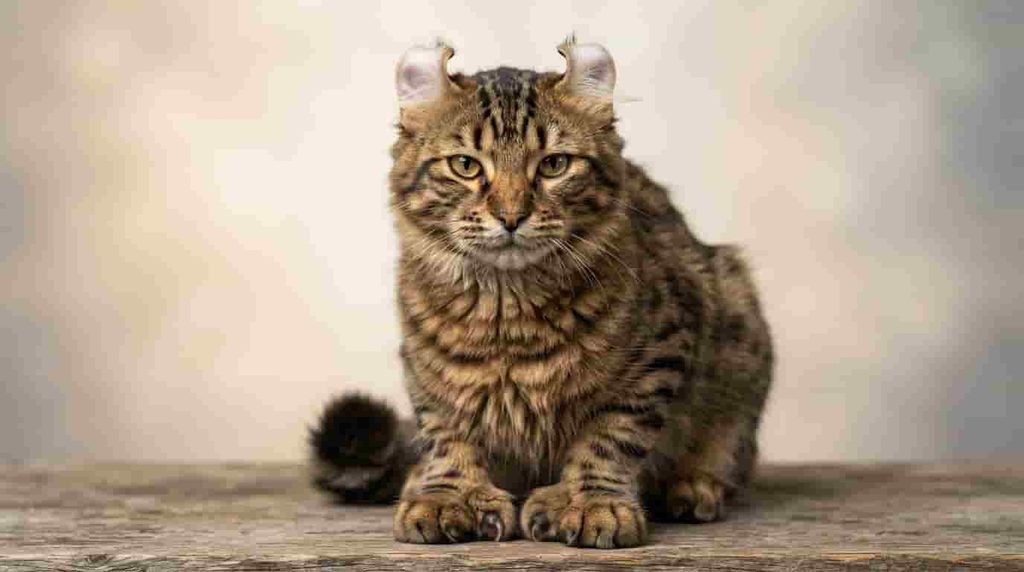
The Highlander Cat is a relatively modern domestic breed developed specifically to combine distinctive wild-looking physical traits with a gentle, people-oriented housecat personality. Key physical hallmarks include expressive curled ears, a short or naturally shortened tail, a muscular body, large expressive paws, and prominent, powerful facial features.
Note for prospective buyers: The Highlander cat should never be confused with Highlander cattle (a famous breed of Scottish livestock). Anyone searching for live farm animals will not find them here; pet owners looking for a feline companion must search specifically for Highlander cats or specialized breeders.
Highlander Cat Breed Origins
The breed was developed through careful selective breeding programs aimed at capturing a majestic, bobtailed, curled-ear look while preserving a stable, friendly housecat disposition. Modern breeders focus on health, structural soundness, and sweet temperaments over exaggerated features.
Is the Highlander a Wild Cat?
No. Despite its robust, muscular build, striped or spotted tabby patterns, and distinct ear and tail formations, the Highlander is 100% a domestic cat. Their behavior is typically affectionate and docile, completely devoid of wild-cat aggression.
Highlander Cat Characteristics and Appearance
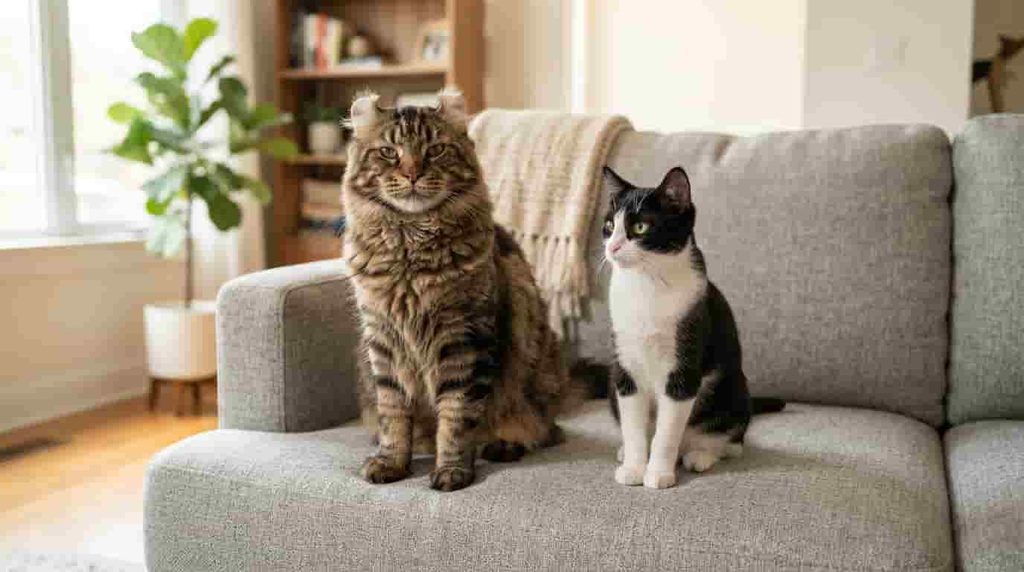
The Highlander presents a powerful, substantial physique. Core physical traits include:
- A muscular, athletic body with a broad chest
- Large, heavy-boned paws and strong legs
- Alert, expressive eyes
- Characteristic backward-curled ears
- A naturally short, bobbed, or occasionally standard-length tail
- Both short and long coat variations across multiple colors
Highlander Cat Ears: Why Do They Curl?
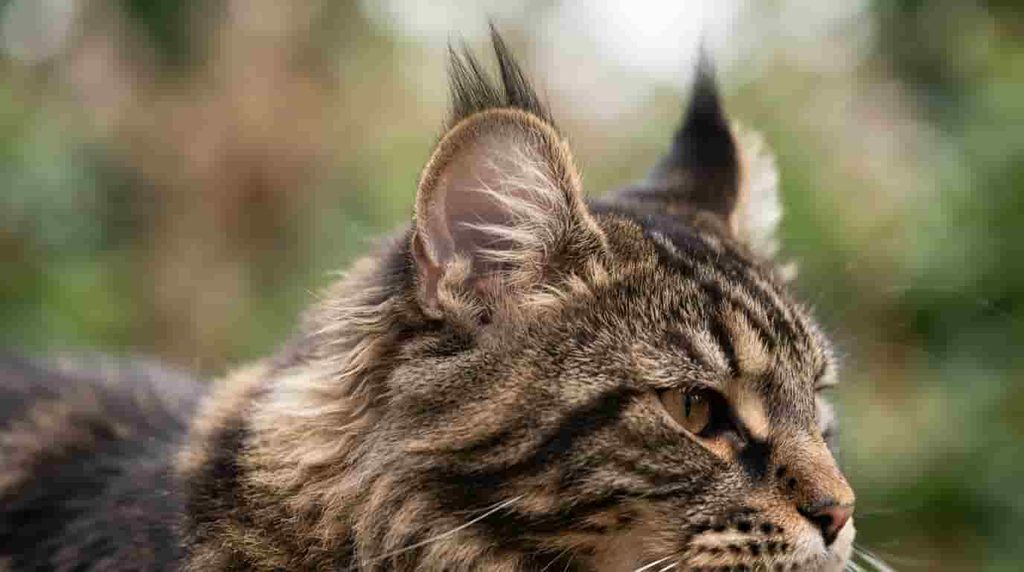
The signature backward curl of the ears results from a natural structural variation in the cartilage. While the degree of curl varies between individual cats, the ears should always be handled with gentle care to protect their delicate structure. This unique shape is an anatomical trait, not a disease, though owners should routinely monitor for signs of infection, redness, or wax buildup.
Highlander Cat With Long Tail: Can It Have One?
Yes. While many Highlanders feature shortened or bobbed tails, tail length can vary naturally among individual cats within the breed. A standard-length tail does not automatically disqualify a cat from being a Highlander, provided proper pedigree and breeder documentation confirm lineage.
Highlander Cat Colors and Coat Types
Highlanders come in both shorthaired and longhaired varieties. They display an extensive array of colors and patterns, including classic tabbies, silver spotted coats, solids, and colorpoints. Coat color has no bearing on an individual cat’s personality.
Highlander Cat Size: How Big Does a Highlander Cat Get?
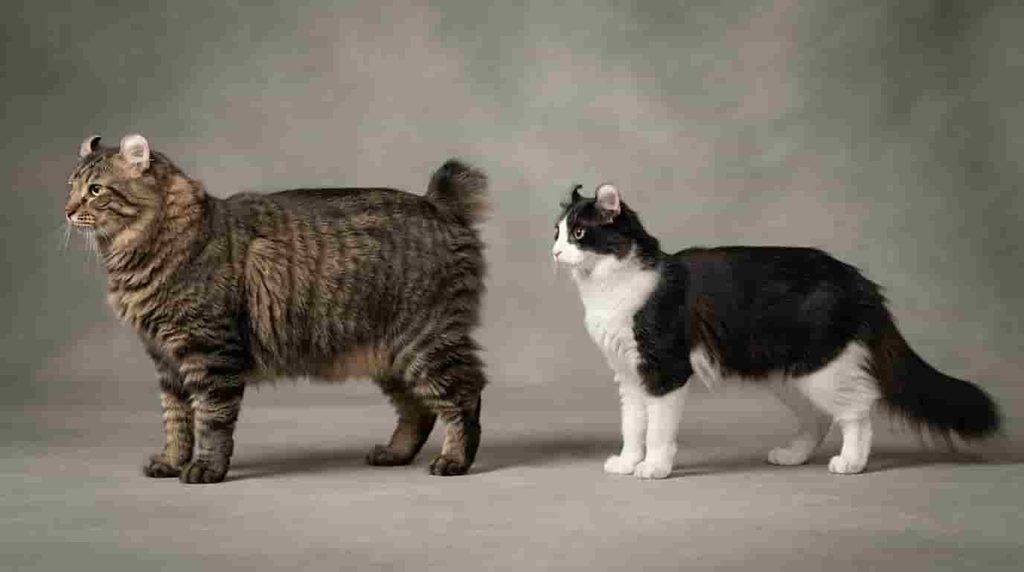
Highlanders are classified as medium-to-large, heavily muscled cats.
- Body length: Substantial and well-proportioned
- Build: Heavy-boned, athletic, and robust
- Weight range: Males typically weigh between 15 to 20 pounds, while females generally range from 10 to 14 pounds.
Because of their heavy muscle mass, Highlanders often look much larger than their actual scale weight. Owners must monitor body condition carefully rather than overfeeding, as excess weight places unnecessary strain on their joints.
Highlander Cat Size Compared With Other Breeds
When compared to standard domestic shorthairs, Highlanders look and feel considerably heavier and more robust. Their powerful bone structure and broad chests give them an impressive presence akin to small wild cats, though their temperament remains entirely gentle.
Highlander Cat Personality and Temperament
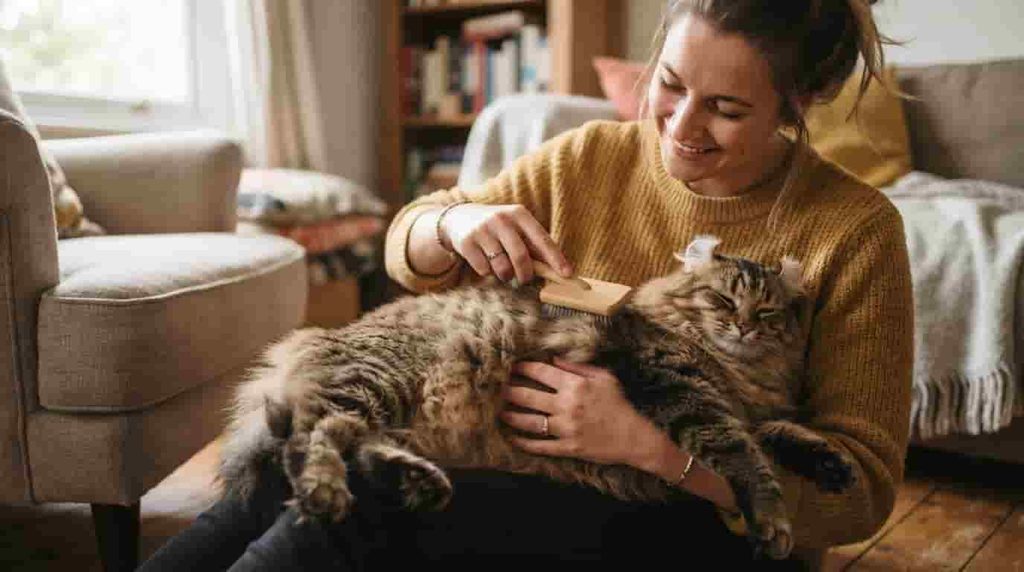
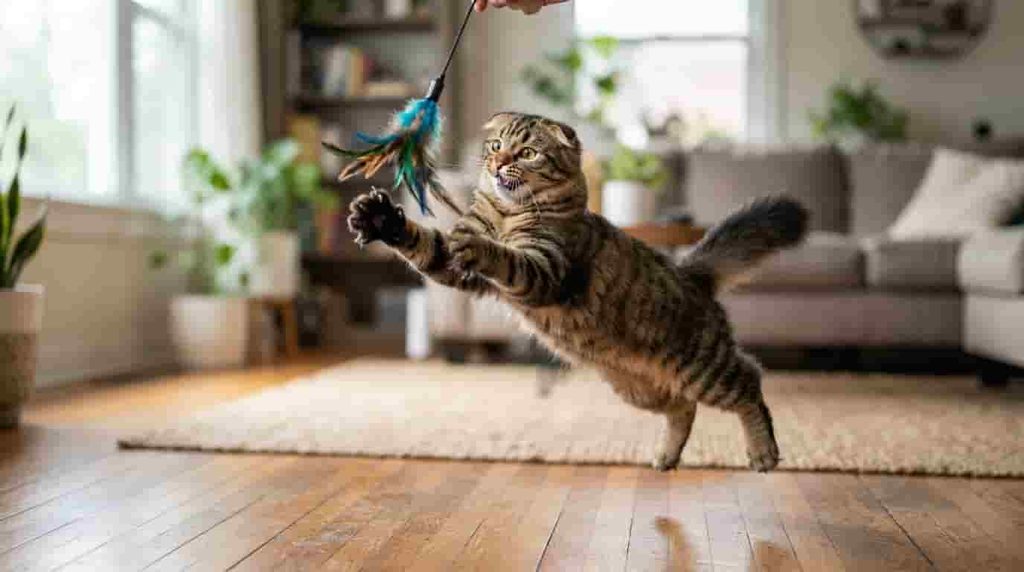
Highlander Cat personality traits are defined by boundless curiosity, intelligence, and a deeply social nature. They thrive on human interaction, often following owners around the house, playing fetch, and even learning to walk on a leash. Because they are active and energetic, they suit owners who want an engaging, interactive companion rather than a passive lap cat.
Are Highlander Cats Good Pets?
Yes, they make wonderful pets for households prepared to offer daily play, mental stimulation, and regular interaction. They can become bored or restless in environments where they are left alone for long periods without toys or vertical climbing spaces.
Are Highlander Cats Good Children?
Highlanders generally integrate well into family homes with children, provided kids are taught how to handle pets respectfully. Children must understand that they should never pull a cat’s ears or tail. Supervised interactions ensure both child and cat remain safe and happy.
Are Highlander Cats Good With Other Pets?
Thanks to their social disposition, Highlanders typically get along well with other cats and cat-friendly dogs. Successful integration depends on slow, structured introductions and providing separate food bowls, litter boxes, and resting spaces during the transition phase.
Highlander Cat Lifespan and Health
The typical lifespan of a Highlander Cat ranges from 12 to 15 years. Longevity is supported by strong baseline genetics, premium nutrition, weight management, regular veterinary checkups, dental care, and a safe indoor environment.
Highlander Cat Health Issues to Know
Highlanders are generally hardy, healthy cats, but owners should watch for common feline concerns such as periodontal disease, obesity, skin sensitivities, and joint wear. Routine wellness exams help catch minor issues early.
When Should a Highlander Cat See a Vet?
Seek immediate veterinary attention if your cat exhibits warning signs such as sudden weakness, breathing difficulties, severe pain, repeated vomiting, sudden mobility problems, major behavioral shifts, or painful ear discharge.
Highlander Cat Care Guide
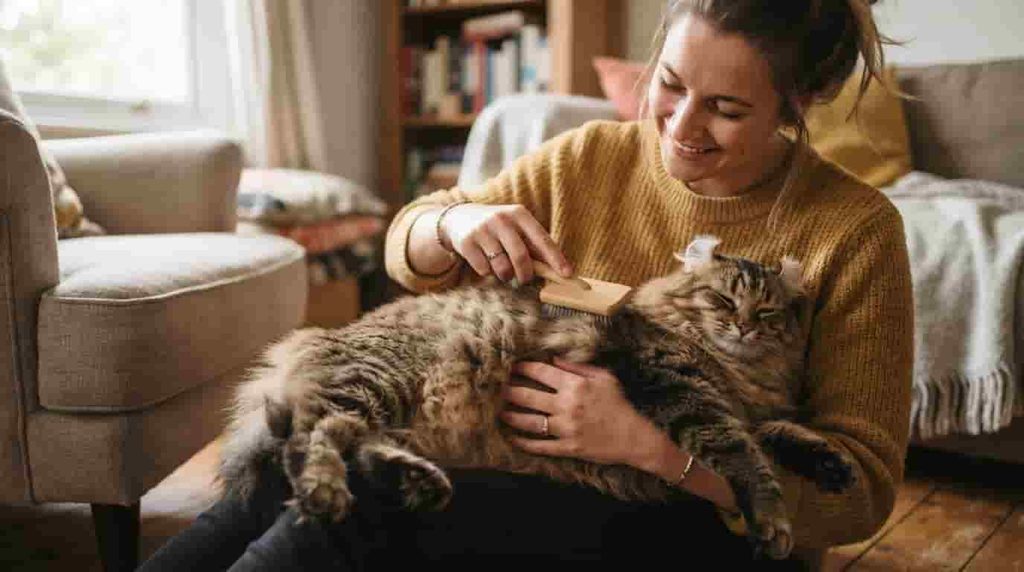
Grooming a Highlander Cat
- Brushing: Shorthaired Highlanders require weekly brushing; longhaired variants need brushing several times a week to prevent tangles.
- Maintenance: Routine nail trimming, dental brushing, and gentle ear checks should be performed weekly.
Feeding and Nutrition
Feed a high-quality, protein-dense cat food formulated for your cat’s life stage. Practice portion control and avoid free-feeding to prevent obesity in this heavily muscled breed.
Exercise and Mental Stimulation
Highlanders possess high energy levels. Provide wand toys, interactive puzzle feeders, sturdy cat trees, and daily play sessions to keep them mentally sharp and physically fit.
Highlander Cat Home Setup
Design an enriching indoor environment featuring tall climbing perches, secure hiding spots, clean litter boxes, and scratching posts placed in prominent areas.
How Much Does a Highlander Cat Cost?
The initial purchase price for a Highlander Cat typically ranges from $1,000 to $2_500+, depending on breeder reputation, lineage, registration, coat patterns, and geographic location. Purchase price is only the entry point; ongoing annual costs include premium food, litter, veterinary care, and emergency savings.
Finding Highlander Cats for Sale
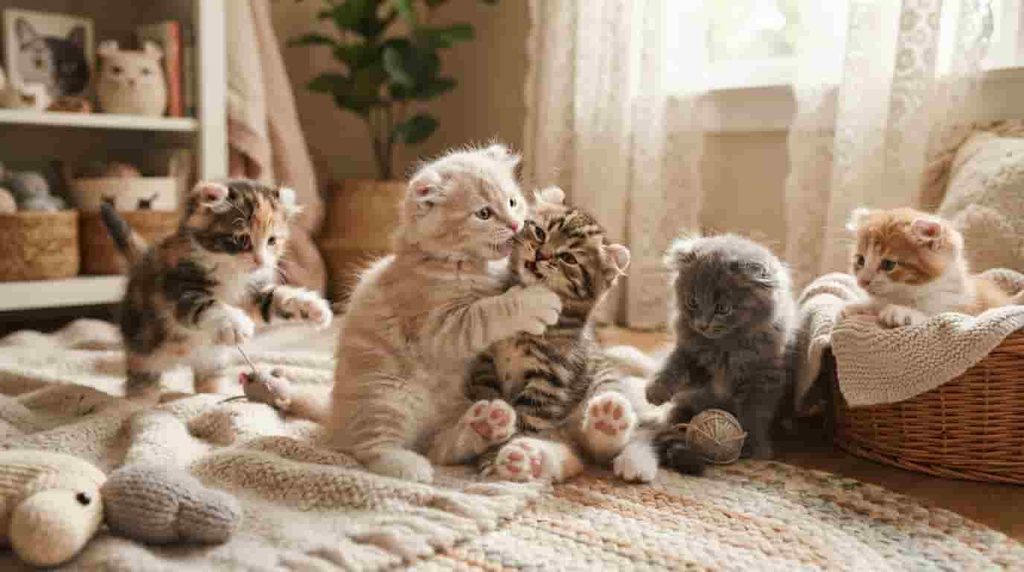
How to Find Reputable Highlander Cat Breeders
Look for transparent breeders who willingly provide veterinary records, proof of vaccinations, parasite prevention history, health clearances for parent cats, and registration documents. Avoid online sellers who pressure for quick wire transfers without letting you inspect the cattery or kitten environment.
What to Look for in a Highlander Cat Kitten
Healthy kittens should display bright, alert eyes, clean noses, plush coats, active movement, and an eagerness to interact playfully with humans.
What Is a Highlander Cattery?
A professional cattery is a dedicated breeding facility that prioritizes feline health, cleanliness, proper socialization, and ethical breeding standards over high-volume sales.
Are Highlander Cats Rare?
Yes, Highlander Cats are considered relatively rare and uncommon compared to standard mainstream breeds. Their limited availability often means prospective owners must join waiting lists or travel to find specialized breeders.
Highlander Cat Adoption: Is It Possible?
While rare, purebred Highlanders or similar bobtailed mixes occasionally enter rescue organizations or shelters due to shifting owner circumstances. Checking specialized breed rescues can be a rewarding alternative to purchasing a kitten.
Highlander Cat vs Other Distinctive Cat Breeds
Highlander vs American Curl
Both breeds feature distinctive curled ears, but the American Curl is famous primarily for its backward-curled ears and standard tail, whereas the Highlander features a combination of curled ears, a bobbed tail, and a heavier, wild-looking muscular build. For a closer look, read American Curl Cat: Personality, Price, Lifespan, Health and Care
Highlander vs British Longhair
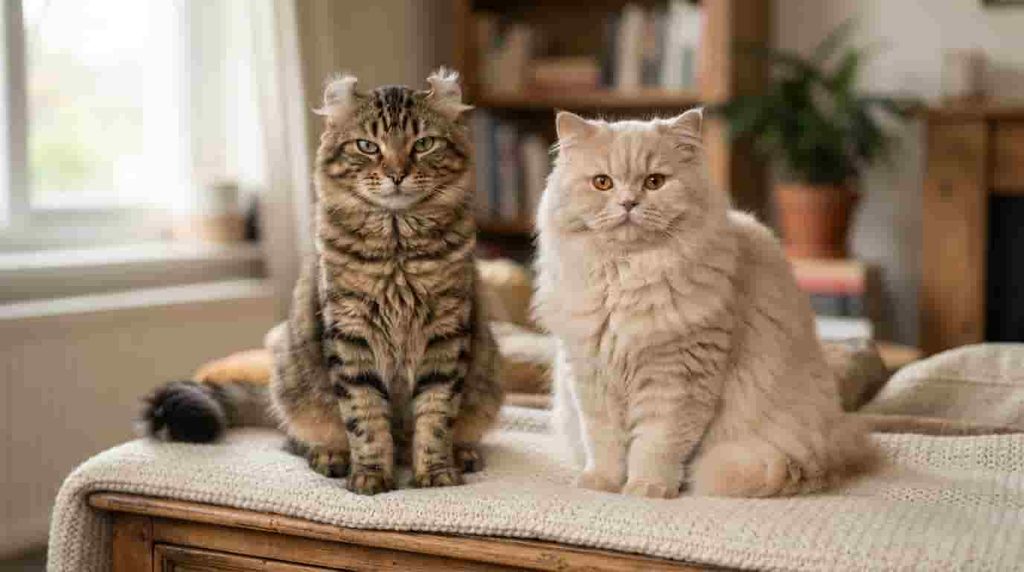
The British Longhair showcases a plush, dense coat and a rounded cobb body type, contrasting with the Highlander’s athletic, powerful frame and wild facial features. Explore more details in British Longhair Cat: Personality, Price, Temperament and Care
Highlander vs Russian Blue
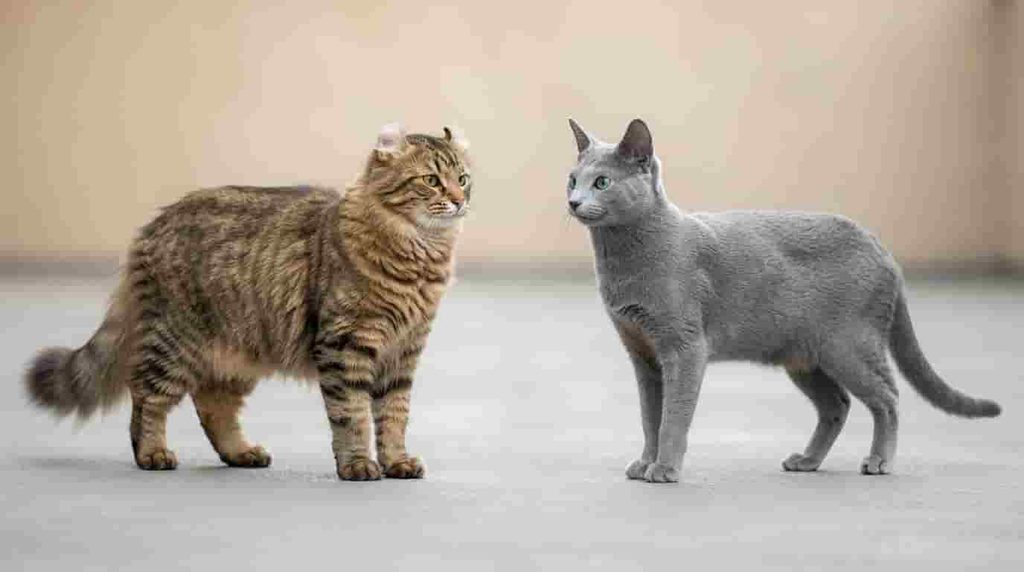
The Russian Blue is characterized by its plush blue-grey coat and striking emerald eyes, differing markedly from the Highlander’s variable coat patterns and unique ear-and-tail anatomy. Learn more via Russian Blue Cat: Personality, Price, Lifespan, Traits and Care
Is the Highlander Cat Right for You?
Reasons to Consider a Highlander
- Striking, unique wild-looking appearance
- Highly interactive, playful, and affectionate personality
- Intelligent and easily engaged in games and leash training
- Excellent companion for active households
Things to Consider Before Getting One
- Requires more active engagement and mental enrichment than laid-back breeds
- Availability can be limited, requiring patience and travel
- Initial purchase and ongoing maintenance costs can be substantial
- Individual temperament varies, meaning research into specific kittens is essential
Frequently Asked Questions About Highlander Cats
1. Are Highlander cats rare?
Yes, they are an uncommon, specialized breed, meaning finding available kittens can take time depending on your location.
2. Are Highlander cats good pets?
They make fantastic companions for active, engaged owners who enjoy interactive play and a social pet.
3. How big does a Highlander cat get?
They are medium-to-large, heavily muscled cats, with males often reaching 15 to 20 pounds.
4. What is the lifespan of a Highlander cat?
The expected lifespan ranges from 12 to 15 years when supported by proper care, nutrition, and routine vet visits.
5. Do Highlander cats have naturally short tails?
Many do feature shortened or bobbed tails as part of their breed standard, though tail length can vary among individuals.
Conclusion
The Highlander Cat captures attention immediately with its wild aesthetic, but its loving personality and engaging care needs are what truly define living with the breed. Whether you focus on its size, temperament, lifespan, health, or exercise requirements, providing an enriched home and working with a responsible breeder or rescue ensures a wonderful companionship.
Would you choose a Highlander Cat for your home, and which of its unique characteristics appeals to you the most? Share your thoughts below!