Cat Paw Dipping: Why some cats use their feet to eat.
Introduction:
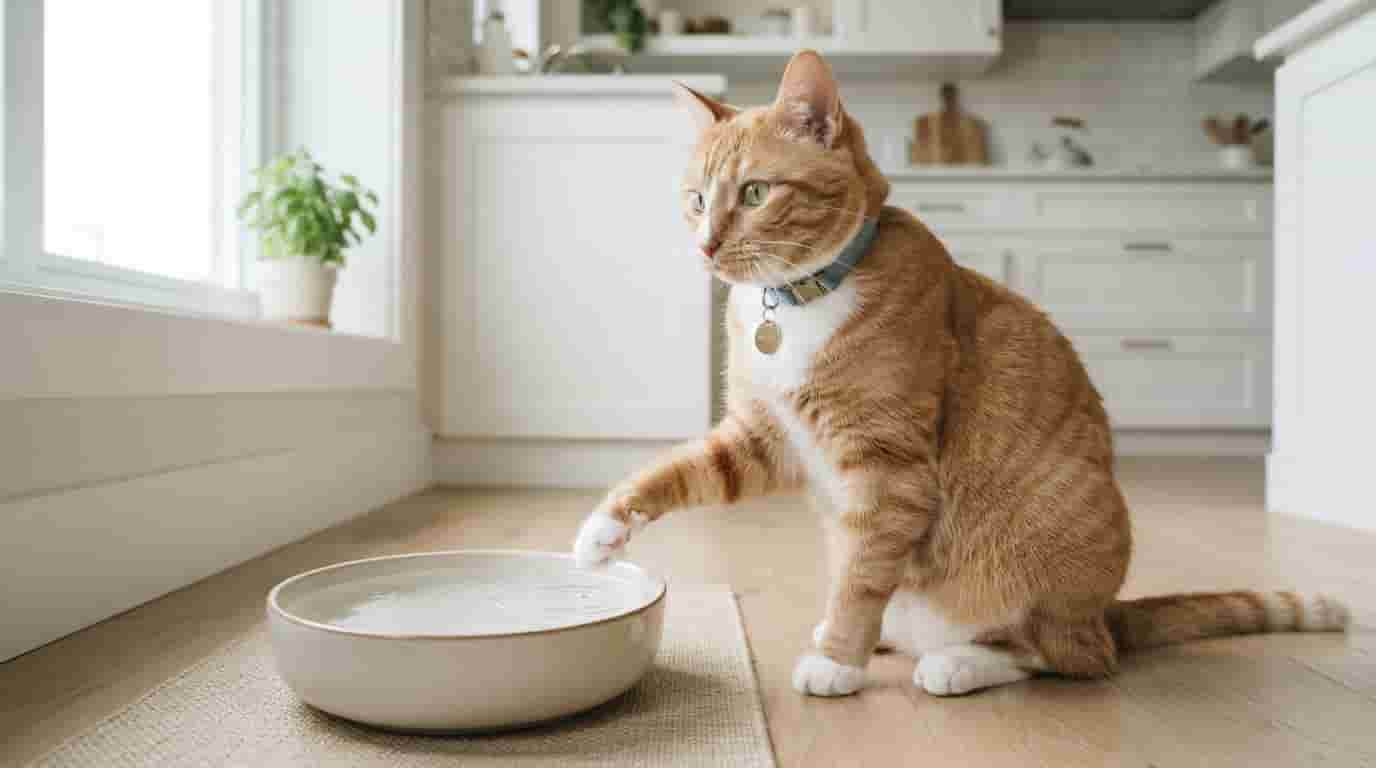
Cat Paw Dipping often confuses owners during mealtime. You watch your cat carefully approach a bowl of food. Instead of eating directly, they reach out a single paw. They scoop a bit of food and then lick their toes. Why do they perform this strange dance?
The answer involves more than just a playful quirk. This behavior reveals how your cat experiences the world around them. We will explore the reasons behind this habit step by step. You might find that your cat is simply being clever.
Uncovering the Mystery of Cat Paw Dipping
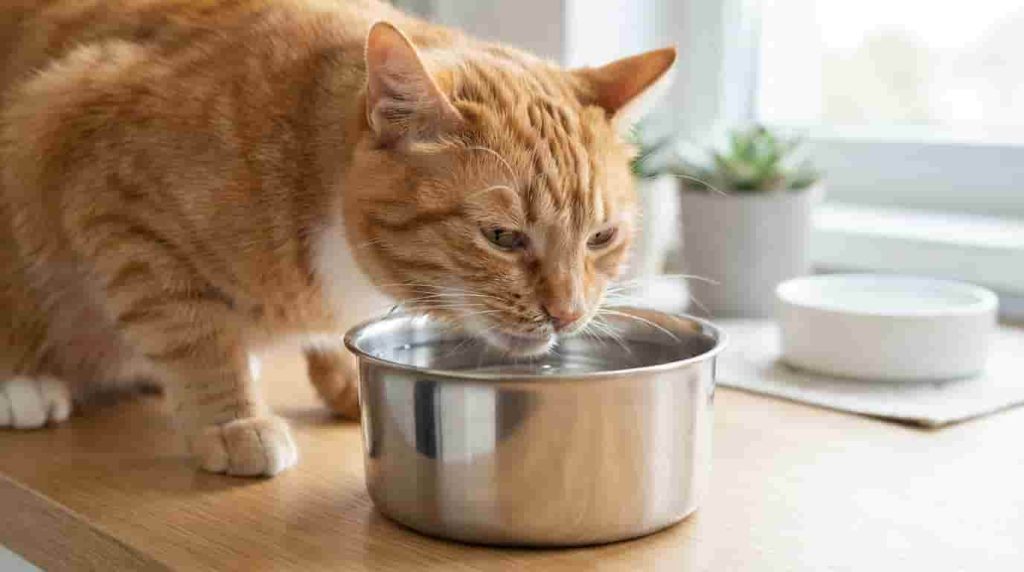
You see your cat dip a paw into a dish of water or food. Many owners worry that something feels wrong with the bowl. Perhaps the sides feel too high against their sensitive whiskers. This issue creates a need for an alternative approach to eating.
If your cat prefers this method, you might wonder about other eating habits. For instance, you should check Cat Food Sniffing: Why they check the smell before the taste. to understand their sense of smell. Furthermore, cats often need to drink differently. See Cat Water Lapping: The physics of how cats drink without a mess. for more insights on their fluid intake.
Understanding Cat Paw Behavior and Comfort
Cat paw behavior often stems from a need for better control. By using a paw, they bring the food closer to their nose. This action allows them to inspect the texture of their meal. Many cats find this method much more comfortable than pressing their face into a bowl.
- They avoid whisker stress from narrow bowls.
- The paw provides a tactile way to test food.
- Some cats just enjoy the independence it brings.
You should consider the size and shape of their current feeding dishes. Wide, shallow bowls often solve the problem immediately. Your cat wants a mealtime experience that feels safe and easy. Consequently, they use their feet to bypass any design flaws in the bowl.
Exploring Common Cat Paw Dipping Causes
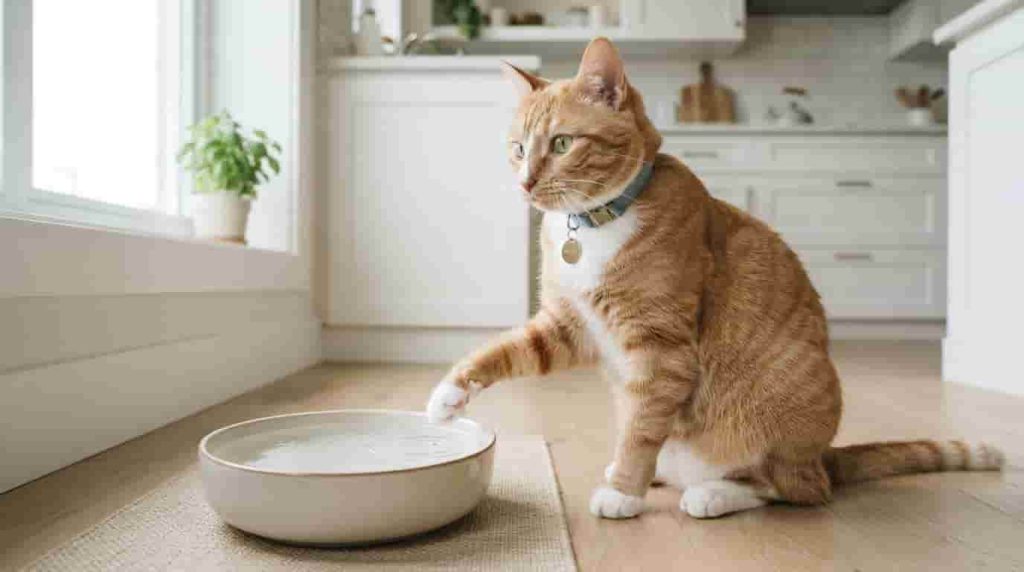
Every cat develops unique patterns for daily activities. Most cat paw dipping causes relate to their personality or environment. Your cat might feel confident and playful during every meal. Because they love to explore, they treat the bowl like a game.
However, you should always monitor their overall health carefully. If they suddenly start this behavior after years of normal eating, consult a vet. ASPCA experts note that changes in behavior sometimes signal a physical issue. They might have trouble bending down or reaching their food comfortably.
Managing Feline Paw Care and Hygiene
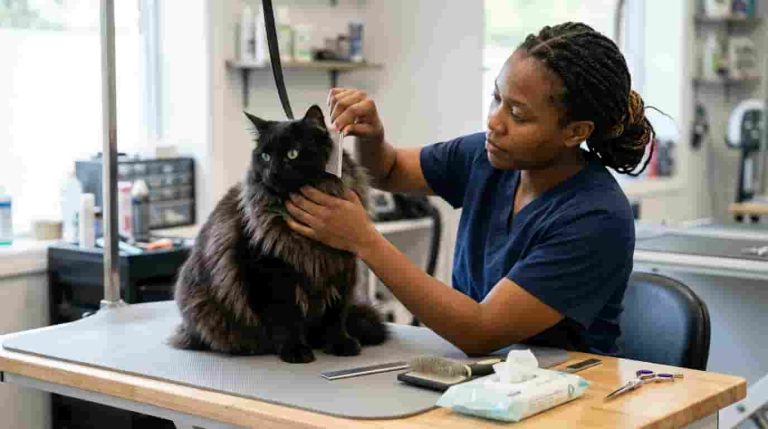
Feline paw care becomes a priority if they dip their feet often. Since they walk through their litter box, cleanliness matters significantly. You must keep their paws free of debris and litter particles. Regular grooming helps you spot any hidden thorns or small wounds.
You can use soft, damp cloths to clean their toes after meals. If you want to protect your home, try specific cat paw cleaning techniques. Many owners find that keeping the area around the bowl dry helps too. Proper hygiene prevents them from tracking food across your floors.
Providing Effective Cat Paw Dipping Solutions
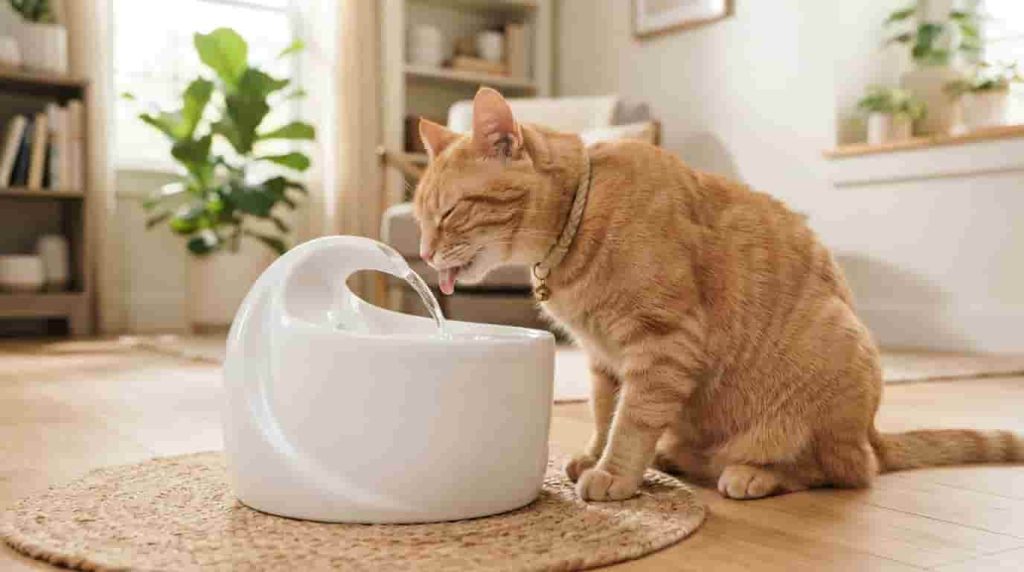
If the behavior bothers you, you can try several cat paw dipping solutions. First, change the type of bowl you currently use. Stainless steel or ceramic bowls often feel better than plastic options. You might also try a flat plate to remove any pressure on their whiskers.
Furthermore, ensure the feeding area remains quiet and secure. Cats enjoy peace while they eat their favorite meals. If they feel rushed or watched, they might use a paw to grab food quickly. You provide the best care by creating a stress free space.
Preventing Unwanted Habits in the Kitchen
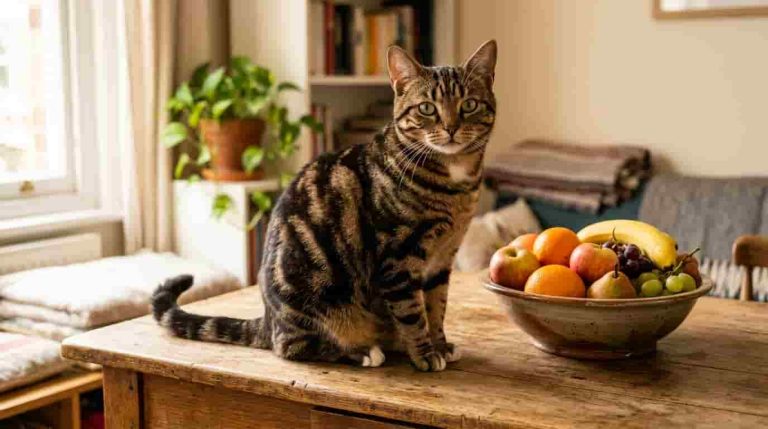
Some cats take their skills to the next level in the kitchen. If you find them on your counters, read Cat Counter Surfing: Stopping your pet from stealing dinner. to regain your space. Preventing cat paw dipping on your dinner plate requires clear boundaries. You must reward them for eating only from their designated spots.
Consistent training reinforces where they should eat their meals. You never need to be harsh during this process. Simply guide them back to their bowl when you see them reaching for yours. Over time, they learn that their own bowl offers the best reward.
Expert Insights on Cat Paw Health
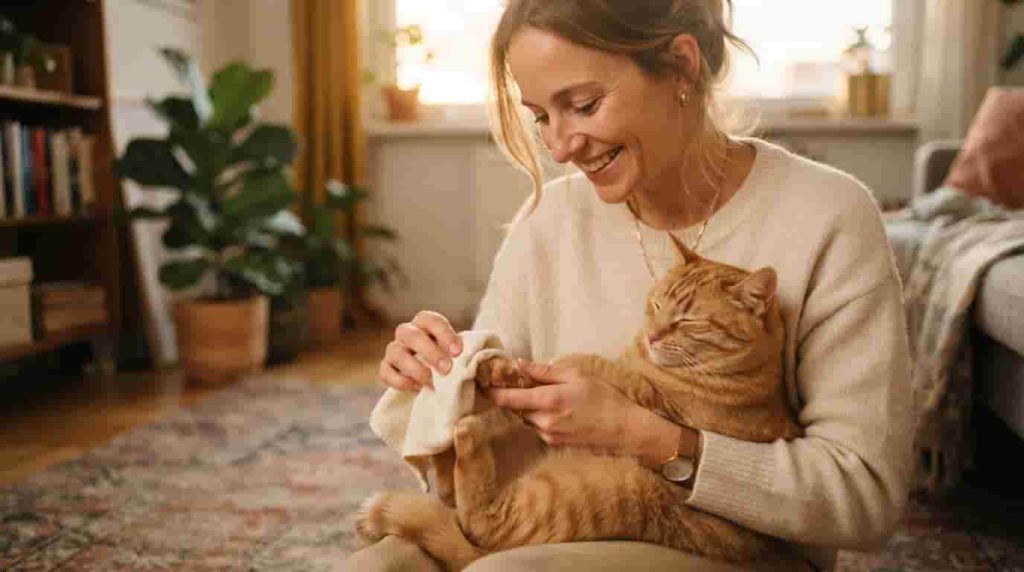
Veterinarians often see cats that use their paws for eating. Most professionals consider it a normal, if peculiar, feline trait. They prioritize general cat paw health over correcting the habit itself. You should focus on keeping their skin smooth and their claws trimmed.
Checking for cracks or dryness ensures their cat paw health remains strong. Use high quality products if you notice any rough pads. VCA Animal Hospitals recommend keeping their environment clean to avoid irritants. A healthy cat stays active and happy throughout their entire life.
Final Thoughts on Cat Paw Dipping
Cat Paw Dipping is a fascinating window into your cat’s mind. You learn about their preferences and needs by watching them closely. Whether they do it for comfort or pure curiosity, it is part of their charm. You provide excellent care by understanding these small, daily habits.
Do you have a cat that likes to dip their toes? Share your funny stories or questions about this habit in the comments! We love to hear how your pets make mealtimes unique every single day.
Frequently Asked Questions
Yes, many cats dip their paws to pull food out or test the texture. It is usually just a harmless quirk of their personality.
They might be checking the depth or temperature of the water. Some cats also prefer to drink by licking water from their own fur.
You do not need to stop the behavior if it is just a habit. Ensure their paws stay clean to avoid any hygiene issues around your home.
If they suddenly start doing it, it could indicate neck or jaw pain. You should check with your vet if the behavior is brand new.
Try using a wide, shallow dish instead of a deep bowl. This prevents their whiskers from touching the sides and makes eating much easier.