Why Does My Cat Poop on the Floor? Causes and How to Stop It
Introduction:
Why Does My Cat Poop on the Floor can be a frustrating question for any cat owner to deal with, but it is rarely a random act of rebellion. When a cat stops using their designated bathroom area, it is almost always a clear signal that something in their world is making the litter box less appealing, harder to access, or actively painful to use. Understanding why this happens requires looking at a broad range of potential triggers, ranging from medical distress to subtle environmental shifts.
The main possibilities fall into a few distinct categories:
- Medical problems, such as constipation, arthritis, or gastrointestinal discomfort
- Litter box preferences regarding size, design, or cleanliness
- Subtle issues with box placement or household accessibility
- Stress, anxiety, or major changes in the home environment
- Fear, territorial tension, or conflict with other pets
- A strong learned preference for a specific floor texture or location
A cat that suddenly starts pooping outside the box should not automatically be treated as having a willful behavior problem. Cats thrive on routine and hygiene; abandoning their litter box is a response to an underlying discomfort or barrier. To resolve this issue, you must systematically identify the likely cause, rule out health concerns with a veterinarian, optimize your litter box setup, clean soiled areas properly, and monitor patterns to implement the right solution.
Why Does My Cat Poop on the Floor?
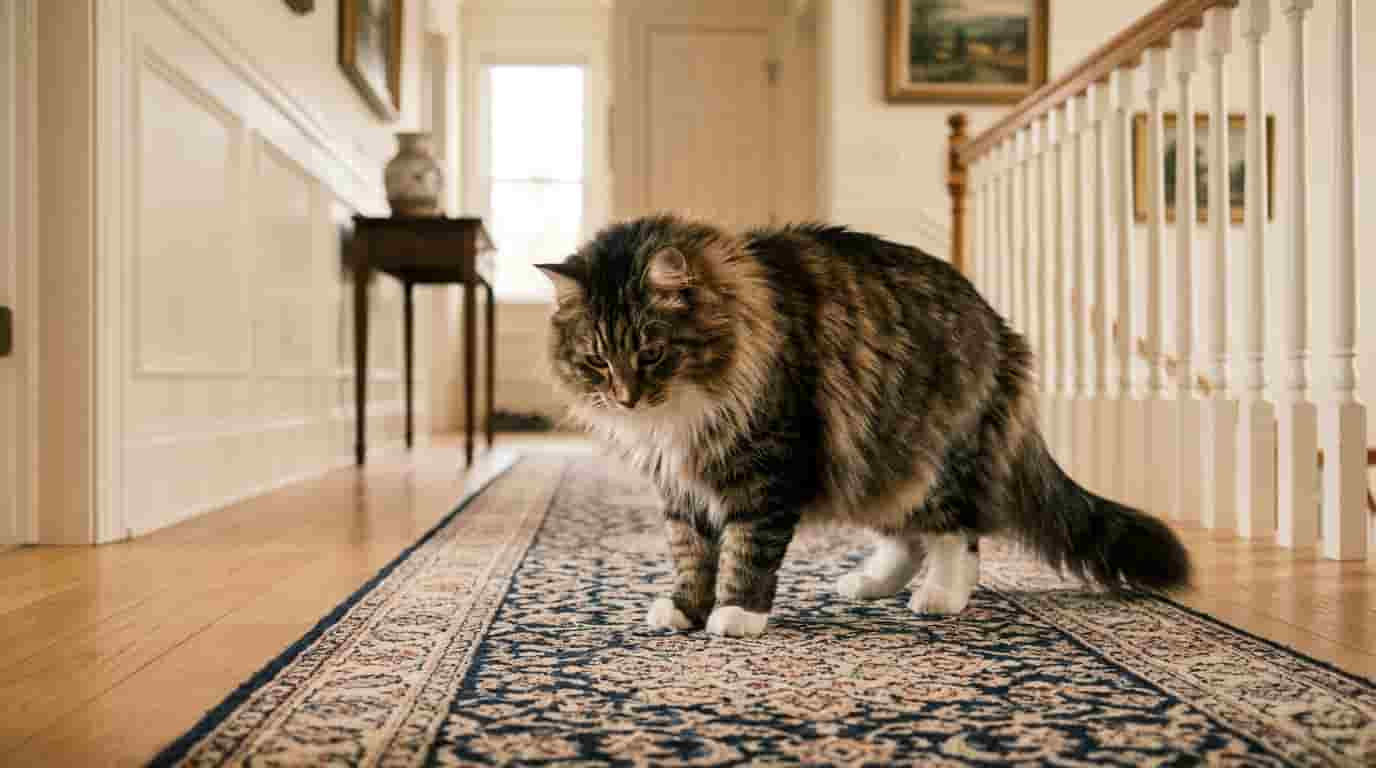
The direct answer to why a cat poops on the floor comes down to a fundamental change in their physical comfort, emotional state, or environmental preferences. Cats are naturally inclined to bury their waste to hide their scent from potential predators. When they bypass this instinct and leave stool out in the open on a carpet, rug, or hardwood floor, the motivation behind the action is usually significant enough to override their basic drive for concealment.
A cat may choose the floor over their litter box because:
- They dislike the feel, scent, or depth of the litter provided.
- They have developed a strong tactile preference for a different surface, such as soft carpet or cool tile.
- They associate the litter box with past physical pain experienced during a bowel movement.
- They are physically incapable of stepping into or comfortably maneuvering inside the box due to age or injury.
- Another animal in the home is actively guarding the box area or intimidating them.
- Stressors in the household have disrupted their normal routines and feelings of security.
- An active medical condition is affecting their digestive tract or overall mobility.
Is pooping outside the litter box always a behavior problem?
Assuming that inappropriate elimination is a deliberate behavioral choice made out of spite or anger is one of the most common misconceptions in pet ownership. Feline psychology does not operate on spite. Cats do not defecate on the floor to “punish” their owners for going on vacation, bringing home a new partner, or changing their feeding schedule.
While the behavior may look intentional, it is always a functional response to a stressor, a physical ailment, or a logistical barrier. Labeling the issue as purely behavioral right away often delays necessary medical treatment or prevents owners from recognizing obvious flaws in their litter box setup.
Why does my cat choose to poop on the floor?
The specific floor location your cat chooses provides essential clues about the root cause of the problem:
- Near the litter box: This often indicates that the cat wants to use the box and knows where it is, but rejects something specific about the container itself, the litter inside, or the physical effort required to step in.
- The same carpeted area or rug: This suggests a strong surface preference. The soft, absorbent texture of carpet or a bath mat may feel better under their paws than coarse or dusty litter.
- Hidden or secluded areas: Pooping behind couches, inside closets, or under beds points toward stress, fear, or a desire for privacy away from high-traffic zones or other pets.
- Random, scattered areas around the home: This pattern frequently correlates with medical urgency, cognitive dysfunction, or a widespread feeling of insecurity throughout the environment.
Medical Problems Can Cause a Cat to Poop Outside the Litter Box
Before changing litters or restructuring your home, you must consider physical health. A sudden shift in elimination habits is often the first visible symptom of a medical condition. When a bowel movement causes pain, a cat rarely understands that the pain originates inside their own body. Instead, they blame the environment—specifically, the litter box they were standing in when the pain occurred.
Several health conditions can lead directly or indirectly to inappropriate defecation:
- Constipation: Hard, dry stools make passing waste painful and difficult. A cat may strain inside the box, associate the box with that discomfort, and jump out to attempt passing the stool on the floor.
- Inflammatory Bowel Disease (IBD) or Enteritis: Chronic inflammation in the digestive tract creates intense cramping and a sense of extreme urgency, leaving the cat with too little time to reach the box.
- Diarrhea: Loose, watery stools are difficult to control, leading to accidental elimination before the cat can walk across the house to their box.
- Arthritis and Joint Degeneration: Older cats suffering from osteoarthritis in their hips, spine, or knees struggle to step over high litter box walls, climb stairs to reach a box, or squat comfortably on loose, shifting litter.
- Anal Gland Issues: Impacted or infected anal sacs cause severe localized pain during defecation, driving box avoidance.
- Cognitive Dysfunction Syndrome: Senior cats may experience age-related cognitive decline, leading to spatial disorientation and forgetting where the litter box is located.
How health conditions impact daily bathroom habits:
- Constipation: Causes painful straining, leading to negative associations with the litter box container.
- Diarrhea / IBD: Triggers extreme urgency, frequently resulting in accidental elimination outside the box.
- Feline Arthritis: Makes climbing high box walls or traveling long distances to a box painful.
- Anal Sac Inflammation: Generates acute, localized pain during waste passage, leading to immediate box rejection.
- Cognitive Decline: Causes spatial confusion, memory loss regarding routines, and wandering elimination.
Signs your cat may be having a health problem
You should closely monitor your cat’s behavior and physical output for subtle signs of distress. Key warning indicators include:
- Straining, groaning, or vocalizing while attempting to defecate
- Stools that are unusually hard, small, dry, or covered in mucus
- Watery stool or frequent, small bursts of diarrhea
- Visible spots of bright red blood or dark, tarry material in the waste
- Vomiting alongside bathroom changes
- A noticeable decrease in appetite or water consumption
- Lethargy, hiding, or overall personality shifts
- Hesitation when jumping, stiff walking, or difficulty negotiating stairs
If any of these symptoms appear alongside floor pooping, schedule a comprehensive examination with your veterinarian immediately.
When should I be concerned if my cat pooped on the floor?
Distinguishing between an isolated incident and an ongoing medical issue comes down to frequency, consistency, and accompanying physical symptoms.
An isolated accident may happen if a cat was accidentally locked out of the room containing their box, if a sudden loud noise startled them while they were stepping inside, or if a minor dietary indiscretion caused temporary stomach upset. If the stool appears normal and the cat immediately returns to using the litter box afterward, monitoring the situation closely is usually sufficient.
However, repeated behavior—where a cat leaves stool on the floor multiple times in a week—requires investigation. If the change is sudden and accompanied by signs of illness like lethargy, straining, blood, or vomiting, prompt veterinary attention is required.
Litter Box Problems Are One of the Most Common Reasons
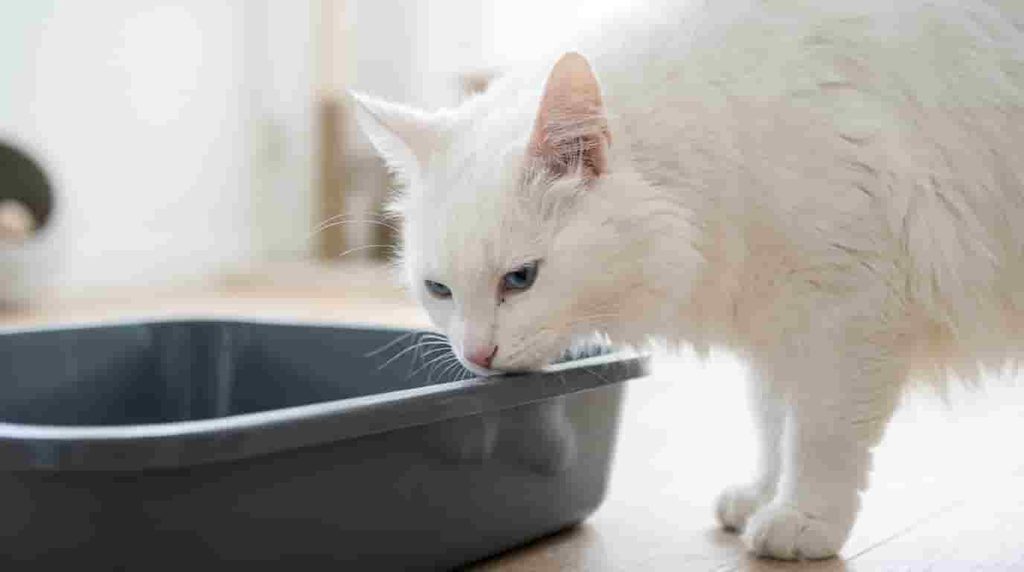
If your veterinarian rules out underlying physical health issues, the environment surrounding the litter box is the primary suspect. Cats have sensitive senses and precise instincts. What seems like an acceptable, clean bathroom to a human may be deeply off-putting to a cat.
Key environmental factors and common feline objections:
- Cleanliness: Lingering ammonia odors or leftover solid waste drive cats to seek cleaner surfaces.
- Box Dimensions: A container that is too small prevents full 360-degree turning and comfortable squatting.
- Wall Height: High entry points place painful strain on sore joints in older or arthritic cats.
- Hoods / Covers: Enclosed boxes trap dust and odors while restricting vital escape routes.
- Litter Type: Artificial fragrances can overwhelm a cat’s nose, while sharp crystal textures irritate paw pads.
- Placement: Boxes located near noisy appliances or high-traffic hallways generate anxiety.
A cat may reject their litter box setup due to:
- Inadequate cleaning frequency: Cats do not want to step on old waste or navigate strong ammonia smells.
- Harsh chemical fragrances: Scented litters designed to mask odors for humans can overwhelm a cat’s delicate sense of smell.
- Uncomfortable textures: Heavy clay, sharp crystals, or overly coarse pellets can irritate sensitive paw pads.
- Restrictive dimensions: A box that does not allow a cat to comfortably turn around, stretch out, and dig will force them to search for open floor space.
- Covered or hooded designs: Hoods trap dust and intense odors inside while eliminating sightlines, making cats feel trapped.
- Inaccessible placement: Placing boxes in dark basements, cold garages, or right next to loud washing machines makes using the bathroom an intimidating chore.
Why does my cat poop on the floor even with a clean litter box?
A clean litter box addresses hygiene, but hygiene is only one component of feline bathroom satisfaction. A cat may refuse to use a freshly scooped or scrubbed litter box if:
- The cleaning agent left behind a strong, artificial chemical scent (such as bleach or citrus disinfectants).
- The litter texture itself causes physical discomfort to their paws.
- The box is located in an area where they recently experienced a scary event, such as a dog barking or a door slamming shut.
- The physical design of the box forces them into an uncomfortable, cramped posture.
- They suffer from chronic constipation and still connect that physical location with past pain.
Cleanliness cannot overcome a setup that triggers fear, claustrophobia, or physical discomfort.
Why does my cat poop next to the litter box?
When a cat leaves stool just inches or feet away from the litter box, it provides valuable diagnostic information. This specific pattern means the cat knows where their bathroom is located, has the impulse to use it, and travels to the correct spot, but stops short of stepping entirely inside the container.
This frequently happens when:
- The box is too small: The cat puts their front paws inside the box, but their rear end hangs over the outer edge, depositing waste onto the floor.
- The sides are too high: Stepping over an eight-inch wall causes pain in an arthritic cat’s hips, so they choose the low, flat floor right beside it.
- The litter depth is wrong: Too much or too little litter makes footing unstable.
- The box contains lingering odors: The cat approaches the box but refuses to step into the enclosed odor, opting for the open air right next to it.
Pay close attention to whether your cat places their front feet inside the box while defecating, as this directly indicates a physical sizing or access issue rather than a spatial misunderstanding.
How Many Litter Boxes Does Your Cat Need?
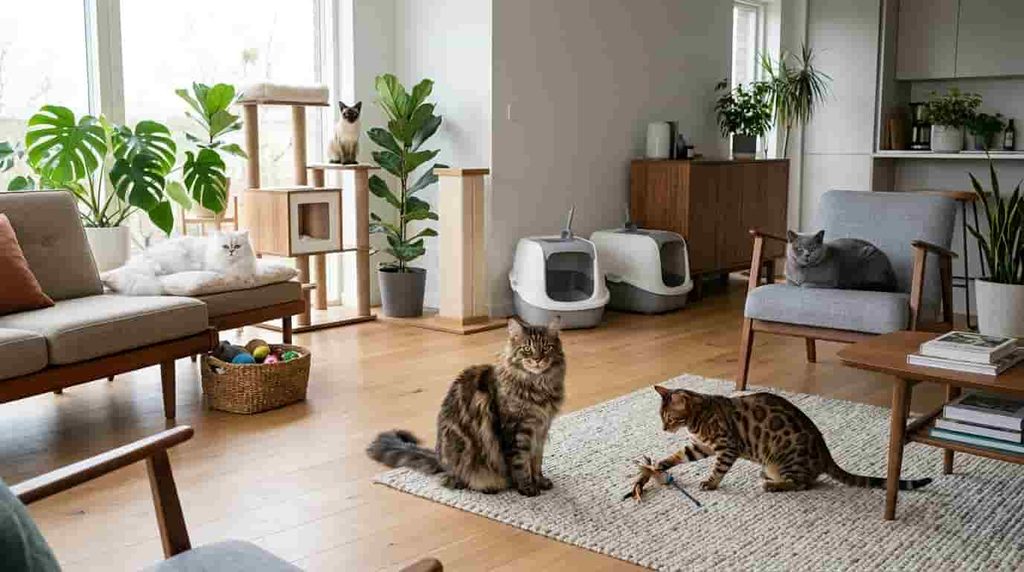
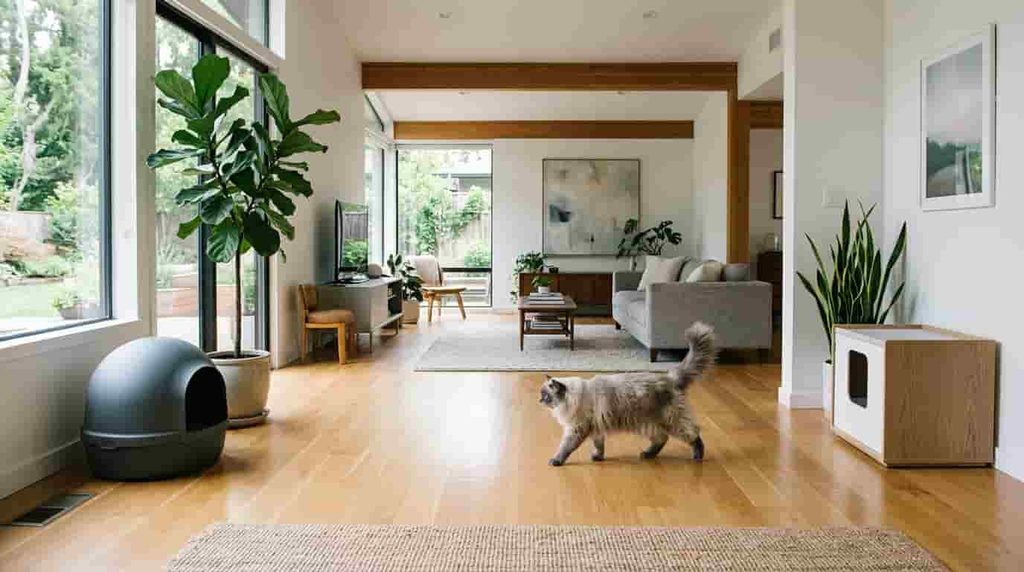
Managing multi-cat dynamics and territorial access requires having enough litter boxes. A common issue in homes with elimination problems is an inadequate ratio of boxes to cats.
The standard veterinary rule for box quantity is simple: provide one litter box for every cat in the home, plus one extra (the “1-plus-1 rule”).
- 1 Cat: Requires a minimum of 2 litter boxes.
- 2 Cats: Requires a minimum of 3 litter boxes.
- 3 Cats: Requires a minimum of 4 litter boxes.
However, placing four boxes side by side in a single basement laundry room does not meet this requirement. From a cat’s perspective, multiple boxes placed right next to each other count as one large litter box. If a dominant cat decides to sit in front of that room, they can block access to all four boxes simultaneously.
Why multiple boxes can help
Providing multiple boxes spread across different zones of your home lowers environmental stress in several key ways:
- Eliminates territorial bottlenecks: Submissive cats can access a bathroom without having to pass through areas guarded by more confident animals.
- Accommodates individual preferences: You can offer different litter types or box designs in different areas to see what your cat prefers.
- Prevents elimination delays: Older cats or cats with urgent digestive conditions do not have to walk across multiple floors to find a toilet.
- Separates functions: Many cats prefer to use one specific box for urination and an entirely separate box for defecation.
For a deeper dive into organizing your home’s setup, choosing optimal locations, and managing resources in multi-pet households, read How Many Litter Boxes Should You Have? The 1-Plus-1 Rule Explained
Your Cat May Have Developed a Preference for the Floor
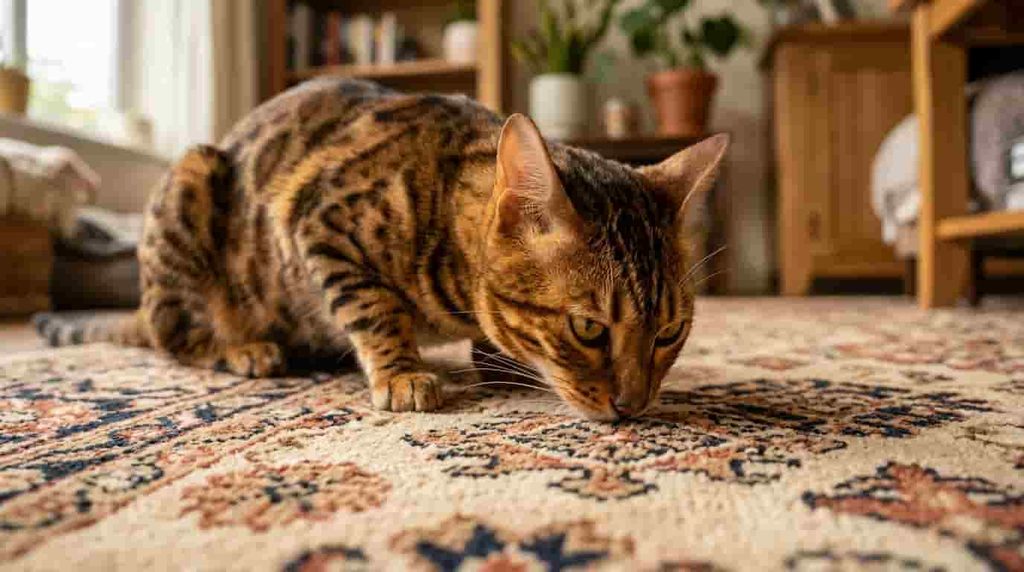
Once a cat begins pooping on the floor for any reason—whether started by temporary constipation or a dirty box—they can quickly form a behavioral habit based on surface preference. The original triggering event may pass, but the new bathroom surface habit remains.
Cats often develop preferences for:
- Plush carpeting: Soft, yieldable underfoot, and easy to scratch before or after passing waste.
- Smooth tile or hardwood: Cool to the touch, firm, and completely free of dusty litter particles that stick to paws.
- Bath mats and entryway rugs: Absorbent, soft, and frequently located in quiet corners of the home.
Every time a cat eliminates on these surfaces without interruption, the habit reinforces itself. The scent of previous accidents sinks deep into subflooring or carpet padding, marking that spot as an acceptable toilet.
Why does my cat poop on the floor in the same spot?
When a cat targets the exact same spot on a floor repeatedly, they are following scent cues and established habit loops:
- Deep Scent Imprinting: Trapped organic compounds and pheromones continuously advertise the spot to the cat as a valid bathroom.
- Tactile Comfort: The preferred floor surface feels significantly safer or more physically comfortable than the litter provided.
- Environmental Predictability: The chosen location offers high privacy, low noise, and clear sightlines for monitoring potential threats.
Even if you scrub the surface with standard household cleaners, invisible enzymatic traces of waste often remain trapped below. A cat’s sensitive olfactory system detects these lingering pheromones, signaling to them that this specific location is an approved bathroom zone. Furthermore, if that spot happens to be quiet, private, and conveniently located, it checks every box the cat looks for in a toilet.
How should you clean the accident area?
Cleaning a soiled floor correctly is essential to breaking the cycle of repeated accidents. Standard detergents, ammonia-based cleaners, and scented floor soaps are insufficient—in fact, ammonia-based products can make the problem worse because urine and waste breakdown products naturally contain ammonia, attracting the cat back to the spot.
Follow this process to clean accident zones effectively:
- Remove solid waste immediately: Use paper towels to lift solid material without pressing it deeper into carpet fibers or floor seams.
- Apply an enzymatic cleaner: Saturate the area with a commercial cleaner specifically formulated with live enzymes that break down feline organic proteins and uric acid salts.
- Allow sufficient dwell time: Let the enzymatic solution sit on the carpet or surface for the full recommended time (often 10–15 minutes) so it can break down odor-causing compounds at a molecular level.
- Blot, do not scrub: Firmly press clean towels into the area to pull moisture upward out of the floor padding.
- Restrict access while drying: Place an inverted laundry basket, aluminum foil, or a heavy piece of furniture over the area while it dries completely to prevent the cat from returning to the spot.
Stress and Changes at Home Can Affect Pooping Habits
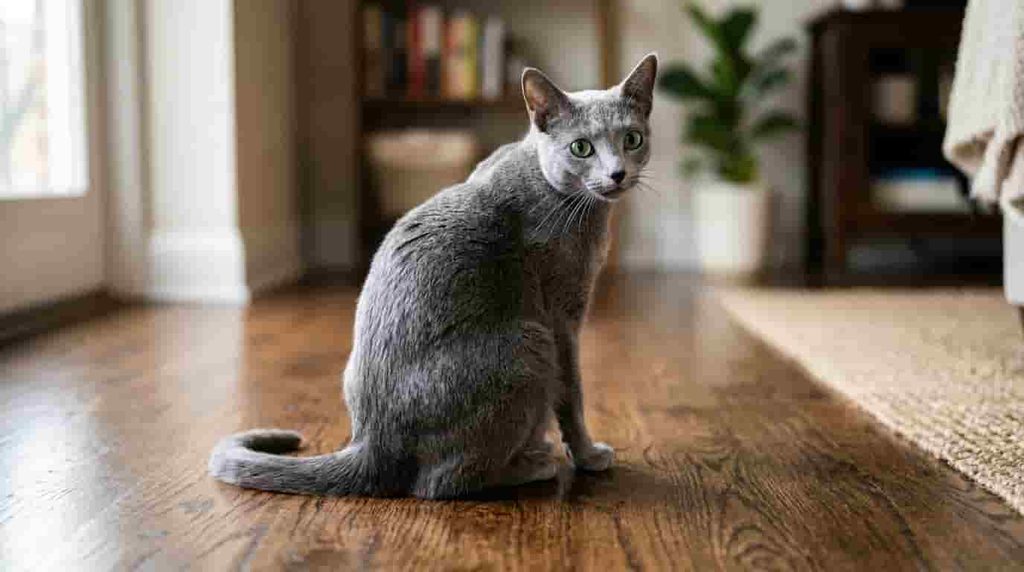
Cats are creatures of strict routine and environmental stability. Their sense of safety relies on spatial predictability and consistent scents. When significant changes disrupt their environment, their stress often manifests as altered territorial marking and changes in elimination habits.
Environmental stressors and their behavioral impacts:
- Moving to a New Home: Triggers a severe loss of scent security, resulting in defensive or anxious toilet habits.
- New Pet or Baby: Alters household noise, daily traffic patterns, and safe pathways to resource zones.
- Home Renovations: Loud structural noises and unfamiliar tradespeople cause chronic fear and hiding.
- Altered Daily Schedule: Disrupts regular feeding and scooping routines, throwing off the cat’s natural elimination flow.
Common environmental triggers include:
- Moving to a new house or apartment
- Introducing a new kitten, adult cat, dog, or baby to the family
- A roommate moving out or a new partner moving in
- Loud home renovations, ongoing construction, or rearranged furniture
- Changes to your work hours that leave the cat alone for longer stretches
- Neighborhood cats roaming outside windows, which triggers territorial anxiety
Stress compromises a cat’s feeling of security, pushing them to seek alternative spots that feel safer, quieter, or more predictable than their normal litter box area.
Why does my cat poop on the floor when I’m not home?
Owners often report that their cat poops on the floor specifically while they are at work or away for the weekend, assuming the behavior is driven by separation anxiety or spite.
However, this pattern usually occurs because:
- Unsupervised quiet: When the house is quiet and empty, the cat feels comfortable exploring rooms or corners they usually avoid, choosing those times to use alternative spots.
- Disrupted routines: Your absence might mean altered feeding times or delayed litter box scooping, making the main box less desirable.
- Shift in household noise: Appliances running or noises outside may feel more intimidating without the normal background activity of the household to mask them.
It is important to remember that your cat is not acting out of revenge for being left alone; they are responding to environmental changes and shifts in their daily routine.
Could Another Cat Be Causing the Problem?
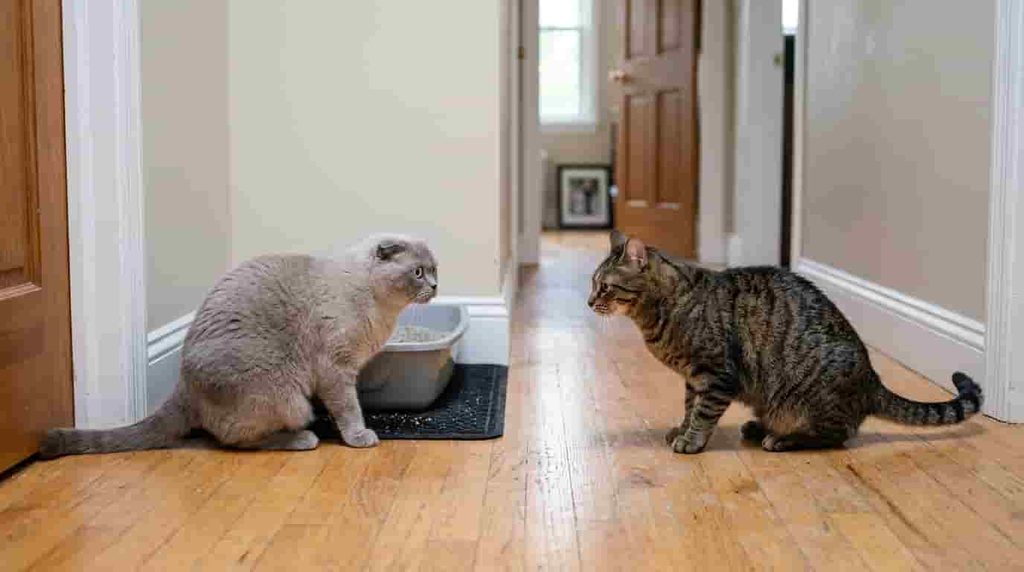
In multi-cat homes, subtle inter-cat aggression is a frequent cause of litter box rejection. Cats do not always express conflict through dramatic, noisy fights. More often, a dominant or assertive cat uses passive intimidation tactics that humans easily overlook.
The multi-cat conflict dynamic typically unfolds in three stages:
- A dominant or confident cat controls key access points, hallways, or doorways.
- A timid cat avoids traveling toward the litter box zone to prevent confrontation.
- The timid cat chooses a quiet, low-traffic alternative spot on the floor to eliminate safely.
A timid cat may start pooping on the floor because another cat:
- Sits silently in doorways or hallways, blocking access to the litter box room.
- Ambushes them as they attempt to exit a covered or enclosed litter box.
- Stares intently at them while they use the box, making them feel vulnerable.
- Claims specific boxes as exclusive territory by aggressively marking them.
Signs of litter box competition
To determine if social conflict is causing elimination issues, look for these subtle behavioral cues:
- One cat routinely lounging near hallway intersections, staircases, or door frames leading to the litter boxes.
- A cat hesitating, pacing, or scanning the room nervously before entering their box.
- Frequent swiping, hissing, or sudden chasing occurring right after a cat leaves the bathroom area.
- A cat sprinting out of the litter box at high speed as soon as they finish defecating.
- One cat exclusively using boxes on the upper floor while completely avoiding lower levels.
If you observe these behaviors, separate your litter boxes into distinct, widely spaced locations around the house. Ensure every box offers clear entry and exit paths so a cat never feels trapped inside or cornered nearby.
Why Does My Cat Poop on the Floor After I Clean the Litter Box?
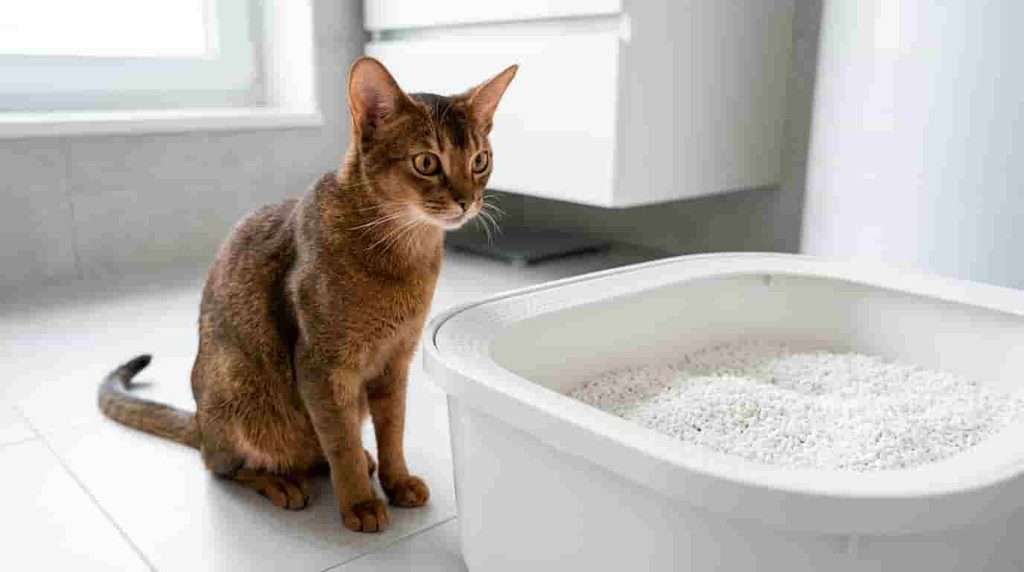
It is frustrating to step back from thoroughly scrubbing and refilling a litter box, only to watch your cat walk over and defecate on the floor right beside it. However, a clean box does not automatically equal a comfortable box.
A cat may reject a freshly cleaned box for several reasons:
- Chemical over-cleaning: If you scrubbed the box with bleach, pine-scented cleaners, or heavy disinfectants, the lingering chemical odor can be repulsive to your cat’s nose.
- Complete loss of familiarity: Scrubbing away every trace of their scent can make the box feel unfamiliar or uninviting, prompting them to look for a spot that feels more secure.
- Abrupt litter changes: If clean box day coincided with switching to a completely new type, texture, or brand of litter, your cat may refuse to step on it.
- Lingering negative associations: If the cat recently experienced painful constipation in that box, a fresh bed of litter will not erase that memory.
When cleaning boxes, use mild, unscented dish soap and warm water rather than harsh chemical detergents, and keep the litter type consistent to avoid overwhelming your cat.
Why Does My Cat Poop on the Floor All of a Sudden?
When a cat with a long, flawless history of using their litter box suddenly begins defecating on the floor overnight, treat it as an urgent signal. Sudden shifts point toward distinct, acute triggers across health, environment, and social dynamics.
Health Triggers
- Acute digestive blockage or severe constipation: Creates sudden, sharp pain during elimination attempts.
- Gastrointestinal infection or toxic ingestion: Triggers intense, uncontrollable elimination urgency.
- Sudden physical injury: A sprained joint, broken claw, or torn ligament makes stepping into high-sided boxes instantly painful.
Environmental Triggers
- Abrupt box relocation: Moving the litter box to a new room overnight breaks established physical routines.
- Drastic litter switch: Replacing smooth, fine-grained clay with coarse pellets without a transition period.
- New home disruption: Placement of new, noisy appliances or ongoing home renovations right next to the box area.
Social Triggers
- Sudden introduction of a new pet: Causes immediate anxiety and loss of environmental confidence.
- Direct ambush event: Being startled, trapped, or attacked by another pet right while using the box.
Sudden onset behavior requires prompt evaluation. Start by scheduling a veterinary exam to clear medical causes before focusing on environmental triggers.
How to Stop Your Cat From Pooping on the Floor
Addressing inappropriate elimination requires a step-by-step approach. Follow this action plan to address potential triggers and re-establish good litter box habits:
- Rule out medical problems: Schedule a complete checkup with your veterinarian to rule out constipation, IBD, arthritis, and GI pain.
- Improve litter box access: Provide low-entry, open-top, large boxes placed in accessible, quiet areas.
- Review the litter: Provide soft, fine-grained, completely unscented clumping clay litter.
- Increase box availability: Implement the 1-plus-1 rule across widely spaced locations.
- Scoop regularly: Maintain daily scooping and clean boxes regularly with mild soap.
- Make the problem area less appealing: Treat soiled floor zones thoroughly with enzymatic cleaners and temporarily restrict access.
- Track patterns: Keep a log recording accident times, locations, and stool consistency daily to identify triggers.
Step 1: Rule out medical problems
Schedule a complete checkup with your veterinarian. Request a thorough physical examination, a stool check for parasites, and a review of joint health or potential constipation issues.
Step 2: Improve litter box access
Ensure boxes are physically easy to use. Swap out narrow, high-walled, or hooded containers for large, open-topped storage totes or shallow-entry senior boxes that require minimal effort to enter.
Step 3: Review the litter
Switch to a soft, fine-grained, completely unscented clumping clay litter, as studies show the vast majority of domestic cats prefer soft clay underfoot over wood, paper, or crystal alternatives.
Step 4: Increase box availability
Implement the 1-plus-1 rule immediately. Spread boxes out across different floors and rooms rather than grouping them together in one location.
Step 5: Scoop regularly
Scoop all waste out of every box at least once per day, and ideally twice daily. Perform a complete litter replacement and mild soap wash every two to four weeks.
Step 6: Make the problem area less appealing
Thoroughly treat soiled floor spots with enzymatic cleaners. Cover cleaned carpet sections with runner mats placed nub-side up, double-sided tape, or aluminum foil to deter access while habits reset.
Step 7: Make the litter box more attractive
Place the litter boxes in quiet, low-traffic areas that offer clear escape routes and good sightlines. Keep food and water bowls far away from all litter box areas.
Step 8: Track patterns
Keep a simple daily log detailing the exact time of any accidents, the precise location, the consistency of the stool, and any unusual household events. This data helps narrow down environmental triggers and gives your vet valuable context.
Common Mistakes That Can Make the Problem Worse
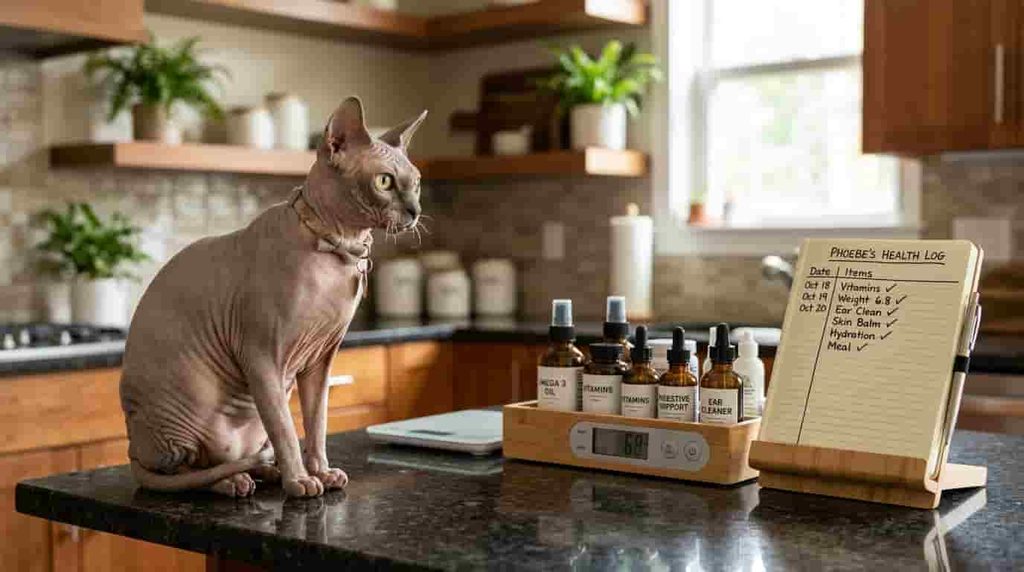
When dealing with the stress of cleaning soiled floors, it is easy to make simple mistakes that end up exacerbating your cat’s stress and prolonging the problem. Avoid these common pitfalls:
- Punishing the cat: Yelling, rubbing their nose in waste, or squirting them with water only teaches your cat that you are unpredictable and dangerous. It causes them to hide their elimination, driving them to poop in concealed floor areas behind furniture.
- Assuming spite: Treating the issue as an intentional behavioral problem prevents you from seeking medical care or recognizing obvious setup issues.
- Changing everything at once: Switching litters, boxes, locations, diets, and cleaning routines simultaneously makes it impossible to tell which change actually helped or which one made things worse.
- Using strong fragrances: Air fresheners, scented litter powders, and perfumed floor detergents overpower your cat’s sense of smell and push them away from the box.
- Cleaning only visible mess: Failing to treat the deep subflooring with enzymes leaves invisible scent cues that encourage repeat accidents.
- Clustering extra boxes together: Placing three boxes right next to each other in a line fails to solve territorial guarding or access issues.
What If My Cat Poops on the Floor but Pees in the Litter Box?
A cat that reliably urinates inside their box but consistently defecates on the floor presents a clear, specific pattern. This behavior demonstrates that the cat understands the box is their bathroom, but finds it unsuitable for defecating.
Primary causes for this split pattern include:
- Physical Posture Requirements: Defecation requires a wider posture and deeper squat. Box walls or joint pain can restrict comfortable positioning, forcing the cat to choose flat floor space.
- Dual Box Needs: Many cats naturally refuse to combine waste types, requiring distinct, separate boxes for urine and feces.
- Surface Preferences: Cats often prefer different textures for different needs, accepting clay for urine but preferring soft carpet for stool.
- Cleanliness Thresholds: Some cats refuse to defecate in a box that already contains urine clumps, demanding a completely pristine space for solid waste.
If your cat also starts urinating outside the box, you may be dealing with a broader issue. For detailed guidance on addressing urine accidents, consult Why Is My Cat Peeing Outside the Litter Box? Causes and Solutions
What If My Cat Poops on the Floor in Front of Me?
It is easy to interpret a cat pooping on the floor right in front of you as a deliberate act of defiance. However, cats do not possess the cognitive complexity required to engage in spiteful demonstrations.
When a cat defecates in your presence, it usually points to one of a few practical causes:
- Severe physical urgency: Intestinal cramping or severe diarrhea means the cat simply cannot hold waste long enough to reach their box, regardless of who is in the room.
- Seeking safety: An anxious or intimidated cat may feel safer eliminating when their human is nearby to protect them from other household pets.
- Learned location connection: The cat simply considers that floor location their designated bathroom, completely unbothered by your presence.
- Attempts to communicate distress: While not acting out of anger, a cat in pain may eliminate near you because physical discomfort has completely disrupted their normal habits.
Instead of reacting with anger, carefully note your cat’s posture, facial expressions, and stool consistency during the event to help identify physical pain or urgency.
When Should You Call the Veterinarian?

While environmental tweaks can solve many litter box issues, medical concerns require professional evaluation. Never delay veterinary care if your cat shows physical signs of illness.
Critical Signs (Contact Vet Immediately)
- Straining repeatedly without passing stool (suspected impaction or blockage)
- Visible bright red blood or black, tarry stool
- Concurrent persistent vomiting, extreme lethargy, or refusal to eat
Signs Requiring an Exam (Schedule Within 24–48 Hours)
- Sudden, unexplained onset of floor pooping in senior cats
- Chronic loose stools, diarrhea, or hard pellet-like feces
- Visible mobility distress or crying while attempting to use the box
You should contact your veterinarian promptly if you notice any of the following:
- Straining repeatedly in or out of the box without passing stool (this can indicate a dangerous intestinal blockage)
- Visible bright red blood or dark, tarry material in the stool
- Diarrhea lasting longer than 24 to 48 hours
- Accompanying symptoms like vomiting, lethargy, or complete loss of appetite
- Vocalizing, crying, or showing obvious signs of pain while trying to pass stool
- Sudden bathroom accidents in senior cats, which often points to arthritis or cognitive decline
A vet can run diagnostic bloodwork, take abdominal X-rays to check for constipation or joint disease, and analyze stool samples to identify medical triggers quickly.
A Simple Floor-Pooping Troubleshooting Checklist
Use this checklist to systematically identify potential triggers and track your progress as you work to resolve the issue:
Health Assessment
- [ ] Has your cat been evaluated by a veterinarian within the last six months?
- [ ] Is the stool normal in texture, shape, and color?
- [ ] Does your cat enter and exit the litter box comfortably without showing pain?
- [ ] Is your cat eating, drinking, and playing normally?
Litter Box Setup
- [ ] Are you providing one box per cat, plus one extra?
- [ ] Are litter boxes placed in separate locations across different rooms or floors?
- [ ] Are the containers large enough for your cat to comfortably turn around inside?
- [ ] Are you using open-topped boxes rather than covered or hooded models?
- [ ] Are you using fine-grained, completely unscented clumping litter?
- [ ] Are boxes scooped daily and cleaned regularly with mild, unscented soap?
Environment & Social Dynamics
- [ ] Are litter boxes located in quiet, low-traffic areas away from noisy appliances?
- [ ] Are boxes placed in locations with clear entry and exit routes?
- [ ] Have you thoroughly cleaned all accident areas using an enzymatic cleaner?
- [ ] Is access to problem floor spots blocked while habits are being re-established?
- [ ] Are all cats in the household able to access resources without being ambushed?
Related Litter Box Problems to Watch For
Floor pooping often occurs alongside other changes in elimination habits. Addressing these related behaviors early can help prevent broader litter box avoidance.
Pay attention to whether your cat displays any of these related issues:
- Peeing on soft surfaces or furniture: When cats eliminate on soft items like beds, couches, or laundry, it often points to urinary tract issues, severe stress, or strong surface preferences. For targeted help with bed-related accidents, read Why Does My Cat Pee on My Bed? Causes and How to Stop It.
- Total litter box refusal: If your cat stops using their box for both urination and defecation, the issue is often driven by a strong aversion to the litter type, major environmental stress, or systemic illness. To learn more about sudden box avoidance, consult Why Does My Cat Suddenly Hate the Litter Box? Causes and Solutions.
By watching for these overlapping behaviors, you can catch environmental and health problems early before they become ingrained habits.
Frequently Asked Questions
Why does my cat poop on the floor but pee in the litter box?
Cats often develop distinct surface preferences for urination versus defecation. Posture requirements, discomfort during bowel movements, or a desire for a clean box can drive a cat to pee inside the box while leaving stool on the floor.
How do I get my cat to stop pooping on the floor?
Start by having a veterinarian rule out medical issues like constipation or arthritis. Next, transition to soft, unscented clumping clay litter, add open-topped boxes in quiet areas, scoop daily, and deep-clean soiled floor spots with an enzymatic cleaner.
Why does my cat poop next to the litter box?
Pooping right beside the container usually indicates that your cat knows where to go, but dislikes something specific about the box itself. Common culprits include a box that is too small, high entry walls that hurt sore joints, dirty litter, or hooded tops that trap odors.
Should I be worried if my cat suddenly poops on the floor?
Yes, sudden shifts in elimination habits warrant attention. While a single accident might stem from a temporary fright or locked door, repeated or sudden accidents often point to underlying health issues like digestive distress, acute constipation, or environmental stress.
Why does my cat keep pooping in the same spot?
Repeatedly targeting the same floor location usually means scent cues remain embedded in the surface. Standard household cleaners often leave behind pheromones that signal to your cat that the area is an acceptable toilet, making an enzymatic cleaner essential.
Conclusion
Understanding why does my cat poop on the floor starts with looking at both health and environment to identify what your cat is trying to communicate. Whether the issue stems from undetected joint pain, painful constipation, a strong dislike of scented litter, or subtle conflict with another pet, approach the situation with patience and systematic troubleshooting rather than frustration.
Rule out medical conditions with your veterinarian, make your litter boxes as comfortable and accessible as possible, clean soiled areas with live enzymatic products, and give your cat time to rebuild their habits. With a structured approach, you can restore your cat’s confidence, safeguard their health, and keep your floors clean.
Has your cat ever developed a floor-pooping habit? What underlying cause did you end up discovering, and which solutions worked best to fix it? Share your experiences and advice in the comments below!