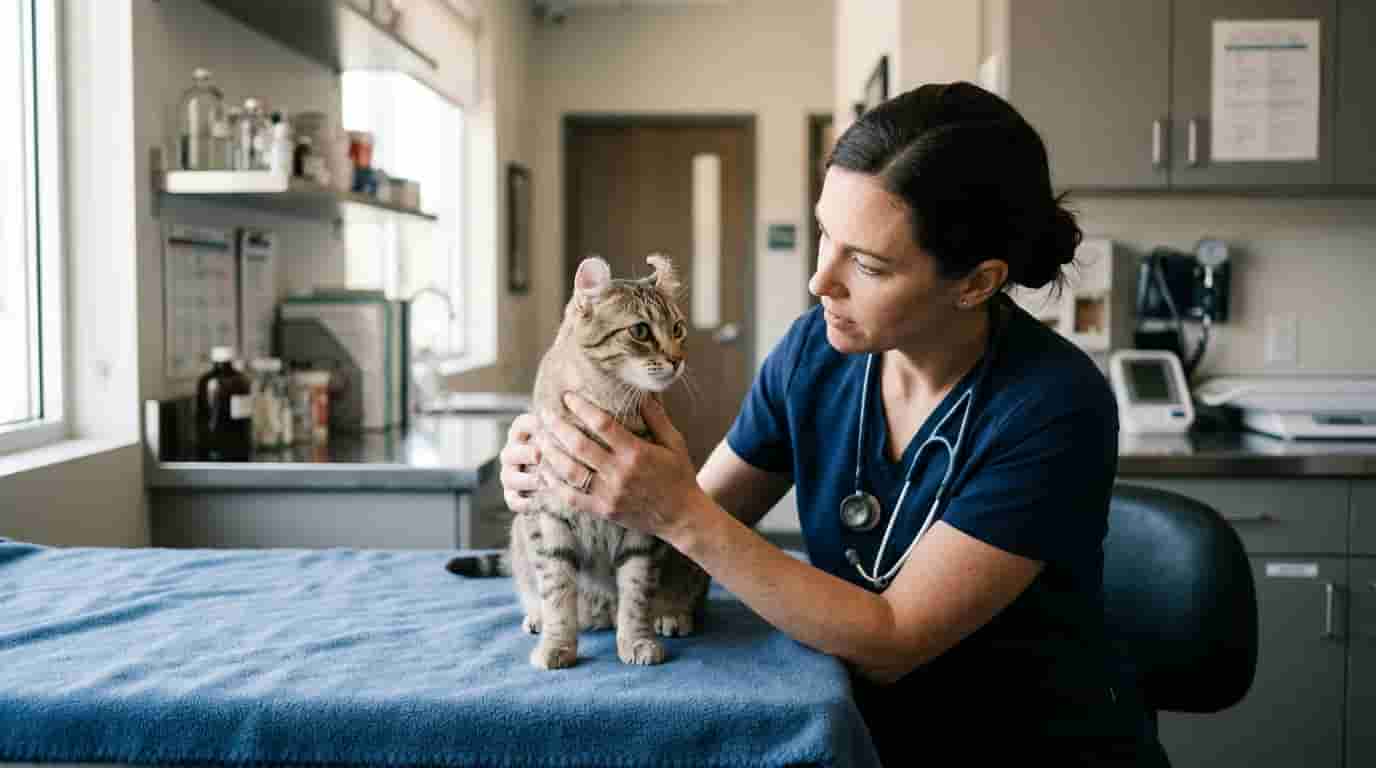
Cat Stroke Symptoms: What to do if your cat loses balance.
Introduction:
Cat Stroke Symptoms often appear without any warning at all. Your cat plays happily one minute, then suddenly stumbles or falls. Does this mean your beloved pet faces a medical emergency?
Most owners feel pure panic during these frightening moments. However, staying calm helps you act fast for your friend. You must learn the signs to provide the best care possible.
Recognizing Cat Stroke Symptoms and Behaviors

Cat Stroke Symptoms manifest in many different physical ways. You might notice your cat walking in circles or tilting their head. Furthermore, they may lose their footing or fall to one side repeatedly.
These neurological symptoms in cats suggest a serious disruption in blood flow. Consequently, your cat struggles to control their basic movements. You must watch their eyes closely for unusual, rapid back and forth motion.
According to VCA Animal Hospitals, any sudden loss of function requires immediate veterinary attention. Do not wait for the condition to pass on its own. Prompt action changes the outcome for your pet.
How to Recognize Cat Stroke Symptoms Early
You should check for weakness in their legs right away. Sometimes, a cat drags a limb or seems unable to stand. Additionally, they may show facial drooping or sudden changes in their pupils.
Recognizing these feline stroke signs helps your vet make a quick diagnosis. You can record a video of their behavior to show the medical team. This evidence proves very helpful during their exam.
Also, be aware of sudden behavioral shifts, like hiding or aggression. These cat stroke warning signs indicate that your pet feels confused and scared. Therefore, protect them from falls while you prepare for the trip.
Evaluating Feline Stroke Signs vs Other Issues
You might wonder if you see a seizure or a stroke. A cat seizure vs stroke comparison helps clarify the situation. Seizures often involve rhythmic shaking, whereas strokes typically affect balance and coordination.
Furthermore, keep other potential health problems in your mind. You should read Cat Cancer Warning: Spotting unusual lumps and bumps early to stay informed on other risks. Different conditions require very specific care from your veterinarian.
Understanding the difference helps you communicate clearly with the clinic staff. As a result, they prioritize the right tests for your cat. Accurate info saves precious time during a cat brain attack.
Common Signs of Cat Stroke and Recovery
You must look for signs of cat stroke that include confusion. They may seem lost in familiar rooms or fail to recognize you. Additionally, sudden drooling or difficulty swallowing often occurs.
Cat stroke recovery depends entirely on the underlying cause. Sometimes, a feline cerebrovascular accident stems from high blood pressure or toxins. Your vet performs a cat stroke diagnosis to find the root.
Also, focus on managing their long term health through diet. You can read Cat Worming Schedule: Protecting indoor cats from parasites to improve overall wellness. Healthy cats stay stronger against all types of internal threats.
Managing Cat Stroke Treatment Options
You might worry about the available cat stroke treatment options. Vets focus on stabilizing the cat first and foremost. They might provide oxygen or medicine to support brain function.
Recovery often involves physical therapy to restore their movement. Patience acts as your best tool during this difficult process. Furthermore, keep their environment quiet and very low to the ground.
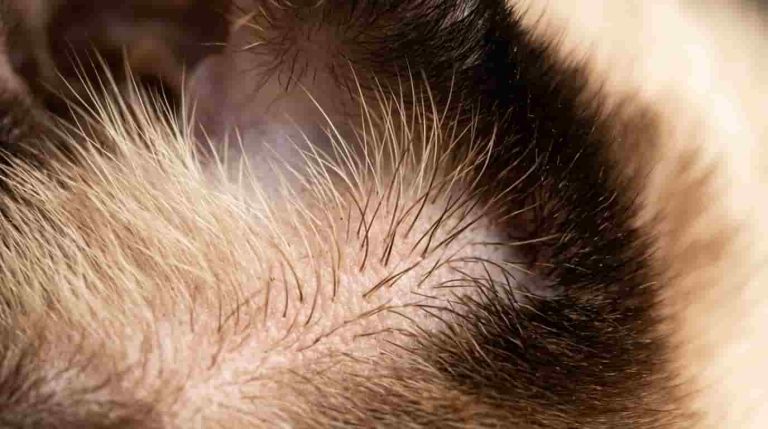
You should also watch for skin health during their recovery. Read Cat Flea Allergies: Why one bite can cause total hair loss to manage their skin if they struggle to groom themselves. Comfort helps them heal much faster.
Practical Cat Stroke Prevention Tips
True cat stroke prevention starts with keeping your cat’s weight healthy. Obesity puts unnecessary strain on their heart and circulatory system. Therefore, feed them high quality food and encourage daily play.
Also, minimize stress in your home to keep their blood pressure stable. Regular vet visits help catch early signs of high blood pressure. These routine checks keep your feline friend feeling their best.
Always keep dangerous toxins or chemicals locked away securely. You play a huge role in their daily safety. Consistency remains the best approach for long term health.
Navigating the Challenges of Cat Stroke Symptoms
Cat Stroke Symptoms present a challenge for even the best owners. You must remain observant and ready to react at all times. Your quick response might be the difference between life and death.
Always keep your emergency vet’s number on your phone. You never know when you might need to use it. Stay confident in your ability to look after them.
By following these guidelines, you gain the knowledge to protect your cat. They rely on you for their safety and their comfort. Do you have a question about recognizing these signs?
Please share your own experiences or thoughts in the comments section!
Frequently Asked Questions
Watch for sudden loss of balance, head tilting, circling, and weakness in the legs. You may also see rapid eye movement or facial drooping.
No, they are different conditions. Seizures often involve involuntary shaking, while strokes typically cause sudden loss of coordination and balance.
Strokes in cats often result from underlying issues like high blood pressure, heart disease, or blood clots. Vets perform tests to identify the specific trigger.
Vets use neurological exams, blood pressure tests, and sometimes imaging like MRIs. These tools confirm the stroke and help guide the right treatment.
Yes, many cats recover well with prompt care and physical therapy. Recovery depends on the severity and the underlying cause of the stroke.