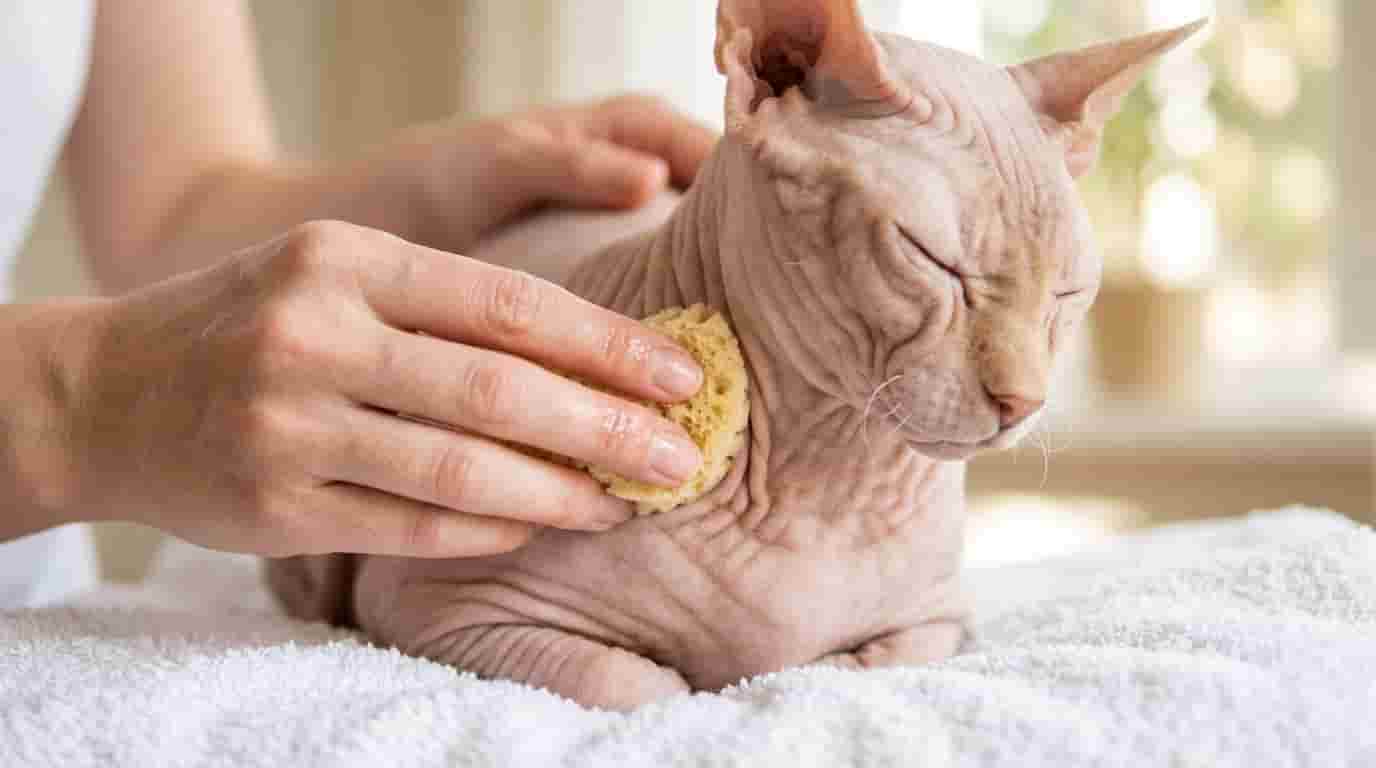
Donskoy Cat: The Naturally Hairless Cat
Introduction:
Donskoy Cat owners often face one big mystery. Friends visit their home and gasp at their velvet-skinned companion. They ask if the animal feels cold or needs a sweater. This unique feline truly stands out from every other cat breed.
Have you ever met a creature that feels like warm chamois leather? You might think they relate closely to the more common Sphynx cat. However, this cat possesses a very different genetic story. Their hairless nature comes from an entirely separate mutation.
We will reveal exactly how this rare feline entered our homes. First, we must look back at a snowy street in Russia.
Origins of the Donskoy Cat

A woman named Elena Kovaleva saved a kitten in 1987. She found the small animal in the city of Rostov-on-Don. At first, she worried because the kitten started losing her fur. She tried everything to help her new friend grow hair.
Nothing worked to stop the hair loss. Eventually, the cat grew into a healthy, bald adult. She gave birth to kittens that also lacked fur. This moment changed the world of feline genetics forever.
Researchers soon realized this was a new, natural gene. It differed completely from the recessive gene found in other breeds. Therefore, the breed maintains its own unique identity today.
What Makes the Donskoy Cat So Special?
Many people group all naked cat types together. However, a Donskoy cat carries a dominant gene for hairlessness. This factor makes breeding them quite distinct from other hairless cats. They also exhibit different skin textures across their life.
Some kittens are born completely bald and stay that way. Others possess a fuzzy coat that they lose as they age. They even develop a winter coat of light fur sometimes. This flexibility fascinates experts who study rare cat breeds daily.
- They possess high intelligence and playful spirits.
- Their skin requires gentle, regular care and cleaning.
- They form deep bonds with their human family members.
If you enjoy learning about unusual coats, check out the American Wirehair Cat: The Cat With a Unique Coat. It offers a fascinating contrast to our hairless friend. You will see how diverse feline appearances can really be.
Caring for Your Unique Cat Breed
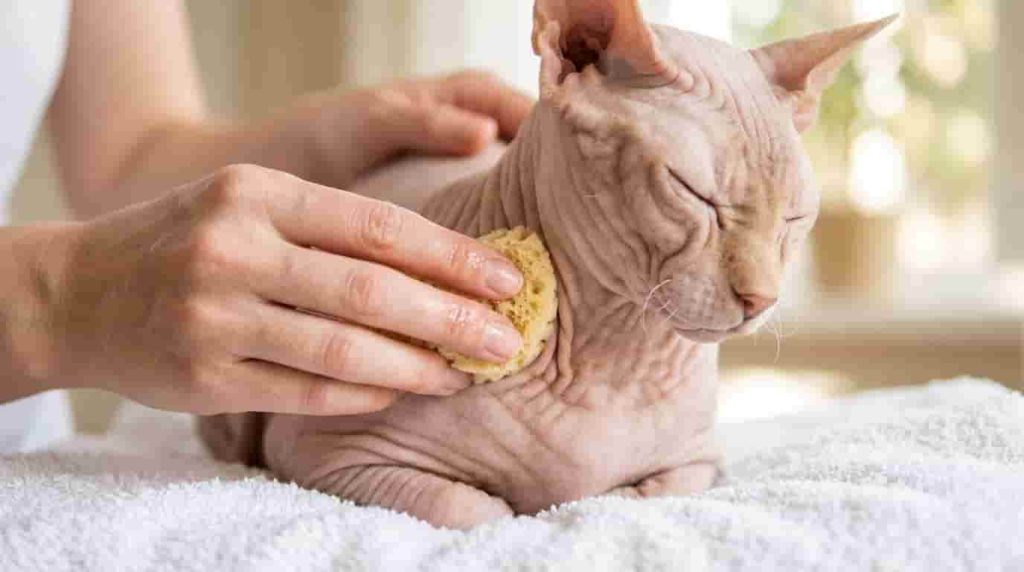
Pet care for a hairless cat requires more effort than a furry friend. Because they lack fur, they get cold very easily in winter. You must keep your home at a comfortable temperature always. They love snuggling under warm blankets with their owners.
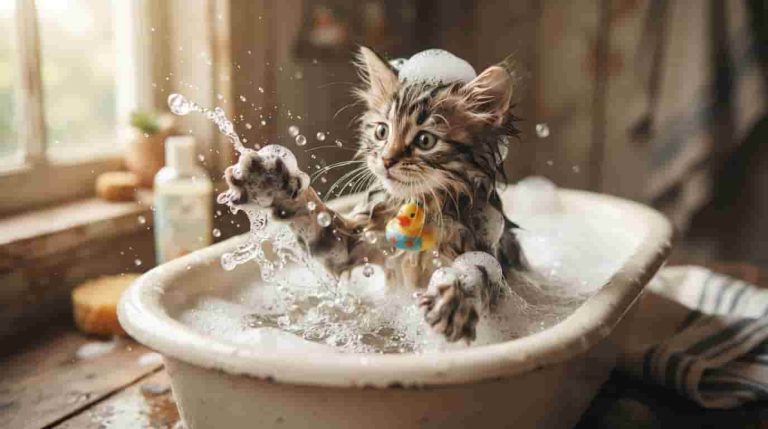
Also, their skin produces oils that usually soak into cat fur. Without hair, these oils build up on their skin surface. You must perform regular cat grooming to keep them clean. Use a soft, damp cloth to wipe them down weekly.
VCA Animal Hospitals note that skin health impacts their overall feline health. Keep them away from strong sunlight to prevent painful sunburns. Their skin acts much like our own human skin.
Are These Cats Truly Hypoallergenic?
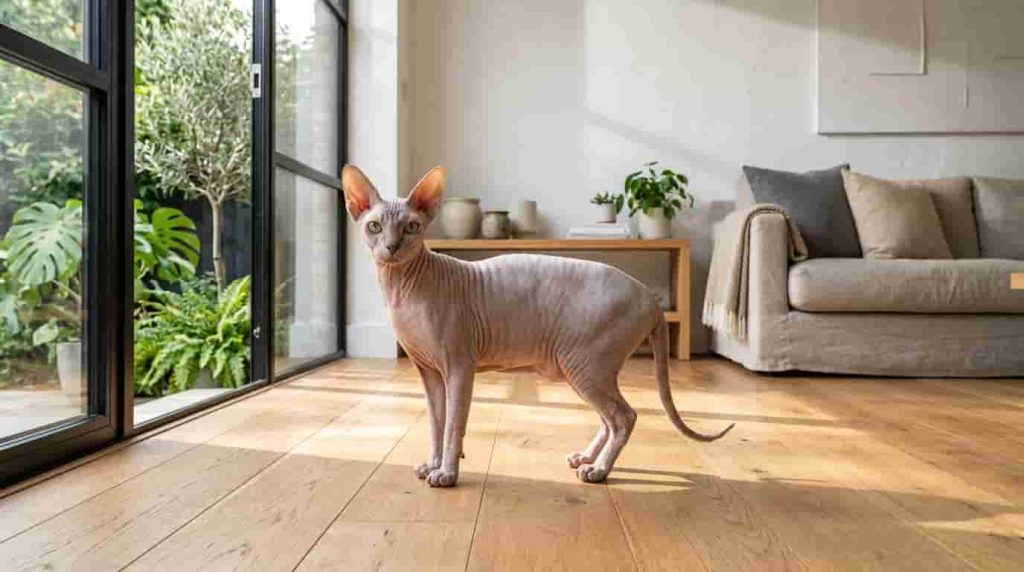
Many people search for hypoallergenic cats to avoid sneezing fits. People often assume that a hairless cat solves this problem. However, dander and saliva cause most allergic reactions in humans. These cats still produce those specific proteins.
Therefore, no cat is 100% hypoallergenic. You should spend time with a cat before deciding to adopt. See how your body reacts to their presence in your home. Some people do find them easier to tolerate, though.
If you love rare cat breeds but want more hair, see the Tennessee Rex Cat: The New Curly Cat Breed. It provides a very different texture for your home. You might find a match that suits your lifestyle better.
Finding the Best Donskoy Cattery

You should always research your source before you seek cat adoption. A responsible Donskoy cattery prioritizes the health of every kitten. They perform genetic testing to ensure no hidden issues exist. Furthermore, they provide a clean, loving environment for the kittens.
Avoid anyone who sells kittens too young or too cheaply. A reputable breeder cares about the breed’s future above profit. They will happily show you the parents and their health records. Trust your instincts when you interview a potential breeder.
You want an affectionate pet that stays healthy for many years. Quality breeders provide support and advice for your journey. They want to ensure their kittens find the perfect forever homes.
Living With an Intelligent Cat
Living with this breed feels like sharing your home with a toddler. They want to help you with every single task. You might find them perched on your shoulder while you cook. They love to chat and follow you from room to room.
Because they stay so active, they need many enrichment toys. Use puzzle games to challenge their clever, sharp minds. They enjoy learning tricks and playing games like fetch. You will never feel lonely with this constant companion.
If you want another hairless option, the Peterbald Cat: The Elegant Hairless Cat From Russia is quite similar. It also hails from Russia and shares that striking, bald look. You have wonderful choices if you love these rare, unique cats.
Maintaining Long Term Feline Health
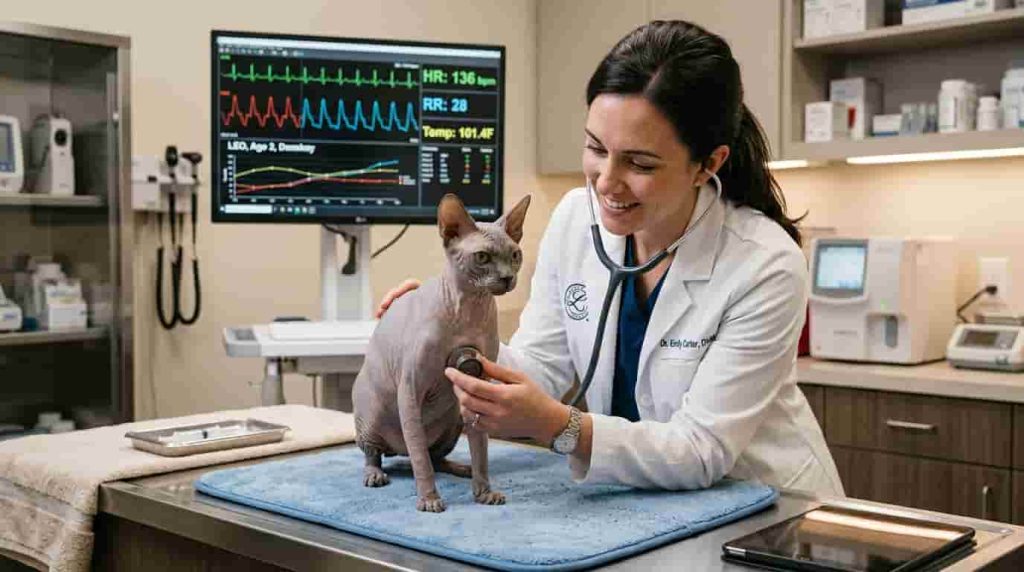
Healthy feline breed living depends on a balanced, high quality diet. These cats have very fast metabolisms because they burn energy to stay warm. Provide them with extra calories during the cold winter months. Consult your vet to create the right meal plan.
Also, schedule yearly checkups to monitor their heart and skin health. Early detection of issues ensures they live long, happy lives. Never ignore signs of lethargy or sudden skin changes. Your proactive care makes a huge difference in their wellbeing.
ASPCA provides great resources for general pet health needs. Keep their vaccinations updated to protect them from common illnesses. You ensure they enjoy their time with you by staying prepared. Your attention is the best medicine they can receive.
Conclusion
The Donskoy cat truly changes how we see our feline companions. Their velvet skin and intense affection capture our hearts quickly. You gain more than just a pet when you bring one home. You find a loyal, intelligent partner for your daily life.
Remember that their care requires time and commitment from you. They depend on your love to keep their skin healthy. If you seek a unique cat breed that loves being close, they might be perfect. Their bond with humans remains one of their best traits.
Do you have experience living with a hairless breed? Please share your thoughts or questions in the comments below. We love learning about the incredible stories you have with your cats!
Frequently Asked Questions
Yes, most are naturally hairless due to a dominant gene. Some may have light fuzz or develop a winter coat sometimes.
They need weekly wiping or bathing to remove excess oils. Because they have no fur, oils can build up on their skin.
They usually get along very well with other cats and dogs. Their friendly, social nature makes them great companions for other animals.
Yes, they feel the cold quickly without their thick fur. Keep them warm with sweaters and blankets during chilly days or nights.
These cats often live between 12 and 15 years with great care. Regular vet visits help them maintain their health and happiness longer.