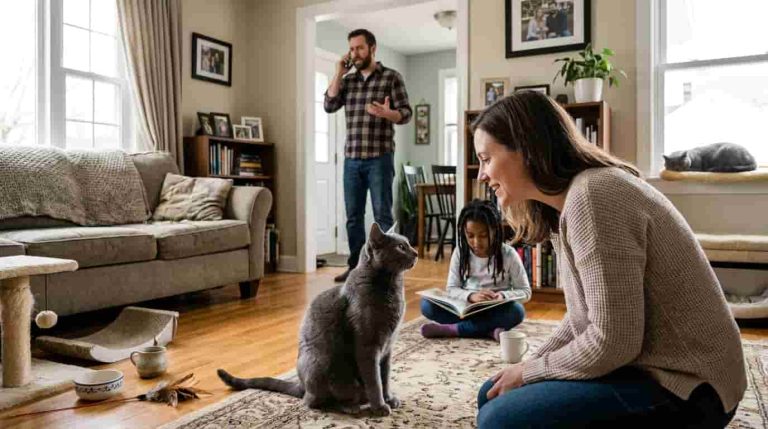

How to Introduce a Kitten to a Dog: Safe Steps, Good Signs and Common Problems
Introduction:
Bringing a new kitten into a home with a resident dog is an exciting milestone, but it often comes with a degree of anxiety. Owners frequently worry about how their dog will react to a small, fragile newcomer, or whether the kitten will feel safe in its new environment. The safest, most effective approach to bringing a kitten home to a dog is a gradual, step-by-step introduction rather than forcing an immediate face-to-face meeting.
The core process relies on patience, controlled exposure, and managing the environment. First, you must prepare a separate, secure space for the kitten to adjust. From there, you allow the animals to become familiar with each other’s scent before they ever lock eyes. Once scent recognition is established, you can begin controlled visual contact through physical barriers, followed by short, closely supervised meetings. Freedom and direct interaction should only increase as both animals consistently demonstrate calm, relaxed behavior.
Several factors influence how quickly or smoothly this process moves. A pet’s age, baseline temperament, inherent prey drive, previous socialization, and physical size—especially when introducing a kitten to a big dog—all play critical roles. By recognizing good signs of progress as well as early warning signs, you can adjust your pace accordingly. Ultimately, peaceful coexistence is the primary goal; your pets do not need to become best friends to live safely and comfortably together.
How to Introduce a Kitten to a Dog Without Stress
Establishing a stress-free introduction method requires managing the environment before allowing physical access. Rather than rushing the animals together, structuring their early experiences prevents panic, minimizes high arousal, and sets both pets up for long-term success.
Prepare a Safe Room for the Kitten
Before bringing your kitten home, set up a dedicated safe room—such as a spare bedroom or bathroom—that belongs entirely to the kitten. This sanctuary must contain all essential supplies: food, fresh water, a litter box, comfortable bedding, age-appropriate toys, and secure hiding spots.
Keep the resident dog completely out of this space. The sanctuary serves two vital functions: it provides the kitten with a quiet environment to adjust to its new home, and it guarantees a safe retreat where it can feel entirely secure. Ensuring early health care, such as knowing How to Clean a Kitten’s Eyes Safely: What to Use, Infection Signs and When to See a Vet
, can also help you monitor your new pet’s health while they are settled in their safe room.
Give the Dog Time to Adjust
While the kitten settles into its safe room, keep your dog’s daily routine as consistent as possible. Regular feeding times, exercise, and attention help prevent frustration or anxiety. Allow the dog to investigate the outside of the kitten’s door and sniff the air curiously, but prevent frantic scratching, whining, or barking at the barrier.
Never punish a dog for showing natural curiosity or excitement around the new door. Punishment increases anxiety and can create a negative association with the kitten’s presence. Instead, calmly redirect the dog’s focus away from the room and reward them with treats and praise when they display relaxed, quiet behavior nearby.
Start With Scent Before Sight
Animals rely heavily on smell to evaluate their environment and identify other living beings. Introducing scents before visual contact builds familiarity without triggering adrenaline-fueled reactions.
- Swap Bedding: Exchange blankets, towels, or soft toys between the kitten’s safe room and the dog’s sleeping area.
- Observe Reactions: Present the scented item to each animal individually. A relaxed reaction includes calm sniffing, passing interest, or sleeping on the item. An overaroused reaction involves intense staring, whining, agitation, or defensive behavior.
- Controlled Exploration: Allow each animal to investigate the other’s scent at their own pace. Allow the dog to explore the kitten’s room while the kitten is temporarily held in another safe space, and let the kitten sniff the dog’s main living area.
- Pacing: Only progress to visual contact when both animals show neutral or calm reactions to each other’s scent.
What Should You Do Before the Kitten and Dog Meet?
Thorough preparation eliminates common hazards and gives you full control over the environment when the pets finally catch sight of each other.
- Step 1 (Kitten Safe Zone): The kitten stays in a dedicated, secure room behind a solid door to unpack and adapt.
- Step 2 (Scent Swapping Phase): Bedding and toys are exchanged across the closed door so both pets get used to each other’s smell without visual stress.
- Step 3 (Visual Contact Phase): A sturdy mesh barrier or baby gate replaces the door view so they can see each other from a distance.
- Step 4 (Controlled First Meeting): The dog is kept on a short leash in the same room with the barrier still accessible to the kitten.
Prepare the Environment
Audit your living space to create a safe layout for controlled visual contact:
- Install sturdy baby gates, pet barriers, or mesh screen doors in hallways or doorways.
- Ensure the kitten has clear escape routes and elevated perches (like cat trees or high furniture) that the dog cannot reach.
- Remove tight gaps behind heavy appliances or furniture where a frightened kitten could become trapped or cornered.
- Position litter boxes, food bowls, and water dishes in areas entirely inaccessible to the dog to prevent resource guarding or disturbance.
Prepare the Dog
Before any visual introduction, exercise your dog with a moderate walk or play session. The goal is to take the edge off their energy without tiring them out to the point of irritability.
Reinforce basic obedience cues, particularly “sit,” “stay,” “look at me,” and “leave it.” Having strong control over these commands allows you to redirect your dog’s focus immediately if they become overly fixated on the kitten. Keep high-value, soft treats on hand to reward fast compliance and calm body language.
Prepare Yourself
Your emotional state directly impacts both animals. Approach every interaction with a calm, patient mindset. Do not assume that a historically gentle or friendly dog will automatically be safe around a small, fast-moving kitten; predatory instincts can be triggered by sudden movement regardless of past behavior.
Develop a clear separation plan before opening any barriers. Know exactly how you will safely block visual access or move the animals apart if tension escalates. Avoid screaming, shouting, or physically grabbing a high-arousal dog, as loud noises and sudden physical force increase environmental stress and can trigger defensive reactions.
Kitten and Dog First Meeting: What Should It Look Like?
The initial visual meeting sets the tone for future interactions. Structure this milestone carefully to ensure safety and build confidence for both animals.
First Meeting Safety Checklist:
- Dog is secured on a standard, non-retractable leash.
- Physical barrier (baby gate/screen) separates both pets.
- Kitten has an unobstructed escape route to elevated ground.
- High-value treats are ready for redirecting the dog.
- Session is timed for 3 to 5 minutes maximum.
Choose a Controlled First Meeting
Conduct the first meeting across a secure barrier, such as a tall baby gate or a screen door. Keep the dog on a short, relaxed leash held securely by an adult. Position yourself near the dog so you can offer treats and verbal guidance.
Keep the first interaction extremely short—typically three to five minutes. Ending the meeting on a calm, positive note prevents overstimulation and leaves both animals with a favorable impression.
Let the Kitten Decide How Close to Get
Never hold the kitten in your arms or carry it directly up to the dog. Restraining a kitten prevents it from fleeing if it feels threatened, which significantly increases panic, scratching, and biting.
Place the kitten on the floor inside its safe zone and allow it to observe the dog through the barrier at its own pace. If the kitten chooses to hide or stay at a distance, respect that decision. Never force nose-to-nose contact or drag the kitten toward the barrier.
Reward Calm Behavior
Focus on rewarding neutral, relaxed behavior from both animals:
- Mark and Reward: The moment your dog looks at the kitten and then calmly looks back at you, immediately offer a high-value treat.
- Reinforce Disengagement: Reward the dog for sitting, lying down, or responding to basic commands while the kitten is visible.
- Praise the Kitten: Offer soft verbal praise or gentle strokes if the kitten remains relaxed, grooms itself, or approaches the barrier out of mild curiosity.
- Avoid Forced Interaction: Do not lure the animals together with food if either shows signs of tension or hesitation; allow them to maintain whatever distance feels safe.
How Do You Know if a Kitten and Dog Introduction Is Going Well?
Reading body language correctly is essential for determining whether to advance to the next stage or step back.
Good Signs When Introducing Cats to Dogs
| Animal | Key Behavioral Indicator | Visual Body Language |
| Dog | Loose, relaxed posture | Soft eyes, gentle tail wags, ears in a neutral position, easy breathing. |
| Dog | Ability to disengage | Glances at the kitten but easily turns away when spoken to or offered a treat. |
| Dog | Respects barriers | Sits or lies down near the gate without whining, pawing, or barking. |
| Kitten | Curious exploration | Tail held up or in a relaxed curve, ears forward, body soft while moving smoothly. |
| Kitten | Normal behaviors | Willingness to eat treats, play with a toy, or groom itself near the barrier. |
Signs That You Should Slow Down
If you observe any of the following red flags, immediately increase the physical distance between the animals or return to scent-based barrier training:
- Stiff, Rigid Posture: The dog freezes, locks its gaze onto the kitten, and refuses to break eye contact despite calls or treats.
- High Arousal & Fixation: Persistent whining, high-pitched barking, panting, or lunging at the barrier.
- Chasing Intent: The dog drops into a tense, pouncing stance or attempts to breach the barrier whenever the kitten moves quickly.
- Defensive Reactions from Kitten: Flattened ears, arched back, puffed tail, hiss, growl, or frantic attempts to bolt and hide.
- Inability to Redirect: The dog becomes completely deaf to known commands and ignores high-value food.
Important Safety Note: A single uncomfortable or tense interaction does not mean your pets can never coexist. It simply indicates that the current step is too difficult, and you need to move back to a distance where both animals feel safe.
What If the Kitten and Dog Are Not Getting Along?
When introductions stall or tension escalates, remaining calm and applying structured troubleshooting steps prevents long-term behavioral damage.
Separate Them Calmly
If either animal shows intense stress or agitation, end the session immediately. Do not attempt to grab a highly agitated kitten or dog directly by the body if there is a risk of defensive biting or scratching. Instead, place a solid barrier—such as a piece of cardboard, a blanket, or a closed door—between their line of sight.
Guide the dog away using a leash or lure them into another room with food. Allow both animals a minimum of several hours (or overnight) to lower their stress hormones before attempting any further interactions.
Go Back to an Easier Stage
Progressing too fast is the most common reason introductions fail. If a live meeting across a barrier causes stress, step back:
- Re-establish complete physical separation behind closed doors.
- Resume daily scent exchanges using fresh blankets or grooming brushes.
- When re-introducing visual contact, move the dog several feet further back from the gate.
- Shorten future visual sessions to just 30 to 60 seconds, rewarding calm behavior continuously.
Look for Patterns
Identify the specific triggers that cause friction between your pets:
- Movement Triggers: Does the dog only become reactive when the kitten runs, jumps, or moves suddenly?
- Resource Triggers: Does tension increase around food bowls, high-value toys, or sleeping spots?
- Location Triggers: Are meetings tense in narrow hallways or small rooms where the kitten feels trapped?
- Progress Tracking: Are the animals settling down faster after each session, or is frustration compounding over time?
How to Introduce a Kitten to a Dog in a Home With Multiple Dogs
Introducing a kitten to a multi-dog household requires additional control, as group dynamics and pack excitement can quickly overwhelm a young animal.
- Dog 1 (Calmest): Introduced first across a sturdy baby gate on a leash with full adult supervision.
- Dog 2 (Higher Energy): Introduced second only after the first dog displays complete neutral behavior around the kitten.
Introduce Dogs Individually
Never present a kitten to multiple dogs at the same time. Pack mentalities can cause excitement to escalate rapidly, making individual dogs much harder to control.
Select the calmest, most obedient dog for the first individual barrier session. Work through scent swapping and gate visits until that dog displays neutral behavior around the kitten. Repeat this entire individual process with each resident dog separately before considering any group exposure.
Supervise Group Interactions
Only consider allowing multiple dogs in the same room with the kitten after every individual dog has proven entirely reliable, calm, and responsive to commands near the kitten.
During early group sessions, ensure every dog is held on a leash by a separate adult handler. Maintain clear escape routes for the kitten, and immediately separate the animals if arousal levels begin to rise or if the dogs start feeding off each other’s energy.
How to Introduce a Kitten to a Big Dog Safely
Physical size disparity introduces significant risk, even when a large dog has purely friendly intentions. A well-meaning 70-pound dog can cause severe injury or mortality to a 2-pound kitten simply by stepping on it, grabbing it playfulness, or knocking it over.
Large Dog & Kitten Safety Rules:
- Physical barriers must be sturdy and anchored securely.
- Dog remains on a leash until full physical maturity of kitten.
- Chasing is strictly prohibited from Day 1.
- Kitten must have vertical escape routes unreachable by dog.
- Never leave unsupervised, regardless of gentle behavior.
When managing a kitten and big dog, maintain absolute physical control using leashes and heavy-duty barriers during all early meetings. Never allow the large dog to paw at, mouth, or physically press against the kitten. Focus heavily on teaching the large dog to maintain a respectful distance, reinforcing automatic eye contact with you whenever the kitten moves.
Proper hygiene and health care remain vital as your kitten settles into a home with larger pets. For instance, if your kitten becomes messy during early exploratory phases, learn How to Bathe a Kitten That Hates Water: Safe Steps, Age, Shampoo and Tips
to keep their coat clean without causing additional stress.
What Are Common Mistakes During a Kitten and Dog Introduction?
Avoiding standard pitfalls saves time and prevents dangerous behavioral setbacks:
- Forcing Immediate Contact: Holding the animals face-to-face or putting them in the same room on Day 1 causes severe fear, triggering fight-or-flight responses.
- Allowing Chasing: Permitting a dog to chase a kitten—even in play—builds dangerous predatory habits that become increasingly difficult to break.
- Leaving Them Unsupervised Too Soon: Removing barriers prematurely based on a few successful meetings often leads to accidental injuries when humans aren’t watching.
- Ignoring Body Language: Overlooking subtle signs of stress (like dog lip-licking, rigid freezing, or kitten tail-flicking) allows tension to escalate into outright conflict.
- Punishing Fear or Defensive Signals: Scolding a dog for barking or a kitten for hissing creates negative associations with the other animal’s presence.
How Do You Introduce Your Pet When the Kitten or Dog Is Nervous?
Nervous, anxious, or highly fearful animals require a significantly slower timeline and enhanced management.
Nervous Pet Adaptation Protocol:
- Increase Distance: Move dog 10-15 feet back from the barrier.
- Reduce Time: Limit visual sessions to 30-60 seconds.
- High-Value Rewards: Use chicken, cheese, or tuna during sight.
- Safe Sanctuary: Keep kitten safe room available 24/7.
- No Forced Sight: Return to scent-only if stress persists.
If the kitten continuously hides or the dog trembling with anxiety, increase the physical distance between them immediately. Place the dog at the far side of a large room while the kitten remains behind a screen or gate. Keep sessions under two minutes, feeding high-value rewards the entire time the other animal is visible.
Ensure the kitten’s safe room remains accessible so it can retreat whenever it feels overwhelmed. Never force a nervous animal out of its comfort zone; allowing them to choose when to observe builds true confidence.
What If a Dog Is Aggressive Toward the Kitten?
Safety must take absolute priority. Predatory aggression or severe territorial hostility cannot be managed through basic patience alone.
Separate the Animals Immediately
If your dog exhibits predatory behaviors—such as intense lunging, snap-reactivity, hard staring accompanied by stiff posture, unredirectable barking, or attempts to bite through barriers—instantly halt all direct contact. Re-establish complete physical separation using locked doors.
Do Not Test the Dog
Never perform “tests” by bringing the kitten close to an aggressive dog to see how it reacts. Repeated exposure to predatory triggers strengthens the dog’s drive to attack and subjects the kitten to severe emotional trauma.
Seek Professional Help When Needed
Contact a qualified professional if you encounter persistent hostility or dangerous reactions. Reach out to:
- A licensed Veterinarian to rule out underlying medical issues, pain, or neurological conditions contributing to reactivity.
- A certified Veterinary Behaviorist (DACVB) or professional animal behavior consultant with proven expertise in dog-cat aggression.
Professional intervention is mandatory if the dog shows high predatory drive, attempts to break down barriers, or if you feel unable to guarantee the kitten’s physical safety.
How Can You Help a Kitten and Dog Become Friends?
While every owner hopes for an adorable kitten and dog bonding story, building a healthy relationship requires setting realistic goals.
- Stage 1 (Peaceful Coexistence): Neutral reactions, shared space, and no tension.
- Stage 2 (Comfortable Proximity): Resting in the same room while ignoring each other.
- Stage 3 (Active Bonding / Friendship): Mutual grooming, voluntary nose sniffs, and sleeping together.
Focus on Peaceful Coexistence First
Do not push for immediate affection or play. Successful integration means both pets can relax, sleep, and navigate the same room without monitoring or fearing one another. Coexistence is a huge success.
Create Positive Shared Experiences
Build positive associations by pairing the presence of both pets with enjoyable activities:
- Feed meals on opposite sides of a room or gate.
- Offer high-value treats while both animals remain lying down calmly near you.
- Engage in quiet, separate play sessions in the same space with two adult handlers present.
Let the Relationship Develop Naturally
Allow your pets to establish their own boundaries at their own pace. Some cats and dogs eventually sleep together, groom each other, and become close companions. Others choose to comfortably ignore each other while sharing the home. Respect whichever dynamic your pets naturally select.
How Long Does a Kitten and Dog Introduction Take?
There is no universal timeline for introducing pets. Some calm, well-socialized animals adjust within a few days, while higher-drive or anxious pets may require several weeks or even months of systematic work.
- Days 1 – 3: Complete separation, scent swapping, and basic home adjustment.
- Days 4 – 7: Controlled barrier visual contact using gates or screen doors.
- Week 2+: Short, leashed, same-room meetings with continuous treats.
- Weeks 3 – 6+: Supervised dragging-leash sessions and shared room time.
- Months 2+: Potential unsupervised freedom (only if 100% reliable).
Signs You Can Progress
Advance to the next step only when both pets display these behaviors consistently over several days:
- The dog quickly breaks eye contact with the kitten when spoken to.
- The dog willingly responds to known cues (“sit,” “down,” “leave it”) around the kitten.
- The kitten explores the room with a relaxed body, tail held upright or neutral.
- Both animals recover instantly from sudden movements or unexpected noises.
Signs You Should Stay at the Current Stage
Maintain your current stage—or step back—if you notice any of these ongoing issues:
- The dog continues to stare rigidly, whine, or track the kitten’s movements intently.
- The kitten spends visual sessions hiding, crouching, or showing defensive posture.
- The dog ignores treats and commands whenever the kitten is in sight.
- Vocalizations (barking, growling, hissing) persist during exposure.
Hypothetical Example: A Kitten and Dog Meeting for the First Time
To better understand how this process works in practice, consider the following hypothetical scenario illustrating proper management:
The Scenario: Sarah brings home a 10-week-old kitten, Milo, into a home lived in by her 4-year-old medium-breed dog, Buster.
Phase 1 (Days 1–3): Sarah places Milo in a spare bedroom equipped with supplies. Buster is kept out. Sarah swaps their blankets daily. Buster sniffs Milo’s blanket curiously and then walks away to take a nap.
Phase 2 (Day 4): Sarah installs a tall baby gate at the bedroom door. She puts Buster on a short leash and offers him treats while Milo explores inside his room. When Milo jumps off a chair, Buster stiffens and whines. Sarah immediately steps between Buster and the gate, asks him to “sit,” rewards him for looking at her, and ends the session after two minutes.
Phase 3 (Days 5–10): Sarah repeats these short gate meetings three times daily, keeping Buster further back from the gate. By Day 8, Buster glances at Milo, sits down, and looks at Sarah for a treat. Milo walks up to the gate with a relaxed, upright tail.
Phase 4 (Week 3): Sarah allows Milo out into the living room while Buster remains on a dragging leash held by Sarah. They keep sessions positive and brief.
The Outcome: Through management, proper pacing, and rewarding calm behavior, Buster learns to respect Milo’s space, allowing them to coexist peacefully without conflict.
Quick Kitten and Dog Introduction Checklist
Use this convenient checklist to track your progress and maintain safety throughout the integration process:
- [ ] Environment Prepared: Kitten safe room fully stocked with food, water, litter, and hiding areas.
- [ ] Scents Swapped: Blankets/bedding exchanged between pets until reactions are calm and neutral.
- [ ] Dog Trained: Dog actively responds to “sit,” “look at me,” and “leave it” commands around distractions.
- [ ] Barriers Installed: Baby gate or screen door set up for safe visual introductions.
- [ ] Escape Routes Available: Elevated perches and high furniture accessible to the kitten.
- [ ] Dog Secured: Leash attached to dog during all visual and same-room interactions.
- [ ] Short Sessions: Meetings kept to 3–5 minutes max, ending on positive notes.
- [ ] Calm Reinforced: High-value treats provided to dog for disengaging from the kitten.
- [ ] Zero Chasing Allowed: Immediate separation applied if dog attempts to chase or lunges.
- [ ] No Forced Meetings: Kitten permitted to choose its own distance without being held.
- [ ] Constant Supervision: Pets kept entirely separate whenever humans are not actively supervising.
Frequently Asked Questions
Can you introduce a kitten to any dog?
While many dogs can learn to coexist peacefully with a kitten, success depends heavily on individual temperament, breed traits, prey drive, and training history. Dogs with extremely high, unmanaged predatory instincts may never be safe around small animals.
How long should a first kitten and dog meeting last?
The very first visual meeting should be brief—typically between two and five minutes. Ending the session while both animals remain calm prevents overstimulation and builds positive associations.
Should I let my dog sniff the kitten?
Direct nose-to-nose sniffing should be delayed until both animals are entirely relaxed across a barrier. Initial sniffing should happen indirectly through scent swapping on items like blankets or toys.
Can a kitten and dog be left alone together?
No. You should never leave a kitten and dog unsupervised in the same space until the kitten reaches full adult size and both animals have demonstrated months of reliable, peaceful, and calm interactions.
What should I do if my dog wants to chase the kitten?
If your dog attempts to chase the kitten, interrupt the behavior immediately using a leash or barrier. Step back to an earlier stage in the introduction process, reinforce basic obedience cues, and never allow the dog the opportunity to run after the kitten.
Conclusion
Successfully learning how to introduce a kitten to a dog relies on patience, preparation, and careful observation. Following a structured sequence—preparing separate spaces, swapping scents, establishing controlled barrier contacts, and hosting short, leashed meetings—protects both pets while building long-term confidence.
Always pay close attention to subtle body language rather than simply checking off days on a calendar. Advancing only when both animals remain relaxed guarantees a smoother transition. Remember that peaceful coexistence is a wonderful outcome; whether your pets become inseparable companions or simply respect each other’s space, a gradual introduction sets the foundation for a harmonious home.
Did your kitten and dog become best friends, or did they settle into a peaceful coexistence? Share your experiences and tips in the comments below!