
What Is the Most Independent Cat Breed? Best Breeds for Solo, Indoor and Low-Maintenance Living
Introduction:
Independent Cat Breed is a priority for pet owners who want a companion capable of handling alone time gracefully while fitting into a busy lifestyle. Many potential owners seek cats that are self-directed, calm, and less demanding of constant attention. However, labeling a cat breed as independent often creates misconceptions. Independence does not mean a cat is entirely self-sufficient or indifferent to human presence. Every cat requires fundamental care, including:
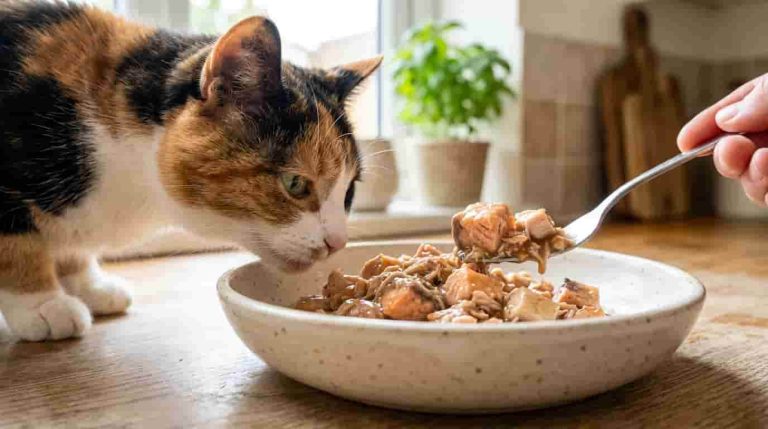
- High-quality nutrition and fresh clean water
- Daily litter box maintenance and hygiene care
- Routine veterinary care and preventative health checks
- Mental and physical enrichment
- Regular social interaction and a secure home environment
Several popular breeds are frequently discussed for their relatively self-contained and adaptable temperaments, such as the British Shorthair, Russian Blue, American Shorthair, Norwegian Forest Cat, Persian, and Scottish Fold. Individual personalities, however, always vary widely depending on genetics, early socialization, and daily routines. Feline independence spans a wide spectrum, influenced by a combination of breed tendencies and individual traits.
What Is the Most Independent Cat Breed?
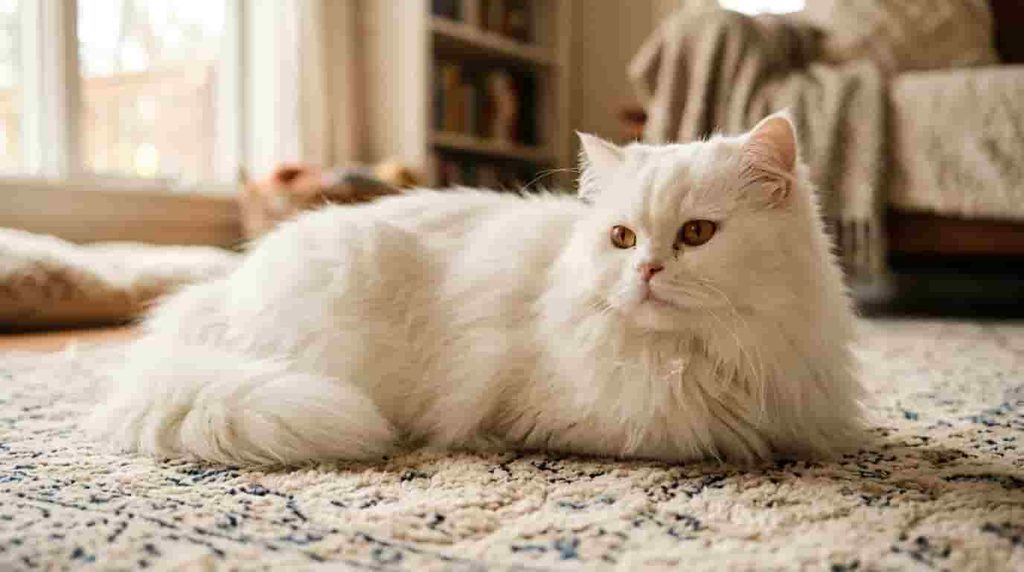
There is no scientifically established single “most independent” cat breed. Feline behavior is complex, and individual temperament often outweighs general breed characteristics. Certain breeds are commonly associated with a more self-contained, easygoing, or adaptable demeanor.
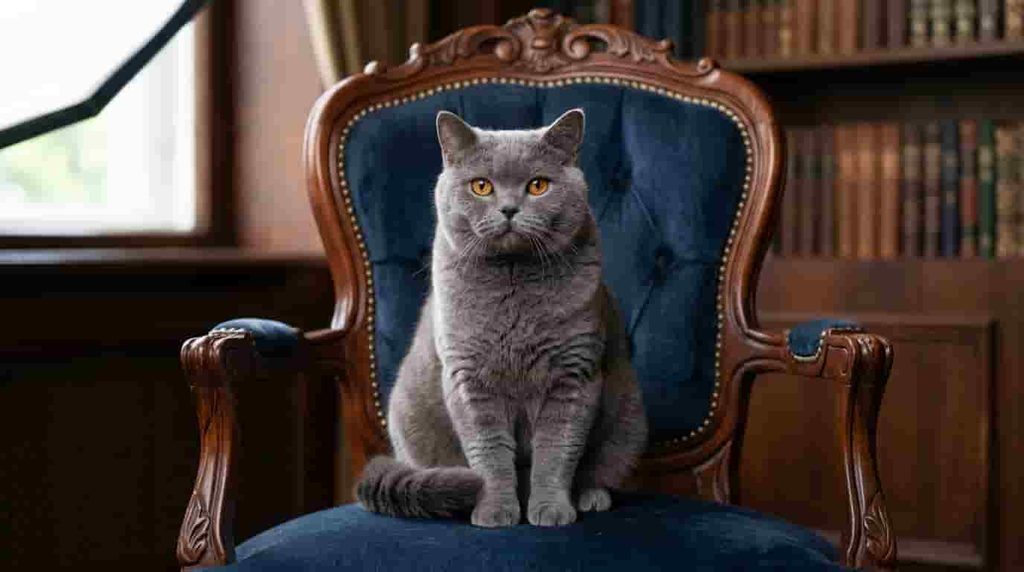
The British Shorthair is widely regarded as a prime example of a cat that enjoys human company without demanding constant attention. Other notable mentions include the Russian Blue, American Shorthair, Norwegian Forest Cat, and Persian. These cats generally handle predictable periods of alone time well, provided their physical and mental needs are met.
Is the British Shorthair an Independent Cat Breed?
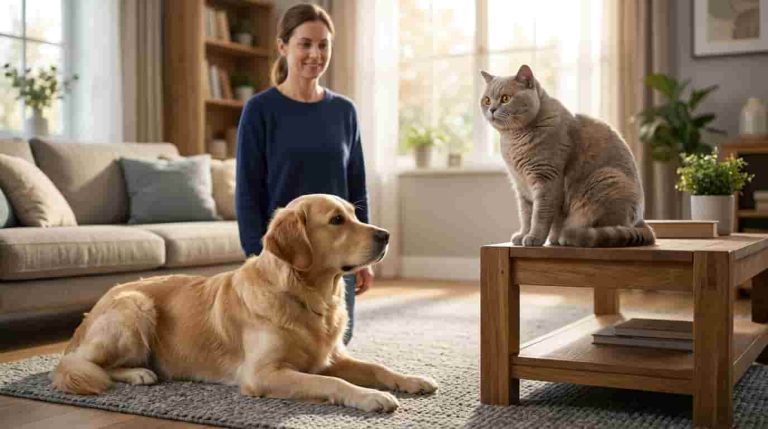
The British Shorthair has a strong reputation for being composed, calm, and relatively undemanding. While calmness and independence are closely related, they are not identical. A calm cat may simply rest quietly rather than pace or vocalize, yet it might still welcome close physical proximity. Individual British Shorthairs frequently form strong, affectionate bonds with their owners while retaining their dignified composure and self-reliance.
How Independent Are Cats Compared With Other Pets?
Compared to many dog breeds, cats generally maintain greater autonomy over when, how, and for how long they interact with humans. While domestic cats are often generalized as solitary, evolutionary history shows they are remarkably flexible social creatures. Their social needs range from fiercely independent mousers to highly attached, velcro-like companions, making breed generalizations a helpful starting point rather than an absolute rule.
Top 10 Most Independent Cat Breeds
These breeds illustrate relatively independent tendencies, though individual variations are always expected.
- 1. British Shorthair: Known for a calm, composed temperament. They are comfortable spending time without constant attention while still forming deep emotional bonds. Best suited for busy yet attentive homes.
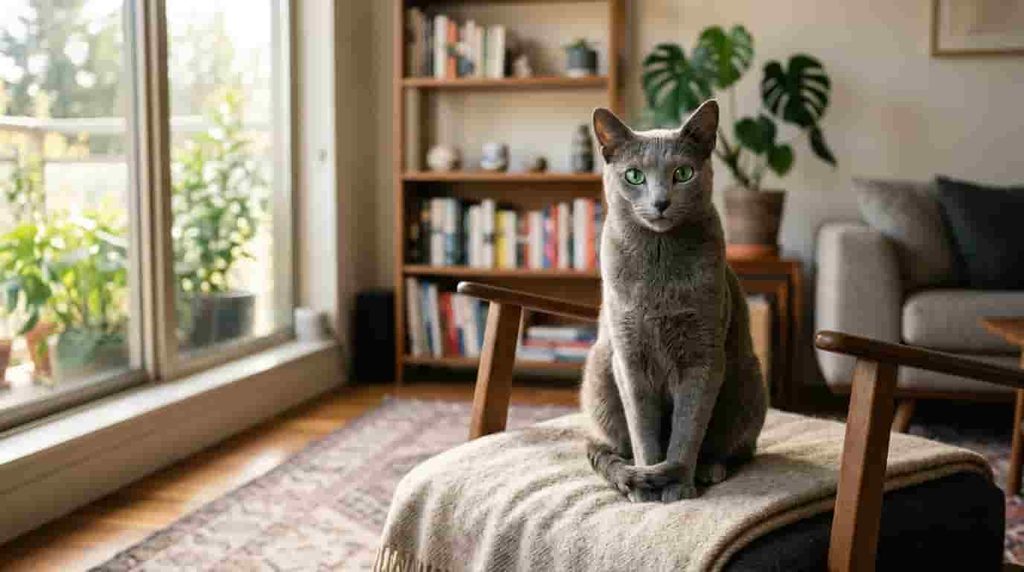
- 2. Russian Blue: Associated with a reserved, thoughtful temperament. They take time to warm up to unfamiliar people and enjoy quiet companionship. Best suited for peaceful, predictable households.
- 3. American Shorthair: Generally adaptable, balanced, and easygoing. They strike a healthy balance between play and relaxation. Best suited for various family dynamics and active living spaces.
- 4. Norwegian Forest Cat: Possesses a confident, capable, and historically hardy nature. Their independence does not eliminate the need for social contact and vertical exploration. Best suited for active, spacious indoor-outdoor or enriched indoor homes.
- 5. Persian: Associated with a relaxed, low-key lifestyle. They enjoy lounging in quiet environments, though their coat requires diligent daily grooming to prevent matting. Best suited for calm, quiet homes.
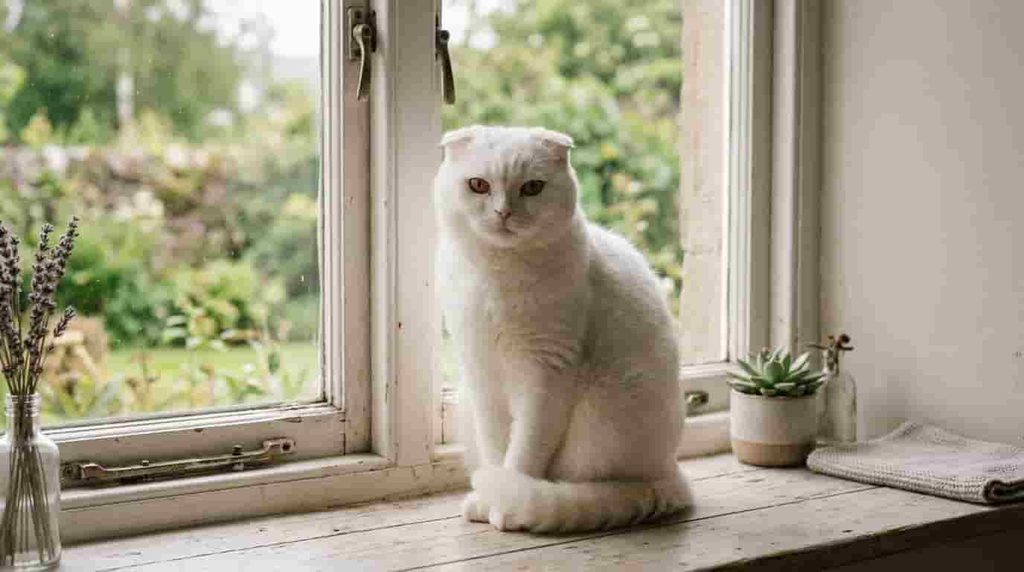
- 6. Scottish Fold: Features a generally sweet, calm, and companionable personality. Individual variations are common, and joint health requires careful monitoring. Best suited for relaxed households.
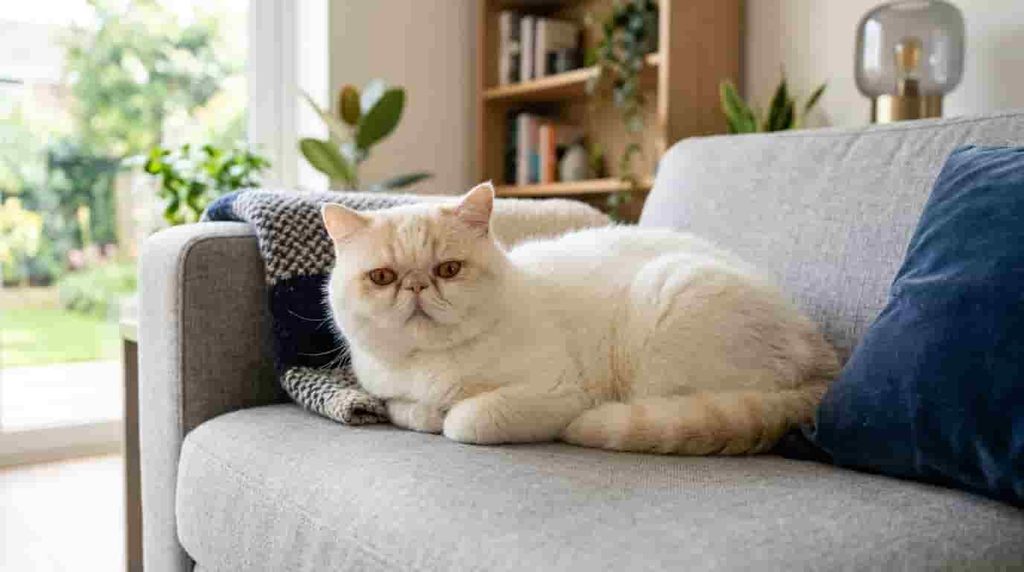
- 7. Exotic Shorthair: Shares the peaceful, easygoing temperament of the Persian without the long coat maintenance. They enjoy human companionship without requiring frantic activity. Best suited for indoor apartment or house living.
- 8. Maine Coon: Despite their massive size and friendly disposition, they are adaptable and do not demand constant physical contact. Best suited for families and individuals looking for a large, robust, yet self-directed companion.
- 9. American Wirehair: Recognized for an adaptable, resilient, and relatively easygoing nature. They handle routine changes well. Best suited for diverse household types.
- 10. European Shorthair: Known for a balanced, alert, and grounded temperament. Individual cats display flexible personalities. Best suited for owners wanting a classic, low-fuss feline companion.
| Breed | General Independence | Social Style | Potential Fit |
| British Shorthair | High | Calm and companionable | Busy but attentive homes |
| Russian Blue | High | Reserved and selective | Quiet households |
| American Shorthair | Moderate–high | Adaptable | Many household types |
| Norwegian Forest Cat | Moderate–high | Confident and social | Active but independent homes |
| Persian | Moderate–high | Calm and gentle | Quiet homes |
| Scottish Fold | Moderate | Calm and affectionate | Relaxed households |
| Exotic Shorthair | Moderate | Companionable | Indoor homes |
| Maine Coon | Moderate | Friendly but adaptable | Families and individuals |
| American Wirehair | Moderate | Easygoing | Various homes |
| European Shorthair | Moderate | Balanced | Flexible lifestyles |
What Are the Characteristics of Independent Cat Breeds?
Defining feline independence requires examining observable, everyday behaviors rather than relying on broad labels.
Comfortable Spending Time Alone
An independent cat settles down comfortably while its owner is busy at work or occupied with chores, showing no signs of distress during normal periods of solitude.
Self-Directed Play and Rest
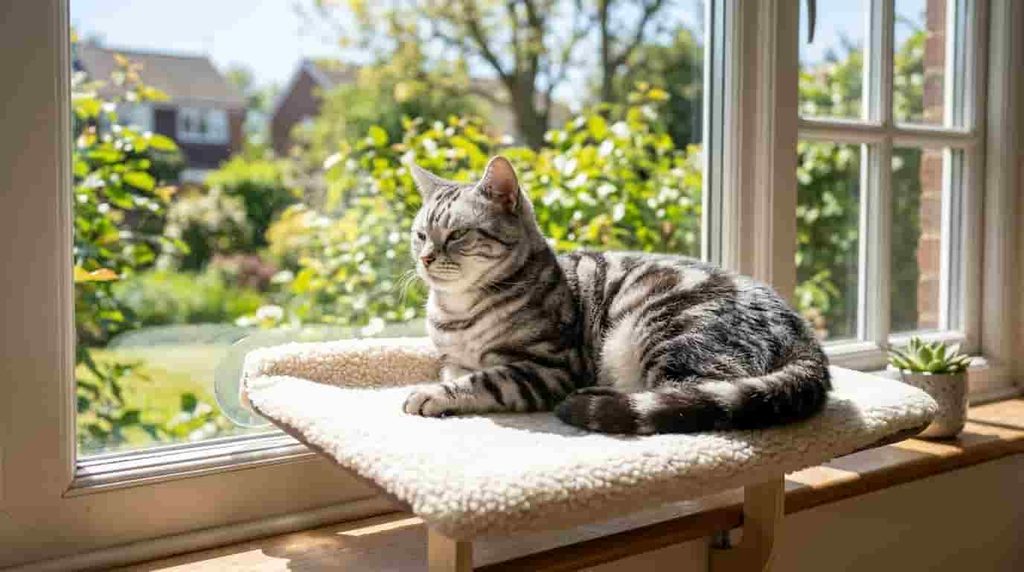
Certain cats happily entertain themselves with independent toys, watch birds from a window, or find a cozy sunbeam for a nap without demanding human participation.
Less Demanding Attention-Seeking
Independent cats typically do not constantly follow their owners from room to room, weave around ankles incessantly, or vocalize loudly for attention. Quiet behavior, however, never equates to emotional detachment.
Comfortable With Personal Space
These cats frequently prefer affection on their own terms. They may choose to lounge on the opposite end of the sofa or sit gracefully beside an owner rather than acting as a lap cat.
Adaptability
Adaptability allows these cats to adjust smoothly to predictable daily schedules, making them well-suited for working professionals, provided their core emotional and physical needs are fully met.
Which Cat Breed Can Be Left Alone?
Breed alone cannot determine whether a cat can endure being left alone. Age, overall health, individual temperament, environment, and daily routine play critical roles. Adult cats generally tolerate standard workdays better than vulnerable, high-energy kittens that require frequent supervision, feeding, and socialization.
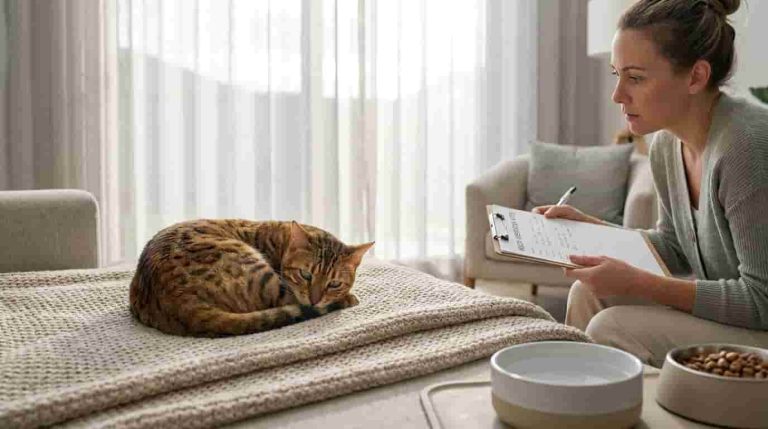
Before leaving any cat alone for extended hours, ensure access to fresh water, measured food, a pristine litter box, a safe resting area, and engaging enrichment items. Long or frequent absences still require a reliable pet sitter or family member to check in.
Does an Independent Cat Need Less Attention?
Independence means a cat may not demand constant physical interaction, but it does not mean its emotional, nutritional, or veterinary needs disappear.
What If My Independent Cat Suddenly Becomes Very Clingy?
A sudden, dramatic behavioral shift should never be dismissed as a simple personality quirk. Sudden clinginess can signal underlying medical issues, environmental stress, or pain, requiring a prompt veterinary evaluation.
Independent Cat Breeds for Beginners
First-time cat owners often gravitate toward independent breeds under the assumption that they require minimal effort. While an independent temperament can make a cat easier to manage for busy owners, it does not substitute for proper care. Beginners must still master nutrition, hygiene, veterinary care, and indoor safety.
Suitable beginner options include the British Shorthair, American Shorthair, and Russian Blue. Persians are also manageable for beginners who are fully prepared for committed, daily grooming routines. Always select a cat based on its complete lifestyle profile rather than a single trait.
Quiet Independent Cat Breeds for Peaceful Homes
Distinguishing between quietness and independence is essential. A cat can be exceptionally quiet yet crave constant social contact, just as an independent cat can be remarkably vocal when requesting dinner or a closed door opened.
Calm, quiet breeds like the British Shorthair, Russian Blue, Persian, and Exotic Shorthair fit well in multi-family housing or apartments where noise control matters. Individual temperament remains a stronger indicator of apartment suitability than broad breed classifications.
Independent vs. Affectionate Cat Breeds
Can a Cat Be Independent and Affectionate?
Independence and affection are entirely compatible traits. Independence describes how much personal autonomy a cat prefers, whereas affection defines how it expresses social attachment.
An independent cat may love its owner deeply while preferring limited physical contact, often expressing loyalty by simply sharing the same room, greeting you at the door, or offering gentle headbutts before returning to its independent routine.
| Personality Style | Typical Behavior |
| Independent + Affectionate | Enjoys company but needs personal space |
| Highly Social | Frequently seeks interaction and physical contact |
| Clingy | Strong preference for constant proximity and touch |
| Reserved | Selective about people, handling, and contact |
| Playful | Seeks high activity and interactive games |
Exploring these behavioral dynamics ties closely into understanding broader feline personality traits, such as those detailed in guides on What Is the Most Loyal Cat Breed? Most Loving, Affectionate and Friendly Breeds, which highlights how loyalty and self-reliance can seamlessly coexist.
Independent Cat Breeds for Indoor Living
Virtually any domestic cat can thrive as a strict indoor pet when its physical and mental requirements are met. Breed alone does not dictate indoor suitability.
Indoor Enrichment for Independent Cats
Even the most self-contained indoor cat requires targeted environmental enrichment to prevent boredom and behavioral issues:
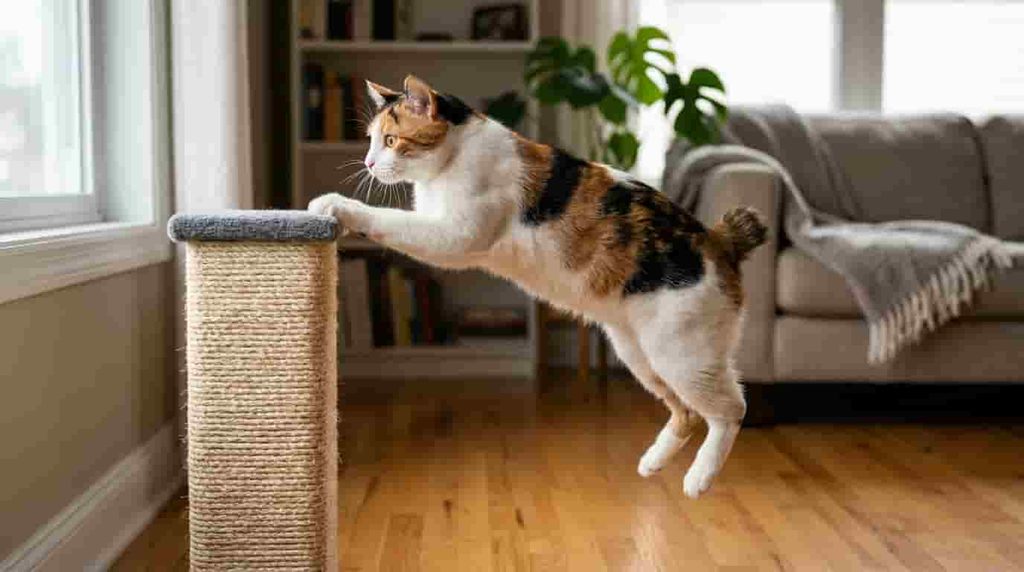
- Sturdy scratching posts and horizontal scratchers
- Vertical spaces, cat trees, and elevated perches
- Safe hiding spots and quiet sanctuaries
- Automated or solo play toys and puzzle feeders
- Safe, secure window perches for outdoor viewing
- Daily interactive play sessions with human companions
How Do I Know if My Cat Is Independent?
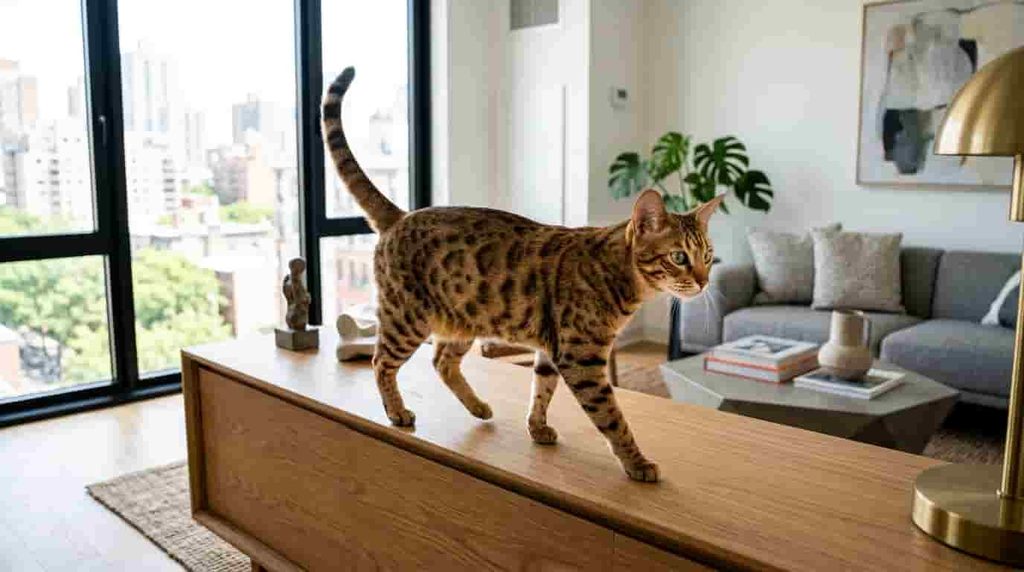
Recognizing true independence involves observing specific, consistent behavioral patterns in daily life:
- Comfortably relaxing and sleeping alone for hours
- Lacking a constant need for physical validation or handling
- Remaining calm and settled while the owner works nearby
- Choosing specific moments to initiate contact
- Engaging in independent exploration and play
- Preferring nearby companionship over direct, constant contact
Signs That Are Not Necessarily Independence
Behavioral red flags like constant hiding, avoiding household members, sudden social withdrawal, reduced appetite, or unusual lethargy indicate stress, fear, or illness rather than healthy independence.
Can an Independent Cat Still Be Loyal and Loving?
Independence and deep attachment are never opposites. An independent cat demonstrates profound loyalty through subtle, meaningful gestures: sleeping at the foot of the bed, waiting by the door for your return, greeting you with soft chirps, and choosing to rest within your line of sight.
Appreciating this unique form of feline devotion mirrors the insights found in What Is the Most Loyal Cat Breed? Most Loving, Affectionate and Friendly Breeds, proving that quiet cats form unbreakable emotional bonds with their chosen humans.
Independent Cats vs. Playful, Intelligent and Vocal Cats
Independence vs. Playfulness
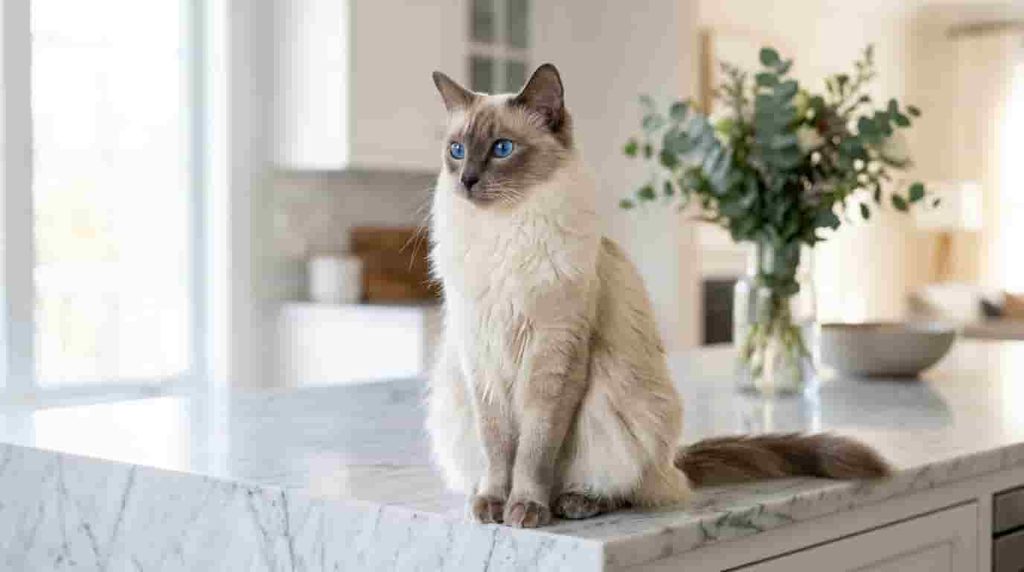
An independent cat still requires substantial play, stimulation, and exercise to burn energy and stay healthy. For a deeper look at high-energy feline personalities, explore What Is the Most Playful Cat Breed? Friendliest, Most Active and Mischievous Breeds.
Independence vs. Intelligence
Do not assume that independent behavior proves superior cognitive ability or problem-solving skill. Independent cats simply possess lower social dependency. Discover how cognitive traits compare across different lineages in What Is the Most Intelligent Cat Breed? Top Smartest Cat Breeds Ranked.
Independence vs. Vocality
While many independent breeds maintain a quiet demeanor, others communicate frequently when they want attention or resources. To understand the vocal spectrum of cats, review What Is the Most Vocal Cat Breed? Talkative, Noisy and Singing Cat Breeds.
How to Care for an Independent Cat
- Give Them Choice: Allow the cat to dictate when and how interaction occurs. Provide multiple escape routes and quiet resting areas.
- Keep a Predictable Routine: Consistent feeding, grooming, and play schedules build emotional security.
- Provide Independent Enrichment: Rotate puzzle feeders, interactive toys, and scratching surfaces regularly.
- Schedule Human Interaction: Set aside dedicated daily time for gentle petting, brushing, or interactive play.
- Monitor Changes in Behavior: Track normal eating, drinking, and movement patterns to catch health issues early.
Common Mistakes When Choosing an Independent Cat
- Mistake 1: Assuming Independent Means Low Maintenance: Believing an independent cat requires no grooming, cleaning, or veterinary attention leads to neglected health.
- Mistake 2: Choosing Only by Breed: Relying exclusively on breed stereotypes without meeting the individual cat often results in mismatched expectations.
- Mistake 3: Leaving a Cat Alone for Too Long: Using breed independence as an excuse to leave a cat isolated for days on end causes severe psychological distress.
- Mistake 4: Ignoring Enrichment: Failing to provide toys, perches, and stimulation leads to destructive behaviors and feline boredom.
- Mistake 5: Confusing Withdrawal With Independence: Dismissing sudden hiding or lethargy as a personality trait rather than investigating potential illness.
How to Choose the Best Independent Cat Breed for Your Lifestyle
- If you work long hours: Seek an adult cat proven to handle alone time comfortably, and invest in automated puzzle toys and robust environmental enrichment.
- If you live in a quiet apartment: Prioritize calm, low-vocal temperaments over high-energy breeds.
- If you’re a first-time owner: Balance your desire for independence with realistic expectations regarding grooming, veterinary needs, and daily care.
- If you want affection without constant attention: Look for companionable breeds that enjoy sharing space without demanding endless lap time.
Frequently Asked Questions
What is the most independent cat breed?
No single cat breed is scientifically proven to be the most independent. Breeds like the British Shorthair, Russian Blue, and American Shorthair are frequently associated with relatively independent, easygoing temperaments.
How do I know if my cat is independent?
An independent cat comfortably rests alone, chooses when to interact, and stays calm during routine solo hours. True independence differs sharply from sudden social withdrawal or hiding.
Which cat breed can be left alone?
Adult cats of various adaptable breeds tolerate reasonable work hours well, but no cat breed completely eliminates the need for proper daily care, feeding, and social contact.
What is the easiest cat breed to own?
“Easy” depends heavily on grooming requirements, health needs, activity levels, and your personal lifestyle, making it impossible to name one universally easiest breed.
Can an independent cat still be affectionate?
Yes. Many independent cats express deep affection by staying nearby, greeting their owners warmly, and sharing quiet moments without requiring constant physical holding.
Conclusion: Finding the Right Independent Cat Breed
Finding the ideal Independent Cat Breed comes down to recognizing that true feline independence reflects a preference for personal space and autonomy rather than a lack of need for love and care. Whether you welcome a composed British Shorthair, a thoughtful Russian Blue, or an adaptable American Shorthair into your home, matching the cat’s unique personality and social needs with your daily lifestyle ensures a harmonious, rewarding relationship.