What Is the Most Intelligent Cat Breed? Top Smartest Cat Breeds Ranked
Introduction:
Intelligent Cat Breed choices often spark intense curiosity among cat lovers, pet parents, and digital content creators who wonder whether some felines genuinely possess superior problem-solving skills, cognitive capacity, and trainability compared to others. While science has not established a universally accepted, standardized “IQ” test that gives every feline a definitive numerical score, many domestic cats are widely recognized for specific behavioral traits associated with learning, memory, environmental curiosity, and dynamic human-animal interaction. Understanding feline cognition requires looking far beyond simple, rigid leaderboards or numerical rankings. Smart cats, clever feline breeds, and brainy companions express their intellect through sophisticated problem-solving, rapid adaptation to novel environments, and complex communication networks. Furthermore, an intelligent feline companion may simultaneously exhibit high levels of independence, playfulness, vocalization, affection, or even mischievous exploration. Exploring the top smart cat breeds, analyzing how they process information, and learning how to recognize individual feline intelligence will help you select a pet that keeps both of you mentally stimulated, engaged, and harmoniously balanced in your daily living space.
What Is the Most Intelligent Cat Breed?
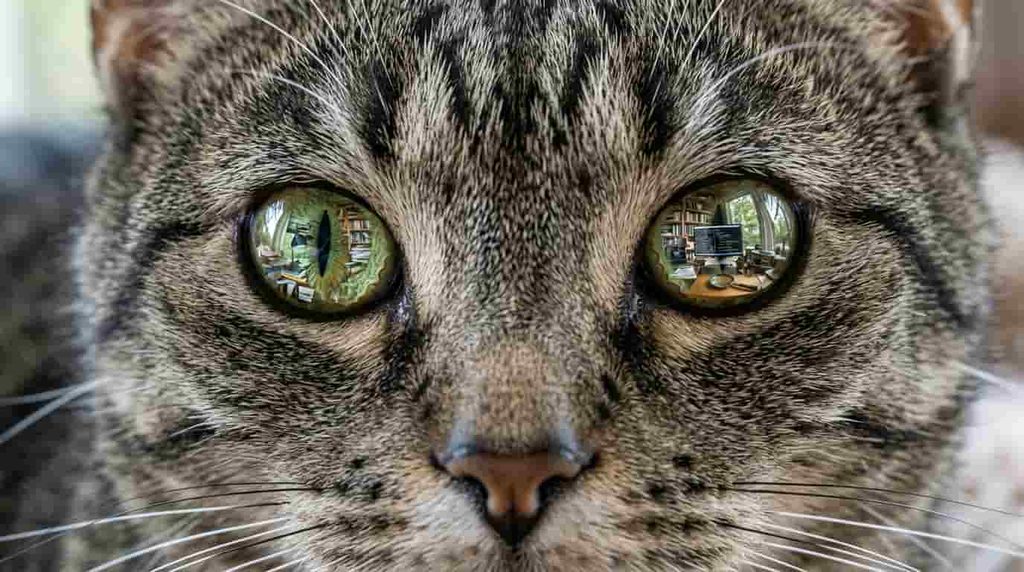
Declaring a single, universally objective smartest cat breed is fundamentally impossible because feline intelligence manifests in diverse, highly adaptable ways depending on environmental context, individual temperament, and genetic predispositions. However, certain well-documented breeds are consistently associated with exceptional trainability, active curiosity, high energy, and sophisticated problem-solving abilities. Breeds frequently recognized across professional cat breeding associations and veterinary behavioral studies for these distinct intellectual traits include the Abyssinian, Siamese, Bengal, Burmese, Cornish Rex, Oriental Shorthair, Scottish Fold, Turkish Angora, Japanese Bobtail, and Maine Coon. Each of these remarkable breeds brings a unique flavor of cleverness to the household, ranging from the athletic, physics-defying problem-solving of the Bengal to the emotionally attuned, highly communicative nature of the Siamese. When evaluating these breeds, it is essential to recognize that their brains are wired for survival strategies, predation mechanics, and social navigation, all of which translate into fascinating behaviors within a domestic human household.
How should cat intelligence be judged?
Evaluating the cognitive prowess of a feline requires a multi-dimensional framework that honors how cats naturally interact with their physical and social environments. Rather than relying on human-centric academic testing, animal behaviorists and experienced breeders look to practical, observable criteria:
- Problem-Solving: The ability of a cat to manipulate physical objects, work around environmental obstacles, and figure out complex mechanisms to access hidden food, toys, or restricted areas.
- Learning New Routines: The speed with which a feline picks up household schedules, such as knowing precisely when feeding time arrives or recognizing the distinct sound of a car pulling into the driveway.
- Trainability: A cat’s capacity to successfully respond to positive reinforcement, target training, leash walking, clicker cues, and structured behavioral requests.
- Curiosity: An active, relentless drive to investigate environmental changes, explore unopened boxes, check out newly rearranged furniture, and inspect foreign objects with paws and whiskers.
- Adaptability: How smoothly and quickly a cat adjusts to shifts in household routines, new human family members, visiting pets, or relocation to a completely unfamiliar living space.
- Memory: The neurological retention of spatial layouts, the locations of hidden resources, the faces of familiar people, and past cause-and-effect associations over extended periods.
- Communication: The deployment of distinct, purposeful vocalizations, chirps, trills, and physical body language prompts designed to express specific desires or demand human action.
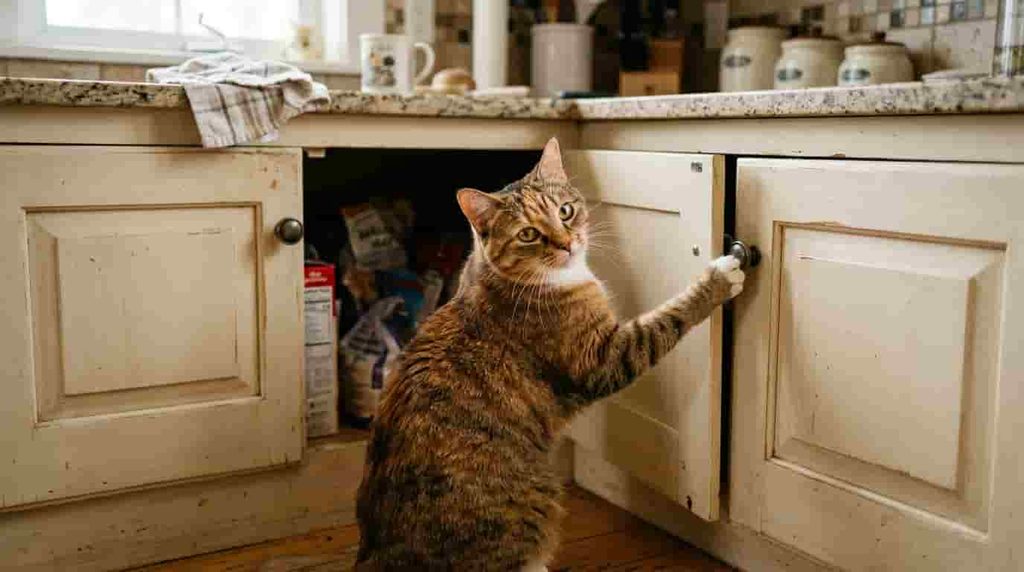
- Ability to Manipulate Objects: Advanced paws-on coordination allowing cats to open simple cabinet doors, slide open pantry drawers, unscrew container lids, or bat at light switches.
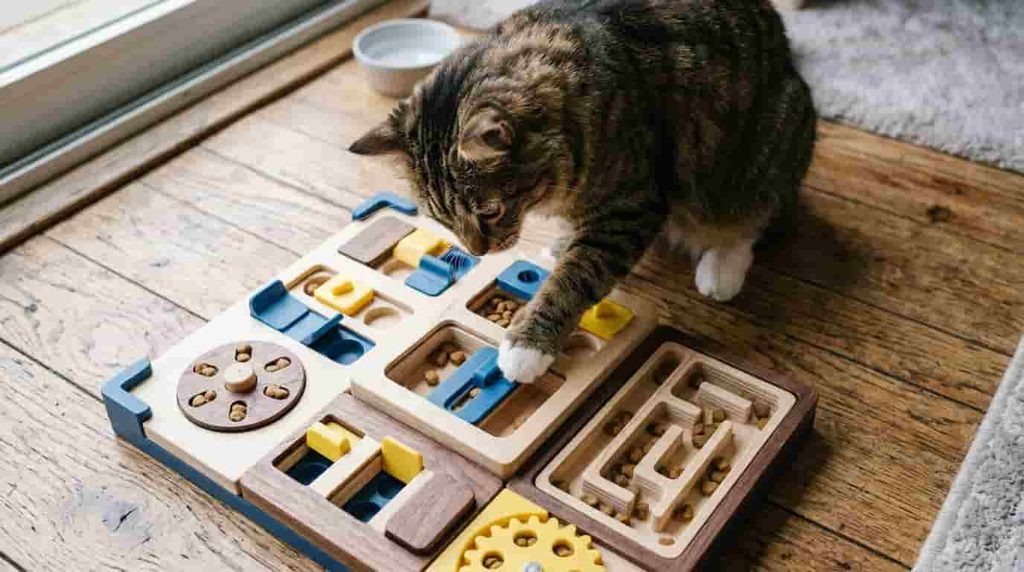
- Response to Interactive Challenges: Engagement and success rates when introduced to food puzzles, maze feeders, interactive electronic toys, and agility setups.
- Social Learning: The capacity to learn by observing human behavior or watching other household pets navigate barriers, open doors, or avoid unpleasant stimuli.
An important distinction in feline behavioral science is that a cat that is difficult to train does not necessarily lack intelligence. Many exceptionally smart cats simply possess an independent streak and less motivation to cooperate with human commands, preferring to evaluate whether a task benefits their own immediate interests before deigning to participate.
How Do You Tell If A Cat Is Intelligent?
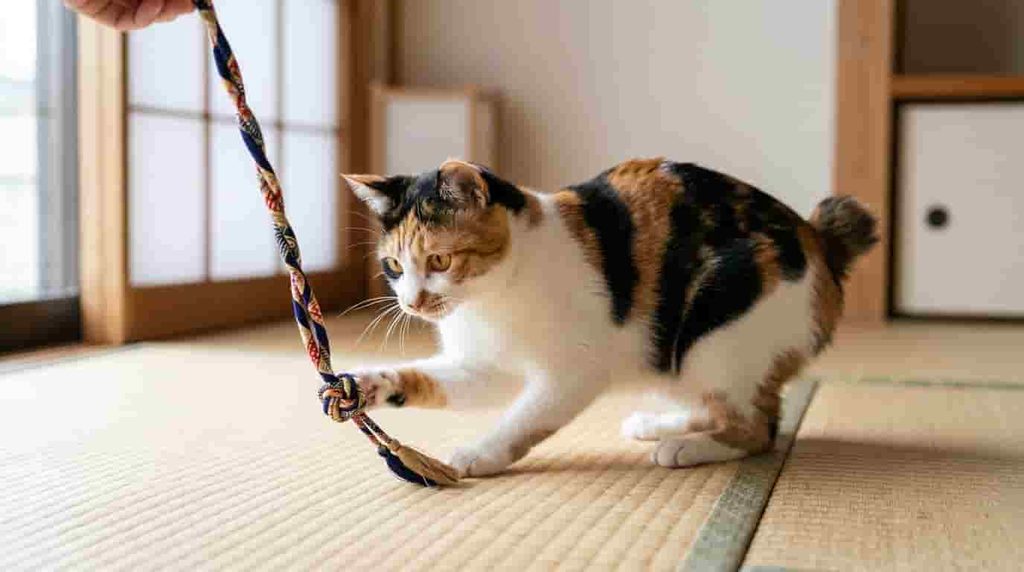
Recognizing everyday signs of feline cleverness can reveal a tremendous amount about your pet’s underlying cognitive capacity and mental engagement level. Intelligent cats rarely hide their light under a bushel; instead, their brilliant minds constantly seek out challenges, puzzles, and ways to manipulate their human companions into providing better entertainment, higher-value treats, or access to restricted zones.
Signs of an intelligent cat
- Quickly learning household routines: Mastering complex daily schedules, predicting when you wake up based on subtle pre-alarm cues, and knowing exactly when dinner is served down to the minute.
- Figuring out toys or food puzzles: Rapidly decoding complex treat dispensers, knocking balls through multi-tier tracks, and solving physical access challenges in record time.
- Learning to open simple doors or containers: Mastering lever-style door handles, pushing open half-closed bathroom doors, or sliding pantry drawers open with a hooked paw.
- Remembering where resources are located: Retaining the exact hiding spots of long-forgotten toys, treats, or carrier boxes even after months of disuse.
- Adapting to environmental changes: Navigating household construction, furniture rearranging, or new household layouts with calm curiosity rather than chronic anxiety.
- Recognizing familiar people: Distinguishing household members from strangers through subtle vocal cues, footsteps, scent profiles, or visual recognition.
- Using different behaviors to get a desired response: Tailoring meows, head-butts, or paw touches specifically to manipulate human reactions for food, attention, or play.
- Learning names or cues: Recognizing their own name, responding reliably to recall signals, and picking up associative commands without extensive formal conditioning.
- Finding creative ways around obstacles: Inventing clever detours when a favorite pathway is blocked by a closed gate, a vacuum cleaner, or a stack of boxes.
Does curiosity mean a cat is intelligent?
Curiosity is deeply intertwined with feline exploration and learning, but curiosity alone does not automatically prove superior intelligence. While a highly intelligent cat will use curiosity as a vehicle for cognitive development—studying an object, analyzing its mechanics, and learning from the outcome—an inquisitive cat might simply be driven by high baseline arousal or prey-drive instincts without necessarily processing the underlying mechanics of what it investigates. True feline intelligence shines brightest when curiosity is paired with memory, adaptation, and successful problem-solving outcomes.
Can an intelligent cat outsmart its owner?
To illustrate this dynamic, consider a light, relatable hypothetical example: Imagine a clever cat named Barnaby. Barnaby figures out that whenever his human sits down to watch television at 8:00 PM, he can initiate a sequence of events to score extra snacks. First, Barnaby sits directly in front of the television screen. When his human gently moves him, Barnaby immediately trots over to the treat cupboard and stares intently at the knob while letting out a melodic chirp. After a few repetitions across several evenings, Barnaby learns that this exact chain of behaviors reliably commands his human’s full attention and eventually triggers the opening of the treat cupboard. This hypothetical example demonstrates how an intelligent cat systematically orchestrates its environment and trains its human caregiver to achieve a desired reward.
How Is Cat Intelligence Different From IQ?
Addressing the frequent question of “Which cat has the most IQ?” requires dismantling a common misconception. “IQ” (Intelligence Quotient) is a standardized metric designed for human cognitive testing, evaluating abstract reasoning, linguistic capability, and mathematical logic. Applying human IQ tests or numerical intelligence scores to domestic cats is fundamentally invalid because feline cognition evolved along an entirely different evolutionary pathway focused on predatory efficiency, spatial memory, social navigation, and environmental tracking.
Cat cognition is far more accurately discussed through specific, observable behavioral domains rather than an arbitrary numerical score. This nuanced view prevents the article from making unsupported, pseudoscientific claims about a single “smartest cat with the highest IQ.”
Problem-Solving Intelligence
This dimension encompasses how effectively a feline navigates physical obstacles, masters food-dispensing puzzle toys, retrieves hidden objects from under heavy furniture, and figures out how complex physical mechanisms function through trial, error, and causal observation.
Social Intelligence
Social intelligence relates to how brilliantly a cat reads human emotional cues, adjusts its interpersonal behavior around different family members, responds to tone of voice, learns household hierarchical patterns, and demonstrates empathy or behavioral flexibility during times of human stress or illness.
Learning Ability
This core area covers a cat’s responsiveness to structured cognitive training, including clicker conditioning, target training, reliable name recognition, simple behavioral commands, leash and harness adaptation, and agility course navigation.
Top 10 Most Intelligent Cat Breeds
This comprehensive compilation serves as a practical, highly detailed ranking framework. Rather than claiming a scientifically absolute, immutable hierarchy, this list highlights breeds widely associated with exceptional curiosity, trainability, interactive play styles, and problem-solving brilliance.
1. Abyssinian

The Abyssinian is often described as a perpetual motion machine wrapped in a sleek, ticked coat.
- Temperament: Highly active, intensely alert, athletic, and relentlessly curious about everything transpiring in its domain.
- Problem-Solving: Excels at exploring high vantage points, investigating new objects, and manipulating toys with dexterous paws.
- Best Enrichment: Complex multi-level puzzle feeders, interactive feather wand toys, extensive vertical climbing cat trees, and agility training games.
2. Siamese
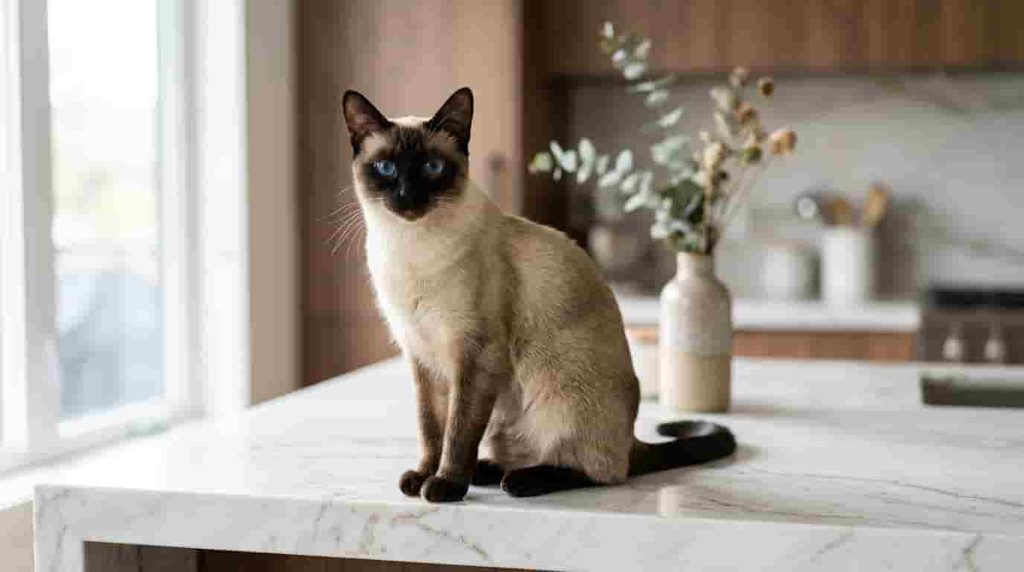
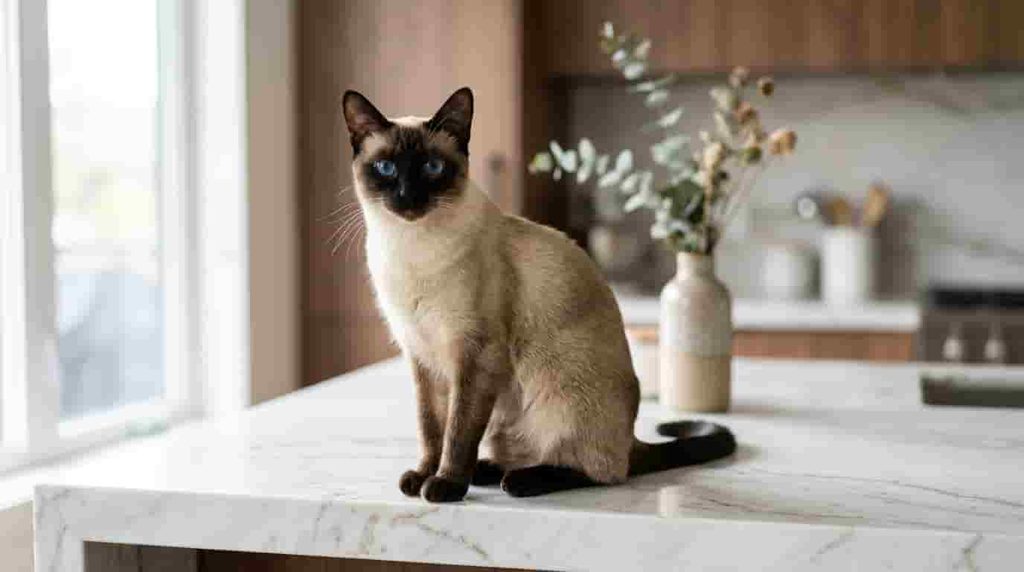
The Siamese is legendary for its striking appearance, deep vocal expressiveness, and razor-sharp intellect.
- Temperament: Highly communicative, intensely social, demanding of attention, and deeply bonded to human companions.
- Problem-Solving: Learns household routines with startling speed and orchestrates elaborate ways to make its desires known. For a closer look at their talkative habits and vocal brilliance, explore What Is the Most Vocal Cat Breed? Talkative, Noisy and Singing Cat Breeds.
3. Bengal
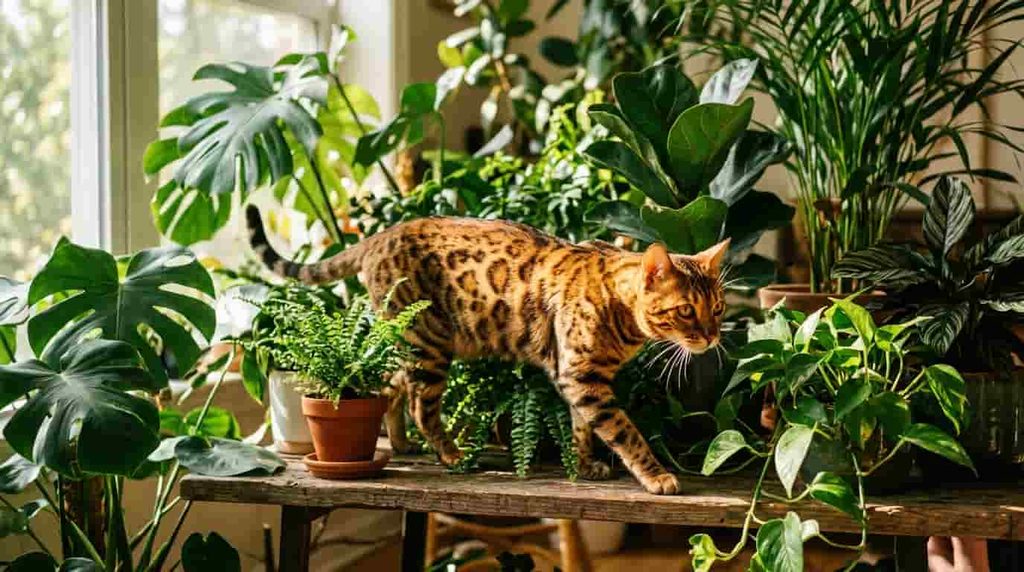
Resembling a small wild leopard, the Bengal combines striking exotic aesthetics with an extraordinarily powerful intellect.
- Temperament: Exceptionally energetic, highly athletic, adventurous, and brilliantly inquisitive.
- Problem-Solving: Tackles advanced puzzle boxes with ease, loves investigating water sources, and excels at obstacle navigation.
- Owner Consideration: Without rigorous mental stimulation and physical enrichment, a clever Bengal will invent its own demanding, highly destructive activities out of sheer boredom.
4. Burmese

Burmese cats are renowned for their silky coats, glowing golden eyes, and profoundly people-oriented personalities.
- Temperament: Socially intelligent, affectionate, dog-like in their loyalty, and deeply interactive.
- Problem-Solving: Reads human emotional shifts with incredible accuracy and participates eagerly in household games, greeting rituals, and fetch sessions.
5. Cornish Rex
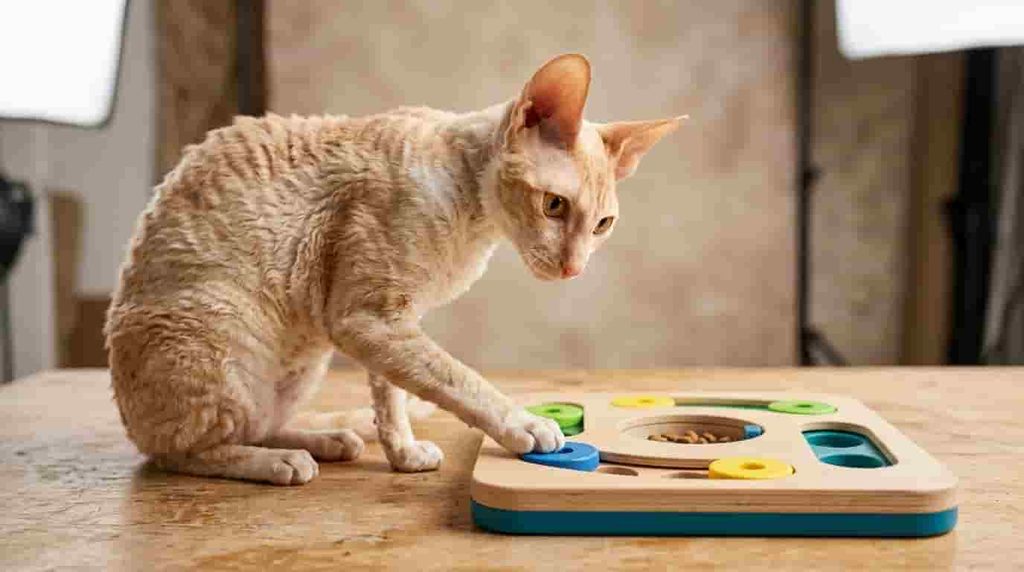
With its distinctive wavy coat, large bat-like ears, and slender frame, the Cornish Rex is an acrobatic intellectual.
- Temperament: Highly active, playful, mischievous, and perpetually eager to be involved in whatever housework or leisure activity you are undertaking.
- Problem-Solving: Learns complex games rapidly, opens doors with ease, and enjoys investigating every nook, cranny, and open drawer in the house.
6. Oriental Shorthair
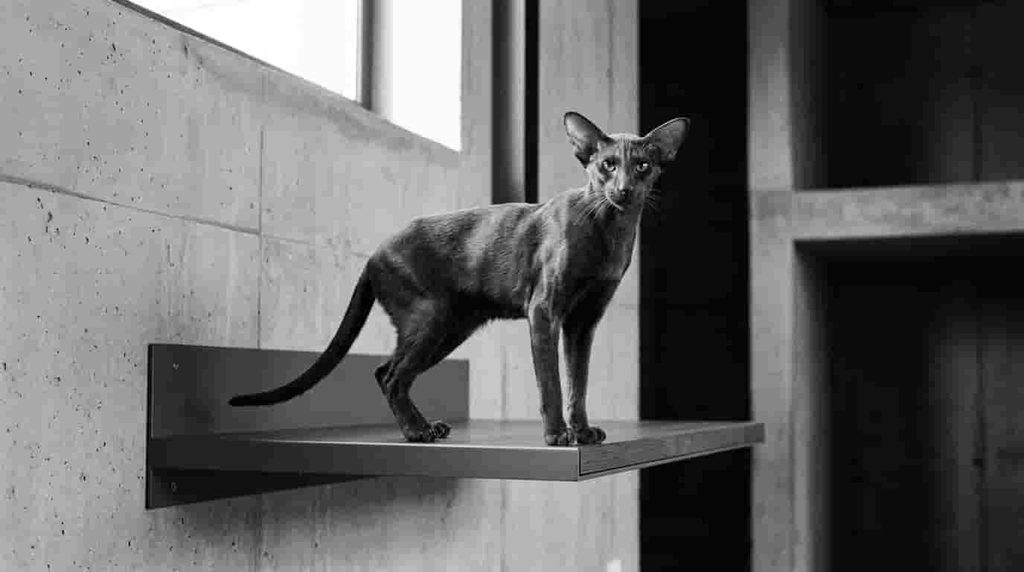
Boasting sleek lines, oversized ears, and a kaleidoscope of color patterns, the Oriental Shorthair is an intellectual powerhouse.
- Temperament: Inquisitive, highly vocal, deeply affectionate, and relentlessly engaged with its human family.
- Problem-Solving: Combines sharp problem-solving skills with a passionate desire for interactive training, puzzle toys, and new environmental experiences.
- Important point: Intelligence and sociability overlap extensively in this breed without being identical traits.
7. Scottish Fold

Famous for its folded ears and owl-like facial expression, the Scottish Fold possesses a surprisingly thoughtful and observant mind.
- Temperament: Sweet-natured, quiet, adaptable, and deeply curious about household activities.
- Problem-Solving: Displays great individual learning ability, figures out interactive toys, and maps out home environments efficiently.
- Important welfare note: Ethical considerations must accompany any discussion of this breed. Scottish Fold breeding is associated with inherited osteochondrodysplasia, a painful skeletal and cartilage abnormality. Prospective owners must verify that breeders prioritize ethical, health-focused breeding practices rather than exaggerating the folded-ear mutation at the expense of feline welfare.
8. Turkish Angora

The Turkish Angora is an ancient, elegant breed celebrated for its silky coat and spirited, independent intelligence.
- Temperament: Graceful, playful, highly active, and boldly assertive.
- Problem-Solving: Enjoys complex interactive games, high-altitude environmental exploration, and solving spatial puzzles around the home.
9. Japanese Bobtail
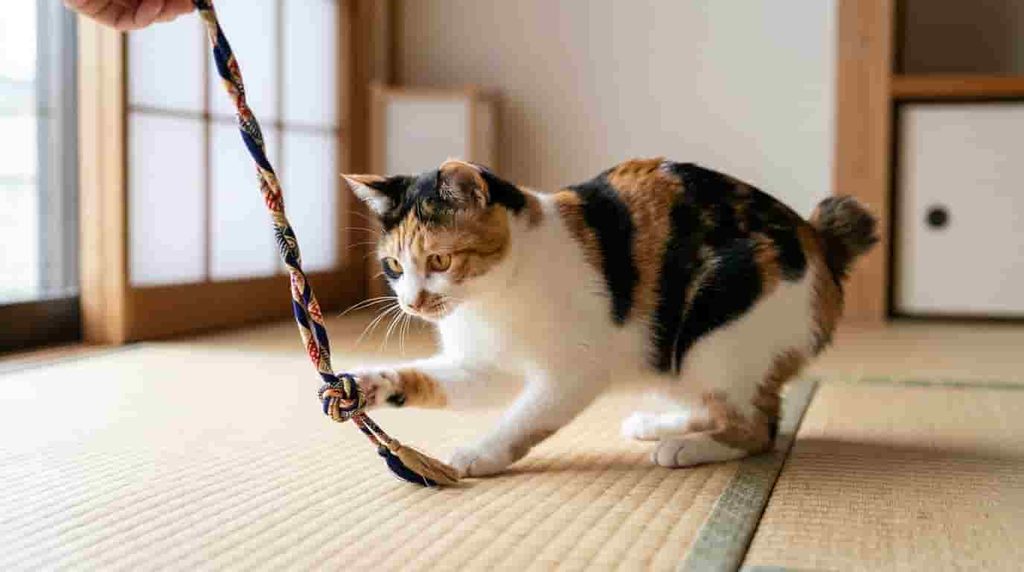
Recognizable by its charming pom-pom tail and expressive triangular head, the Japanese Bobtail is a lively, clever companion.
- Temperament: Highly interactive, expressive, playful, and deeply attuned to human moods.
- Problem-Solving: Easily learns household routines, masters treat puzzles quickly, and loves participating in interactive play sessions.
10. Maine Coon
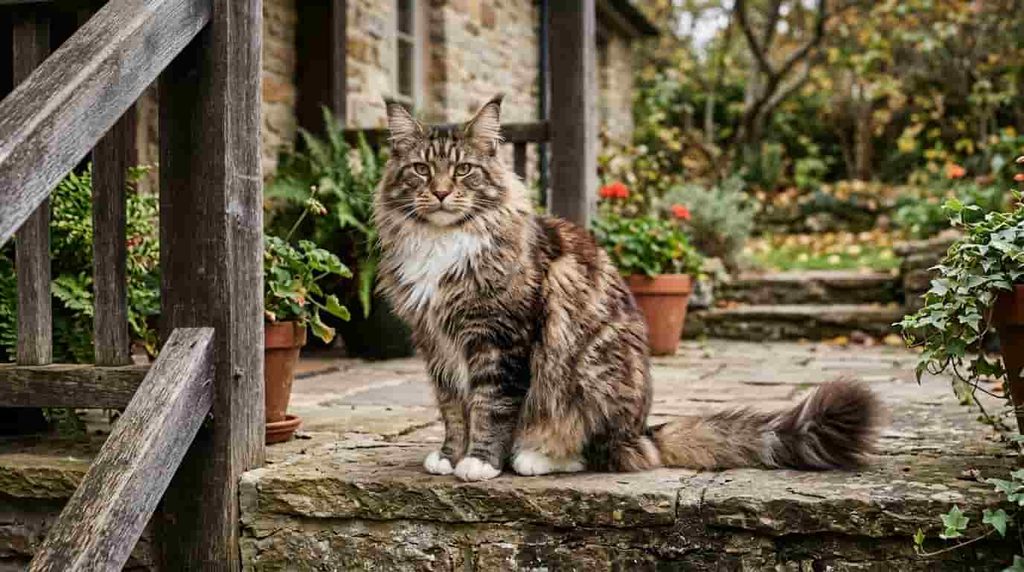
As one of the largest domesticated cat breeds, the Maine Coon pairs its imposing physical stature with a gentle, brilliant mind.
- Temperament: Highly adaptable, friendly, social, and perpetually curious.
- Problem-Solving: Figures out door latches, faucet handles, and complex toy mechanisms effortlessly, proving that immense physical size pairs wonderfully with an agile, problem-solving intellect.
Top 5 Most Intelligent Cat Breeds at a Glance
To summarize the cognitive and behavioral profiles of the most prominent intelligent breeds, consider the following editorial overview. Treat these as broad categorical groupings rather than rigid, scientifically measured IQ scores:
| Breed | Problem-Solving | Trainability | Activity | Social Interaction |
| Abyssinian | High | High | High | High |
| Siamese | High | High | High | Very high |
| Bengal | High | High | Very high | High |
| Burmese | High | High | Moderate–high | Very high |
| Oriental Shorthair | High | High | High | High |
What Are the Characteristics of an Intelligent Cat?
Smart feline breeds and brainy cats share several distinct behavioral hallmarks that set them apart from more laid-back, low-energy companions:
Strong problem-solving skills
Intelligent cats do not easily give up when faced with a barrier. They actively manipulate their physical environment—using paws, teeth, and body weight—to reach a desired goal, whether that means sliding open a treat drawer or knocking a toy out from under the couch.
Fast learning
These felines grasp household patterns, human routines, and cause-and-effect relationships rapidly. Through observation, repetition, and immediate reward association, a smart cat learns rules and tricks in a fraction of the time it takes other cats.
Good memory
An intelligent cat possesses exceptional spatial and associative memory, retaining the exact locations of hidden food sources, remembering which human is most likely to give extra wet food, and recalling successful strategies across long spans of time.
Adaptability
While sudden changes stress many animals, intelligent cats analyze environmental shifts, assess new variables, and adapt their routines smoothly to navigate household remodeling, new furniture, or shifting schedules.
Communication
Clever cats rarely settle for generic meowing. They develop an expansive vocabulary of distinct chirps, trills, grunts, and physical prompts, tailoring their communication strategies to convey precise demands to their human caregivers.
Curiosity
Exploration is the hallmark of a sharp mind. Intelligent cats treat closed doors, newly delivered shipping boxes, and unfamiliar objects as exciting intellectual puzzles waiting to be cracked.
Are Intelligent Cats Easier To Train?
The short answer is yes, but with important caveats: intelligence frequently correlates with high trainability, but motivation remains the ultimate driving force behind successful feline education.
Understanding the training dynamic
- Intelligence vs. Cooperation: A smart cat understands what you are asking it to do immediately, but it may evaluate whether the reward justifies the effort before complying.
- The Power of Motivation: High-value treats, interactive play rewards, enthusiastic praise, and consistent repetition unlock incredible training potential in clever felines.
- Keep Sessions Short: Intelligent cats bore easily. Training sessions should be brief (3 to 5 minutes), highly positive, and engaging to prevent frustration or disinterest.
What can cats learn?
When properly motivated, intelligent cats can master an impressive array of behaviors:
- Come when called by name from another room
- Sit, stay, or lie down upon verbal or hand cues
- Touch a target stick on command for precision positioning
- Enter a travel carrier calmly without stress or hiding
- Walk comfortably on a leash and harness for outdoor adventures
- Perform simple agility tasks, weaving through poles or jumping hoops
- Use advanced interactive puzzle toys and electronic feeders
Why does a smart cat sometimes ignore you?
If an intelligent cat stares directly at you while ignoring a known cue, it is rarely due to a lack of understanding. Cats do not automatically obey simply because they comprehend a command. Motivation matters deeply, and if the surrounding environment offers more exciting stimuli—such as a passing bird outside the window or a cozy sunbeam—the cat will rationally choose its own independent priority over your request.
What Is the Most Emotionally Intelligent Cat Breed?
While universal breed rankings for “emotional intelligence” do not exist in veterinary literature, certain felines display remarkable social awareness and emotional attunement. These cats show an uncanny ability to respond to human moods, offer comfort during periods of grief or illness, adjust their personal space when family members are stressed, and recognize familiar people across long separations.
Intelligent and affectionate are not the same thing
It is vital to understand that emotional intelligence and physical affection do not always travel together. A cat can be:
- Highly intelligent but fiercely independent, preferring to solve puzzles alone rather than cuddle on a lap.
- Deeply affectionate and loving, yet completely uninterested in learning tricks or solving complex food puzzles.
- Both brilliantly intelligent and intensely affectionate, combining problem-solving prowess with a deep desire for human snuggles.
- Playful and clever without being physically cuddly or lap-oriented.
To explore loving, people-oriented companions that blend heart and mind, read What Is the Most Loyal Cat Breed? Most Loving, Affectionate and Friendly Breeds
Which Cat Breed Is the Most Friendly?

Friendliness is a distinct behavioral trait separate from cognitive capability. While many social, people-oriented breeds combine high friendliness with sharp intelligence, individual personality, early socialization, and positive human exposure dictate how welcoming any specific cat will be.
Can a friendly cat also be highly intelligent?
Yes. Sociability and learning ability frequently coexist in breeds like the Siamese, Burmese, and Maine Coon, but neither trait guarantees the other. Avoid turning this discussion into a full “friendliest breeds” ranking, as comprehensive friendliness profiles belong securely within the loyal and affectionate content cluster.
Are Intelligent Cats More Mischievous?
This connection bridges feline intellect with everyday household entertainment. A clever cat is frequently more prone to inventive mischief simply because its brain demands continuous occupation.
Examples of clever mischief
- Opening simple cabinets or sliding pantry doors to raid catnip stashes.
- Figuring out how to turn lamps on and off by batting at toggle switches.
- Learning household routines so thoroughly that they manipulate your sleep schedule for early breakfast feeds.
- Repeating complex behaviors that produce rewards, such as knocking items off tables to summon human attention.
Mischievous behavior is not automatic proof of superior intelligence, but clever cats certainly excel at inventing imaginative ways to secure what they want when their environment lacks sufficient stimulation.
Are Intelligent Cats More Playful?
Connecting intelligence with play reveals how mental sharpness influences recreation. Some intelligent cats adore games that challenge their minds, such as food puzzles, interactive hunting simulations, and complex toy retrieval games. However, physical play energy and cognitive brilliance remain distinct traits. Puzzle toys are particularly useful for clever cats that need mental outlets. To discover lively, active companions that channel their brilliance into play, explore What Is the Most Playful Cat Breed? Friendliest, Most Active and Mischievous Breeds
Can Intelligent Cats Be Independent?
Disentangling intelligence from independence reveals that a smart cat may thoroughly enjoy solving problems, hunting toy mice, and exploring rooms entirely on its own terms. Independence does not indicate superior intelligence, nor does it preclude deep social bonding. Highly social, people-oriented cats can be equally brilliant problem-solvers.
Independent does not mean unintelligent
Cats possess varied social and behavioral preferences shaped by genetics and early handling. To learn about self-sufficient feline personalities that thrive with minimal fuss, explore What Is the Most Independent Cat Breed? Best Breeds for Solo, Indoor and Low-Maintenance Living
How To Keep an Intelligent Cat Mentally Stimulated
Keeping a clever cat mentally engaged prevents destructive boredom and channels their problem-solving energy into rewarding activities.
Use puzzle feeders
Incorporate food-dispensing puzzles, sliding compartments, and foraging mats into meal times. Making cats work slightly for their kibble stimulates natural predatory problem-solving.
Teach simple tricks
Dedicate a few minutes each day to positive reinforcement training. Practice target touching, sitting on cue, coming when called, or basic agility maneuvers to keep their minds sharp.
Rotate enrichment
Cats grow bored with static environments. Rotate toys in and out of circulation every few weeks, introduce new cardboard boxes, and change up climbing layouts to maintain novelty.
Create safe exploration opportunities
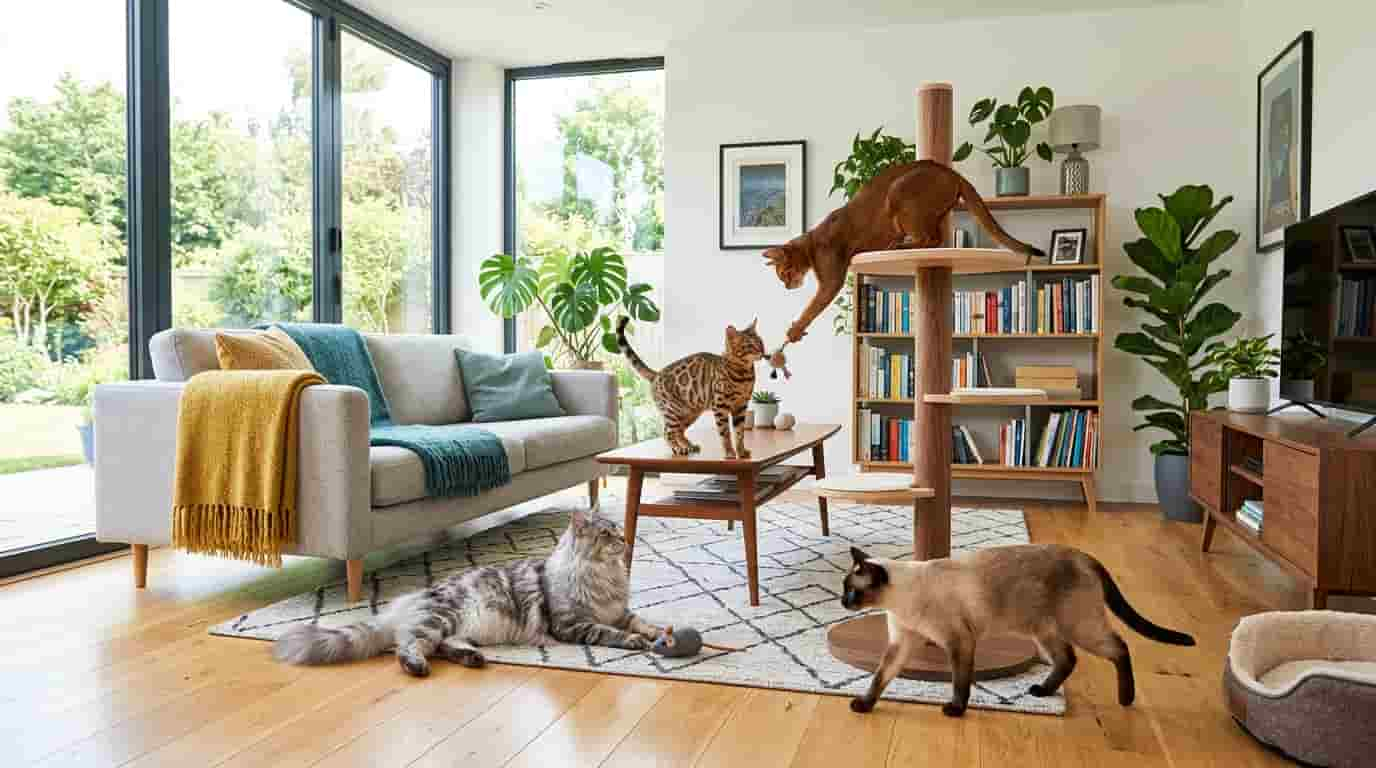
Install multi-level cat trees, secure wall-mounted shelving, overhead tunnels, and window perches overlooking bird feeders to satisfy their innate desire for high-altitude surveying.
Let the cat work for appropriate rewards
Incorporate interactive play that mimics the stalk-chase-catch-kill cycle before meal times, satisfying their cognitive instincts without causing frustration.
What Happens When an Intelligent Cat Gets Bored?
When clever felines lack adequate mental stimulation and environmental enrichment, their brilliant minds turn inward or focus on inappropriate outlets, manifesting as restless behavioral changes:
- Increased, relentless attention-seeking antics and vocalizations
- Repetitive pacing, over-grooming, or shadowing family members constantly
- Destructive exploration, shredding paper, or knocking objects off shelves
- Excessive, persistent attempts to open restricted cupboards or doors
- Sudden loss of interest in standard, static toys that no longer challenge them
Abrupt behavioral shifts can also signal underlying medical issues. If behavioral changes are sudden, severe, or concerning, consult a qualified veterinarian to rule out physical discomfort or illness.
How To Choose an Intelligent Cat Breed for Your Lifestyle
Moving from pure information to actionable decision support ensures you select the right companion for your unique living environment.
Best for active households
Match high intelligence with boundless energy by considering athletic, high-drive breeds like Bengals, Abyssinians, or Oriental Shorthairs.
Best for owners who enjoy training
Prioritize people-oriented, communicative breeds like Siamese or Burmese that thrive on structured interaction and positive reinforcement games.
Best for families
Balance intelligence with patience, social tolerance, and kid-friendly temperaments, ensuring the cat enjoys family interactions without becoming easily overwhelmed.
Best for quieter homes
Opt for observant, independent clever breeds like Turkish Angoras or calmer domestic mixes that enjoy peaceful companionship and low-key puzzle solving.
Adoption vs. choosing a specific breed
Intelligent cats are not restricted exclusively to pedigreed registration papers. Shelter and rescue domestic mixed-breed cats frequently display extraordinary cleverness, adaptability, and trainability. Adopting a shelter cat offers an exceptional opportunity to discover a brilliant, unique companion.
How To Tell If Your Individual Cat Is Intelligent
To evaluate your own cat’s cognitive abilities outside of breed generalizations, ask yourself whether your cat:
- Learns household routines, schedules, and human cues rapidly?
- Solves food puzzles, maze feeders, or toy mechanisms with ease?
- Remembers where objects, treats, and safe hiding places are located across long spans?
- Understands cause and effect when interacting with doors, levers, or toys?
- Adapts smoothly to new environments, visitors, or rearranging furniture?
- Finds creative, unexpected ways to reach goals or overcome physical barriers?
- Learns by observing your actions or watching other pets in the home?
- Repeats successful behavioral strategies while abandoning failed attempts?
Remember: A cat does not need to perform circus tricks to prove its brilliance. Quiet, thoughtful problem-solving is a hallmark of true feline intelligence.
Common Myths About Intelligent Cat Breeds
Myth 1: The smartest cat has the highest IQ
As discussed, IQ is a human metric. Feline intelligence cannot be reduced to a single numerical score because it operates across diverse adaptive domains.
Myth 2: Smart cats are always easy to train
Intelligence provides the mental capacity to learn, but training success relies heavily on motivation, reinforcement quality, and individual temperament.
Myth 3: Intelligent cats are always mischievous
Destructive exploration usually stems from inadequate mental enrichment and boredom rather than intentional malice or calculated wickedness.
Myth 4: Only pedigree cats can be highly intelligent
Mixed-breed shelter cats can be exceptional learners, problem-solvers, and loyal companions, proving that intelligence spans all genetic backgrounds.
Myth 5: A quiet cat is less intelligent
Silent, observant felines often process their environment just as keenly as vocal communicators. For insights into talkative, expressive personalities, review What Is the Most Vocal Cat Breed? Talkative, Noisy and Singing Cat Breeds
Frequently Asked Questions About Intelligent Cat Breeds
1. Can cats understand human words?
Cats learn to associate specific sounds, vocal tones, words, routines, and outcomes with consistent real-world consequences, though they do not process human language on a complex semantic level.
2. Can an intelligent cat learn tricks?
Yes. Many felines master clicker training, targeting cues, agility tasks, and complex behavioral routines when motivated by high-value treats or interactive play.
3. Are male or female cats more intelligent?
Sex does not dictate feline intelligence. Individual temperament, early socialization, genetic lineage, and learning history matter infinitely more than biological sex.
4. Can an older cat still learn new things?
Cats retain their neuroplasticity and ability to learn throughout their lives, although senior cats may exhibit slower learning curves or reduced physical stamina during active training sessions.
5. Are mixed-breed cats intelligent?
Absolutely. Intelligence is not exclusive to recognized pedigree breeds, and countless domestic mixed-breed shelter cats display remarkable cleverness and problem-solving brilliance.
Conclusion: Finding the Right Intelligent Cat Breed
Intelligent Cat Breed selection involves recognizing that feline brilliance shines through active curiosity, flexible problem-solving, and environmental adaptability rather than a rigid numerical IQ score. While exceptional breeds like Abyssinians, Siamese, and Bengals stand out for their cognitive engagement and high energy, individual personality remains paramount. Intelligence should always be balanced with activity levels, affection, independence, and your household’s unique lifestyle fit. Providing proper mental enrichment, puzzle feeders, and interactive training ensures your clever companion stays happy, healthy, and endlessly entertained.
What clever things does your cat do around the house? Share your stories, puzzle-solving anecdotes, and thoughts in the comments below!