California Spangled Cat: The Rare Leopard-Like Cat
Introduction:
California Spangled Cat lovers often ask how a domestic house pet looks like a miniature jungle leopard. What if a Hollywood scriptwriter created an entire feline breed specifically to save wild animals in Africa?
A quiet living room suddenly feels like a wild safari when a spotted shadow creeps across rug edges. Your heart skips a beat as dark round spots catch bright sunlight near your sofa.
This athletic pet moves with slow predatory grace, crouching low before springing upward onto high window sills. Many cat enthusiasts mistake this rare animal for an exotic wild hybrid like a Bengal or Savannah.
Genetic scientists reveal a surprising secret about these gorgeous home companions. These domestic pets carry zero wild leopard DNA despite their striking wild appearance.
Hollywood scriptwriter Paul Casey designed this special domestic breed during the nineteen seventies after visiting African wildlife reserves. He wanted people to stop buying real poached leopard fur coats by creating domestic house pets that resembled wild jungle cats.
The California Spangled Cat represents one of the most intriguing conservation projects in modern pet history. Let us explore the remarkable origin story, striking coat patterns, and gentle personality of this incredible domestic companion.
The Origin Story Behind the California Spangled Cat
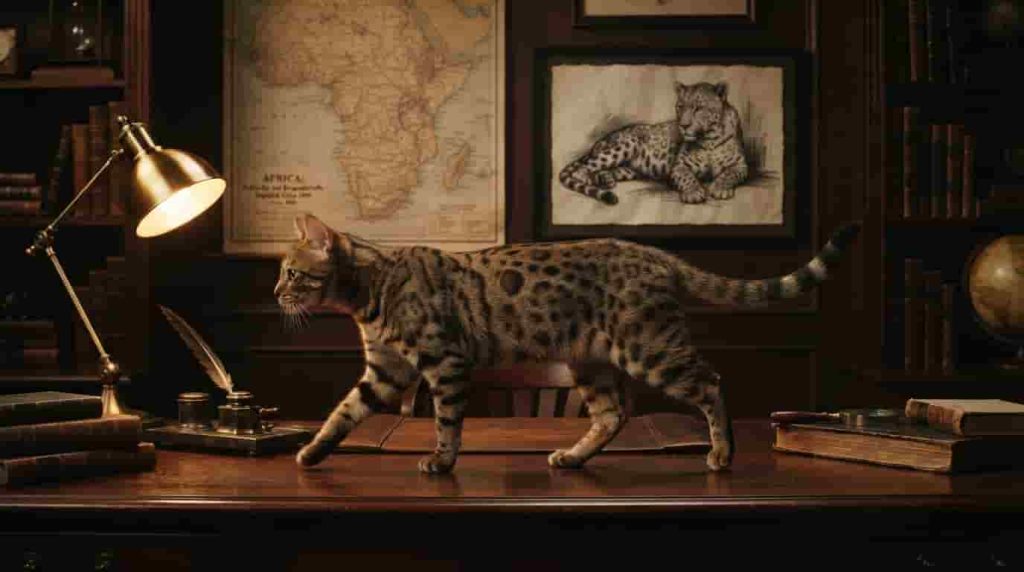
California Spangled Cat history begins in Africa when screenwriter Paul Casey witnessed terrible poaching scenes in nineteen seventy-one. Local poachers slaughtered wild leopards to sell fur coats to wealthy international fashion buyers.
Casey realized people would protect wild animals if they loved a domestic pet with similar spot patterns. He returned home determined to breed a domestic house pet that mirrored jungle predators without using wild genes.
Developing Unique Domestic Cats with Hollywood Flare
Creating unique domestic cats required eleven generations of careful selective breeding across multiple domestic bloodlines. Casey combined Abyssinian, Siamese, British Shorthair, American Shorthair, and feral spot lines from Asia and Africa.
The result produced a healthy domestic pet with distinct blocky spots and low crawling stances. The famous Neiman Marcus Christmas Catalog officially launched these rare pets in nineteen eighty-six to public surprise.
Discovering another spotted domestic pet without wild genes offers fascinating comparisons for pet enthusiasts. Read Ocicat cat: The Wild-Looking Cat With No Wild DNA to learn about similar breeding projects.
This Hollywood conservation dream created a gentle home companion with stunning wild beauty.
Exploring California Spangled Cat Appearance and Coat Colors
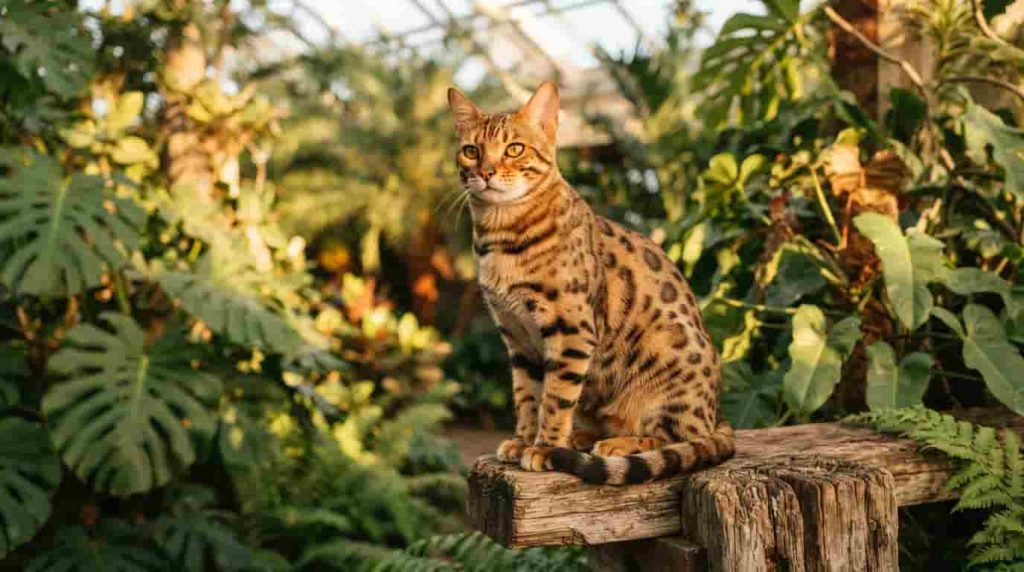
California Spangled Cat appearance mirrors wild jungle leopards with rectangular bodies and long muscular legs. Their broad cheekbones and wide set ears give them intense expressions when watching indoor toys.
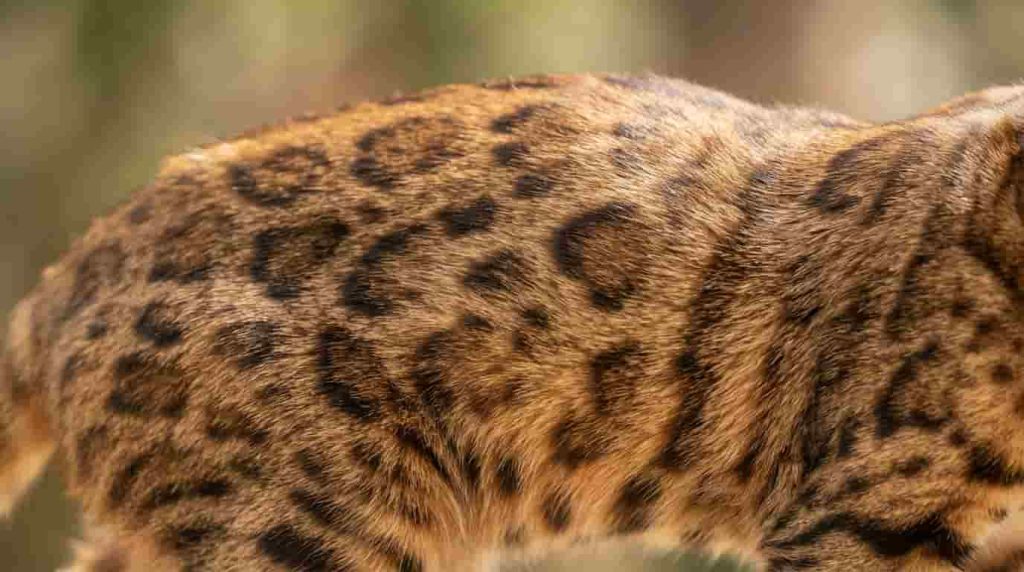
Short glossy fur features dark blocky spots scattered randomly across back, side, and leg surfaces. These distinctive spots appear squared or oval rather than circular, matching wild leopard hide patterns perfectly.
Identifying Distinctive Features of this Spotted Cat Breed
This famous spotted cat breed comes in several distinct color varieties that captivate cat lovers worldwide. Silver coats showcase stark black spots over icy white backgrounds, highlighting athletic muscular lines.
Bronze coats display dark brown markings over warm golden fur shades that shimmer under natural light. Charcoal, red, gold, and blue coat varieties also exist within official breed registry records.
Exotic pet lovers interested in athletic runners often compare physical traits across various spotted breeds. Learn about lightning fast domestic runners by reading Egyptian Mau cat: The Fastest Domestic Cat Breed today.
Each coat shade offers breathtaking beauty that transforms standard living rooms into exotic wildlife havens.
Understanding California Spangled Cat Personality and Intelligence
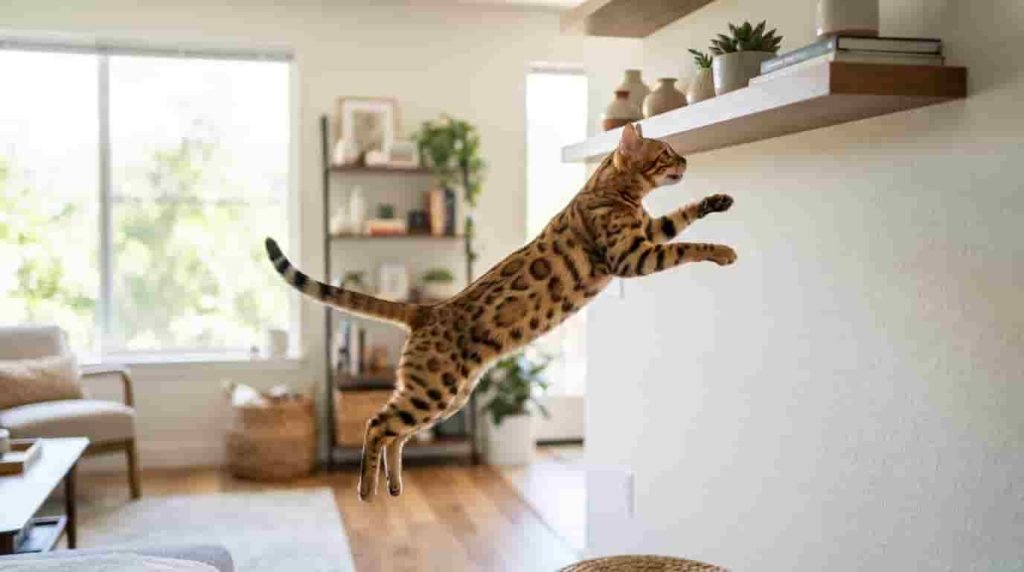
California Spangled Cat personality traits combine high intelligence with affectionate loyalty toward human family members. These energetic animals love climbing tall furniture pieces to survey family activities from elevated heights.
They form deep emotional bonds with primary caregivers, following humans from room to room daily. Their playful nature persists through adult years, keeping homes lively with sudden leaps and chasing games.
Why Families Love This Beautiful Feline Breed
This beautiful feline breed thrives on interactive play sessions that challenge their sharp mental skills. Feathers on wand toys trigger rapid hunting jumps that showcase incredible physical agility without destructive clawing.
According to veterinary reports at the Cornell Feline Health Center, daily interactive play prevents anxiety in high energy house pets. Gentle chortling noises replace loud meowing when these smart companions request affection or mealtime treats.
Cat enthusiasts seeking affectionate companions with wild looks often explore various domestic options before choosing. Discover another wild looking domestic option by reading Cheetoh Cat: The Spotted Cat With a Wild Look right now.
Their social nature makes them wonderful companions for active families with children or other pets.
Caring for Rare Cat Breeds and Daily Health Routines
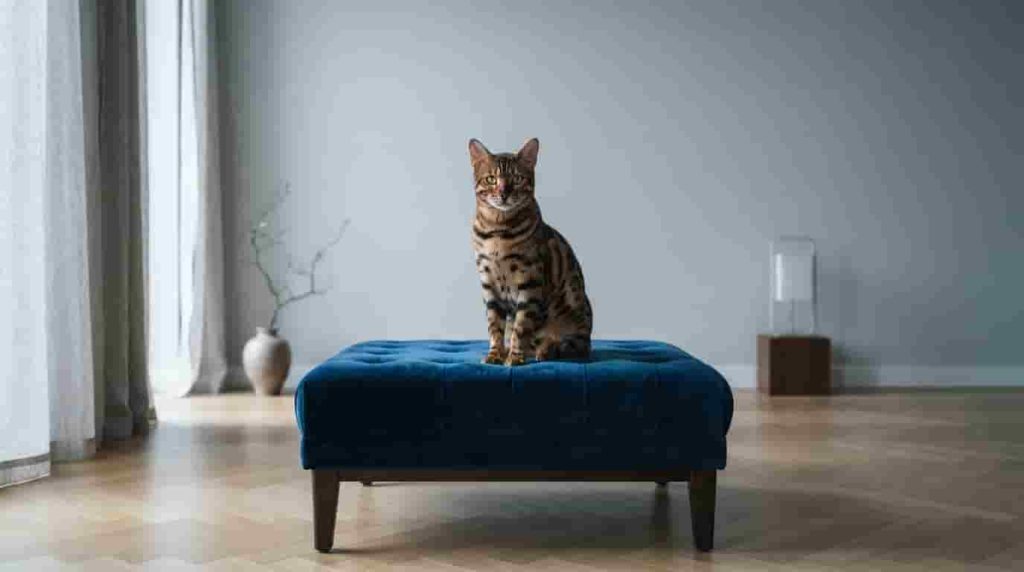
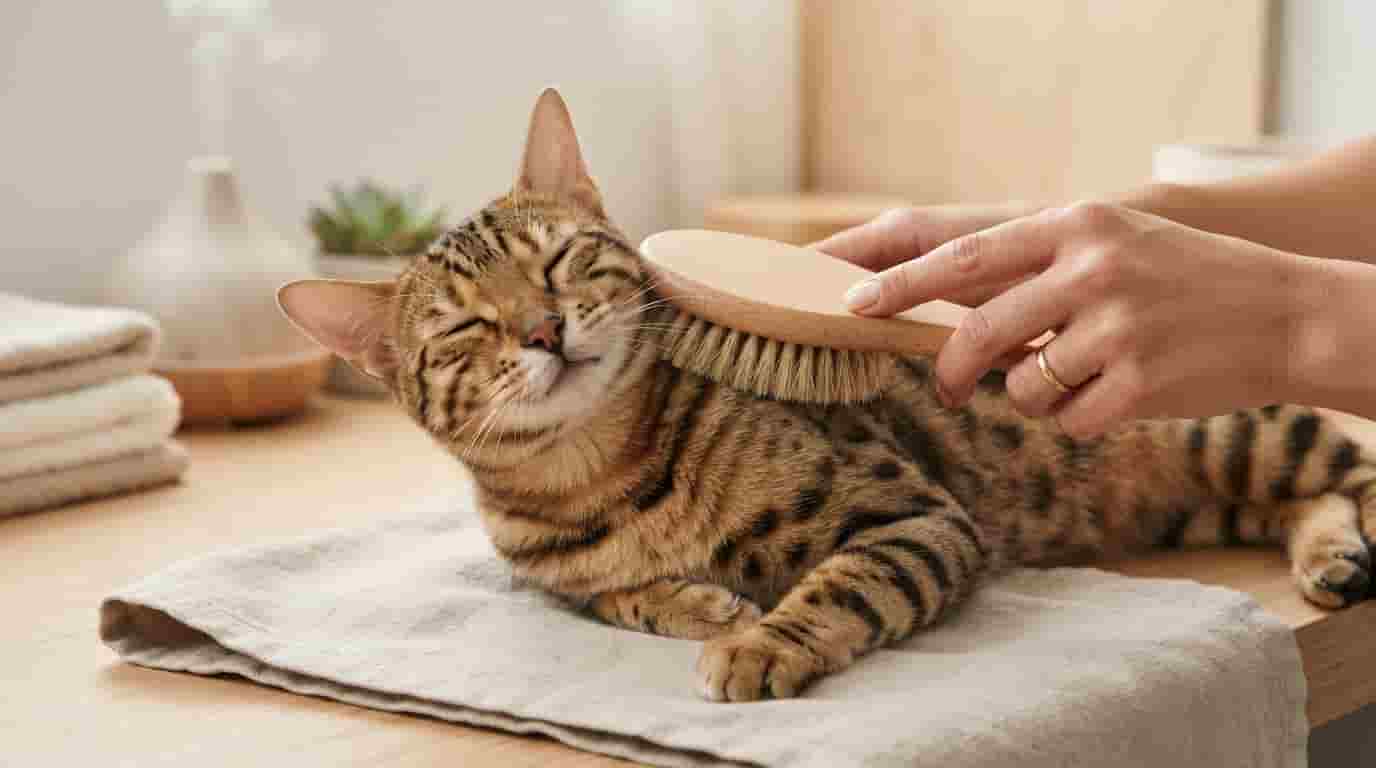
Caring for rare cat breeds requires basic grooming habits because short dense coats stay clean easily. Weekly brushing with soft bristle combs removes loose hairs while spreading natural skin oils evenly.
Trimming claw tips every two weeks protects household furniture during energetic climbing and play sessions. Checking ears weekly for dirt prevents uncomfortable infections before symptoms start troubling your pet.
Maintaining Optimal Health in Exotic Cat Breeds
Exotic cat breeds thrive on balanced high protein diets that support strong lean muscle development. Regular health checkups at local veterinary clinics ensure long healthy lives for active feline family members.
The American Veterinary Medical Association emphasizes that routine vaccinations protect indoor pets against common infectious diseases. The average lifespan for a healthy California Spangled Cat ranges from twelve to sixteen years.
Important health guidelines keep these rare companions thriving inside busy modern homes:
- Feed high quality meat protein to support strong muscle tone.
- Provide sturdy tall scratching posts to encourage daily stretching.
- Brush short coats weekly to minimize hairball formation.
- Schedule annual veterinary exams to monitor dental health closely.
Proper nutrition combined with daily love ensures your rare companion stays energetic and healthy.
Finding Where to Buy California Spangled Cat Kittens Today
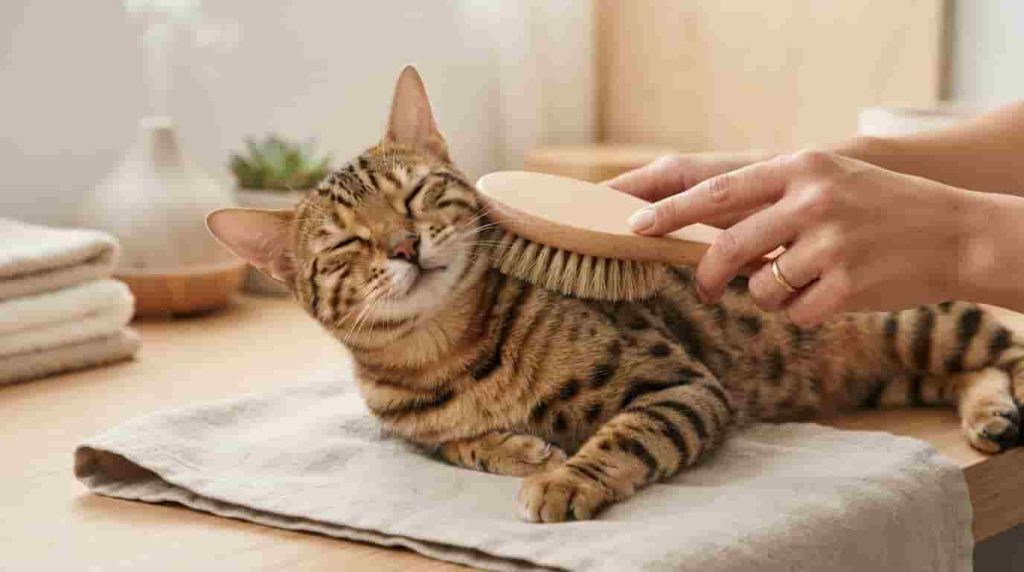
Knowing where to buy California Spangled Cat kittens presents serious challenges because numbers remain extremely low today. Popularity shifted toward Bengal cats during the nineteen nineties, causing breeder numbers to drop significantly.
Dedicated preservation breeders still maintain small bloodlines across North America and parts of Europe today. Prospective owners must join official breeder waiting lists months before litters arrive at homes.
Evaluating Options for Unique Cat Breeds
Finding unique cat breeds requires careful research into legitimate ethical breeders who prioritize animal health. Responsible breeders perform genetic health screenings on parent stock before planning future litters carefully.
Socialized kittens explore new rooms fearlessly, displaying friendly curiosity toward human visitors and novel sounds. Asking for official registration papers guarantees you receive a genuine pedigree animal rather than a mixed breed pet.
The California Spangled Cat remains a priceless treasure for collectors who value history, conservation, and beauty. Owning one means carrying forward a brilliant vision that protects wild animals worldwide.
Final Thoughts on the California Spangled Cat
The California Spangled Cat stands as a remarkable triumph of human creativity and wildlife conservation. You now know how Hollywood writer Paul Casey created this breed to save wild leopards from poachers.
Their stunning leopard spots, gentle temperament, and high intelligence make them extraordinary domestic companions. Simple grooming routines, high protein diets, and daily interactive play keep these rare pets healthy for life.
Owning a California Spangled Cat brings a living piece of Hollywood conservation history right into your home. Embracing their athletic charm fills every day with affection, beauty, and wild wonder.
What surprises you most about the unique Hollywood origins of the California Spangled Cat? Share your thoughts and personal pet stories in the comments section below!
Frequently Asked Questions
No, the California Spangled Cat carries zero wild feline DNA in its genetic makeup. Paul Casey created the breed using eleven different domestic cat bloodlines over several generations. They possess the wild appearance of leopards while maintaining gentle domestic temperaments.
No, California Spangled Cats produce standard feline dander and saliva proteins like most domestic breeds. People with severe cat allergies may still experience allergic reactions around these animals. Regular grooming and air filters help reduce household dander levels.
The rise of Bengal cats during the nineteen nineties reduced public demand for this breed significantly. Many original breeders retired or shifted focus, causing overall population numbers to drop worldwide. Dedicated preservationists still maintain small bloodlines to protect the breed.
Pedigree kittens from ethical preservation breeders usually cost between eight hundred and two thousand dollars. Rare color varieties or show quality specimens may command higher prices depending on availability. Expect waiting lists when searching for registered kittens.
Yes, they possess friendly, social personalities that adapt well to living with dogs and other cats. Early socialization helps young kittens feel confident and secure around other family animals. Their playful energy makes them great companions for active multi-pet households.