

Cat Bite Rabies: Symptoms, Risks, Vaccines and When to Seek Help.
Introduction
Cat Bite Rabies requires prompt evaluation after any suspicious bite. Not every cat bite exposes someone to rabies, but every bite deserves prompt attention. Many people confuse bacterial infection and rabies exposure, which are fundamentally different medical concerns. Healthcare providers determine rabies risk based on the cat’s health and behavior, vaccination history, whether the cat can be safely observed, and local rabies prevalence.
This guide explores immediate first aid, rabies symptoms, vaccine recommendations, treatment decisions, prevention strategies, and when emergency medical care is necessary. For broader guidance on physical injuries, resources like Cat Bite Treatment: First Aid, Symptoms and When to Seek Help
outline general care, while details on hand-specific trauma can be found in Cat Bite on Hand: Symptoms, Treatment, Infection Risks and When to Worry
Additionally, understanding infection markers via Cat Bite Symptoms: Signs of Infection, Rabies and When to Worry .
helps differentiate viral exposure from typical bacterial complications. Readers will also find reference support from authoritative public health bodies such as the World Health Organization (WHO) – Rabies and the Centers for Disease Control and Prevention (CDC) – Rabies and Animal Bites
Can You Get Rabies From a Cat Bite?
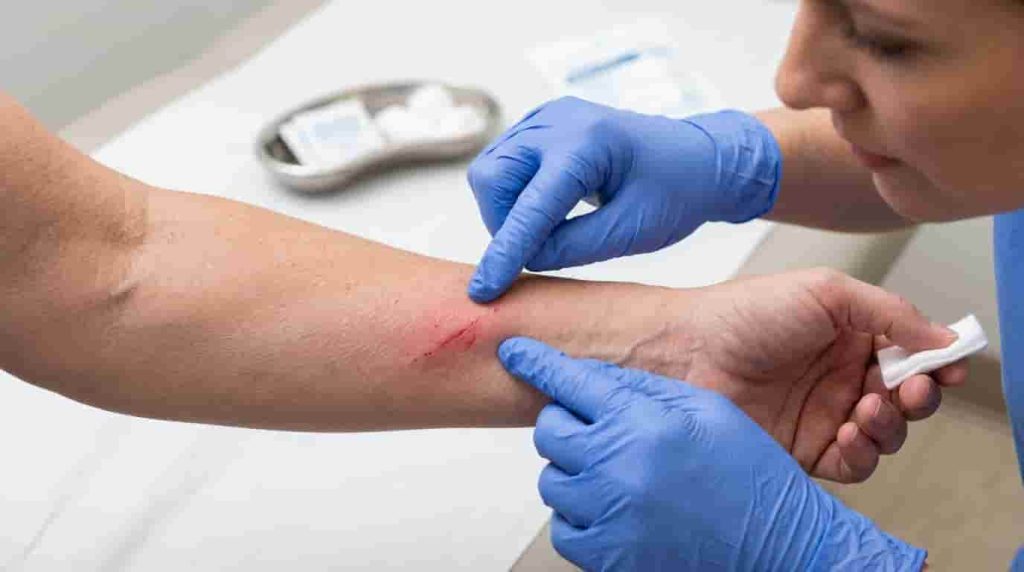
Yes, rabies can spread through the bite of an infected cat, but the overall risk depends on the circumstances. Vaccinated household cats generally present a much lower risk than stray or wild animals. Rabies transmission to humans occurs when the virus passes through saliva into broken skin or mucous membranes. Because bites are higher risk than casual contact, every bite should be assessed individually. Location and local rabies rates matter significantly in determining whether cat bite rabies risks require intervention. Furthermore, healthy-looking cats may still require observation to rule out latent viral shedding. Addressing whether you can get rabies from a cat bite or asking if a cat bite is dangerous involves weighing these multifaceted environmental factors.
What Increases the Risk of Rabies After a Cat Bite?
Major risk factors include unknown or stray cats, unvaccinated pets, cats showing unusual behavior, wildlife exposure, and living in or traveling through geographic regions where rabies is more common. Risk assessment is never based on the bite alone; a healthcare provider or public health authority should evaluate each situation to determine the appropriate response.
What to Do Immediately After a Cat Bite

Wash the Wound Immediately
Use soap and running water to wash the wound thoroughly for several minutes, avoiding harsh scrubbing. Prompt cleaning reduces both infection risk and the chance of viral transmission.
Control Bleeding and Protect the Wound
Apply gentle pressure to the area, place a clean bandage over the puncture, and keep the wound covered to block secondary contaminants. Standard cat bite wound care, proper cat bite treatment, and knowing what to do if bitten by a cat form the cornerstone of early intervention.
Contact a Healthcare Provider Promptly
Even minor puncture wounds deserve professional medical advice to evaluate the necessity of preventative interventions.
How Do You Know If the Cat Has Rabies?

No one can determine rabies by looking only at the bite. A healthy vaccinated pet carries a lower risk but still requires assessment. Conversely, a stray or unknown cat raises higher concern. A cat acting unusually may display signs of rabies in cats, including aggression, excessive drooling, difficulty swallowing, loss of coordination, and paralysis. These distinct rabies in cats symptoms necessitate immediate animal control reporting and medical consultation.
Cat Bite Rabies Symptoms in Humans
Symptoms do not appear immediately after a bite.
Early Symptoms
Include fever, headache, fatigue, and general discomfort.
Advanced Symptoms
Explain difficulty swallowing, muscle spasms, confusion, hallucinations, hydrophobia, and paralysis. Preventive treatment must begin before symptoms develop when recommended by a physician. Understanding cat bite rabies symptoms and addressing how long does it take for rabies to show in humans ensures swift action.
Do You Need a Rabies Vaccine After a Cat Bite?
Not everyone bitten by a cat requires rabies vaccination. Medical professionals consider the vaccination history of the cat, whether the cat is available for observation, local public health guidance, and the nature of the bite. Asking questions like do I need a rabies shot if my cat bit me, does cat bite need rabies treatment, or evaluating the need for a cat bite rabies vaccine requires personalized clinical judgment.
Understanding Rabies Post-Exposure Treatment

Rabies Immune Globulin (When Needed)
Provides immediate antibodies at the wound site when exposure is confirmed or strongly suspected, without discussing specific dosing regimens.
Rabies Vaccine Schedule
Depends on previous vaccination history and follows national or regional public health recommendations. A standard series involves targeted injections over a multi-week period. Adhering to a proper cat bite rabies injection timeline and cat bite rabies vaccine schedule ensures robust immunity.
Rabies vs Cat Bite Infection: What’s the Difference?
| Feature | Rabies | Cat Bite Infection |
| Cause | Virus | Bacteria |
| Onset | Variable incubation | Often within 24–48 hours |
| Treatment | Rabies prevention before symptoms | Antibiotics when indicated |
| Main Concern | Nervous system | Local wound infection |
Bacterial infections occur far more often than rabies after cat bites, making it crucial to monitor cat bite infection parameters alongside general cat bite symptoms.
When Should You Seek Emergency Medical Care?
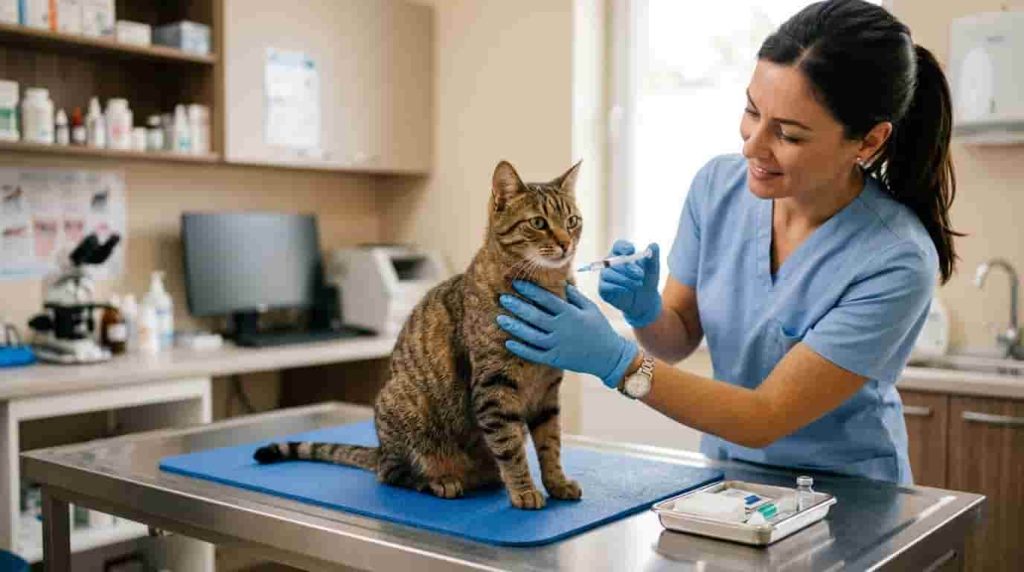
Seek immediate care if the bite came from an unknown cat, the cat appears sick, the bite is deep, or the bite involves the face, hands, fingers, or joints. Additional warning signs include fever, increasing redness, swelling, pus, red streaks, difficulty moving fingers, or managing a weak immune system.
Preventing Rabies in Cats Protects Your Family

- Vaccinate Cats: Emphasize the importance of routine rabies vaccination for cats and maintaining an up-to-date rabies vaccine for cats.
- Reduce Wildlife Exposure: Keep cats indoors or supervise outdoor time to support rabies prevention in cats.
- Schedule Regular Veterinary Care: Routine checkups ensure overall health and compliance with local immunization laws.
- Avoid Contact With Unknown Animals: Protect both pets and owners from stray wildlife encounters. Proactive preventing rabies in cats safeguards the entire household.
Common Myths About Cat Bite Rabies

- Myth 1: Every cat bite requires rabies shots.
- Fact: Treatment depends on a comprehensive risk assessment.
- Myth 2: Indoor cats can never carry rabies.
- Fact: Risk is much lower, but breakthrough exposures or hidden wildlife contact mean it is not entirely impossible in every situation.
- Myth 3: If the wound is tiny, it’s harmless.
- Fact: Small puncture wounds can still require medical evaluation due to deep tissue contamination.
- Myth 4: You can wait for symptoms.
- Fact: Rabies prevention works before symptoms appear; once clinical signs manifest, treatment is rarely effective.
Hypothetical Example
Consider a homeowner who is bitten while helping an unfamiliar stray cat that appears injured. They immediately clean the wound with soap and water, seek medical advice, report the animal to local animal control, and receive guidance on rabies vaccination. Through this prompt response, they complete the evaluation and recovery without complications.
Key Takeaways Before You Leave
- Wash every cat bite immediately.
- Don’t assume vaccinated pets eliminate all risk.
- Seek medical advice after unknown or suspicious bites.
- Rabies prevention is highly effective when started promptly.
- Don’t ignore signs of infection.
Conclusion
Cat Bite Rabies is uncommon but serious. Early wound cleaning and professional evaluation are essential. Never delay medical care after a bite from a stray, wild, or unusually behaving cat. Following healthcare advice greatly reduces the risk of rabies and other complications. Share your experiences or ask questions in the comments below.
Frequently Asked Questions
Vaccination lowers risk significantly, but medical assessment is still necessary if the animal’s behavior is unprovoked or erratic.
Scratches are lower risk than bites, but they may require evaluation if contaminated with fresh saliva from an infected animal.
Observation periods typically follow public health guidelines, often lasting 10 days to monitor for signs of illness.
Modern post-exposure vaccines are administered via small injections similar to standard flu shots and are much easier to tolerate than older treatments.
Prompt post-exposure prophylaxis is exceptionally effective at preventing the disease if administered before clinical symptoms begin.