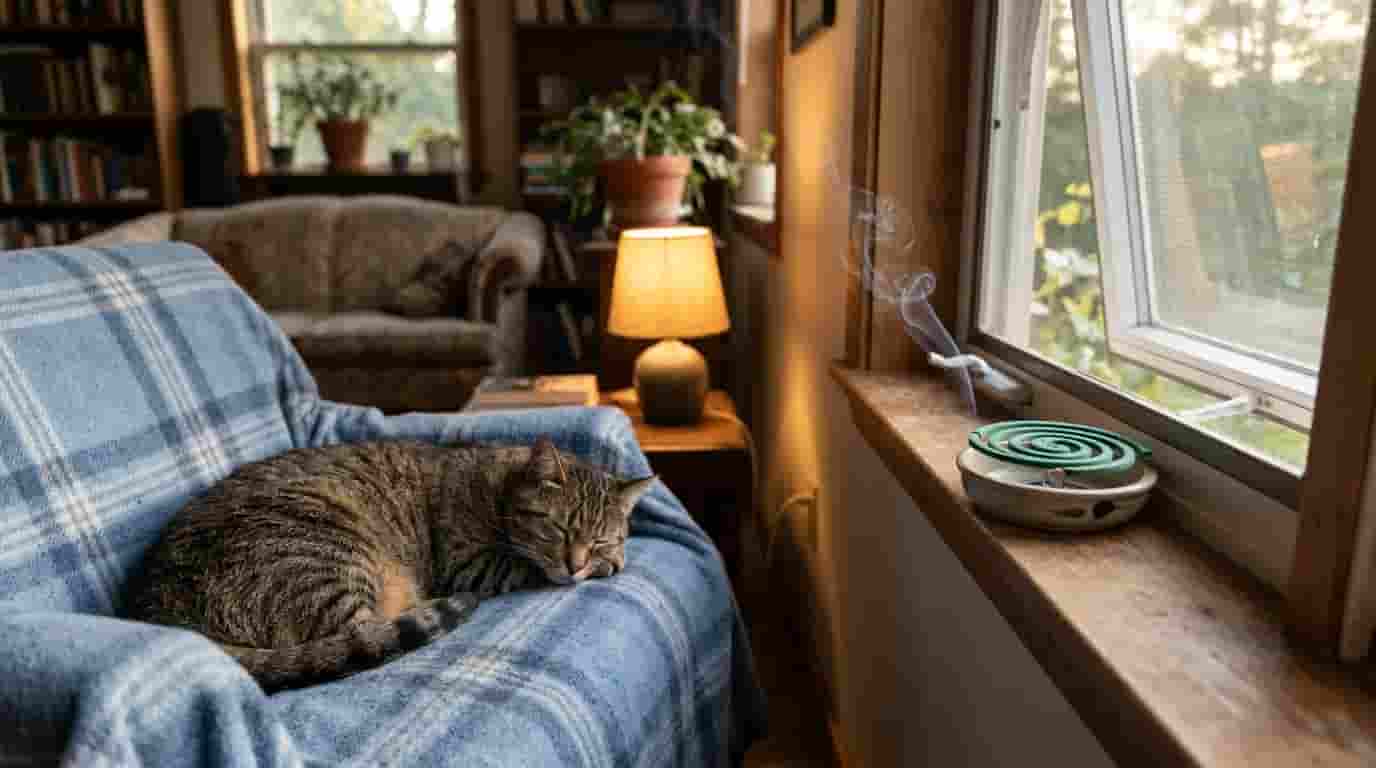
Mosquito coil fumes and cats: Respiratory safety adjustments.
Introduction:
Mosquito coil fumes and cats represent a major household health conflict that many pet parents ignore during peak insect seasons. Do you know if the smoke burning in your hallway is slowly damaging the lungs of your favorite animal companion? Many families use these cheap smoldering products to prevent insect bites but accidentally expose their pets to severe chemical poisoning. Therefore, understanding the intersection of mosquito coil fumes and cats is vital for protecting your fragile feline from permanent internal damage.
This comprehensive guide will examine how typical household insect repellents affect the sensitive breathing systems of your indoor pets. First, we will break down the specific active chemical ingredients that cause severe biological stress in small felines. Next, you will discover the major warning signs of respiratory damage to help you protect feline wellness effectively. Finally, we will share safe alternative pest control options to keep your living spaces completely clear of harmful fumes.
Protecting your household requires a clear understanding of feline liver limitations and careful management of your indoor air quality. Let us explore the hidden mechanics of mosquito coil fumes and cats to keep your pet safe.
Mosquito coil fumes and cats: Understanding the Toxic Threat
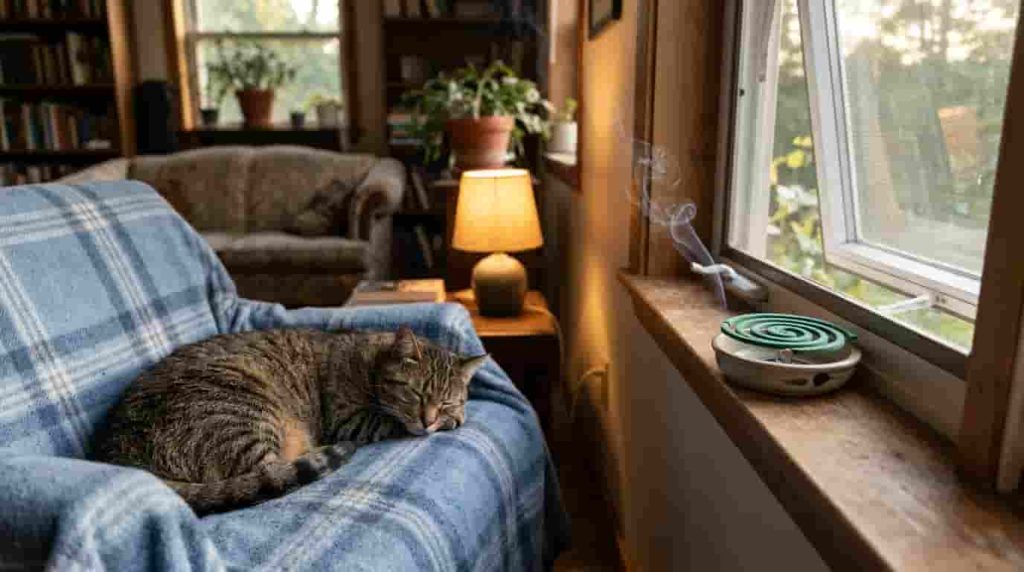
Analyzing the impact of mosquito coil fumes and cats requires a close look at how felines process airborne substances. Most commercial burning coils contain active pyrethroid insecticides that paralyze and kill flying bugs within a specific radius. While these chemicals keep humans safe from malaria, they pose immense cat health risks because felines lack essential liver enzymes. Specifically, the feline liver cannot break down pyrethrins or synthetic pyrethroids safely like human bodies do.
Additionally, the slow burning process releases thick smoke particles that settle directly onto the fur of your pet. Felines ingest these toxic residues later during their daily grooming sessions when they lick their paws and coats. This combination of breathing the smoke and swallowing the chemical residue increases mosquito coil toxicity for your animal. Many people assume the smoke is safe because their cats do not immediately cough or run away.
However, long term exposure causes chronic inflammation that damages the delicate air sacs inside the lungs over time. This slow damage shows why managing mosquito coil fumes and cats deserves the full attention of every pet owner. Let us examine the exact chemical components that threaten your domestic pet.
| Insecticide Product Type | Primary Active Chemical | Feline Internal Risk Level |
| Standard Burning Coils | d-Allethrin or Pyrethroids | High risk of respiratory failure |
| Electric Liquid Vaporizers | Transfluthrin | Moderate risk of neurological stress |
| Chemical Aerosol Sprays | Permethrin | Extreme risk of sudden fatal poisoning |
Recognizing the Critical Symptoms of Respiratory Distress

Spotting the harmful effects of burning repellers early allows you to seek veterinary help before a crisis occurs. Felines possess highly sensitive airways that react quickly to poor indoor air quality and floating soot particles. Therefore, you must watch your pet closely for sudden breathing changes like rapid panting with an open mouth. You might also notice your companion coughing frequently while pressing its chest flat against the cold tiled floor.
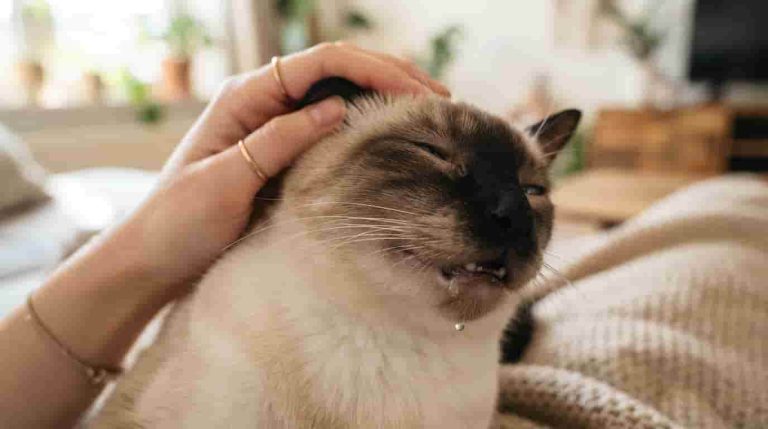
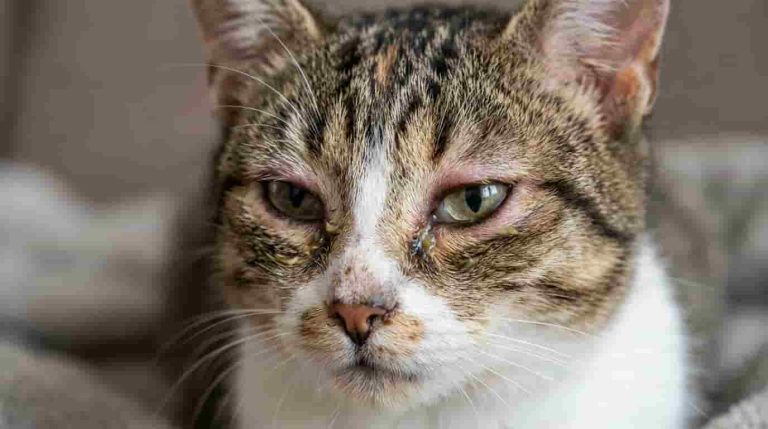
Furthermore, advanced symptoms of mosquito coil on pets include uncontrollable drooling, watery eyes, and extreme muscle weakness. Some animals stagger blindly or suffer from muscle twitches when their liver fails to clear the inhaled toxins. For example, a local pet owner named Amadi once burned a green coil inside his sealed bedroom. He later found his tabby cat gasping for air behind the wardrobe and needed emergency clinical help.
This terrifying scenario highlights why building pet owners awareness about chemical repellents is essential for maintaining proper feline safety. Let us look at how you should handle an immediate breathing emergency at home.
Managing Sudden Breathing Crises in Closed Rooms
Handling a respiratory emergency requires moving your struggling animal into fresh outdoor air away from the smoke immediately. You must wipe their mouth gently with a clean cloth to remove any excess drool before moving. Also, avoid forcing the animal to swallow oral medications because breathing struggles make choking much more likely.
Balancing Year Round Environmental Safeguards
Protecting your companion involves addressing multiple environmental threats as the weather changes throughout the year. For instance, you should study our complete guide on Harmattan care for cats: Protecting skin and eyes from dust to manage seasonal air particles. Combining dust prevention with strict mosquito coil precautions ensures your pet breathes clean air in every season.
Emergency Treatment Options for Chemical Ingestion
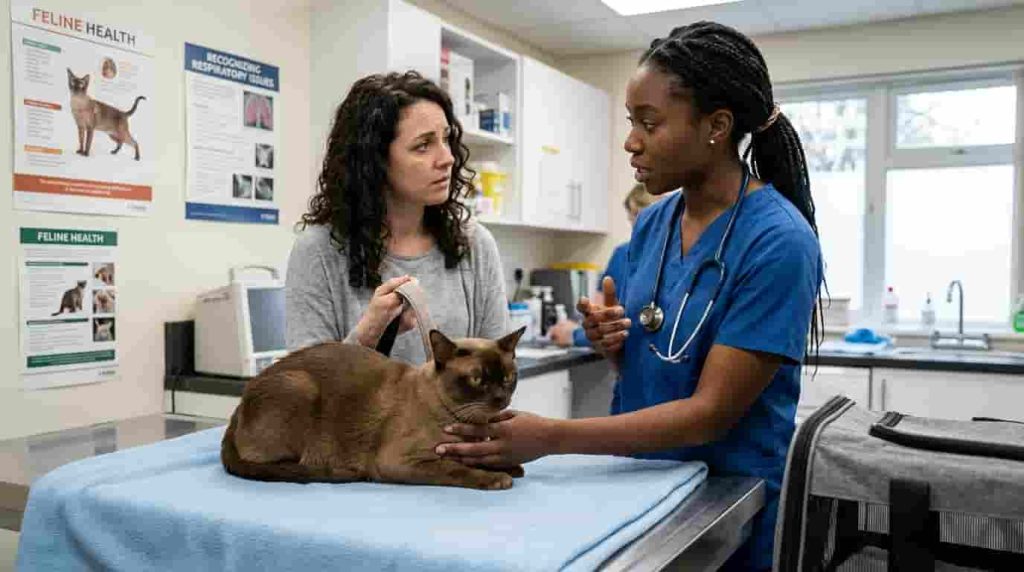
Accessing prompt emergency care for poisoned cats remains the only way to reverse severe cases of insecticide exposure. You must never try to treat chemical poisoning at home using random internet remedies or human cough syrups. According to emergency medicine guidelines published by PetMD, improper home treatment can make chemical lung irritation significantly worse. Therefore, your immediate action must center on transporting the animal to a professional veterinary clinic without delay.
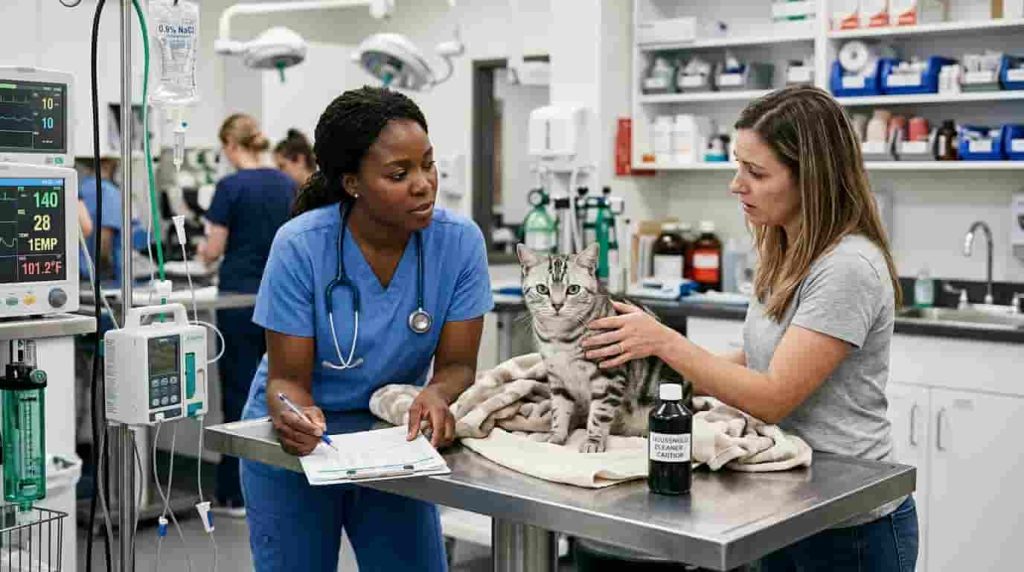
The medical team will place your gasping feline inside a specialized oxygen chamber to stabilize their breathing functions. Additionally, the doctor may administer intravenous fluids to protect the liver and accelerate the removal of dangerous chemicals. This clinical process forms the core of treating cat health and mosquito fumes complications during a sudden crisis. Let us discover the best ways to establish safe household boundaries for your pet.
Safe Alternative Pest Control Practices
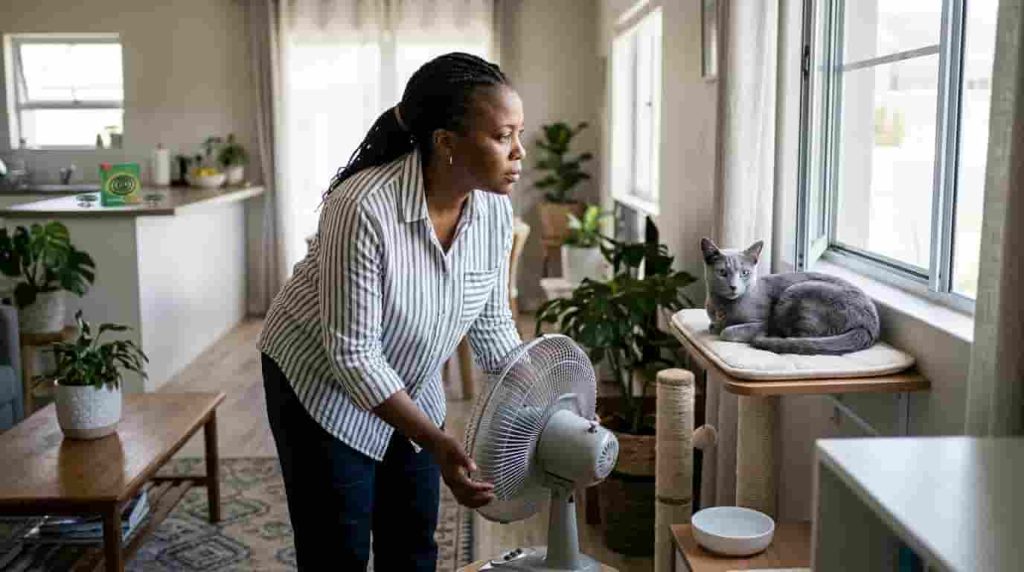
Implementing smart safety tips involves replacing smoking repellents with modern cat-friendly mosquito control methods around your house. You should install fine mesh screens on all your windows and doors to block insects mechanically. This physical barrier allows you to enjoy cool evening breezes without introducing any harmful fumes into your rooms. Additionally, you can utilize electronic bug zapper lanterns that use ultraviolet light to attract and eliminate flying pests.
These electrical devices keep your home clean without spreading dangerous chemicals across your soft living room furniture. Practicing complete pet safety with mosquito coils means choosing non-burning alternatives that safeguard the health of everyone. You can also clear out any standing water puddles around your compound to stop insects from breeding. These proactive habits form the foundation of a successful long term approach to general pet safety. Let us review how to handle other dangerous products in your home.
Securing the Household Against Chemical Intruders
Creating a secure living zone requires looking at every product you use to fight common pests. To keep your animals safe from ground level chemicals, read our article on Rat poison dangers for cats: Protecting pets from sniper lines for essential storage tips. Eliminating both airborne smoke and ground level baits prevents terrible accidental poisonings.
Protecting Growing Litters from Environmental Hazards
Younger felines have highly fragile lungs that cannot tolerate the heavy air pollution caused by household appliances. To learn how to shield them from sudden temperature shocks, review our guide on AC safety for young kittens: Avoiding sudden chilly flu drops today. Keeping their environment stable protects their developing immune systems from breaking down under chemical stress.
Protecting Feline Wellness Through Better Air Quality
Improving the indoor air quality of your home is an excellent way to support long term feline wellness. You should invest in a quality air purifier equipped with a true HEPA filter to capture floating smoke particles. Furthermore, open your high windows during the afternoon to let stale air escape and allow fresh breezes to circulate.
Providing clean air helps your pet recover from past exposures to various household sprays and burning repellents. You can always consult your local veterinarian to receive custom safety tips tailored to your specific house layout. Taking these active steps will help you master protecting cats from mosquito coil fumes without lowering your lifestyle comfort. Your steady commitment ensures your feline companion lives a happy life free from dangerous respiratory blockages. Let us review the primary rules for indoor mosquito coil safety for cats today.
- Never burn any insect coils inside small sealed rooms with your pet.
- Switch to mechanical window screens to block mosquitoes from entering.
- Wash the fur of your pet if it accidentally sits near active smoke.
- Keep all chemical aerosols locked away inside high storage cupboards.
Conclusion
In conclusion, managing mosquito coil fumes and cats requires a active commitment to keeping your indoor air completely clean. By avoiding pyrethroid smoke and using physical window screens, you can protect your feline from severe lung irritation. These simple adjustments shield your favorite pet from the hidden threats found in commercial bug remedies.
Always look out for early signs of heavy breathing and provide plenty of fresh air inside your home. Your daily care choices will help protect your animal companion from painful respiratory conditions over time. With a clean smoke free living space, your cat will enjoy a long and comfortable life by your side.
Are you looking for safe ways to manage flying pests around your home this season? Please share your clever ideas and drop your unique pet health questions in the comment section below!
Frequently Asked Questions
Yes, many commercial repellents contain synthetic chemicals that are highly toxic to the sensitive liver of a cat. You must avoid using burning products or strong chemical sprays anywhere near the sleeping areas of your pet.
You must move your cat into an outdoor area with fresh running air immediately to clear its lungs. If the cat continues to cough or pant heavily, take it to a veterinary clinic for professional oxygen therapy.
No, electric vaporizers still release liquid chemical droplets into the air that your pet can inhale or lick off its fur. Mechanical screens and light based bug traps remain much safer choices for your home.
A cat with asthma will often wheeze, cough frequently, and sit with its neck extended forward to catch its breath. You will also notice their sides moving rapidly as they struggle to fill their lungs with air.
No, you must never apply human repellents because felines will lick the lotion off and suffer from severe chemical poisoning. Only use specialized insect protection products that carry an official safety label for felines.