Cat Backpack Carriers: Are they safe for hiking with your pet.
Introduction:
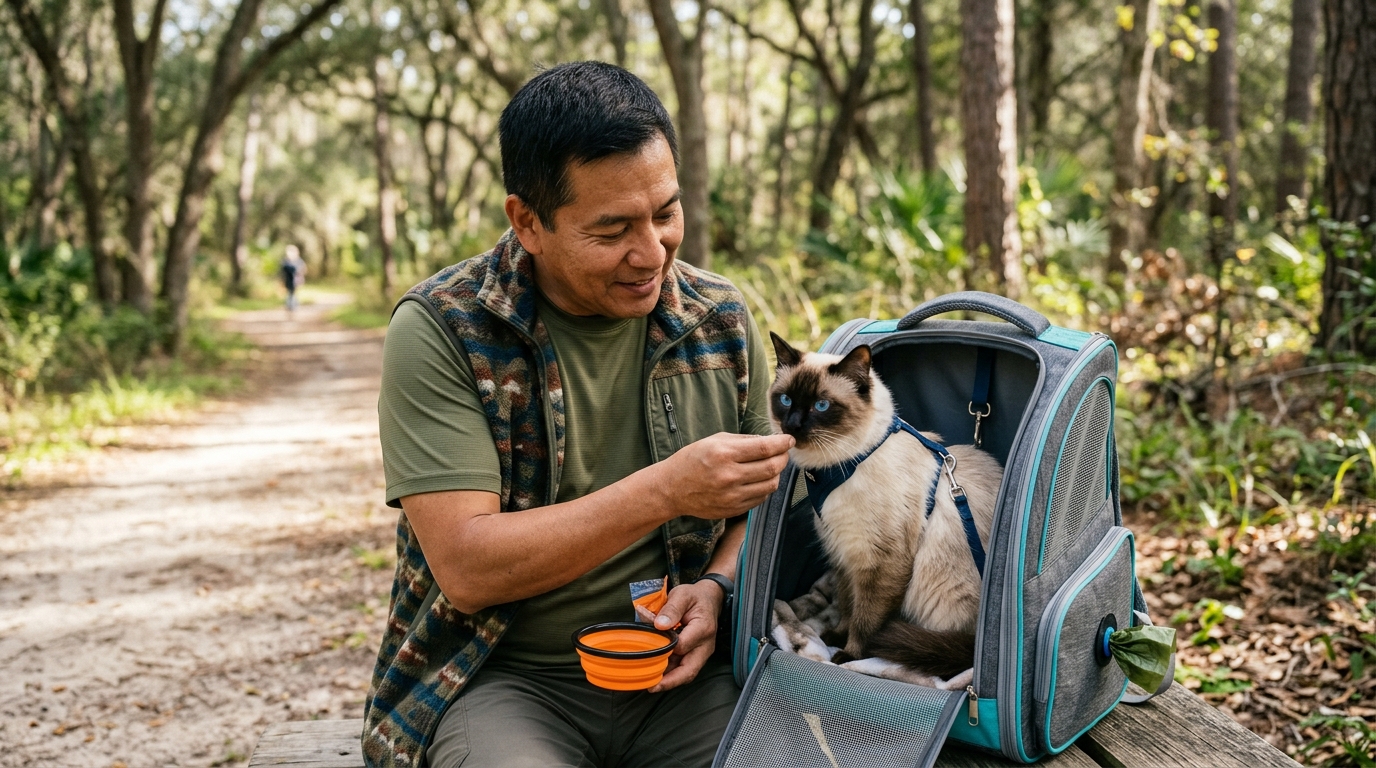
Cat Backpack Carriers offer an exciting way to share outdoor adventures with your favorite indoor feline companion. Have you ever dreamed of taking your curious domestic pet along your favorite mountain trails on a sunny weekend? Many adventurous owners buy these modern bubble pods but accidentally expose their animals to intense heat and severe stress. Therefore, understanding how to use your portable cat backpack properly prevents dangerous outdoor situations during your wilderness journeys.
This comprehensive guide will examine the true structural safety of using wearable travel gear on rough outdoor trails. First, we will evaluate how solar radiation transforms plastic viewing windows into dangerous miniature greenhouse traps. Next, you will discover the best ways to prepare your animal for long periods of confinement inside a cat carrier backpack. Finally, we will share practical wilderness safety tips to ensure your outdoor trip remains completely fun and secure.
Protecting your pet requires careful gear evaluation and a great understanding of baseline feline comfort levels in the wild. Let us look at how you can utilize Cat Backpack Carriers safely without causing any physical distress to your animal.
Cat Backpack Carriers: Evaluating the Greenhouse Heating Effect
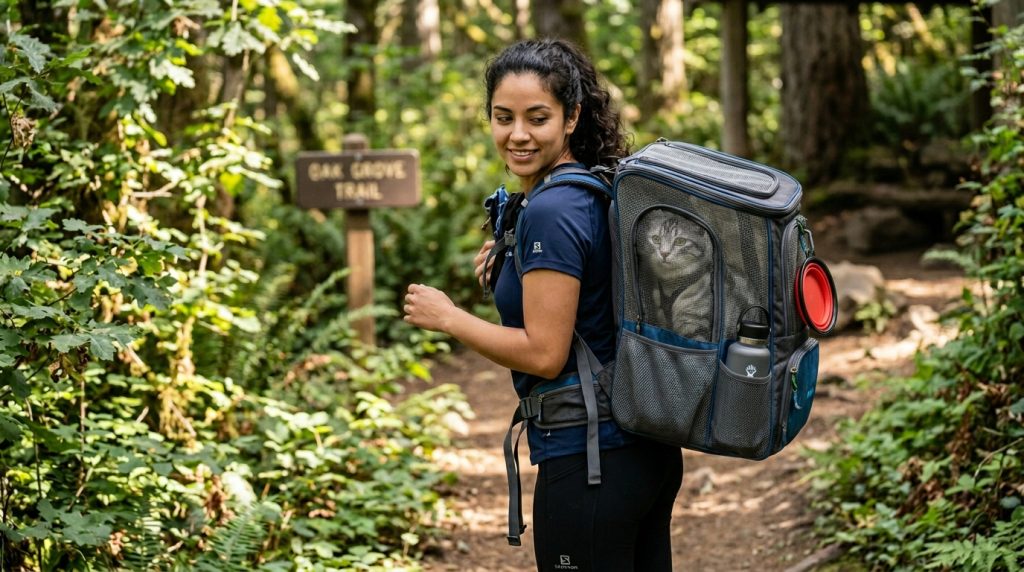
Using Cat Backpack Carriers on sunny outdoor trails requires a deep understanding of thermodynamics and basic heat transfer. Many commercial bubble pods feature large clear acrylic plastic windows that allow pets to view the world outside. However, sunlight passes through this clear plastic and gets trapped inside the small enclosed cabin space very quickly. This solar trap creates a rapid greenhouse effect that can easily overheat a thick furred animal within fifteen minutes.
Additionally, standard fabric mesh panels often fail to provide enough cross ventilation when you walk at slower speeds. This lack of active breeze makes a stylish cat carrier backpack much warmer than the outside air temperature. Many people believe their animals are perfectly fine inside because the bag looks wide and spacious from the outside.
However, felines struggle to cool themselves down when trapped inside a stagnant environment without any direct breeze. This hidden temperature spike shows why checking internal bag conditions remains a vital duty for every smart pet owner. Let us examine the exact internal temperatures that various bag designs create during typical summer walks.
| Bag Material Type | Maximum Internal Temperature Shift | Essential Trail Danger Level |
| Full Plastic Bubble Pods | Up to 8 Degrees Above Outside Air | Extreme risk of sudden heat stroke |
| Partial Mesh Screen Bags | Up to 3 Degrees Above Outside Air | Moderate risk of seasonal dehydration |
| Full Heavy Canvas Packs | Up to 5 Degrees Above Outside Air | High risk of quick respiratory fatigue |
Training Your Pet for Wilderness Backpack Trips
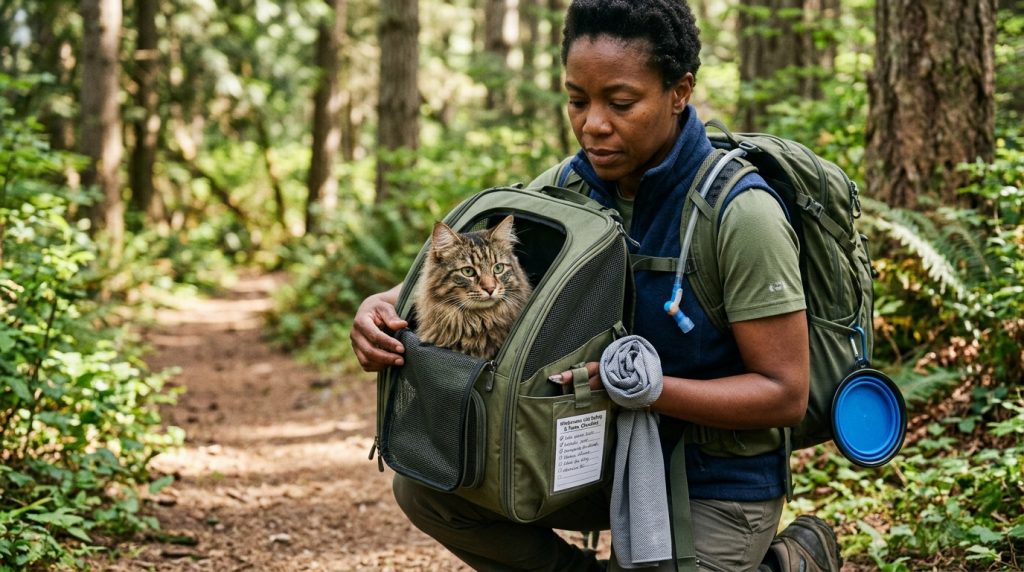
Acquiring the best cat backpack carrier is only the first step in a very long outdoor preparation process. You must train your domestic animal to associate the new travel gear with positive experiences at home first. Start by leaving the bag open on your living room rug with a few tasty treats hidden inside. This strategy allows your pet to explore the portable cat backpack at its own comfortable pace without fear.
Furthermore, you can encourage your pet to build up its daily stamina through active physical challenges indoors. For instance, you can check our detailed guide on Cat Wand Toys: The best way to bond through active play to improve coordination. Building muscle tone helps your animal manage the constant swaying motions of a comfortable cat carrier backpack later.
Once your pet feels relaxed inside the cabin, practice carrying the pack around your backyard for five minutes. This slow introduction technique ensures your animal does not panic when you finally reach a real mountain trail. Let us look at how to manage unexpected weather changes during your outdoor journeys.
Managing Trail Comfort with Alternative Mobility Gear
Switching to alternative transport methods can save your outdoor trip if your animal hates being carried on your shoulders. To discover a great alternative, read our discussion on Cat Stroller Benefits: Taking your indoor cat for a walk outside for smoother pathways. Utilizing wheels instead of shoulder straps keeps your pet stable on flat park boardwalks.
Enhancing Mental Calm Before Heading Outdoors
Calming the nervous system of an anxious animal makes the transition to outdoor travel much easier for everyone. You can read our fascinating article on Cat Nip Effects: Why some Telephone lines cats go crazy and others feel nothing to understand botanical responses. Using natural calming herbs inside a cute cat carrier backpack can help soothe mild travel anxiety effectively.
Wilderness Safety Measures and Temperature Control
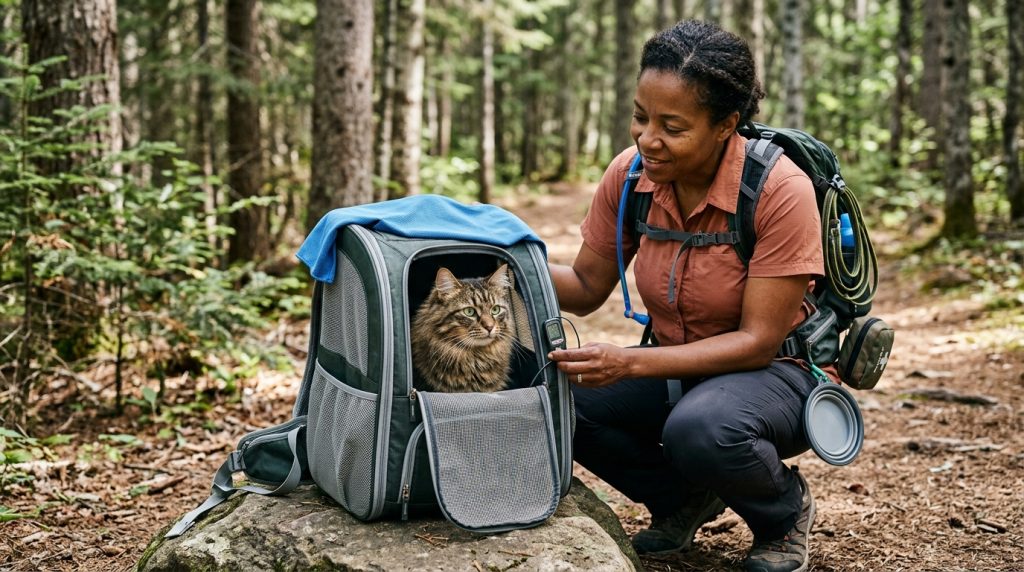
Balancing the use of a cat backpack carrier for hiking with general wilderness safety rules requires constant attention. While the trail offers wonderful sights, wild predators and loud noises can easily terrify an unsecured domestic pet. As a result, you must secure your animal to the internal safety leash built into your cat travel backpack. This simple precaution stops your pet from darting out into the woods if the main zipper breaks open.
According to wilderness medical guidelines published by PetMD, sudden panics cause many domestic pets to get lost in national parks. Therefore, choosing a durable cat backpack carrier with locking metal zippers is essential for long term security. You should also pack a small digital probe thermometer inside the cabin to monitor the air temperature constantly.
If the internal temperature climbs past 28 degrees Celsius, find a shaded rest stop and remove your pet immediately. This proactive behavior helps you avoid common heat complications while staying cool on your weekend journey. Let us look at how to select the right product from the market.
Selecting the Right Pack for Structural Safety
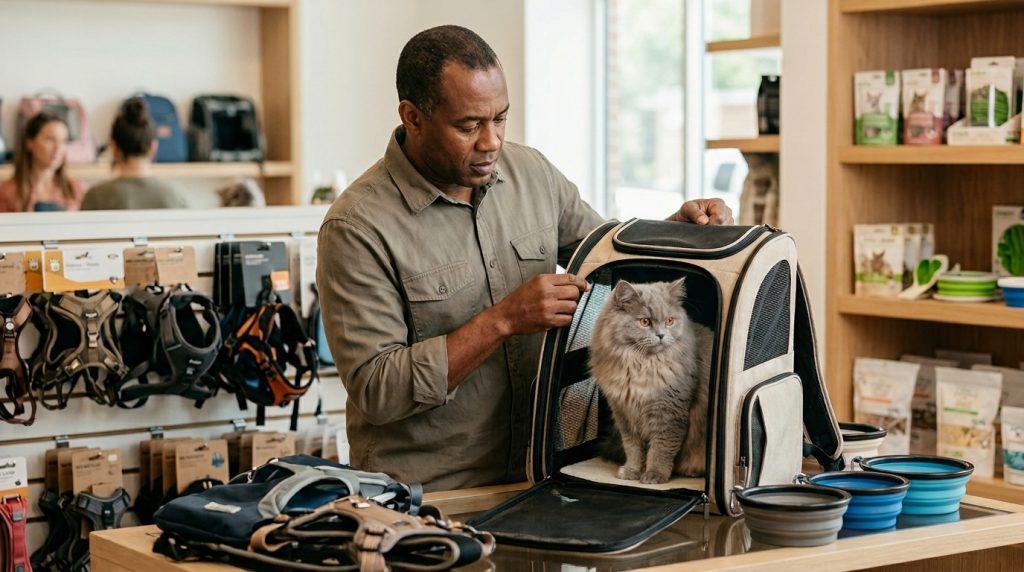
Finding a comfortable cat backpack carrier requires looking past pretty exterior designs to evaluate the actual structural framework. You must look for thick padded shoulder straps and a wide chest buckle to distribute weight evenly. This ergonomic design stops the pack from sagging and crushing the internal cabin space against your lower back. Additionally, ensure the base of the affordable cat backpack carrier features a waterproof rigid floor panel.
A solid floor allows your animal to sit up or lie down without the fabric collapsing underneath them. This structural stability forms the foundation of a top rated cat backpack carriers list for professional hikers. You should also look for models that include a built in expandable mesh tent on the back.
This extra feature allows you to create a wide shaded playpen whenever you stop for lunch along the trail. Investing in high quality materials guarantees your large cat carrier backpack survives rough encounters with sharp tree branches. Let us examine how to structure your daily trail routine for optimal safety.
Checking Fluid Intake Levels on the Trail
Maintaining proper hydration is a critical part of your cat backpack carrier for travel safety routine. You must offer fresh bottled water using a collapsible silicone bowl during every single rest stop you make. Do not allow your pet to drink from wilderness streams because wild parasites can cause severe stomach illness.
Managing Unexpected Flight Responses in Public Spaces
Encountering loose off leash dogs can trigger a massive fear response in even the most confident domestic animals. You must keep your stylish cat backpack carrier completely zipped up whenever other trail users approach your position. This physical barrier provides a secure sanctuary where your pet feels totally safe from external threats.
Maintaining Your Outdoor Travel Equipment Properly
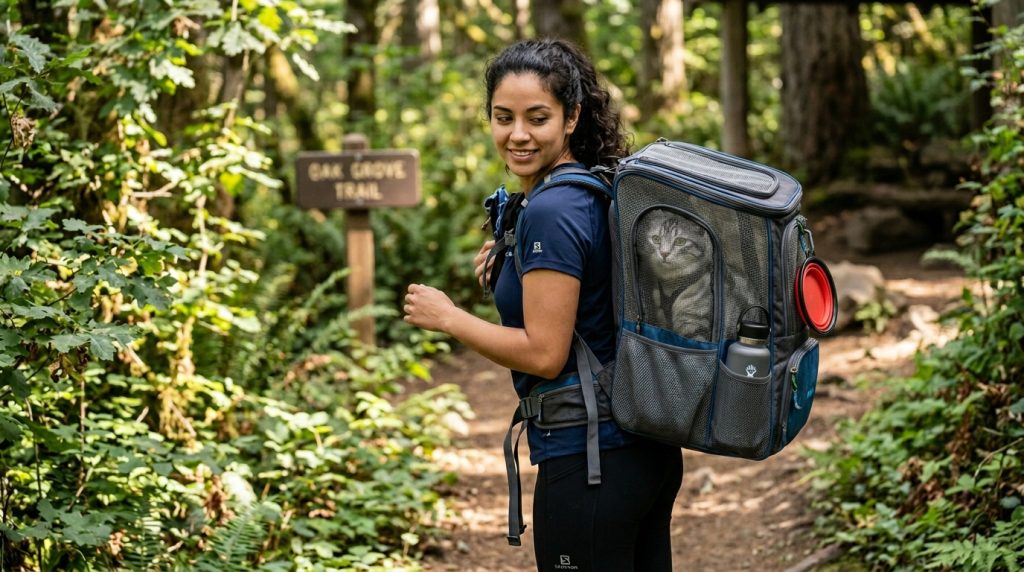
Caring for your heavy duty stylish cat carrier backpack extends its overall lifespan and protects the health of your pet. You must wash the interior lining after every outdoor excursion to remove trapped wilderness dirt and loose fur. Use a mild pet safe detergent that contains zero artificial fragrances to prevent skin rashes on your animal. Furthermore, inspect the structural seams regularly to ensure no stitching has started to unravel from heavy usage.
Allowing the pack to dry completely in the sun prevents smelly mold from growing inside the fabric layers. This simple cleaning habit matches the core principles of smart pet ownership in every single weather condition. Taking these active steps will help you understand the true value of Cat Backpack Carriers without making costly mistakes. Your thorough preparation ensures your favorite pet remains perfectly comfortable as you explore beautiful wilderness spaces together. Let us review the primary checklist for keeping your companion safe on the trail today.
- Choose a pack with dual side ventilation mesh windows.
- Attach the internal security tether to a body harness only.
- Monitor the internal cabin temperature every thirty minutes.
- Place a cooling gel mat along the bottom panel.
Conclusion
In conclusion, utilizing Cat Backpack Carriers for wilderness adventures requires an active commitment to monitoring internal temperatures and ventilation. By choosing structural mesh designs and taking frequent hydration breaks, you can protect your feline friend from heat stroke. These small adjustments transform a potentially stressful journey into a wonderful bonding experience for you both.
Always prioritize the physical comfort of your animal over taking pretty pictures for your social media pages. Your careful management will help your domestic pet enjoy the beauty of nature completely safely by your side. With the right gear configuration, your outdoor hiking trips will remain fun and secure all year long.
Are you planning to buy one of the top rated Cat Backpack Carriers for your upcoming summer vacation? Please share your product choices and drop your unique trail safety questions in the comment section below!
Frequently Asked Questions
They are safe only if you take regular breaks to let your animal stretch and cool down completely. You must avoid hiking during the hottest afternoon hours when solar radiation turns the pack into a heat trap.
You can stop overheating by avoiding direct sunlight and choosing a pack that features large fabric mesh ventilation panels. You should also place a small battery operated fan on the side to blow fresh air inside.
No, you must never attach the safety leash to a neck collar because a sudden drop can cause choking. Always connect the internal tether to a secure body harness to distribute any sudden pulling forces safely.
You must stop walking immediately and find a quiet shaded spot to check on your animal companion. Open the pack carefully in a secure area to see if your pet needs water or a bathroom break.
Many vets recommend them for short trips if the pack provides excellent ventilation and a solid rigid floor panel. However, they advise against using full plastic models that lack proper airflow options for thick furred animals.