

Rat poison dangers for cats: Protecting pets from sniper lines.
Introduction:
Rat poison dangers for cats represent one of the most terrifying emergency situations a pet parent can face at home. Did you know that local rodent baits use sweet flavorings that can easily attract a curious feline companion? Many households deploy these lethal chemicals to fight pests but accidentally create a deadly environment for their own animals. Therefore, understanding the hidden mechanics of rodenticides and cats is vital for protecting your household companion from accidental harm.
This comprehensive guide will examine the biological threats associated with common chemical pest baits found in our markets. First, we will break down the specific types of poisons that threaten your vulnerable pet. Next, you will discover the major symptoms of rat poisoning in cats to help you take fast action. Finally, we will share practical prevention tips to ensure your living spaces remain completely safe and secure.
Protecting your pet requires constant observation of their daily habits and careful placement of any household chemical products. Let us explore the true risks of rat poison to cats so you can safeguard your home effectively.
Rat poison dangers for cats: Chemical Types and Biological Traps
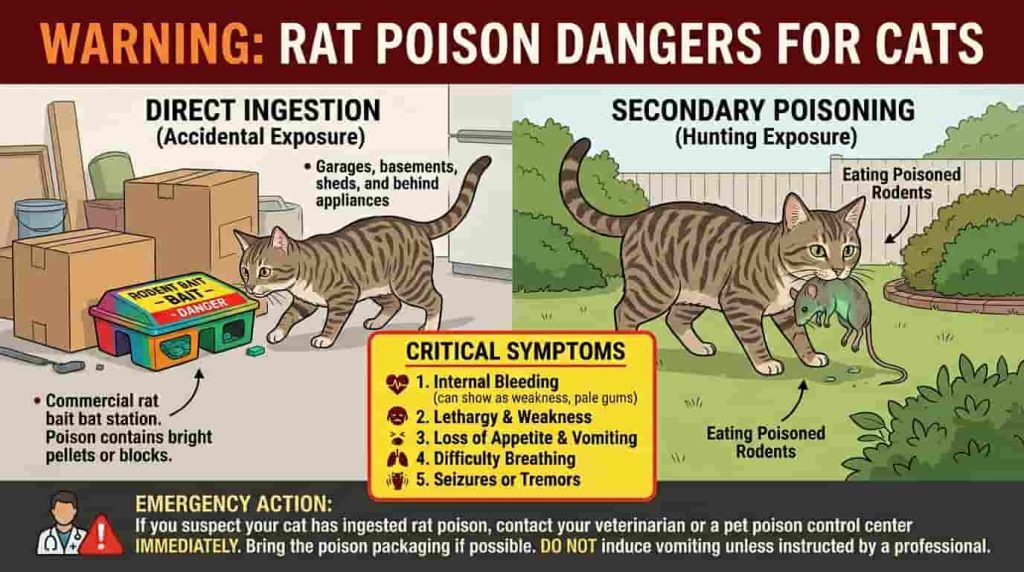
Understanding the core rat poison dangers for cats requires a close look at how these commercial products work. Most retail baits fall into distinct chemical groups that destroy animal bodies through completely different internal pathways. For example, anticoagulant rodenticides stop the blood from clotting normally and cause quiet internal bleeding over several days. Another common variety uses cholecalciferol, which raises blood calcium levels to cause sudden, permanent kidney failure.
Additionally, bromethalin products attack the central nervous system and cause rapid brain swelling within a few hours. These diverse chemical formats mean the toxic effects of rodenticides on cats vary based on the specific brand. Many people believe their cat will naturally avoid eating chemical blocks because of their sharp smell. However, curious felines often ingest these toxins by catching a rodent that already ate the bait.
This secondary ingestion process represents a massive part of the ongoing risks of rat poison to cats today. Let us look at the specific recovery odds and action timelines for these common toxic compounds.
| Rodenticide Chemical Base | Primary Internal Damage | Emergency Action Window |
| Anticoagulants (Warfarin) | Internal bleeding and bruising | Within 24 to 48 hours |
| Cholecalciferol (Vitamin D3) | Severe kidney tissue failure | Within 12 to 24 hours |
| Bromethalin (Neurotoxin) | Brain swelling and seizures | Within 1 to 4 hours |
Recognizing the Critical Symptoms of Poisoning
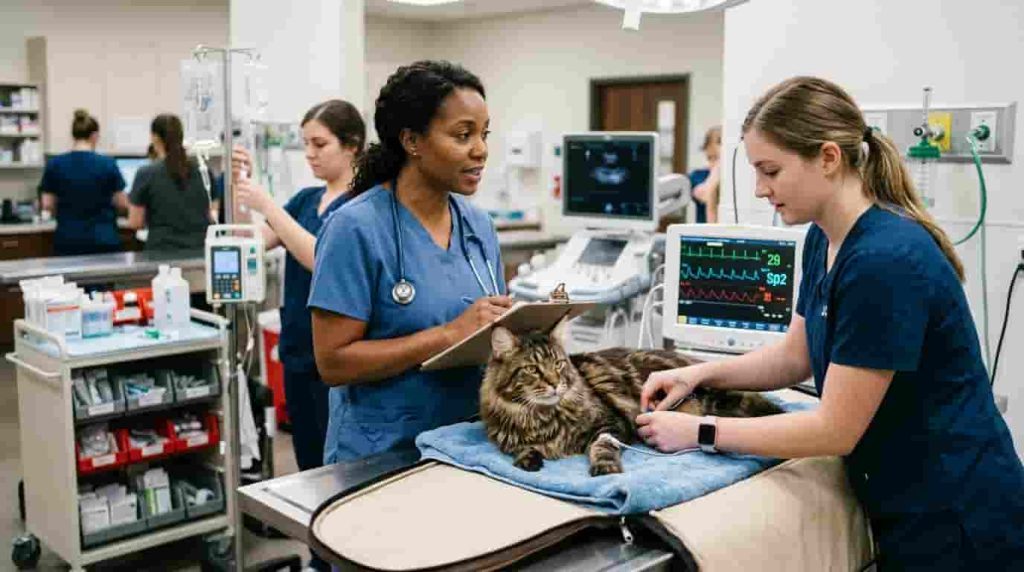
Spotting the early signs of rat poisoning in cats can save the life of your pet before irreversible damage occurs. Many felines hide their physical pain instinctively, which makes early detection a real challenge for most families. Therefore, you must watch for subtle behavioral changes like sudden lethargy or an unusual refusal to eat. As the internal bleeding progresses, you will notice pale gums and labored breathing during rest.
Furthermore, severe cases of rodenticide poisoning symptoms in felines include blood in the urine or dark nosebleeds. Some animals experience uncontrollable muscle tremors or violent seizures if they eat a fast acting nerve poison. For example, a local cat owner named Tunde once noticed his pet staggering blindly across the living room floor. He rushed the animal to a clinic and discovered a neighbor had placed loose bait along the fence line.
This terrifying situation highlights why recognizing the symptoms of rat poison ingestion in cats is so vital for pet health. Let us look at what you must do if you suspect your pet found a hidden trap.
Managing Severe Neurological Changes at Home
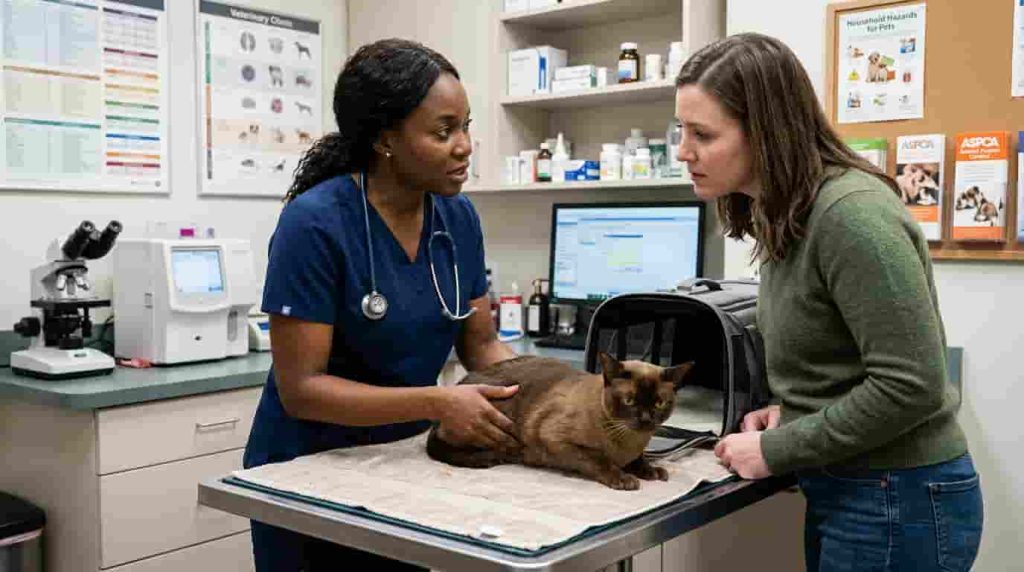
Advanced neurotoxicity of rodenticides for felines requires absolute quiet and zero exposure to bright flashing lights. You must place your shivering animal inside a dark padded carrier box while preparing for your emergency drive. Also, avoid forcing the animal to drink water because swallowing difficulties can cause choking during fits.
Balancing Environmental Safety Priorities in the Household
Protecting your feline companion requires managing all atmospheric and chemical threats simultaneously throughout the changing seasons. For instance, you should review our guide on Harmattan care for cats: Protecting skin and eyes from dust to manage dry weather issues. Combining respiratory care with active cat poisoning prevention ensures your pet stays strong all year long.
Emergency Medical Care and Veterinary Interventions
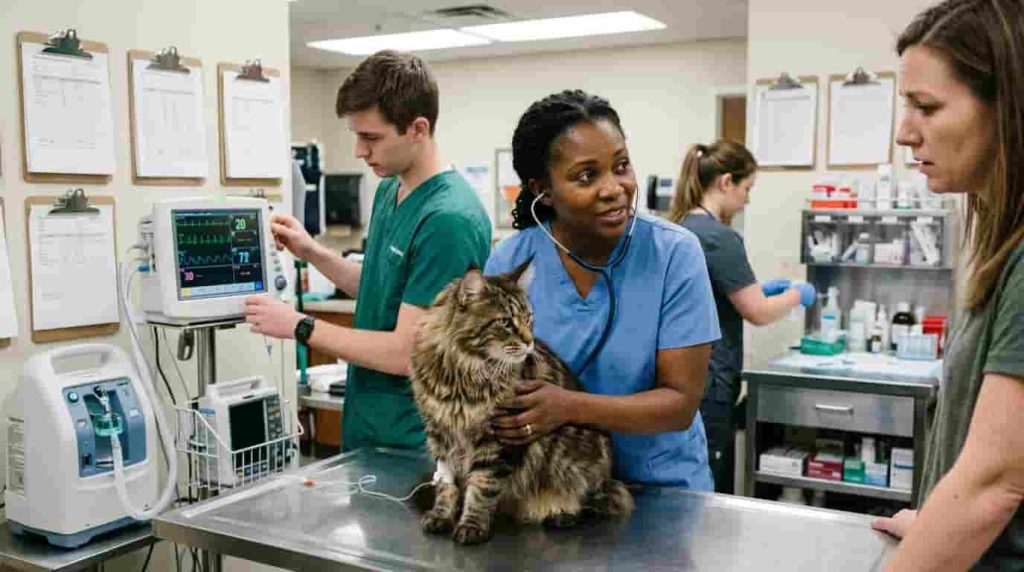
Seeking immediate emergency care for poisoned cats is the only way to reverse the damage from toxic substances for felines. You must never attempt to induce vomiting at home without direct instructions from a licensed medical professional. According to veterinary toxicity manuals from the ASPCA, improper vomiting can cause toxic fluids to enter the lungs. Therefore, your primary job is to transport the cat to a fully equipped veterinary facility immediately.
If possible, bring the original chemical bait packaging along so the doctor can identify the exact ingredients. This simple step helps the medical team choose the right treatment for rat poison ingestion in cats. For anticoagulant poisoning, veterinarians will inject high doses of Vitamin K1 to restore normal blood clotting functions.
Additionally, the clinical team may use activated charcoal to bind any remaining toxins inside the stomach walls. This comprehensive medical process forms the basis of treating cat poisoning successfully during a household crisis. Let us examine how to modify your home layout to prevent these accidents entirely.
Proactive Strategies to Prevent Toxic Exposure

Learning how to prevent rat poison exposure in cats involves shifting your entire approach to household pest management. You must remove all loose chemical pellets from your property and switch to secure mechanical snap traps. Place these physical traps inside heavy lockable boxes where your agile cat cannot insert its paws. Additionally, speak with your immediate neighbors about the shared rat poison dangers for cats near your property lines.
Many outdoor felines wander into nearby yards and eat poisoned rodents that are moving slowly because of the chemical. To eliminate this specific danger, choose to keep your companion strictly indoors behind sturdy window screens. This lifestyle adjustment forms the core of your long term rodenticide safety for cats planning.
You can also use natural deterrents like peppermint oil spray to keep wild mice away from your kitchen cupboards. These non toxic strategies allow you to maintain excellent household hygiene without introducing deadly materials into your home. Let us look at how other household accessories can impact the wellness of your pet.
Controlling Air Quality and Alternative Pest Tools

Managing a safe home means checking the tools you use to fight flying insects around your living areas. To learn more about this topic, read our analysis on Mosquito coil fumes and cats: Respiratory safety adjustments to protect fragile lungs. Eliminating both airborne smoke and ground level toxins creates a clean sanctuary for your growing animal.
Protecting Young Litters from Home Hazards
Younger felines lack the liver strength to process even tiny amounts of accidental chemical pollution. To keep them safe from other common home risks, read our post on AC safety for young kittens: Avoiding sudden chilly flu drops for temperature guidance. Maintaining a stable environment prevents sudden immune drops that make chemical exposures much more dangerous.
Long Term Health Recovery and Preventive Monitoring

Guiding your pet through the recovery phase after a cat poisoning from rat bait incident requires patience and testing. You must return to the clinic for regular blood checks to confirm the chemical is completely gone. Furthermore, give your pet a highly digestible diet to support their healing liver and kidney tissues.
Providing a calm resting space helps the nervous system recover from the heavy stress of chemical ingestion. You can discuss long term wellness goals with your vet to ensure your cat regains its full strength. Taking these careful steps helps you understand how to treat rat poisoning in cats without causing extra stress.
Your steady commitment to safety will ensure your pet enjoys a long life free from chemical hazards. Let us review the primary action steps to prevent rat poison exposure in cats around your home.
- Remove all chemical bait blocks from your floors immediately.
- Use lockable bait stations that keep entry holes too small for paws.
- Keep your feline companion strictly indoors to avoid neighbor traps.
- Store all emergency veterinary phone numbers on your kitchen fridge.
Conclusion
In conclusion, understanding the real rat poison dangers for cats is essential for maintaining a secure pet friendly home. By recognizing the early signs of bleeding and avoiding loose chemical pellets, you can prevent terrible family tragedies. These proactive steps shield your favorite animal from the hidden traps found in commercial rodent remedies.
Always keep original product labels handy and build strong relationships with your local emergency veterinary clinic. Your daily safety choices will help protect your feline friend from unexpected household toxin risks. With a clean chemical free home layout, your pet will live a happy life by your side.
Have you ever discovered a hidden pest bait station around your apartment complex? Please share your safety solutions and drop your unique pet health questions in the comment section below!
Frequently Asked Questions
Symptoms can take anywhere from a few hours to several days to appear depending on the chemical type. Anticoagulant baits usually take two to five days to cause visible bruising or breathing difficulties in felines.
Yes, a cat can survive if you obtain professional veterinary medical treatment immediately after the incident occurs. The doctor will evaluate the level of secondary poisoning and apply the proper chemical antidote right away.
You must rush your cat to the nearest veterinary clinic immediately along with the package of the poison. Do not try to make your cat throw up at home because you might cause severe breathing choking.
Yes, you can use mechanical snap traps placed inside heavy locked boxes that only allow small mice to enter. You can also use electronic ultrasonic pest repellers that do not use any toxic chemicals to clear rooms.
Yes, indoor cats face risks if mice bring loose chemical pellets from neighboring apartments into your living spaces. You must check behind your kitchen appliances regularly to ensure no stray poison blocks have appeared.