Why Does My Cat Suddenly Hate the Litter Box? Causes and Solutions
Introduction:
Why Does My Cat Suddenly Hate the Litter Box? If you are asking this question, take a deep breath. It can be deeply frustrating and confusing when a previously well-behaved cat suddenly stops using their tray. However, you can rest assured that cats do not engage in this behavior out of spite or malice. A sudden shift in toileting habits is almost always a direct response to a physical problem, environmental disruption, or emotional distress.
Litter box avoidance typically stems from medical conditions, environmental mismatches, or behavioral stressors. When a cat who has reliably used their tray for years suddenly begins eliminating on your rugs, furniture, or laundry, physical pain or illness must always be evaluated first. If medical issues are ruled out, changes to the litter itself, the physical location of the box, cleanliness standards, or household dynamics are common culprits.
This comprehensive guide will help you decode your cat’s subtle signals, identify the root cause of their sudden aversion, and implement practical, feline-approved solutions. However, before diving into environmental factors, keep in mind that certain symptoms—such as straining to urinate, passing little to no urine, crying out in pain, severe lethargy, or vomiting—constitulate a critical medical emergency requiring immediate veterinary attention.
Why Does My Cat Suddenly Hate the Litter Box?
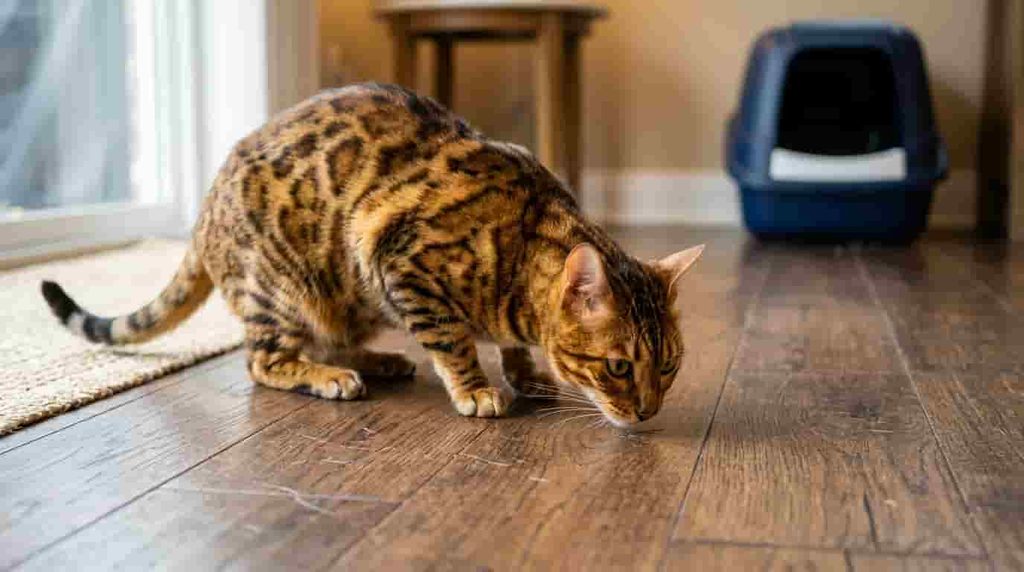
When a cat suddenly stops using their litter box, they are communicating that their current toileting arrangement has become uncomfortable, inaccessible, or terrifying. Unlike a kitten who is still learning home boundaries, an adult cat with established habits usually avoids their tray because they have formed a negative association with the box itself, the specific substrate inside it, or the area surrounding it.
Your cat may suddenly refuse their box due to:
- Negative Associations: Linking the box to past physical pain or a frightening event.
- Physical Discomfort: Pain when stepping into the box, squatting, or eliminating.
- Substrate Aversion: Dislike of the litter’s texture, scent, or dust level.
- Box Deficiencies: Trays that are too small, covered, dirty, or hard to enter.
- Environmental Stress: Household changes, noise, or fear of inter-cat conflict.
- Location Issues: Trays placed near noisy appliances or high-traffic zones.
- Alternative Preferences: Finding a soft carpet or quiet closet far more appealing.
A Sudden Change Is Worth Investigating
A sudden shift in behavior differs significantly from long-standing, chronic house-soiling habits. If a cat who has used their box flawlessly for years suddenly begins avoiding it, the timing provides a vital clue. You might notice your cat walking up to the box, sniffing it, and walking away, or choosing to use the tray for urine while depositing stool on the nearby floor. Some cats may hover around the edges of the box without stepping inside. Any sudden departure from established toileting patterns signals an underlying issue that demands investigation rather than waiting to see if it resolves on its own.
Cats Are Not Usually Being “Stubborn”
One of the most persistent myths in feline care is that cats eliminate outside the box to “get back at” their owners for being away, adopting a new pet, or changing routines. Feline psychology does not operate on spite. When a cat avoids their tray, they are acting out of instinct, distress, or physical discomfort. Scolding or punishing a cat for accidents only increases their anxiety, deepens their fear of the owner and the box area, and worsens the avoidance behavior.
Medical Problems That Can Cause Litter Box Aversion
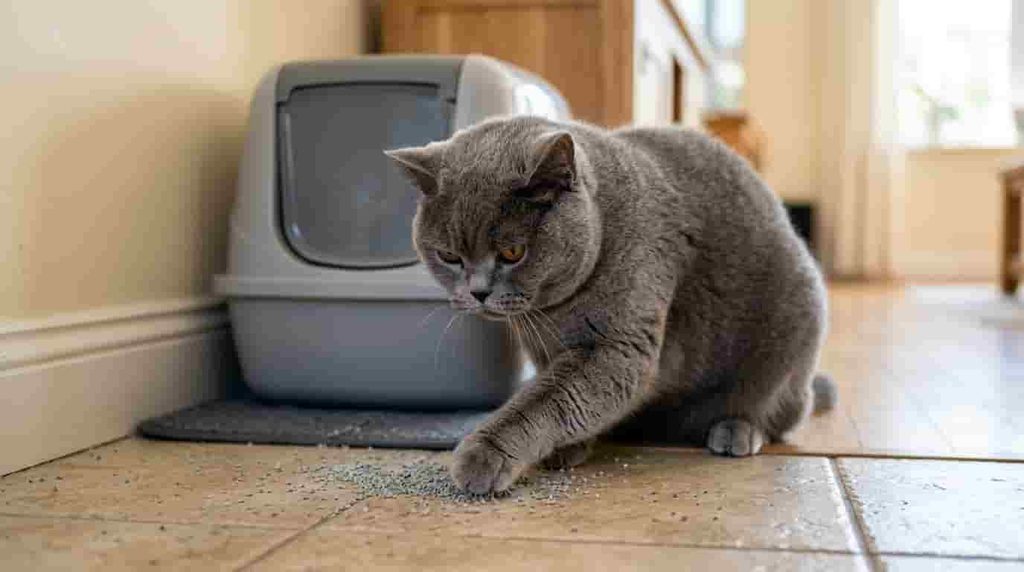
Before assuming your cat is simply being picky about their setup, you must rule out medical conditions. Pain associated with elimination is one of the leading drivers of sudden litter box aversion. When a cat feels sharp pain while urinating or defecating, they rarely understand that the discomfort originates inside their body. Instead, they blame the location where the pain occurred: the litter box.
Urinary Problems
Feline Lower Urinary Tract Disease (FLUTD) encompasses a range of painful conditions affecting the bladder and urethra. Bladder inflammation (idiopathic cystitis), bacterial urinary tract infections, urinary crystals, and bladder stones can all transform urination into an agonizing experience.
Cats suffering from urinary issues often show recognizable signs:
- Frequent, frantic trips to the litter box
- Straining visibly while trying to urinate
- Passing only tiny droplets of urine at a time
- Vocalizing, crying, or yowling inside the tray
- Excessive grooming of the genital region
- Urinating on cool, smooth, or soft surfaces outside the box
Constipation and Painful Bowel Movements
It isn’t just urinary discomfort that drives cats away from their trays; gastrointestinal distress plays a major role as well. Chronic constipation, megacolon, inflamed anal sacs, or severe diarrhea can make passing stool extremely painful. A cat who experiences intense straining or abdominal cramping while defecating will quickly associate that agony with the litter box, choosing soft rugs or secluded corners instead.
Arthritis, Pain, or Mobility Problems
As cats age, joint degradation and osteoarthritis become widespread. A tall-sided box that was easily manageable for a young adult cat can become a painful hurdle for a senior cat with stiff hips or spine arthritis. Having to trek down to a cold basement or leap over a high entryway can make reaching the box too painful, forcing the cat to eliminate in closer, more accessible locations.
Other Health Changes
Endocrine disorders such as Feline Diabetes Mellitus, chronic kidney disease, or hyperthyroidism significantly increase thirst and urine output (polyuria/polydipsia). A box that once handled a normal daily urine load may quickly become saturated, uncomfortable, and unappealing to a cat producing double or triple their usual volume.
When Is Litter Box Avoidance an Emergency?
If your cat is repeatedly visiting the tray, straining intensely, crying out, and passing zero urine, treat this as a life-threatening medical emergency. Urinary blockages—most common in male cats due to their narrow urethra—can cause toxin accumulation, bladder rupture, and death within 24 to 48 hours. Immediate emergency veterinary intervention is required if you observe straining without urine, extreme lethargy, collapse, or severe vomiting alongside urinary distress.
Why Is My Cat Suddenly Afraid of the Litter Box?
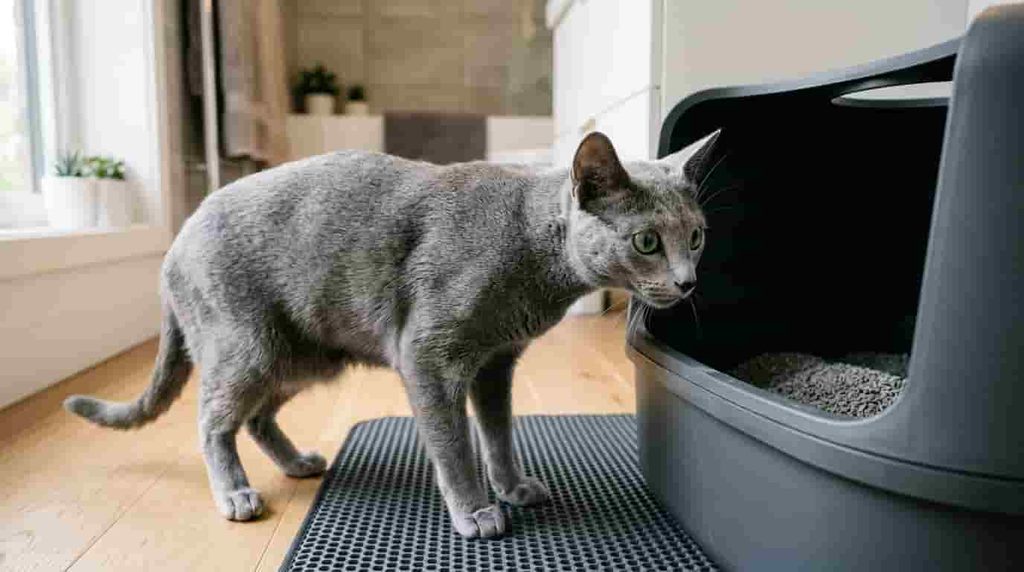
Fear is a powerful motivator. If a cat comes to view their toilet area as a trap or a source of danger, they will actively avoid it regardless of how clean it is.
A Painful Experience Can Create a Negative Association
A single bad experience while inside the litter box can instill lasting fear. If a cat suffers a sharp spasm of cystitis pain, gets startled by a loud sudden noise (such as a furnace kicking on, a door slamming, or a washing machine entering its spin cycle), or gets ambushed by a dog while trapped inside, they may forever link that location with fear and pain.
Another Cat May Be Making the Box Feel Unsafe
In multi-cat households, inter-cat dynamics are a frequent root cause of tray avoidance. A dominant or territorial cat may engage in subtle bullying—such as blocking hallways leading to the box, lurking near the tray entrance, or ambushing the other cat as they step out. If a cat feels trapped inside a covered box or backed into a corner, they will seek open toileting locations where they have a clear 360-degree view of potential threats.
Stress Can Change Toileting Behavior
Feline companion animals thrive on predictability. Significant disruptions to their environment can elevate cortisol levels and manifest as behavioral changes, including house-soiling.
Common feline stressors include:
- Moving to a new home or renovating existing space
- Arrival of a new baby, roommate, or houseguest
- Introducing a new pet into the household
- Changes to the owner’s work schedule
- Construction noise, fireworks, or thunder
While stress is a major trigger, it should never be assumed as the sole cause until medical issues have been thoroughly excluded by a professional.
Litter Box Problems That Make Cats Avoid the Box
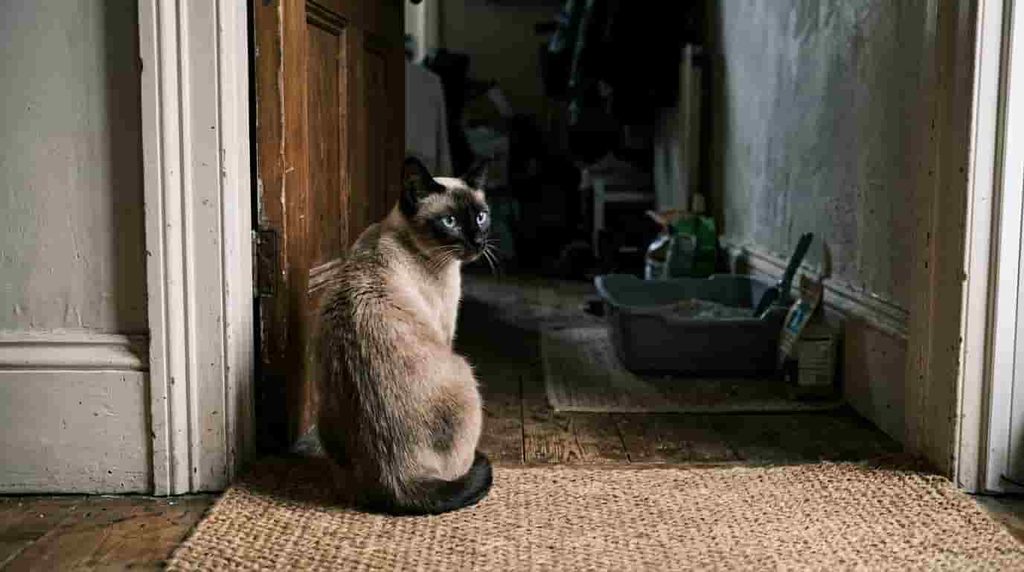
Cats are fastidious animals with precise instinctual preferences. If the physical setup of the tray fails to meet their behavioral needs, they will simply find a better alternative in your home.
The Litter Itself Changed
Cats possess highly sensitive paw pads and a keen sense of smell. Switching suddenly to a new litter brand, changing from fine clay to coarse pellets, or using heavily scented litters designed to mask odors for humans can offend a cat’s senses. Artificial fragrances like lavender or pine can be overpowering to a cat’s keen olfactory system, driving them away.
The Litter Box Is Too Dirty
A cat’s sense of smell is roughly 14 times stronger than a human’s. If waste is allowed to accumulate, the buildup of ammonia and waste odors will make the box repulsive to the cat. Expecting a cat to use a filthy box is the equivalent of expecting a human to use an uncleaned porta-potty. Daily maintenance is non-negotiable for feline hygiene.
The Box Is Too Small or Uncomfortable
Many commercially available litter boxes are simply too small for adult cats. As a general rule, a box should be at least 1.5 times the length of your cat from the nose to the tip of the tail. Covered boxes trap odors and dust, restrict airflow, and prevent large cats from fully standing up or turning around comfortably.
The Box Is in the Wrong Location
Location matters just as much as box size. Placing a litter box right next to loud, vibrating appliances (washers, dryers, water heaters), in high-traffic hallways, or in dark, isolated corners where a cat can easily be cornered can make the cat feel unsafe. Cats prefer quiet, low-traffic areas with easy escape routes.
Too Few Litter Boxes
In homes with multiple cats, a single tray is a recipe for territorial conflict and hygiene breakdown. To maintain a peaceful environment, follow the golden rule of feline management: the 1-Plus-1 Rule. You should provide one litter box per cat in your household, plus one extra box. If you want to dive deeper into proper box ratios and distribution strategies, read our full breakdown on How Many Litter Boxes Should You Have? The 1-Plus-1 Rule Explained
Why Does My Cat Suddenly Stop Using the Litter Box After a Change?
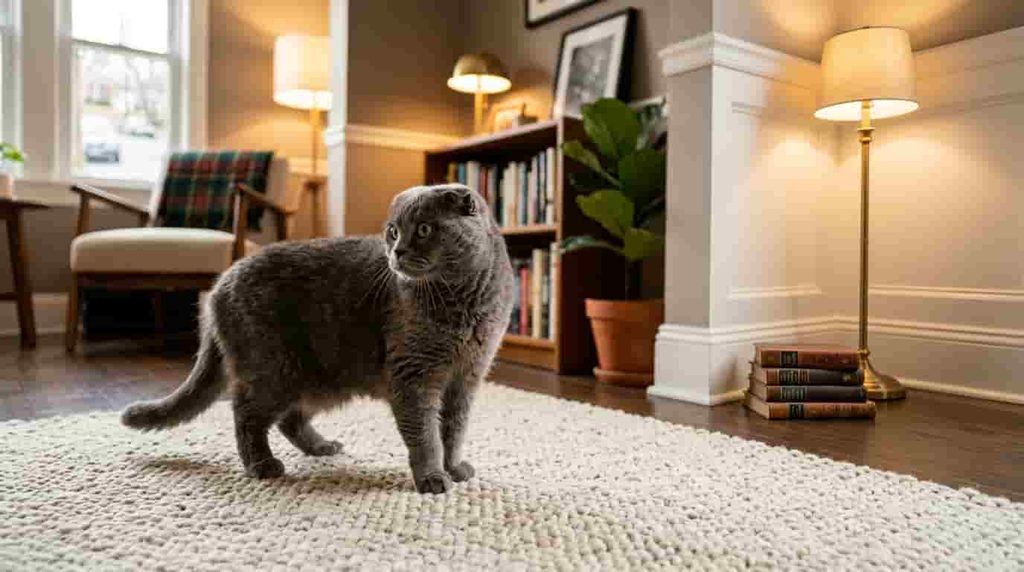
Cats are creatures of habit who bond strongly with their environment. When something in their routine or physical space changes, their toileting habits are often the first thing to falter.
Common Household Changes
Even small adjustments that seem trivial to humans can unsettle a feline:
- Switching litter brands or box styles abruptly
- Relocating the litter box to a different room
- Changing household floor cleaners or detergent scents
- Rearranging living room furniture
- Household moves or routine changes
Make Changes Gradually
To prevent environmental shock, any modification to your cat’s toilet setup should be done slowly over 7 to 10 days. If you are introducing a new litter type, mix a small amount of the new litter into the old litter, gradually increasing the ratio of new to old over a week. If you need to move a box location, shift it by just a few feet every day rather than moving it to a completely different floor overnight.
| Step | Action | Timing |
| Step 1 | Track the change (e.g., new litter, moved box, houseguest). | Day 1 |
| Step 2 | Note when the first accident occurred relative to the change. | Days 1–3 |
| Step 3 | Map where accidents happen (soft surfaces vs. near the box). | Ongoing |
| Step 4 | Revert the change immediately if accidents correlate directly. | As needed |
What If My Cat Goes to the Litter Box but Nothing Happens?
If you observe your cat repeatedly entering the tray, assuming a squatting posture, straining with great effort, but leaving behind no urine or stool, you are witnessing a critical diagnostic sign.
This pattern indicates that your cat has the urge to eliminate but is physically blocked or experiencing extreme urinary tract inflammation. Owners often misinterpret urinary straining for constipation, assuming the cat is just trying to pass hard stool. This mistake can be fatal.
Urinary blockages occur when urethral plugs, mineral crystals, or severe tissue swelling physically obstruct the urethra. As urine accumulates, pressure builds in the bladder, causing severe pain and forcing toxic metabolic waste products back into the bloodstream.
If your cat repeatedly visits the tray without producing urine, do not attempt home remedies or wait to see if it improves. Seek immediate veterinary evaluation.
How to Fix Litter Box Aversion in Cats
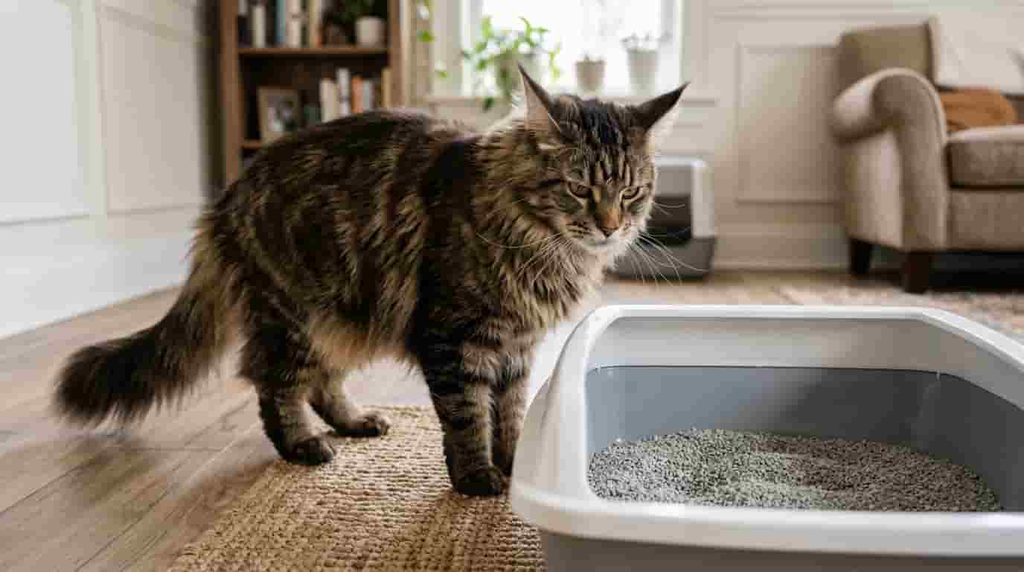
Resolving litter box aversion requires a systematic, step-by-step approach focused on addressing the underlying cause rather than addressing symptoms.
Step 1 — Rule Out Medical Problems
Always begin with a comprehensive veterinary checkup. A urinalysis, blood panel, or physical exam can quickly confirm or rule out urinary tract infections, bladder stones, kidney disease, or arthritis.
Step 2 — Make the Litter Box Easy to Use
Ensure the box physically suits your cat. Switch to open, uncovered trays that give your cat a 360-degree view of their surroundings. For senior cats or those with mobility issues, switch to shallow, low-entry boxes that do not require high stepping.
Step 3 — Keep the Box Clean
Commit to a strict cleaning regimen. Scoop waste out of the tray at least once to twice daily. Once every two to four weeks, dump the old litter completely, scrub the box with warm water and mild, unscented dish soap, dry it thoroughly, and refill it with fresh litter.
Step 4 — Review the Litter
Most domestic cats prefer fine-grained, unscented, clumping clay litter that mimics the soft sand their wild ancestors used. Avoid scented litters, coarse crystal beads, or sharp wooden pellets if your cat is displaying aversion.
Step 5 — Provide Enough Boxes
Implement the N+1 rule (number of cats plus one extra box). Ensure the boxes are spread out in different locations throughout your home rather than lined up side-by-side in a single row, which cats view as one large box.
Step 6 — Reduce Stress Around Toileting
Place boxes in quiet areas free from sudden loud noises, dog interference, or heavy foot traffic. Make sure there are multiple exit routes so a nervous cat never feels trapped while using the facilities.
Step 7 — Clean Accident Areas Properly
When accidents occur outside the box, regular household cleaners are insufficient. You must use an enzymatic cleaner specifically formulated for pet waste. Enzymatic formulas break down the uric acid crystals in feline urine, completely removing the scent markers that invite cats to re-soil the same spot.
What Not to Do When Your Cat Avoids the Litter Box
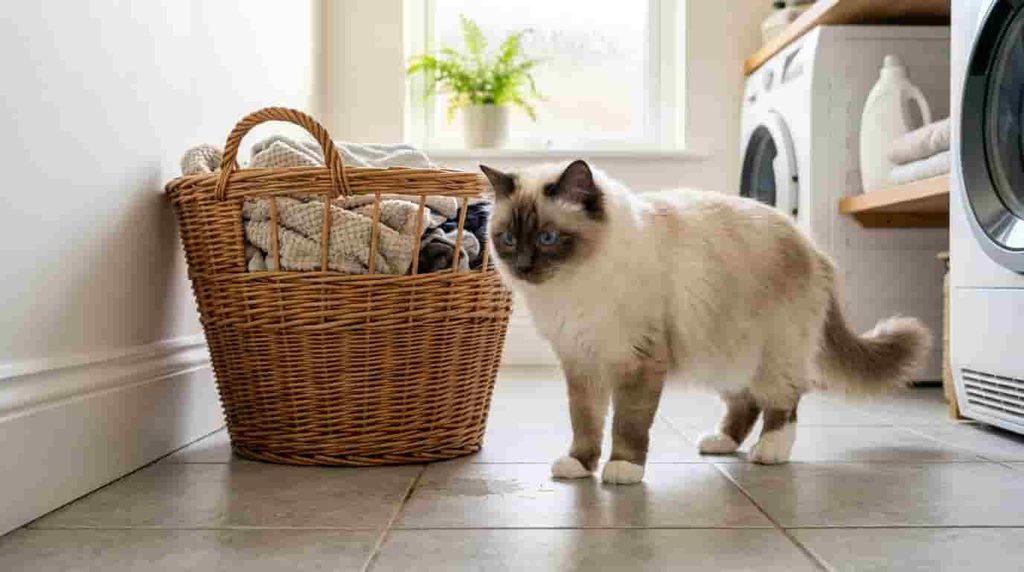
When dealing with house-soiling, avoiding common owner mistakes is just as important as implementing proper solutions.
- Never punish, yell at, or hit your cat: Physical or vocal punishment increases fear, elevates stress, and causes the cat to hide when eliminating.
- Do not rub their nose in the accident: This cruel, outdated myth does not teach the cat anything; it only makes them fear you.
- Do not physically force the cat into the tray: Forcibly holding a cat inside a box reinforces their fear and negative association with that space.
- Avoid changing multiple variables at once: Switching litter, box type, and location simultaneously makes it impossible to figure out what actually helped.
- Never use ammonia-based cleaners: Ammonia smells chemically similar to urine to a cat, which can entice them to mark the area again.
- Do not restrict access to fresh water: Restricting water in hopes of reducing urine volume leads to dangerous dehydration and worsens urinary conditions.
Where Is Your Cat Going Instead? What the Location Can Tell You
The specific locations your cat chooses for their accidents can offer valuable clues regarding the underlying trigger.
Peeing on Soft Surfaces
If your cat is targeting duvets, pile carpets, laundry baskets, or couches, they are likely seeking soft, comfortable surfaces that do not hurt their paws or splash urine back on them. If your cat is specifically targeting your bedding, read our detailed guide on Why Does My Cat Pee on My Bed? Causes and How to Stop It to uncover the exact behavioral and medical triggers behind this habit.
Urinating Beside the Litter Box
When a cat deposits urine just a few inches or feet away from their tray, they are demonstrating a desire to use the box, but something about the immediate setup is stopping them. This pattern strongly points to a dirty box, an improper litter texture, or physical pain when stepping over high box walls. If you are struggling with urine marks around your home, review our guide on Why Is My Cat Peeing Outside the Litter Box? Causes and Solutions for target strategies.
Pooping on the Floor
Defecating outside the box (inappropriate defecation) often stems from different causes than inappropriate urination. It is frequently linked to constipation, painful anal sacs, or joint pain that makes squatting in loose litter uncomfortable. If your cat is depositing solid waste on hard floors, explore the causes outlined in Why Does My Cat Poop on the Floor? Causes and How to Stop It
Repeatedly Choosing One Specific Spot
If your cat consistently targets one specific closet, rug, or corner, they have likely established a new habit based on residual odor or perceived security. Thoroughly treating that exact spot with enzymatic cleaners and placing a new litter box directly over the targeted area can help redirect them back to proper habits.
How to Tell Whether the Problem Is Medical, Environmental, or Behavioral
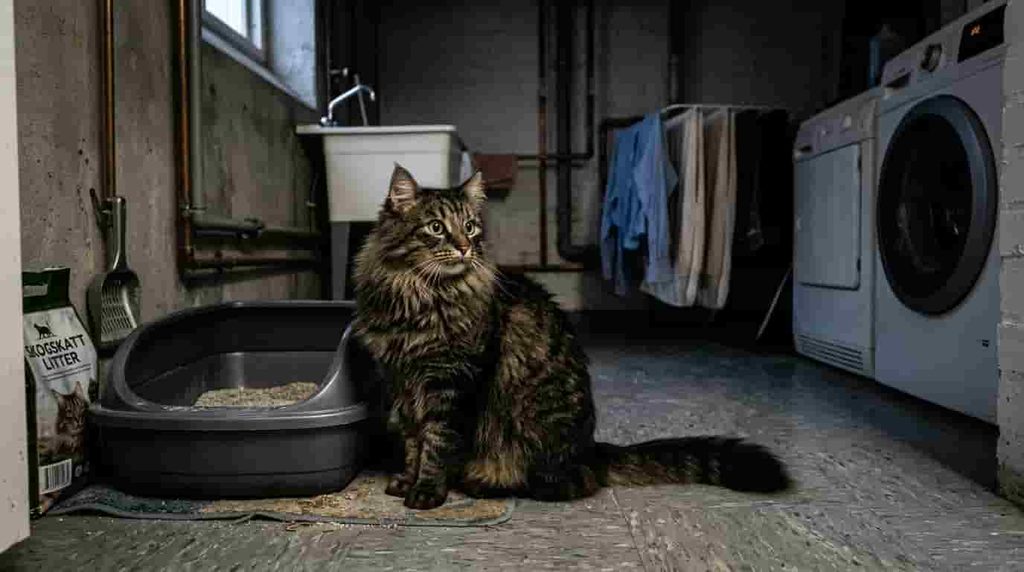
Dissecting your cat’s habits can help narrow down the cause before your veterinary appointment.
| What You Notice | Possible Explanation | Recommended Action |
| Sudden accidents plus straining/crying | Medical condition (FLUTD, crystals, infection) | Contact a veterinarian promptly. |
| Avoids a newly introduced litter/box | Substrate or hardware aversion | Revert to the previous, familiar setup. |
| Uses box only when another cat is away | Inter-cat competition / territorial blockade | Add separate boxes in independent rooms. |
| Avoids high-sided box; limps slightly | Mobility issue or arthritis pain | Switch to a low-entry, open tray. |
| Toilets outside box after a house move | Environmental stress or anxiety | Maintain routines; use synthetic feline pheromones. |
| Poops on floor but urinates in tray | Gastrointestinal pain or box cleanliness issue | Evaluate stool quality, box size, and cleanliness. |
A Simple Litter Box Reset Plan
If your veterinarian has cleared your cat of underlying health issues, follow this step-by-step checklist to reset your cat’s toileting habits.
Day-to-Day Reset Checklist
- Rule out medical emergencies: Check for straining, crying, or inability to urinate.
- Schedule a vet visit: Obtain a full physical exam and urinalysis.
- Clean all existing trays: Perform a deep scrub with warm water and unscented soap.
- Remove box hoods/covers: Convert to large, open-topped trays.
- Switch to unscented fine clumping clay: Offer the most widely accepted texture.
- Apply the 1-Plus-1 Rule: Ensure you have enough boxes placed in separate rooms.
- Optimize placement: Move boxes to quiet, low-traffic areas with easy escape routes.
- Enzymatically treat all accident zones: Remove all deep-seated urine scents from carpets and furniture.
- Monitor progress: Keep a daily log of box visits, urine volume, and accident locations.
When Should You Call the Vet?
While environmental tweaks solve many toileting issues, medical evaluation remains the primary line of defense.
Contact your veterinarian immediately if you notice:
- Any sudden, unexplained shift in elimination habits
- Visible blood in urine or stool
- Straining, crying, or signs of pain while eliminating
- Increased drinking accompanied by heavy urination
- Lethargy, vomiting, or loss of appetite
- Persistent house-soiling that resists environmental adjustments
Never monitor a cat at home if they are repeatedly visiting the tray without producing urine. Urethral obstructions can escalate to fatal metabolic crises in under 48 hours.
Conclusion
When asking yourself, “Why Does My Cat Suddenly Hate the Litter Box,” remember that your cat is not acting out of malice or spite. A sudden refusal to use the tray is a clear signal that your cat is experiencing physical discomfort, environmental frustration, or stress.
By systematically addressing potential medical causes first, maintaining high cleanliness standards, selecting comfortable litters, and minimizing household stress, you can successfully resolve litter box aversion. With patience, empathy, and proper veterinary support, you can help your feline companion feel safe and comfortable using their box once again.
What recent changes occurred before your cat stopped using their tray? Which litter box adjustments made the biggest difference for your home? Share your experiences and questions in the comments below!
FAQ
Why does my cat suddenly hate the litter box?
A cat may suddenly avoid their litter box due to underlying medical conditions like urinary tract infections, changes in litter texture or box location, dirty conditions, or environmental stress. Physical pain associated with elimination often creates a quick negative association with the tray. Ruling out health issues with a veterinarian is always the first step.
Why does my cat not like the litter box anymore?
Cats often reject a previously loved litter box if it has become dirty, if a covered lid traps unpleasant odors, or if they have outgrown its dimensions. Negative experiences, such as being startled by loud noises or ambushed by another pet while inside, can also cause them to reject the box.
Why does my cat suddenly stop using the litter box?
Sudden avoidance usually indicates an acute medical issue, such as feline idiopathic cystitis or urinary crystals, or a sudden environmental shock like a new household pet, move, or litter brand change. Because acute urinary blockages can be life-threatening, sudden changes warrant prompt attention.
Why is my cat suddenly refusing to use the litter box?
Refusal to use the tray typically stems from physical pain during elimination or feeling trapped and unsafe in the box’s current location. Older cats may also refuse high-sided boxes due to onset joint pain or arthritis.
How can I fix litter box aversion in cats?
Fix litter box aversion by ruling out medical issues with a vet, providing large, open-topped boxes, and switching to fine, unscented clumping clay litter. Clean the tray daily, place boxes in quiet locations following the 1-plus-1 rule, and clean all past accident sites with enzymatic cleaners.