

9 Hidden Powers Behind Cat Ears
Introduction:
Cats ears often twitch when you walk into a room. You might wonder if they hear your footsteps long before you arrive. This unique ability relies on more than just good hearing.
Your pet uses these complex structures for survival, communication, and navigation. Most owners overlook the incredible mechanics behind these fuzzy triangles. You will soon see your cat in a new light.
How Cats Ears Function Like Radar Dishes

Cats ears act like highly sensitive radar dishes. Each one contains 32 muscles that allow it to rotate 180 degrees. This movement helps them pinpoint exact sound locations without moving their heads.
Furthermore, they detect frequencies far beyond our range. We often miss the tiny sounds that keep a cat alert. If you want to understand why they seem so hyperaware, read 7 Reasons Cats Always Hear You Coming.
These tools provide an edge in the wild. A cat processes sound waves with incredible speed and accuracy. They filter out background noise to focus on a single mouse rustling in the grass.
The Science of Feline Hearing

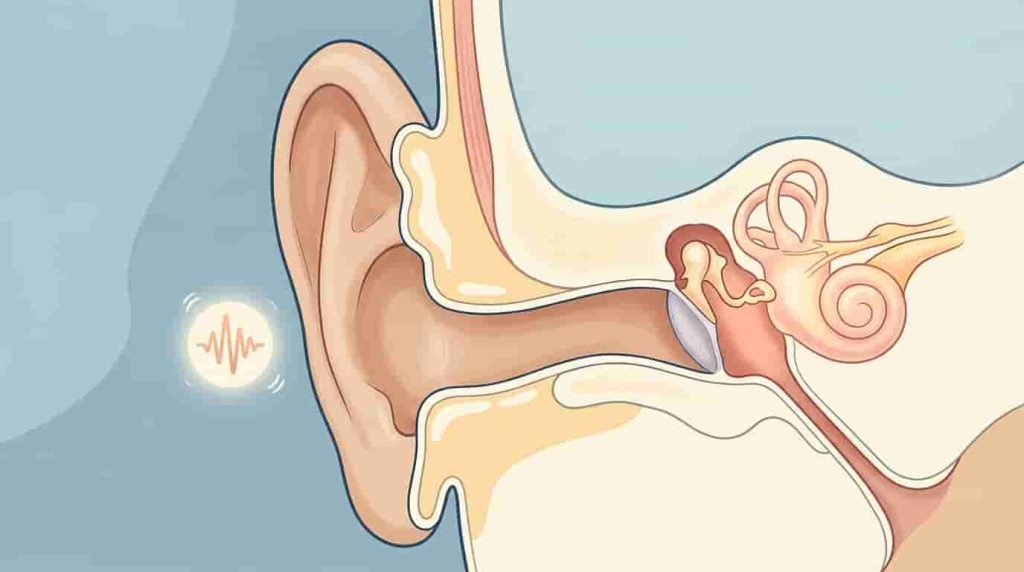
Understanding cat ear anatomy reveals why they react so quickly. The outer ear or pinna acts as a funnel for sound waves. It directs vibrations deep into the inner canal.
Additionally, the structure amplifies quiet sounds significantly. This design helps them hunt efficiently in low light conditions. You might notice your cat flicking their ears toward a specific noise.
They constantly monitor their environment for potential threats or prey. This natural design explains why your cat notices a treat bag opening from two rooms away. Learn more about the sounds they detect by checking out 7 Sounds Cats Can Hear That Humans Never Will.
9 Hidden Powers of Your Cat
Many people view their pet as just a companion. However, these animals possess hidden skills linked to their hearing. Here are nine remarkable powers behind their anatomy.
- Independent Rotation: They move each ear separately to track multiple sounds.
- Ultrasonic Detection: They hear frequencies up to 64,000 Hertz.
- Balance Control: The inner ear contains fluid that regulates their famous agility.
- Mood Signaling: The position of cats ears tells you exactly how they feel.
- Distance Calculation: They process time delays between ears to judge distance perfectly.
- Vibration Sensing: They feel subtle ground movements through their sensitive ears.
- Hunting Precision: They lock onto prey locations with pinpoint accuracy.
- Thermal Regulation: Thin skin on the ears helps them release excess body heat.
- Social Awareness: They use ear signals to communicate intentions to other cats.
You can learn about specific sounds that get their attention in 5 Sounds That Instantly Grab A Cat’s Attention.
Prioritizing Feline Ear Health

You must protect these sensitive instruments to ensure your cat stays happy. Consistent cat ear care keeps them functioning at their best. Dirt or wax buildup often leads to discomfort.
Many owners ignore these signs until they become serious. You should inspect them weekly for any unusual odor or redness. These steps help prevent common ear issues in cats from getting worse.
According to VCA Animal Hospitals, regular exams help detect problems early. Always consult your veterinarian if you notice constant scratching. They provide the best guidance for managing your pet’s needs.
Recognizing Symptoms of Cat Ear Problems
Cats often hide pain well. However, you can spot early symptoms of cat ear problems by watching their behavior. Constant head shaking serves as a major warning sign.
You might also see dark debris inside the canal. This debris often indicates ear mites in cats or a bacterial infection. Never insert anything deep into the canal while cleaning cat ears.
Use a gentle, vet approved solution on a cotton ball. Wipe only the visible parts of the ear flap. Forceful cleaning causes irritation and may damage delicate tissue.
Managing Common Ear Infections

Many cats face challenges like an ear infection in cats at some point. Allergies or mites often trigger these painful conditions. You need to identify the cause to choose the right treatment.
Treating cat ear issues requires professional diagnosis. Your vet may prescribe drops or systemic medication depending on the severity. Do not try home remedies without expert advice.
Additionally, keep your home environment clean to reduce allergens. Many cats suffer from seasonal sensitivities that affect their ears. Watch for signs like discharge or swelling near the base.
Proactive Cat Ear Care Tips
Consistent routines save you money and keep your cat comfortable. Follow these simple cat ear care tips to maintain their health. First, introduce the cleaning process slowly to build trust.
Use treats to reward your cat for staying calm. Furthermore, never rush the inspection process during your weekly check. Patience ensures a stress-free experience for both you and your pet.
Finally, keep a record of your cat’s ear health. Note any changes in behavior or appearance in a small notebook. This information helps your vet track their wellness over time.
Conclusion
Your cats ears perform complex tasks every single day. From tracking prey to signaling moods, they serve as vital sensory tools. Protecting them requires regular attention and care from you.
Always monitor for symptoms of ear problems in cats to prevent long term damage. By following basic guidelines for caring for your cat’s ears, you ensure a long and healthy life.
Have you noticed your cat doing something strange with their ears lately? Please share your story or questions in the comments below.
Frequently Asked Questions
Look for persistent scratching, head shaking, or a bad odor coming from the ears. You might also notice dark discharge or redness inside the ear canal.
Yes, you can gently wipe the outer ear flap with a soft cloth or cotton ball. Avoid poking anything deep into the ear canal to prevent injury.
Ear mites often look like coffee grounds inside the ear. These tiny parasites cause intense itching and lead your cat to shake their head often.
Cats use their ear muscles to funnel sound waves toward their inner ear. This rotation helps them pinpoint the exact location of a sound quickly.
Visit your vet if you notice discharge, swelling, or if your cat seems in pain. Early treatment stops minor issues from turning into severe infections.