Cat Ancient Egypt: Why they were worshipped as gods.
Introduction:
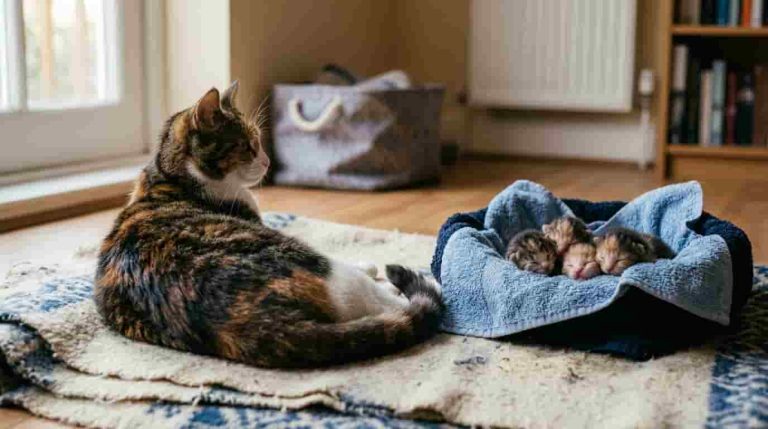
Cat Ancient Egypt mysteries often fascinate modern pet parents who notice their own pets acting like tiny kings. Many owners watch their felines look down from a tall refrigerator with a Regal air of complete superiority.
Consequently, we often joke that our domestic animals think they still rule the world as divine beings. This historical connection runs incredibly deep because a great ancient civilization cats revered actually granted them supreme religious status.
Therefore, you should explore this incredible history of cats in egypt to appreciate your own pet’s royal roots. This detailed guide will show you exactly how these animals captured the hearts of powerful pharaohs.
Cat Ancient Egypt and the Golden Age of Felines
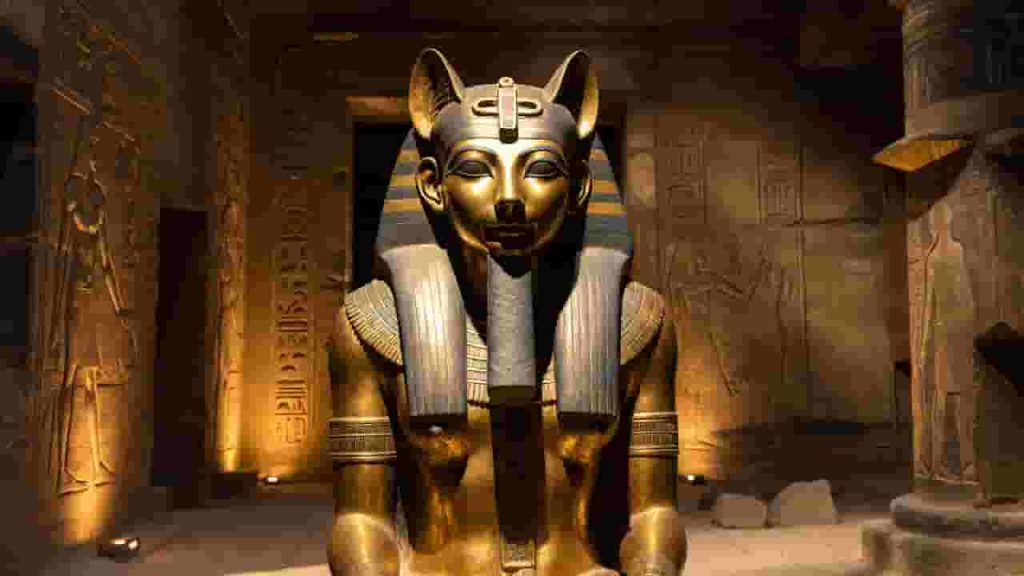
The unique historical narrative of Cat Ancient Egypt reveals a society that deeply integrated animals into daily spiritual practices. These beautiful creatures did not simply survive on the fringes of human settlements as wild scavengers.
Instead, citizens welcomed these feline companions in ancient egypt directly into their homes, temples, and royal palaces. This welcoming attitude laid the firm foundation for centuries of widespread egyptian cat worship across the Nile valley.
Furthermore, people valued these animals because they successfully protected the public grain stores from dangerous mice and venomous cobras. This practical farming assistance quickly elevated their status from simple working animals to revered protectors of human life.
If a family home caught fire, the owners would save their precious cat before rescuing themselves from the flames. This intense dedication shows the immense value people placed on their furry friends during this amazing historical period.
Exploring the Divine Power of the Bastet Goddess
The spiritual core of this ancient egyptian culture cats movement centered on a powerful, loving deity. People worshipped the famous bastet goddess who represented fertility, domestic joy, home protection, and wonderful good fortune.
Initially, artists portrayed this popular bastet deity as a fierce lioness that defended the pharaoh during intense battles. However, regular citizens slowly transformed her image over time into a gentle, loving domestic mother feline.
Additionally, families bought small amulets shaped like cats to invoke her protective blessings for their young children. They believed these tiny charms could ward off evil spirits and prevent dangerous contagious illnesses from entering the household.
As a result, the majestic sacred cats of egypt became living symbols of divine grace on the earth. This incredible reverence contrasts sharply with how modern families calculate the basic financial Cat Food Math each month.
Ancient people did not care about the physical cost of feeding these animals because they valued spiritual safety above money. They willingly shared their best fish and milk with their furry protectors every single day.
The Symbolic Role Cats Played in Daily Art
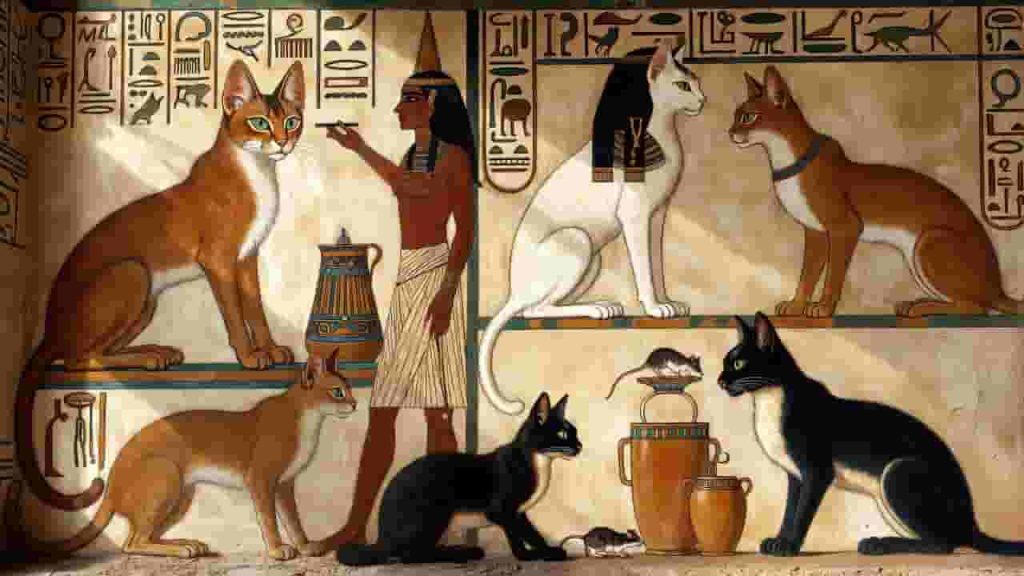
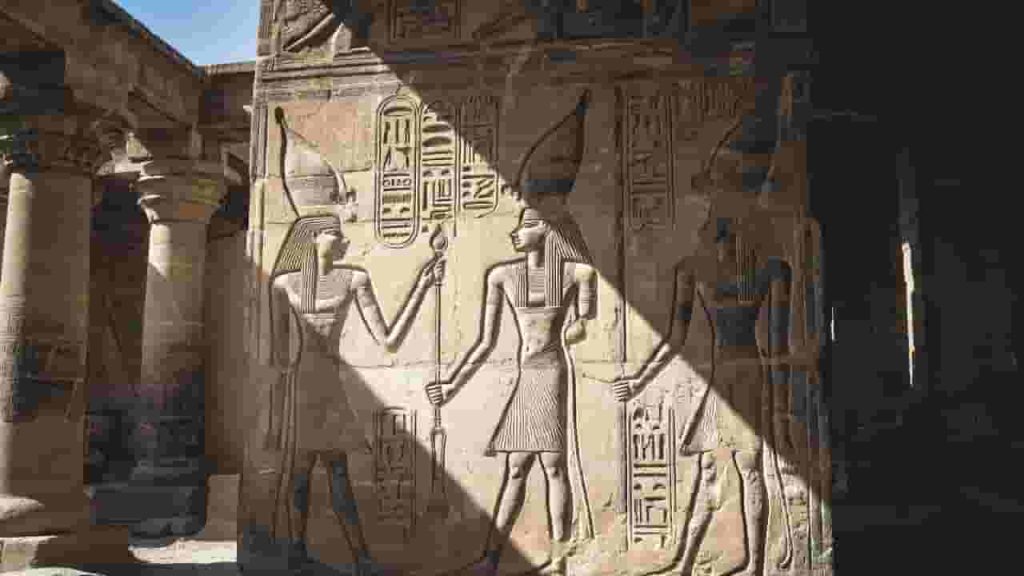
Artists across the Nile kingdom captured the sleek beauty of these animals in various creative mediums. You can find stunning examples of cats in egyptian art inside almost every major royal tomb and temple ruin.
For instance, painters showed pharaohs’ cat companions sitting proudly beneath elaborate wooden banquet chairs during grand royal feasts. These highly detailed images demonstrated the high social status that the pharaoh’s pet enjoyed within the royal court.
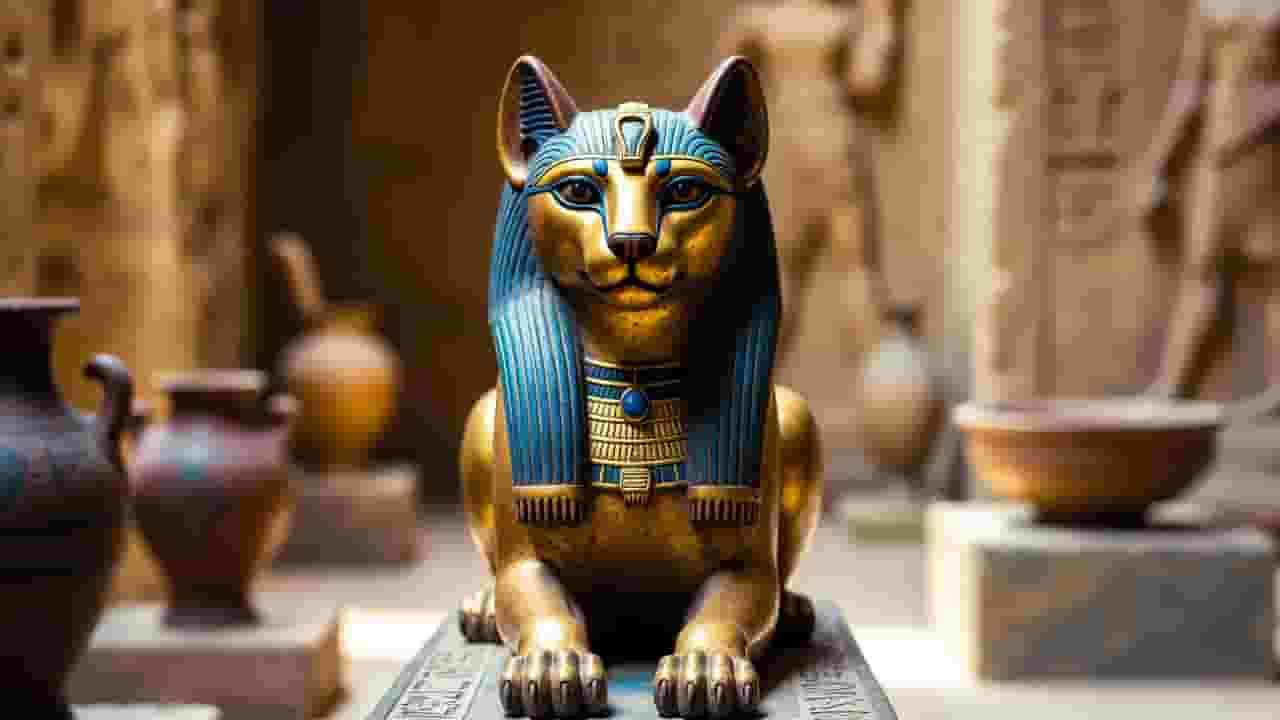
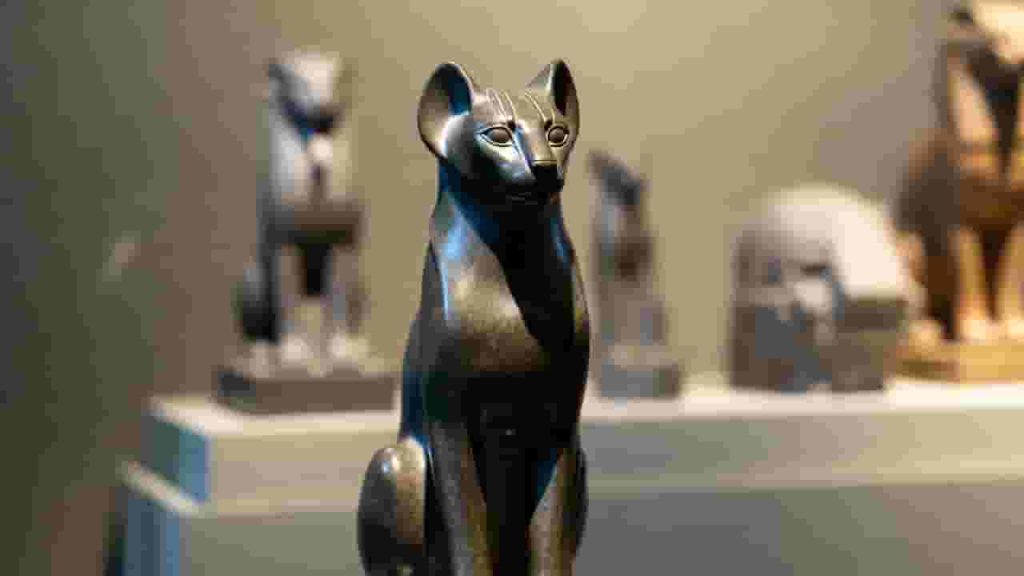
Furthermore, sculptors carved beautiful statues from expensive black bronze and smooth limestone to decorate massive temple courtyards. These artists carefully detailed the animals’ graceful muscles, long tails, and large, expressive eyes with incredible precision.
They also adorned these statues with real gold earrings, silver nose rings, and beautiful beaded necklaces. This artistic attention proved that the society viewed the animal as a truly majestic and sacred animal egypt adored.
Additionally, this rich artistic tradition helped spread the popularity of the animal across different social classes in the country. Everyone from poor farmers to wealthy rulers wanted to display their deep love for felines publicly.
Understanding the Creation of Sacred Cat Mummies
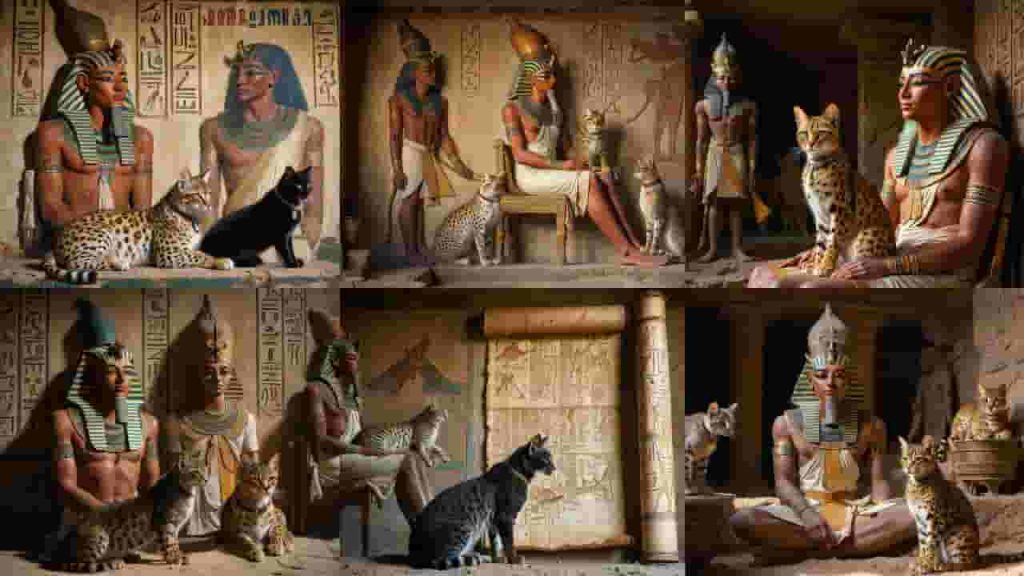
The deep spiritual love for these creatures extended far beyond their natural physical lives on the earth. When a family pet died, the grieving owners would shave their own eyebrows as a public sign of deep sorrow.
Next, they carefully sent the animal’s body to professional embalmers who created elaborate, beautifully wrapped cat mummies. This preservation process allowed the beloved pet to enter the afterlife safely alongside its human family members.
Furthermore, pilgrims traveling to holy cities purchased these mummies as sacred votive offerings for the temple gods. Archaeologists have discovered millions of these preserved specimens buried inside massive, dedicated underground brick tombs.
According to historical research from the Cornell University College of Veterinary Medicine, this extensive preservation practice shows how deeply the culture valued long term feline health. They believed that preserving the physical body ensured the eternal survival of the animal’s sweet spirit.
This unique burial custom highlights the unmatched historical significance cats held within this highly spiritual society. No other ancient civilization treated domestic felines with such incredible medical care and religious devotion after death.
Pharaohs and Their Imperial Feline Companions
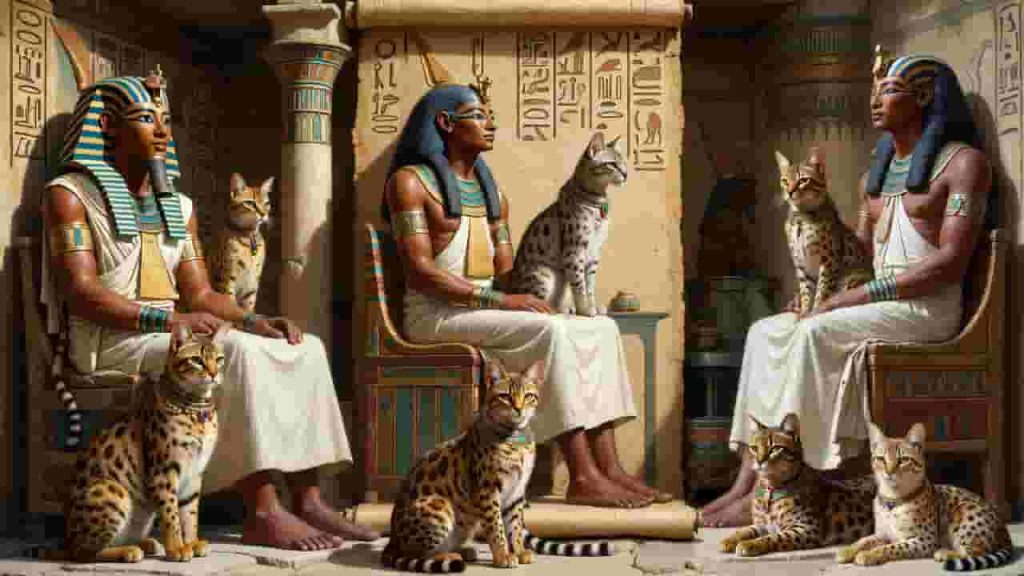
The highest leaders of the land set a powerful example for the public regarding animal care. Great pharaohs and their pet cats shared a very close bond that influenced the laws of the entire nation.
Specifically, harming an Egyptian cat was a supreme crime that carried an immediate sentence of death. Even accidentally harming an animal could provoke an angry riot among the local citizens in any village.
Furthermore, rulers frequently fed their imperial companions from gold platters filled with expensive meats directly from the royal kitchen. This luxury treatment ensured that the pharaohs’ cat companions lived better lives than most average human citizens.
Consider how modern shelters rely heavily on a strong Cat Rescue Support network to help abandoned animals today. In sharp contrast, ancient egyptian cats never faced homelessness because the law required citizens to feed every stray.
Rulers viewed the welfare of local felines as a direct reflection of the nation’s overall spiritual health. Therefore, they protected the animals through strict royal decrees that kept the feline population safe and prosperous.
The Lasting Legacy of Ancient Egyptian Felines
The profound impact of this ancient civilization cats movement continues to shape our modern world today. Many of our current beliefs about feline mystery and independence stem directly from these old mythological stories.
For example, we still marvel at the incredible physical feats and long lifespans of our modern domestic companions. You can discover some of these amazing traits by reading about Cat World Records today.
Furthermore, genetic scientists believe that these ancient egypt felines directly passed their DNA down to our current pets. The beautiful African wildcat slowly transformed into the friendly, affectionate domestic animals that sleep on our beds tonight.
Therefore, your small tabby cat carries a majestic lineage that once ruled over vast desert kingdoms. This historical connection makes our daily interactions with our pets feel much more meaningful and magical.
When you look into your pet’s bright eyes, you are viewing the same gaze that captivated ancient kings. We should continue to honor this legacy by providing our companions with excellent care and love.
Ancient Egyptian Feline Hierarchy
| Feline Class | Primary Role | Social Privilege |
| Temple Guardians | Protecting sacred spaces | Adorned with real gold jewelry |
| Pharaoh’s Pets | Company for royalty | Fed from solid gold platters |
| Domestic Companions | Hunting home rodents | Preserved as mummies after death |
| Wild Felines | Controlling field pests | Protected by strict imperial laws |
Conclusion
Studying Cat Ancient Egypt history helps us realize that our current obsession with felines is nothing new. These beautiful, intelligent animals have captivated human hearts and inspired divine worship for thousands of years. By looking back at this unique history, we can appreciate the royal nature of our own companions today.
Please share your thoughts about this amazing history of Cat Ancient Egypt in the comments section below. Do you think your own furry king or queen secretly remembers their days of being worshipped as gods? Your real-life stories can help our pet community celebrate the long, rich history of our favorite animals.
Frequently Asked Questions
People worshipped her because she represented the essential qualities of home protection, fertility, and maternal love. She shielded families from evil spirits and kept dangerous vermin away from the precious food supplies.
Anyone who harmed a feline faced the immediate punishment of death under strict imperial laws. Citizens guarded these animals fiercely and would execute offenders on the spot to appease the gods.
Embalmers carefully wrapped the bodies in fine linen and treated them with fragrant spices to create cat mummies. This elaborate process allowed the animal’s spirit to live happily in the afterlife forever.
Yes, pharaohs kept many felines as pampered companions inside their large palaces to show their high status. These royal pets wore expensive jewelry and ate premium food from expensive dishes every day.
Felines naturally approached human settlements because the grain stores attracted large numbers of mice and rats. Farmers welcomed the helpful hunters into their homes, which started a long relationship of love.