
Cat Ear Twitches: What those subtle ear movements actually say.
Introduction:
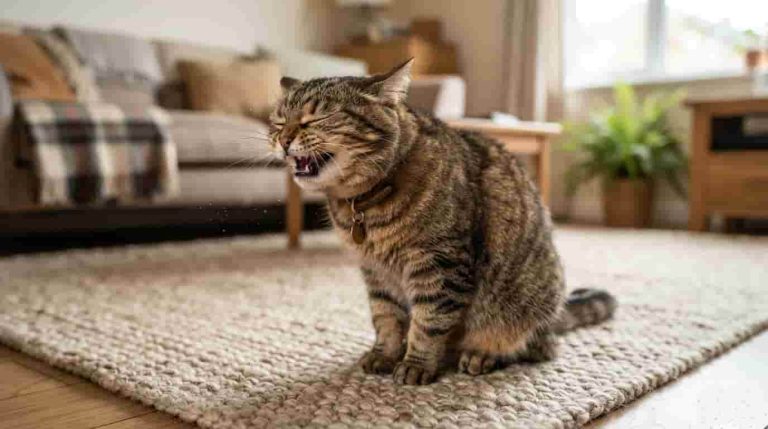
Cat Ear Twitches serve as a vital communication channel for domestic felines trying to express their internal emotional states. Have you ever noticed your sleeping pet suddenly flicker its pinnae while resting peacefully on the living room sofa? Many owners overlook these tiny vibrations because they assume their animals are simply reacting to passing house flies. Therefore, decoding the true meaning behind sudden Cat Ear Twitches helps you understand your favorite pet on a deeper level.
This detailed guide will analyze how various muscle contractions reveal hidden feelings, environmental awareness, and underlying health status. First, we will decode how micro movements fit into the broader system of understanding cat body language patterns. Next, you will learn to separate normal behavioral reactions from serious medical symptoms of cat ear twitching issues. Finally, we will share practical pet care tips to ensure your feline companion enjoys excellent comfort every day.
Protecting your pet requires learning the subtle feline communication cues that happen right before sudden behavioral changes occur. Let us look closely at how Cat Ear Twitches help you read your domestic animal like a true expert.
Cat Ear Twitches: Interpreting Basic Feline Communication Cues
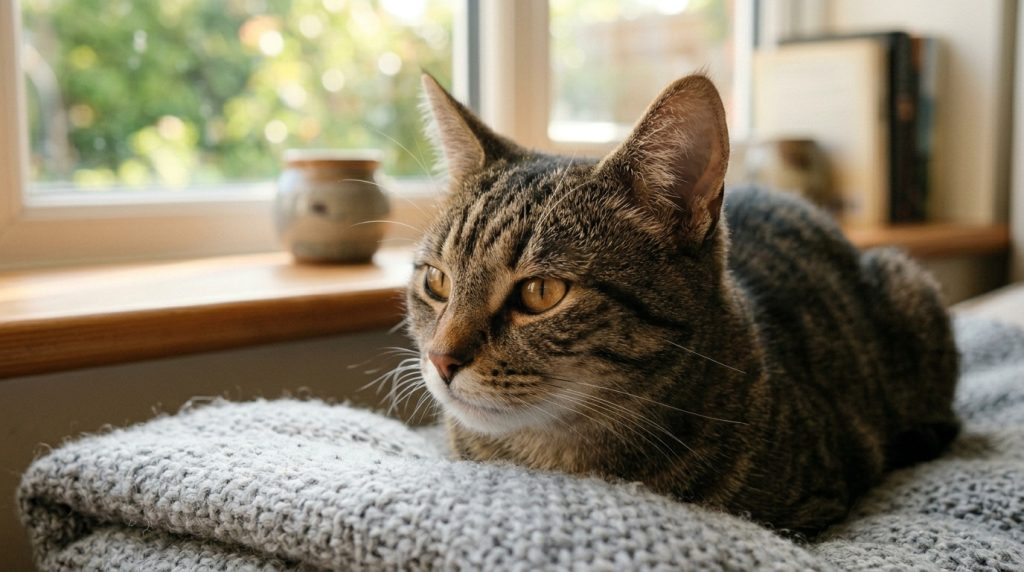
Analyzing the hidden meaning of Cat Ear Twitches requires a strong foundation in understanding cat ear movements completely. Felines possess over thirty individual muscles in each ear flap, allowing them to rotate their pinnas 180 degrees independently. This incredible physical flexibility helps them track tiny sounds while focusing their eyes on a completely different area. Therefore, a sudden kitty ear reflex often just means your pet caught the sound of a distant bird outside.
Additionally, fast back and forth movements indicate that an animal is currently processing a complex environmental situation. This fast rotation shows high mental alertness and helps the animal calculate its next physical move quite precisely. Many people think their pets are totally relaxed just because they are sitting quietly in a sunny window spot.
However, a flickering ear tip proves the animal is actively monitoring the entire room for any unexpected changes. This constant tracking behavior shows why reading Cat Ear Twitches remains a vital skill for every smart owner. Let us examine how different movement styles match up with common emotional states in your home.
| Ear Position Style | Primary Muscle Movement | Main Emotional Meaning |
| Upright and Forward | Still with occasional tiny front tips | Calm interest or happy anticipation |
| Flattened Side Ways | Drooping low in an airplane shape | High fear or defensive anger signs |
| Quick Rapid Flickers | Fast back and forth twitching motions | High irritation or sensory overload |
Connecting Ear Positions to Complex Feline Behavior Patterns
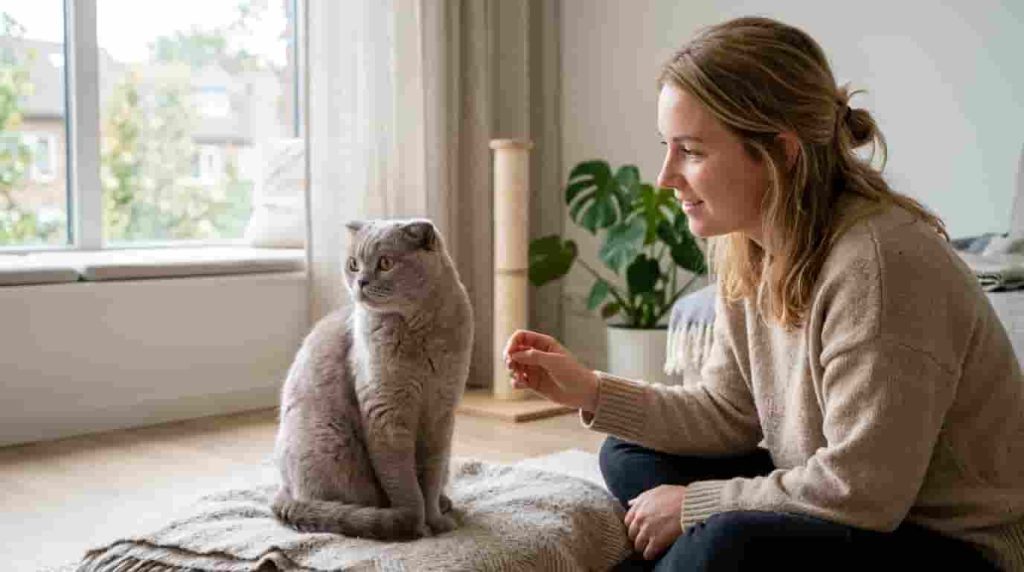
Spotting regular Cat Ear Twitches can help you predict exactly when an animal is shifting from play to irritation. For instance, your pet might flicker its ears rapidly when you stroke their fur for too long a time. This specific feline ear movement acts as a polite warning sign that the animal experiences intense physical overstimulation. If you ignore this subtle signal, your pet might turn around and use its teeth on your hand.
To understand this reaction better, look at our post on Cat Biting Softly: Understanding the meaning of love bites for behavioral context. Stopping your petting session when the ears first twitch prevents these painful defensive bites from happening inside your home. Furthermore, you will notice similar rapid vibrations when your companion spots a target during indoor hunting games.
Active felines will focus their pinnae forward while the very tips vibrate with intense joy before a pounce. To help satisfy this natural drive safely, discover our tips on Cat Hunting Instincts: How to satisfy their need to kill indoor toys today. Matching your games to these natural cat behavior ear twitching signs keeps your pet happy and well adjusted.
Managing Social Tension in Multi Pet Households Smoothly

Tracking ear signals helps you stop territorial arguments between different household animals before real fighting breaks out. If you notice one animal flattening its ears while facing a housemate, you must intervene to lower the stress. For excellent household advice, check our guide on Cat Territory Marking: How to stop spraying inside the house right away. Resolving these social disputes quickly protects your walls and keeps the entire home environment completely peaceful.
Causes of Cat Ear Twitching: Behavioral vs Medical Issues

Differentiating standard Cat Ear Twitches from medical problems requires looking at how often the physical movement happens. While occasional flickers are normal, continuous shaking combined with frantic paw scratching shows a real health issue is present. According to clinical veterinary health reports published by VCA Animal Hospitals, tiny ear mites cause severe inflammation inside feline canals.
Therefore, recognizing the secondary symptoms of cat ear twitching helps you stop minor bugs from turning into deep infections. If you notice dark coffee ground discharge inside the canal, you are dealing with a live mite infestation. These microscopic parasites bite the sensitive skin lining, forcing your poor pet to shake its head constantly for relief.
As a result, your domestic companion might scratch the area until it bleeds, creating deep scabs around the face. This painful situation shows why tracking baseline cat health signs is an essential duty for every pet parent. Let us look at how professional veterinarians diagnose and treat these common canal problems.
How to Treat Cat Ear Twitching Caused by Infections
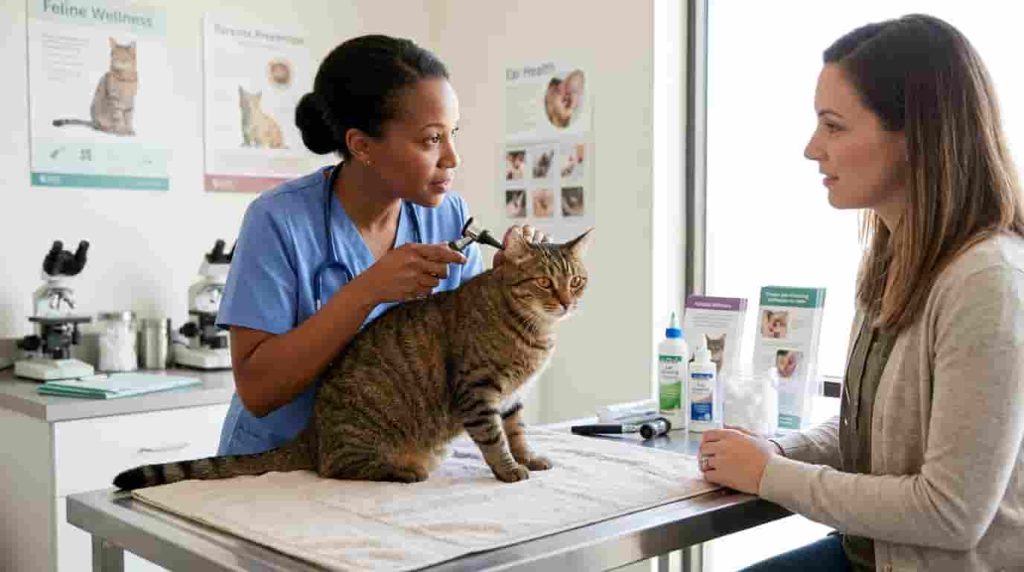
Managing severe cat ear problems requires a professional medical diagnosis from a licensed veterinarian rather than guessing at home. Never stick cotton cotton swabs down into the ear canal because you can easily puncture the delicate eardrum. Instead, your vet will use an otoscope to look deep inside the canal to identify the true issue. Once they find the root causes of cat ear twitching, they will prescribe target medication drops to clear things up.
For example, a local owner named Amina noticed her white cat twitching its left ear for three straight days. She took the pet to the clinic, where the doctor discovered a deep bacterial infection caused by trapped moisture. The vet cleaned the canal and prescribed soothing antibiotic drops to resolve the uncomfortable swelling within a week.
This real life example shows why seeking professional help is the safest path for managing cat ear issues. Following the complete medication schedule guarantees that the harmful bacteria are totally wiped out before you stop the treatment. Let us look at how to implement a safe cleaning routine to protect your companion long term.
When to See a Vet for Cat Ear Twitching Emergencies

You must seek urgent veterinary care if your pet develops a noticeable head tilt alongside chronic ear twitches. This specific posture shift often points to a deep middle ear infection or an unexpected neurological health issue. Acting quickly prevents permanent balance loss and stops the illness from spreading deeper into the skull of your pet.
Cleaning the Outer Ear Flap Safely at Home
Maintaining daily cat ear health involves checking the outer skin layer for cleanliness during your regular grooming sessions. You can use a damp warm washcloth to wipe away surface dirt from the pink tissue very gently. This simple grooming habit helps you spot tiny ticks or scratches before they cause major irritation to occur.
Long Term Care Habits for Optimal Feline Hearing Safety
Preventing future Cat Ear Twitches caused by medical pain involves keeping your indoor home environment clean and dust free. You must vacuum your rugs regularly to eliminate seasonal pollen grains that cause allergic ear swelling in sensitive pets. Furthermore, keep chemical floor cleaners locked away because harsh vapors can irritate the sensitive lining of feline ears.
Investing a few minutes into daily body checks allows you to catch subtle interpreting cat gestures before they escalate. Taking these active steps helps you understand when a twitch is just communication and when it means pain.
Your steady attention ensures your favorite animal enjoys clear hearing and remains completely comfortable through every single season. Let us review the primary checklist for keeping the auditory system of your pet in perfect condition today.
- Check the interior canals weekly for any sour odors or dark wax buildup.
- Apply veterinarian approved flea prevention drops to block ear mite infestations entirely.
- Dry the head area thoroughly with a soft towel after your pet gets wet.
- Keep household stereo speakers turned down low to protect sensitive feline eardrums.
Conclusion
In conclusion, reading Cat Ear Twitches correctly requires an active balance of behavioral observation and regular medical health screening habits. By learning to identify normal hunting movements, you can understand the silent language your pet uses every day. These small observations allow you to respond to overstimulation before it turns into aggressive household scratching or biting behavior.
Always check the internal canals for signs of redness or dark debris whenever the twitching becomes a continuous habit. Your quick actions will save your animal companion from the hidden misery of parasitic mites and painful internal infections. With a clear understanding of Cat Ear Twitches, you can keep your pet happy, safe, and emotionally secure.
Have you noticed your companion twitching its ears to show irritation during your morning grooming sessions? Please share your personal observations and drop your unique body language questions in the comment section down below!
Frequently Asked Questions
Your pet is executing a basic kitty ear reflex to track the exact direction of your human voice. They rotate their pinnae toward the sound waves to listen closely to your tone without needing to move their head.
The main signs include constant head shaking, frantic paw scratching, and a strong sour smell coming from the ears. You will also notice a dark crumbly discharge that looks exactly like old coffee grounds inside the canal.
You should never try to treat a medical ear twitch at home without professional veterinary guidance and proper tools. Home remedies like pouring olive oil down the canal can trap bacteria and make the internal infection much worse.
You should see a vet if the twitching continues for more than twenty four hours or includes red swelling. Urgent care is also required if your pet develops a persistent head tilt or cries when you touch its ears.
Yes, environmental allergies to food or floating dust particles can cause intense itching inside the delicate ear tissue. This systemic irritation forces the animal to twitch its ears frequently in a vain attempt to stop the deep itch.