Why Is My Cat Sneezing? Causes, Remedies and When to Worry
Introduction:
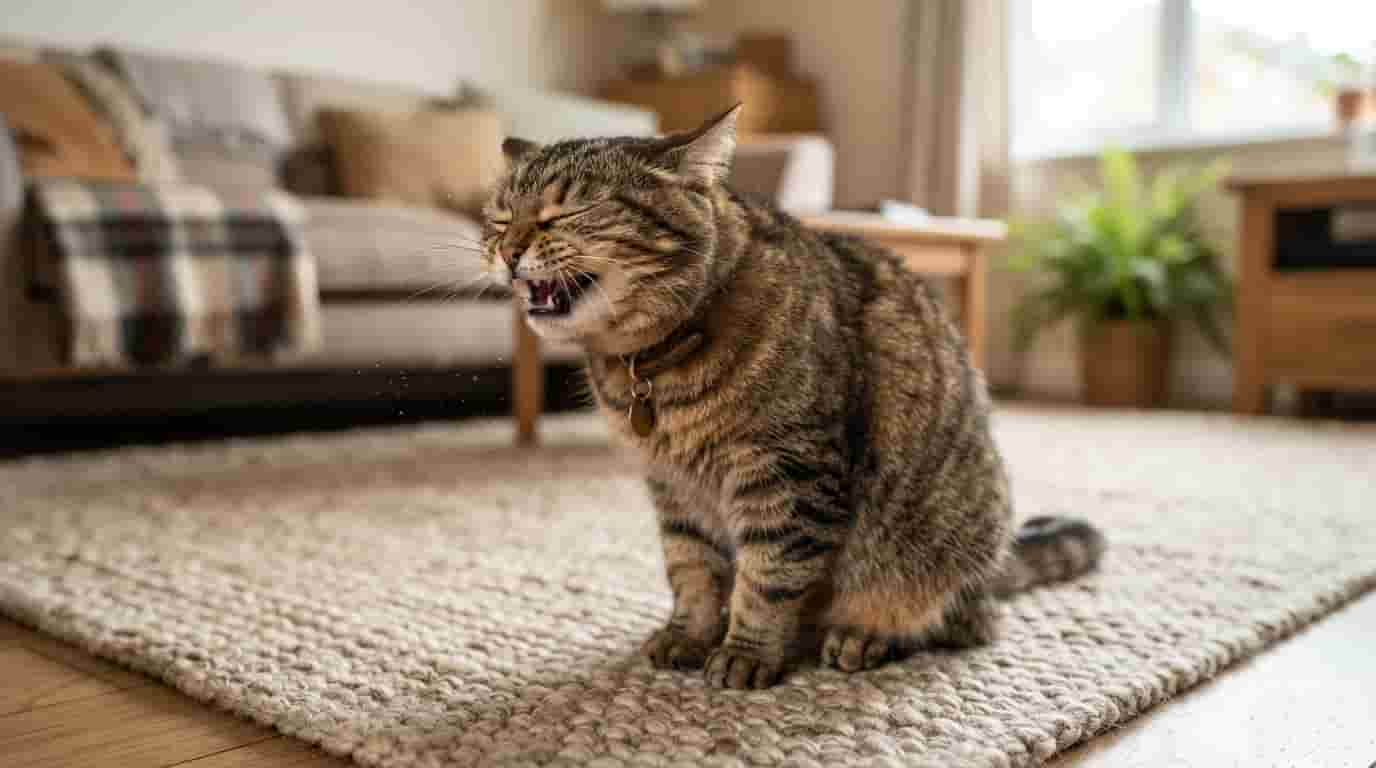
Why Is My Cat Sneezing? It is a question every cat owner may ask at some point. Occasional sneezing in cats can be completely normal, much like it is in humans. However, repeated or persistent sneezing may indicate underlying irritation, infection, allergies, or another health problem. When a simple “choo” turns into an ongoing issue, pet parents need to know what is normal and when to seek help.
Sneezing becomes much more concerning when accompanied by associated symptoms such as a runny nose, watery eyes, nasal discharge, poor appetite, lethargy, or breathing problems. This comprehensive guide will explain the most common cat sneezing causes, help you determine whether the sneezing is serious, share safe things you can do at home, and outline exactly when to see a veterinarian.
Why Is My Cat Sneezing?
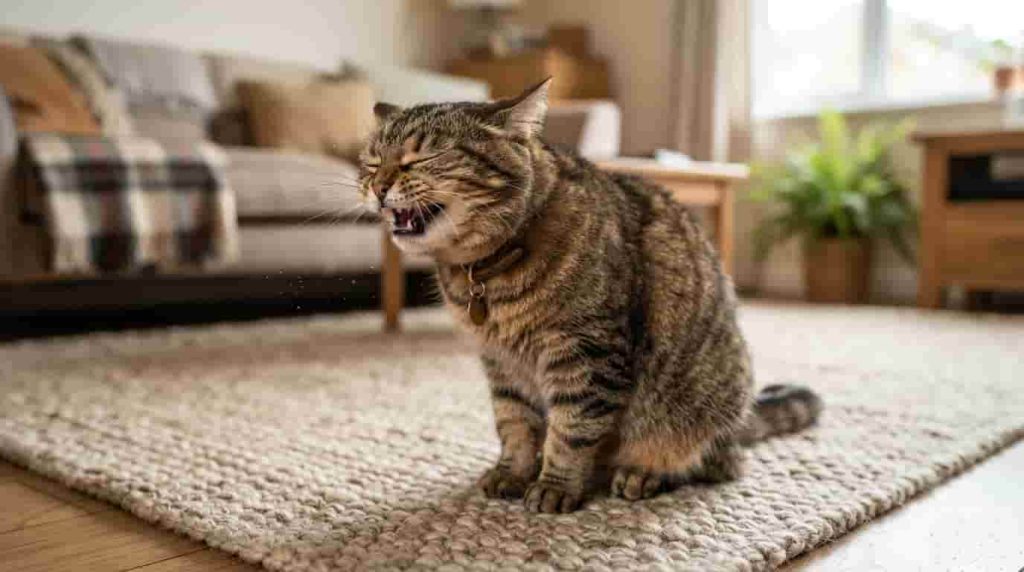
At its core, sneezing is a protective reflex that clears irritants, dust, or foreign objects from the nasal passages. To understand the root cause, it helps to distinguish between occasional sneezing, repeated sneezing, and persistent sneezing.
The major categories of causes include:
- Environmental irritants
- Feline respiratory infections
- Allergies in cats
- Foreign objects trapped in the nasal cavity
- Dental disease
- Nasal inflammation or other medical conditions
Quick Comparison: When to Worry
- Usually less concerning: One or two isolated sneezes, the cat behaves completely normally, there is no nasal or eye discharge, and appetite and energy remain high.
- More concerning: Sneezing repeatedly, sneezing lasting several consecutive days, visible nasal or eye discharge, a reduced appetite, lethargy, or any noticeable breathing changes.
What Are the Most Common Cat Sneezing Causes?
Feline Respiratory Infections
Upper respiratory infections are among the most frequent reasons behind excessive cat sneezing. Pathogens like feline herpesvirus and calicivirus, alongside other infectious organisms, are major contributors.
- Symptoms to watch for: Persistent sneezing, congestion, a runny nose, watery or irritated eyes, reduced appetite, lethargy, fever, and sometimes mouth ulcers.
- Note: These respiratory infections can easily spread between cats in multi-cat households.
Dust, Smoke and Other Airborne Irritants
Environmental triggers are another frequent culprit. Everyday items in your home can easily upset a cat’s sensitive nose:
- Household dust and dusty cat litter
- Cigarette smoke and other types of smoke
- Aerosol sprays and cleaning chemicals
- Strong perfumes or room fresheners
Allergies in Cats
Just like humans, cats can suffer from environmental sensitivities. While allergies in cats
can contribute to chronic sneezing, cat sneezing allergies cannot be diagnosed by sneezing alone; a veterinary assessment is often required to rule out infections and other primary concerns. Common triggers include pollen, mold, and dust mites.
Foreign Objects in the Nose
Small pieces of plant material, stray dust, or tiny debris can occasionally lodge in or irritate a cat’s nasal passage, causing sudden, intense sneezing.
- Possible clues: Pawing aggressively at the nose, head shaking, and discharge from only one nostril.
- Safety Warning: Never attempt to insert tweezers, cotton swabs, or any foreign objects into your cat’s nose.
Dental Disease
Tooth-root infections and other severe dental problems can directly affect tissues near the nasal cavity. Accompanying signs often include bad breath, difficulty eating, drooling, mouth pain, and facial swelling. If your cat is experiencing related oral discomfort, you can read more about it in our guide on Why Is My Cat Drooling? Causes, Symptoms and When to Worry
.
Less Common Nasal Problems
Other potential culprits include nasal inflammation, nasopharyngeal polyps, fungal diseases, or chronic growths. Because these are relatively rare, they are secondary to the primary search intent, much like tracking unexpected changes in pet mobility or wondering Why Is My Cat Limping? Causes, Treatment and When to Worry
during routine health checkups.
Why Is My Cat Sneezing So Much All of a Sudden?

If your feline friend starts sneezing out of nowhere, you are likely wondering what triggered the abrupt onset. Sudden cat sneezing a lot usually points to an acute environmental exposure or the very beginning of a respiratory infection.
Consider what changed recently in your home:
- Did you switch to a new brand of cat litter?
- Were strong cleaning products used nearby?
- Was there exposure to smoke, new fragrances, or outdoor plant material?
Take a moment to evaluate the situation. How frequently is the cat sneezing, are there other symptoms present, and is your cat still eating and behaving normally? Sudden sneezing does not automatically mean an emergency, but persistent or severe symptoms deserve careful attention.
Why Is My Indoor Cat Sneezing?
Many owners assume that because their pet lives strictly indoors, they are fully shielded from airborne ailments. However, indoor cats still encounter plenty of triggers, including dust, litter particles, cleaning products, smoke, artificial fragrances, and household mold. Furthermore, indoor cats can still contract respiratory infections via humans carrying viruses on clothing or through contact with other pets in the home. Being indoors reduces certain risks, but it does not eliminate health hazards entirely.
My Cat Keeps Sneezing but Seems Fine. Should I Be Worried?
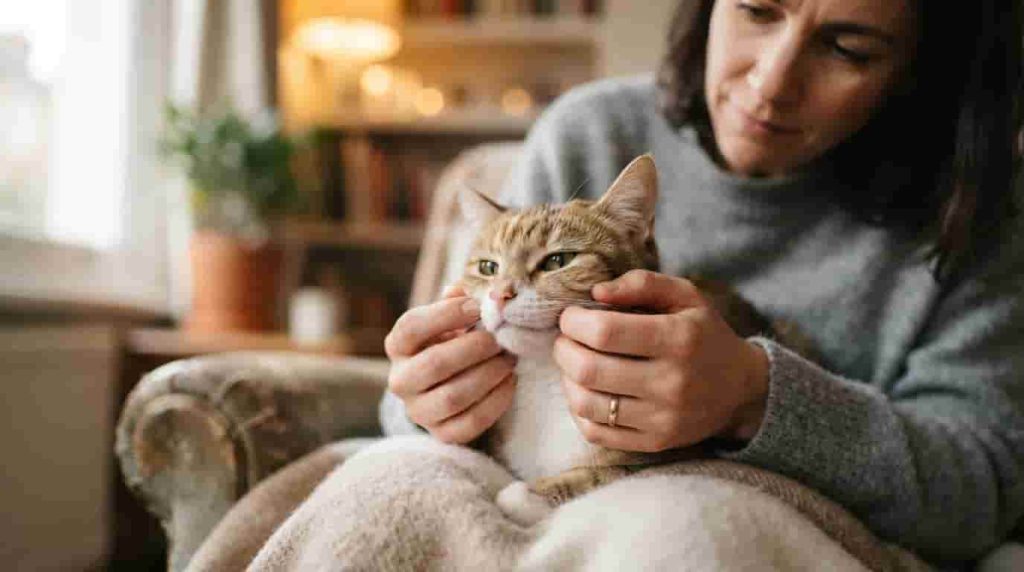
Occasional sneezing in an otherwise energetic, healthy cat is frequently less concerning. However, if your cat keeps sneezing regularly, you should monitor them closely for changing symptoms.
Signs That Make Sneezing More Concerning
- Persistent, unrelenting sneezing episodes
- Excessive or thick nasal discharge
- Eye discharge or squinting
- Poor appetite and sudden weight loss
- Lethargy and unusual sleepiness
- Fever or facial swelling
- Mouth ulcers and breathing problems
Always look at the big picture. Cats can be masters at hiding discomfort early in an illness, so any subtle shift in appetite, energy, or respiratory effort matters. If you ever notice other overlapping issues like wheezing or persistent upper respiratory signs, you may also want to reference Why Is My Cat Coughing? Causes, Symptoms and When to Worry
.
Cat Sneezing and Watery Eyes: What Does It Mean?

When cat sneezing and watery eyes occur together, it usually points toward a viral upper respiratory infection, an environmental irritant, or an allergic response. You might notice clear or thicker discharge, redness around the eyes, squinting, and nasal congestion.
Important Warning: Eye pain, significant discharge, or squinting warrants professional veterinary attention. Never attempt to diagnose the underlying infection or prescribe treatments based on discharge color alone. According to theCornell Feline Health Center
, upper respiratory issues require careful evaluation to prevent secondary complications.
What Can I Do for a Sneezing Cat at Home?
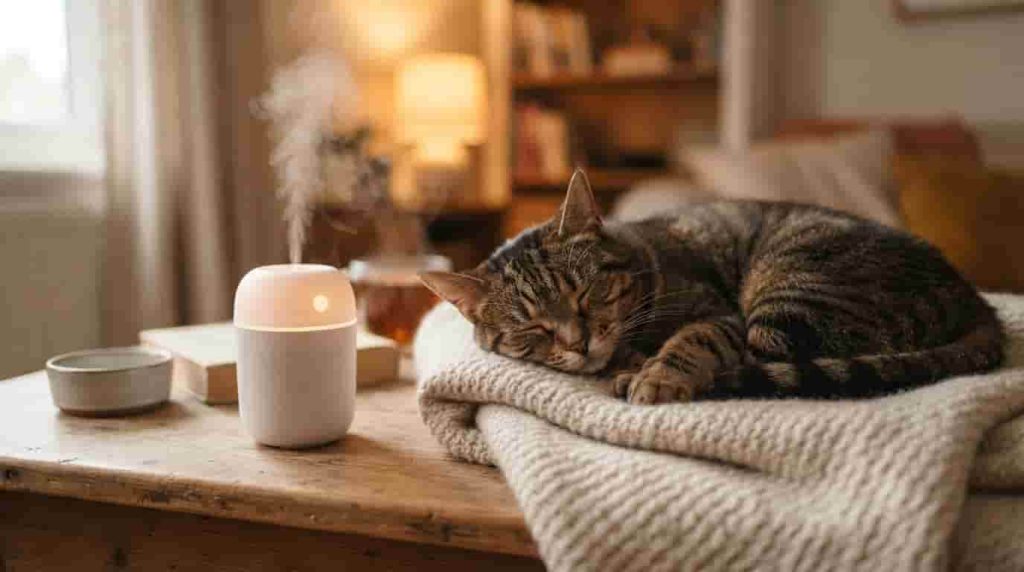
If your cat is experiencing mild symptoms, several supportive home-care steps can help keep them comfortable:
- Remove Potential Irritants: Stop using strong sprays, essential oils, or fragrances near your cat, reduce smoke exposure, and consider switching to a low-dust litter.
- Keep the Environment Clean: Frequently wash cat bedding, reduce ambient dust, keep litter boxes clean, and maintain good household ventilation.
- Encourage Food and Water: Offer fresh, clean water and provide familiar, highly appealing food to maintain their nutrition.
- Gently Clean Visible Discharge: Use a soft, clean, damp cloth to wipe away crust or mucus strictly from the outside of the nose or eye area. Never force anything into the nostrils.
- Reduce Contact With Other Cats: If an infection is suspected, separate the sick cat in a comfortable room, avoid shared food bowls, and wash your hands thoroughly after handling them.
What Is A Safe Sneezing Cat Home Remedy?
There is no single universal home remedy because effective treatment entirely depends on the underlying cause. While supportive home care (like keeping the air clean and encouraging hydration) is safe, you must avoid risky self-treatment.
Strong Safety Warning: Never give your cat human cold medicines, decongestants, painkillers, essential oils, or unapproved antibiotics. Medications that are completely safe for people can be dangerously toxic to felines.
When Should I Be Concerned About My Cat Sneezing?
You should schedule a veterinary appointment if your cat’s sneezing persists, becomes frequent or severe, is accompanied by ongoing nasal or eye discharge, or if your cat loses its appetite or becomes lethargic.
When Is Sneezing an Emergency?
Seek urgent or emergency veterinary care immediately if your cat displays:
- Difficulty breathing or an obvious struggle to breathe
- Open-mouth breathing or panting
- Severe weakness or collapse
- Any other signs of acute respiratory distress
Breathing problems should never be managed with home remedies and require immediate medical intervention.
How Will a Veterinarian Find the Cause?
Taking your cat to the clinic removes the guesswork. Your veterinarian will begin with a thorough history—asking about the duration of the sneezing, discharge, appetite, energy, and potential exposure to other cats or new environmental triggers.
Next, they will perform a comprehensive physical examination checking the nose, eyes, mouth, teeth, ears, heart, and lungs. Depending on what they discover, additional testing such as respiratory panels, imaging, or dental assessments may be recommended to pinpoint the exact root cause.
How Can I Help Prevent Cat Sneezing?
While you cannot eliminate every environmental factor, you can significantly lower the risks:
- Reduce exposure to indoor smoke and aerosol sprays.
- Keep your home reasonably dust-free and choose low-dust cat litter.
- Maintain strict hygiene in multi-cat environments.
- Keep your cat’s vaccinations fully current according to veterinary advice.
- Schedule routine wellness exams to catch minor issues before they escalate.
What If the Sneezing Keeps Coming Back?
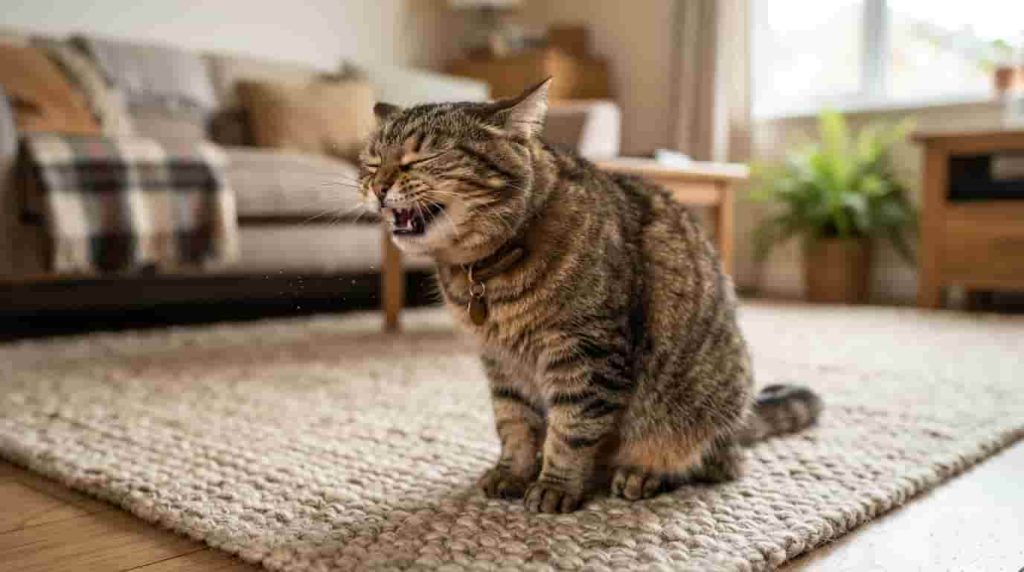
If your cat’s sneezing keeps returning, it may point toward chronic nasal inflammation, lingering infections, recurrent environmental triggers, or dental disease. To help your vet, keep a detailed log tracking when the sneezing happens, its frequency, potential triggers, and any associated discharge or lethargy. Recording a short video of an active sneezing episode on your phone can also provide invaluable context during your veterinary visit.
Frequently Asked Questions
Yes, occasional sneezing can happen from minor dust or nasal irritation and is usually harmless.
Some mild, uncomplicated upper respiratory infections improve with supportive home care, but persistent or severe symptoms require veterinary guidance.
This can be caused by minor environmental irritants, early-stage allergies, or foreign objects rather than an active infection.
Yes, highly dusty clay litters can easily irritate sensitive feline nasal passages and trigger repeated sneezing.
Occasional sneezing without other symptoms can be monitored, but you should see a vet if sneezing persists or is accompanied by lethargy, discharge, or breathing changes.
Conclusion
Sneezing in cats has many possible causes, ranging from harmless dust tickles to more complex respiratory infections. While occasional sneezing may be completely fine, persistent sneezing or accompanying warning signs—such as nasal discharge, eye problems, poor appetite, lethargy, or breathing difficulty—deserve prompt veterinary attention. Have you noticed your cat experiencing repeated sneezing lately, and what other symptoms did you observe?