
Cat Body Language: How to Read Your Pet’s Silent Signals
Introduction
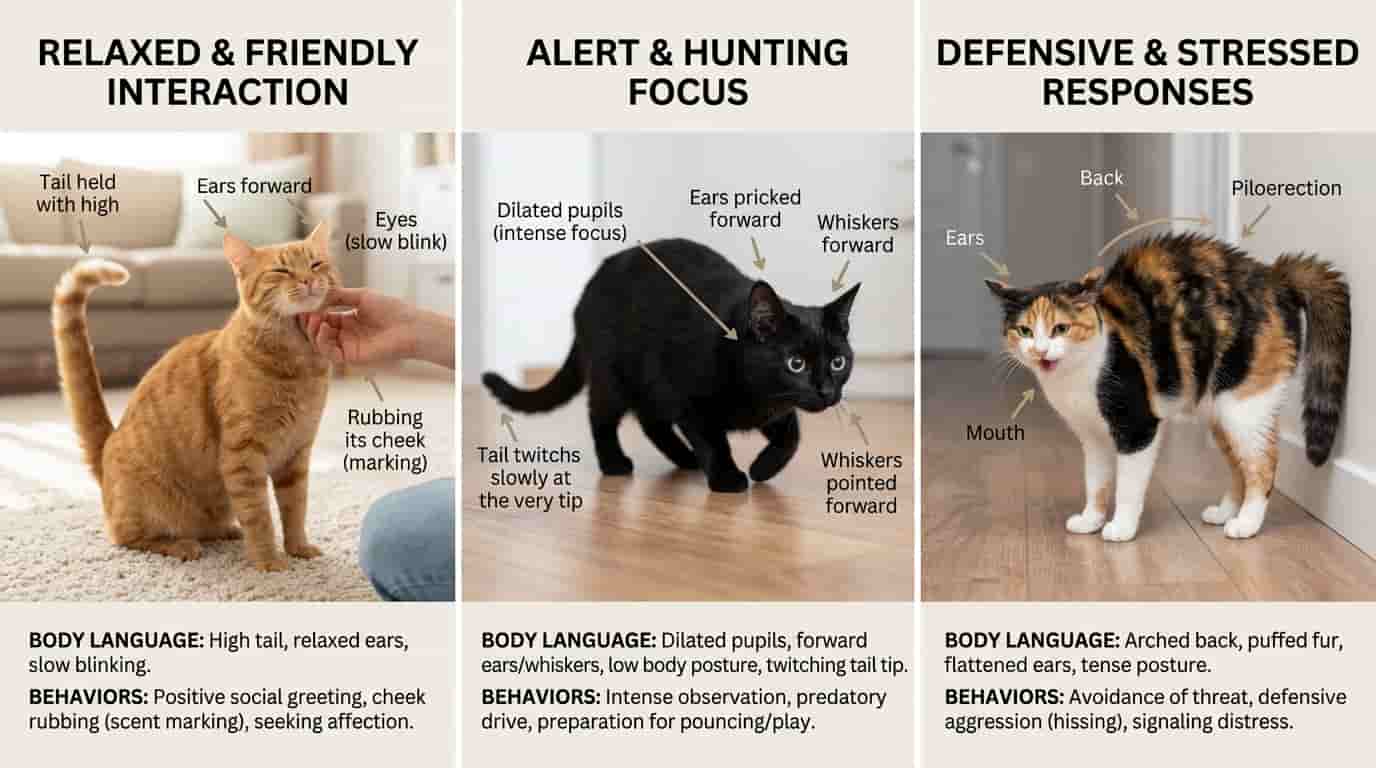
Cat body language is something millions of cat owners misread every single day. Have you ever been stroking your cat peacefully and then suddenly received a sharp bite? That moment feels confusing, but your cat actually warned you several times before it happened.
Understanding cat communication starts with paying attention to the right signals. Cats speak with their whole body every single moment. Their ears, tails, eyes, and posture all carry clear messages that most owners simply do not notice.
This guide walks you through the most important feline behavior signs step by step. Once you learn these cat behavior cues, you will understand your pet on a much deeper level. You will also know when your cat needs space and when it truly wants closeness.
Understanding Cat Body Language Through the Tail
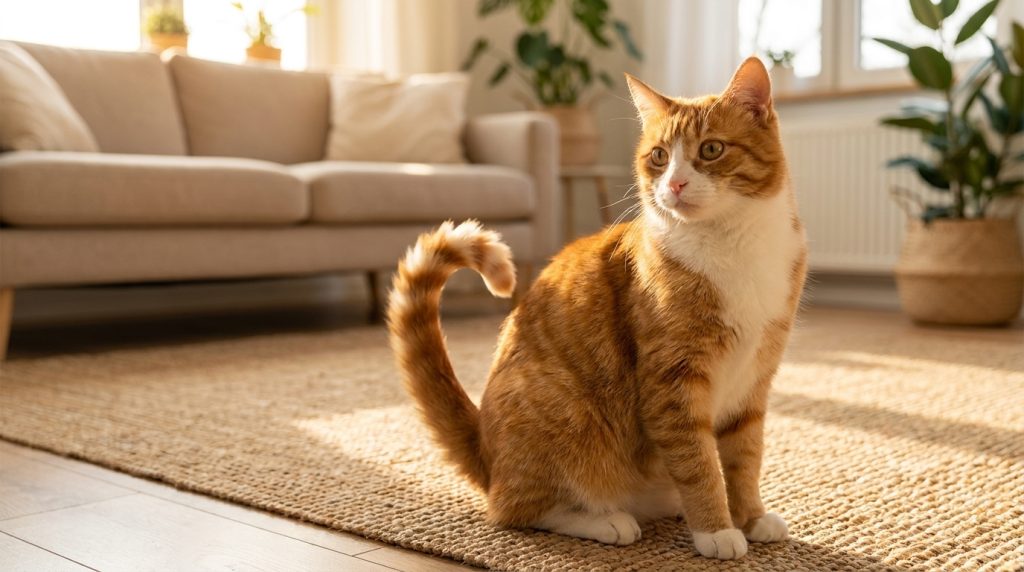
The tail is your cat’s most expressive communication tool. Cats use their tail to signal mood instantly and clearly. Therefore, watching the tail is always the fastest way to understand how your cat feels right now.
Here is what different tail positions mean:
- Tail held high: Your cat feels confident and happy to see you.
- Tail tucked low or between the legs: Your cat feels scared or anxious.
- Tail puffed up like a bottle brush: Your cat feels threatened and is trying to look bigger.
- Tail flicking quickly side to side: Your cat feels irritated or overstimulated.
- Tail wrapped around your leg: Your cat is showing pure affection and trust.
Additionally, a slow and gentle tail sway means your cat is watching something with mild interest. A fast and sharp twitch, however, signals that your cat wants space immediately. Reading these cat postures at the right moment can prevent unexpected scratching or biting.
Decoding Cat Ear Positions

Cat ear positions are another powerful indicator of your feline’s mood. Cats can rotate each ear independently, which makes them surprisingly expressive. Therefore, always notice where the ears are pointing before you reach out to touch your pet.
Here is a quick guide to feline ear signals:
- Ears forward and upright: Your cat feels alert, curious, or ready to play.
- Ears flattened sideways (airplane ears): Your cat feels anxious or uncomfortable.
- Ears pinned flat against the head: Your cat feels seriously scared or ready to defend itself.
Next time your cat flattens its ears during a play session, stop immediately. Continuing when a cat shows this sign almost always leads to a bite. Learning these feline communication signals protects both you and your cat every single day.
Reading Feline Body Language Through the Eyes

The eyes reveal so much about a cat’s emotional state. Cats use their pupils and blink rate to send very clear messages. Furthermore, understanding cat cues from the eyes can completely transform your relationship with your pet.
Watch for these important eye signals:
- Slow blinking: Cats use slow blinks as a form of deep affection and trust. You can slow blink back, and your cat will often respond in kind.
- Dilated pupils (wide and round): Your cat feels excited, scared, or highly stimulated. Context matters here.
- Constricted pupils (narrow slits): Your cat feels focused or may be showing mild tension.
- Hard and direct stare at another animal: This is often a warning or a challenge in feline communication.
According to VCA Animal Hospitals, a cat that avoids direct eye contact with strangers is not being unfriendly. That behavior is actually a sign of politeness in feline culture. Forcing eye contact with a nervous cat can quickly make it feel threatened and defensive.
Interpreting Cat Postures From Head to Toe

Interpreting cat postures gives you the full picture of how your cat feels. A single signal like ear position means much more when you combine it with full body posture. Therefore, always look at the whole cat instead of focusing on just one part.
Here are the most important cat body postures and what they mean:
- Exposed belly: Many owners assume this is an invitation for belly rubs. However, it usually means your cat trusts you enough to be vulnerable. Petting the belly often leads to a bite.
- Arched back with puffed fur: Your cat feels threatened and is trying to appear larger. Give your cat space right away.
- Crouched low to the ground: Your cat feels scared or is preparing to pounce during play.
- Rubbing its face and body against you: Your cat is marking you with its scent. This is a clear sign of love and ownership.
- Rolling on the ground: Your cat feels playful, relaxed, and safe in its environment.
Reading cat body language from head to toe like this also reduces conflict between cats in multi-pet households. Deciphering cat signals early keeps the peace for everyone.
Cat Body Language During Social Interactions
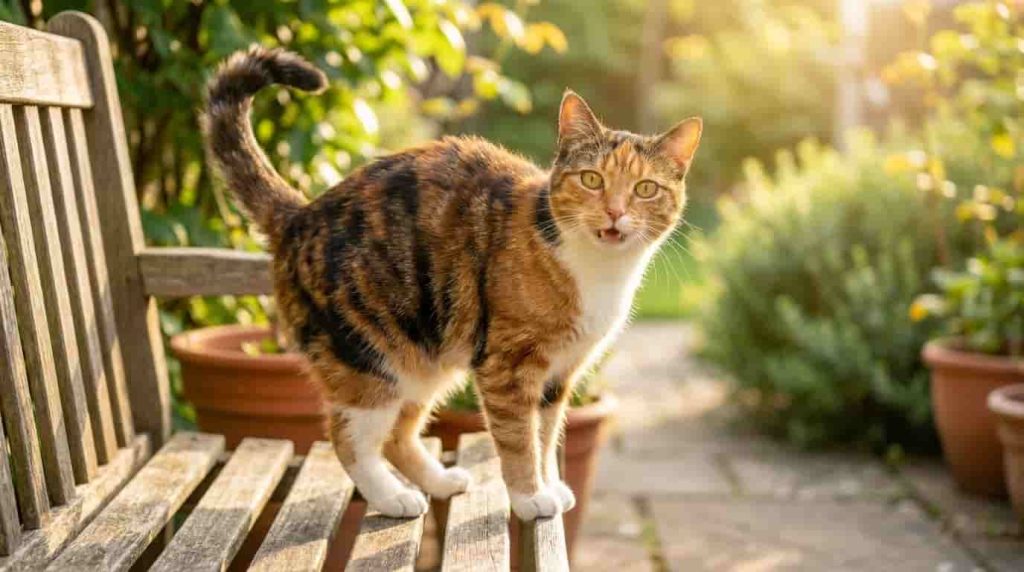
Decoding cat expressions becomes especially important when your cat interacts with people or other animals. Many cat bites happen simply because owners miss the early warning signs. Additionally, recognizing these moments helps you create a much safer home for everyone involved.
Watch for these escalating warning signs together:
- Tail flicking faster and faster
- Ears rotating slowly backward
- Skin twitching along the back
- Low growling or rumbling sounds
When you see several of these signals at once, your cat is clearly asking you to stop. Furthermore, if you want to learn what sounds often accompany these body signals, check out our detailed guide on Cat Meowing Meanings: What your feline is trying to tell you.
Real life example: Sarah, a cat owner from Texas, used to think her cat Mochi was biting randomly during cuddles. Once she learned to spot Mochi’s tail flicking and skin twitching, she stopped petting before those warning signs appeared. Mochi stopped biting completely within two weeks.
Also, some cats act out because of fear rather than pure aggression. For help with serious biting habits, visit our in-depth article on Cat Aggression Issues: How to stop biting and scratching for good.
How Cat Body Language Connects to Other Feline Behaviors
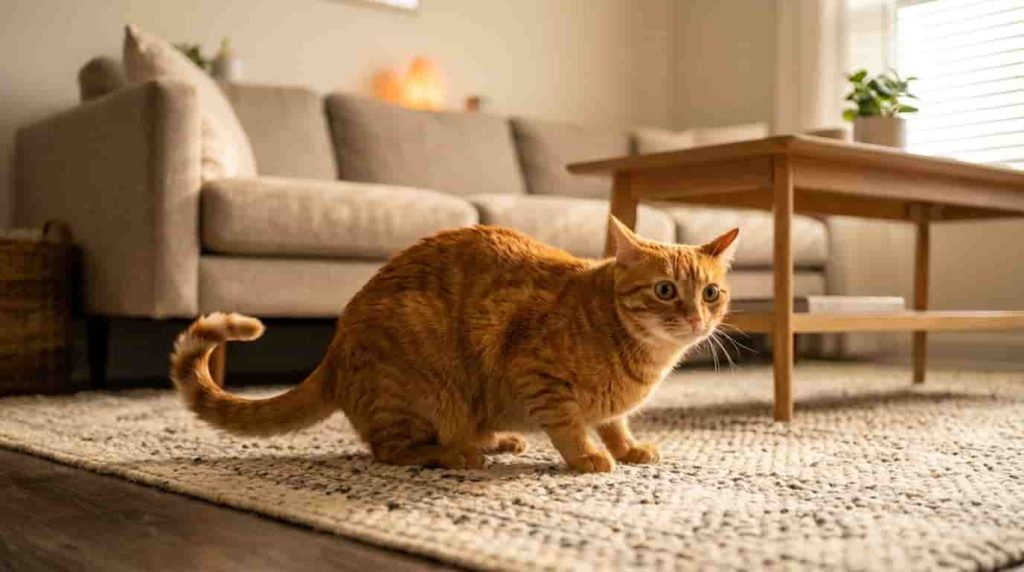
Cat body language does not work in isolation. It connects directly to other behaviors like purring, kneading, and nighttime activity. Understanding these links gives you a complete and accurate picture of your cat’s personality.
For example, kneading while purring usually signals total contentment. Your cat’s relaxed and open posture confirms this happiness. Read more about this in our article on Cat Kneading Habits: Why your cat makes biscuits on your lap.
Similarly, alert and excited body postures late at night often mean your cat has entered its natural hunting mode. This directly explains the famous 3 AM sprints around your home. Our article on Cat Night Zoomies: Why your pet runs wild at 3 AM explains this energy in full detail.
Purring combined with a relaxed and open body posture almost always signals true happiness and safety. Our piece on Cat Purring Science: Why they vibrate and what it means for your health explores this connection deeply. Cornell University College of Veterinary Medicine also notes that relaxed body posture paired with purring is among the strongest indicators of feline well-being.
Conclusion
Learning to read cat body language is one of the best things you can do as a cat owner. Therefore, start small by focusing on just one signal at a time, like the tail or the ears. Additionally, always look at the full body picture before deciding how to respond to your cat.
Cat body language becomes clearer the more you observe your pet each day. As a result, you will build a much deeper bond and avoid many confusing moments. Your cat is always communicating with you. The key is simply learning how to listen.
Did this guide help you understand your feline better? Share your experience in the comments below and tell us which silent signal you noticed first in your own cat.
Frequently Asked Questions
A happy cat usually holds its tail high and blinks slowly at you. Its body will feel relaxed, and it may purr softly or rub against your legs. These are all reliable signs of a content and comfortable cat.
Your cat is most likely overstimulated. Watch for tail flicking and skin twitching, because these are early warning signs before bites happen. Stopping the petting session at those first signals prevents the bite entirely.
A cat showing its belly trusts you and feels safe in your presence. However, it is not always an invitation for petting. Many cats will scratch or bite if you touch the belly directly.
Cats stare to show interest, affection, or sometimes to send a challenge. A slow blink during a stare is a friendly and loving signal. A hard and unblinking stare toward another animal, however, signals tension or a warning.
A scared cat will crouch low, tuck its tail, flatten its ears, and try to look as small as possible. It may also hide or attempt to flee the situation entirely. Always give a scared cat quiet space and time to recover on its own.