
Cat Medical Savings: Setting up an emergency vet fund.
Introduction:
Cat medical savings start with a sudden midnight dash to the emergency animal clinic. Many cat owners face unexpected bills when their pets fall sick. Therefore, setting up solid cat medical savings protects your furry friend from sudden health crises.
Your cat hides pain very well. Suddenly, breathing changes or vomiting starts. Emergency visits cost hundreds of dollars instantly. Because of this, unprepared owners panic during stressful vet appointments.
Proper planning removes financial stress completely. Furthermore, smart owners build reliable funds before emergencies strike.
Meanwhile, other safety measures protect your pets too. You should read Cat Pet Insurance: Is it worth the monthly cost for you. to learn about coverage options. Additionally, explore Cat GPS Trackers: Comparing the best feline locator chips. for outdoor safety tools. Furthermore, review Cat Identification Tags: Choosing a silent tag for your pet. for proper identification.
Essential Cat Medical Savings Strategies For Every Owner

Cat medical savings require consistent monthly deposits into a dedicated bank account. Traditional savings accounts offer safe holding spaces for unexpected veterinary bills. Therefore, establishing cat medical savings gives you instant peace of mind.
Sarah placed twenty dollars into a separate jar every single week. Months later, her cat swallowed a ribbon requiring surgery. Consequently, her accumulated cat medical savings covered the entire hospital bill without debt.
You must evaluate your monthly budget today. First, calculate average annual wellness checkups. Next, set aside a specific amount for emergency funds. Finally, track your progress toward your financial goal.
Many owners ignore routine checkups entirely. However, preventive care yields significant veterinary cost savings for cats over time. Therefore, early detection prevents expensive procedures later.
Managing Cat Medical Expenses Reduction Effectively

Cat medical savings grow faster when you practice smart expense reduction. Routine veterinary care costs add up quickly across the year. Therefore, finding affordable cat medical care keeps your budget balanced.
Cats need regular dental cleanings and parasite prevention. Because prices vary between clinics, comparing local prices helps. Cornell University College of Veterinary Medicine notes that preventive dental care prevents severe systemic organ disease in aging cats.
You need practical ways to lower bills. First, ask your veterinarian about generic medication options. Next, look for low-cost cat vet services in your local community. Finally, explore discounted cat medical treatments through local animal shelters.
Some owners skip vaccinations to save money. However, treating preventable diseases costs much more than routine shots. Therefore, smart owners balance thrift with necessary care.
Budget-Friendly Feline Health Options And Smart Planning

Cat medical savings thrive when paired with budget-friendly feline health options. Proper planning prevents sudden financial shocks during health crises. Therefore, structured budgeting ensures your cat receives top-tier treatment.
Here are simple steps to follow:
- Open a high-yield savings account exclusively for your pet.
- Deposit a fixed amount from every paycheck.
- Research low-cost wellness clinics in your area.
- Review pet health insurance policies annually.
Cat medical expenses reduction takes discipline and clear planning. Therefore, tracking your spending habits protects your savings goals.
Economical cat healthcare solutions keep pets healthy without breaking family budgets. ASPCA advises owners to plan for unexpected veterinary emergencies before they occur.
Cost-Effective Cat Medical Savings And Professional Care
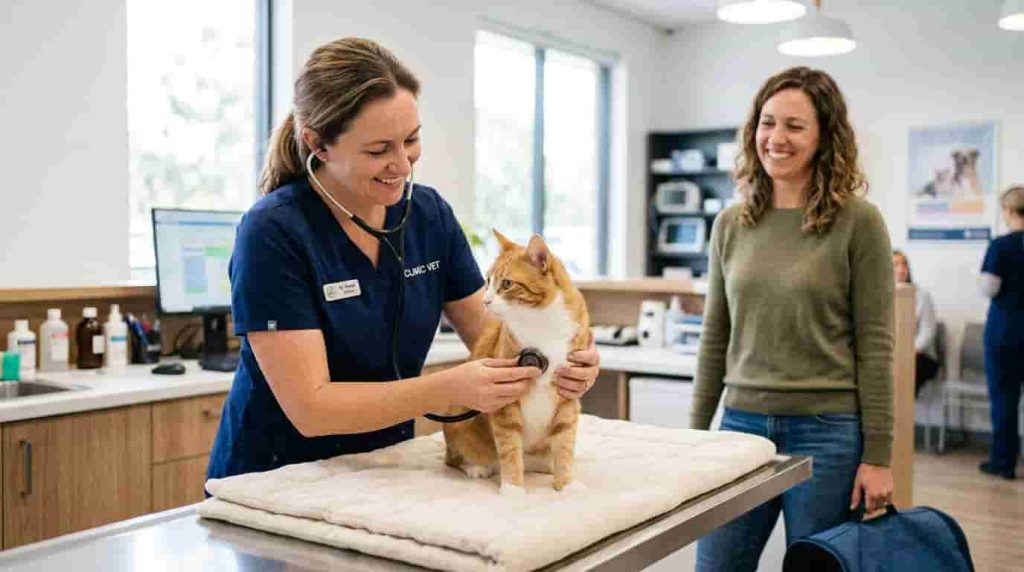
Cat medical savings provide a reliable safety net during unexpected health emergencies. High veterinary bills overwhelm families lacking financial preparation. Therefore, systematic saving safeguards your pet’s future health.
Quality veterinary clinics offer payment plans for major surgeries. VCA Animal Hospitals reports that financial planning helps owners approve necessary treatments without delay.
Here is what you should do during financial planning:
- Set up automatic transfers to your pet savings account.
- Keep a separate credit card for emergency vet bills only.
- Discuss treatment cost estimates with your veterinarian beforehand.
- Investigate community grants for veterinary assistance programs.
Cost-effective cat medical savings secure proper medical attention when seconds matter. Smart owners prioritize emergency preparedness every single year.
Cat-friendly financial habits ensure long and healthy lives for our feline companions. Start building your emergency fund today.
Conclusion
Cat medical savings remain an essential priority for every responsible pet owner. Unexpected illnesses strike without warning. Therefore, establishing a dedicated emergency fund protects your cat from financial uncertainty.
What strategies do you use to save money for your pet’s medical needs? Share your experience below.
Frequently Asked Questions
Aim to save at least one thousand dollars for unexpected veterinary emergencies. Larger funds cover complex surgeries and overnight hospital stays. Therefore, build your balance gradually over time.
Routine wellness exams should come from your regular monthly household budget. Emergency savings remain strictly for unexpected illnesses or accidental injuries. This keeps your safety net intact.
You can compare prices at local veterinary clinics for routine medications. Buying preventatives in larger bundles often lowers overall costs. Furthermore, preventive care stops expensive diseases.
Many modern veterinary hospitals partner with third-party medical financing companies. These programs let owners pay for expensive surgeries over several months. Always ask about financing options before treatment.
Pet insurance reimburses major medical bills after meeting a deductible. A savings account gives you direct control over your cash without monthly premiums. Both options protect against high costs.