
Cat Heartworm Tests: Why prevention is better than the cure.
Introduction:
Cat Heartworm Tests often bring up questions that many owners find confusing. You might assume your indoor cat stays perfectly safe from parasites. However, a tiny mosquito bite carries a silent danger right into your home.
Heartworm disease causes severe damage before you ever see a single sign. Because cats hide illness so well, you must understand the risks involved. Learning about detection helps you protect your feline friend.
Why Cat Heartworm Tests Are So Complex
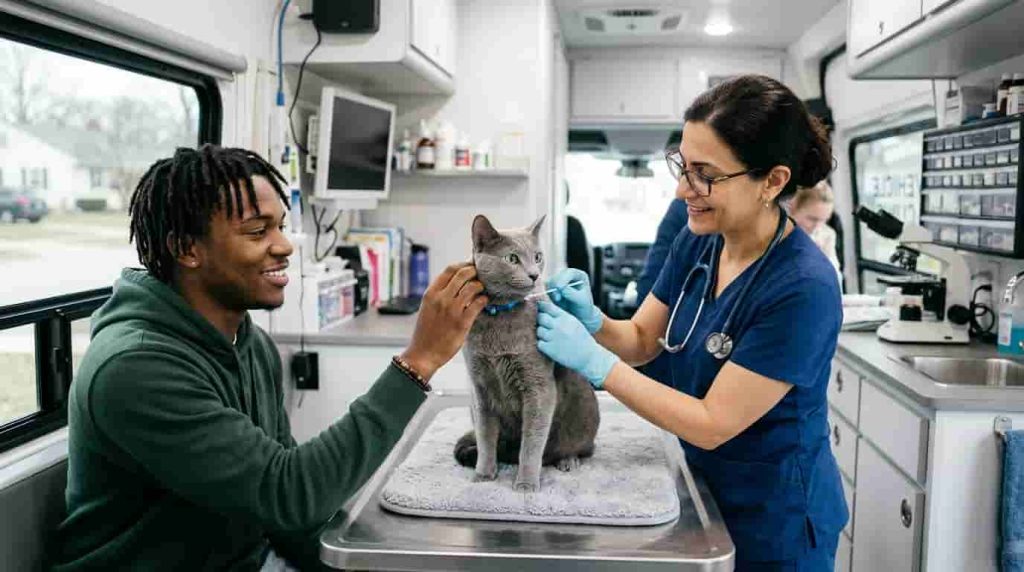
Cat heartworm tests represent a difficult challenge for every veterinarian. Unlike dogs, cats rarely host adult worms that show up on standard blood work. This makes feline heartworm testing much more complicated and nuanced.
Veterinary professionals often combine different methods for an accurate result. They might use antibody tests to look for past exposure. Additionally, they use antigen tests to find evidence of adult female worms.
Cornell University College of Veterinary Medicine explains that cats often fight off infections naturally. Unfortunately, this immune response itself causes permanent lung damage. Therefore, you want to avoid the infection entirely through consistent care.
Deciphering Feline Heartworm Diagnosis

Detecting heartworm in cats requires patience and multiple diagnostic tools. You must rely on your vet to interpret these complex lab results. They piece together clues from your cat’s health history and physical exams.
Sometimes, they use ultrasound to find the parasites directly. This visual method confirms the presence of worms when blood tests remain inconclusive. Feline heartworm diagnostics become a real investigative process for your clinic.
Because no cure exists for cats, your focus must shift toward prevention. Regular heartworm prevention for cats is the only way to ensure safety. You keep the parasites away by using monthly, vet-approved products.
Implementing Heartworm Prevention for Cats
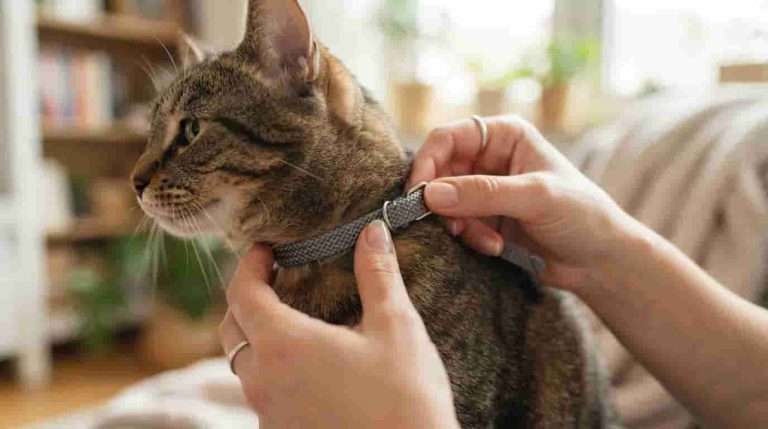
You should consult your vet about the best heartworm prevention for cats. Many topical treatments cover both internal and external parasites effectively. This routine makes life so much easier for busy owners.
If you travel often, remember to read Cat Travel Sickness: Causes, Symptoms, and Easy Remedies for travel safety. You want to keep your cat healthy and relaxed on every trip. Consistent parasite protection remains a major part of that health plan.
Furthermore, recognize that other household toxins impact their immune system. You can learn more in Cat Pesticide Risks: Symptoms, Treatment, and Prevention Tips to minimize exposure. A strong immune system helps your cat stay resilient.
Understanding the Role of Feline Heartworm Screening
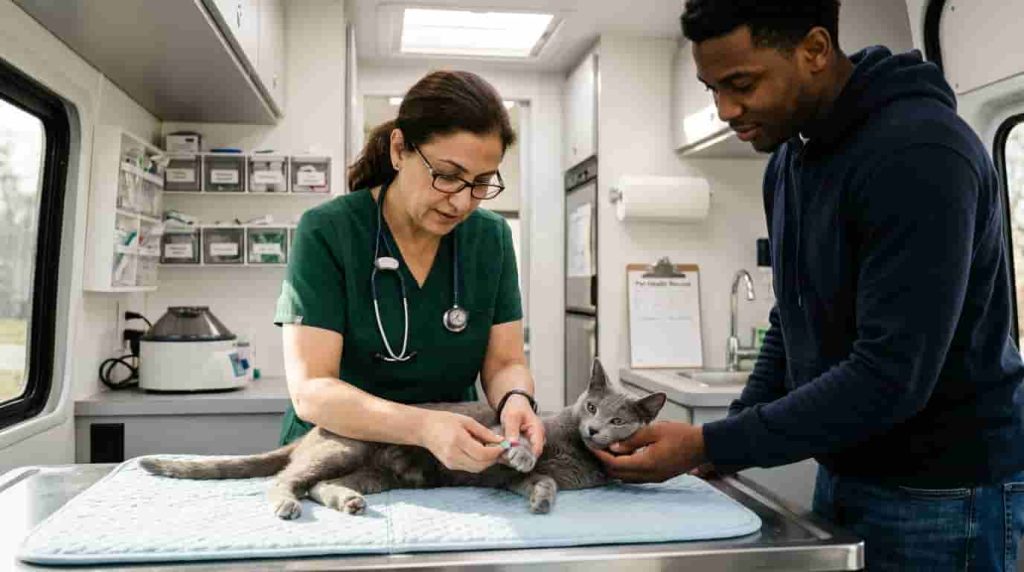
Feline heartworm screening helps you track your cat’s long-term parasite status. Regular exams allow your vet to spot changes in their lung health. You should schedule these routine checks at least once every year.
A heartworm blood test for cats provides peace of mind for many owners. Even if you use prevention, occasional testing offers an extra layer of security. You stay proactive instead of waiting for symptoms to appear.
Also, prepare yourself for emergencies by learning other safety skills. Read Cat Choking Rescue: Essential First Aid Every Cat Owner Should Know to keep your home truly safe. You want to manage every potential health threat with confidence.
Choosing the Best Heartworm Test Kits for Cats
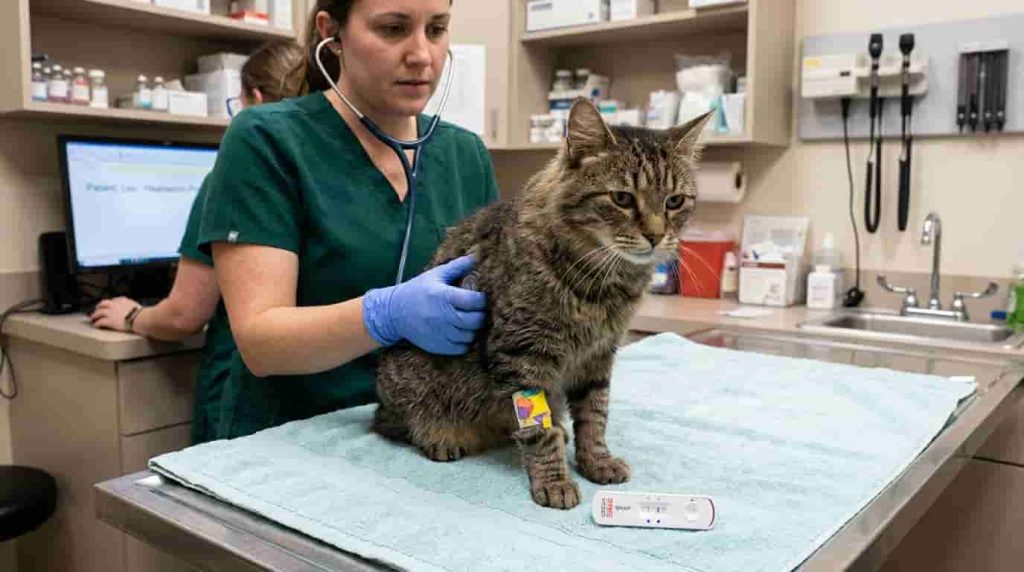
You might wonder about at-home heartworm test kits for cats. Experts generally advise against using these kits for a formal diagnosis. Only a qualified clinic can perform accurate blood analysis safely.
Relying on a professional heartworm test kit ensures accurate, reliable data. Your vet interprets the findings against the cat’s specific clinical signs. This expert oversight makes all the difference during a health crisis.
Additionally, store your heartworm medication in a safe, cool place. Never skip a dose, as even a short gap exposes them to danger. Your commitment protects them from a lifelong, difficult illness.
Managing Symptoms and Feline Heartworm Disease Detection
Cat heartworm disease detection often comes too late for effective treatment. Watch for subtle changes like persistent coughing or increased breathing rates. Some cats might also experience unexplained weight loss or sudden vomiting.
If you notice these changes, call your vet office immediately. Do not ignore them, as they could signal respiratory distress. Early action helps you manage the situation with more options.
Talk to your vet about the specific risks in your local area. Mosquito populations change with the weather and your geographic location. Staying informed helps you decide the best frequency for testing.
Improving Cat Heartworm Tests and Prevention

You help your cat thrive by prioritizing these preventive health habits. Every monthly dose saves them from potential heart and lung failure. Your dedication serves as their best protection against this silent threat.
Talk to your local clinic about a testing schedule that fits your cat. Most vets recommend starting prevention while your cat is still a kitten. This builds a lifetime of safety from the very beginning.
Remember that a little effort creates a much happier life. Your cat enjoys a healthy, active future because you take action. Keep those preventive doses up to date every single month.
Final Thoughts on Cat Heartworm Tests
Cat heartworm tests remain a vital part of your routine veterinary care. While prevention is clearly the best cure, testing provides necessary information. You protect your cat by balancing these two essential practices.
Never underestimate the power of a simple, monthly preventive dose. It remains the most effective weapon against these dangerous parasites. You act as their guardian and their primary defense against disease.
Do you currently use a regular heartworm preventive for your feline friend? Please share your tips or ask a question in the comments below!
Frequently Asked Questions
Yes, indoor cats are still at risk because mosquitoes easily enter homes. Prevention is necessary for all cats regardless of their lifestyle.
Your vet will decide the best schedule based on your region’s mosquito activity. Most vets suggest annual screening during your cat’s yearly physical.
Currently, there is no safe or effective cure for heartworms in cats. This makes prevention the only reliable way to protect them from harm.
Vets typically manage symptoms and monitor the cat’s heart and lung health. They also suggest preventive medicine to avoid any further infection.
No, tests look for antibodies or antigens produced after exposure. It takes time for these markers to develop after an initial mosquito bite.