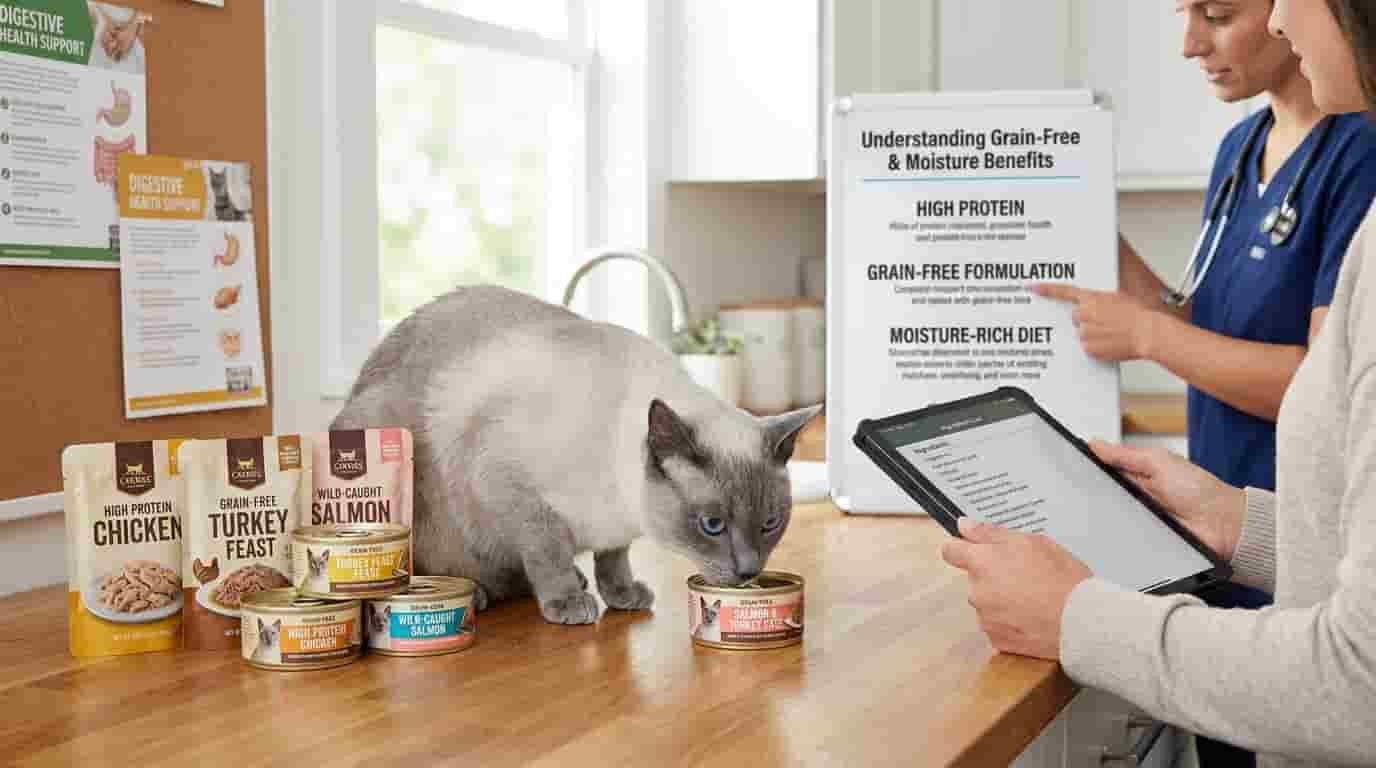
Cat Wet Food: The benefits of high moisture diets.
Introduction:
Cat wet food is the best tool for solving a hidden danger in your home. Many feline owners struggle to keep their pets properly hydrated because cats possess a naturally low thirst drive. This biological trait means your kitty might live in a constant state of mild dehydration. Consequently, your pet can develop severe urinary crystal issues or painful kidney infections over time.
Choosing the right meal plan is the easiest way to protect your beloved pet from these dangers. High moisture meals naturally mimic the water content found in wild prey animals. Therefore, many veterinarians recommend switching away from standard dry kibble options entirely. This ultimate guide will show you how to select the absolute best formulas for your cat.
Why Cat Wet Food Matters for Urinary Health
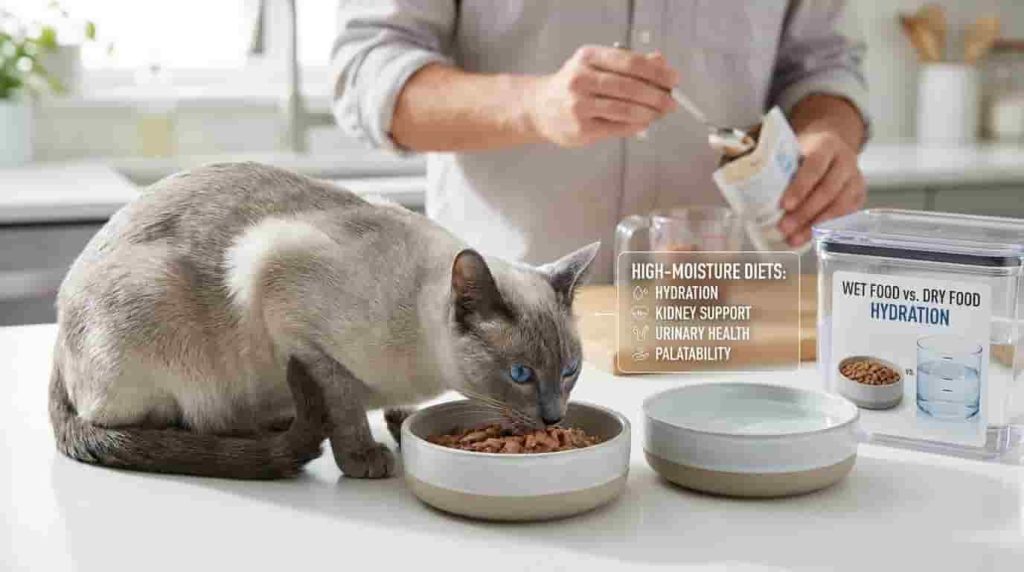
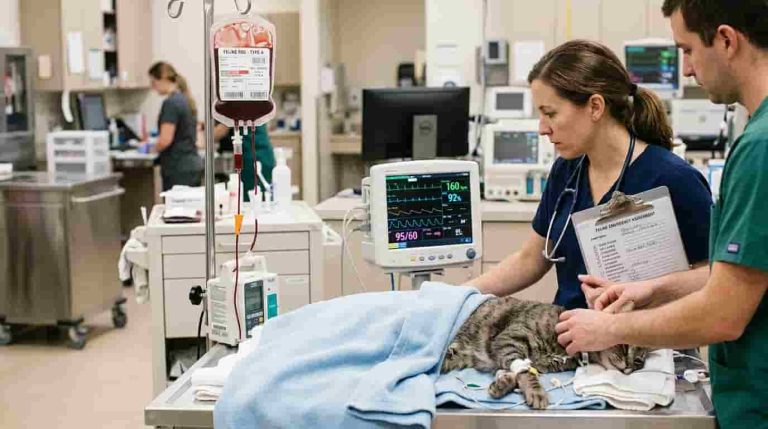
Feeding your feline a premium cat wet food ensures they get plenty of water during mealtime. For instance, my neighbor Mark noticed his tuxedo cat Oreo stopped using the litter box properly. The poor cat whimpered in discomfort because a dry diet caused painful crystals in his bladder. Mark immediately switched to a natural cat wet food and saved Oreo from expensive emergency surgeries.
Increasing hydration thins out the urine and flushes dangerous minerals from the bladder frequently. Additionally, this simple dietary fix reduces the risk of inflammation in the urinary tract lining. According to the specialists at VCA Animal Hospitals, cats consuming wet meals produce a higher volume of dilute urine. As a result, this dilution prevents the formation of life threatening urinary stones.
If you prefer alternative raw meat options instead, you can explore the pros and cons of a biological diet. However, standard canned recipes remain the safest hydration delivery method for most busy households.
The Benefits of High Protein Wet Cat Food
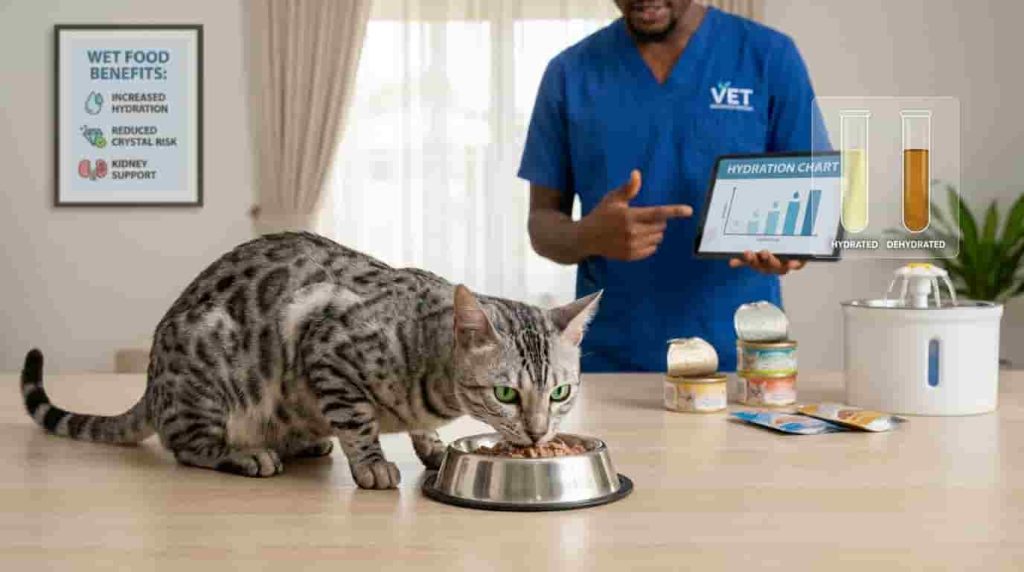
Most felines require low carbohydrate amounts and massive doses of real animal proteins to thrive. A top-rated cat wet food mimics this natural ancestral diet perfectly by eliminating unnecessary plant fillers. Furthermore, these moisture rich recipes protect your cat from developing feline diabetes and chronic obesity.
- Real meat provides essential taurine for heart health.
- Low sugar content prevents unhealthy blood spikes.
- Natural fats support a glossy and soft coat.
Older cats especially benefit from a grain free cat wet food because it digests easily. This gentle formula ensures senior cats absorb all necessary vitamins without stressing their changing digestive tracks. If you need to manage a frail pet, read about how to bulk up a skinny or rescued cat.
Selecting the Right Wet Cat Food Brands
The sheer variety of wet cat food brands at the grocery store can puzzle anyone. First, you should look for real meat listed as the very first ingredient on the label. Avoid products that rely heavily on mystery animal byproducts or heavy wheat gluten thickeners. Next, check for a clear statement confirming nutritional adequacy from trusted animal food control officials.
Finding the Best Affordable Cat Wet Food
You do not need to spend your entire paycheck to buy healthy cat wet food options. Many popular cat wet food companies offer excellent nutrition at very reasonable price points. Therefore, you can easily find an affordable wet cat food that fits your household budget perfectly.
- Buy large cans to save money on packaging costs.
- Look for bulk case discounts at local pet supply stores.
- Rotate between budget friendly poultry cat wet food flavors.
Navigating Organic Wet Cat Food Choices
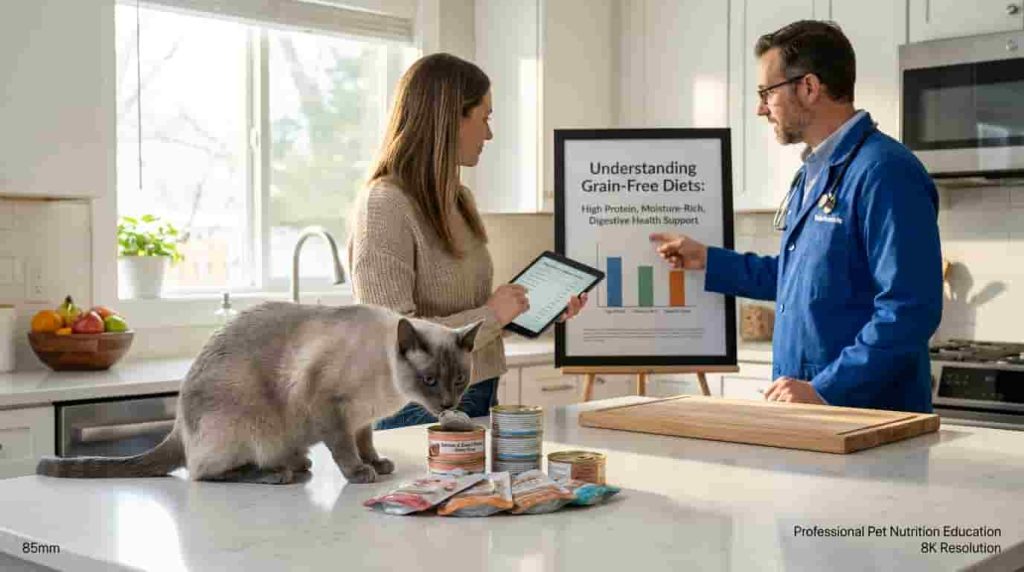
Many eco-conscious pet owners now demand premium wet cat food made with certified organic ingredients. Choosing an organic cat wet food ensures your pet avoids harmful chemical pesticide residues and artificial growth hormones. Additionally, these top rated wet cat food options prioritize ethical farming practices for a healthier planet.
However, you must always double check the actual ingredient list rather than trusting clever front label marketing. Some packages use fancy buzzwords but still contain unnecessary chemical preservatives or synthetic coloring agents. Ensure you also learn about things in your kitchen that can kill your pet to avoid feeding dangers.
Understanding Grain Free Wet Cat Food Options
A high quality grain free wet cat food eliminates corn, wheat, and soy completely. These ingredients often trigger uncomfortable skin allergies and chronic digestive issues in sensitive felines. Fortunately, switching to a clean recipe can eliminate chronic vomiting and itchy skin scabs within a few weeks.
Instead of heavy grains, manufacturers use small amounts of digestible vegetables like peas or pumpkins. These natural additions provide gentle dietary fiber to help hairballs pass through the digestive tract smoothly. Consequently, your cat will feel much lighter, more energetic, and far more playful every day.
How to Introduce New Popular Cat Wet Food
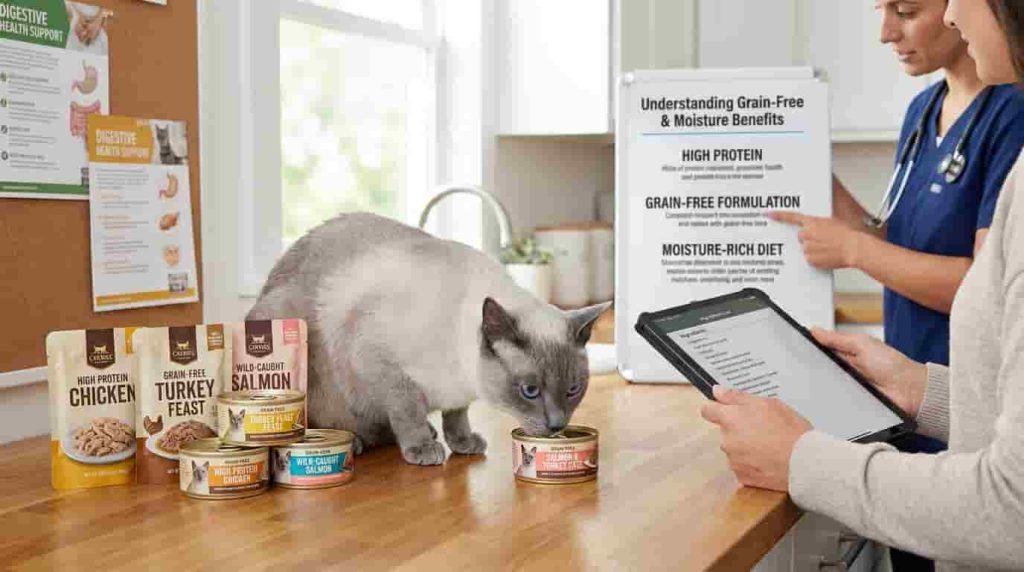
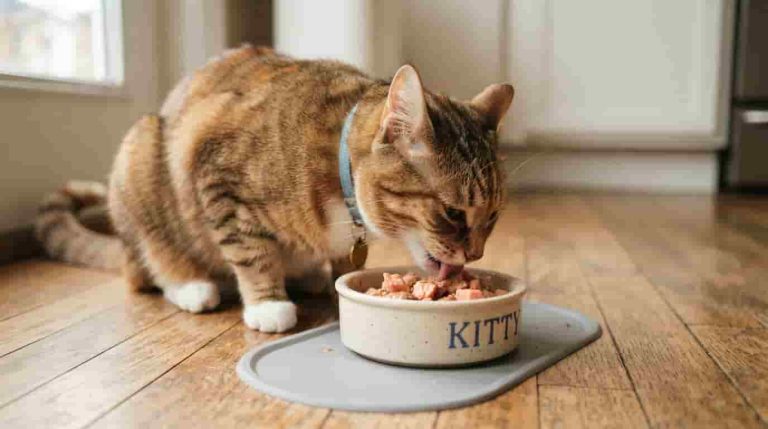
Transitioning your kitty to a new food requires patience because cats dislike sudden changes. First, place a tiny spoonful of the seafood cat wet food next to their normal dry kibble bowl. Next, let your cat sniff and taste the new texture without forcing them to eat it. Finally, slowly increase the wet portion over two weeks while reducing the dry kibble amounts.
Never leave opened canned food sitting out in the room for more than four hours. Harmful bacteria can grow quickly on moist meat and cause severe food poisoning in your pet. Instead, cover the leftover portions with a tight lid and store them in the refrigerator immediately. If your cat still avoids drinking fluids, read why cats prefer running water over bowls to boost their hydration.
Commercial Wet Food vs Dry Kibble
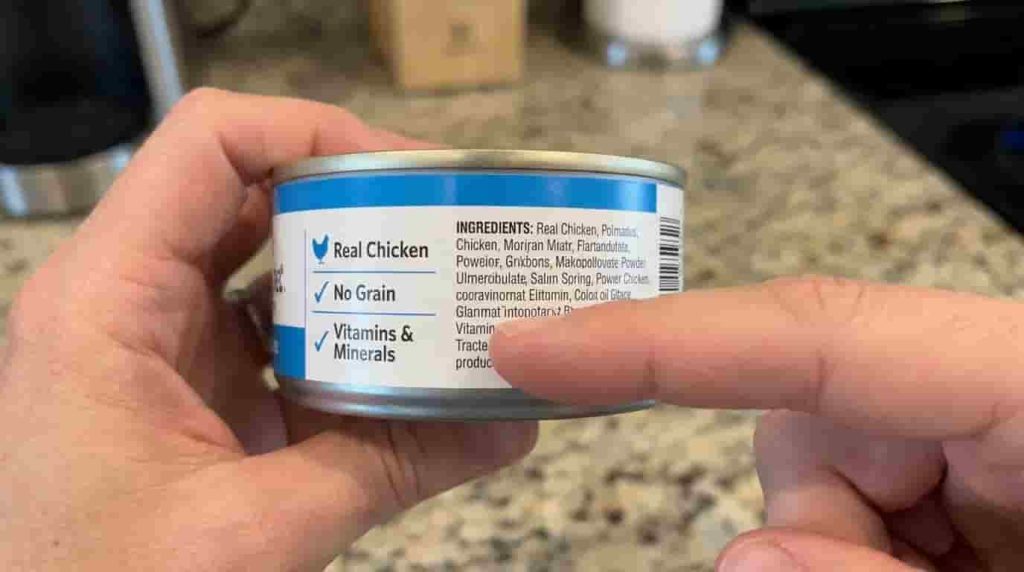
The choice between canned meals and dry crunchy kibble affects your cat’s long term wellness. Dry kibble offers undeniable convenience because it can sit out all day without spoiling. However, kibble lacks the vital moisture that prevents dangerous chronic kidney disease from developing.
- Canned food keeps the kidneys thoroughly flushed.
- Kibble contains excessive starch to hold the shapes.
- Moist food helps cats feel full faster.
- Dry food can lead to overeating and obesity.
Therefore, substituting even one meal a day with canned food improves your cat’s wellness. Your furry companion will enjoy better energy levels and fewer expensive veterinary visits over their lifetime.
Conclusion: Switching to Cat Wet Food
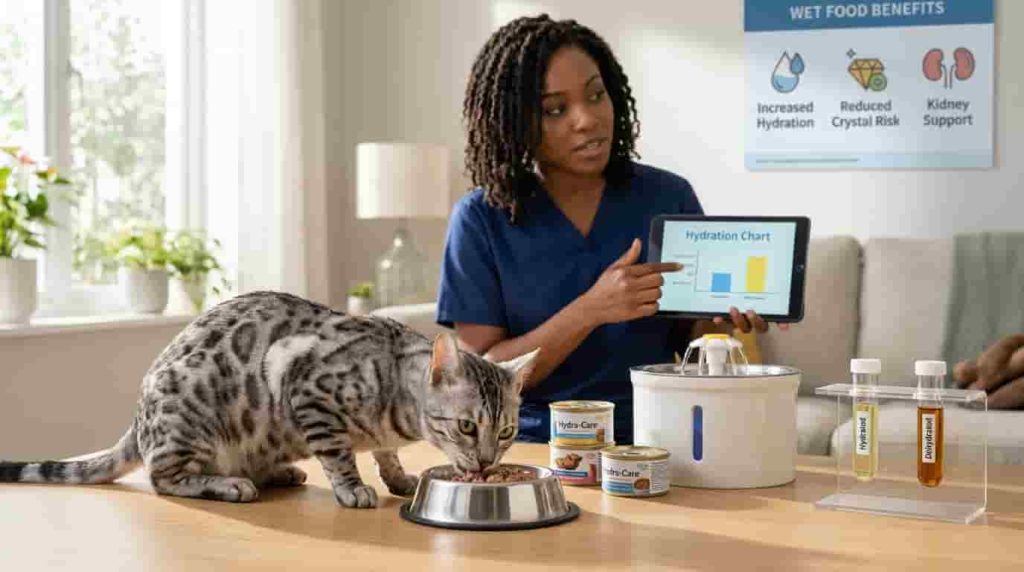
In conclusion, choosing cat wet food is a fantastic way to protect your pet from dehydration and urinary diseases. A high moisture lifestyle supports efficient digestion and keeps your feline at a stable weight. Whether you select an affordable option or a luxury organic formula, your cat will benefit greatly.
What is your kitty’s absolute favorite flavor of canned food? Do they prefer flaky seafood shreds or smooth chicken paté style meals? Please share your funny pet stories and feeding tips in the comments section below!
Frequently Asked Questions
Yes, you can absolutely feed your cat wet food for every single meal. Most veterinary nutritionists recommend high moisture diets over dry kibble to protect kidney function. Just ensure the packaging states the formula provides complete and balanced daily nutrition.
You should never leave moist food sitting out for more than four hours at room temperature. Dangerous bacteria can multiply rapidly on the meat and make your cat very sick. Throw away any uneaten leftovers after this time window passes to keep your kitchen safe.
Cats often lick the gravy because they love the strong aroma and rich savory taste. This habit can also mean your cat dislikes the specific texture of the meat chunks. Try switching to a smooth paté texture and mash it with warm water to solve this issue.
Yes, grain free options can help cats that suffer from specific corn or wheat sensitivities. These clean recipes eliminate common fillers that trigger itchy skin conditions and chronic stomach issues. Always consult your vet to identify the exact cause of your pet’s allergies.
You must cover the opened can with a plastic pet food lid or tight plastic wrap. Store the container inside your refrigerator immediately and use the remaining portions within three days. Warm the food slightly to room temperature before serving it because cats dislike cold meals.